Fashioning Prosperity--Shetou, Taiwan's Sock Center
Teng Sue-feng / photos Chuang Kung-ju / tr. by Geoff Hegarty
February 2006
Taiwan is often thought of as a producer of umbrellas, toys, suitcases and bicycles, but many of these low-tech industries have either moved out or vanished. In fact, the hosiery industry in the township of Shetou may be one of the few family-based industries left in the country. Although making socks is not as close to the soil as growing tea or coffee, it remains one of the treasures of a more traditional Taiwan.
Few people realize that many of the world's socks come from Shetou in the center of Taiwan. At its peak, Shetou's hosiery business earned US$230 million in foreign exchange every year. Since Taiwan joined the WTO, the industry has fallen on bad times, but the people of Shetou are still enthusiastically developing their products to compete with newcomers on the sock scene.
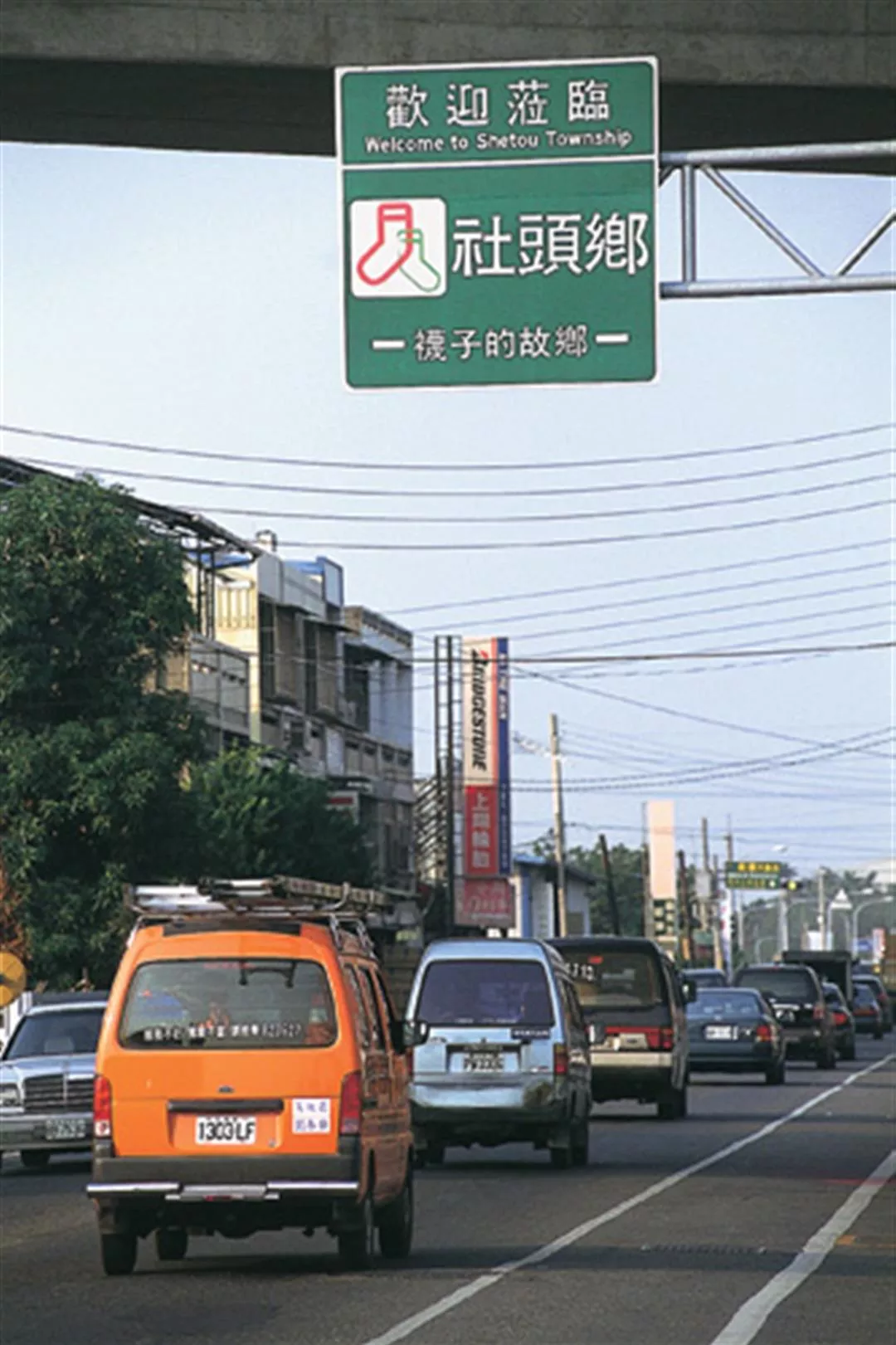
When visitors arrive at Shetou in Changhua County, they are greeted by roadsigns proudly displaying the local product, and reminding them that they have arrived in "sock city."
Walking along the streets of the business district, however, there is little obvious sign of industry, as the main production is in family factories in traditional courtyard houses, terraces or low-roofed houses, all hidden away in the little back streets and alleyways.

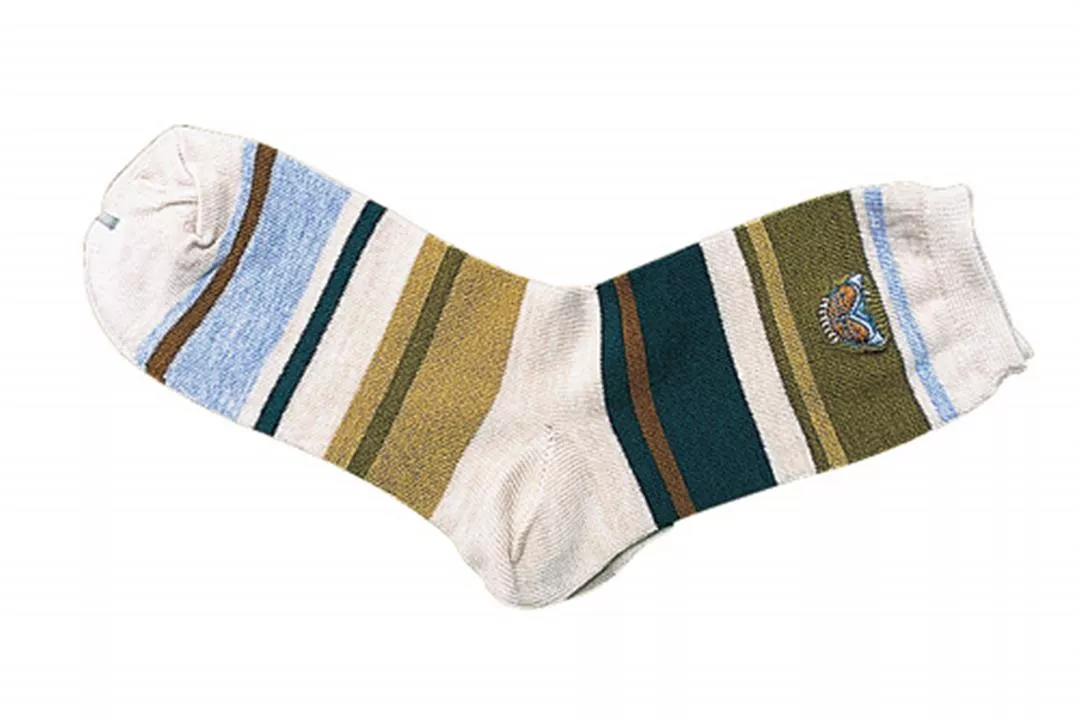
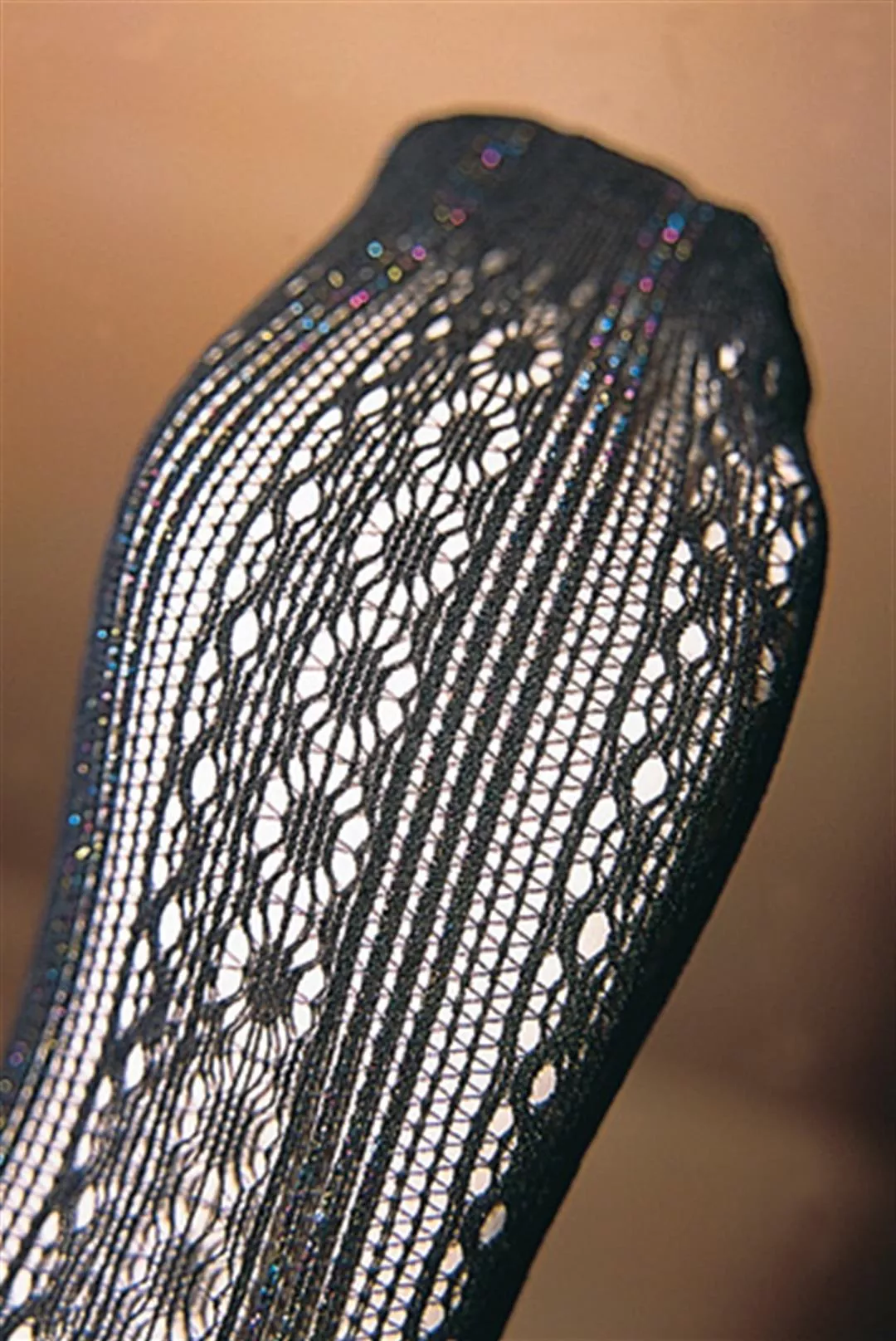
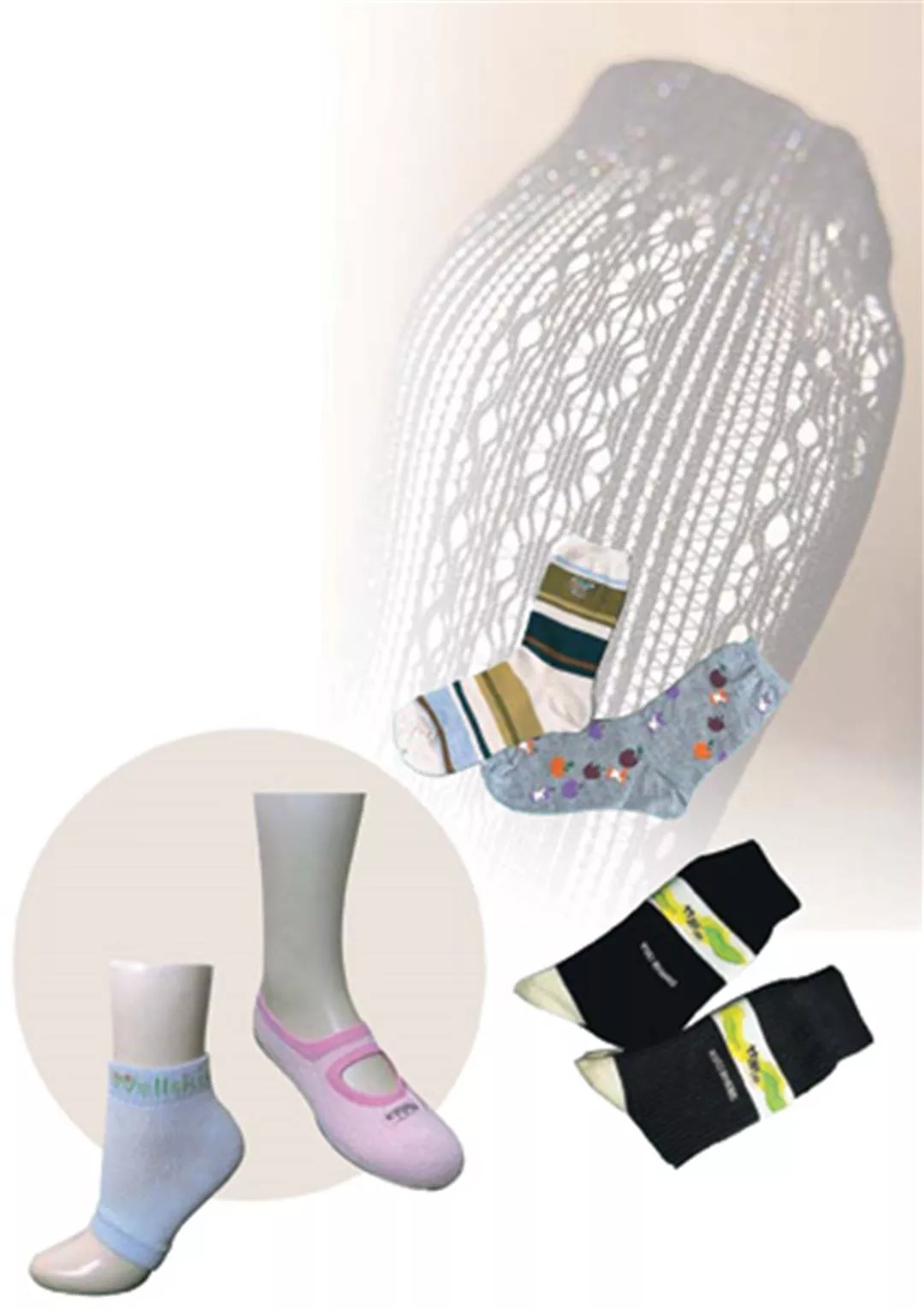
Innovation in design. Shetou's hosiery industry hasn't limited itself to the traditional. New hi-tech products include protective socks, and socks made from bamboo-charcoal yarn which inhibit foot odor.
A buzz of insects and industry
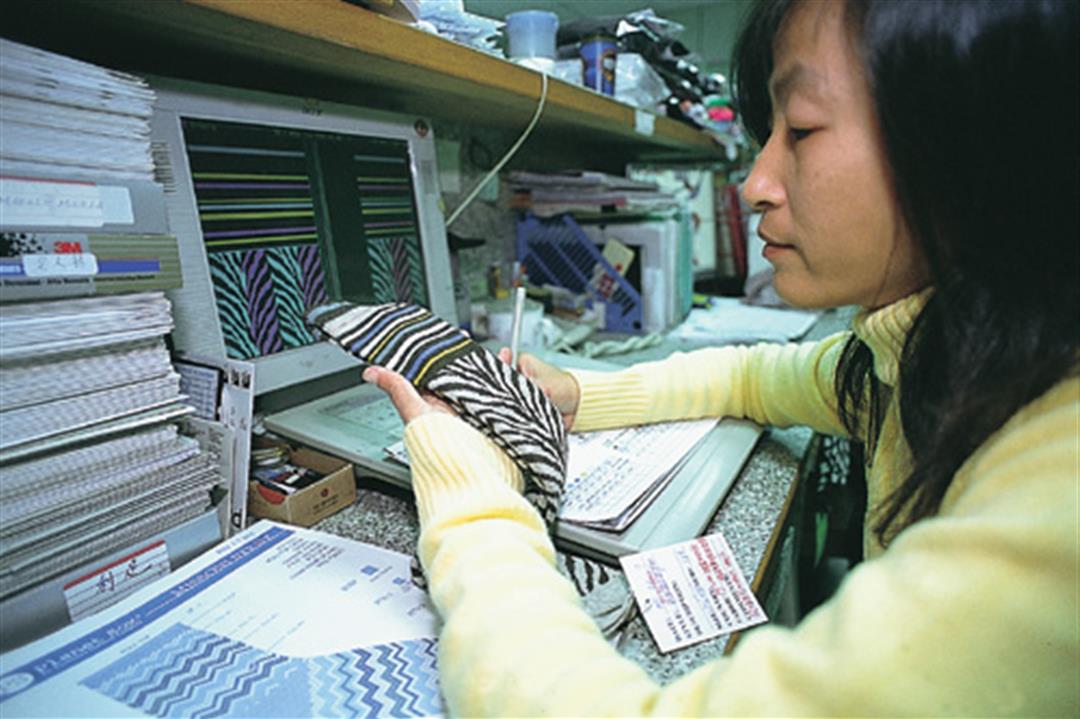
Shetou has a population of 45,000, and around half work in the hosiery industry. It is common for couples to work at home with several machines running day and night, husband and wife taking turns to supervise production. The sound of the machines busily knitting, competing with the buzzing of insects around the guava farms spread out below Mt. Pakua, has become a familiar lullaby for the town's children. Production begins with the main office receiving orders and designs, and then family factories take over the processes of knitting, sewing, sizing and packing. The entire township is a production line, work being divided up into different tasks and shared out among their tiny factories. This system has kept down production costs, and is one of the factors responsible for Shetou's reputation as Taiwan's sock capital.
Shetou's industry is the epitome of Taiwanese small and medium family business-the older generation built up their businesses by sheer hard work, and the children have taken over to develop and enhance what their parents began.
Terry Wei, general manager of Queentex Industry Company, who single-handedly created the Queentex brand of stockings, says that 50 years ago his grandfather would travel around selling his products from a cart. The grandfather went on to introduce new technology from Japan, allowing them to begin production of more complex items such as nylon stockings, and later moved into a large factory in Shetou. Gradually the company got rid of its soy sauce and cosmetics departments which anyway weren't making a profit, leaving only the hosiery business which was later inherited by his ten sons. In those days, the Wei family dominated the town's flourishing industry.

Innovation in design. Shetou's hosiery industry hasn't limited itself to the traditional. New hi-tech products include protective socks, and socks made from bamboo-charcoal yarn which inhibit foot odor.
Variety in design
In the Queentex showroom can be seen a number of designs for hosiery including patterns featuring Chinese zodiac signs, long woolen socks for American Halloween, and a variety of others. Over a ten-year period, more than 5000 designs have been produced. Terry Wei, now 41, took over at quite a young age, the third generation of his family to run the business. In 1989, he graduated from the law faculty of National Chengchi University, and after military service, returned home to take the reins. "We've always been ahead of market trends and are constantly thinking up new ideas. We realize that creative and original designs-utilizing the 'knowledge economy'-is the way to go," explains Wei. It's estimated that about 90% of customers don't have any particular brand loyalty when it comes to socks or stockings, so the company has to be on their toes with new styles to attract customers. With intelligence from their global connections, they have some understanding of what's happening with local trends, and then design products to keep them at the forefront of fashion.
Two years ago, an Australian customer needed a new style of socks and put in an order specifying materials, sewing quality, sizes and price. The company designed a series of more than 20 different samples, checking and rechecking with the customer. After the style was eventually decided on, the company set up production, and completed the order in short time. This sort of operation not only earns appreciation from customers, it also means that the company doesn't need to keep stock sitting on the shelf.
"Effective and flexible control of design and marketing is essential for the continued existence of any enterprise," Wei says, "and the marketing has to be efficient-maximum return for minimum outlay." The company previously stationed an employee in New York to look after the US market. But after a few years, attracted by the prospect of high profits, he left to start his own business. Because of the volume of orders, Wei's sister and sister-in-law, who were living in the US, took over responsibility for the American market. Brother and sister work together, but the sister is in charge of the overseas arm of the business.
In the last decade, Queentex has maintained an annual turnover of NT$600-800 million. Wei claims that the only reason they can't breach the NT$1 billion mark is because of labor shortages.
"The average young person in Shetou would rather be a waiter in a teahouse than a factory worker," Wei says. It's hard work in the factory with high temperatures used for dyeing socks and long hours standing at the packing machines. There are the odd hours too-nobody wants to work midnight to dawn. To keep the machines running 24 hours a day, about ten years ago the company had to apply for permission to employ more than ten overseas laborers.

This roadsign displaying the local product reminds visitors that they have arrived in "sock city"-Shetou in Changhua County.
Shaping the future
In recent years with global competition, economic recession and rising yarn prices, overseas orders have plummeted, reducing export volumes by around 50%. To confront this new challenge, the people of Shetou have focused their efforts on R&D and high-added-value products. Some have tried moving their factories into China, but most "went quietly and came back quietly," with nothing but losses in their pockets.
"Marketing in China is a different proposition. It's not another Taiwan, but rather 50 Taiwans," Wei remarks. In September last year, he asked a customer in Wuxi, Jiangsu Province, whether they wanted to import some winter socks. The reply said, "No, it's still hot here." However that afternoon, the buyer drove north to where the weather was colder, and rang back to order winter socks for immediate delivery.
Johnny Hsiao, general manager of Hsiaotex Enterprise Co., another Shetou business, has more than once been pressured by distributors to consider moving production to China. He points out, however, that the yarn used in making socks is an elastic fiber, not suitable for production in colder areas. Until now they haven't ventured out of Taiwan because of lingering doubts about quality control.
The Hsiaotex factory is located near the village canal, the high speed railway runs above the factory, and the building is partially composed of several large metal sheets and containers. While the setup doesn't look terribly professional, an eye-catching sign set up in front of the building informs passersby: "The first hosiery factory in Tawan to pass ISO 9001."
In 1998, with the assistance of management consultants, Hsiaotex computerized their records of about 1000 different types of colored nylon yarn in their warehouse, which has made the task of maintaining and replenishing stocks easier and more accurate.
In order to revive the good times and restore Shetou to its place as Taiwan's hosiery capital, the Small and Medium Enterprise Administration of the Ministry of Economic Affairs, the local council of Shetou Township, and the hosiery industry association have given guidance and assistance. However, government support for the industry, when compared with assistance for higher-tech enterprises, is still rather meagre.
The Chinese government, in contrast, gives enormous support and encouragement to the industry in that country, where entrepreneurs can easily buy several hundred machines at a time. Government loans in Taiwan of NT$2 million or more involve a complex process that needs 200 to 300 forms to be completed and signed. A sock machine costs more than NT$600,000, and a machine for making tights costs several million; these expenses are a heavy burden for those trying to compete in a tight market. Hsiao claims that loans for such SMEs need to be made more accessible. He also points out that Shetou lacks land suitable for industrial development. Even though Changpin Industrial Park lies nearby, the area along the coast is unsuitable for storing raw yarn because of the salty environment.
To compete effectively with new products out of China, in the last decade Hsiao has been researching new directions. He's looked at the possibility of producing socks that can draw sweat away from the skin and resist bacteria, and he's shown at European exhibitions looking for new markets. He has several new ideas, such as socks made from bamboo-charcoal yarn that inhibit foot odor, socks that resist UV damage and protect against bacterial growth, and a new patent-pending idea-socks and gloves that keep the skin moist and protect feet and hands from becoming chapped. With these novel properties, they can command high prices-more than NT$1000-and are extremely popular in Europe and the US.
The problems of Shetou's manufacturing industry are yet to be resolved. The people are hoping that the government and the country in general will look after SMEs such as their own. The hosiery industry has been an integral part of Taiwan for around half a century, so let's try to hold on to it, develop it and ensure that it can look forward to a profitable future.
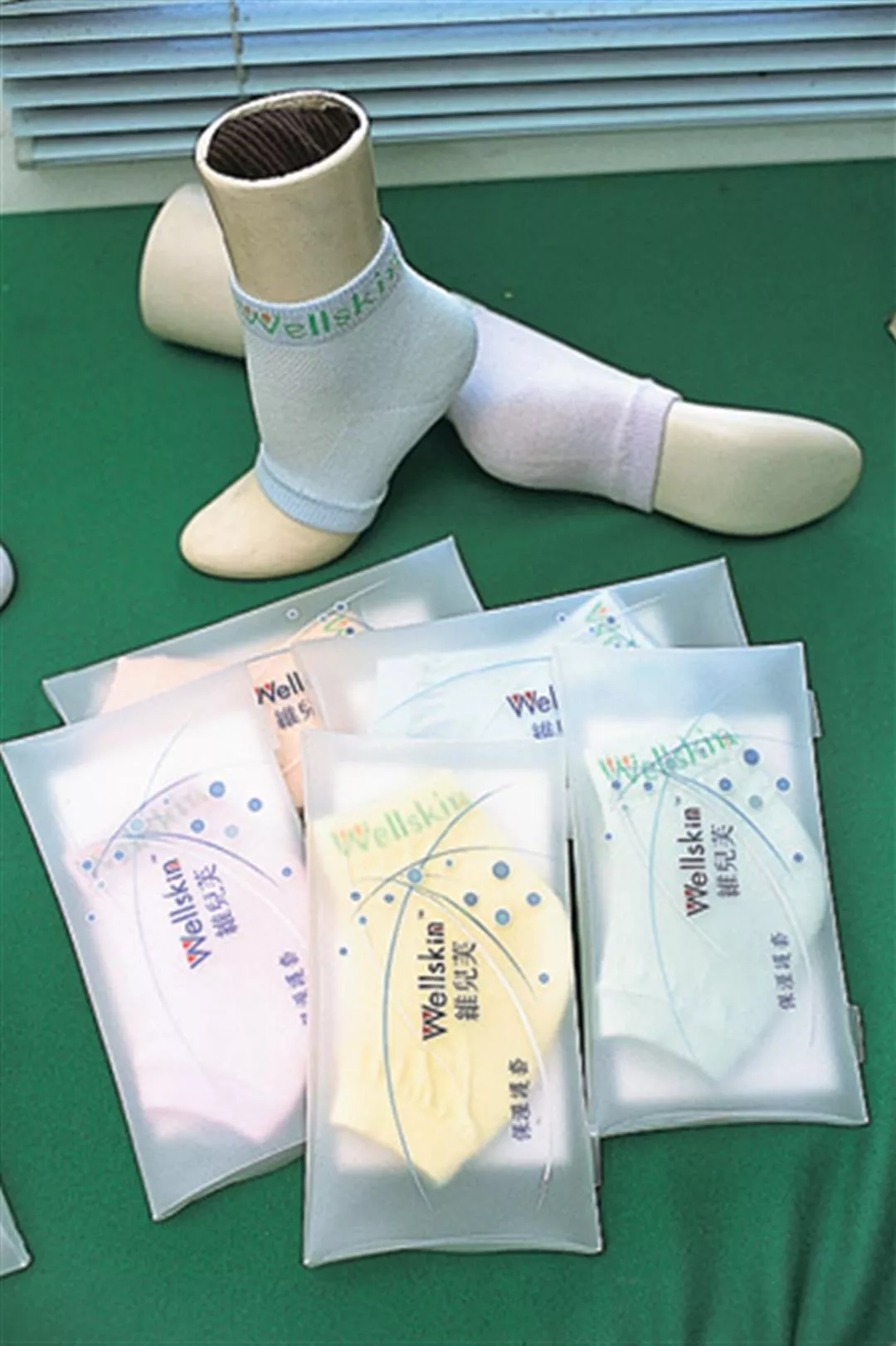
Innovation in design. Shetou's hosiery industry hasn't limited itself to the traditional. New hi-tech products include protective socks, and socks made from bamboo-charcoal yarn which inhibit foot odor.
Innovation in design. Shetou's hosiery industry hasn't limited itself to the traditional. New hi-tech products include protective socks, and socks made from bamboo-charcoal yarn which inhibit foot odor.
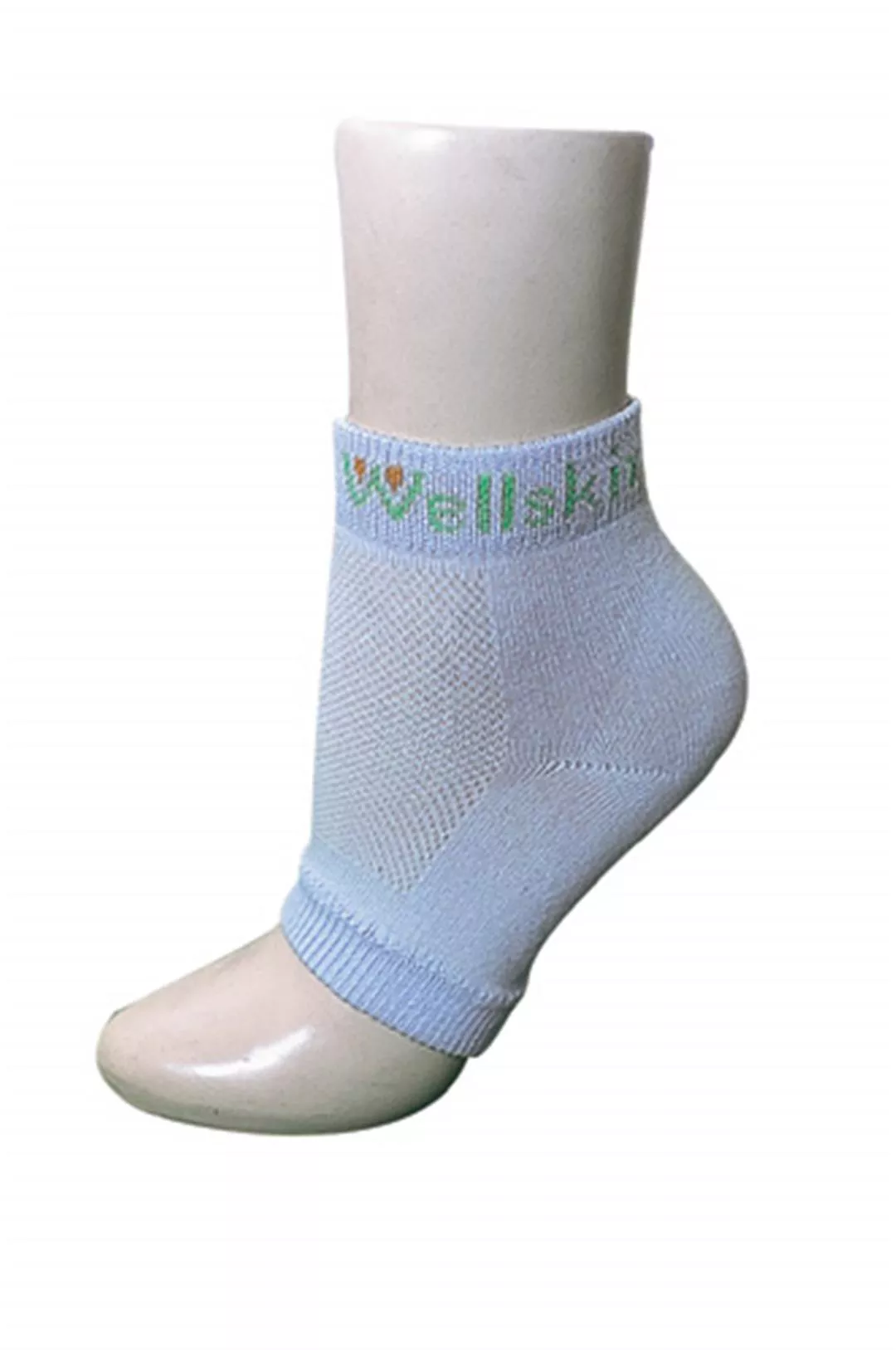
Innovation in design. Shetou's hosiery industry hasn't limited itself to the traditional. New hi-tech products include protective socks, and socks made from bamboo-charcoal yarn which inhibit foot odor.
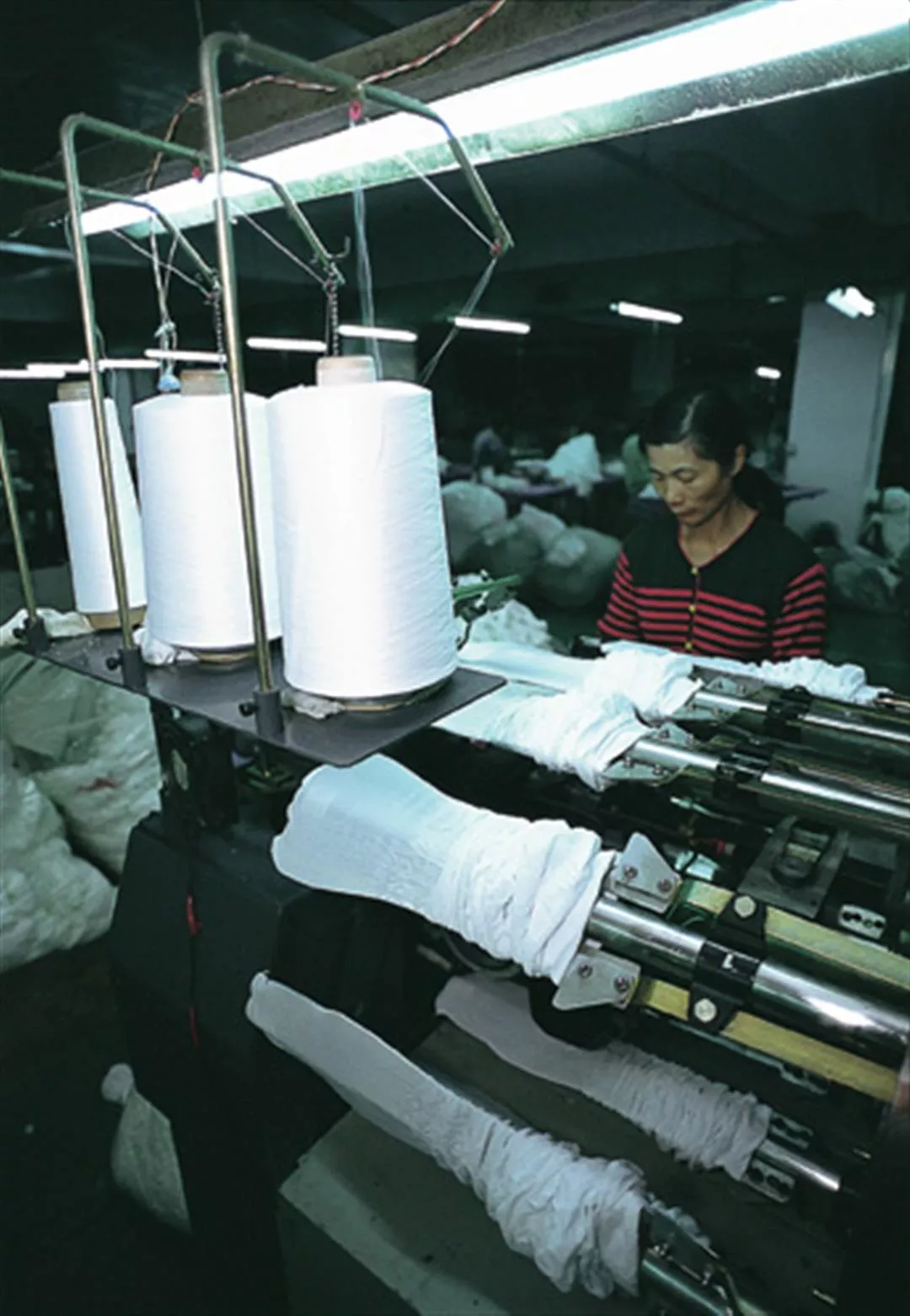
With machines running 24 hours a day, the hosiery industry has been an integral part of Taiwan for around half a century, so let's try to keep the machines going and ensure the business a profitable future.
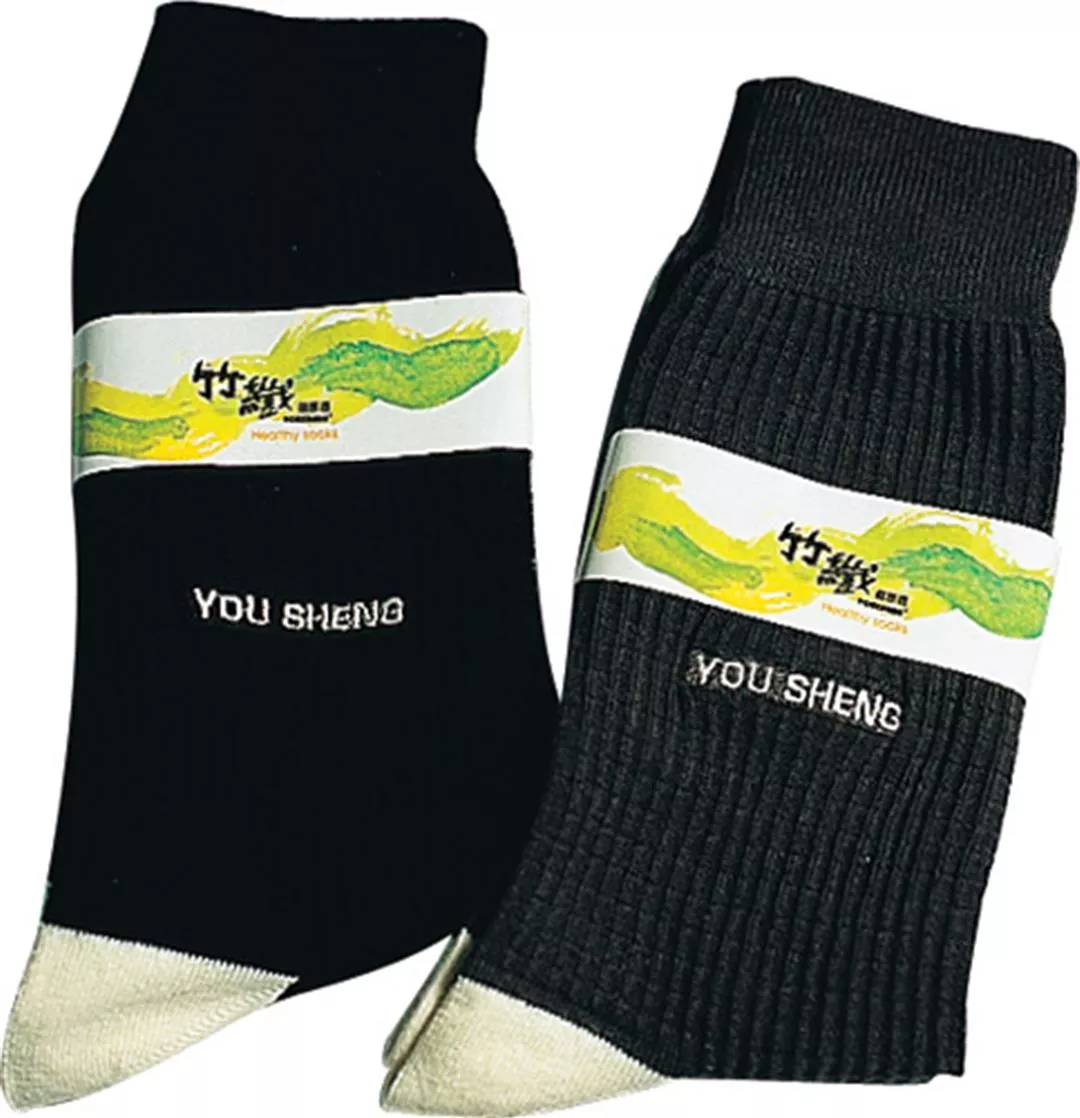
Innovation in design. Shetou's hosiery industry hasn't limited itself to the traditional. New hi-tech products include protective socks, and socks made from bamboo-charcoal yarn which inhibit foot odor.
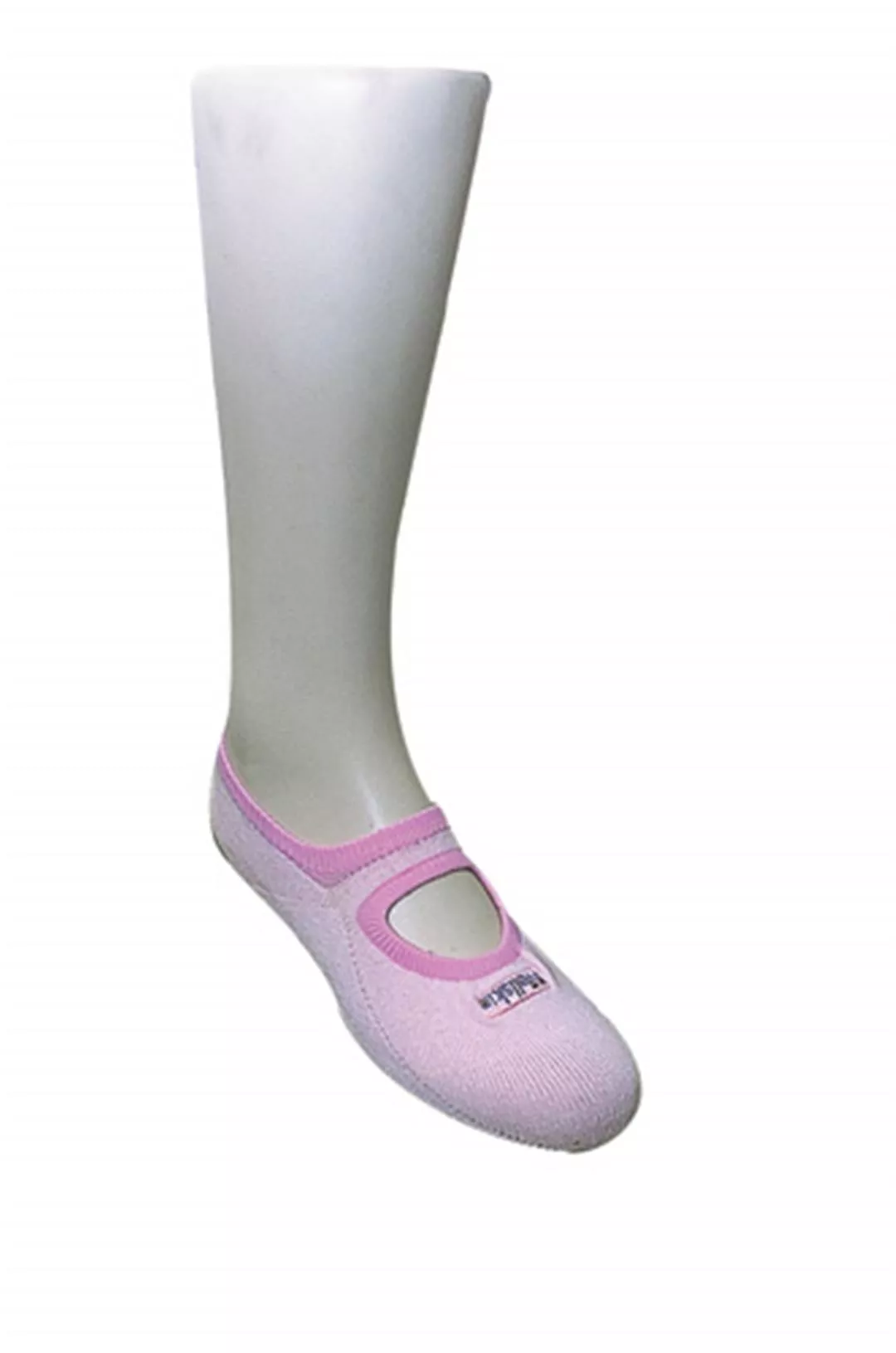
Innovation in design. Shetou's hosiery industry hasn't limited itself to the traditional. New hi-tech products include protective socks, and socks made from bamboo-charcoal yarn which inhibit foot odor.
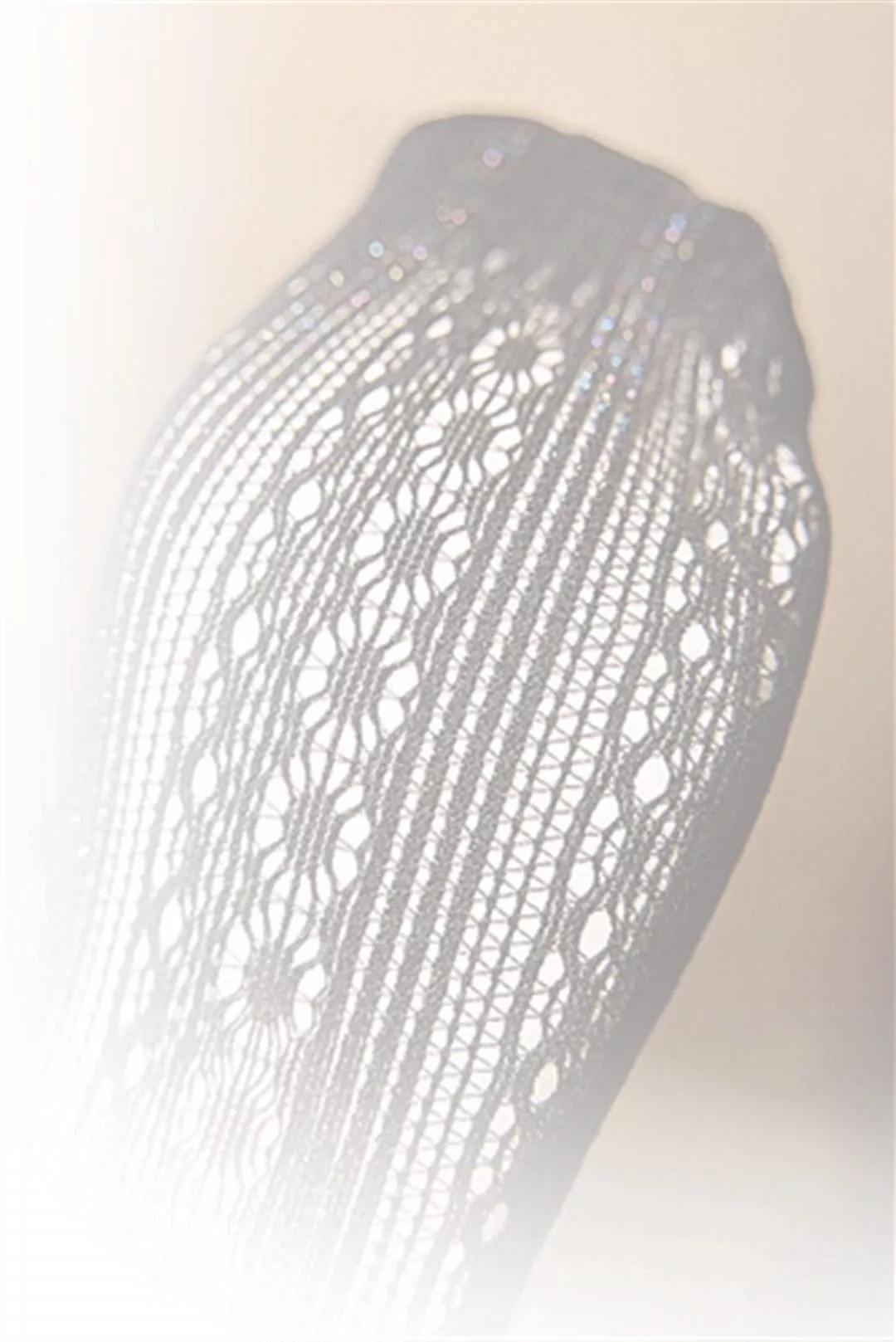
Innovation in design. Shetou's hosiery industry hasn't limited itself to the traditional. New hi-tech products include protective socks, and socks made from bamboo-charcoal yarn which inhibit foot odor.
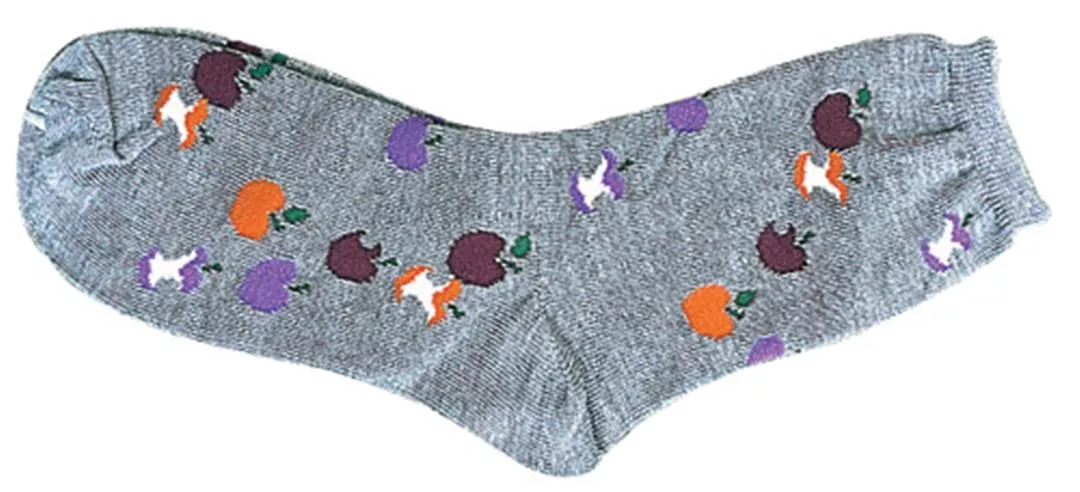

Innovation in design. Shetou's hosiery industry hasn't limited itself to the traditional. New hi-tech products include protective socks, and socks made from bamboo-charcoal yarn which inhibit foot odor.