

The Chung Ho Memorial Hospital, attached to the Kaohsiung Medical College, is the largest hospital in southern Taiwan and one of the four best teaching hospitals in the Republic of China. So excellent is the hospital's reputation that further expansion has proved necessary and a new 10 story building will double the number of beds available when completed in two years.
The Kaohsiung Medical College was established in 1954, under the impetus of Dr. Tu Tsung-ming, the Director of the National Taiwan University Medical School, who was concerned at the lack of medical facilities in southern Taiwan. Dr. Tu's enthusiasm for the project was contagious. The former mayor of Kaohsiung, Frank Chen, donated 12 acres of land on which to build the campus and Dr. Tu persuaded many of his former students to teach at the college.
In 1957 the College's hospital opened, though a lack of funds limited the scope of services offered. Recalled Dr. Chiang, then the hospital's deputy-director and chief of the urology department, "At that time I had administrative, medical and teaching responsibilities. I can remember bicycling back and forth from the campus to the out-patients department several times daily." Although facilities were limited, the medical staff was among the best in Taiwan, many of the doctors being graduates of the National Taiwan University Medical School, ensuring that there was never any shortage of patients.
As both the college and the hospital are private nonprofit institutions, financial considerations have always limited growth. In fact, the hospital did not have its own buildings until 1970, which in 1972 were named in honor of Frank Chen's father, Chen Chung-ho. Deputy Director Chiang also pointed out that the inability to purchase expensive equipment meant that more complicated medical problems had to be refered on to better equiped hospitals. This cautious approach has been a characteristic of the hospital.
Currently there are 99 doctors at the Chung Ho Memorial Hospital, and almost all of them are graduates of the Kaohsiung Medical College. Interpersonal relations between staff are excellent, with graduates working side-by-side with their former professors. Said Dr. Chen Chen-wu, director of the hospital, "Our staff are all very close to each other and each doctor's opinions are equally respected. They see the hospital's achievements as everyone's achievements."
Administrative matters are dealt with democratically at the Chung Ho Memorial Hospital and administrators are only responsible for coordination, while each department decides upon such matters as personnel and research internally. Working hours are also very flexible, which allows doctors to engage in research when they are not teaching or treating patients. Outside of working hours, doctors are free to have private practices.
Asked whether the freedom given to doctors and the apparently casual organisational practices give rise to abuses, Director Chen said, "Not at all. The remuneration at our hospital cannot compare with some hospitals, but standards here are very high. If a doctor doesn't work hard he won't be here for long."
While department heads have a great deal of autonomy, they also bear heavy responsibilities. There is interdepartmental competition to perform well which motivates department heads to bring out the best in their staff. Thus, all work hard together, yet moral is high.
The hospital has a procurement committee which openly discusses the purchase requests of each department. Constituted of the director, deputy director, all departmental heads and the chief accountant, the committee hears reports on equipment requests. Such factors as potential usage, price, and return on investment are evaluated and then voted upon by open ballot. This ensures that the most needed equipment has priority.
Not only are department heads under pressure, all doctors are expected to work on research projects. The hospital will not continue to employ a doctor who has not presented a research report in three years. In fact, each doctor must submit a report on the number of scholarly articles published and the number of lectures given each year as well as present a research plan for the next three years. These reports are distributed among the hospital's staff and taken into consideration for promotion. "If a doctor does not publish a research report within three years or makes no progress in a research project, he would not need to wait for the hospital to ask him to leave, as he would have the good sense to resign of his own accord," said one doctor.
The Chung Ho Memorial Hospital limits the number of outpatients a doctor must treat. "Doctors are not machines," explained Director Chen. "We must take a doctor's time and energy into consideration, so we don't expect them to treat too many patients," he said. Usually a doctor treats about 30 outpatients per half day. Although this is not in the financial interests of the hospital, it is essential to the maintaining of the hospital's high standards.
A first class hospital requires first class staff. The Chung Ho Memorial Hospital emphasizes efficiency, and its 1 to 1.63 ratio of beds to staff is comparatively low. "There are not many staff at our hospital and their pay is relatively low. Our personnel budget is quite low and all of our profit is used to train doctors and expand facilities in order to provide better service to our patients," said Director Chen.
At a teaching hospital it is usual to place equal emphasis on teaching, research and treating patients. Another characteristic of teaching hospitals is that equal emphasis is placed on each department. Some fields of medicine, such as anesthesiology or radiology, are not popular among medical students because they are only required in hospitals and not in small clinics. For this reason the hospital makes sure that these less popular, though important fields, are not neglected.
As Kaohsiung is the industrial heartland of Taiwan, there are numerous industrial accidents to deal with. This accounts in part for the excellent surgery department, which is the only one in southern Taiwan capable of performing open heart surgery.
For the Chung Ho Memorial Hospital to grow from a few rented apartments attached to the Kaohsiung Medical College to its present substantial facilities, which after merely a decade are to be almost doubled in size, is a credit to the dedication of its staff. Of course, Kaohsiung has also grown dramatically over the past two decades and the standard of living in Southern Taiwan has improved tremendously.
Although the Chung Ho Memorial Hospital has been for many years the only large general hospital in southern Taiwan, it is soon to face competition from the Kaohsiung branch of the Chang Kung Memorial Hospital. Rather than fear competition, the Chung Ho Memorial Hospital welcomes the challenge to maintain its high medical standards. Director Chen's only concern is that he will be able to find enough doctors to staff the hospital when the new facilities are completed. These changes inevitably will bring changes to the hospital but Director Chen is confident that the Chung Ho Memorial Hospital will meet the challenge and continue to be one of the best medical facilities in southern Taiwan.
[Picture Caption]
1. The Kaohsiung Medical College. 2. The Chung Ho Memorial Hospital as seen from the medical college. 3. The surgery department in action. 4. Preparing a patient for an X-ray. 5. The garden outside this corridor helps brighten up the hospital.
1,2,5. The hospital is equipped with the latest in medical technology. 3. A nurse feeding a newborn infant. 4. A doctor making his rounds. 6. Health department doctors from all over the country go to the hospital for training. Here they are being taught special techniques to handle newborns.
1,2. The Cactus Cafe is run by patients in the hospital's psychiatric department. It functions as a half-way house with supervision by doctors and social workers. 3. Director Chen Chen-wu remarked, "Only if every department progresses together will the quality of our treatment improve." 4. Assistant Director Chiang Chin-pei feels the reason the hospital has succeeded is that all personnel work very diligently. 5. Assistant Medical Director Chen Tien-hsiang commented that the hospital's doctors and facilities are all first rate, so that if rates are a little higher than small or medium sized clinics it is to be expected.
1. Dr. Shen Mao-chang has been internationally recognized for a new medical procedure he invented. 2. Dr. Yu Hsing-sz, a dermatologist, feels that skin exams are important in cancer detection. 3. Dr. Li, head of the obstetrics department, is currently promoting stooped birth. 4. Wen Jung-kuang (left), head of the psychiatry department, with a Cactus Cafe worker.
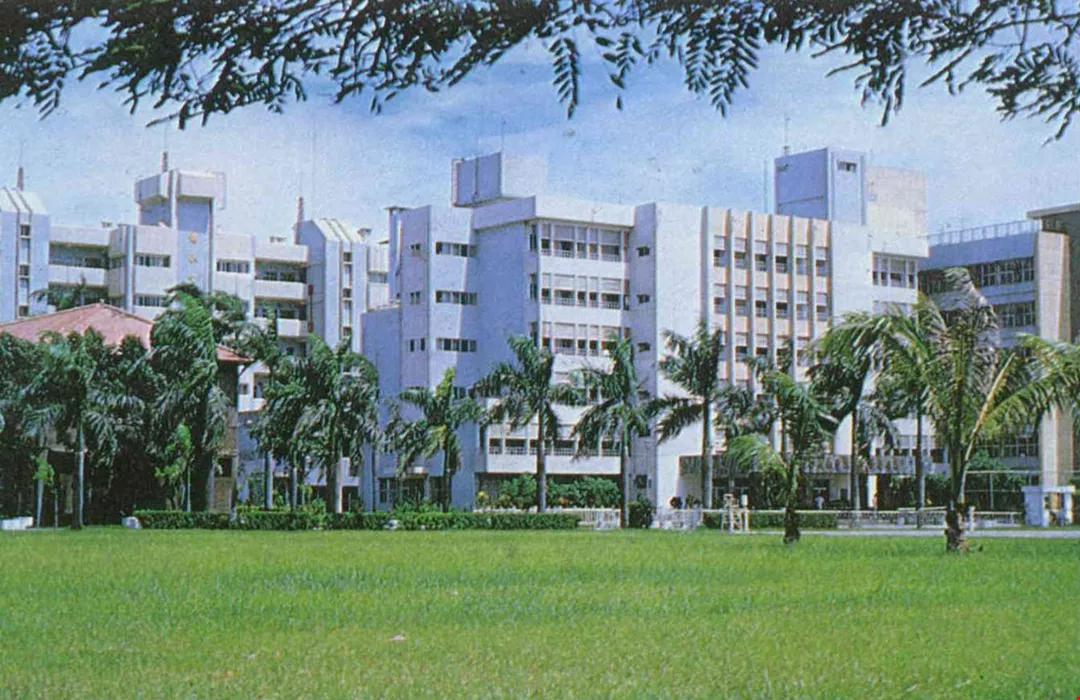
2. The Chung Ho Memorial Hospital as seen from the medical college.
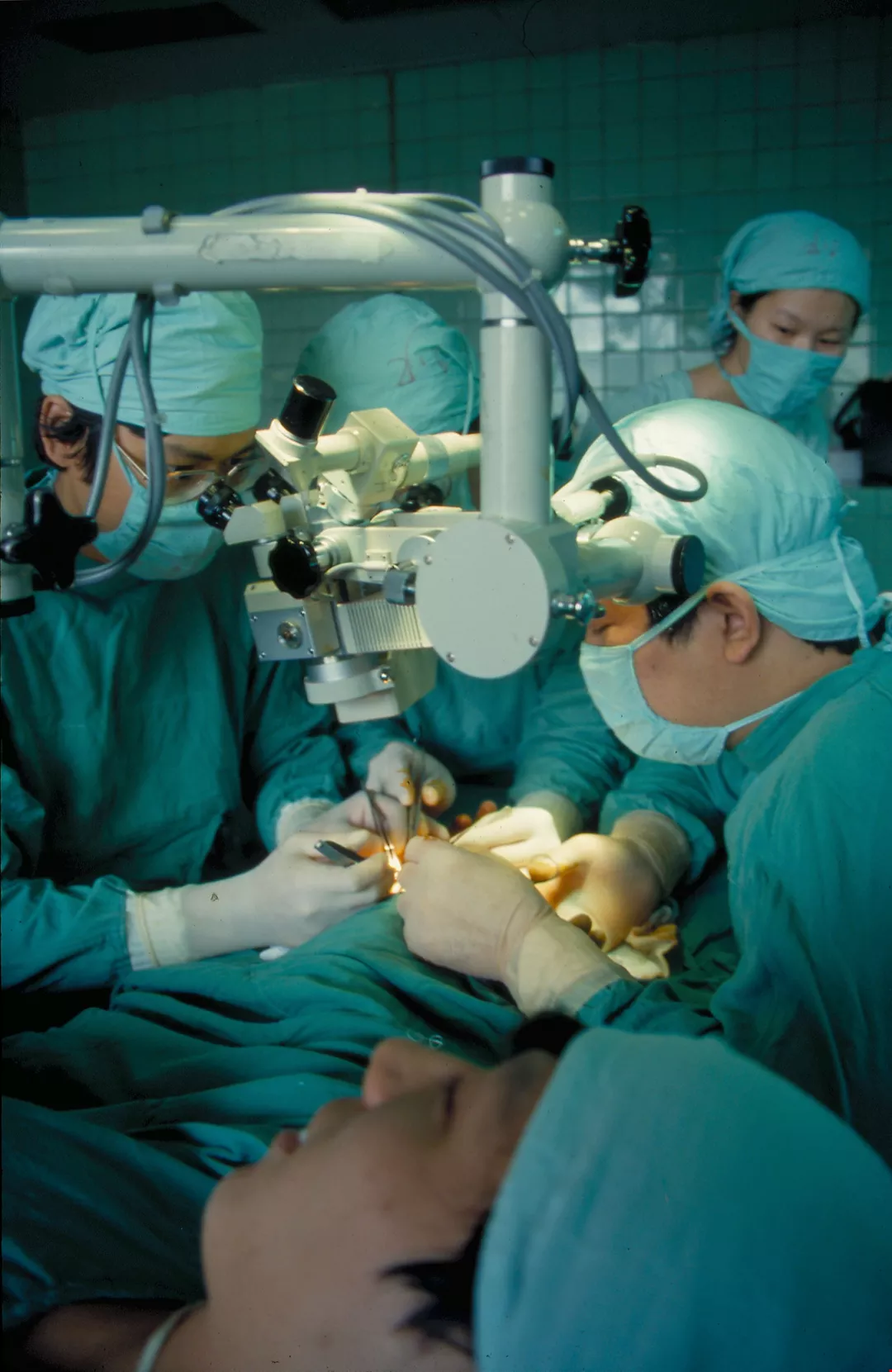
3. The surgery department in action.
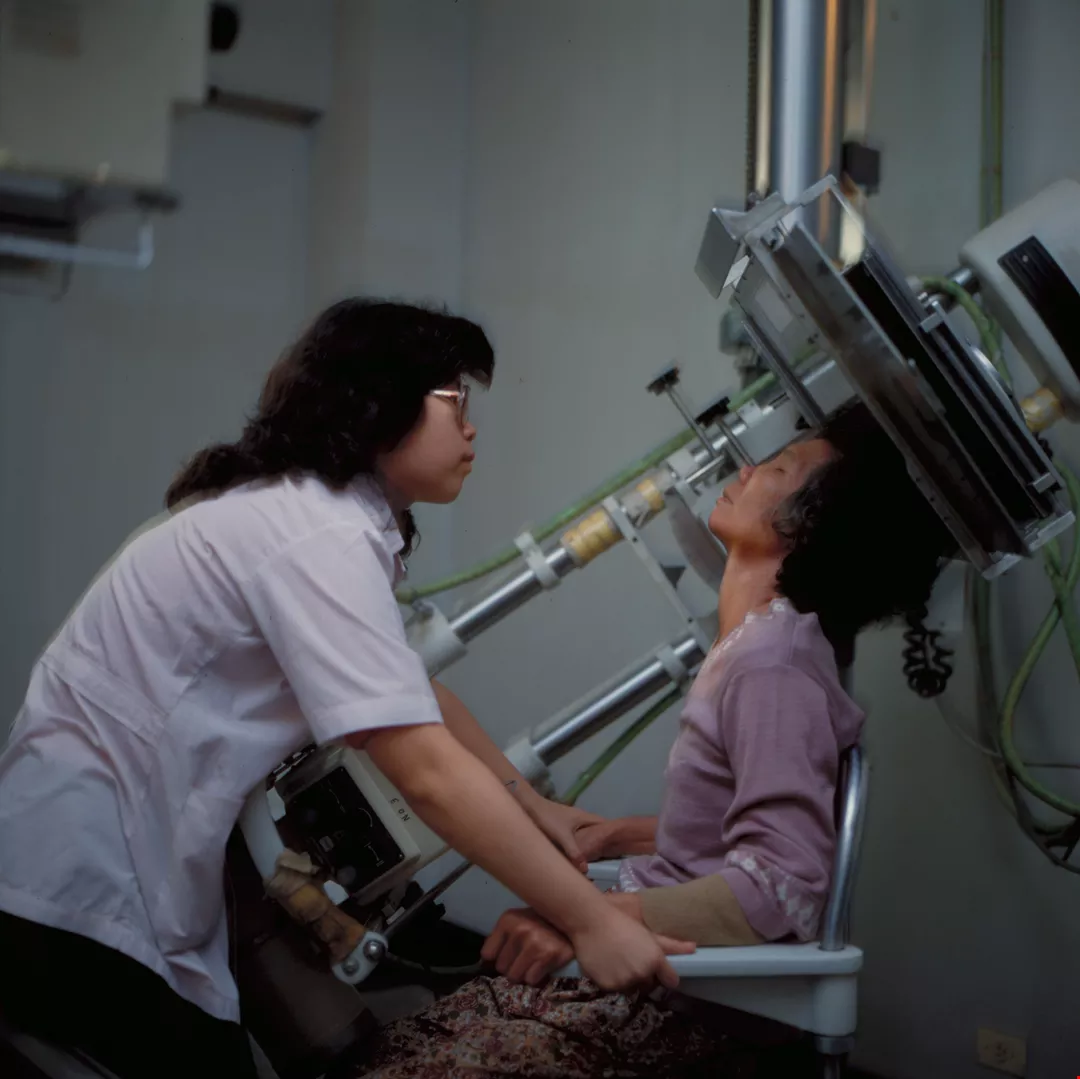
4. Preparing a patient for an X-ray.
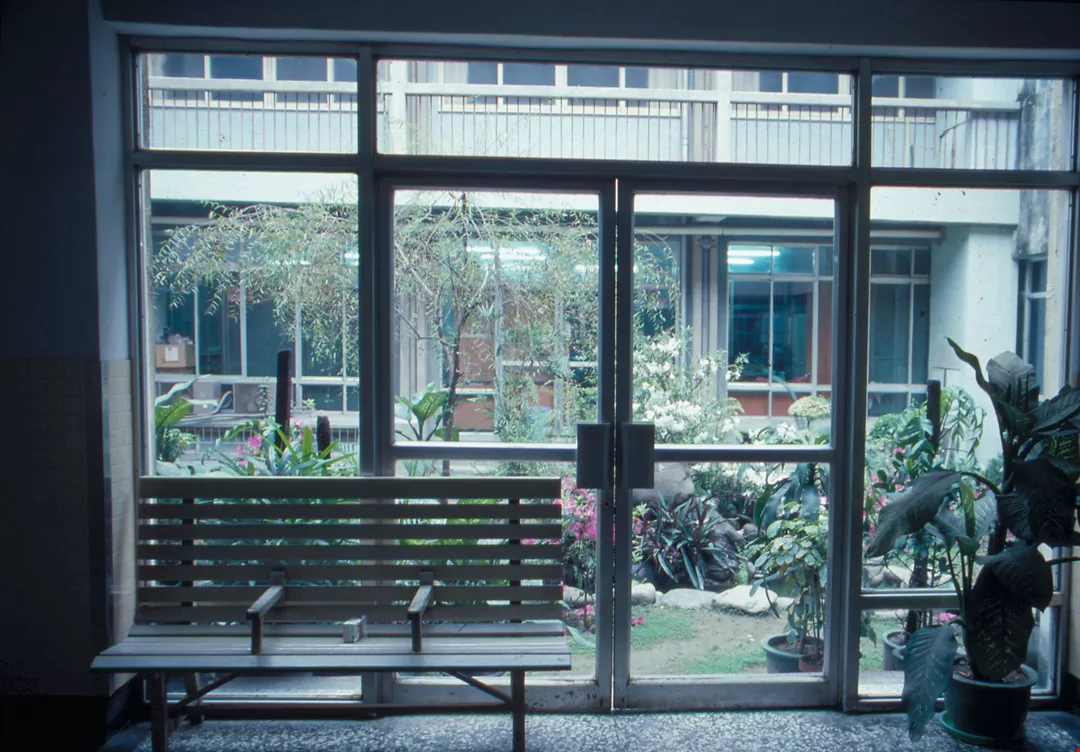
5. The garden outside this corridor helps brighten up the hospital.
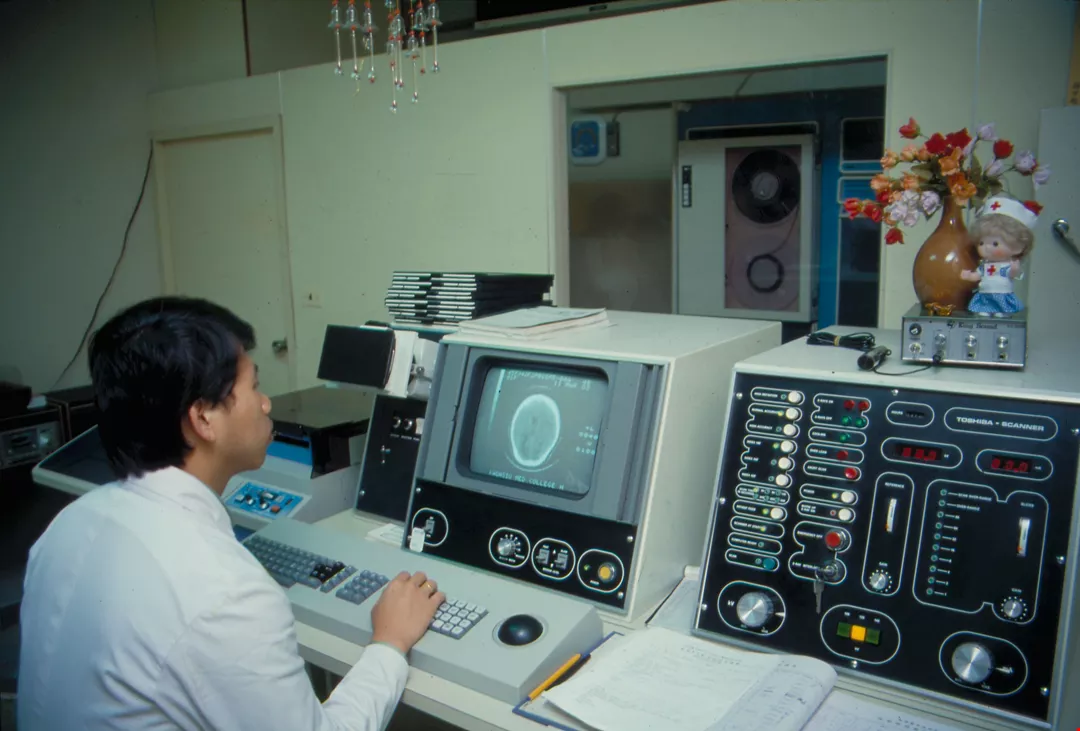
1,2,5. The hospital is equipped with the latest in medical technology.
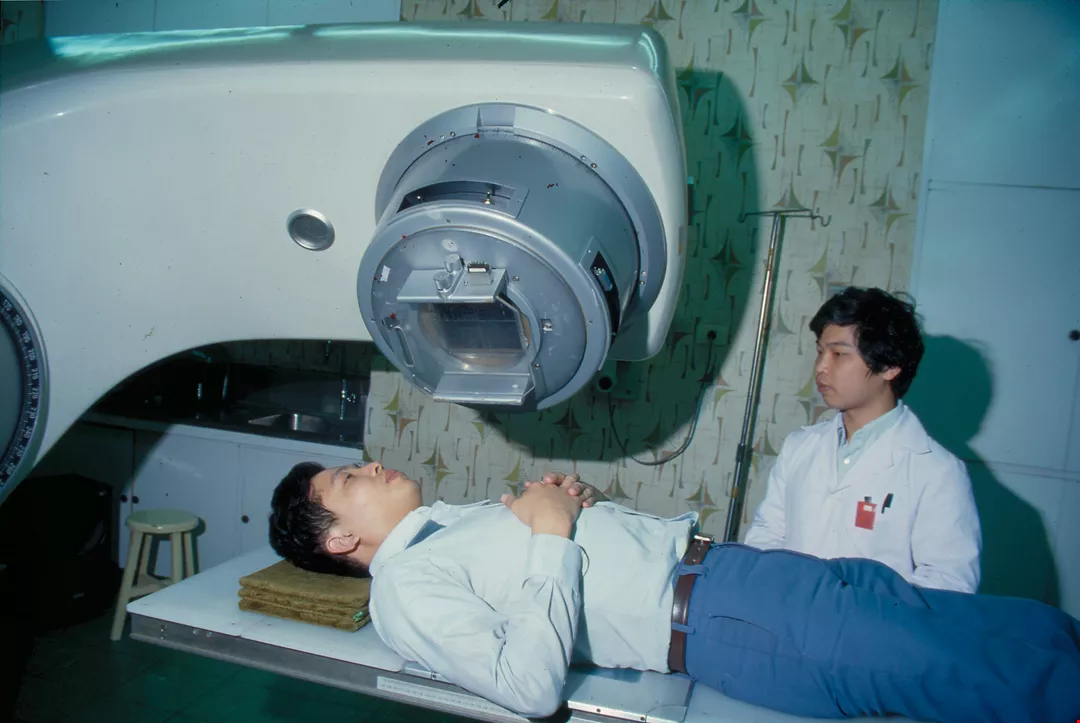
1,2,5. The hospital is equipped with the latest in medical technology.
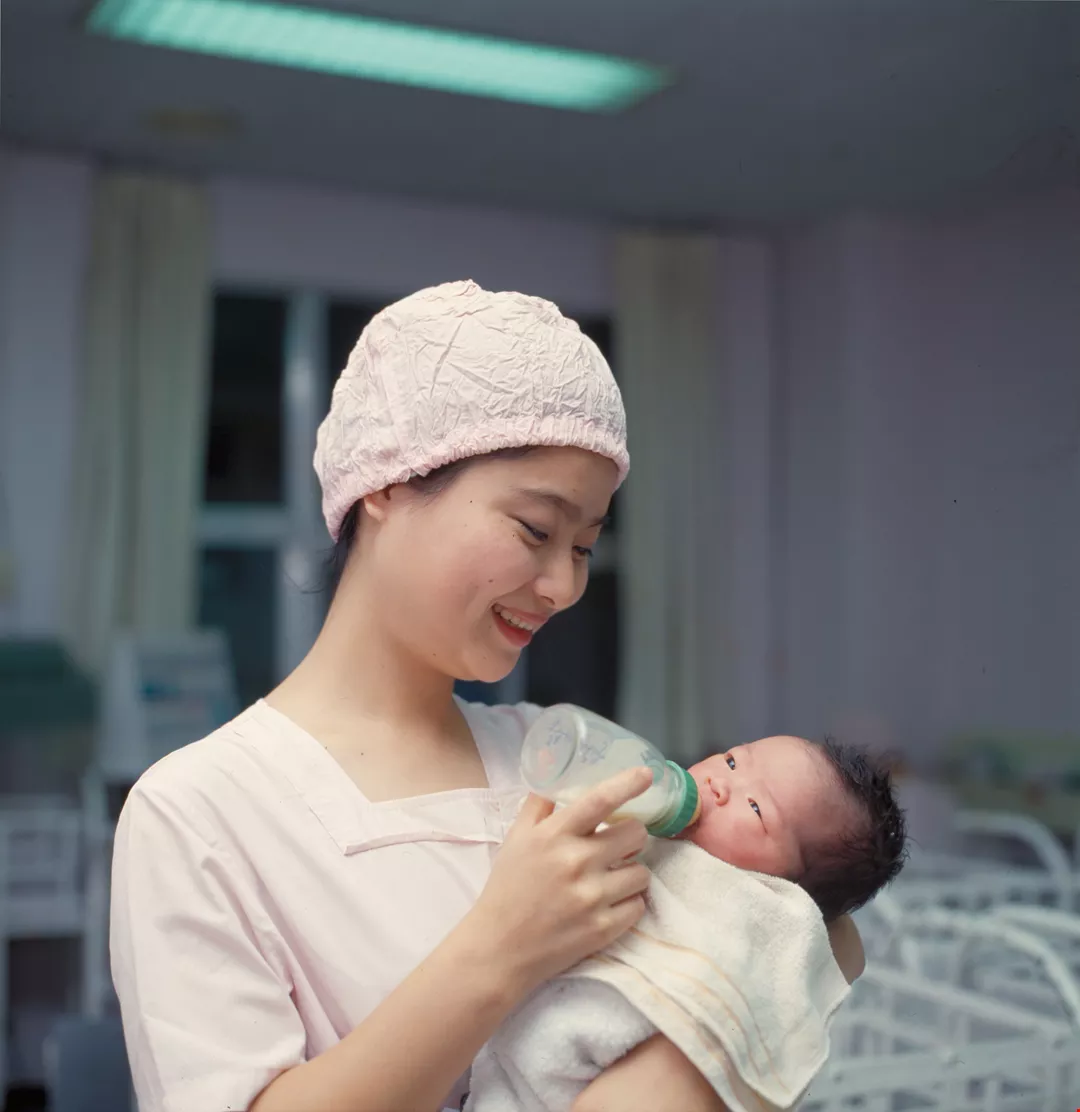
3. A nurse feeding a newborn infant.
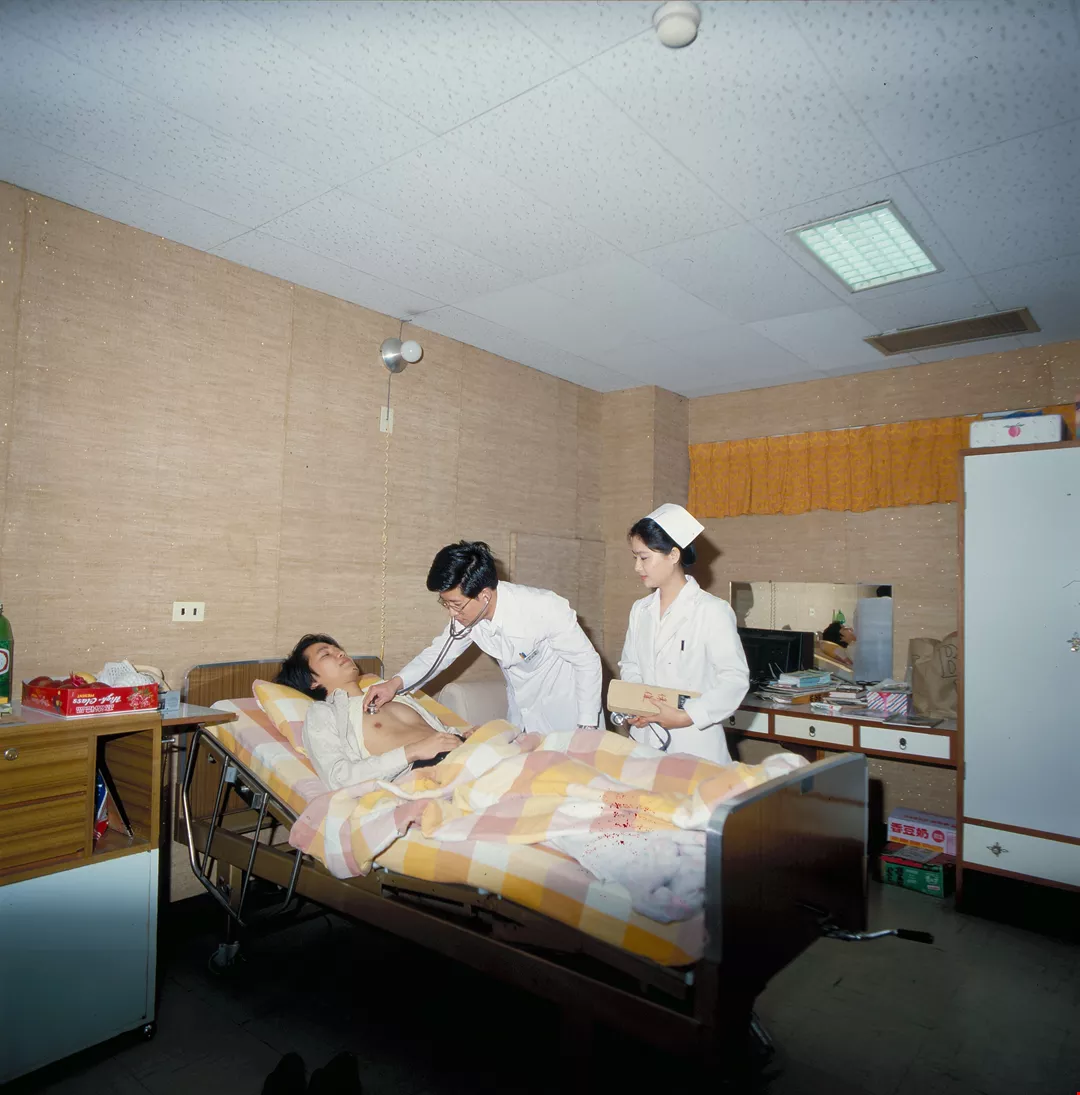
4. A doctor making his rounds.
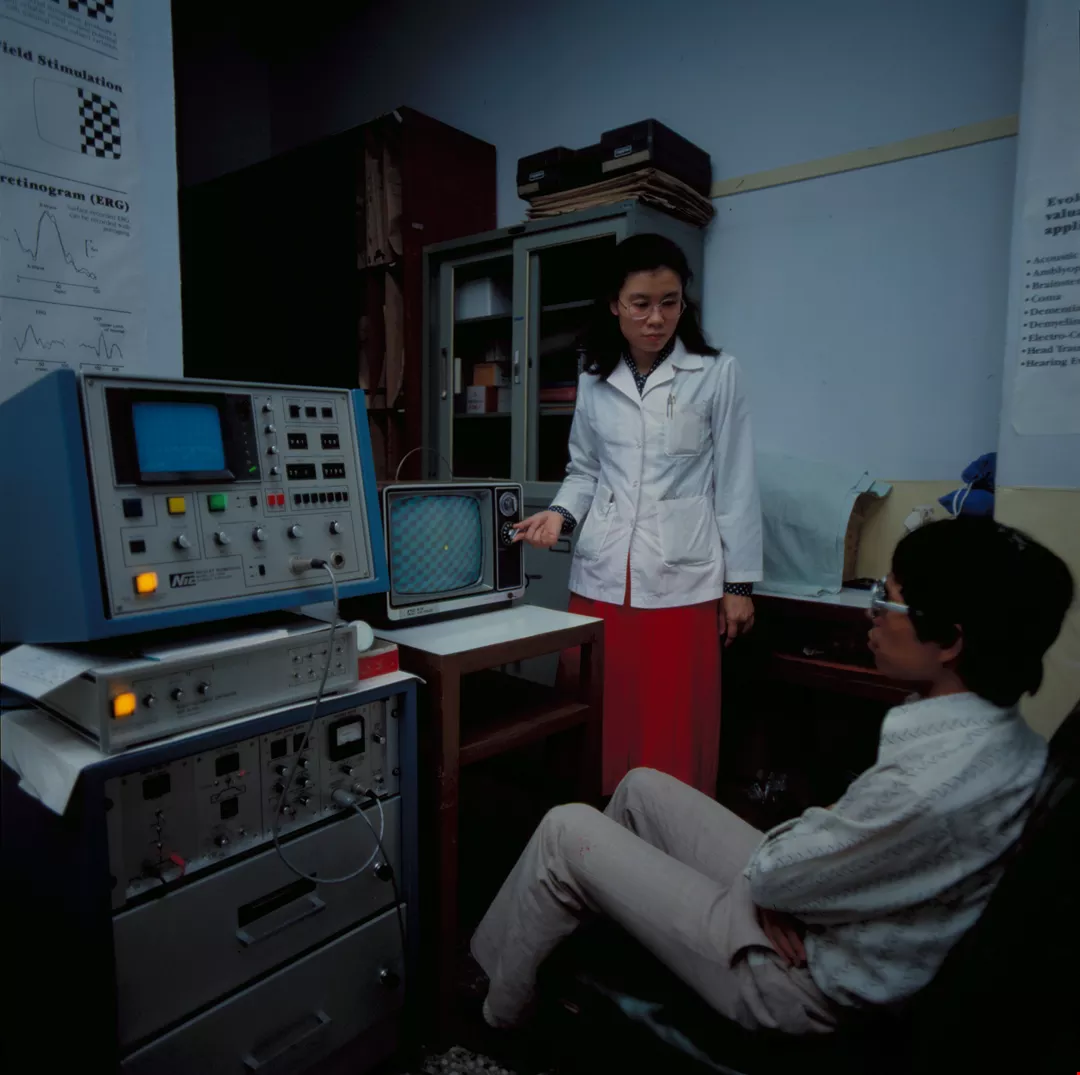
1,2,5. The hospital is equipped with the latest in medical technology.
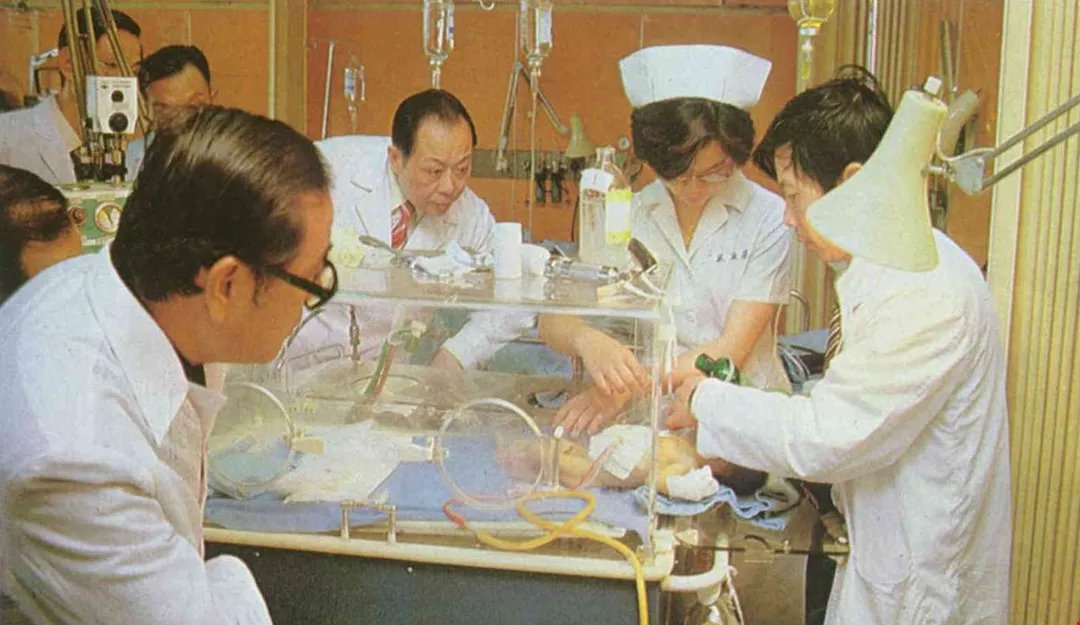
6. Health department doctors from all over the country go to the hospital for training. Here they are being taught special techniques to handle newborns.
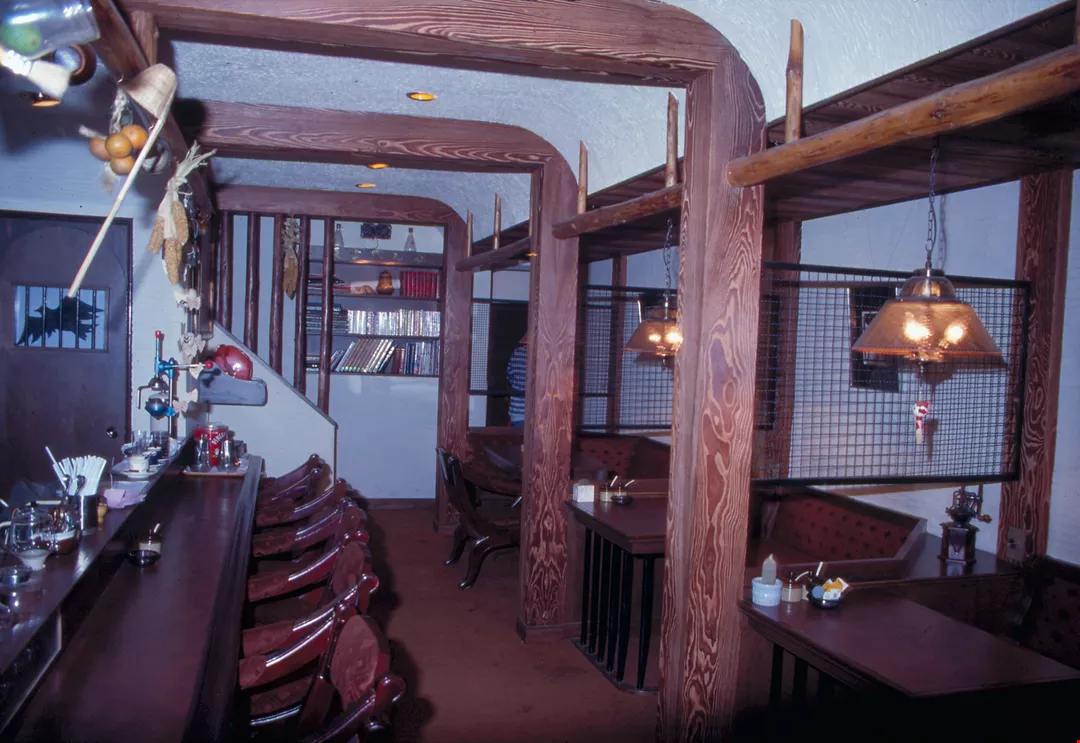
1,2. The Cactus Cafe is run by patients in the hospital's psychiatric department. It functions as a half-way house with supervision by doctors and social workers.
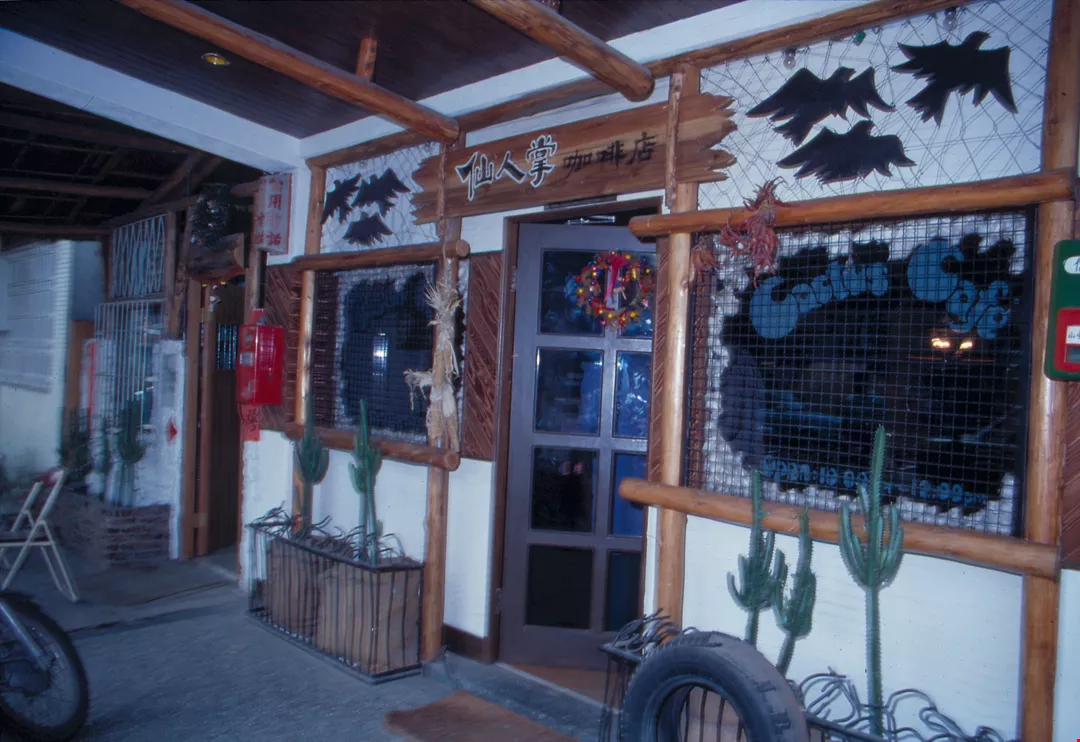
1,2. The Cactus Cafe is run by patients in the hospital's psychiatric department. It functions as a half-way house with supervision by doctors and social workers.
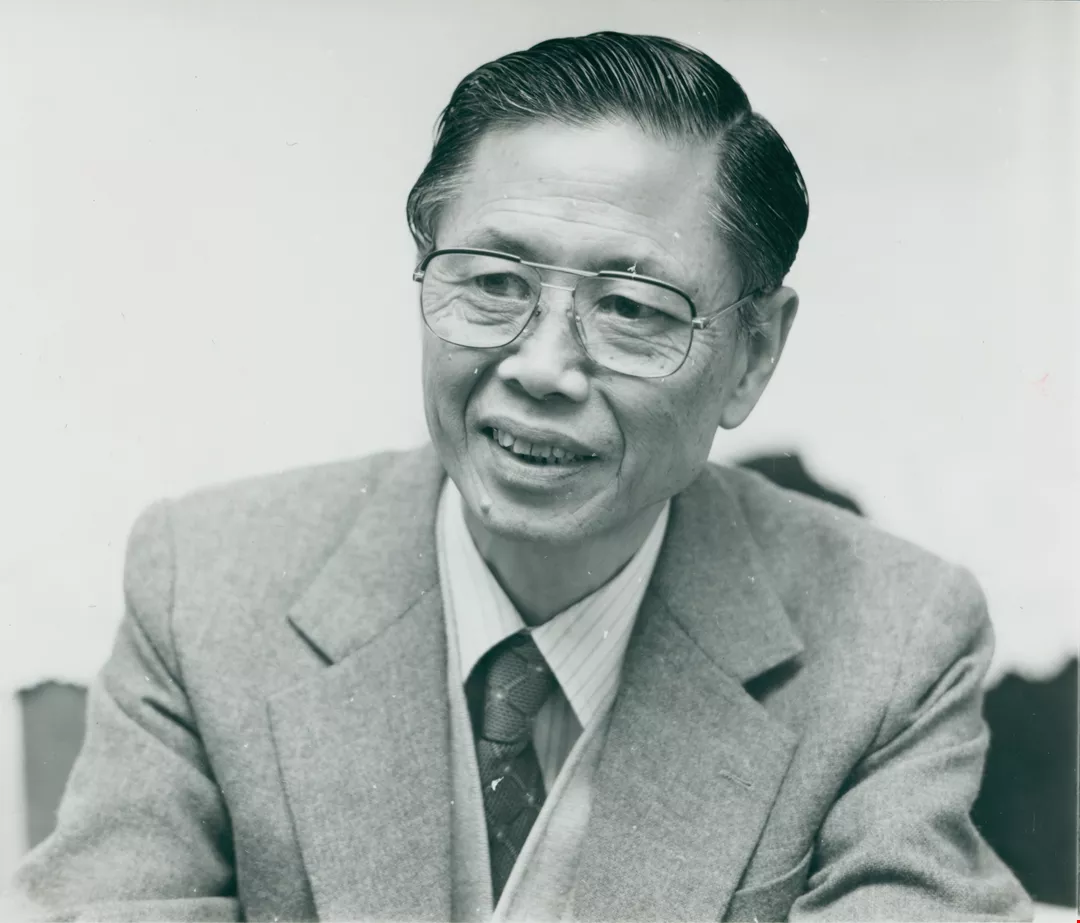
3. Director Chen Chen-wu remarked, "Only if every department progresses together will the quality of our treatment improve.
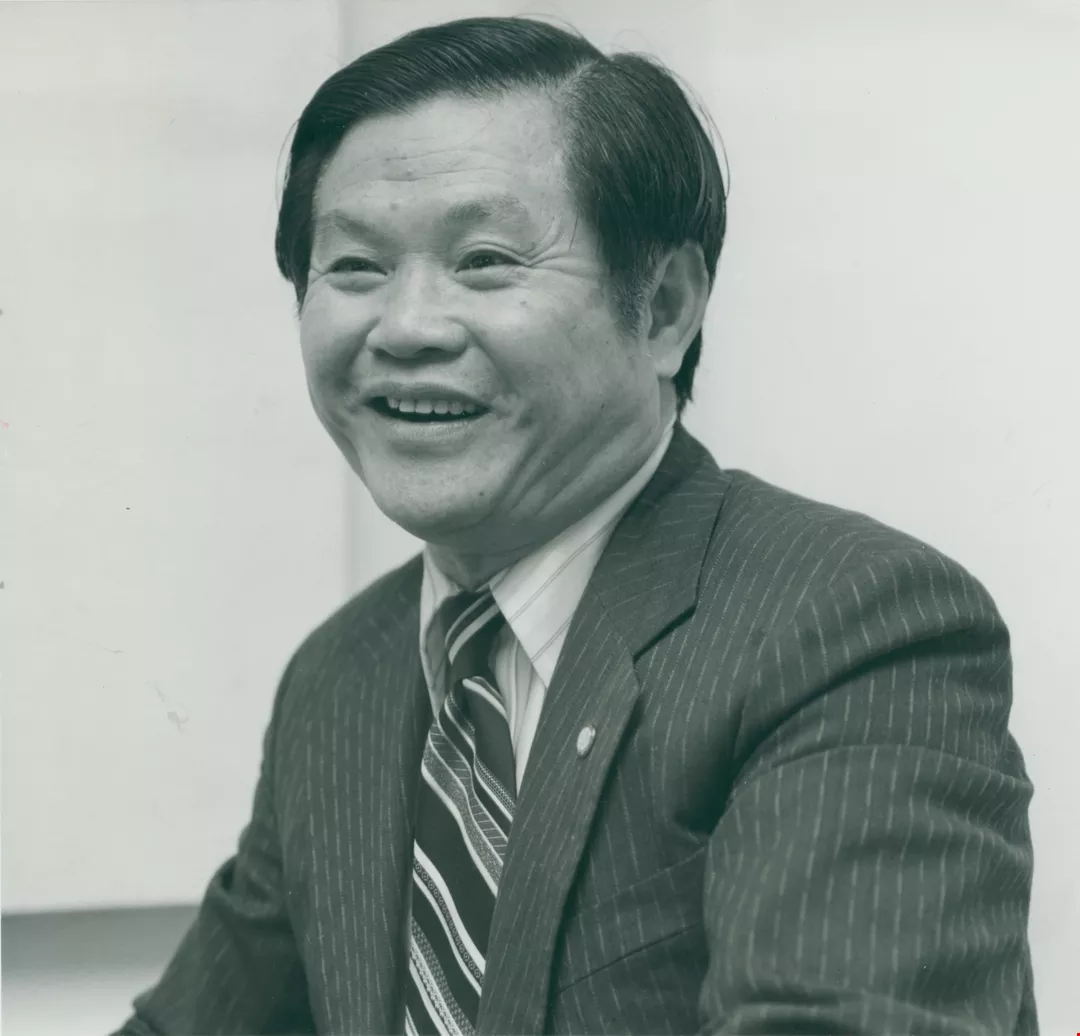
4. Assistant Director Chiang Chin-pei feels the reason the hospital has succeeded is that all personnel work very diligently.
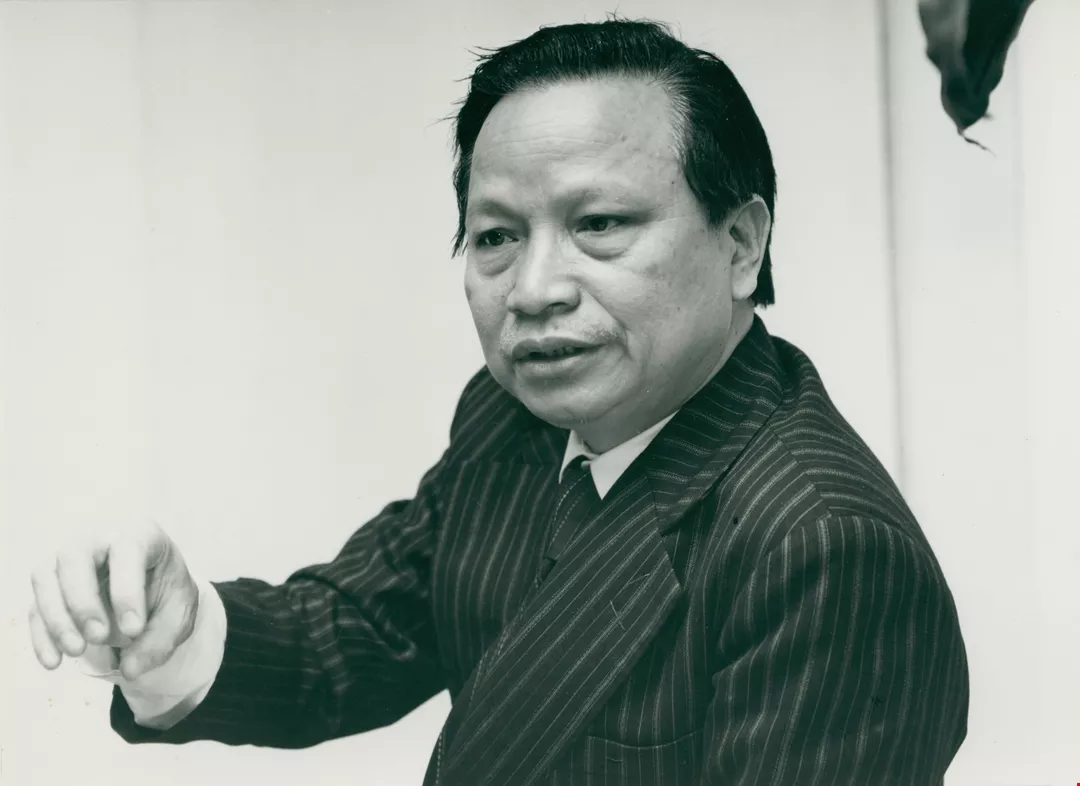
5. Assistant Medical Director Chen Tien-hsiang commented that the hospital's doctors and facilities are all first rate, so that if rates are a little higher than small or medium sized clinics it is to be expected.
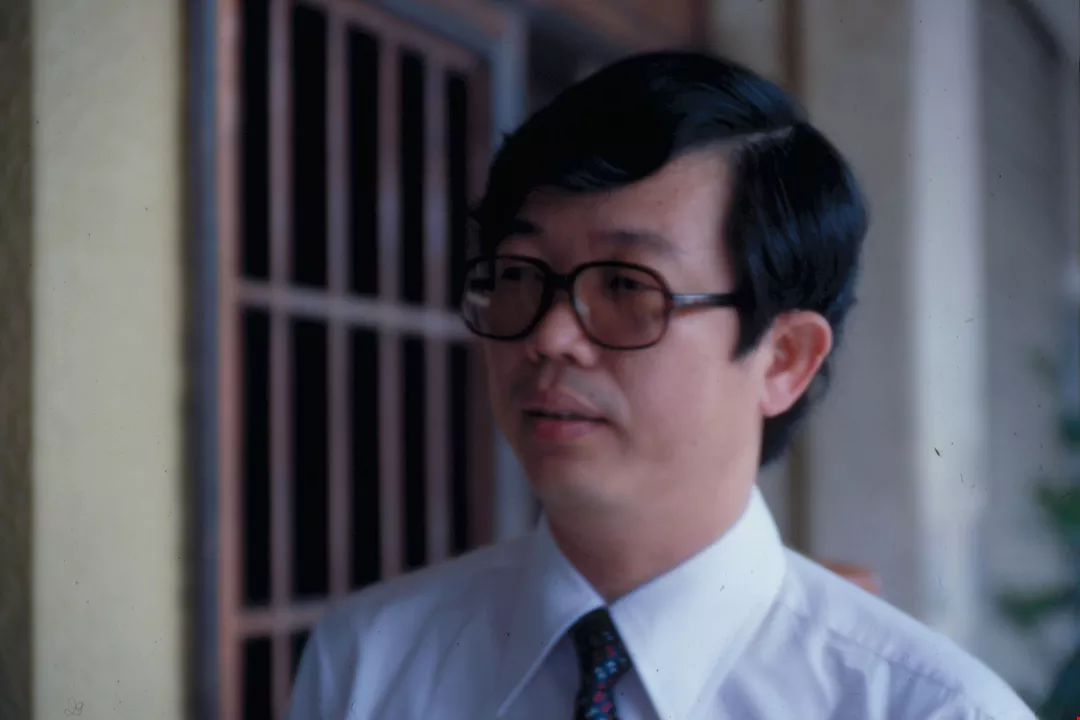
1. Dr. Shen Mao-chang has been internationally recognized for a new medical procedure he invented.
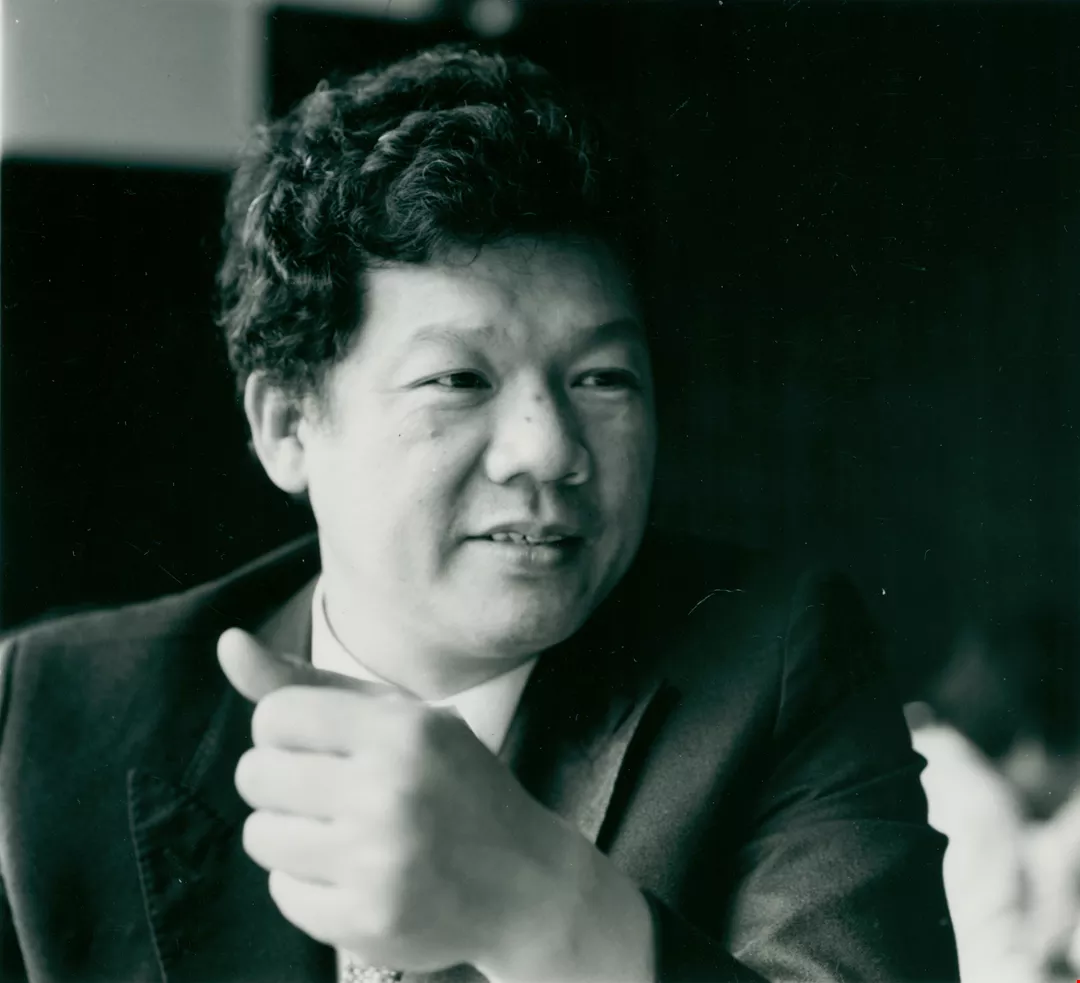
2. Dr. Yu Hsing-sz, a dermatologist, feels that skin exams are important in cancer detection.
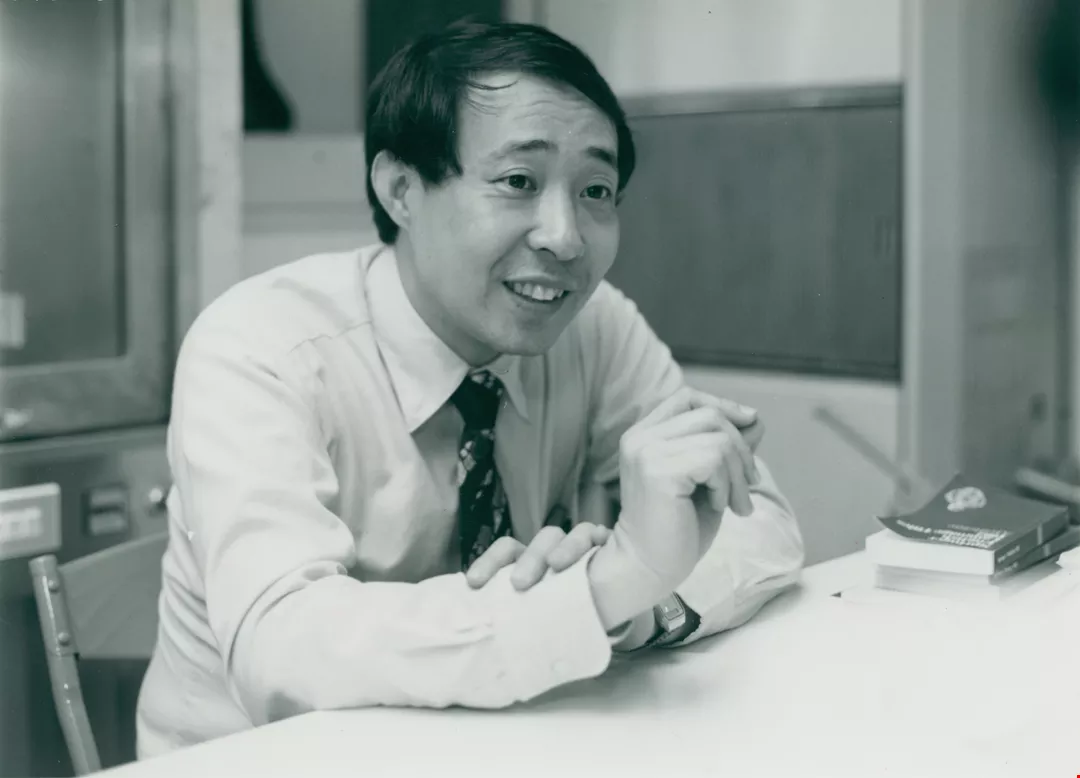
3. Dr. Li, head of the obstetrics department, is currently promoting stooped birth.
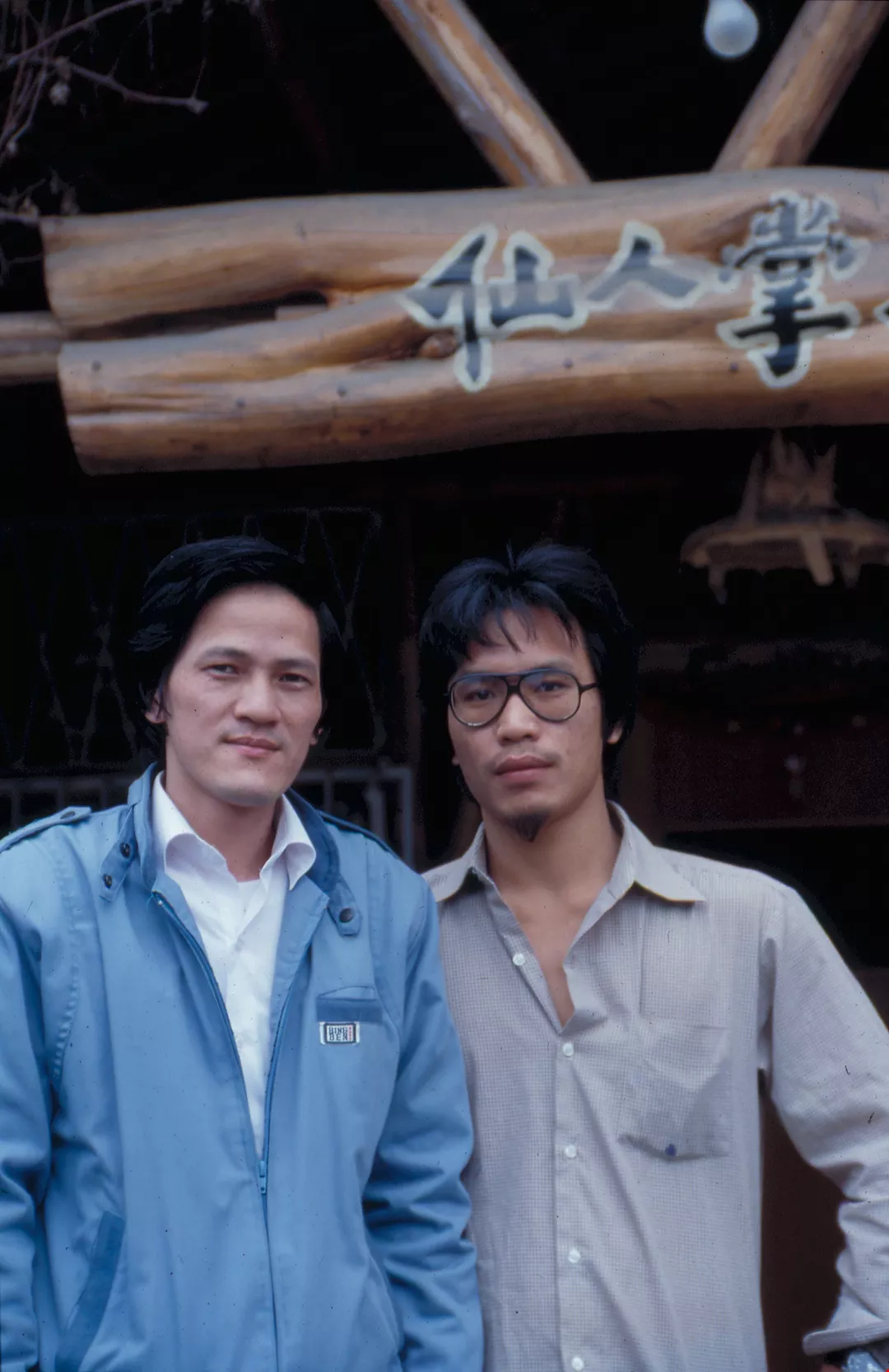
4. Wen Jung-kuang (left), head of the psychiatry department, with a Cactus Cafe worker.


