Powering His Own Sails: Wind Music's Ken Yang
Lin Hsin-ching / photos Hsueh Chi-kuang / tr. by Josh Aguiar
April 2009
Of the independent music produc- ers in Taiwan, Wind Music is one of the enviable few whose annual revenues exceed NT$100 million. Its output is varied, encompassing big sellers such as easy listening, new age, and religious music, strictly non-commercial projects such as traditional Chinese opera and field recordings of Aboriginal music, and new instrumental compositions by relative unknowns. Even as the overall economy took a nosedive in 2008, Wind Music somehow pressed ahead, releasing more than 50 new albums, which makes it the most prolific of Taiwan's domestic record labels.
The fact that it has been able to maintain its unique vision, charting its course between the poles of mass appeal and specialized taste 20 years on, owes principally to founder Ken Yang's perseverance.
In the Yuandong Industrial Zone in Xindian, Taipei County, it is all electronics processing plants as far as the eye can see, until the words "Wind Music" emerge, seeming strangely incongruous with the cold rows of factories.
"What's a record company doing in this place?" is the question that enters the minds of most who visit, but then Wind Music has a funny way of popping up where you would least expect to find CDs for sale: hospitals, hotels, museums, teahouses, the Jianguo Flower Market, national parks, and the Yilan Green Expo.
"Our music relates directly to many facets of life. We want to put our music in all kinds of settings so that it can be heard by different kinds of potential consumers," explains Yang, who is also the company's president. "It may sound incredible, but when we set up a stall at the Jianguo Flower Market, we sometimes end up breaking NT$20-30,000 a day in sales. That's better than we do in a lot of record stores!"

(courtesy of Wind Music)
Musical calling
Sounding out these diverse consumer pathways-a tactic that has yielded annual revenues of over NT$100 million-is one of Yang's most successful ideas.
Nicknamed "the onion," Yang was born in 1960 to a farming family in Hsinchu County's Xiangshan (now part of Hsinchu City). Though he never received any formal musical tutelage, he nonetheless loved to sing as a child. As a student at Hsinchu Senior High, he learned trumpet well enough without any instruction to play in the wind ensemble. His inner voice was guiding him towards a musical path, but as a top student from a small-town background, expectations were heaped upon him thick and high, and he ended up at prestigious National Chiao Tung University in the transportation management department. After just a year he was finding his curriculum very tedious and a world apart from his true interests.
Though sorely tempted to drop out, he stayed on, if only to avoid being branded a failure. In the meantime, singing in the choir and producing the department newsletter provided him with the satisfaction that his studies could not. After school and military service, he could hardly wait to find work in the music business, but with no formal training, there were too many obstacles to surmount. He was at a loose end for more than six months before landing his first job as a salesperson for Tangshan Music.
Tangshan was founded by three teachers, all graduates of Soochow University's music department, and in those days their focus was on promoting Chinese classical music. As the company's only clerk, Yang was charged with a number of tasks. Not only was he responsible for selling sheet music, instruments, and cassette tapes, he was the one expected to make pleasant conversation with mothers who accompanied their children to music classes, and to try to get them to commit to another term. Back in 1986, there weren't any convenient ticketing networks like Era Ticket in place yet, so whenever the company sponsored a concert it was up to him to hop on his motorcycle-come rain or shine-and race about Taipei and its environs delivering tickets and collecting money. It was demanding work for a monthly pittance of NT$8000 compared to the minimum NT$20,000 that his classmates were earning at railroad and highway bureaus.
He recalls riding from Xindian to Banqiao in the pouring rain when his motorcycle suddenly quit. He tried to restart it over and over again, but it was all in vain. Drenched to the bone, he succumbed to frustration and began to sob aloud.
"I started to wonder: I'm a graduate of Chiao Tung University. How did I end up like this?" Better, perhaps, that he didn't know at the time how much more he would have to endure before his musical dreams would bear fruit.


(courtesy of Wind Music)
Crisis and opportunity
After seven months at Tangshan, he took a job in sales at Newton publishing, but not before reassuring his former boss, Chen Paichong, that he was going into publishing to pick up some different skills. He felt that two years would be sufficient for him to learn how sales function in the realm of publishing, after which time he would return to Tangshan.
But fate willed it otherwise. In 1988, President Chiang Ching-kuo passed away. Among his final acts in office were the repeal of martial law and the relaxation of restrictions on travel to mainland China. Yang had only been at Newton for a little more than a year when he was surprised to get a phone call from his former boss inviting him to be his partner in a new company specializing in bringing quality music recordings from the mainland.
"I was 28 years old at the time-just a pup, really! I was able to plunge ahead without fear," he recalls with a smile.
Yang had gone from being lowly office gofer to full-fledged business partner. With the NT$1 million in start-up capital that he borrowed from his grandfather, father, and aunt, he founded China Music Publishing, which was the first incarnation of what eventually became Wind Music.
China Music achieved some success in the first year by being one of the first to capitalize on the fascination with the mainland. In the second year, the market became flooded with competition. Their business was hit hard. By 1990, the company was saddled with NT$6 million of debt, prompting Chen to call it quits. Yang was still game, but he was left holding the bag.
He recalls: "I was borrowing from Peter to pay Paul. Creditors were constantly on my back. I was an absolute wreck. I couldn't sleep without taking tranquilizers!"

(courtesy of Wind Music)
Religious "salvation"
Yang was desperate to be rid of his creditors and end the ordeal by closing his business, but he still had a little bit of fight in him. He convoked another family meeting. After prolonged discussion, he decided to stay the course. As it turned out, an album he had previously released in 1988, Chinese Buddhist Music, provided the answer to his troubles.
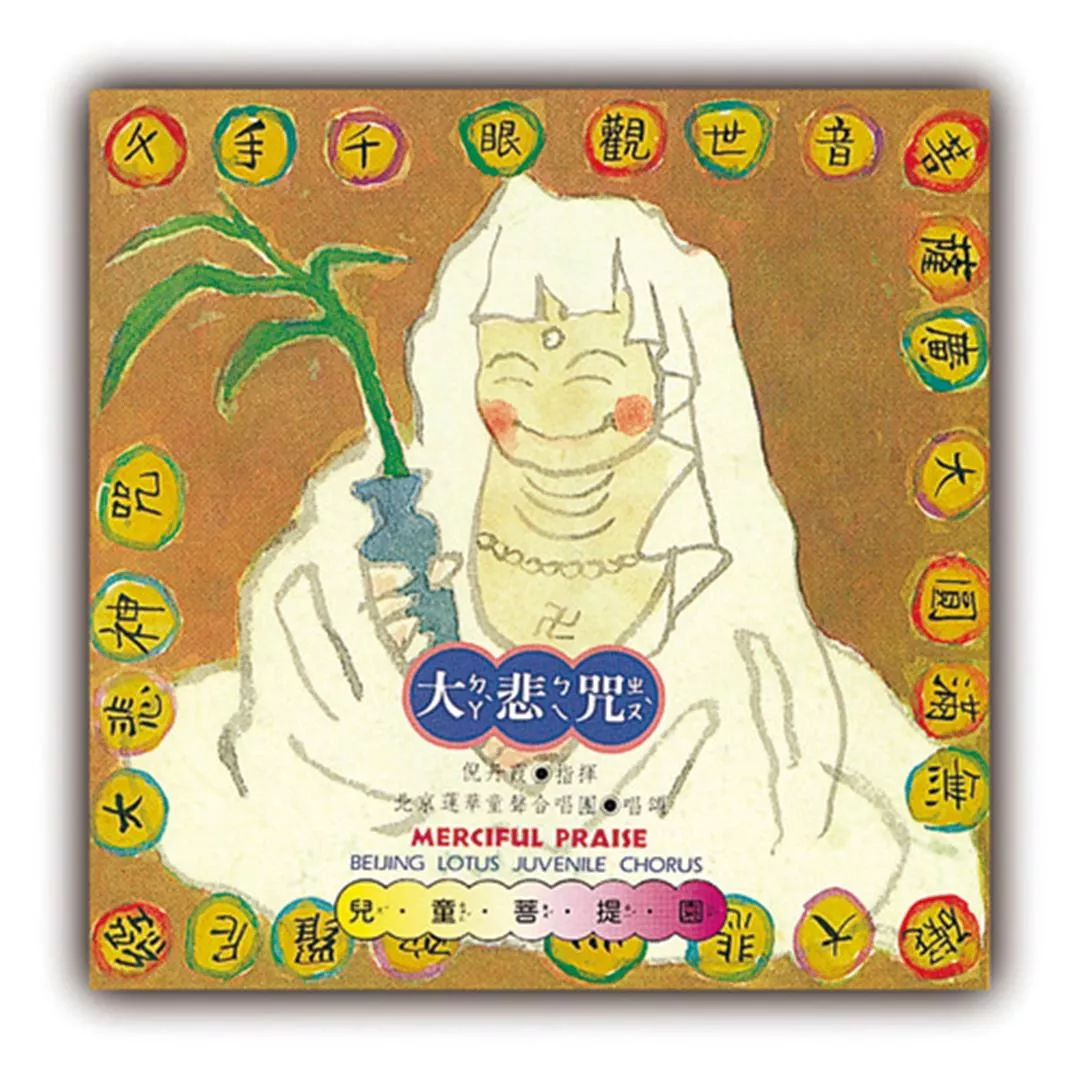
Before 1988, most Buddhist audio releases consisted of a monk intoning sutras. But Yang's "Chinese Buddhist Music" was the first album to combine the melodic sensibilities of traditional Chinese music with the cadence of Buddhist chant.
"By the time that particular album came out, I had already produced more than 30 releases. Although it wasn't the best seller of the bunch, it did arouse the most persistent interest: people were always calling to ask when were we going to release the second album. After all, the 1990s were a time when religious organizations like Tzu Chi, the International Buddhist Progress Society (Fo Guang Shan), and Dharma Drum Mountain were attracting greater numbers of followers. Worshipers needed music for meditation and both individual and group prayer, providing a timely opportunity for us," he explains.
In the second year, Yang changed the company's focus to religious music. He also changed the company's name from China Music to the less concrete, more suggestive "Wind Music." Business began to perk up some.
After making his discovery, the savvy Yang began probing market currents more meticulously than ever. Noting how people of Taiwan's newly affluent society were increasingly concerned with health and spiritual well-being, he pressed out a series of albums specially engineered to acoustically channel traditional Eastern philosophies. Albums relating to tai chi, qigong, the Yi Jing, and the Huang Di Nei Jing (a classic work in Chinese traditional medicine) all sold well. In 1992, the "Yi Jing Music for Health" series, produced under the supervision of Professor Wang Xudong of Nanjing University of Traditional Chinese Medicine, sold in the hundreds of thousands internationally, and vaulted Wind Music back into solvency.

(courtesy of Wind Music)
The editor-in-chief
Yang explains that the music on the "Yi Jing Music for Health" albums was synthesized by exploring the metaphysical correspondence between the five tones of traditional Chinese music (gong, shang, jue, zhi, and yu), the five elements (metal, wood, water, fire, and earth), and the five bodily organs (heart, liver, spleen, stomach, and kidneys). For instance, the soaring and lofty "metal music" is aligned with the shang tone, and is said to improve lung function. It is especially recommended listening for those whose energy is lacking or who have chronically cold extremities.
"This music is a one-of-a-kind synthesis of Chinese medicine and music. The series' release coincided with a growing fascination with China in the West, and was very popular with foreign consumers. We continue to process many foreign orders to this day," says Yang.
He has made good use of the "schooling" he acquired while working in publishing as a young man, patterning his approach to record making after a publishing house: Yang plays the role of editor-in-chief, reviewing exceptional submissions from production groups, and then packaging and selling them according to theme.
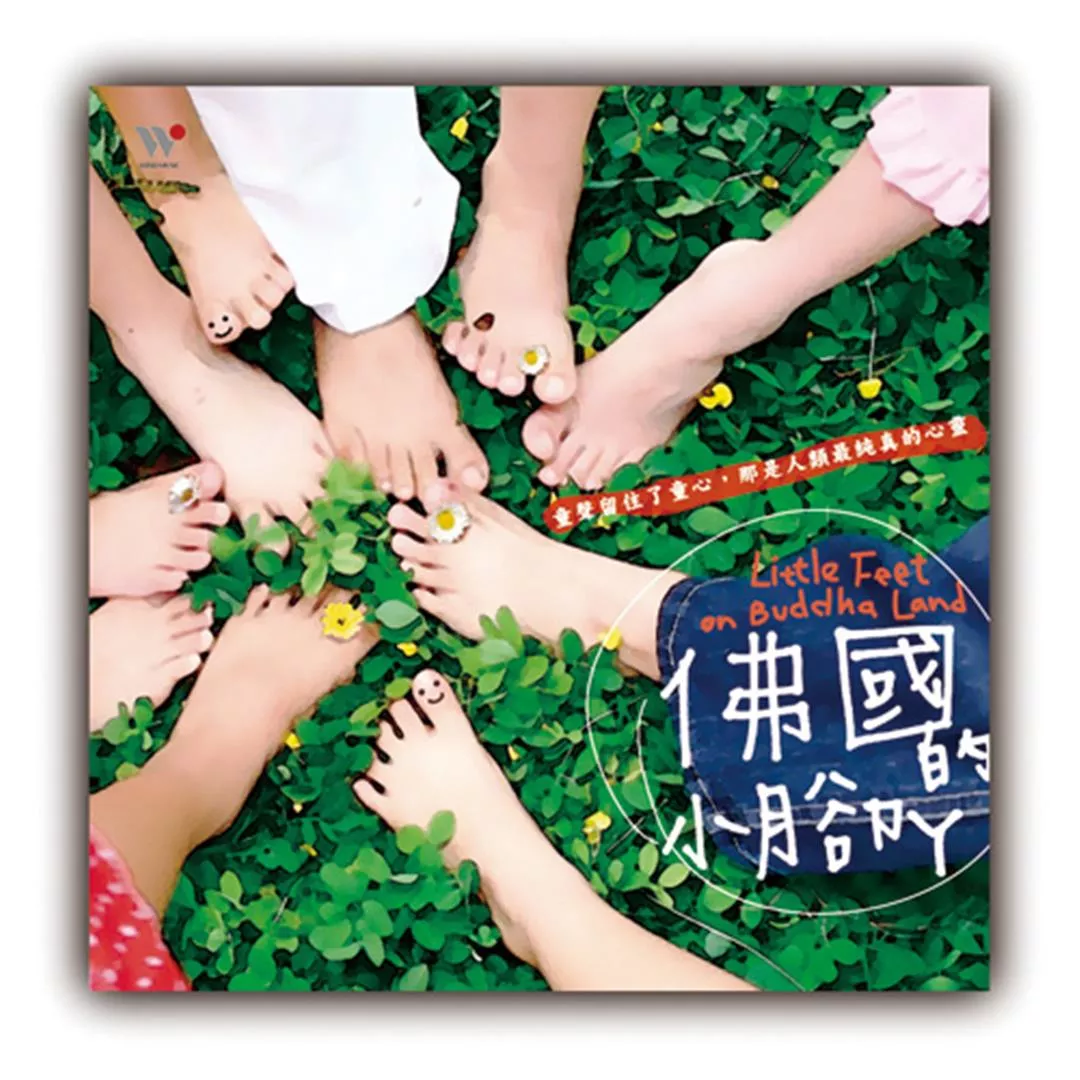
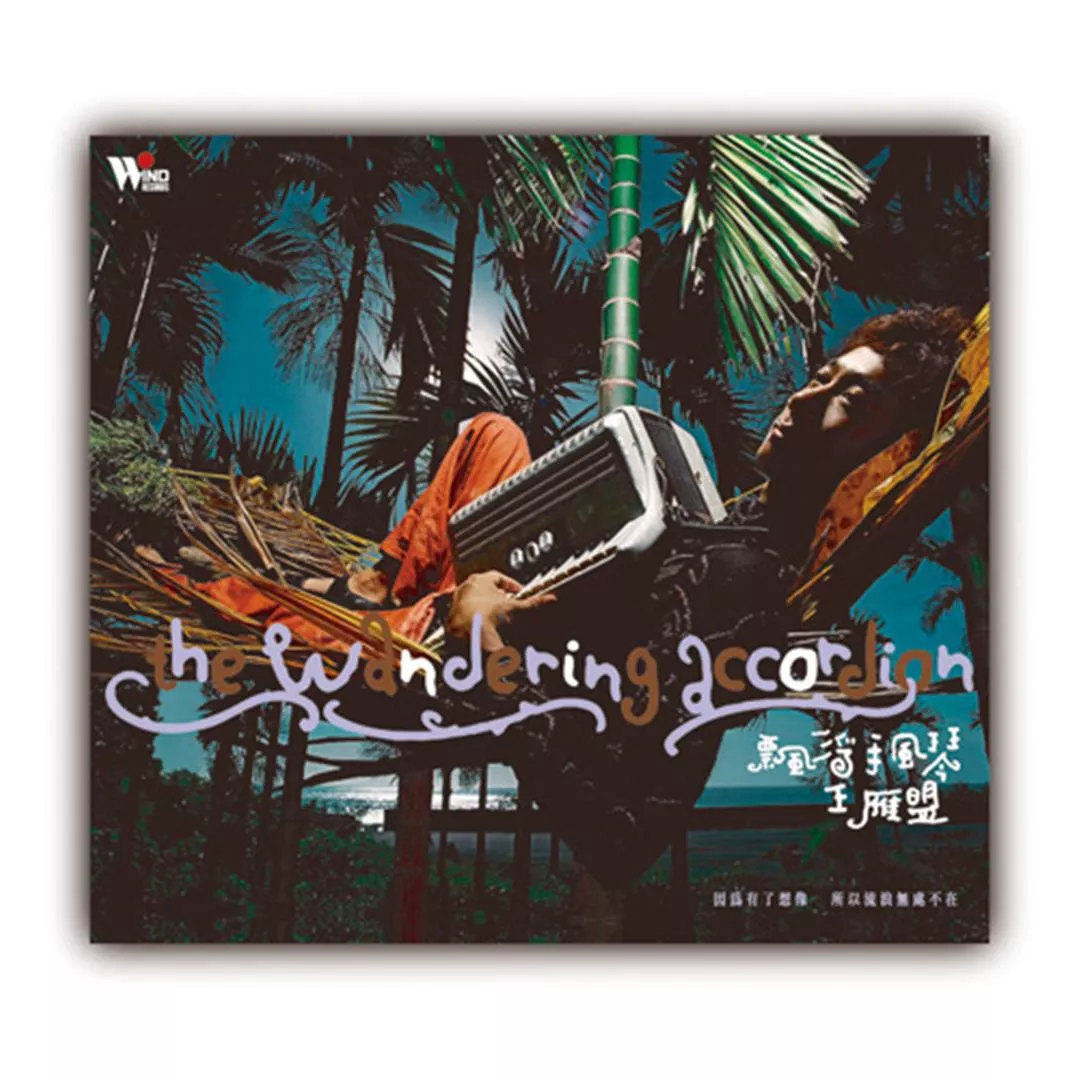
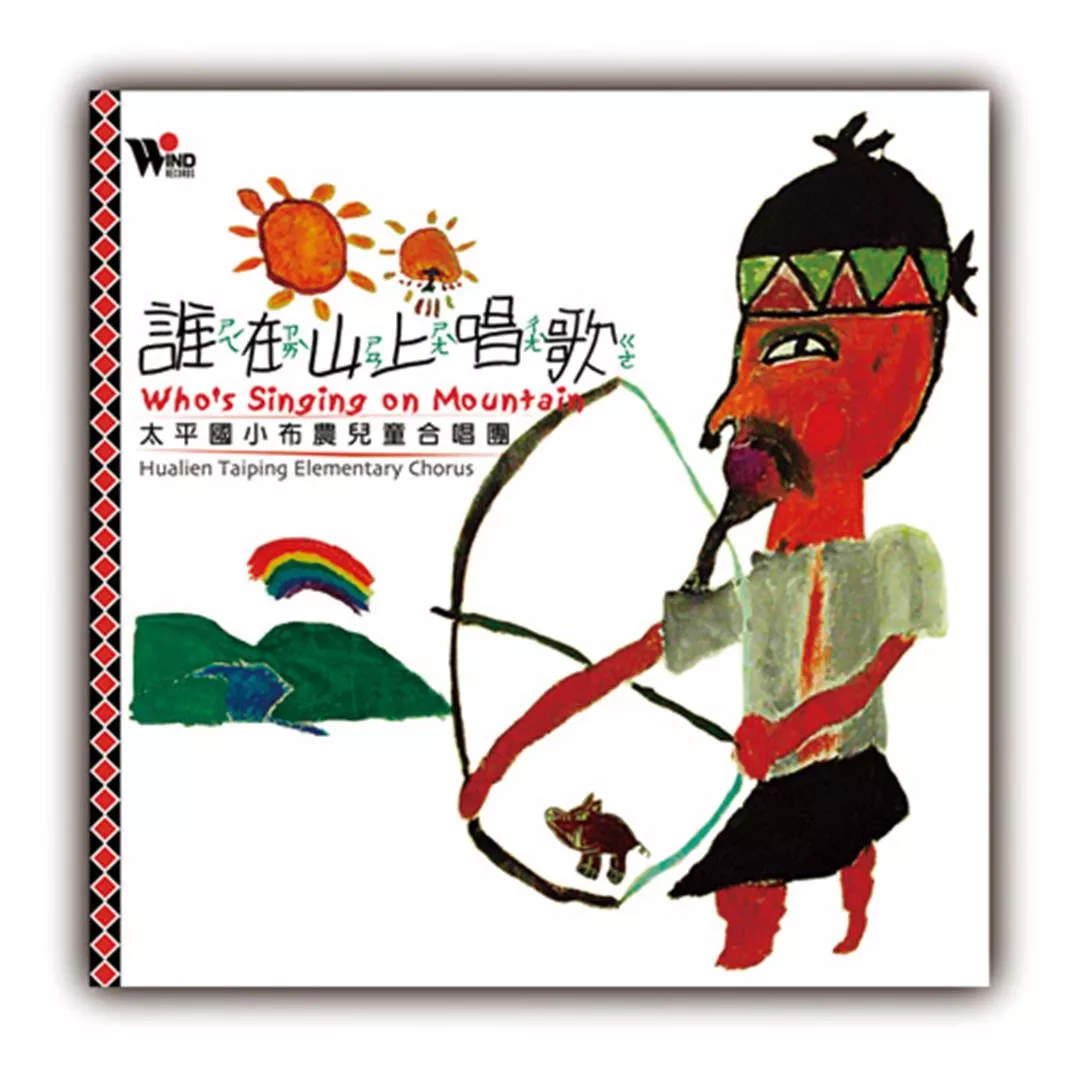
Its emphasis on product diversity is what distinguishes Wind Music's business strategy from most of its rivals, most of whom hew to the standard practice of selling teeny-bopper music and augmenting profit with stage concerts and pop-idol accessory sales. Wind Music offers a much broader palette, encompassing health, religion, green movement, contemporary spirituality, Eastern New Age, holiday, Aboriginal and ethnic minority, nature sounds, children's songs, and even instrumental jazz and classical music performances. Such eclecticism is rarely seen in the music industry.

(courtesy of Wind Music)
Protecting local traditions
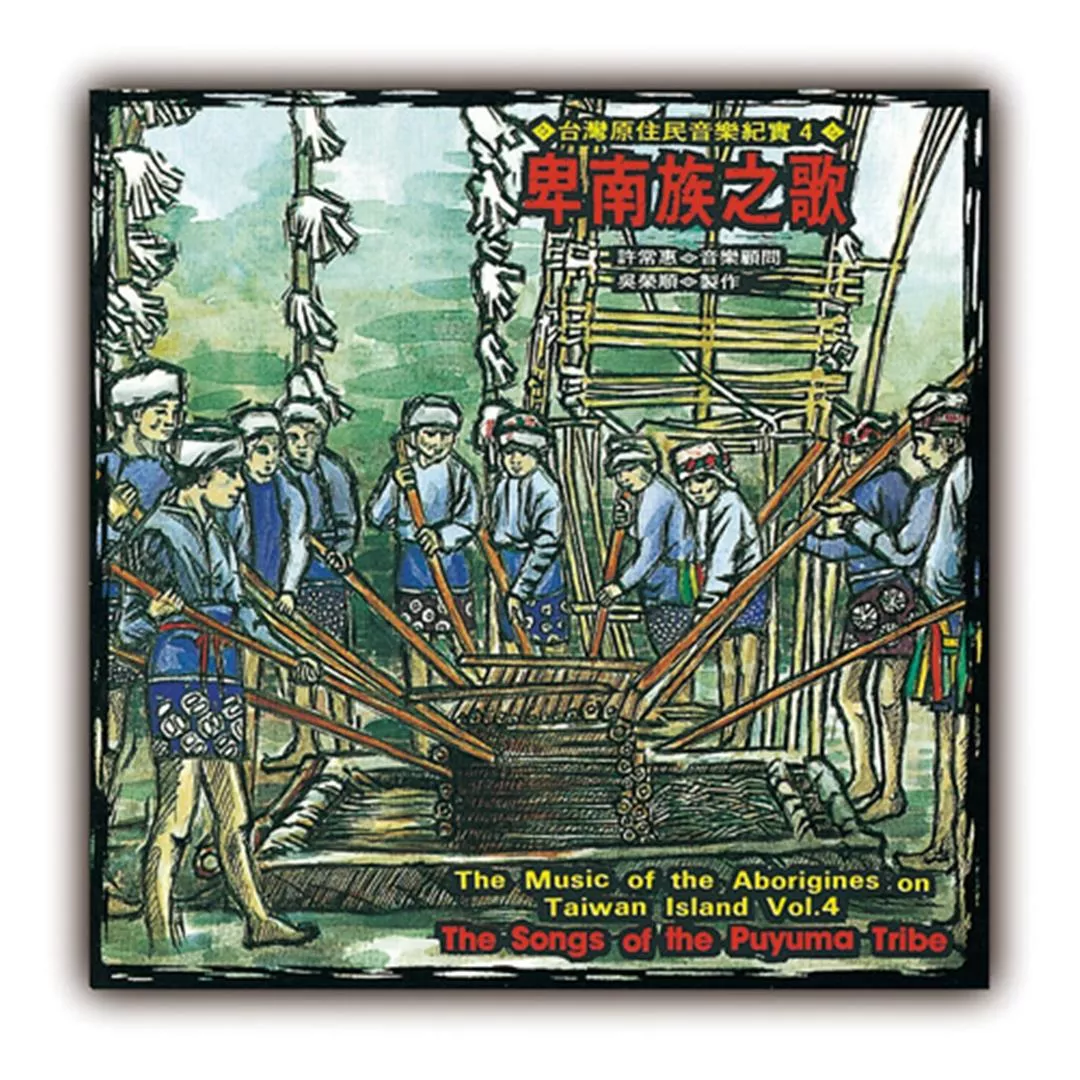
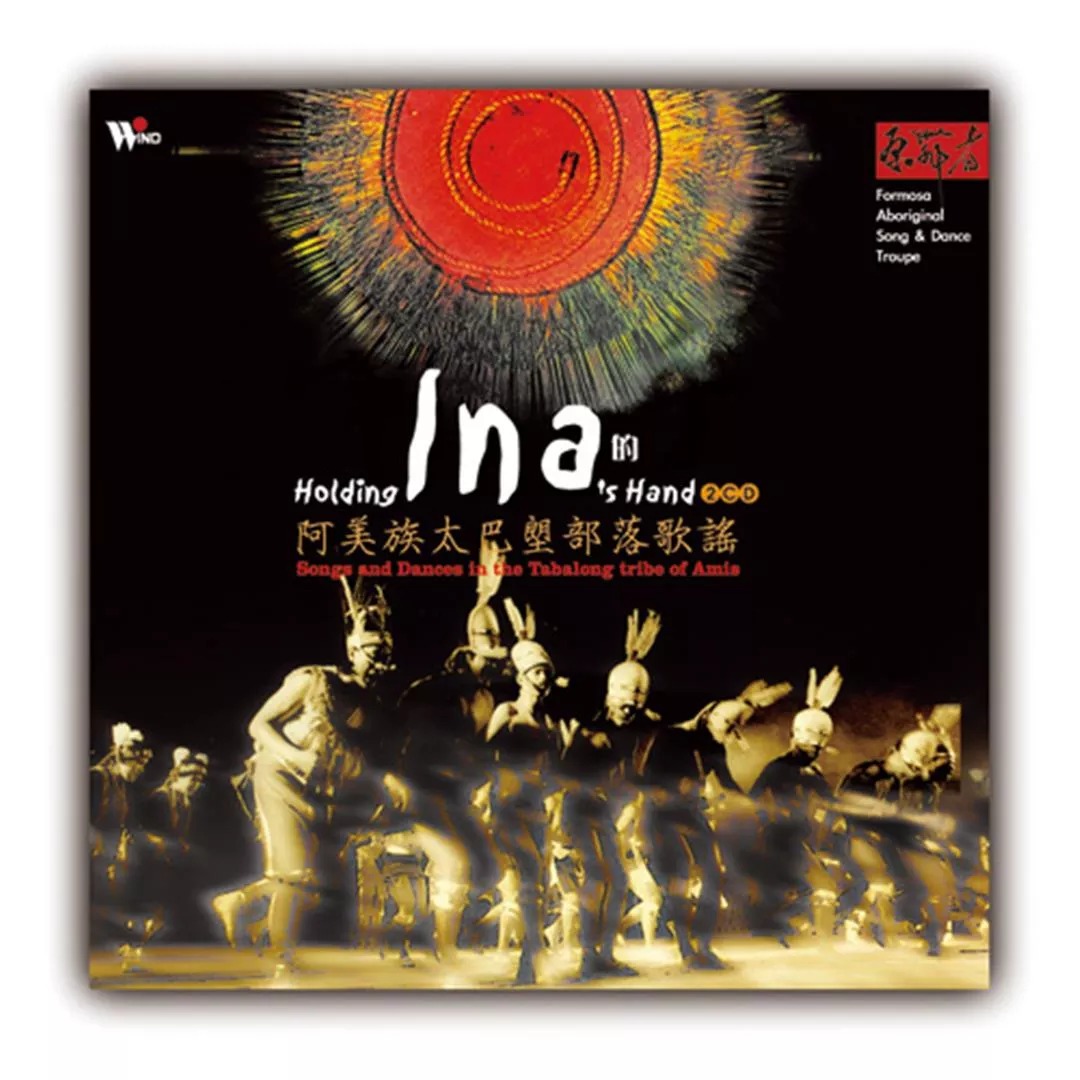
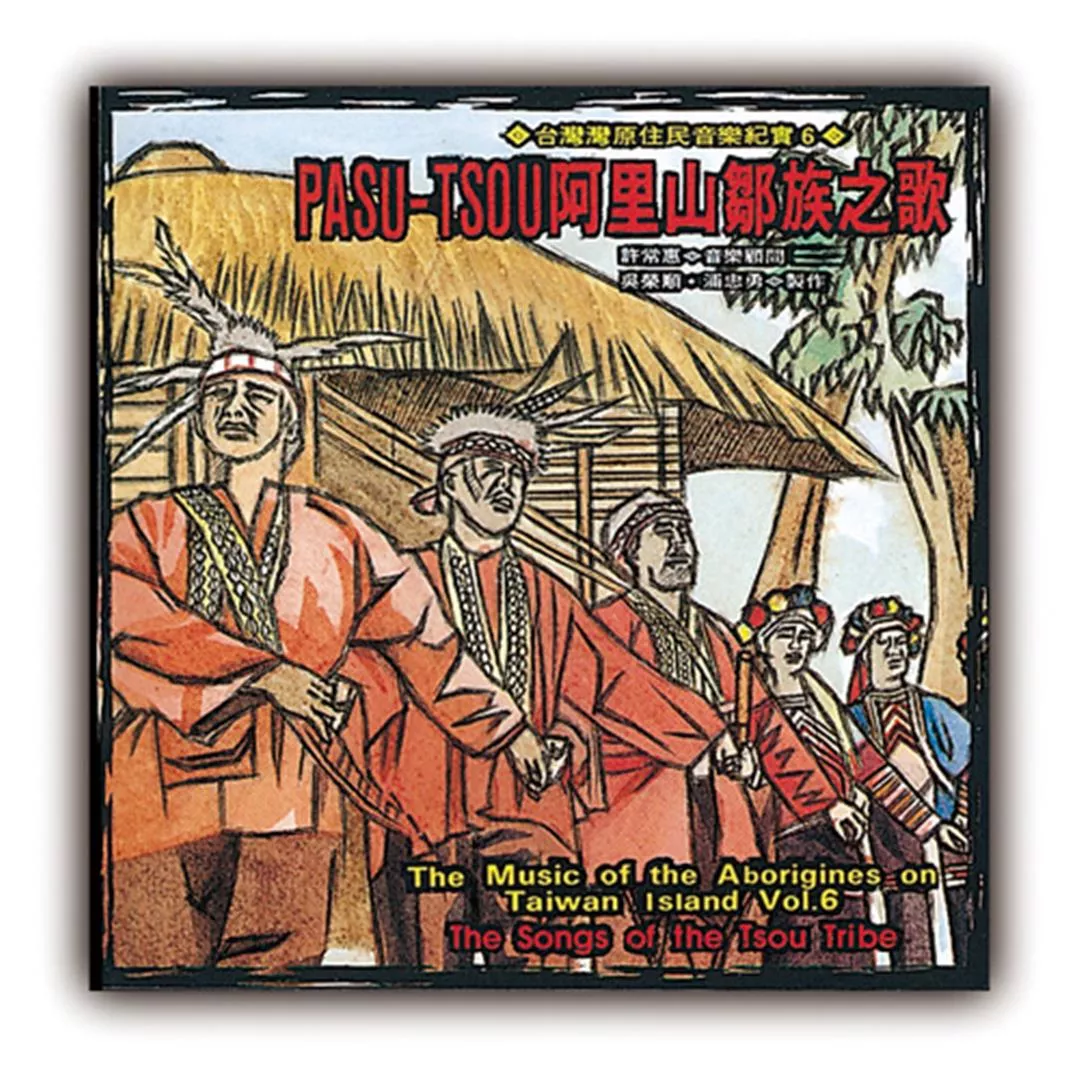
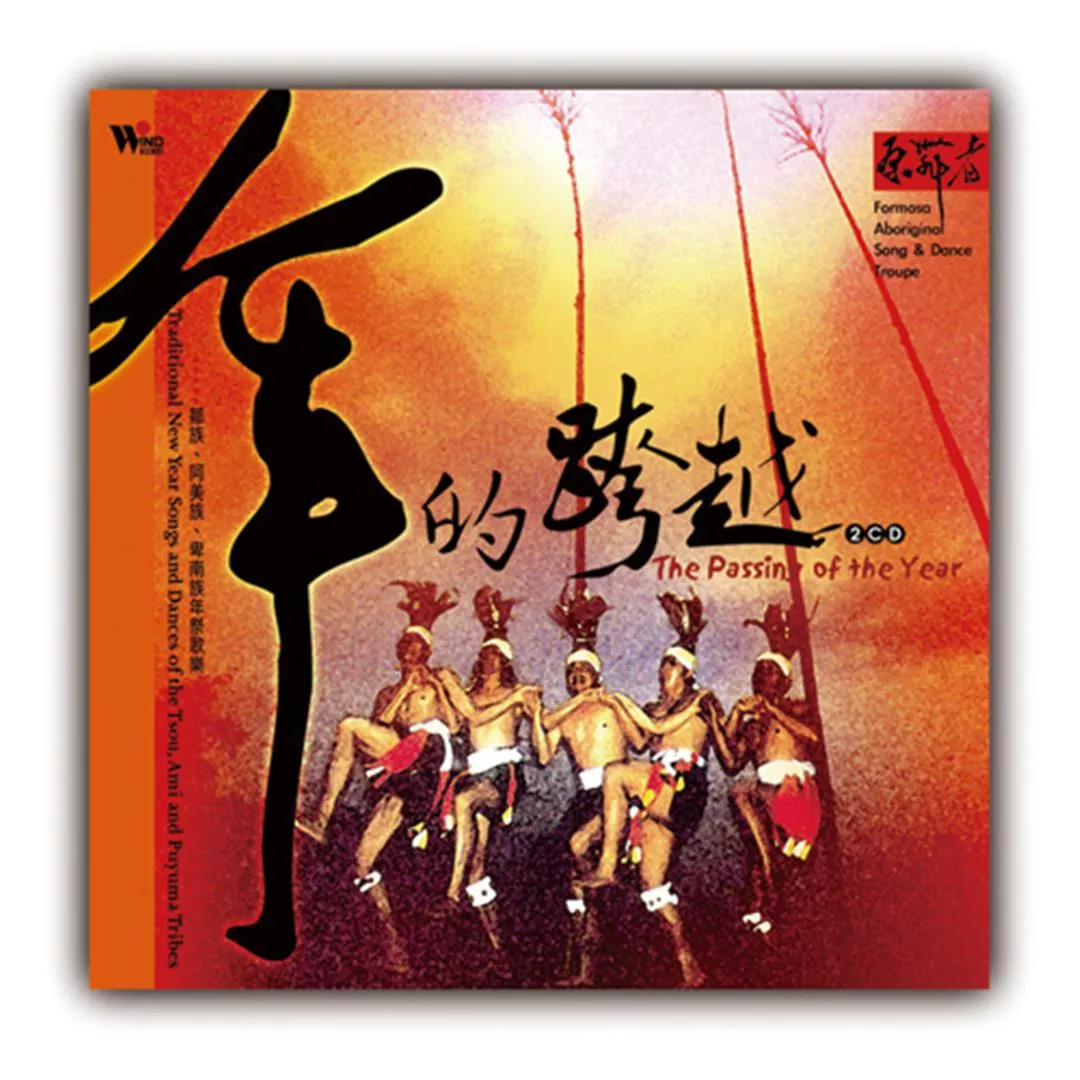
Another of Wind Music's most appealing characteristics is its willingness to explore music outside of the commercial mainstream, epitomized by the series of Hakka and Aboriginal recordings produced by Wu Rung-shun, head of the traditional music department at National Taipei University of the Arts.
Wu has known Yang for close to 20 years, and affectionately calls him the most idealistic guy in the music business-without his idealism, Wu jokes, there's no way he could have persuaded him into a commercially doomed venture like Aboriginal music.
Wu and Yang became acquainted at the 1992 Cannes Music Festival. At the time, Wu was studying in France and was doing translation work for Wind Music. Since the two were close in age and held similar interests they soon became friends. At the time of their meeting, world music-broadly defined to mean folk and indigenous music from specific cultures around the world-had begun to garner mainstream interest. Yang discussed with Wu his interest in selling musical imports to Taiwanese listeners.
However, Wu advised him not to overlook the fascinating musical contributions of Taiwan's Aboriginal peoples, which only needed to be properly documented and systematically distributed to be enjoyed by a larger audience. But Wu warned Yang that while he could point him in the right direction, he could not vouch for the commercial success of the enterprise.
Perhaps because his company seemed finally to be on solid footing and could absorb the risk, or perhaps because he needed to placate his idealist urges, Yang temporarily forgot the financial hardship he had experienced a few years earlier. He accompanied Wu on scouting trips to various Aboriginal villages and was sufficiently moved by the experience to commit some capital to the project.
"Wu took me to Xinyi Township in Nantou. He gathered up eight or nine elderly barefoot Bunun who formed a circle, lifted their faces to heaven, and began to sing. When I heard that powerful chorus of "hei-yo," I felt the tears pour down my cheeks. Their voices seemed to emanate from deep within their beings, pure and unadorned, transfixing the souls of those who hear it. I turned to Wu and said, "Let's do it! As long as I have a say in the matter, this music will be heard!"

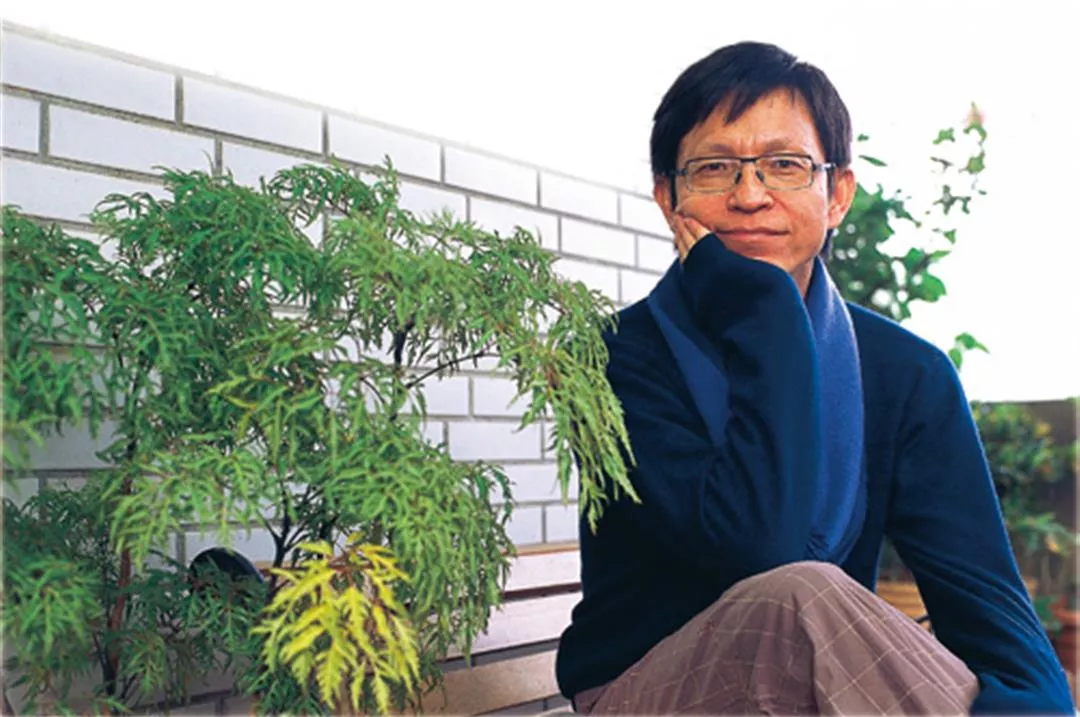
Ken Yang has always loved music, despite having never received any formal training. Armed with his incredible tenacity, idealism, and his sensitivity to market currents, he has set Wind Music on a unique course.
Moral dividends
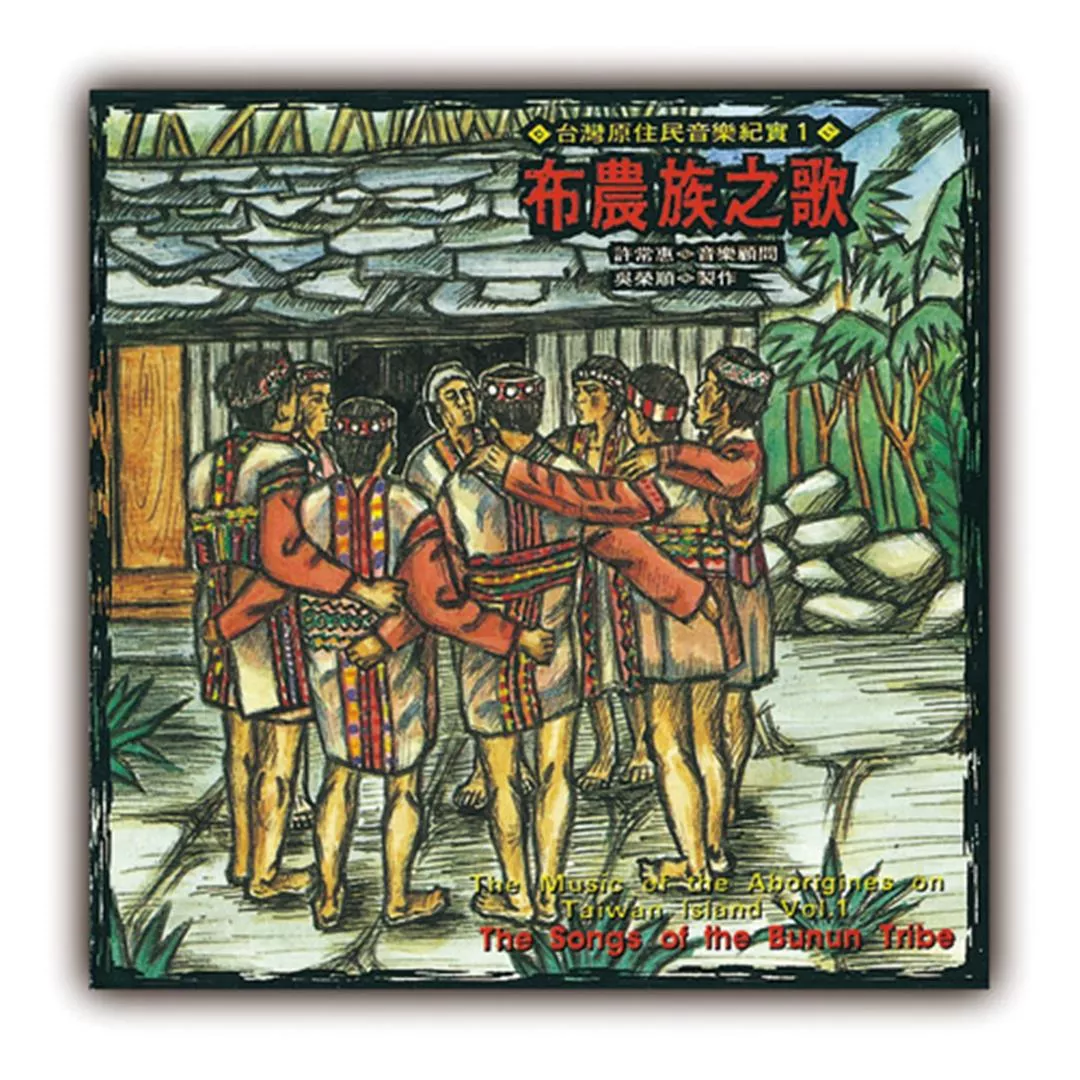
Yang and Wu collaborated on a series of Aboriginal music albums including The Music of the Aborigines on Taiwan Island, The Inner Voices of the Hakkas in Taiwan, and Pingpu Tribe Music's Documentary. The innate beauty of the music and the expert recording skill employed in its documentation were recognized with numerous Golden Tripod and Golden Melody Awards.
Yang candidly admits that most of these releases were commercial failures, the biggest flop of all being their first Aboriginal release, the eight-CD set Pingpu Tribe Music's Documentary. In 1998, the two men put on a large promotional concert of Pingpu (plains Aboriginal) music at the Chiang Kai-shek Memorial Hall, inviting many Pingpu elders to sing their traditional music at what was a major cultural event.
But in the final analysis, Aboriginal music only appeals to a small slice of the consuming public. The total outlays for fieldwork, recording, publishing and promotion, and the concert were a minimum of NT$4-5 million. Sales to this day have yet to recoup that initial investment.
Yang says that once he committed himself to the project, he put all financial matters aside-after all, Wind Music had lots of perpetual earners on the market that could make up for the loss. One of the most moving moments in his life came in 2002, when the Kavalan tribe successfully petitioned to become Taiwan's 11th officially recognized Aboriginal people. A Kavalan friend called to thank him for producing an album of Kavalan songs, helping to disseminate their voices and culture, and even helping them to finally obtain proper recognition from the Ministry of the Interior.
"This is cause for pride for all involved-we can really feel that we did the right thing. And moreover, what we learned from the Aborigines in the process of gathering these recordings is above and beyond anything that we put into it," he says.

(courtesy of Wind Music)
Singing his own song
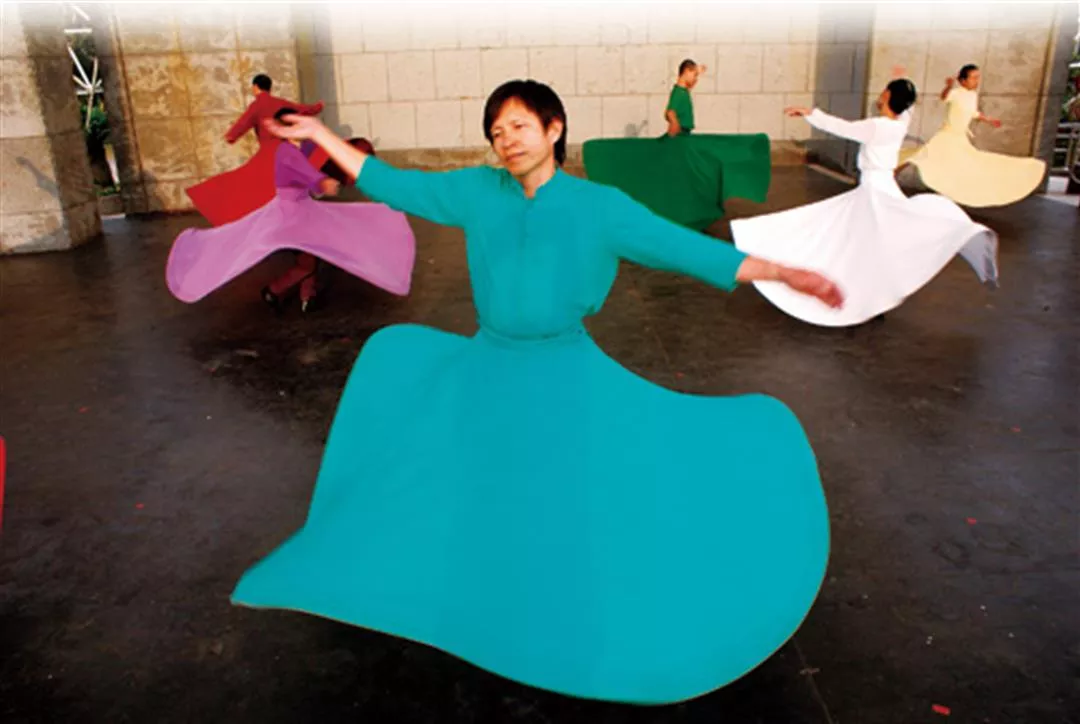
According to his employees, Yang is a boss that loves to share whatever happens to be exciting him at the moment. For instance, on more than one occasion he has tried to coax people to experience Sufi spinning (as practiced by the Sufi dervishes of Turkey), which he himself has been practicing for seven or eight years now. "We don't fancy getting ourselves dizzy, so it's rare for anyone to go with him," R&D senior project manager Liang Xiuting giggles.
For the past few years, Yang has been studying traditional hand and foot massages. He has been offering free classes at work so that his coworkers can experience for themselves how acupressure can promote mental and bodily health. "A pregnant coworker was experiencing terrible morning sickness, but I gave her a foot massage and her symptoms really improved!" he says proudly.
In addition to his duties as record producer, Yang, who takes pride in his singing voice, has made the occasional sortie into composition. One rainy day while walking down Wenzhou St. in Taipei, he saw dancing raindrops illuminated by car headlights, and was inspired to write some of the music for the album The Dance of Cherry Blossoms. More than ten years after its initial release, it continues to be one of Wind's big sellers. In fact, an American disc jockey wrote to tell Yang that when he played this album on the air in the days following the terrorist attacks of September 11, several listeners phoned in to remark on the calming effect it had on their psyches.
He confesses that he can be a bit conceited and that he would really like to produce an album in which he does all of the composing and singing. "The problem is that it's really hard to sell an album of pure music these days, so my colleagues have told me to sideline the idea for now-I'm sure it isn't because they don't appreciate my singing!" he laughs.
Ken Yang is an entrepreneur who rides the fine line between profit and art. Full of ideas and brimming with self-confidence, he also knows how to laugh at himself, and when to lend an ear to the opinions of others, and if the occasion calls for it, to let others lead the way. It is this finely tuned sense of balance that has kept Wind Music steaming ahead despite the turbulent squalls pounding today's record industry.

(courtesy of Wind Music)

(courtesy of Wind Music)

(courtesy of Wind Music)

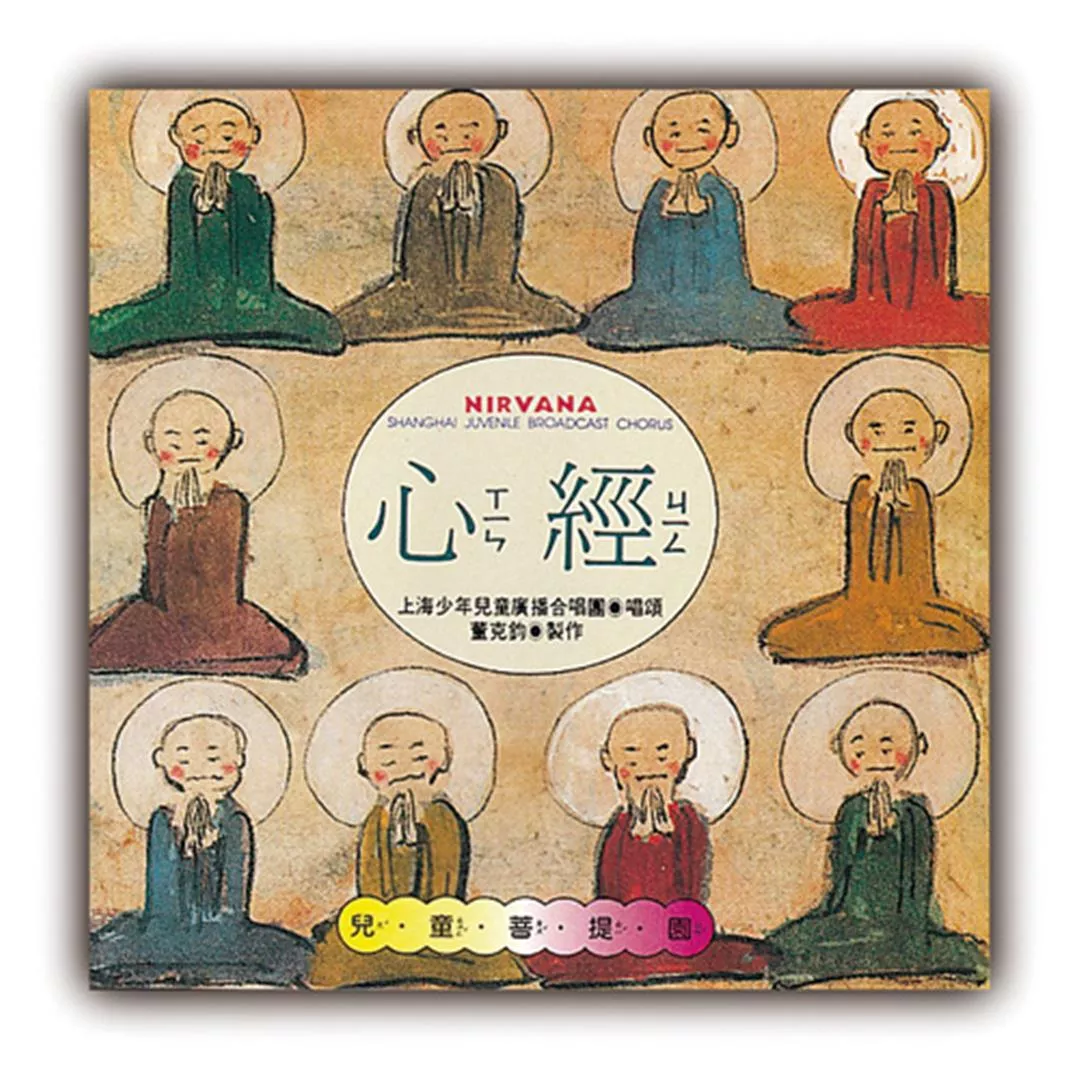
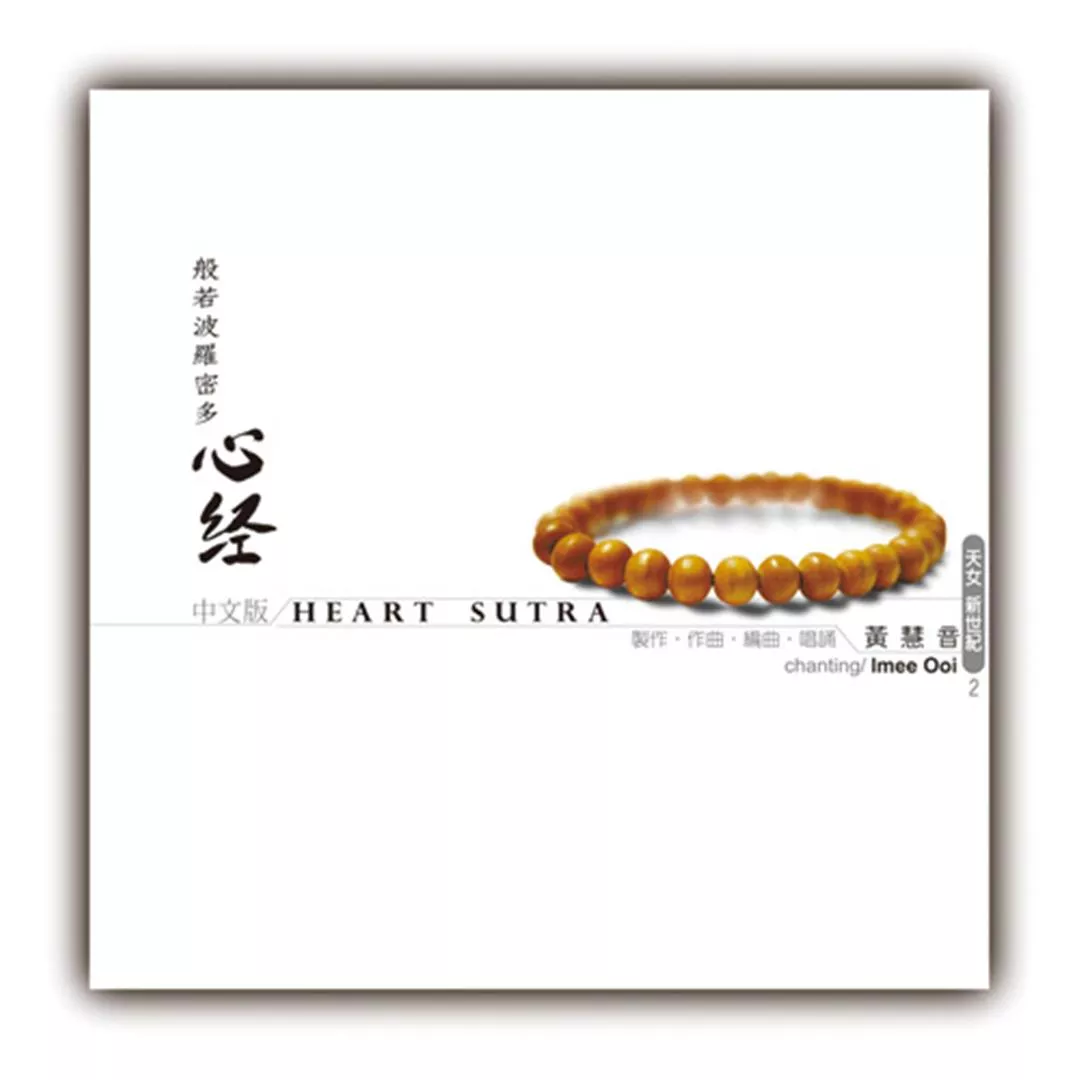
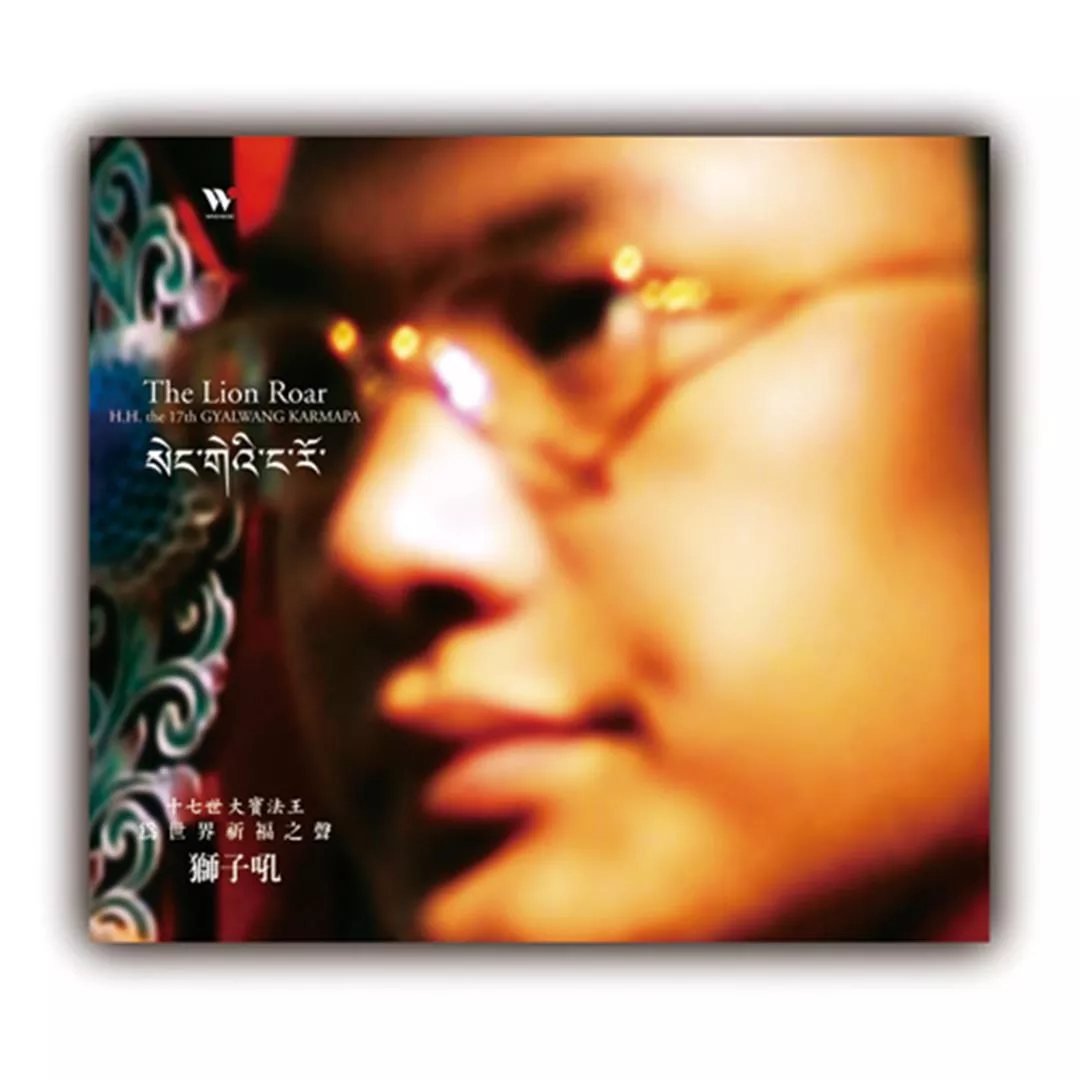
In 1988, Wind Music's Chinese Buddhist Music album combined traditional Chinese melodies with the rhythms of religious incantation, resulting in a religious music album that was highly acclaimed. To this day, religious music is a company staple that has even managed to find an audience overseas.

Yang is a practitioner and one of Taiwan's major proponents of Sufi spinning as practiced by Turkish dervishes. Every week he meets with fellow enthusiasts to practice in Da'an Park, where they strive together for spiritual clarity and calm.

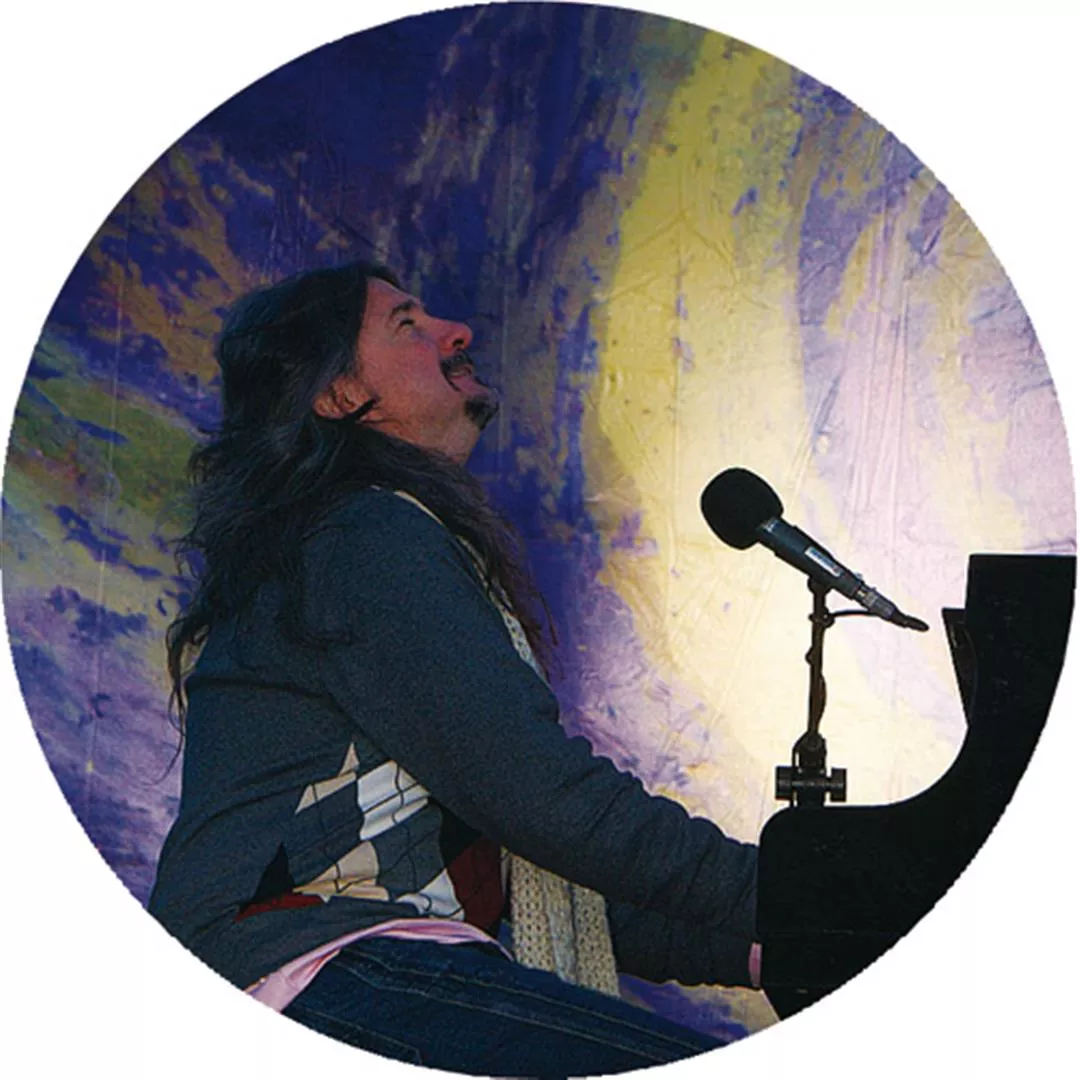
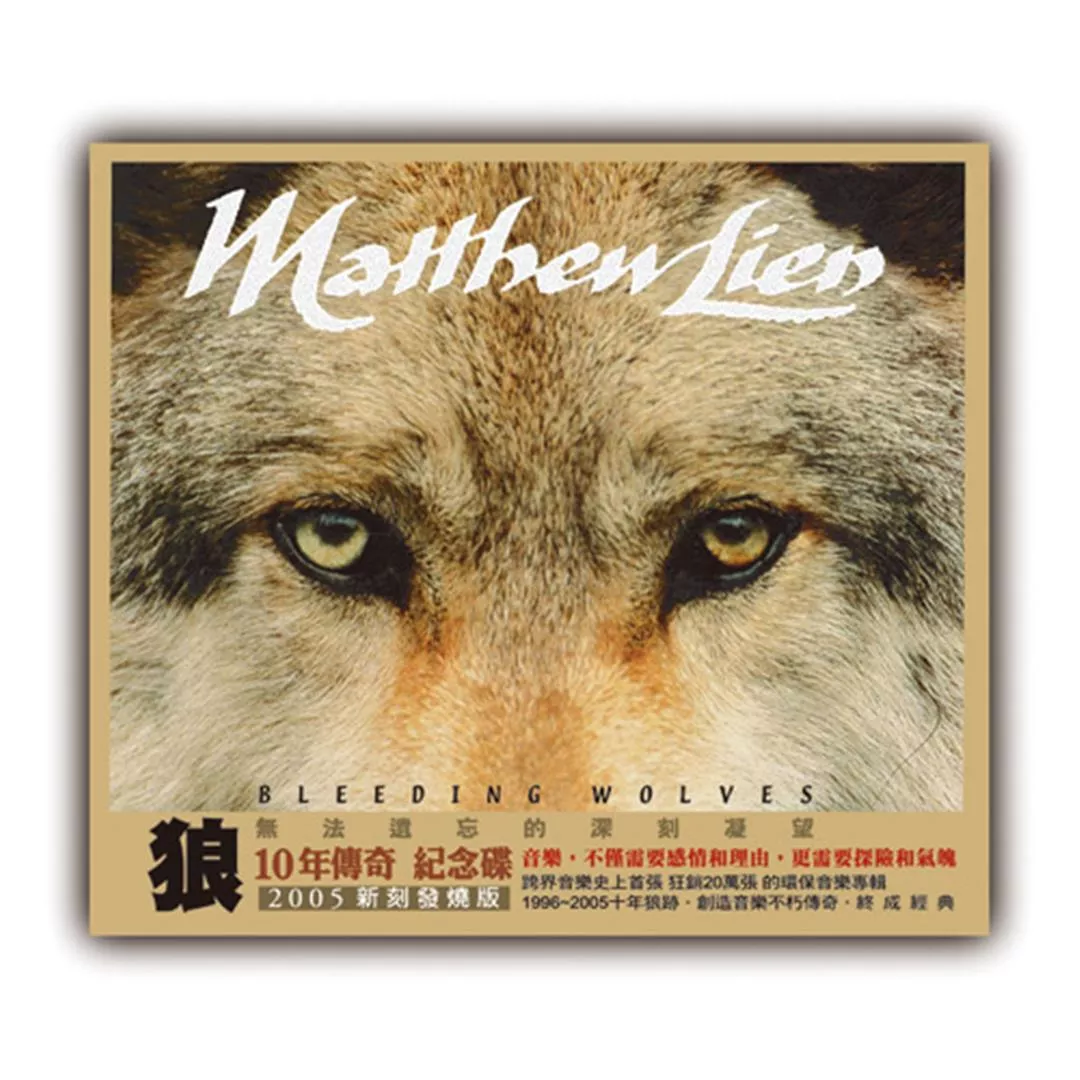
Wind Music is one of the few domestic record companies to promote alternative music genres such as nature sounds and new age music. Here we see a picture of the New Year's Sunrise Impression Concert held at Mt. Ali. The organizers invited prominent environmentalist musician Matthew Lien (inset). Wind Music was the company that brought Lien into the national limelight.

(courtesy of Wind Music)

(courtesy of Wind Music)

(courtesy of Wind Music)

At the encouragement of his musicologist friend, Wu Rung-shun, Ken Yang embarked on a series of Aboriginal music recordings. In addition to winning numerous prizes, the series was instrumental in helping persuade the government to formally recognize the Kavalan tribe. The picture here is of a Bunun performance at Dili village in Nantou County's Xinyi Township.

(courtesy of Wind Music)

(courtesy of Wind Music)


(courtesy of Wind Music)

(courtesy of Wind Music)