Palatable Petals: Nantou’s Rose for All Seasons Farm
Chang Chiung-fang / photos Jimmy Lin / tr. by Scott Williams
March 2014


The roses blossom all year long at the “A Rose for All Seasons” farm.
The rose bushes on the A Rose for All Seasons property, located in the Niumian Borough of Puli Township, Nantou County, reach to head height and beyond. But visitors are more likely to be dumbstruck by the thick underbrush and the plethora of aphids, caterpillars, and spiders that coexist with the flowers. Can this really be Taiwan’s first “toxin-free” rose farm, or is it perhaps just a large, overgrown garden?
When they see flowers blossoming in online pictures of “A Rose for All Seasons,” many men begin planning a romantic visit to the farm with their girlfriends. When they get there, they are surprised to discover that the farm is home to more bugs than flowers. Even worse, since all the rose blossoms are picked early each morning, there are no flowers in sight. Their expectations disappointed, some visitors go so far as to accuse the owners of posting deceptive photos online.
But the farm’s owners aren’t trying to hoodwink anyone. The misunderstanding arises because the farm doesn’t raise roses to be looked at, but to be consumed as a high-end food product.
In fact, renowned Taiwanese baker Wu Pao-chun won top honors at the 2010 Masters de la Boulangerie championship in France with a lychee–rose-petal bread made with roses from the farm. Well known Puli chocolatier 18°C uses the petals to make a chocolate bonbon with a rose jam filling, while Matthew’s Choice incorporates A Rose for All Seasons’ toxin-free petals into its rose–apple yoghurt.
Nowadays, A Rose for All Seasons is synonymous with toxin-free roses in Taiwan. But Zhang Siguang and Guo Yiping, the farm’s pioneering husband-and-wife owners, have experienced plenty of ups and downs along the way.
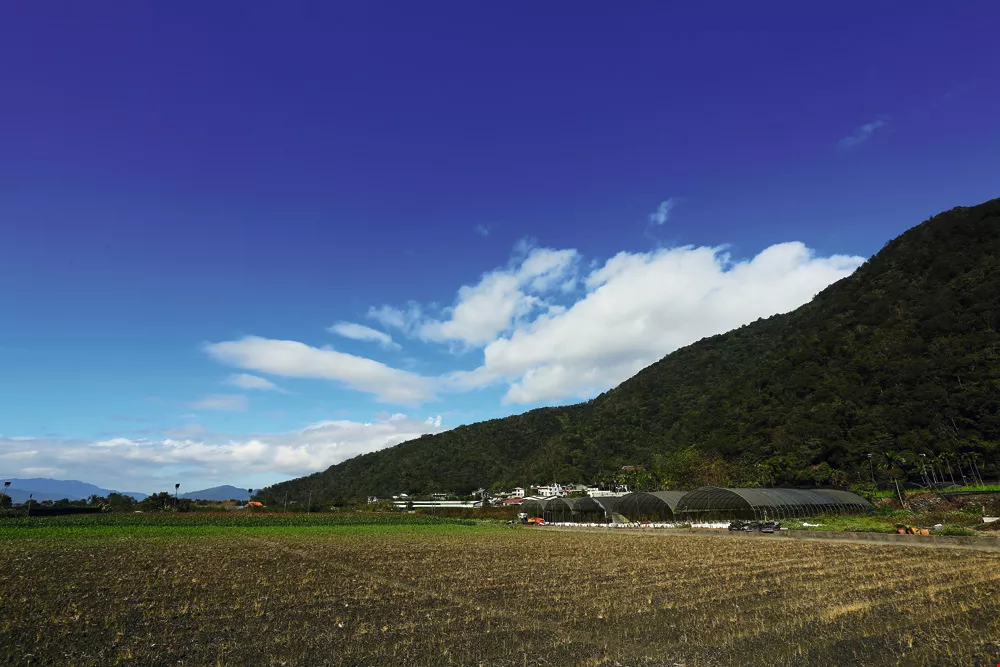
Located in the shadow of Niumian Mountain in Puli, Nantou County, A Rose for All Seasons is the first farm in Taiwan to cultivate edible roses using natural methods.
A thorny business
These rambling roses are nothing to sneer at. Kissed by Puli’s gentle breezes, watered by a babbling brook, living in symbiosis with insects and wildlife, these fragrant, toxin-free, relatively thorn-free roses are both brightly colored and intensely flavorful. They are, in fact, comparable to roses from Bulgaria, the rose capital of the world.
“We selected these from among more than 200 varieties because their combination of color, scent and flavor makes them ideal for culinary applications.” Guo Yiping says that the farms’ roses are of a perfume variety, their petals firm, fragrant, sweet, and redolent of lychees. They differ markedly from roses grown for show, which, for all their beauty, have an acrid flavor.
Zhang Siguang and Guo Yiping sell their rose products under the LOHAS Rose brand, but their lives for the last 11 years haven’t been nearly as sunny as the name suggests. It turns out that producing roses is a thorny business.
Zhang and Guo were working as chefs when they decided to put her father’s idle rose farm back into cultivation and make it organic in 2003. Their families didn’t support the decision, and experts told them that what they had in mind was impossible. “We didn’t have any idea what we were doing, and believed that anything was possible,” recalls Zhang.
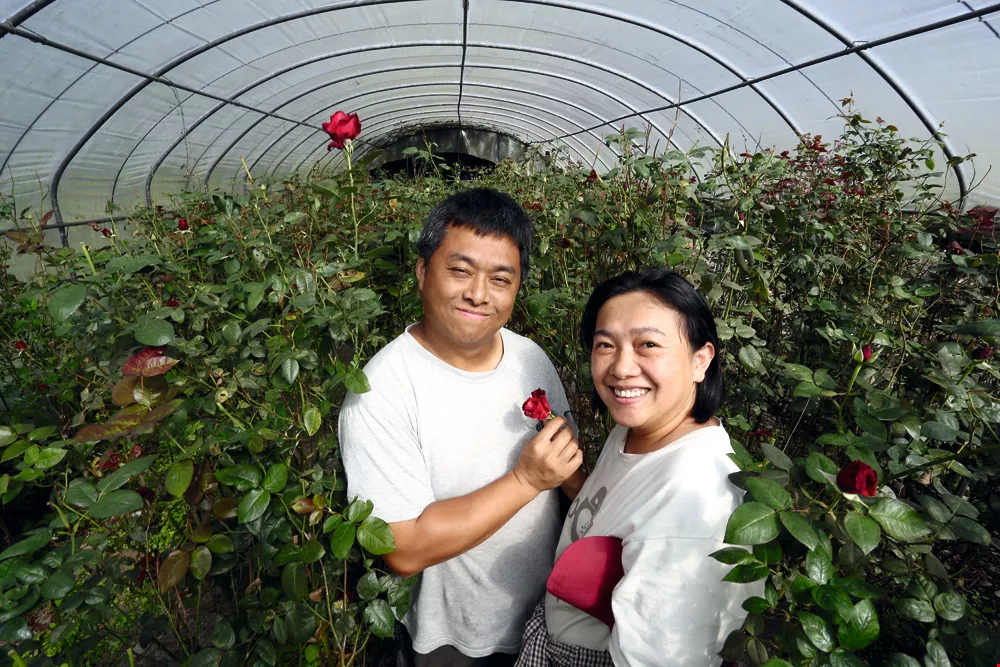
Rose growers Zhang Siguang and Guo Yiping have stuck with the organic approach in spite of the many difficulties they have encountered.
Bugs provided the first challenge to their plan to go organic.
Roses are vulnerable to a large number of pests, especially in Taiwan’s warm and humid climate, making it nearly impossible to grow roses here without chemical pesticides and fertilizers.
During their first three years in business, they generated no income at all. They became something of a joke among the neighbors, who laughed that they couldn’t tell whether they were growing flowers or weeds.
They signed up for classes at the Tse-xin Organic Agriculture Foundation to learn how to cope with the bugs, and also learned how to make organic fertilizer and utilize biological controls. They received additional help from an unexpected quarter. Tired of seeing the couple struggle, two researchers with the Taichung District Agricultural Research and Extension Station, Chang Long-zen (now deputy director of the Taichung Agriculture Bureau) and Chen Yann-ray, studied up on powdery mildew, a common disease in roses, and showed Zhang and Guo how to control it by managing moisture levels.
At one time or another, they’ve used chinaberry oil, narrow range oil, sex pheromones, glue boards, Bacillus thuringiensis, chili pepper water, sunflower oil, and soapberry extracts in their fields. Experimenting as they went, they slowly developed a method for cultivating roses organically.
By 2008, the farm was beginning to find its feet. Zhang and Guo started utilizing natural agricultural techniques, completely eschewing any kind of pest control. When aphids attacked their plants, they waited for ladybugs to eat them. “Nature deals with them when the time is right,” says Guo.
Excepting their applications of a homemade liquid fertilizer that they use to stimulate the development of their plants’ root systems, they don’t fertilize much. “If your plants have a robust root system, they’ll find the nutrients they need themselves.” Guo backs up her argument by noting that trees grow to enormous size without any fertilizers at all.
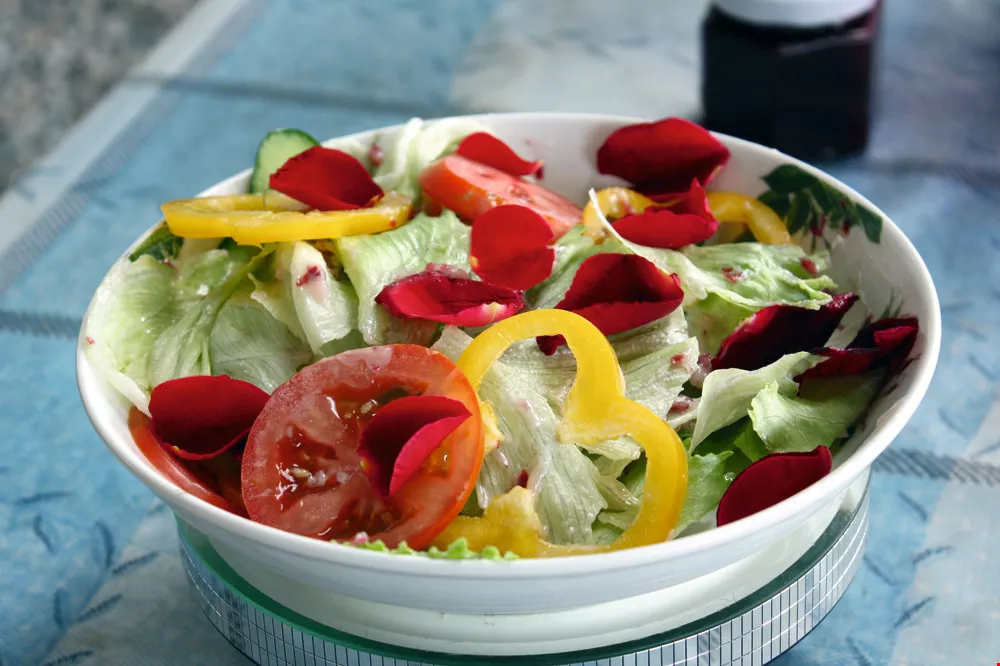
Zhang and Guo’s rose-colored dream originated with a vision of rose-themed menus. That hope continues to bolster their resolve when confronted with adversity.
Retaining the scent
Preserving the color and scent of the roses once they’re harvested is also a challenge.
The first step is picking them at the right time. Guo says the variety of medium-sized roses they grow, which have 15–25 petals per blossom, are at their most fragrant when about 80% open. “The fragrance isn’t as intense or pure when they’re open enough to see the center.”
Flowers that bugs have gnawed on are inedible. Guo says that plants are capable of defending themselves. When they are bitten by a bug, they protect themselves by secreting an astringent substance that makes the bug stop eating the flower. Unfortunately, people find the mouthfeel of such flowers to be unpleasant, and Guo discards them.
After much experimentation, A Rose for All Seasons was finally able to produce rose petals and rose petal jam that preserved the color and scent of its flowers. “We owe it all to a very loyal, very blunt customer.” Guo explains that during a promotion at the Taipei World Trade Center in 2007, the customer remarked that it was a shame their jam wasn’t as nicely scented as their fresh flowers.
Responding to the customer’s critique that they had failed to capture the full fragrance of their flowers, Guo began experimenting like mad when they returned home from the show and eventually came up with a formulation that didn’t require any artificial ingredients to preserve the color or flavor.
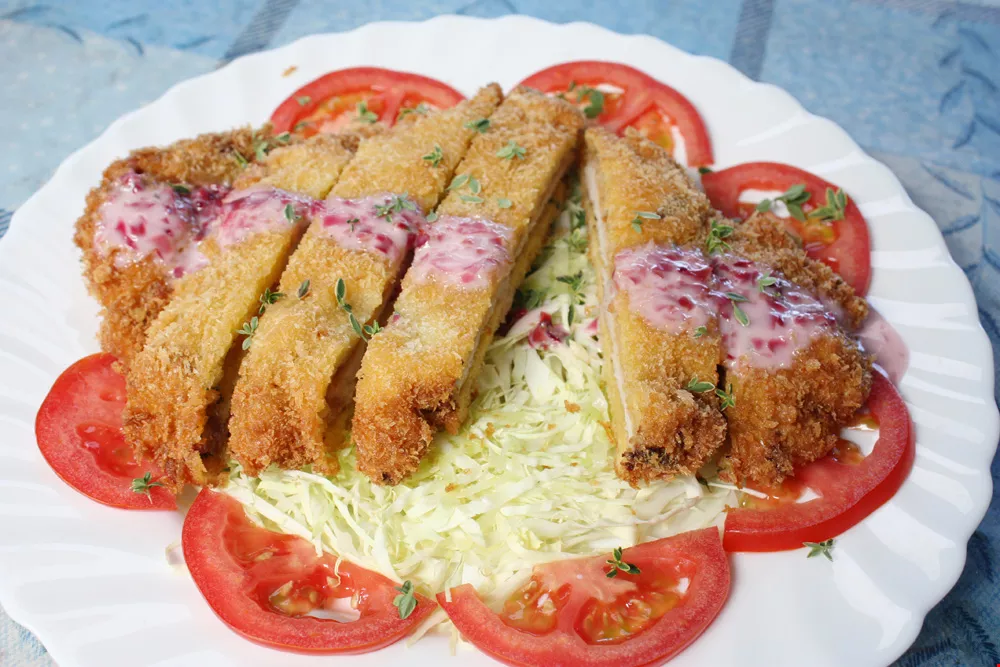
Zhang and Guo’s rose-colored dream originated with a vision of rose-themed menus. That hope continues to bolster their resolve when confronted with adversity.
An insoluble problem
Having overcome obstacle after obstacle over the last 11 years, the couple is now facing a truly intractable problem: the land itself. Though the farm’s roses meet all of the organic criteria and its flowers have passed rigorous 368-item testing for residual pesticides, it still can’t obtain an organic certification. The certification requires that the land lie fallow for three years, but their landlord won’t give them a long-term lease. Instead, he wants to sell the property and has been pushing for them to vacate it. This has left Zhang and Guo scrambling to relocate their roses to a nearby farm.
The couple’s roses have suffered some attrition over the years, and just 1,300 of the 3–4,000 bushes they planted 11 years ago remain. Worse, they don’t know how many will remain healthy after the move. “It’s up to the roses themselves,” says Guo.
In the years since Zhang and Guo got their start in Taichung’s Hope Market, they’ve met a number of like-minded individuals and built a name for themselves.
“We never produce enough to meet demand, which can make things difficult for Chef Wu Pao-chun.” Zhang says they pick about ten kilograms of roses a day during the peak summer season, but just 300–500 grams per day in the winter. The difficult weather of the last two years has been hard on the roses and reduced their output even further.
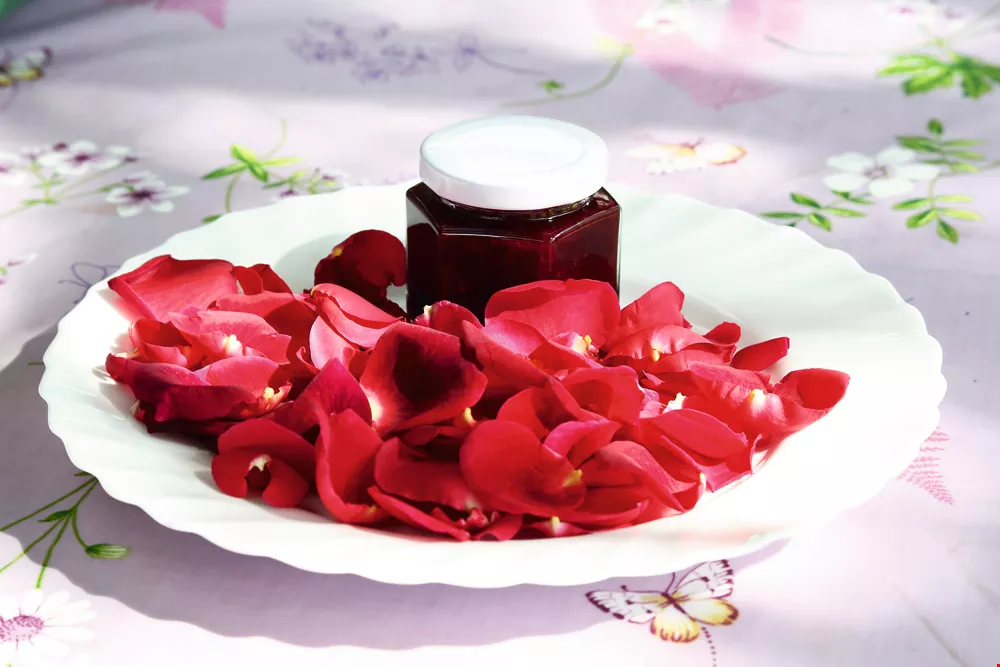
Ten blossoms go into each jar of rose-petal jam. Sugar and lemon juice help preserve the color and scent of the beautiful, toxin-free flowers.
The scent of a rose
In addition to dried rose petals, the couple has also introduced a rose petal jam, rose-infused rice vinegar, and a variety of personal care products, including rose water, lotion, and essence. All told, their products net only NT$700,000 or so in profits annually.
In spite of their stellar reputation and high demand for their products, they haven’t made enough money to recoup their investment because they simply can’t produce enough roses. They supplement their income by growing herbs and potted plants.
“Our current situation is nothing like we imagined when we were starting out,” admits Guo. They didn’t set out to become farmers and initially hadn’t a clue about growing flowers. They stumbled into the business through their previous jobs as chefs. Already accustomed to cooking with herbs, they had a sudden inspiration: why not use edible roses in dishes?
“Roses are one of those ingredients that fire the imagination.” Guo says that they originally envisioned opening a rose-themed restaurant in which other herbs would play a supplementary role. They certainly didn’t expect to end up as professional growers of toxin-free roses. “But our goal hasn’t changed. It’s just been deferred,” says Zhang.
Though the couple has yet to realize their dream, the scent of roses permeating their fantastic little farm hints at great things to come.
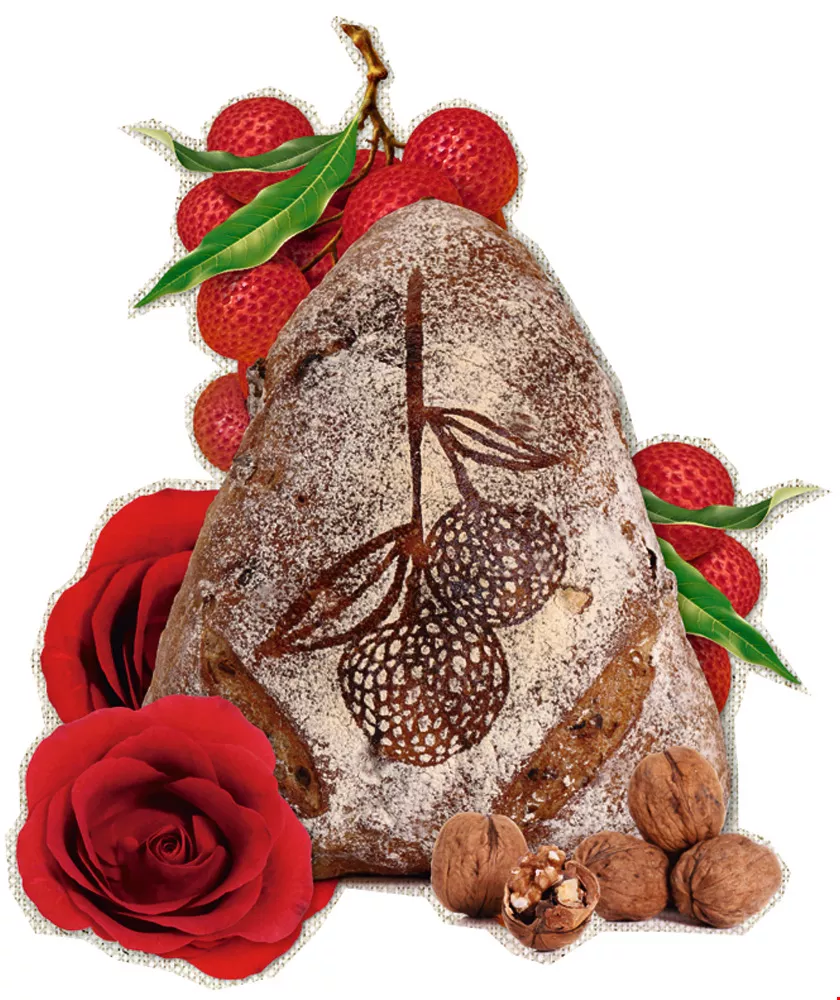
Renowned baker Wu Pao-chun won top honors at the 2010 Masters de la Boulangerie championship with this lychee-and-rose-petal bread.

@List.jpg?w=522&h=410&mode=crop&format=webp&quality=80)

@List.jpg?w=522&h=410&mode=crop&format=webp&quality=80)

@List.jpg?w=522&h=410&mode=crop&format=webp&quality=80)
@List.jpg?w=522&h=410&mode=crop&format=webp&quality=80)

