Homing In on Senior Welfar--Reverse Mortgages Come to Taiwan
Teng Sue-feng / photos Hsueh Chi-kuang / tr. by Jonathan Barnard
April 2010
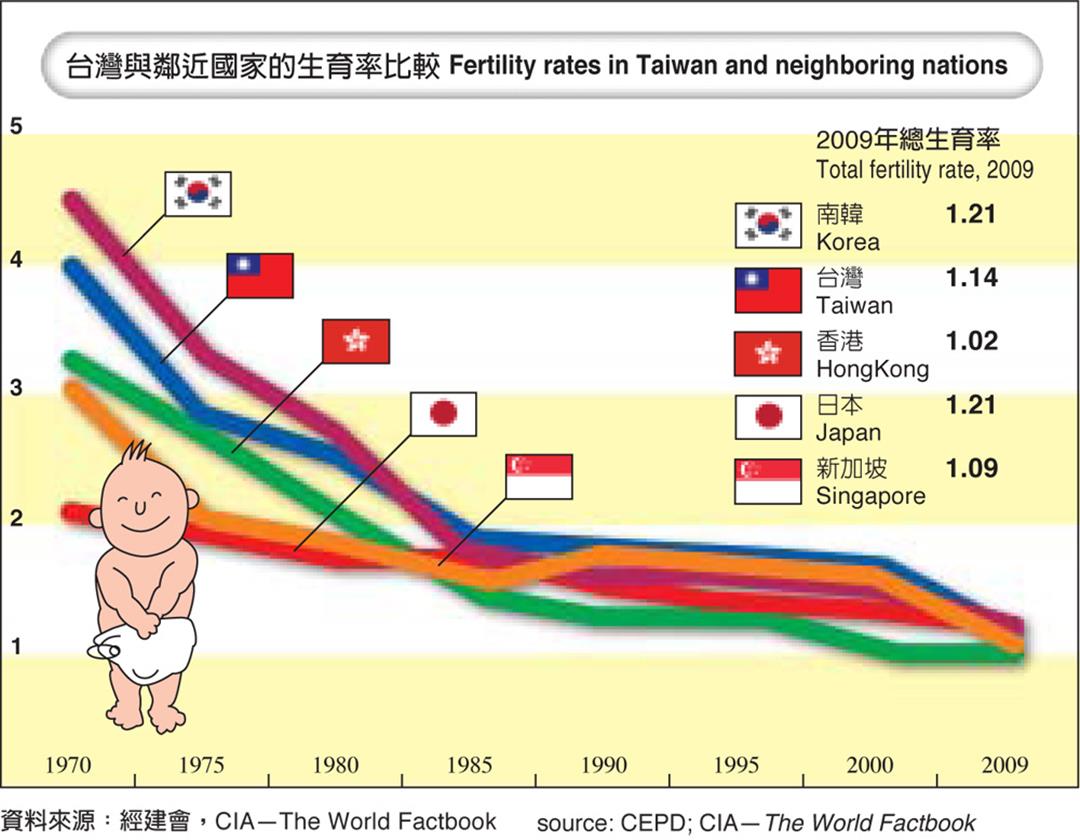
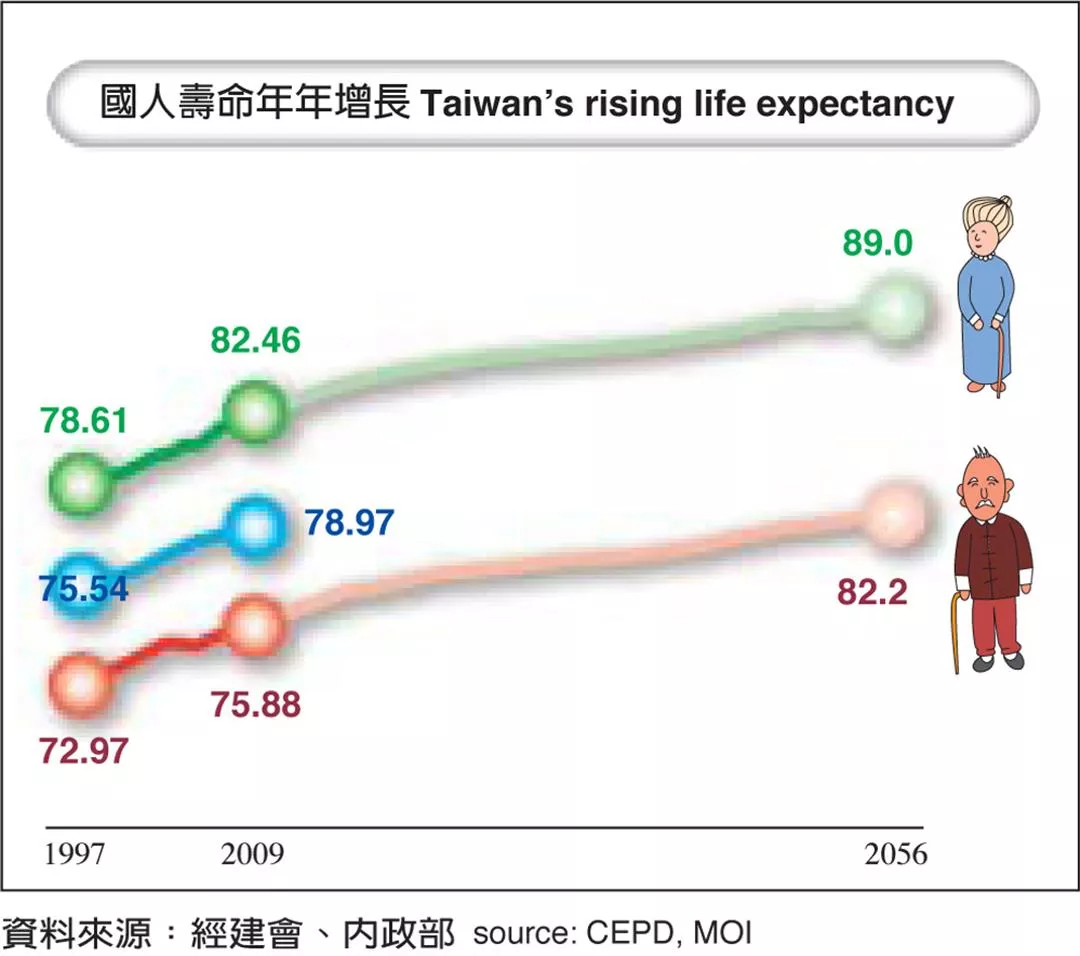
Taiwan experienced some notable demographic changes in 2010. The good news is that life expectancy rose 0.4 years to 78.97. The bad news is that the nation's total births dropped 7000 to 191,300, falling below 200,000 for the second year running. The crude birth rate fell to 8.3 per 1,000, a new low. People in Taiwan are living ever longer, but there will be fewer and fewer young people to support the elderly population. The trend poses serious problems.
As a solution, the government and real-estate experts have proposed reverse mortgages, which let the elderly draw financial support from their own homes while they are living in them. The government is planning a small pilot program for early 2011, hoping that this new method of senior support-"before 65, people pay for their homes; after 65, homes pay for their owners"-will provide a new choice for cash-poor seniors who wish to spend their golden years in their own homes.
Traditional Chinese notions about social security were encapsulated in the expression: "Store grains to keep from starving and raise children to protect yourself in old age." According to the Ministry of the Interior's 2005 Report on the Elderly, reliance on children was still the principal means of support for those 65 or older (53%). It was followed by government assistance (33%) and personal retirement funds (14%).
The same study found that monthly living expenses for senior citizens in Taiwan averaged NT$11,715, with 25% of elderly living on only NT$6000-12,000 and 18% on less than NT$6000. With the cost of living continually rising, the amounts that people have prepared for their retirements are clearly insufficient.

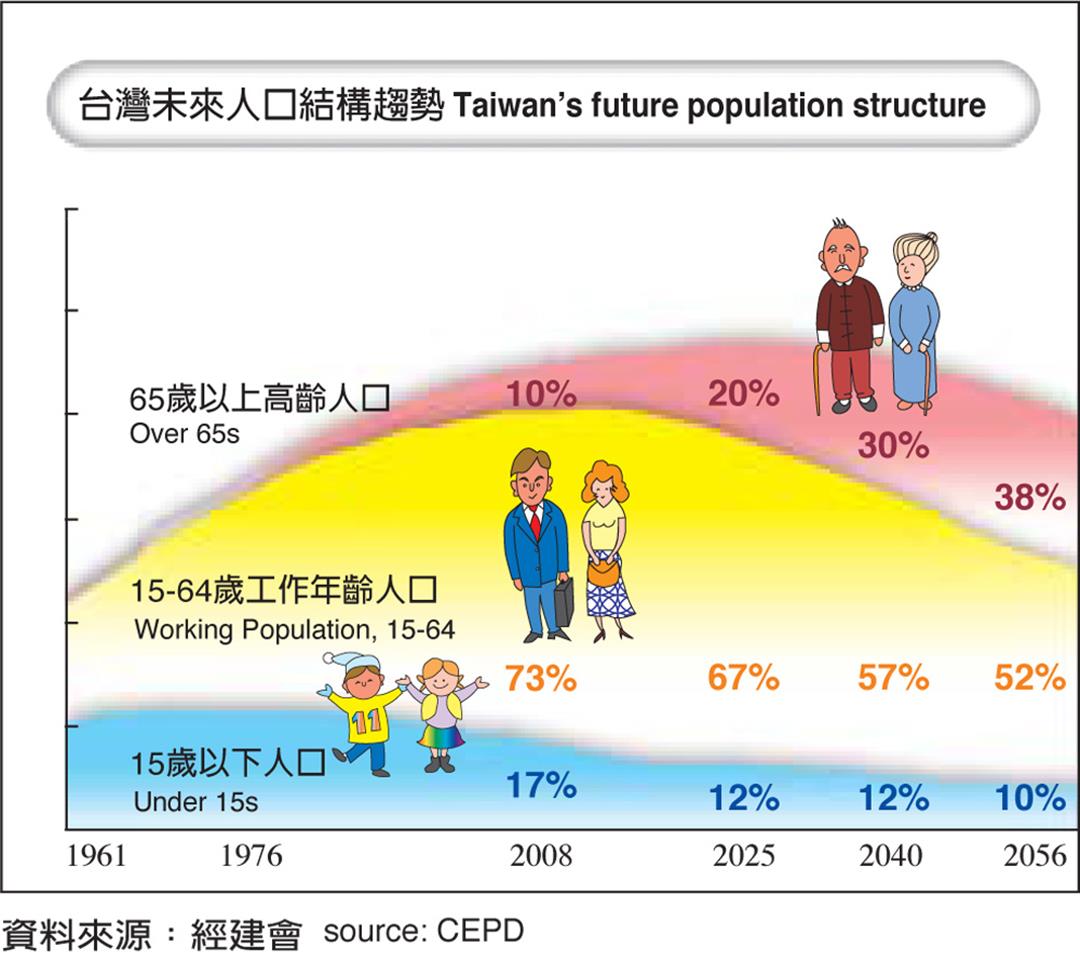
Hitting new lows for two years running, births in Taiwan have fallen below 200,000 per year. In the future Taiwan will face a crisis of having too few young people to support its large elderly population. We should-sooner, rather than later-make adjustments to deal with a population structure that has the shape of an inverted pyramid.
Most in this generation of elderly are relying mainly on their children, so supporting them hasn't yet become too serious of a public problem, but senior citizens of the future will not have it so lucky. Many of them won't have any children to turn to.
According to a 2006 study on social development trends in Taiwan by the Directorate-General of Budget, Accounting and Statistics, 254,000 of Taiwan's 5.19 million married couples were childless. These include 10,000 over the age of 60, and 21,000 in their fifties.
But even if younger couples do have children, they must be prepared for insufficient support. The same study found that in comparison to those over the age of 60, who have an average of 3.7 children, the "future elderly" now in their forties have only 2.3 children, and those in their thirties only 1.76 children.
Apart from a growing burden on individual children, this trend means that more elderly will need to rely on government assistance, which will result in tremendous fiscal pressures.
According to demographer James Hsueh, a minister without portfolio at the Executive Yuan, Taiwan became an aging society (which the UN defines as having more than 7% of its population over the age of 65) in 1993. Today, 17 years later, the elderly population stands at 10.7% (about 2.4 million). "The elderly population is growing, but in comparison to Hong Kong at 12% and European countries at around 15%, Taiwan isn't aging all that fast, and it is a long way from the extremely old society of Japan at 21%."
But he foresees that because of the precipitous fall in the birthrate (see graphs), Taiwan will start aging rapidly in 2016. Meanwhile, he expects life expectancy to increase (it currently stands at 82 for women and 76 for men). Because the retired population will be large and the working population small, the number of taxpayers will fall, and the government will be harder pressed to care for the elderly.

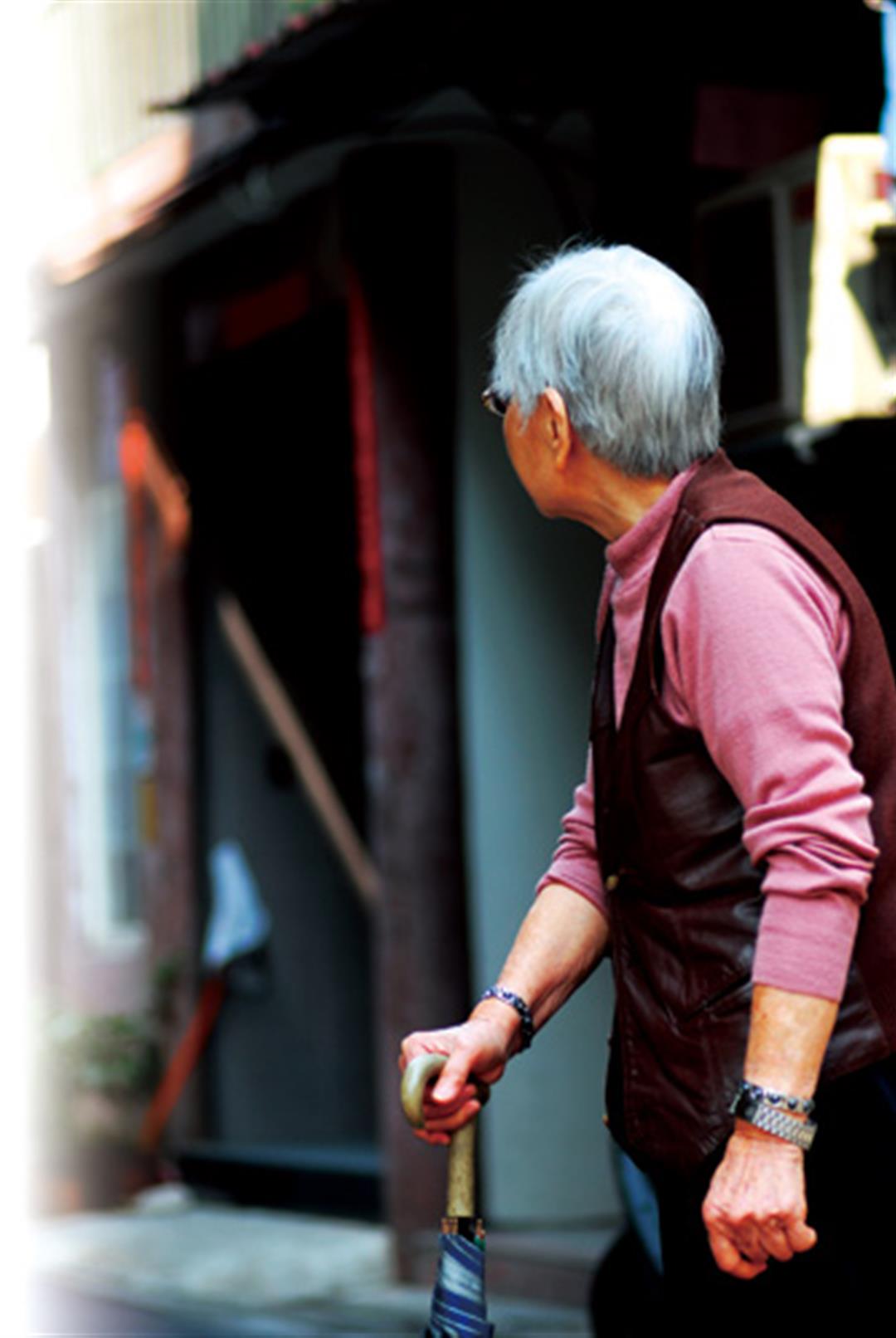
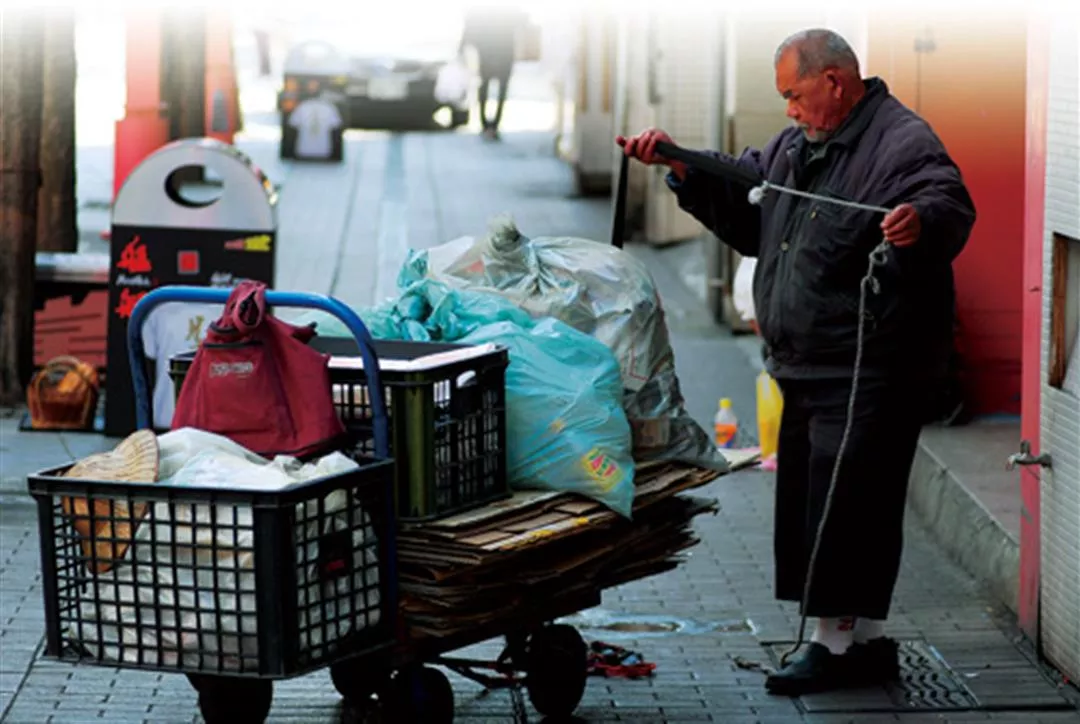
"House rich and cash poor" isn't just some media buzz phrase, but rather the real-life situation for many seniors. Seniors with no cash or savings who don't want to spend their last years struggling to make ends meet ought to consider taking out reverse mortgages.
Minister of Health Yaung Chih-liang, who is worried that old people won't even be able to afford the co-payment charges of a few hundred NT dollars under National Health Insurance, has proposed a new concept for Taiwan: reverse mortgages.
People in Taiwan like to buy houses, with an 88% rate of home ownership, he notes. But many end up "house rich and cash poor."
"Since you can gradually build up equity in homes, why can't you gradually take out equity?" Yaung thus suggests that cash-poor elderly should be able to take out a reverse mortgage with a bank, so that they can continue to live in the home they are familiar with, drawing a little from the bank each month to support them in old age.
Yaung didn't invent the concept of reverse mortgages. They've been used for many years in Europe and America as a way for the elderly to support themselves.
Seniors take out reverse mortgages on their homes from financial institutions, which in turn provide them with money, often, but not necessarily, in monthly payments. There are no restrictions on how the money is used: It can pay for regular living expenses, emergencies, medical expenses, home repairs, settling debts, or travel. If the elderly use up all of the equity from the house before they pass away, then the home becomes the bank's property.
Unlike in the United States, where reverse mortgages were introduced as a new kind of financial instrument that enables the elderly to turn fixed assets quickly into cash, in Taiwan these mortgages are being proposed out of concern for social welfare: Their purpose is to ensure that the elderly are adequately taken care of. Consequently, the money under this model would be best allotted in regular monthly payments, to prevent it from being squandered by poor investments or being used or embezzled by children, leaving the parents with nothing.
In 2005, when James Hsueh headed the Taipei City Department of Social Welfare, he noticed that some of the swankiest areas of town had a lot of elderly who "had substantial assets but no cash" or "who had to beg for food while living in a posh house."
He explains that the ROC Social Assistance Act, which provides assistance to low-income households, was revised in 2005 to include a "family asset exclusion clause." For example, in Taipei City, if a family's total savings (including stocks) exceed NT$1.5 million per person, or if the value of their real-estate holdings exceeds NT$6.5 million according to the official valuation for tax purposes, then they don't qualify as a low-income household and can't receive an income supplement.
The pursuit of social justice is what prompted the exclusion, but when Hsueh saw with his own eyes how many elderly ended up suffering poverty as a result, he came up with the idea of reverse mortgages. When he joined the cabinet in February of 2009, he introduced the concept to the Executive Yuan.

Fertility rates in Taiwan and neighboring nations
After several years of consideration, is the time now ripe?
"Taiwan is better suited than America for reverse mortgages," says Professor Chang Chin-oh of the Department of Land Economics at National Chengchi University, who started to discuss the concept in a classroom setting more than 10 years ago. The home ownership rate stands at 65% in the United States but at 88% in Taiwan, he notes, and because so little land is available and development is dense, real estate is expensive and resistant to price drops. What's more, the elderly generally resist living in retirement or nursing homes, so "supporting the elderly with their own real-estate assets" is an idea well suited to Taiwanese society, he argues, and a system of reverse mortgages ought to be quickly implemented.
Chang describes three kinds of reverse mortgages well suited to Taiwan. The first type would be offered by banks, like the reverse mortgages in the US.
There you can apply for a reverse mortgage from a bank when you turn 62. The withdrawal schedule varies according to applicants' age (the older they are, and thus the shorter their remaining life expectancy, the faster they are allowed to draw down equity via monthly payments). Interest rates and home values determine the absolute payments. Most often the amount withdrawn represents about 50-60% of the home's value. In addition to monthly payments (which are made either for a set number of years or for the remainder of the owners' lives), home owners can also select a one-time lump-sum payment. And the two methods can also be combined, resulting in a smaller lump-sum payment along with smaller monthly payments. When the homeowner sells or dies, the contract is terminated.
Because the homeowners still maintain full rights, should they decide to sell during the contract period, they would naturally pocket the difference between the selling price and the amount they owe on the mortgage. But if the price falls below the value of the mortgage, then the bank's losses are covered by insurance, and the banks aren't allowed to go after the owners or their heirs to cover the difference. During the period of the mortgage, the owner can pay it off in full at any time without being considered in breach of contract. When the owners eventually die, the heirs are given three months to a year to sell the house to repay the mortgage. Or they can pay off the mortgage themselves and keep the residence.
Under that system, a 65-year-old in Taiwan today with a home valued at NT$5 million could take out a mortgage of NT$3 million (60%). With interest calculated at roughly 2%, after subtracting application and appraisal fees, taking into account compounded interest, and based on Taiwan's average life expectancy of 79, the home owner would be able to reap about NT$20,000 a month.
Reverse mortgages were introduced in the US in 1987 under two models, which differ depending on whether the Federal Housing Administration or private financial institutions provide the mortgages. After years of accumulated experience, the number of these mortgages has begun to rise rapidly. According to US Department of Housing and Urban Development statistics, in 2001 some 10,000 applications were made, and by 2006 demand had increased sixfold. In 2008, the number of applicants surpassed 110,000. It's estimated that more than 90% of these reverse mortgages are administered by the FHA, with the government assuming the risk.
A second potential system noted by Chang is the "sell, rent and collect annuity" model, where the insurance industry would take the lead. Under this approach, elderly homeowners would sell their homes to an insurance company and then rent them back. Because full property rights would have been transferred to the insurance company, all subsequent maintenance expenses and taxes would be paid by the insurance company, so seniors would avoid the hassles of home ownership.

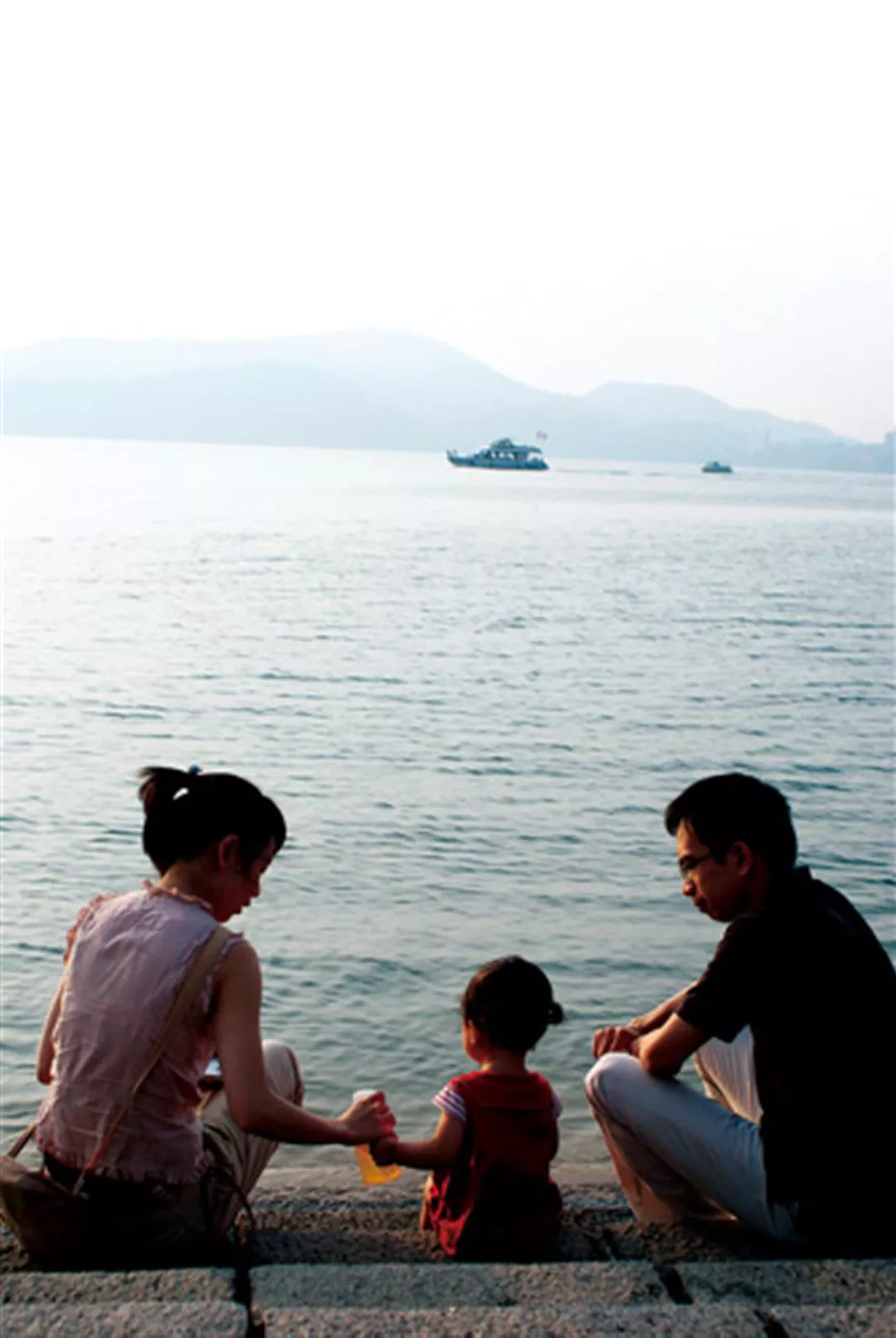
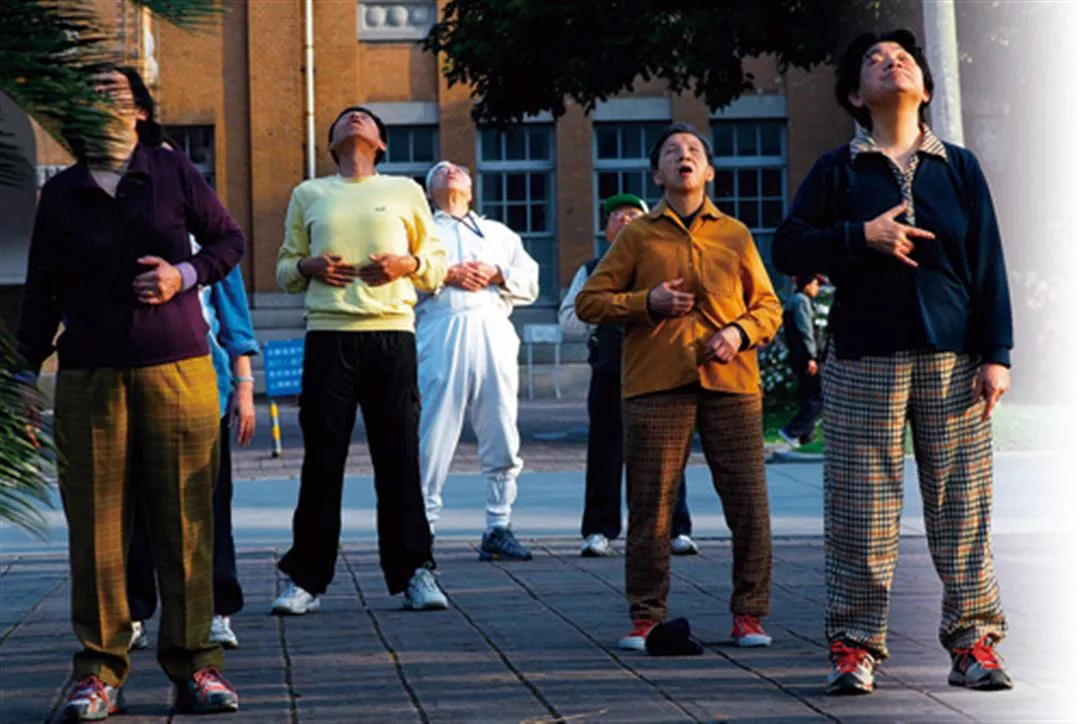
Encouraging healthy and happy lifestyles, and making good use of seniors' wisdom and their assets, are ways of coping with the pressures of an aging society.
The third model is one special to Taiwan: "social security via home donation." The inspiration came from a case undertaken by the Eden Social Welfare Foundation in 2003: A 71-year-old childless man worried that he would end up lonely and impoverished in his last years, with no one to rely on. He hoped that he could first donate his house to the foundation, which could in turn pay his medical and living expenses. The arrangement would achieve two aims-both enabling him to live carefree golden years and providing an avenue for him to give something back to society by using his assets to help the disadvantaged.
Back then, reverse mortgages weren't offered in Taiwan, so the Eden Social Welfare Foundation had to improvise. It came up with a "made-to-measure" arrangement for senior care. The foundation had several talks with the elderly gentleman to understand his needs, and then, based on the provisions of Article 412 of the ROC Civil Code (which governs gifts), drew up a contract covering the gift and the services the foundation would provide in return. They started by creating an obstacle-free environment for the man at home and by hiring a foreign nurse for him. The contract also stipulated that the foundation would cover all expenses if he ever needed to enter a nursing home due to the loss of his mental or physical capacities.
Although the man donated real estate valued at over NT$10 million, Eden, a non-profit, had to assume all risk. And the man's living expenses of about NT$400,000 a year (NT$2 million over five years) also gave them pause. Consequently, although other seniors later inquired about similar arrangements, Eden decided against taking on those risks again.

Taiwan's future population structure
Despite differences, all of these methods "take the largest assets that seniors have acquired over the course of their lifetimes-their homes-and turn them into something of zero monetary value," notes Chang. "So they're very hard for many people to accept."
Although reverse mortgages can improve seniors' standard of living, they can also incite opposition from their children and thus create intergenerational conflict.
After Eden handled that first case of the elderly gentleman donating his home in exchange for security in old age, an elderly woman wanted a similar arrangement. The woman had poor relations with her children, who showed very little concern for her. Out of a sense of dignity, the woman refused to ask her children for money. Consequently, she wanted to pursue this arrangement with Eden, but she didn't realize that her children were liable to be adamantly opposed. After considering the issue, Eden determined that potential inheritance claims from the children raised too many possible complications, so they respectfully declined and urged her children to help her out.
"We don't want to push the elderly to sell off their family's legacy or people to think that the government won't support the elderly poor," stresses Hsueh, the minister without portfolio. The idea is just to provide a choice for those caught between "wanting to keep their homes and needing cash."
There are an estimated 100,000 disadvantaged elderly living alone. Those who have no descendants are more likely to be willing to participate. They might as well first use their home equity to support themselves and only then, if need be, rely on government assistance.

Taiwan's rising life expectancy
The concept behind using reverse mortgages to support the elderly is a progressive one, but calculating the risks is complicated.
Take, for instance, the situation in Japan. These kinds of mortgages began to be offered 20 years ago. But then the real estate market collapsed, and depressed home values coupled with the high life expectancy of Japanese (83 overall, with men living to 79 and women to 86) has made the government reluctant to take them over and private banks reluctant to continue to offer them. The system has broken down.
When reporting to the Finance Committee of the Legislative Yuan, Sean Chen, the Financial Supervisory Commission chairman, pointed out that government support is the key to why reverse mortgages have worked in the United States but not in Japan.
The American reverse mortgage system also had to undergo reforms before the mortgages caught on. The problem there was that once sponsoring banks had paid out 95% of the value of the homes, they could see that they would be losing money from there on out, but they couldn't force healthy seniors to leave their homes. The government had to take on the risk for this "last stage" and continue to provide the seniors with money for living expenses, while letting the banks withdraw completely.
The February issue of TRR, an American publication focused on the American mortgage industry, noted that reverse mortgages in the US didn't need government subsidies for 20 years "thanks to hefty mortgage insurance premiums, conservative actuarial assumptions, and robust house prices for much of that period." But after the economic tsunami of 2008, when US real-estate values crashed, banks became deeply worried about getting stuck with "junk assets," and they changed tack to ask for government support. But as a result of those falling real-estate values, the US Congress turned down a requested US$800 million subsidy of the Federal Housing Administration (FHA) Home Equity Conversion Mortgage (HECM) insurance program, thus creating an impasse.
Yet the article points out that the US$800 million subsidy was miniscule in comparison to the multi-trillion dollar bailout of the Wall Street fat cats. And it noted that if the US government doesn't help seniors to first get by on their own assets, many of them will end up requiring direct government assistance, which will end up being much more expensive in the long run.
Each nation that has implemented reverse mortgages has dealt with similar variables. The main risks involve mortgage holders living too long, inheritance issues with children, and fluctuations in housing values and interest rates. Generally speaking, financial institutions in Taiwan are showing conditional support for the concept. Because urban real estate has proven resistant to sharp price drops, institutions suggest rolling them out north to south, trying them first in the cities and then in the countryside.
Trial implementationChang Chin-oh emphasizes that that the law of large numbers mitigates the risk posed by long-lived seniors, because in large pools of people, some live to a ripe old age and others die young. It's the same principle for private life insurance or national health insurance: Large numbers of participants spread the risk.
"There are always blind spots in the early stages of implementation, and greater risk," says Chang. "The first financial institutions to offer these mortgages worry that there won't be enough applicants and that 'whoever goes first, goes bankrupt first.' Consequently, we recommend that they go slow, starting with pilot trials and gradually accumulating the experience necessary to build a robust system."
James Hsueh notes that in 2009 the Executive Yuan held inter-ministry discussions on reverse mortgages, and included the concept in a package of measures intended to promote an age-friendly social environment. The government has planned a cross-ministry taskforce on the subject, which will get up and running as soon as it receives budgeting. The Taipei City Government has been asked to study and review the concept of reverse mortgages. It's hoped that by early 2011 they will begin to be granted to senior home owners in Taipei who live alone. Issues or potential issues will be identified for further consideration: For example, how can home values be set in a bull market? Should the rates be adjusted every year, or should the two sides gamble and accept the first negotiated rate? Should the money that the elderly pull out of their homes be considered income for tax purposes? Should payment schedules be set for a maximum of 15 or 20 years? Or, alternately, should monthly payments be guaranteed until death? If a married homeowner dies, should the spouse be able to continue to live in the residence? All kinds of issues have to be grappled with before a system can be set firmly in place.
"Reverse mortgages are well suited to future social developments in Taiwan," Hsueh says. "The basic idea is that one should be able to grow old at home. If the government bears the ultimate risk, financial institutions should be quite willing to offer them." Many senior citizens who live alone reside in old districts with deteriorating homes, and they can't afford renovations and don't dare to sell and move. These mortgages may thus help to revive older districts, achieving urban renewal.
If current or future elderly want to avoid regrets about leaving money behind them after living their final years in poverty, then they ought to consider reverse mortgages.