The National Taiwan College of Education
Sophia Lin / photos Chien Yung-pin / tr. by Peter Eberly
November 1986


This issue reports on the National Taiwan College of Education, a college with a wholesome, unsophisticated atmosphere that is devoted largely to the training of teachers for vocational schools.
The students and teachers of the National Taiwan College of Education frequently receive letters addressed "Changhua College." It's not because the senders are illiterate; it's just that the College of Education is the only college in Changhua.
In 1968, when the ROC extended mandatory education from six to nine years, educational authorities faced a serious shortage of teachers for the over 150 new middle schools that were to open up around the country. To meet the need, the Department of Education set up the College of Education.
Compared with National Taiwan Normal University, which has a history of 40 years and sends over 1,000 graduates a year out to teaching posts around the country, the National Taiwan College of Education, whose faculty and student body together total less than 2,000, is rather less known.
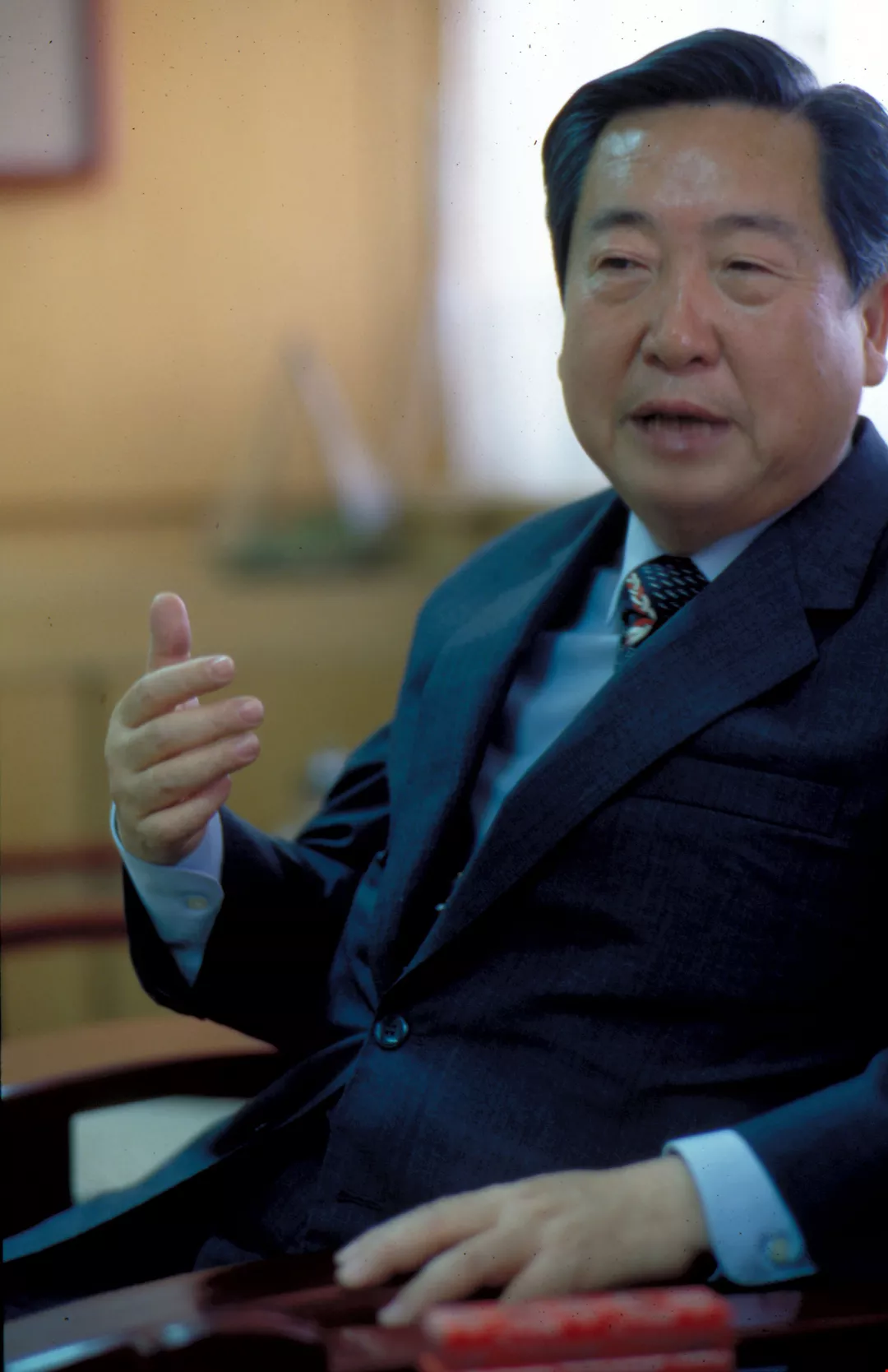
"We shouldn't seek fame, but seek to lay a solid foundation," Yeh Hsueh-chih, president of the college, says. "A 15-year-old school, like a teenager, has great potential and a great need of planned guidance and attention."
Until 1981, the College of Education was a provincial college, and money was tight. Now that the school falls directly under the Department of Education, funds surpass NT$200 million a year (about US$6.4 million). As a result, new buildings, equipment, and dorms can be seen everywhere.
The next task is to improve the quality of the teachers. President Yeh has been traveling overseas to persuade scholars to return home and teach at the college; at the same time, current teachers have been advancing their studies. All of the ten instructors in the Special Education Department have Ph.D.'s, and department head Hsu T'ien-wei says that they almost all obtained them at the same time as they were teaching.
With the college's improved facilities and faculty, plus the secure employment prospects it offers as a teachers college, the College of Education continues to rise as a choice of students taking the national college entrance exams. Parents counsel their children to study at teachers colleges saying, "You won't have to worry about finding work. And as a teacher you'll get summer and winter vacations!"
The Taiwan College of Education differs from National Taiwan Normal University and National Kaohsiung Teachers College, where students all receive government scholarships, in that most of its students pay their own way. None of those in the departments of special education or guidance, in fact, receive scholarships.
Students on government scholarships receive free tuition, room, board, and books, with a small per diem. After four years of study, they must practice teaching for a year before receiving a degree. After graduation they must serve as teachers for four years.
The deciding factors in whether or not students get scholarships are their entrance exam scores, their goals and ambitions, and, most importantly, their choice of a major, which freshman must decide one month after matriculating. Less than 45 percent of the students win scholarships, but the percentage of graduates serving in the field of education reaches 80 percent.
Besides the presence of self-supported students, another characteristic of the College of Education is the diverse background of its student body, a diversity unique among Taiwan colleges and universities. "From discharged servicemen, female accountants, and car mechanics... to talented students from Taipei's premier high schools, our school's got 'em all," says Tseng Ts'ung-jung, a third-year student guidance major who taught for three years after graduating from The World College of Journalism.
Fifteen years ago, when the College of Education was founded, it had only three departments--guidance, science education, and vocational education--and graduates of junior colleges were the only students accepted.
Later, as departments were added for Chinese teaching, special education, and guidance; as the science education department was divided into the four fields of mathematics, physics, chemistry, and biology; and as the vocational education department was split up into departments of industrial and commercial education, the school began taking students through the national college entrance exams, as well as through its own entrance test given in August for graduates of junior colleges and vocational schools. Applicants also include holders of B.A.'s, university transfer students, servicemen, and young people with a broad range of work experiences.
The diverse student body does share something in common, though: most come from central or southern Taiwan. This, combined with the college's location in Changhua, noted for the frugality of its citizens, means that a simple, wholesome campus atmosphere goes without saying.
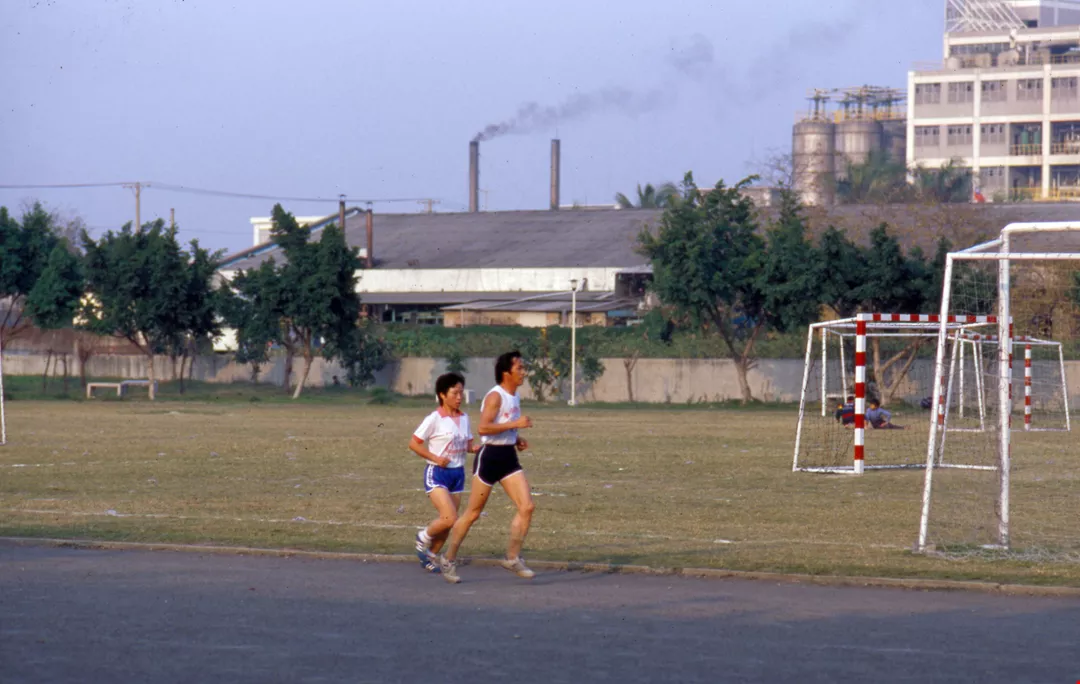
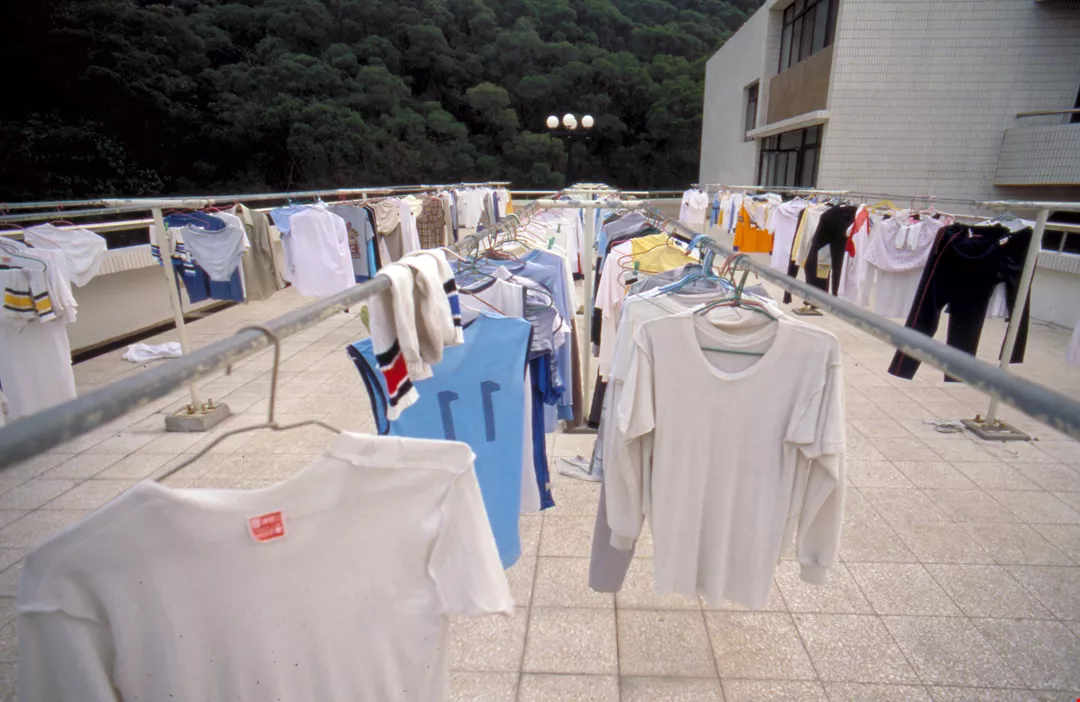
Very few students wrack their brains over dress, for instance. Athletic suits and running shoes are the "fashionable attire." As to personality, the impression students give people is rather introverted, conservative, and nonverbal. "It's like the stereotype of students at Taiwan Normal 10 years ago," a student says with self-mockery.
The students' conservative mores make this kind of experience a common one: Jack and Jill are seen strolling by Paisha Lake, and before they know it, they're written off as a couple.
The students' conservative personalities are reflected in their leisure activities, too. Complains Yang Chin-hwa, a former chairman of the student activity center's entertainment committee and dubbed "Disco Dan" by his classmates: "Experts on the dance floor are an 'endangered species' here!" The main street running by the campus entrance is noticeably absent of coffee houses, pool halls, video game parlors, and the like. Besides daily exercise, the most popular local entertainment is seeing a movie on Friday night.
The advantage of an environment with few activities and little distraction is that students can concentrate better on their studies. Each year over half of the college's chemistry majors are accepted to graduate school, a ratio that ranks with the best universities in the country.
A special feature of the college is its departments of industrial education, commercial education, guidance, and special education, departments offered in few other colleges or universities.
The department of industrial education is the largest, containing one out of every four students in the college, and the department of commercial education is the only one of its kind in the country. These two departments, in the eyes of vocational school students, are what the school of medicine at National Taiwan University is to high school students taking the college entrance exams--tops on their lists.
Every year the best students from vocational schools around the country bus in to Changhua to take the college's entrance test and vie for admission into the two departments. For every 48 students on each bus, only one will be admitted. The rate of less than two percent is 17 times lower than the 37 percent rate of the national college entrance exams.
Most students majoring in industrial education have already learned a trade in vocational school, so besides teaching them the principles of education, "the most important thing is to strengthen their theoretical foundations in math and science so that they can go on to effectively teach others," department head Chi Ching-feng maintains. To meet the needs of the future, the department is emphasizing computer courses.
Commercial education majors, whether on scholarships or self-supported, regularly receive letters of employment before graduation. This year, for instance, 38 vacancies came up at commercial vocational schools around the island, so the 20 scholarship students in the department were all but guaranteed positions, while the private students had a good shot at landing what was left.
Guidance and special education, besides being rarely offered at other colleges, differ from the other departments at the college in having no first-year students and in having only self-supported students.
Most of the students in these two departments are college or university graduates, who can thus earn their new degrees in just three years instead of four.
As to why no scholarships are offered, a teacher explains that the fields of guidance and special education require mature, self-motivated students who are clear about their goals and directions.
The guidance department has the only curriculum in the country specializing in training guidance counsellors. In the past, most guidance counsellors were psychology or sociology majors from the universities. But in 1971, when the Department of Education stipulated that all schools above the elementary level establish guidance offices, the demand for guidance counsellors soared, and the college established its guidance department to meet the need.
Department head P'eng Chia-hsin says that both psychology and sociology majors study human behavior, but his department's curriculum goes deeper into the methods and theory of guidance needed in schools. "If psychology majors are the scientists studying the disease and its cure," he reasons, "then we're the clinical physicians actually treating the patients."
Actually, guidance involves much more than dealing with miscreants, as is sometimes imagined. It also means preventing behavior problems before they arise and helping each individual develop his or her potential. It also entails identifying exceptionally gifted students and mentally handicapped children for special education.
Statistics show that 690,000 children of school age on Taiwan suffer from mental handicaps, and that 98 percent of them do not attend school. Special education teachers are in seriously short supply, and training them is the goal of the department.
Special education applies to deaf, blind, and exceptionally gifted children as well as the mentally handicapped. "In the past, equality of educational opportunity meant giving children the right to public schooling no matter what their economic background," department head Hsu T'ien-wei says. "Now we must also give every child the right to understand what the teacher is saying." In other words, apply the Confucian principle of "teaching students according to their aptitudes."
Next year nine provincial teachers schools will be promoted to the status of teachers colleges. This will provide an opportune moment for the College of Education to develop itself into a higher pedagogical university. At the same time, strengthening its programs of industrial and commercial education is a future goal.
Analyzing the present state of educational needs in the country, President Yeh points out there is an abundance of teachers in academic subjects in the sciences and humanities, but that the demand for teachers at industrial and commercial vocational schools outstrips supply. "So we're working towards becoming a college concentrated solely on industrial and commercial education," he says.
[Picture Caption]
Paisha Lake is the most charming spot on campus and a good place for a chat.
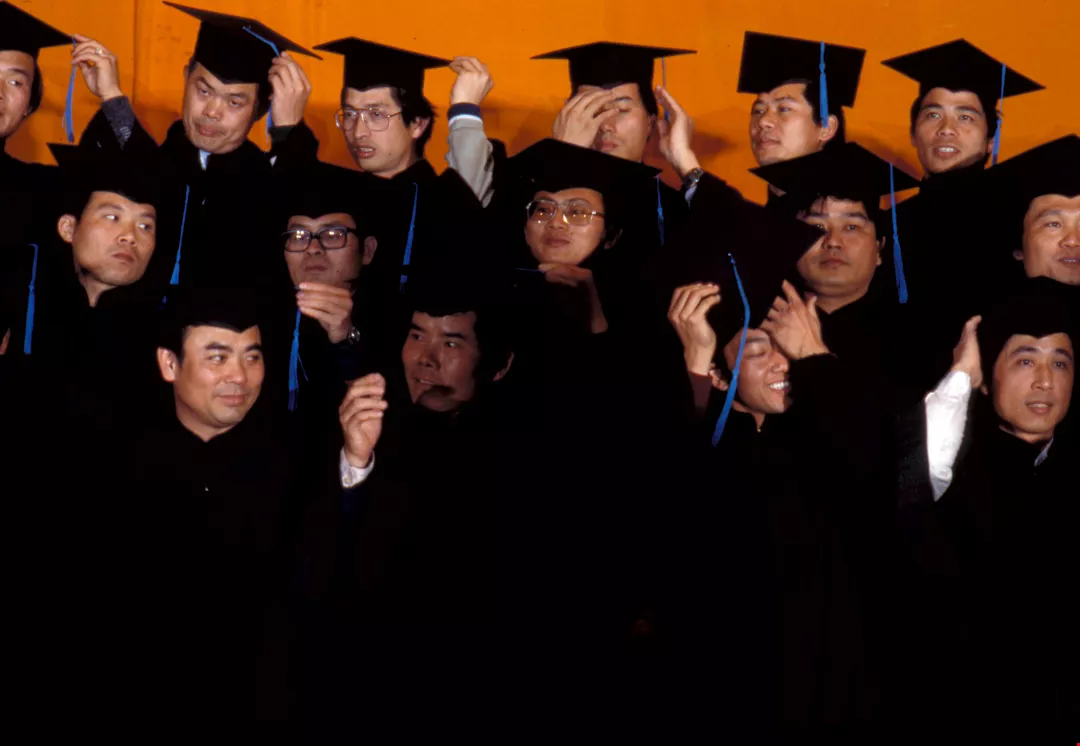
Rather mature-looking? Most of these graduates are elementary school teachers who went to the college for further training.
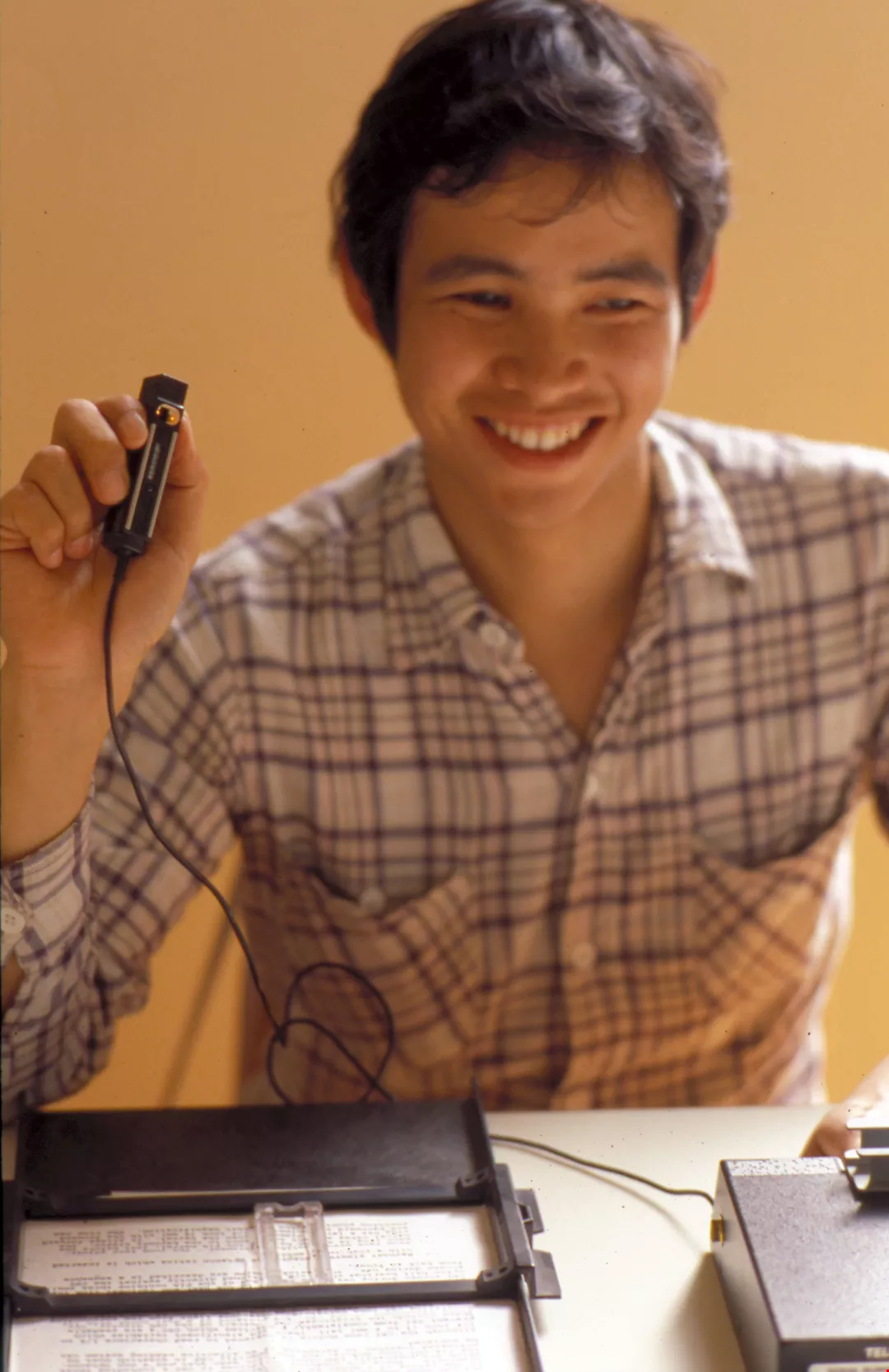
A blind youth reads with the aid of a special machine.
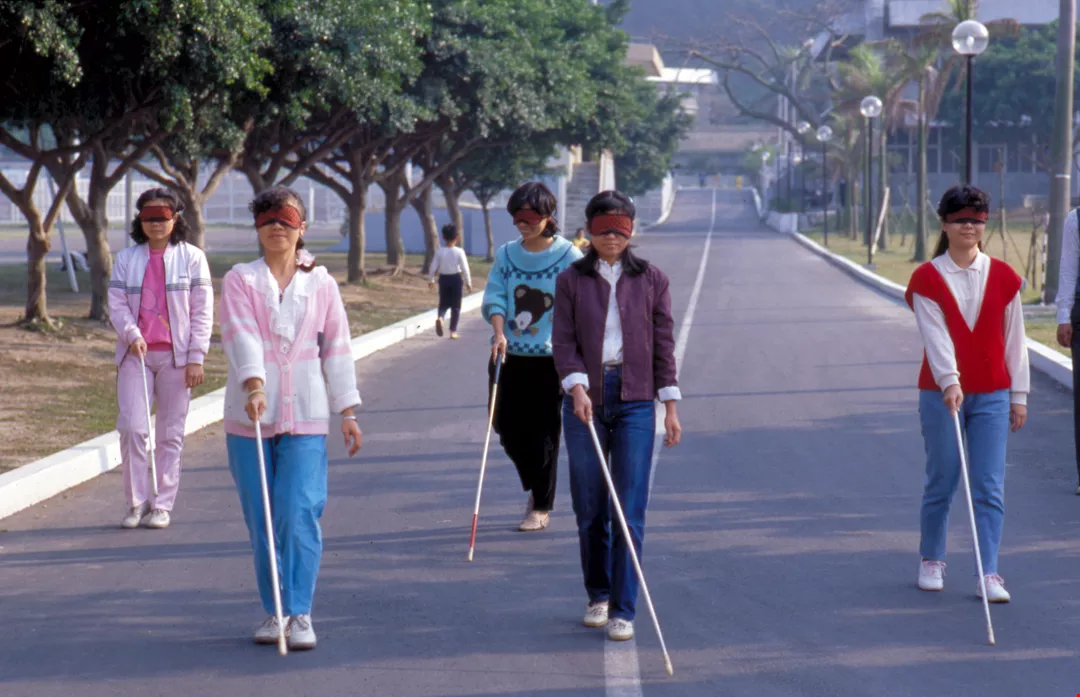
Special education majors experience some of the difficulties of being blind.
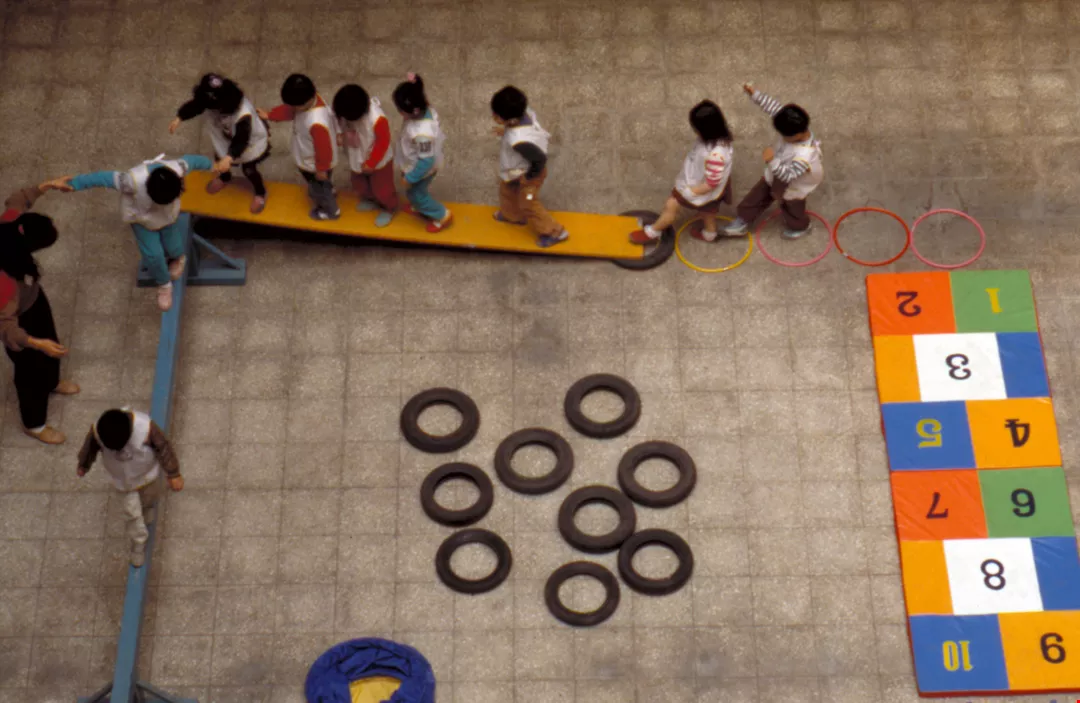
Hearing-impaired children practice balancing in the special education center.
College president Yeh Hsueh-chih says that the 15-year-old College of Education has yet to fully realize its potential.
Second-year chemistry majors raise their test tubes to the success of their experiment.
Students and teachers have been bothered for years by the presence of a Taiwan Chemical plant beside the athletic field, with no solution to date.
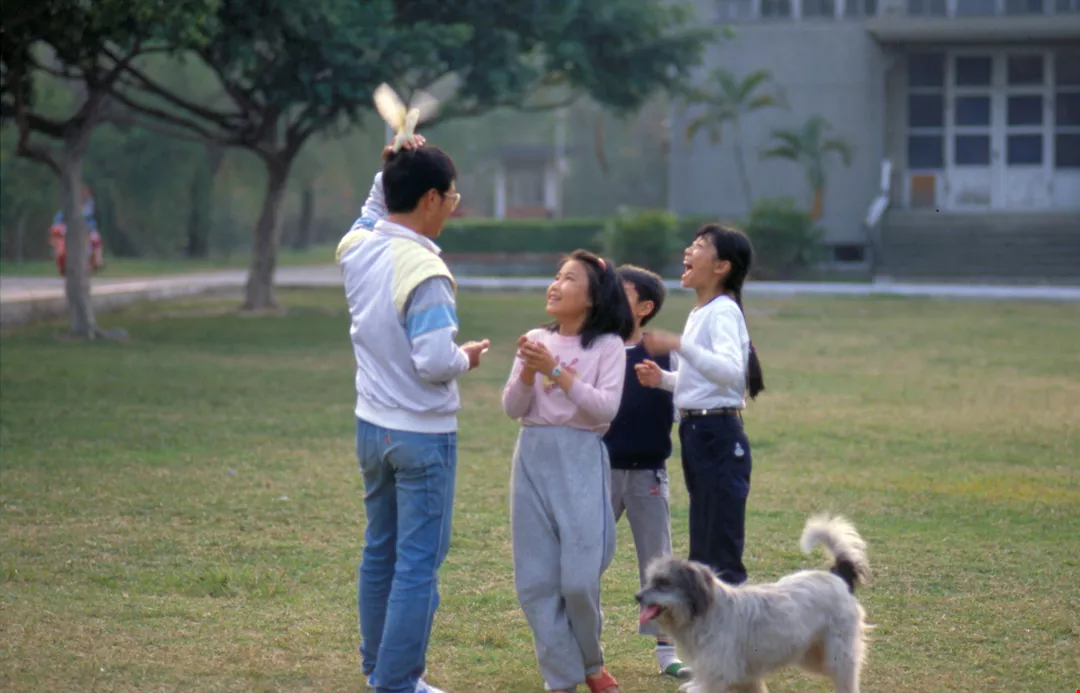
This little white bird can mimic speech and is a favorite with local children.
Athletic clothes are "fashionable" dress at the college.
Freshmen, who take turns patrolling campus, find themselves intruding on a pair of lovebirds.
Paisha Lake is the most charming spot on campus and a good place for a chat.
Special education majors experience some of the difficulties of being blind.
Hearing-impaired children practice balancing in the special education center.
A blind youth reads with the aid of a special machine.
College president Yeh Hsueh-chih says that the 15-year-old College of Education has yet to fully realize its potential.
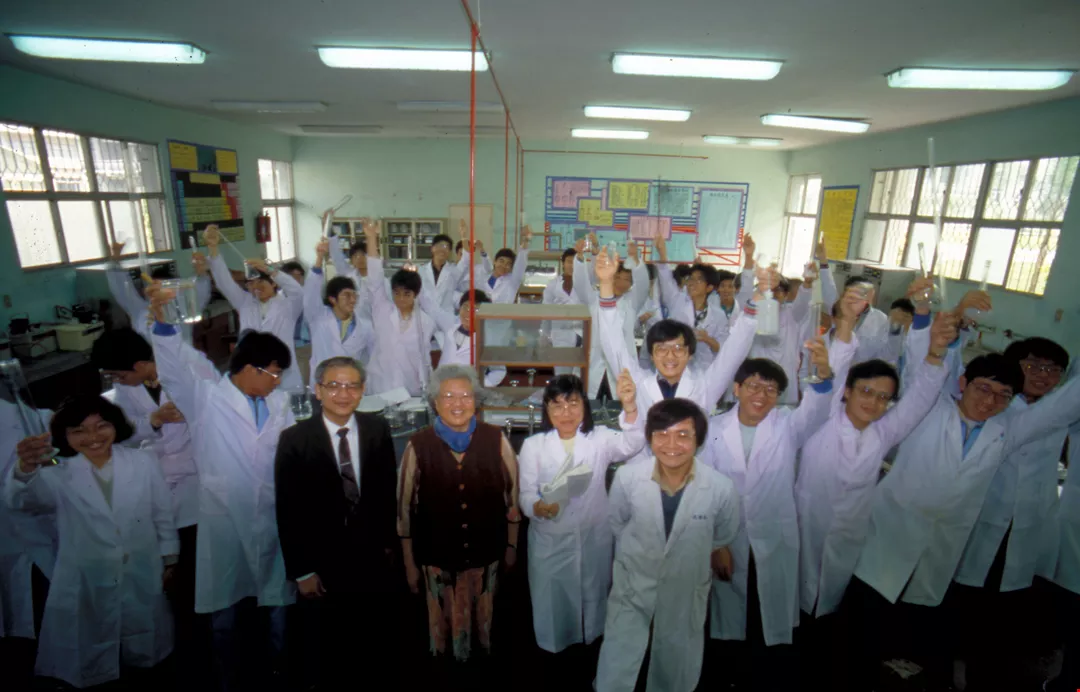
Second-year chemistry majors raise their test tubes to the success of their experiment.
Students and teachers have been bothered for years by the presence of a Taiwan Chemical plant beside the athletic field, with no solution to date.
Athletic clothes are "fashionable" dress at the college.
This little white bird can mimic speech and is a favorite with local children.
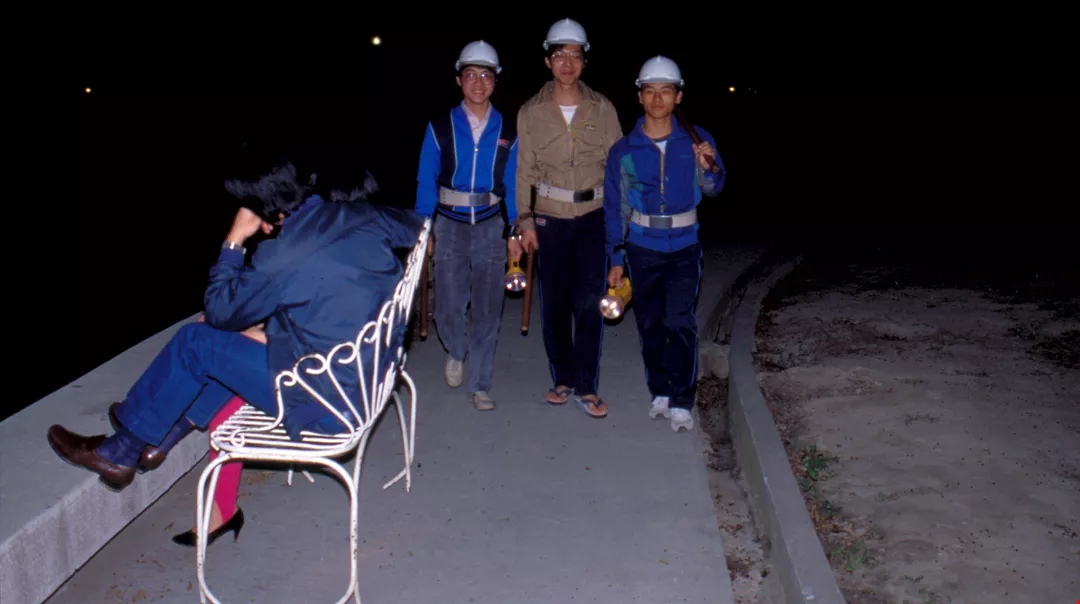
Freshmen, who take turns patrolling campus, find themselves intruding on a pair of lovebirds.


@List.jpg?w=522&h=410&mode=crop&format=webp&quality=80)


