Paper: New Twists on an Old Treasure
Liu Yingfeng / photos Chuang Kung-ju / tr. by Scott Williams
September 2016


Paper is perhaps the most ubiquitous and even the most banal feature of the desktop landscape, but this ancient “treasure of the study” has picked up a few new tricks in recent years.
Dedicated to uncovering the limitless possibilities of paper, the Suho Paper Memorial Museum has helped turn large sheets of paper into beautiful stage props. And Taiwan Lung Meng Technology is busily rewriting the very definition of “paper” with stone-based “paper” products.
Taipei’s Suho Paper Memorial Museum is launching its new exhibition “A Selection of 21 Fine Papers” in September. A response to the resurgent popularity of writing by hand, the exhibition seeks to shine a spotlight on one of the essential tools of the writer’s craft by exploring the textures and stories of a variety of writing papers, including wenhuaxuan, fengsuijian, beer paper and rice paper.
Wenhuaxuan paper is a light blue xuan paper (a type of Chinese art paper) that Rita Lichen, the Suho Memorial Paper Culture Foundation’s executive director, acquired 30 years ago for her collection. The slick-feeling wenhuaxuan retains its sky-blue color, shows virtually no signs of its age, and features delicate patterns at the top of each handmade sheet that testify to the papermaker’s tremendous craft.
“Papermakers use screen printing techniques to create the patterns. Even the slightest mistake will result in a messy edge. It’s very, very hard to do well!” says Lichen. Impressed with the distinctive patterning and beauty of wenhuaxuan, she made a point of acquiring some for the museum, where it has remained for the last 30 years. The recent exhibition gave wenhuaxuan a chance to shine, and Lichen hopes that this public display of its loveliness will lead to the paper’s reintroduction.
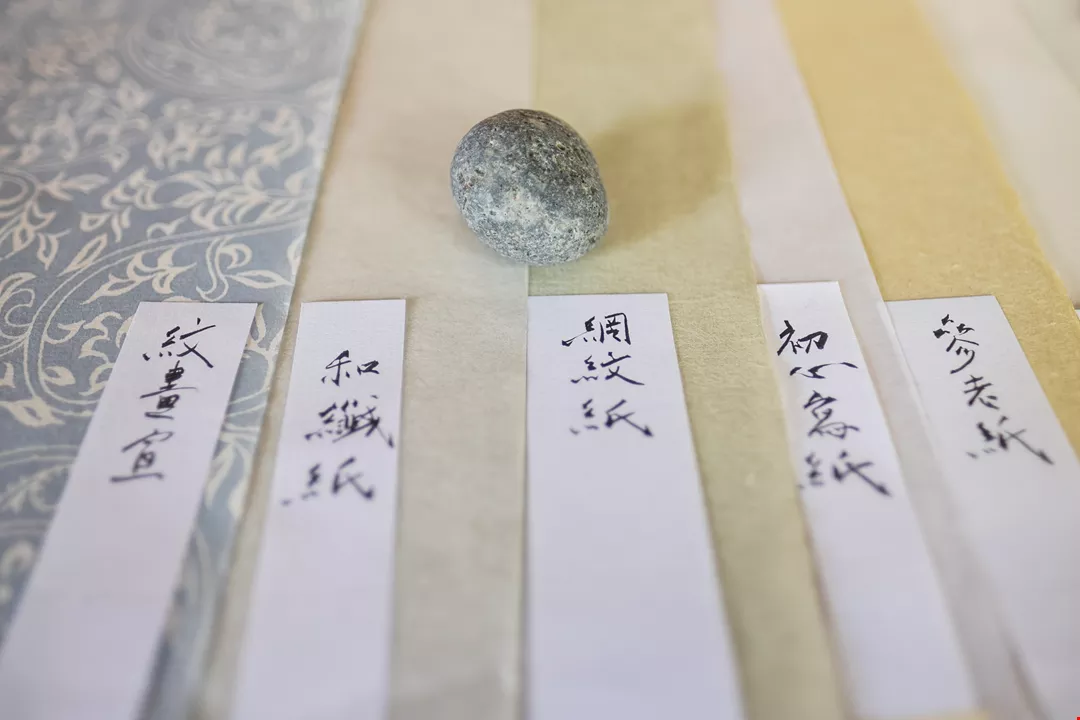
The Suho Paper Memorial Museum has responded to the recent enthusiasm for writing with pen and ink by exhibiting 21 fine writing papers. It hopes to help people rediscover the joys of paper.
Bringing paper to life
“I want to bring paper to life!” Lichen says that paper touches every aspect of her life, and that she is constantly thinking about the limitless potential of the material. Chung Rhy Specialty Paper Manufacturing Company, a business affiliated with the Suho Memorial Paper Culture Foundation, actually designed and produced a paper just for the Cloud Gate Dance Theatre’s 2005 production Wild Cursive.
Cloud Gate founder Lin Hwai-min came to Lichen for help with a paper he could use onstage in Wild Cursive. He needed one that dancers could interact with while ink slowly washed down large hanging sheets of it.
After testing some 200 varieties of paper, the company’s R&D staff finally developed a type that seemed to meet Cloud Gate’s needs. Unfortunately, the ink soaked into the paper too fast during rehearsals at Cloud Gate’s old studio at Bali, resulting in a muddled mess that didn’t meet expectations. Having already devoted nine months to the project, the company had to start afresh. Continuous testing enabled the R&D team to overcome that problem while also delivering a paper capable of withstanding the searing heat of the 1,500-watt stage lights without bursting into flames. “This partnership was a constant challenge to ossified ideas about paper,” says Lichen.
A trip to Japan provided Lichen with the inspiration for Paperhouse’s trademark “super thin restoration paper.”
Developed to emulate antique papers, the diaphanous “super thin retro” requires a great deal of time and labor to produce. The company’s papermakers had to draw on their deep wells of experience to create a pulp with just the right amount of additives and the right mixture of fiber lengths. The sheets must be carefully and skillfully formed to ensure that the end product has a smooth and even surface. The difficulty of producing the paper results in a high spoilage rate, and limits the sheets to a maximum of 30 x 43 centimeters in size.
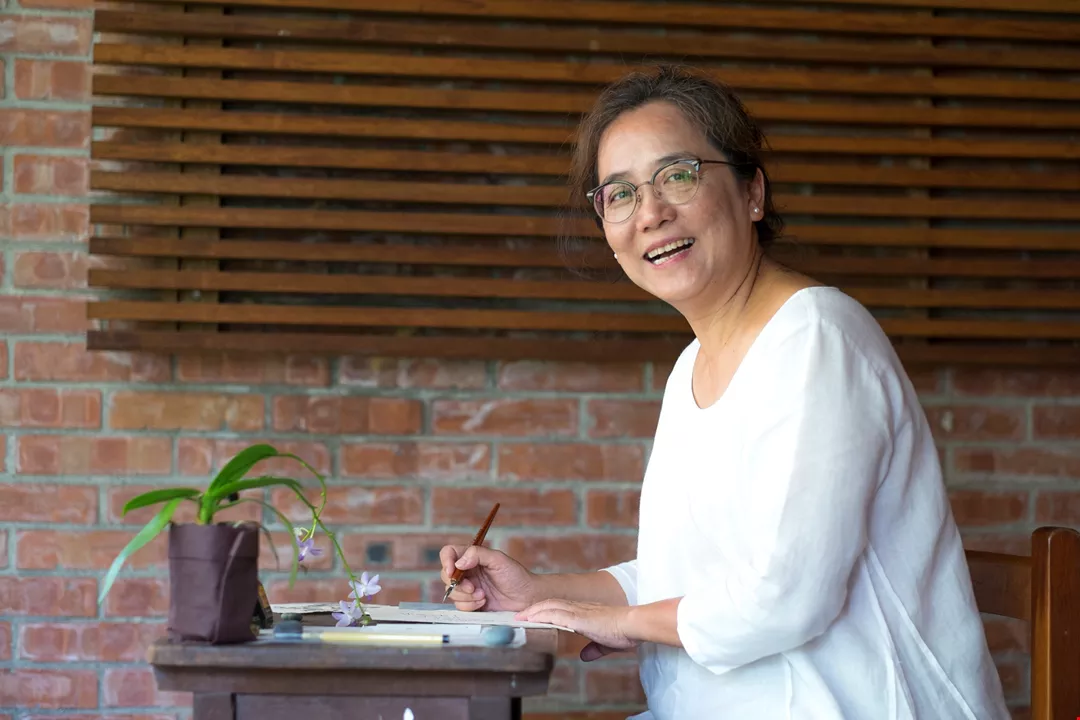
Rita Lichen, executive director of the Suho Memorial Paper Culture Foundation, is talking up paper’s many potential uses, which include dressing sets and restoring old books.
New horizons
Lichen sees new vistas for paper dressing stages such as that of the National Theater. With 3C products seemingly ruling the world and paper slowly disappearing from our everyday lives, Suho is also trying to use the public’s recent enthusiasm for writing by hand to heighten interest in paper.
The Suho Paper Memorial Museum’s 2004 exhibition “A Piece of Paper in the Flash of Life” sought to connect with people interested in writing through paper.
Lichen says the 911 terrorist attacks in the US were the impetus for the exhibition. Many people died, their lives extinguished in the blink of an eye, yet rescue personnel discovered a note at the scene that a father had left for his daughter, one which became her last memory of him. When an American artist told Lichen the story, it inspired her to organize the exhibition in hope of encouraging people to jot down descriptions of moving moments in their lives. Lichen grew up surrounded by paper, and is intimately familiar with the weight of feelings that paper bears.
Nowadays, writing time is precious and hard to come by. Holding a note in hand, one can’t help but feel the emotional weight the paper bears.
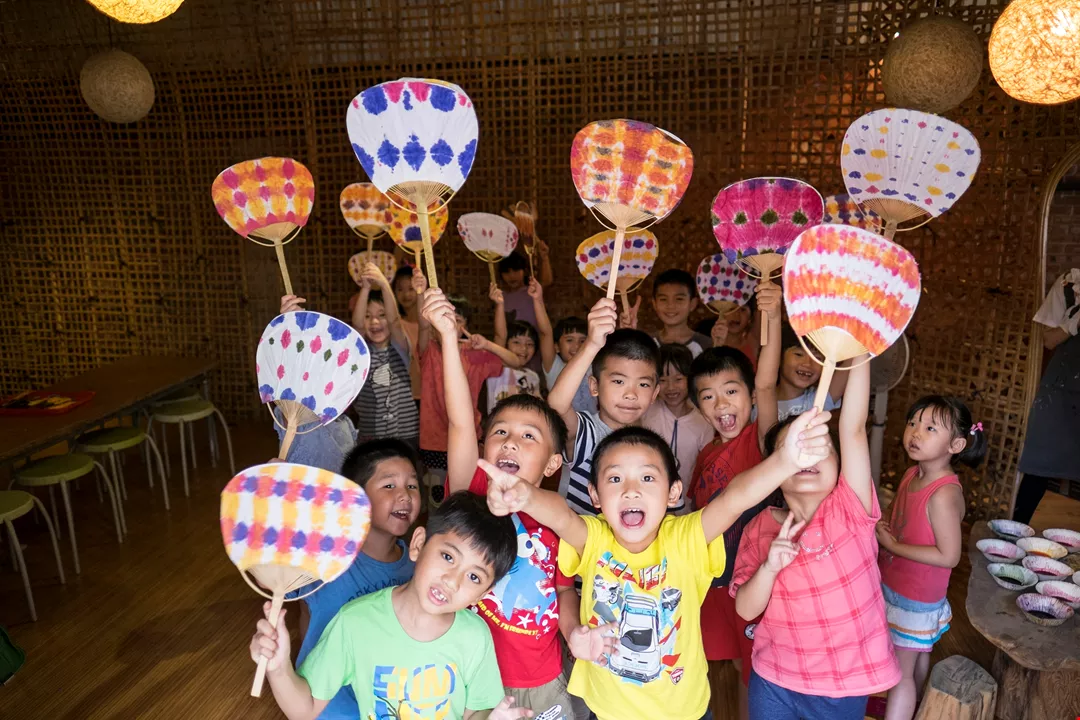
Happy children display the fans they made at the Suho Paper Memorial Museum.
Making paper from stone
Many materials have been used to make paper over the years, including banana fibers and tree bark. Tainan’s Taiwan Lung Meng Technology has developed a process by which it turns marble into thin, lightweight stone-based papers.
The more than 3,300 square meters of Lung Meng’s factory are packed with reels of paper, but none of the paper pulp and steam that usually fill a paper mill. Instead, we see bag upon bag of fine stone powder which will soon be mixed with polyethylene (PE), a plastic, to form paper.
For all that the emergence of stone-based paper has upended people’s ideas about papermaking, this isn’t the first time stone powders have been used in paper. In the old days, some traditional paper mills would add a small amount of stone powder to their papers as a coloring agent. But using stone as the primary component of paper was far more challenging.
Even finding the right ratio of stone powder to PE was tough. Lung Meng vice president Leo Jean says that if the ratio is off, the final product is likely to be either rough or fragile. Many companies that would like to make stone-based paper have a hard time overcoming the technological hurdles.
Lung Meng chairman Liang Shi-hui’s background in manufacturing plastics and plastics-related machinery greatly aided his company’s efforts. Some 17 years after shutting down his plastics company, he has developed a series of innovative stone-based papers that are making their way into our everyday lives. Tokiya, a Wowprime subsidiary, and Make-up Art Cosmetics, better known as M·A·C, are both using stone-based paper for their shopping bags, and the material has even begun to be used for the lanterns at the Taipei Lantern Festival.
Although stone-based paper is 30% more expensive than pulp-based paper, it is both waterproof and fire resistant, making it especially useful for outdoor applications. For example, one Italian company uses the material for mountain climbing maps, and a Dutch publisher has begun using a thin, lightweight version of stone paper for cookbooks.
Recognizing that the average consumer is still unfamiliar with the product, Lung Meng has established the “im Stone” brand to design place mats, waterproof flower-pot holders, and decorative wall stickers made from the material. The company’s efforts yielded a 2016 Red Dot Award for its Rock Book, a notebook made from stone-based paper. Its cover incorporates a pattern of raised lines that are also formed from the material and add a tactile dimension to the design.
After nearly 2000 years of making paper from plants, the development of fiberless stone-based papers is penning a brand new chapter in the story of papermaking.
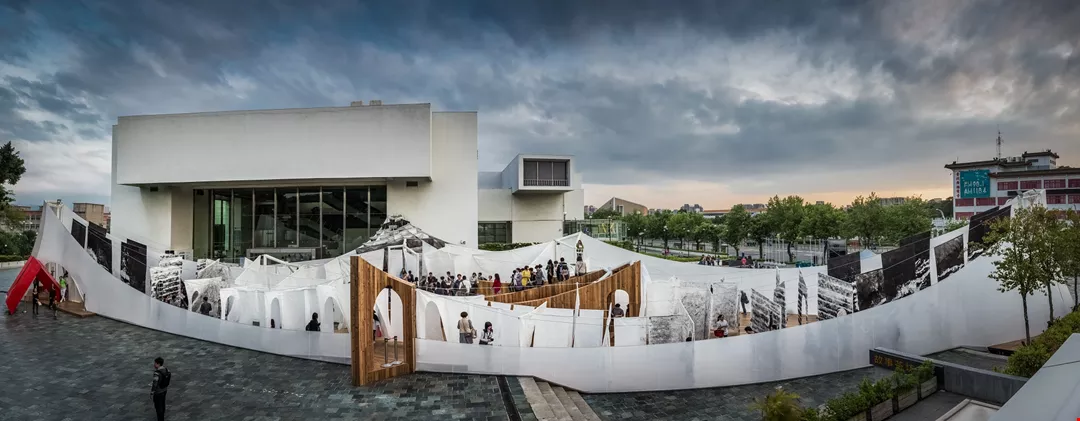
The tough paper used to build The Texture of Uncertainty, an outdoor installation at the Taipei Fine Arts Museum’s 2015 “X-Site” exhibition, contributed to the installation’s elegant tactility. (courtesy of the Suho Paper Memorial Museum)
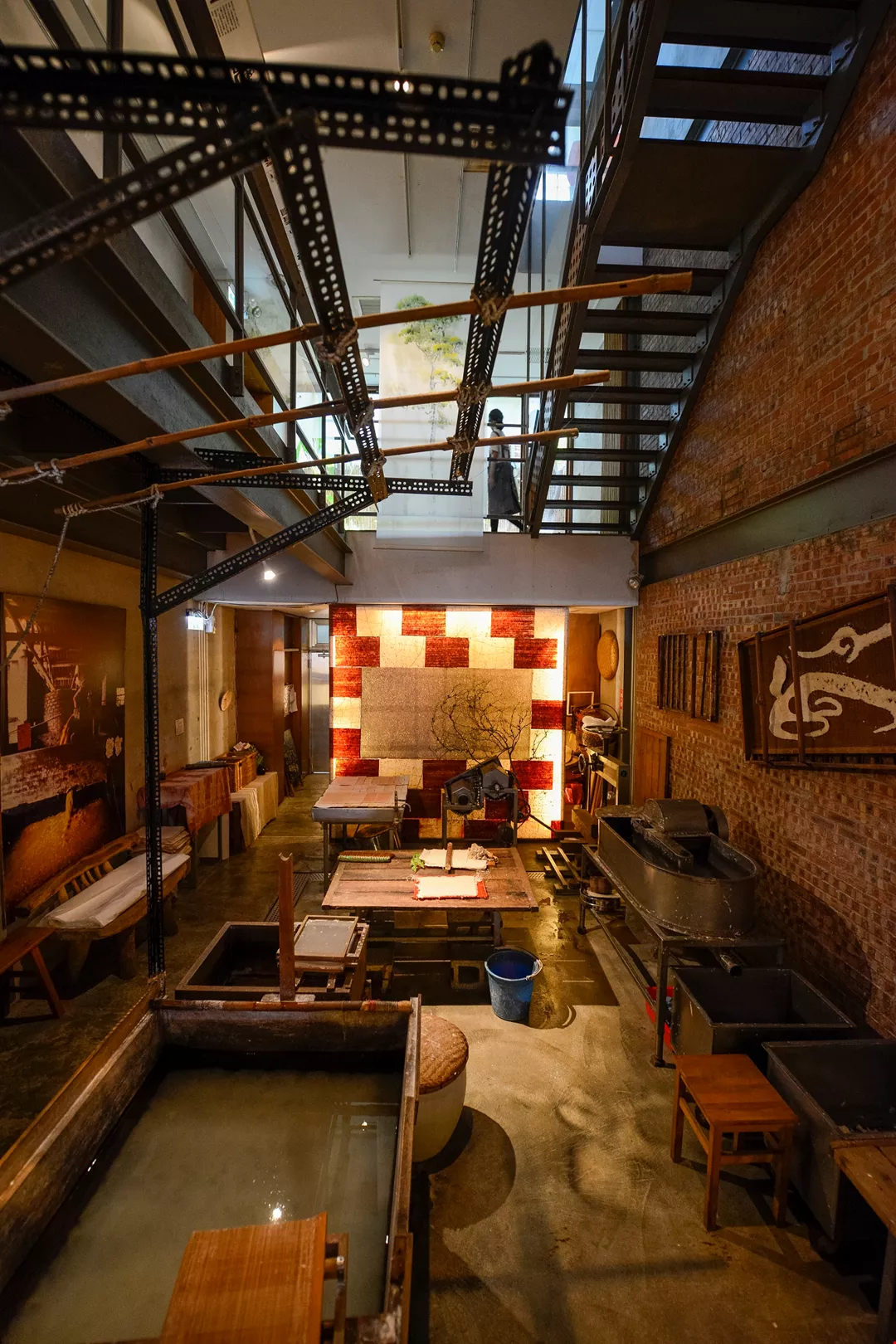
The Suho Paper Memorial Museum includes a first-floor exhibit on the traditional process for making paper by hand.
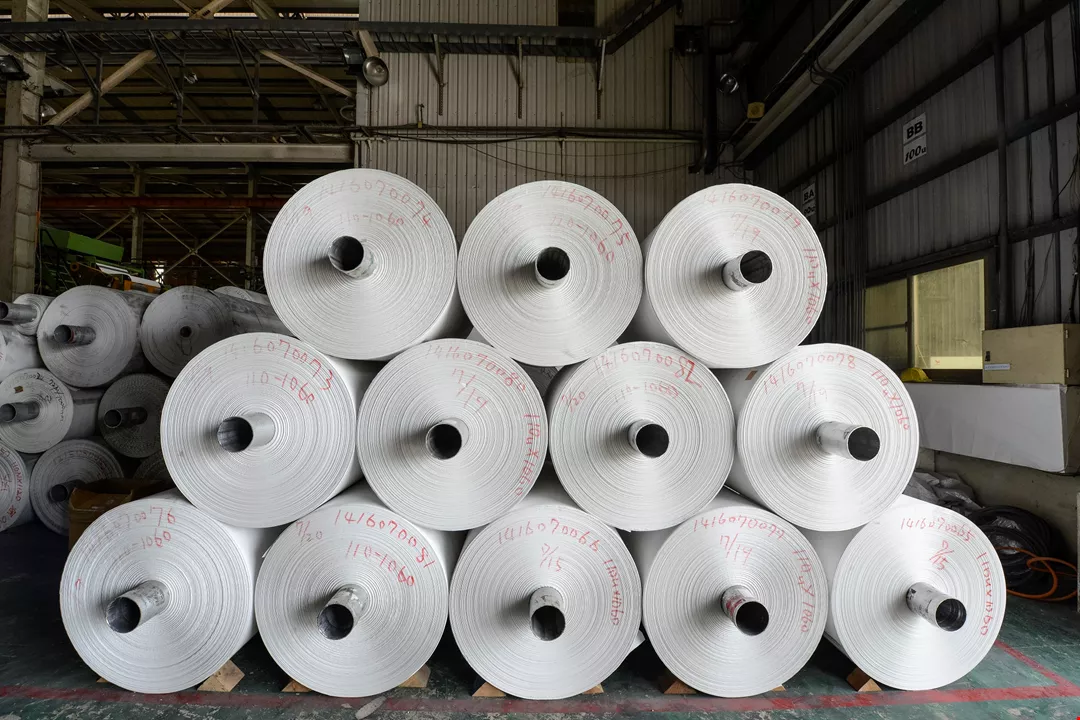
Taiwan Lung Meng Technology has opened up new possibilities in papermaking by developing a process for making thin, lightweight paper from powdered marble.
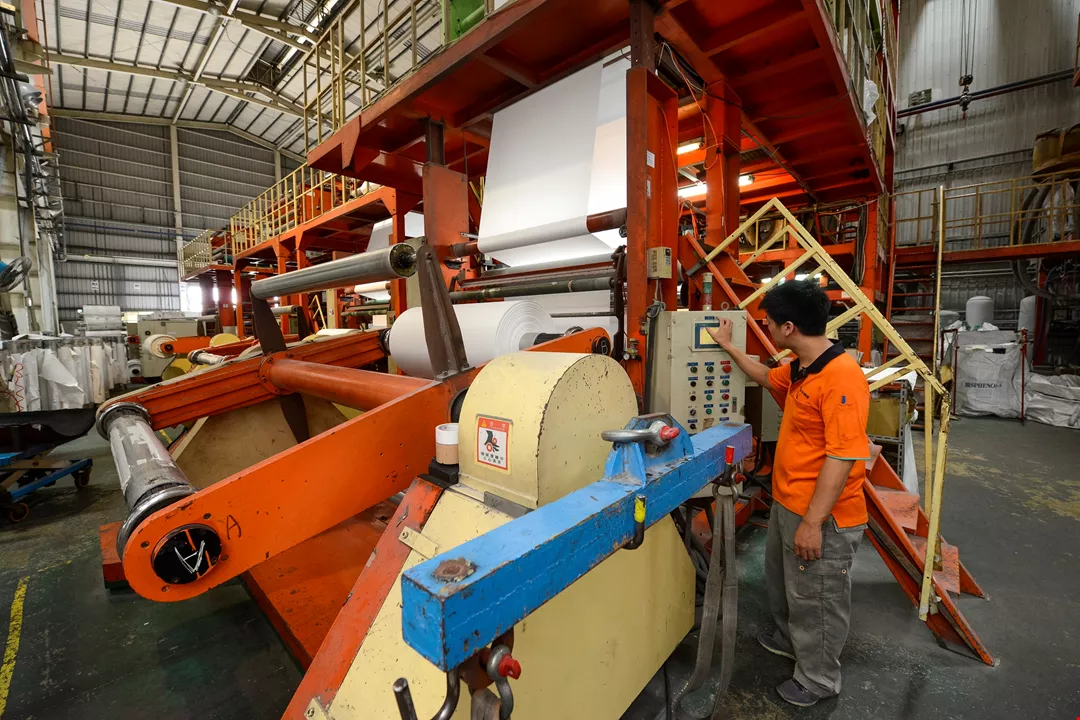
Taiwan Lung Meng Technology has opened up new possibilities in papermaking by developing a process for making thin, lightweight paper from powdered marble.
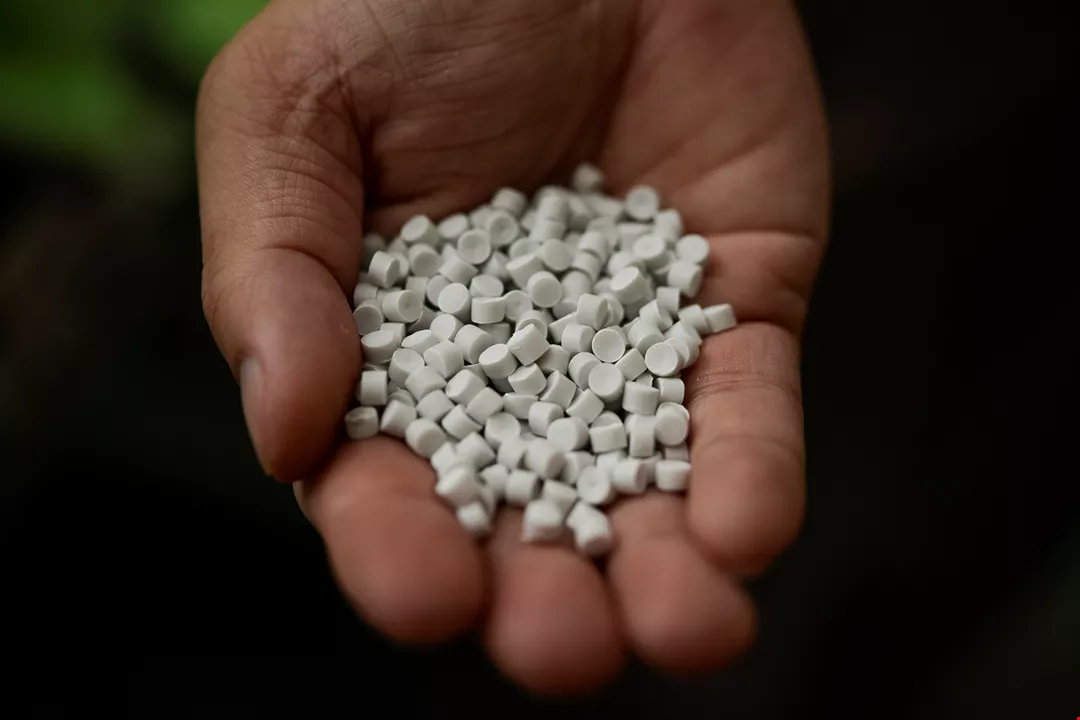
Stone is first powdered, then mixed with polyethylene to form pellets that are used in the next stage of the process of making stone paper.
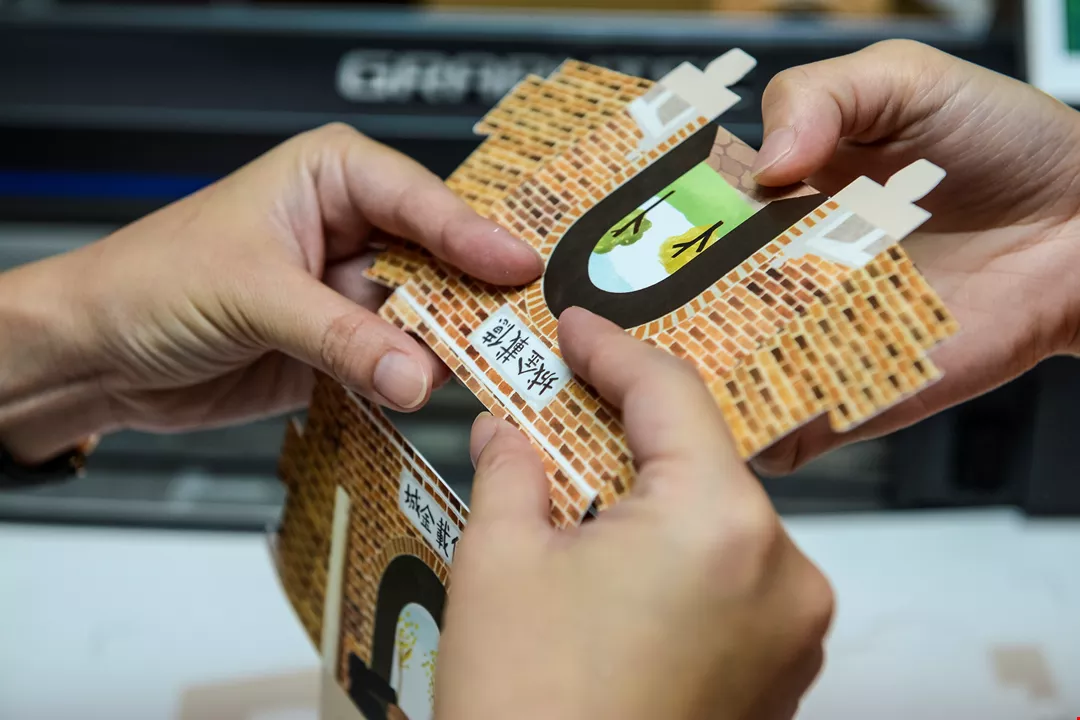
Paper bags, lanterns, notebooks and cute gift items can all be made using stone-based papers.
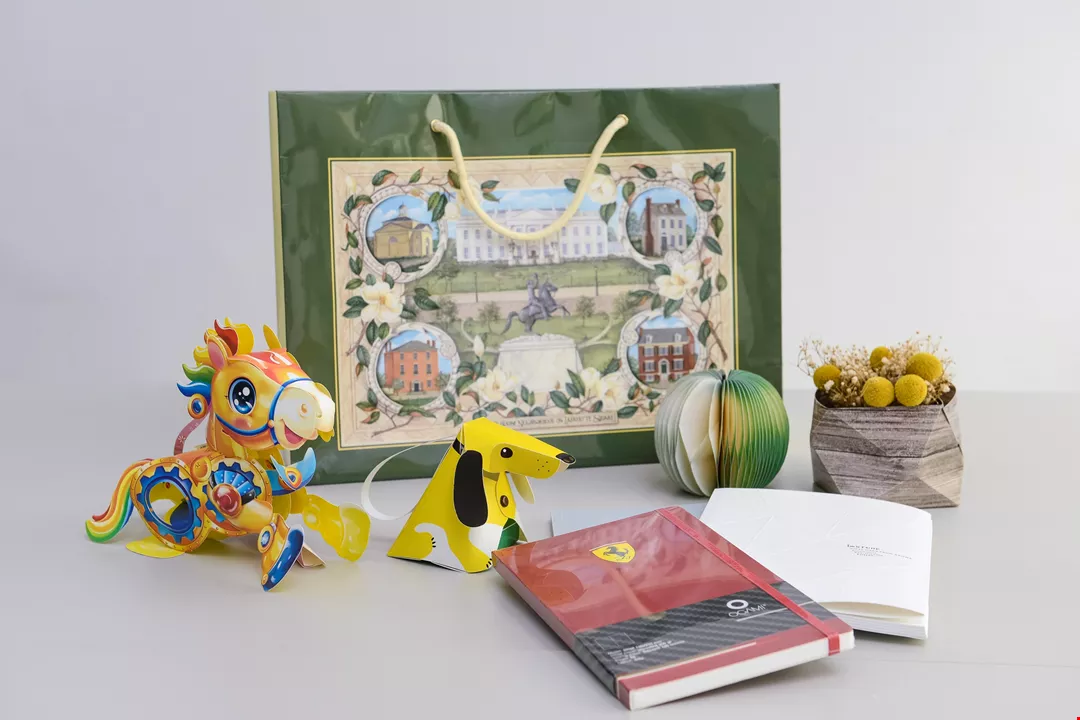
Paper bags, lanterns, notebooks and cute gift items can all be made using stone-based papers.


.jpg?w=522&h=410&mode=crop&format=webp&quality=80)


