Modernizing Matsu
From Fortress to Casino Resort
Kobe Chen / photos Chin Hung-hao / tr. by Geoff Hegarty and Sophia Chen
June 2013
While Kinmen and Matsu used to be known as fortress islands—the “Jin–Ma frontline” of the cross-strait military confrontation—the two places have developed in different directions since the introduction of the “Mini Three Links” between Taiwan and mainland China in 2001.
While Kinmen is attracting large numbers of tourists, Matsu has faced loss of population as young people move away and with the downsizing of the military garrison.
In July 2012, Matsu held a referendum with more than half of the residents voting in favor of a tourist casino resort zone in order to boost growth. A draft of the proposed Tourist Casino Management Act will be sent to the Legislative Yuan for deliberation in June this year. Once the bill clears the legislative floor, work will commence towards the opening of Taiwan’s first tourist casino by 2019 at the earliest. It will be in direct competition with Macao and Singapore for the nearly US$50 billion of gambling business in Asia.
Why did Matsu’s people choose such radical “medicine” for their island’s ills? What future changes will Matsu face?
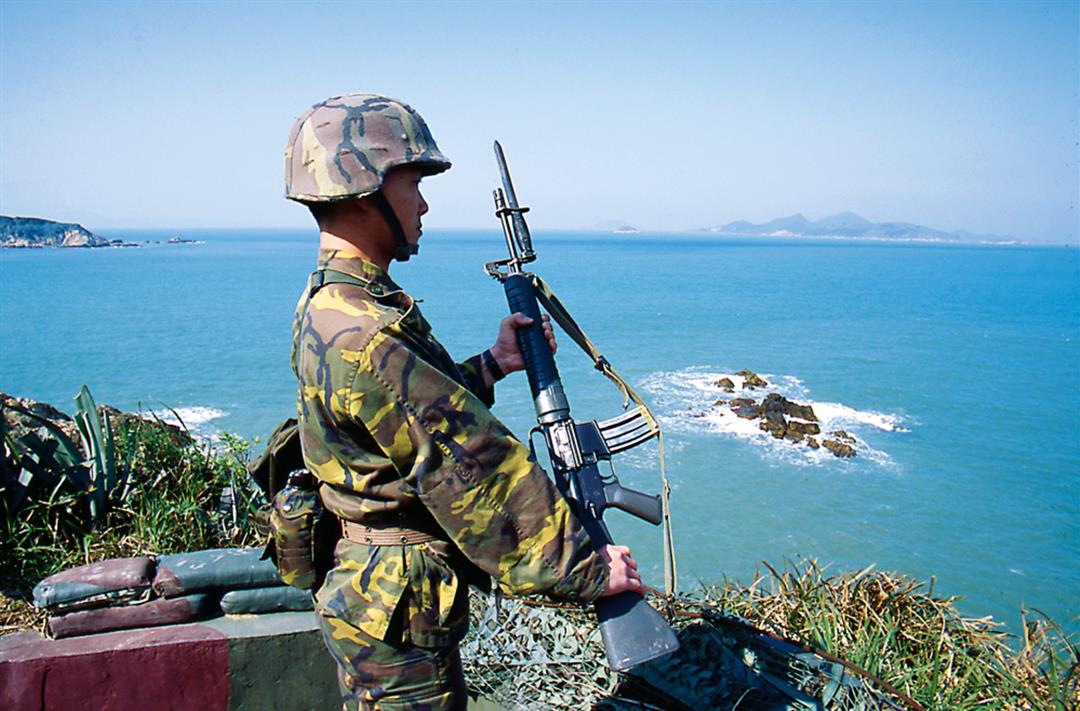
Matsu is a very masculine place, best known for its forts, soldiers, and sorghum liquor. The Matsu Archipelago comprises numerous granite islets including Nangan, Beigan, Dongju, Xiju and Dongyin. With its strategic location off the estuary of China’s Min River, it has been a major military stronghold for Taiwan, and was once an important outpost in the conflict with the Chinese Communist army.
Today tourists standing on the top of Fuqingling can still see the slogan “Ever Ready for Battle,” and the many military emplacements, forts, and tunnels scattered along the coastline.

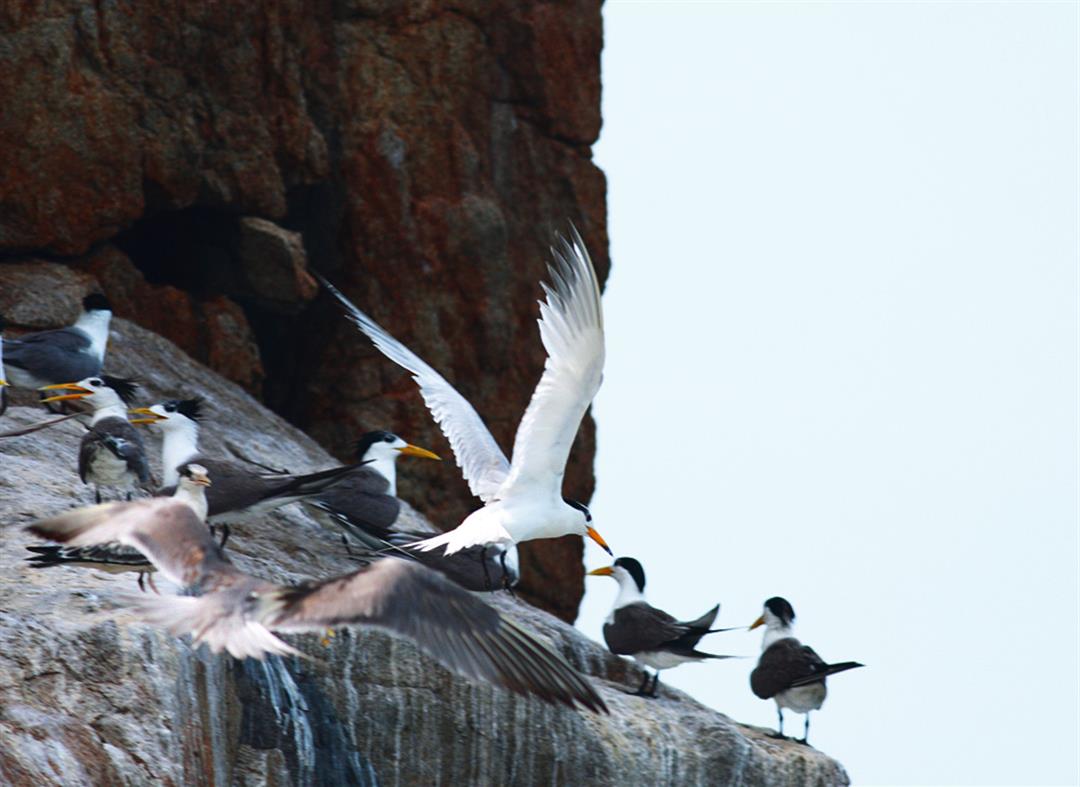
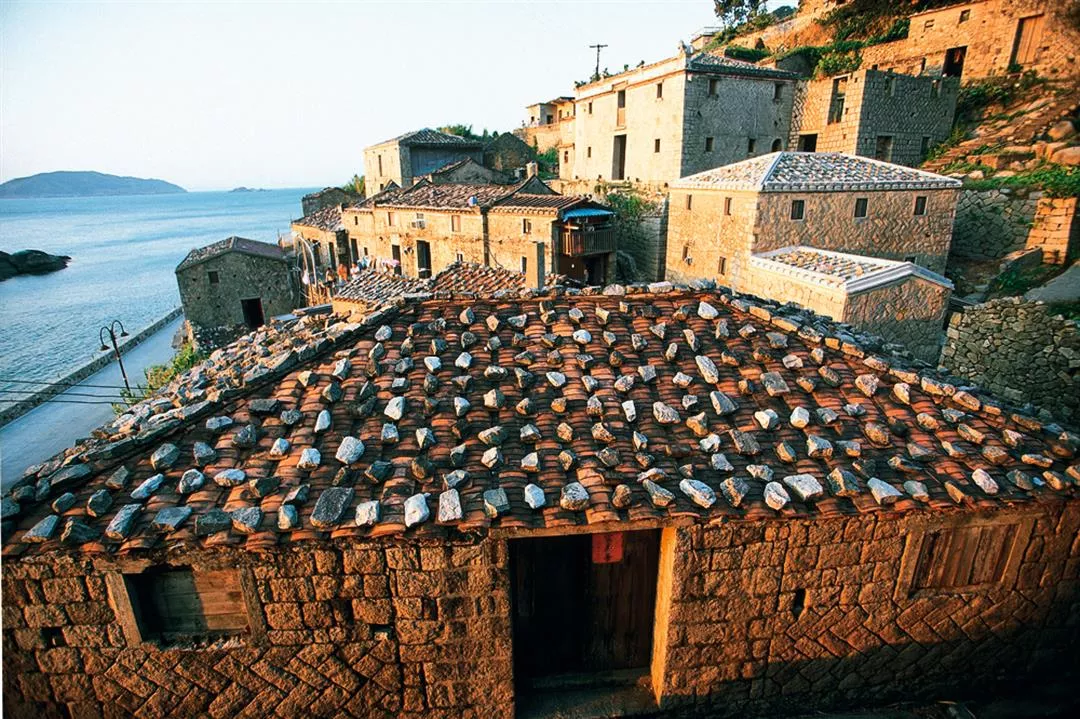
Matsu has enormous tourist potential, with attractions including conservation areas for the Chinese crested tern (photo courtesy of Matsu National Scenic Area), and examples of traditional Eastern Fujian architecture.
From the heights of Mt. Dawo on Beigan, one can see huge rocks in spectacular shapes and sizes at the foot of the mountain, and beyond, the calm diamond-studded sea. With its burdensome reputation as a place of battle gradually fading, Matsu is free to show off its unique beauties—and to contemplate its new future as a casino resort.
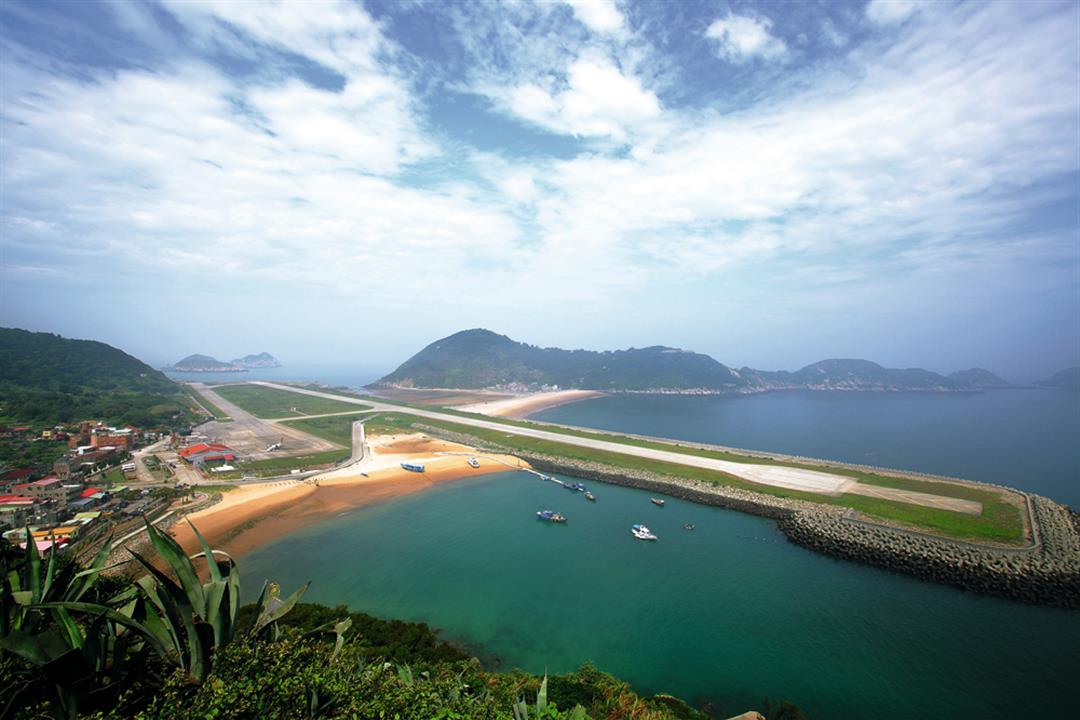
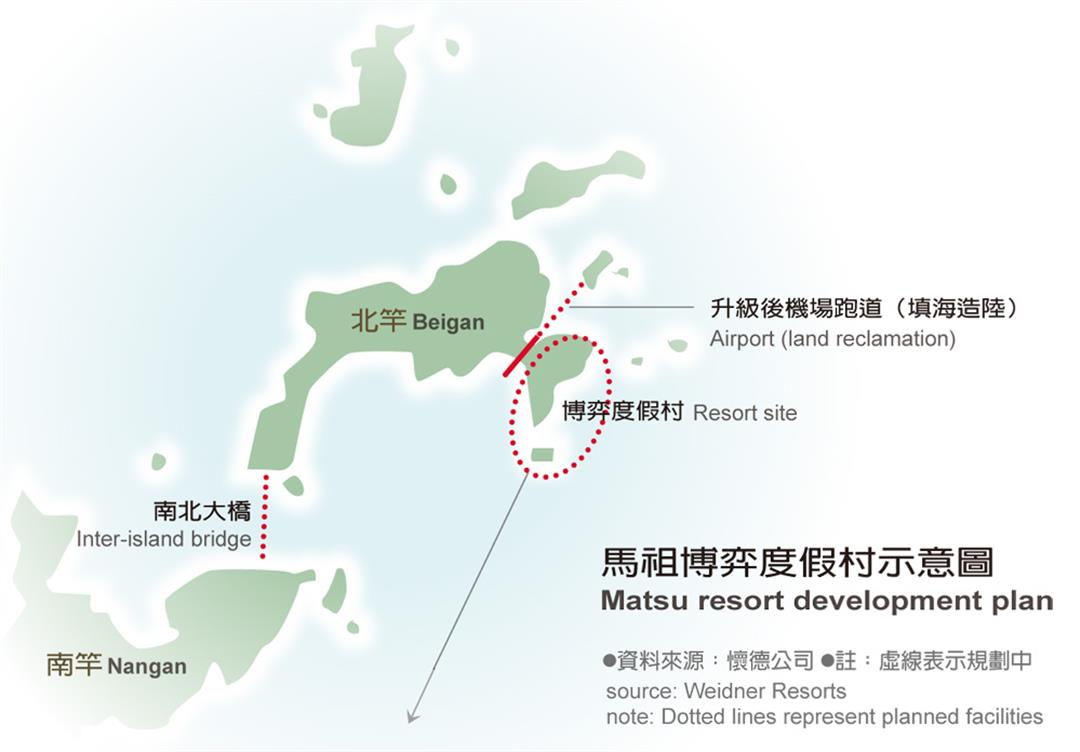
The runway of Beigan Airport seems almost to tread water as it crosses the sandbanks of the bay. Stretching to the south is the Luoshan Peninsula, where eventually a casino resort will be built into an arc of land reclaimed from the sea.
Luoshan Peninsula boasts a range of impressive attractions including a long coastline with soft white sand and spectacular mountains. The promise of development with resort hotel, shopping malls, exhibition and entertainment centers—all of which facilities are planned for the future—combined with the natural beauty of the area, creates a stunning image of the future in the minds of Matsu residents.
“You won’t recognize the place once the resort is built,” says Liu Te-chuan, director of the Lienchiang County Tourist Bureau, standing on a cliff overlooking the sea. According to plans drawn up by US-based Weidner Resorts, the whole of eastern Beigan will become a resort, serviced by the nearby airport and boat harbor. Tourists will be able to enjoy the recreational facilities of the resort, take a stroll on the beach, or visit the surrounding attractions by road; Nangan will become Beigan’s backyard, with eco-resorts and a number of premium villas, creating an atmosphere similar to that of Monaco.
The initial phase of the resort development project is expected to cost NT$75 billion, including infrastructure such as an airport upgrade, a cross-sea bridge that will connect Nangan and Beigan, and ferry wharves. It’s little wonder that Matsu’s residents are so looking forward to the changes.
Under Weidner’s plan, the first phase will encompass a 3,700-room hotel that is expected to attract 3.5 to 4 million visitors a year—larger, in fact, than the Venetian Macao Resort Hotel.
Things started moving in July 2012 when Matsu residents passed a referendum in support of a casino resort development on the island, with 54% voting in favor.
The Executive Yuan Council approved a draft version of the Tourist Casino Management Act in May this year, which will be sent to the legislature for deliberation. If all goes smoothly, Matsu will soon gain the nation’s first license for a legal casino.


“Matsu’s future depends heavily on upgrades to the airport facilities,” says Yang Suei-sheng, Lienchiang County chief executive. The number of visitors to Matsu is currently fewer than 10% of those visiting Kinmen. One of the problems for Matsu is its unstable weather, which often disrupts transport to and from the islands, so visitors are often worried that they could become stranded there.
While May to November is Matsu’s most popular season for tourists, it is also a period of seasonal rains and typhoons. Due to a mixture of moist and warm air, Matsu is often covered with misty clouds from May onwards. In addition, the airport runways are quite short, and there is no Instrument Landing System, so takeoffs and landings all rely on the pilot’s ability to see where everything is. Thus the onset of fog often means cancelled flights.
Yang believes that if the transport problem can be solved, tourist numbers will soar. But the funding needed for an airport upgrade is estimated at NT$8–12 billion. With only 100,000 visitors to Matsu in 2012, reconstructing the airport wouldn’t be considered worthwhile in the normal run of things. If the casino resort project goes ahead, however, with financing from the developer, the airport would likely be upgraded. First on the list would be a longer runway and a modern “zero visibility” navigation system to guide large aircraft when taking off and landing. Fog would no longer be a concern, and access for visitors and residents alike would be much safer and easier.

Once an important military outpost, Matsu is now open to tourism, and the garrison has been gradually reduced.
How can Matsu hope to compete with such well-established gambling and tourist centers as Macao and Singapore?
Matsu has four particular characteristics to help it support a fledgling tourist industry: a range of historic military sites, Eastern-Fujian-style architecture, a beautiful natural landscape, and legendary native birds.
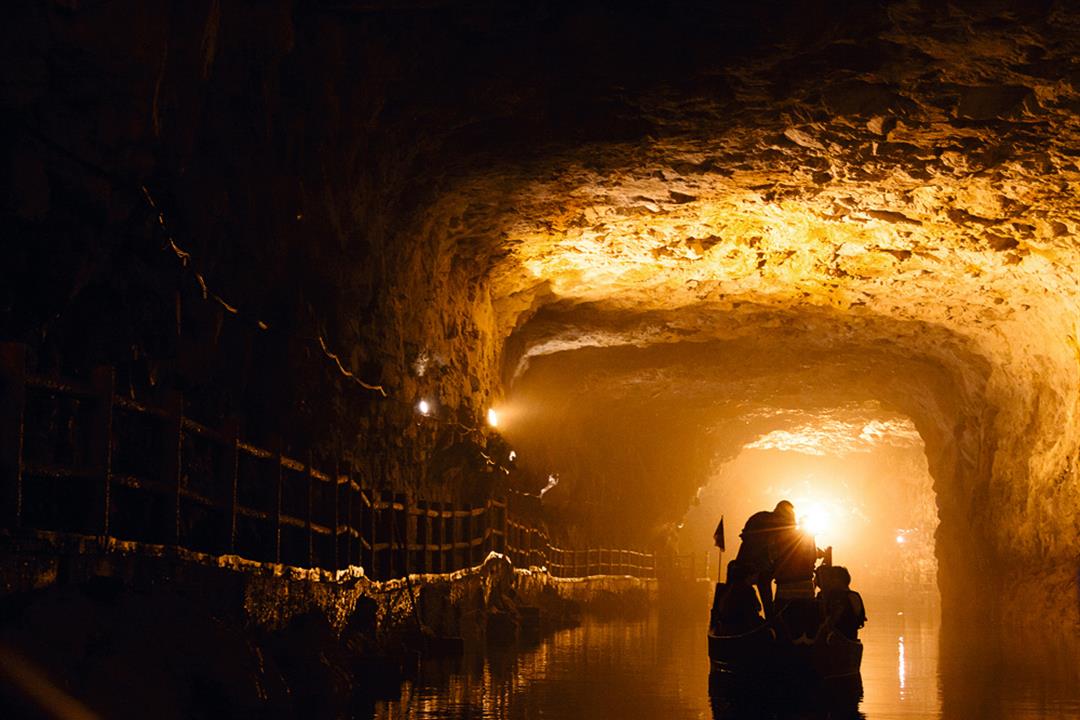
Matsu’s spectacular battlefield scenery includes military artifacts such as artillery, machine guns, and forts—many of them over half a century old—and 200-odd underground tunnels. The tunnel system is one of the most concentrated ever constructed, and some of the tunnels have been transformed into tourist attractions. Two such are the Beihai Tunnel, which features a long waterway where visitors can enjoy underground boating, and the famous Tunnel 88, which is today used for storing the region’s celebrated sorghum liquor.
Matsu also has several well-preserved traditional Eastern-Fujian-style settlements scattered throughout the islands. Visitors can see some quite unique architectural highlights including fire isolation walls, herringbone-pattern and snecked rubble walls, and roof tiles weighted down with stones.
The Matsu Archipelago consists of 36 granite islands boasting spectacular natural panoramas with rocks in shapes wrought by the sea, and “star-sand” beaches. The blue-green algae in the sand reflecting the starlight on a dark night provides endless fascination for visitors.
Matsu is also home to a variety of rare bird species, such as the Chinese crested tern, fewer than 50 of which remain in the wild. Currently eight uninhabited islands are protected as bird reserves, and many bird lovers travel long distances to Matsu just to catch a glimpse of the Chinese crested tern, which is known as “the legend.”

Matsu has the greatest density of tunnels in the world. Today, tourists can take an underground boat trip to witness this spectacular example of human endeavor.
The global gaming industry currently operates more than 5,000 tourist casinos, generating an annual revenue of nearly US$100 billion. However, for the 46% of Matsu’s residents who voted against the casino development, gambling is not only an inappropriate medicine for their community’s survival, it’s actually a toxic solution.
“The referendum was won simply on the promise of airport upgrades and military withdrawal,” says Wang Hua-ti, principal of Beigan’s Zhongshan Middle School. He argues that the casino will damage the community on two levels: the clear difficulty of overcoming issues such as public security and garbage management, and the even more worrying potential crisis in education.
In Macao, for example, teachers worry less about their students’ academic results than whether they will actually continue to graduation, or drop out to work in the casinos. Matsu is almost certain to face a similar dilemma, cautions Wang.
And considering Matsu’s tiny physical dimensions, won’t the annual tourist invasion overload the island’s fragile environment? Might the legendary birds be driven to extinction? The land reclamation project will destroy some of the cliffs facing the sea, which once gone could never be replaced.
“Development will certainly mean some disruption,” admits Yang Suei-sheng, but the county government will balance this with conservation measures. The Matsu Geological Park, which has already been set up, sets an excellent example.
Facing opposition to the development, Weidner Resorts is planning to build the resort to the east of Beigan, near the airport. This will keep all development away from the island community, to preclude any harmful influence. The casino plans strictly to employ only college graduates, so as to reduce the temptation for students to drop out to work in the casino.
The Matsu Archipelago is often celebrated as the string of pearls around the Min River estuary, yet the purity of these pearls is now in doubt because of the development.
The Matsu community survived many years as a military outpost, but today sits at a crossroads.

Matsu has enormous tourist potential, with attractions including conservation areas for the Chinese crested tern (photo courtesy of Matsu National Scenic Area), and examples of traditional Eastern Fujian architecture.