Taiwan’s National Health Insurance System under the Microscope
Chang Chiung-fang / photos Chuang Kung-ju / tr. by Scott Williams
September 2012
The deluge of headlines highlighting the ills afflicting Taiwan’s healthcare system—“Taiwanese Healthcare Undergoing Emergency Treatment,” “Who Will Care for Taiwan’s Sick?” “Doctor Shortage in Big Five Specializations”—has turned doctors’ cries for help into a subject of fevered discussion.
The National Health Insurance system we all enjoy is facing serious problems. What’s wrong with the NHI system? How do we cure it?
There have been many changes to the National Health Insurance (NHI) system since its introduction in March 1995. The premium structure has been modified twice, there have been numerous revisions to the payments system, and the legislature last year passed an amended “second-generation NHI” slated for implementation in January 2013.
You might think from these constant revisions that there have been a lot of complaints from citizens, but in fact the public has generally been highly satisfied with NHI, and it has even been called a “national treasure.” It’s just that doctors aren’t quite as enthralled with the system. While the public enjoys the benefits of NHI, hardworking medical professionals are heading for the exits, which means that the system is headed for a crisis.
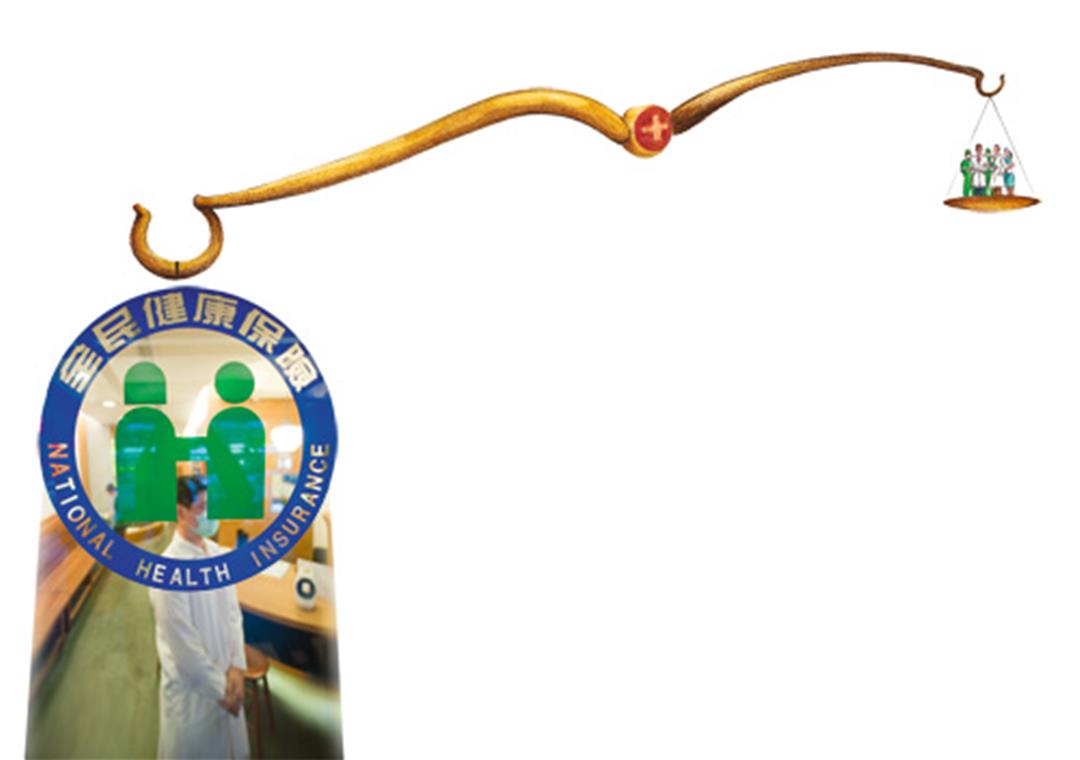
Admittedly, no healthcare system on Earth is perfect. All any system can do is communicate with stakeholders and make adjustments in an effort to ensure that it meets the needs of the society it serves. Here at home, we need to properly diagnose our system’s ills before attempting to cure them.

The NHI system guarantees the Taiwanese public’s access to healthcare, eliminating fears that illness will result in poverty or that poverty will prevent treatment.
During the keynote speech to late July’s “Protecting Taiwanese Healthcare” summit organized by the Department of Health (DOH), Hsieh Yen-yau, vice president of the Koo Foundation Sun Yat-sen Cancer Center, noted: “The US with all its wealth hasn’t dared to create a national health insurance system, but Taiwan has.”
In fact, Taiwan has succeeded in creating a national health insurance system that has high enrollment, a high degree of fairness, high approval ratings, and low costs.
When the second generation of NHI enrolls prison inmates excluded by the current system, enrollment will rise to 99.51% of the population. In other words, it will become a truly “universal” system covering virtually every citizen other than those residing abroad long term.
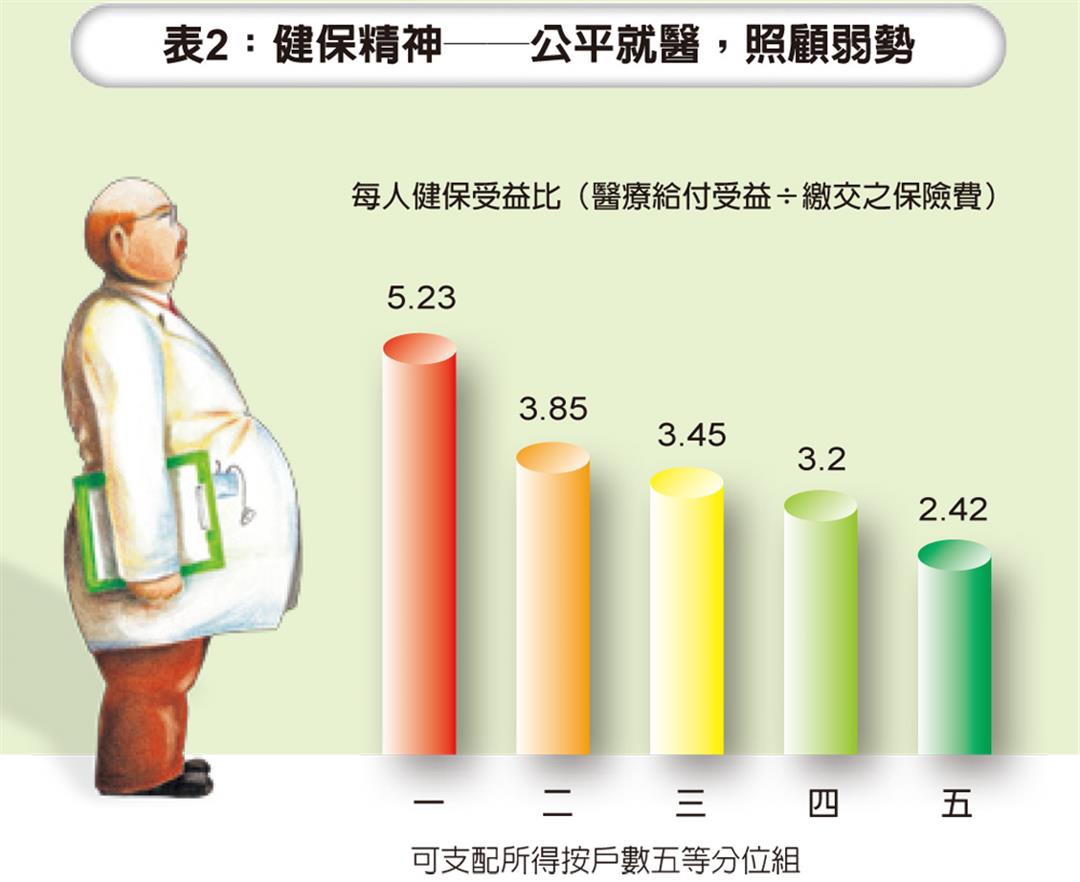
In 2003, Taiwan’s healthcare system ranked second in the world in the World Health Organization’s (WHO) fairness in financial contribution index. The ratio of healthcare benefits received to insurance premiums paid was 5.2 to 1 for low-income families. What this means is that low-income families received a great deal of medical care in return for very low premiums.
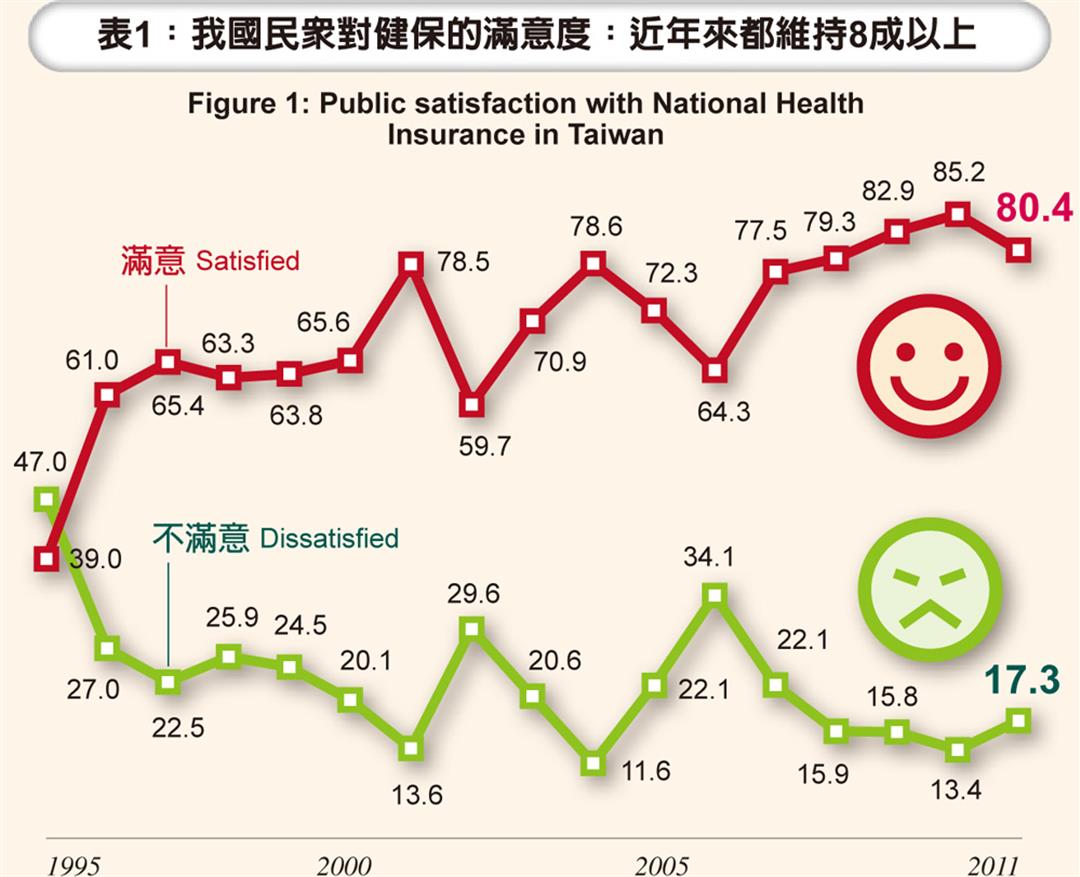
NHI is also the government’s most popular policy. According to the Bureau of National Health Insurance, over the last five years the public’s satisfaction with the system has held steady in the 77.5–85.2% range. (Figure 1)
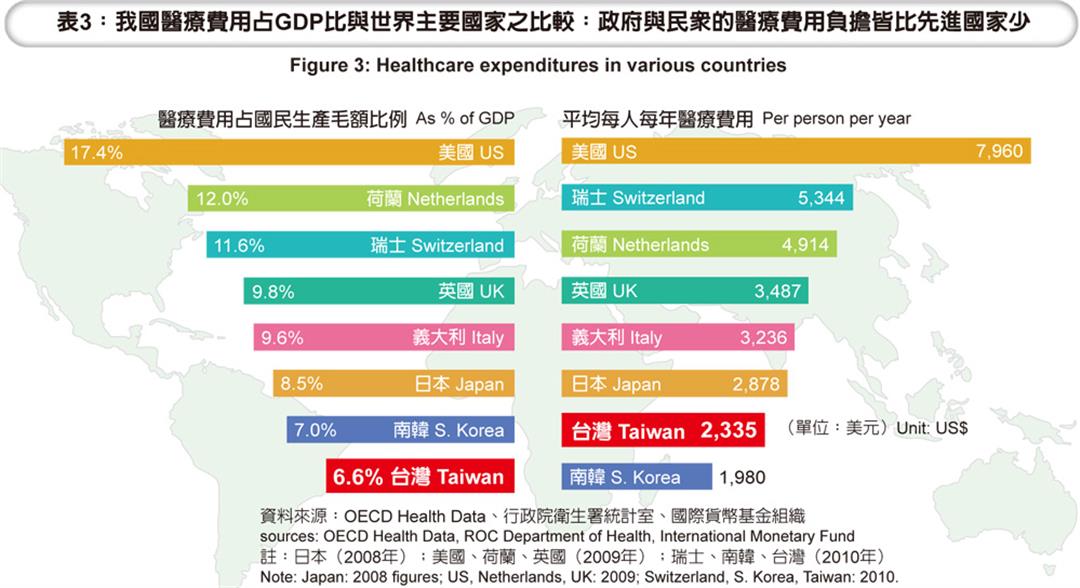
More amazing is that Taiwan’s medical expenditures are lower than those of most OECD countries. Overall medical spending amounts to roughly NT$500 billion, or just 6.6% of GDP. (Figure 3)
Every year, roughly 50 countries send representatives to Taiwan to study our inexpensive but generous system. Taiwanese healthcare has also been praised in the international media. In 2000, the UK’s Economist magazine rated Taiwan’s system the second best in the world behind only Sweden’s for its achievements in public health, controlling healthcare expenditures, and quality of care. In 2005, Paul Krugman, a Nobel laureate in economics from the US, stated that the US should learn from Taiwan’s NHI experience.

But Taiwan’s caregivers are being run ragged.
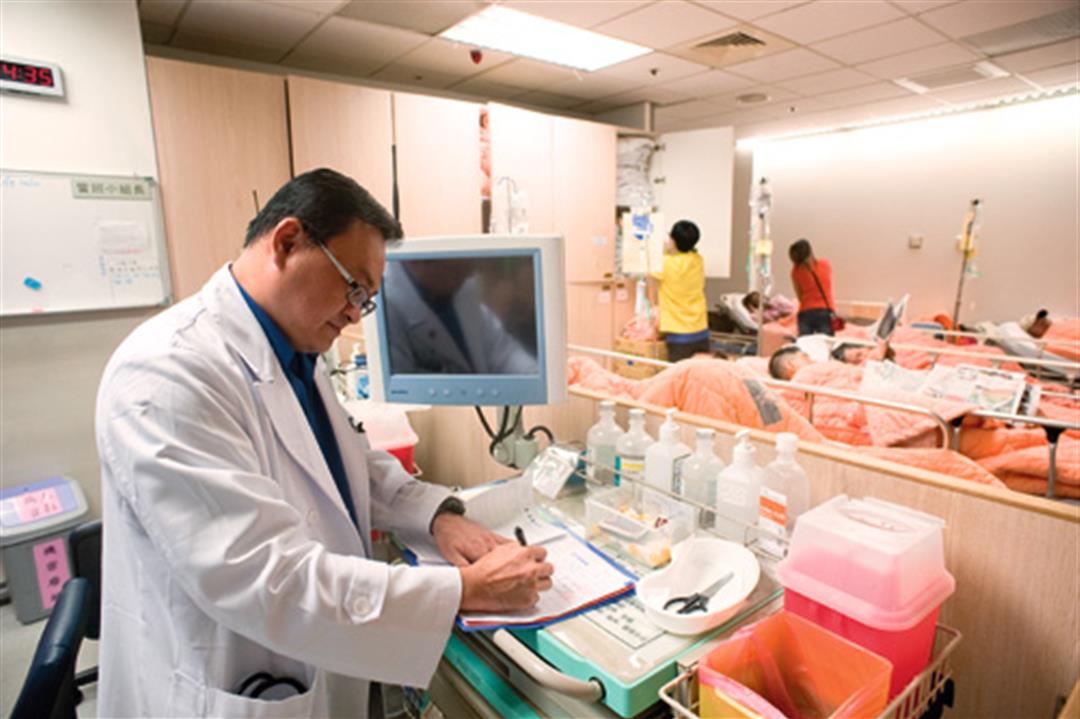
In June 2012, Hung Hao-yun, then a 32-year-old chief surgical resident at National Taiwan University Hospital, sent shockwaves through the medical community by leaving the hospital to go into private practice as a cosmetic surgeon. But it is critical care and emergency medicine specialists, especially at larger hospitals, that are most likely to feel wrung out by the demands of their work and jump ship.
Department of Health minister Chiu Wen-ta says that the medical ecosystem has changed in the 17 years since NHI was implemented. Among the problems in urgent need of a solution are that hospitals are larger and more corporate; that rural areas and outlying islands are encountering greater difficulties in recruiting personnel; that hospitals are emphasizing outpatient care and deemphasizing inpatient treatment; and that the distribution of doctors across specializations is becoming uneven as many flock to low-risk, low-stress, high-pay fields. This last has created a shortage of doctors in internal medicine, surgery, OBGYN, pediatrics, and emergency medicine.
The shortage of OBGYN doctors in rural areas is a case in point and sign of things to come.
In mid-May, Zheng Yinhao, a doctor at Hualien’s Yuli Veterans Hospital, took his plight to the media. Zheng has been worked to the bone because he’s the only OBGYN specialist serving Yuli and the surrounding townships. After more than three weeks without a day off, he was on the verge of a breakdown and had to beg for relief.
“Small hospitals have no assistants or residents,” says Zheng. “You have to handle everything, large and small, yourself. In late May, I had too many surgeries, as well as four or five patients staying in the hospital. I had to work late every day, and the pressure was so intense that I couldn’t sleep.” Zheng says that the hospital was finally compelled to suspend the operations of the OBGYN department so he could take a couple of weeks off to recover.
Situations like Zheng’s aren’t all that uncommon. In fact, some 150 townships around Taiwan have no OBGYN doctors at all. Even Hsinchu’s Cathay General Hospital is understaffed and has to employ a patient preregistration system to manage childbirths.
And both urban and rural areas are suffering from the shortage of emergency and critical-care personnel.
Chu Shu-hsun, president of Far Eastern Memorial Hospital, says that the lack of critical care personnel causes his hospital, which is a full-fledged medical center by day, to become nothing more than a local hospital at night. His hospital isn’t alone. He’s heard that National Taiwan University Hospital has had to employ two 50-year-old professors of medicine on the night shift.
Choi Wai-mau, president of the Taiwan Society of Emergency Medicine, says that where Taiwanese emergency rooms treated 3.2 million people per year 10 years ago, they now treat 6.5 million. While that number of patients would normally require 2,000 doctors, Taiwan currently has just 800 ER doctors, meaning our ERs are 1,200 doctors short of being fully staffed.
Part of the shortfall is due to an aging population and the increasing workloads doctors must bear. Another portion is a consequence of an unequal distribution of doctors across specializations.
According to the DOH, the number of specialists in Taiwan rose from 28,535 in 2002 to 44,832 in 2011, an increase of 57%. But the number of surgeons has increased by only 37% and the number of OBGYN doctors by only 21%.

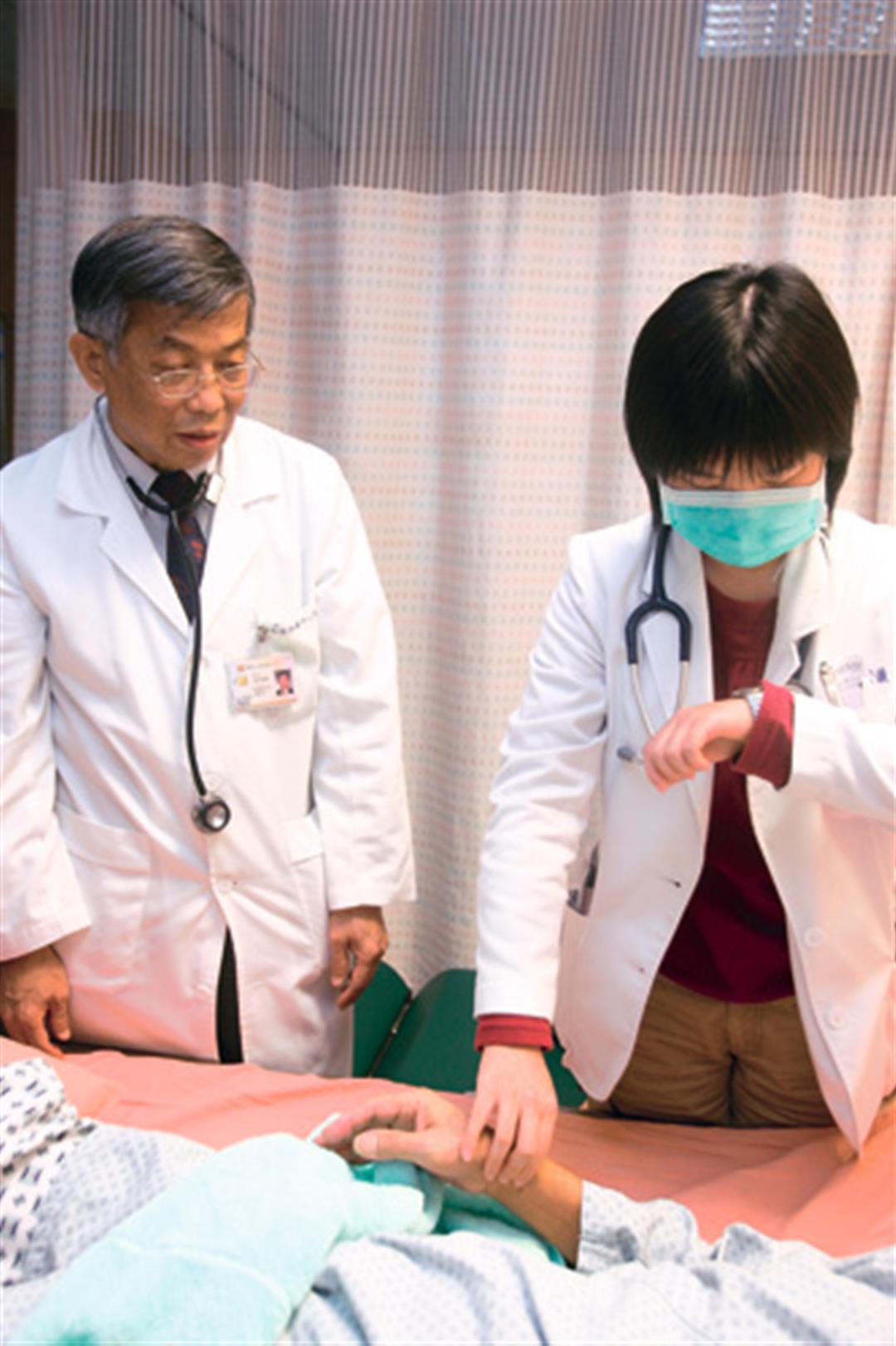
Making rounds, seeing patients, operating…. Physicians must be passionate about helping others to make it through their grueling work days, and deserve our deep respect.
In addition, social values have changed. The younger generation isn’t willing to work night and day to get rich. In the case of the medical profession, this change in attitude has a far-reaching impact on the wellbeing of society as a whole.
Shen Fu-hsing is a former legislator and long-time observer of the NHI system who graduated from National Taiwan University Medical School 47 years ago. Shen says that doctors then used to be even busier than they are today, working even more shifts. But he adds that he knows why doctors of an earlier generation found pleasure in all those grueling hours spent at work: society placed them on a pedestal, paid them well, and offered their parents respect. Nowadays, doctors no longer have a strong sense of mission, and are so overwhelmed that they have no hope for themselves or their future. They’re like “worker bees, buzzing back and forth from one task to another.”
Wang Zhizhun, a resident in the Department of Medicine at Taipei Veterans General Hospital, says that residents make just NT$60–90,000 per month in salary for working 90–110 hours per week and eight to 10 overnight shifts per month. Those kinds of hours make the hospital effectively their home.
Lin Binghong, who left the pediatrics department at Hsinchu’s Mackay Memorial Hospital for private practice, says that students in medical school have no idea about the state of medical care in the real world. “In the hospitals, concerns about medical disputes keep you from relaxing and just doing your job. But when you practice in a clinic, you have no opportunity to utilize the techniques you’ve learned: intubation, surgery, lumbar puncture….”
The 31-year-old Chen Jiaru was a pediatric resident for two years before giving up and going to work at a clinic that practices family medicine and physical therapy.
“Hospital work is just too hard; it sucks up all your time,” she says. “The life I was living was just too far removed from the life I wanted.” Chen says that she had to work a late shift every three days, working through the night and into the evening of the next day. “You’re working for 36 hours at a stretch without solid sleep or real meals.” By going into private practice, Chen gained a more flexible schedule and continued to earn about the same amount of money.

Besides the problems with the worsening of the larger medical environment, the NHI’s payment system has led to doctors being overworked for relatively little pay. The reasons involve the NHI system’s need to balance its insurance function with its welfare function, and the different perspectives of the public-health and the medical-care communities.
Yaung Chih-liang, a former minister of health who is now a chaired professor in the Department of Healthcare Administration at Asia University, was one of the original architects of the NHI system. He says that NHI has three objectives: promoting good health, eliminating medical bankruptcies, and preserving the dignity of life.
At the time the NHI system was being developed, Shen Fu-hsiung vigorously promoted a “catastrophic insurance” structure. Yaung views this approach as a non-starter.
“How do you distinguish major illnesses from minor?” asks Yaung. “If you insure major illnesses but not minor, you’ll end up with everyone looking for ways to make their minor illnesses into major ones so they’ll receive coverage.”
Yaung says that if NHI were intended only to provide protection against financial risk, then it could take the catastrophic insurance approach. But if it is intended to promote good health, it must also promote preventive care measures such as a balanced diet. He argues that if the system is indeed intended to promote good health, it shouldn’t insure against major illnesses because the latter approach delivers the least “bang for the buck.” Targeted cancer therapies, for example, are very expensive but have only limited effect.
But Shen disagrees, arguing that the notions that “not treating small illnesses is detrimental to the poor,” or that “small illnesses left untreated become major illnesses,” are public-health myths.
In his view, 70% of people who are sick don’t need to see the doctor, or can treat themselves with over-the-counter remedies. Another 25% really do need to see the doctor and the quality of care they receive will affect their prognosis. The last 5% are beyond medical help. “Bluntly stated, most hospitals are making money off that first 70%. The medical community should be spending its energies healing that 25% who need its help, but the public-health community is instead concerned about the 70% who could get by without a doctor.”
Equity or excellence?
Shen says further that it was public-health scholars who guided the design of the NHI system 17 years ago, and that they sought to create a system that was fair, just, universal, and inexpensive. He argues that those goals have been achieved, but at the expense of excellence in medical care.
Nowadays, all of Taiwan’s hospitals emphasize outpatient treatment rather than inpatient treatment because the former is a moneymaker. This has worsened quality of care and caused treatment standards to regress. “Only hard-to-treat life-and-death illnesses require a hospital stay,” says Shen. “Using outpatient care to increase volume serves only to work doctors to death.”
Yaung views the issue from the standpoint of public welfare, and argues that fairness and universality are more important than excellence. He notes that South Africa performed the world’s first successful heart transplant, but has a mortality rate for pregnant women and women in labor that is 100 to 200 times that in Taiwan, not to mention an infant mortality rate that is 40 times higher than ours. Yaung says it is a proper role of the government to prioritize the healthcare of the general public over excellence in particular medical procedures.
Waste: a necessary evil?
In a whitepaper on health insurance, Chen Ding-shinn, an academician with the Academia Sinica, wrote: “Health insurance is a third-party payment system. As a result, neither healthcare providers nor patients are likely to make the most careful use of limited medical resources, giving rise to so-called ‘moral hazard.’”
Based on outpatient data, Taiwanese seek medical care an average of 14 times per person per year, slightly less often than the Japanese but more than twice as often as the average of six times per year in the US and Europe. Clearly, the public has room for improvement in its care-seeking practices.
Yaung says that waste is an inevitable consequence of achieving one of the goals of a national health insurance system. A 2010 report from the World Health Organization stated that 40% of global medical expenditures were spent on fraudulent medical procedures, “defensive medicine,” and waste. But where healthcare waste in the US costs US$600–800 billion per year, it amounts to less than US$16 billion in Taiwan.
Some have recommended having patients pay a larger portion of the cost of care as a means to reduce waste. “No one has been able to come up with a copayment system that would stop inappropriate uses of medical resources without also interfering with appropriate uses,” says Yaung, noting that the economic utility of NT$50 varies from person to person. Since the whole point of NHI is to provide healthcare to the entire populace, the copayments have to be very low.
Hospitals the root of the problem?
The differing concepts underlying the system are an issue, but so is the allocation of resources by hospitals. Where health insurers in the US make payments directly to caregivers, Taiwan’s NHI system pays hospitals. As a consequence, there is constant concern about hospitals lining their pockets at the expense of the caregivers they employ.
“No matter how much NHI pays hospitals, they don’t raise doctors’ salaries. What are we to do?” Yaung believes hospitals are using their profits to purchase equipment and expand their influence. Besides buying exorbitantly expensive medical devices, large hospitals have been buying up smaller hospitals, growing their networks and increasing their NHI payments.
Shen admits that higher salaries would attract more doctors, but argues that hospitals are opting instead to cut back on services because they can’t afford additional personnel.
He acknowledges that hospitals made money during the first eight years of the NHI system because the system enabled previously uninsured people to seek care. The increased patient numbers encouraged everyone to invest in new facilities. But he argues that the last eight years have been much tougher and that poorly run facilities have been going under. “Everyone thinks that the hospitals are pocketing fat profits,” says Shen, “but the business is actually very challenging.”


How are we to treat the NHI system’s ills? Should we start with the supply side, or the demand side? Experts disagree.
Shen says that because the system pays hospitals on a per-service basis, hospitals get more for doing more, which encourages waste. But the slow rate at which the system’s budget has grown means that hospitals have to rely on volume to make up their shortfalls.
Shen’s proposal addresses the patient side of the equation.
He advocates establishing a “household out-of-pocket ceiling” of 2% of household income. The moment a family’s out-of-pocket medical expenses exceeded this ceiling, it would be enrolled in the NHI system. “Instead of simply requiring a given premium every month, it makes everyone a consumer, encouraging people to save where they can and promoting self-discipline.”
Yang disagrees, arguing that we should begin with the hospitals, not the sick.
While he was minister of health, Yang began instituting some quiet “reforms” on the supply side of things, changing the model from one in which “seeing more patients, prescribing more medications, and doing more surgeries earned hospitals more money without necessarily making the public any healthier,” to one in which hospital profits increased with patient health. In other words, he sought to move away from a system that “buys healthcare” and towards one that “buys better health.”
The BNHI believes that if it pays hospitals a flat rate per patient per year, hospitals will have a strong incentive to provide (inexpensive) preventive care, completely resolve patients’ outstanding health issues, and stay involved with their follow-up care to obviate the need for more expensive treatment down the road.
Currently, seven hospitals and clinics have applied to participate in pilot programs. In one example, the Jinshan Branch of National Taiwan University Hospital is promoting “do not resuscitate” orders, which reduce waste on ineffective treatments and help maintain patients’ dignity.
It is too early to know how such initiatives will turn out. The patient-centric model was only introduced this year, and isn’t expected to yield results for at least three years.
There is no question that the public-health and medical communities have their own perspectives, each full of contradictions and misconceptions. But the healthcare crisis is upon us and reforms are imminent. Such reforms must preserve the original intent of NHI without becoming penny wise and pound foolish.
All of us are eager to diagnose Taiwan’s medical woes, but we should take a moment to listen to the full gamut of views before prescribing a cure. With a little luck, we should be able to rejuvenate our healthcare system and ensure that it continues to help everyone.

Taiwan’s National Health Insurance system consistently ranks at the top of all government programs in terms of public satisfaction.

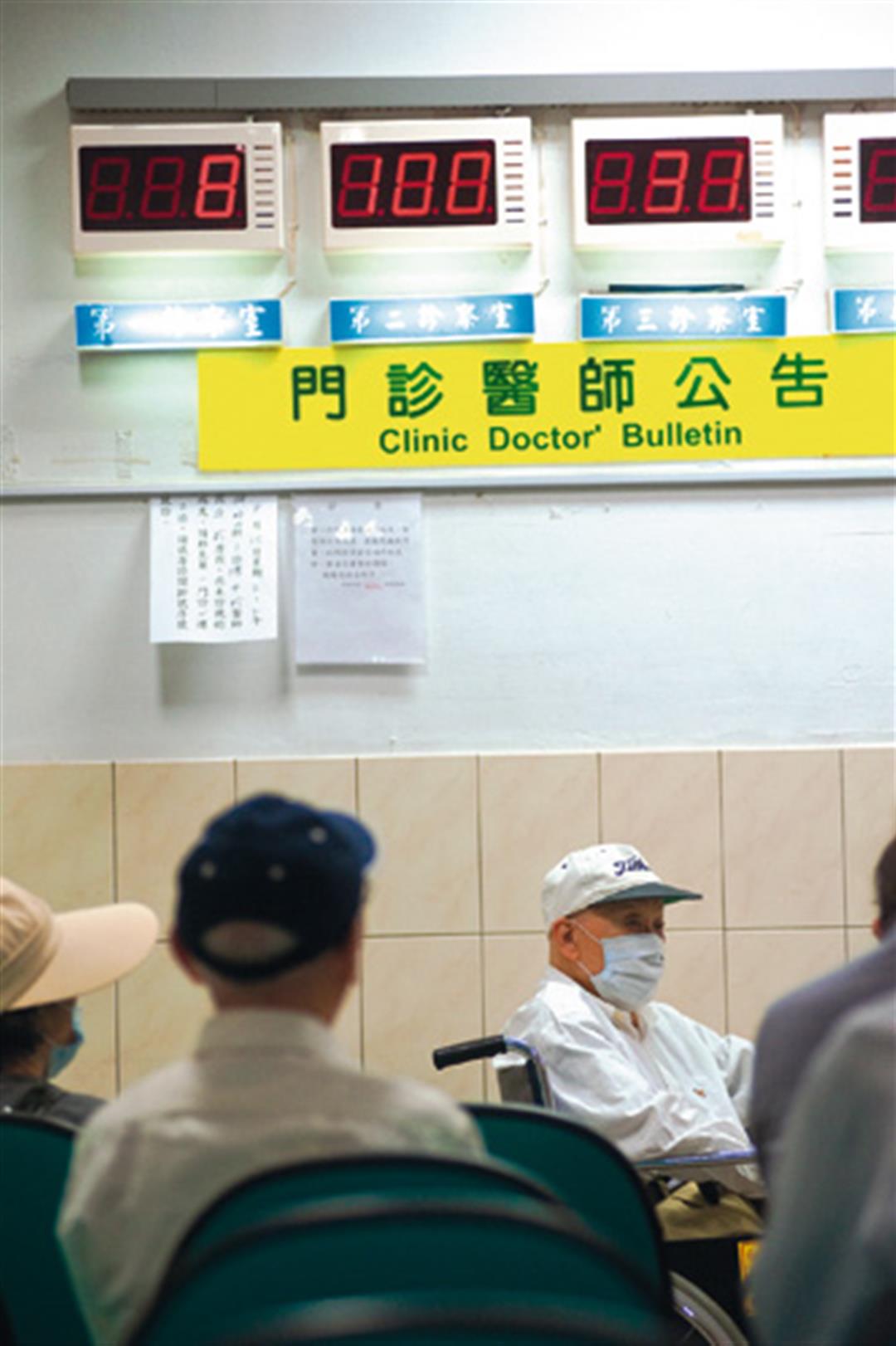
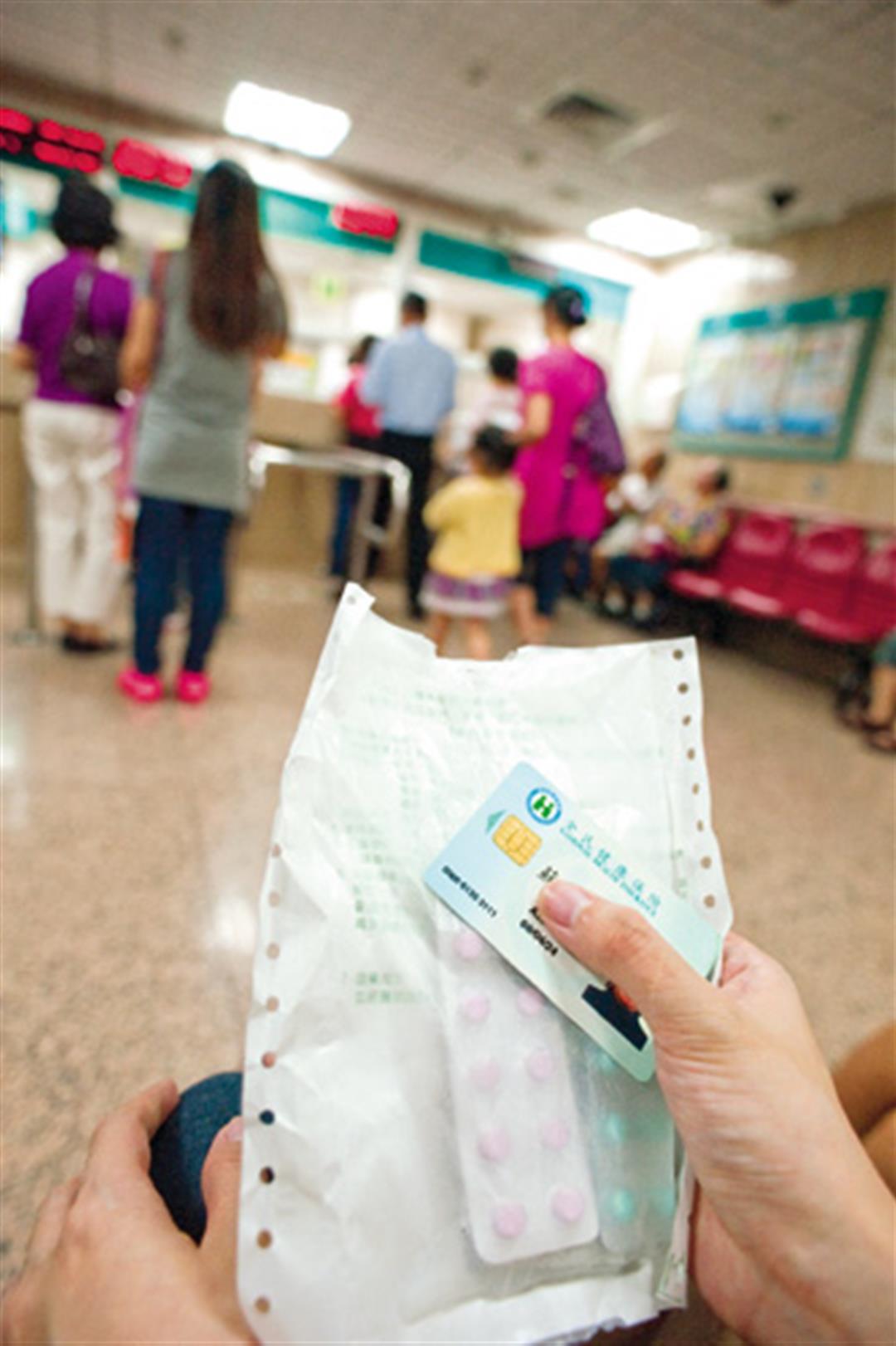
An NHI card means treatment for any illness. But how do we avoid waste?

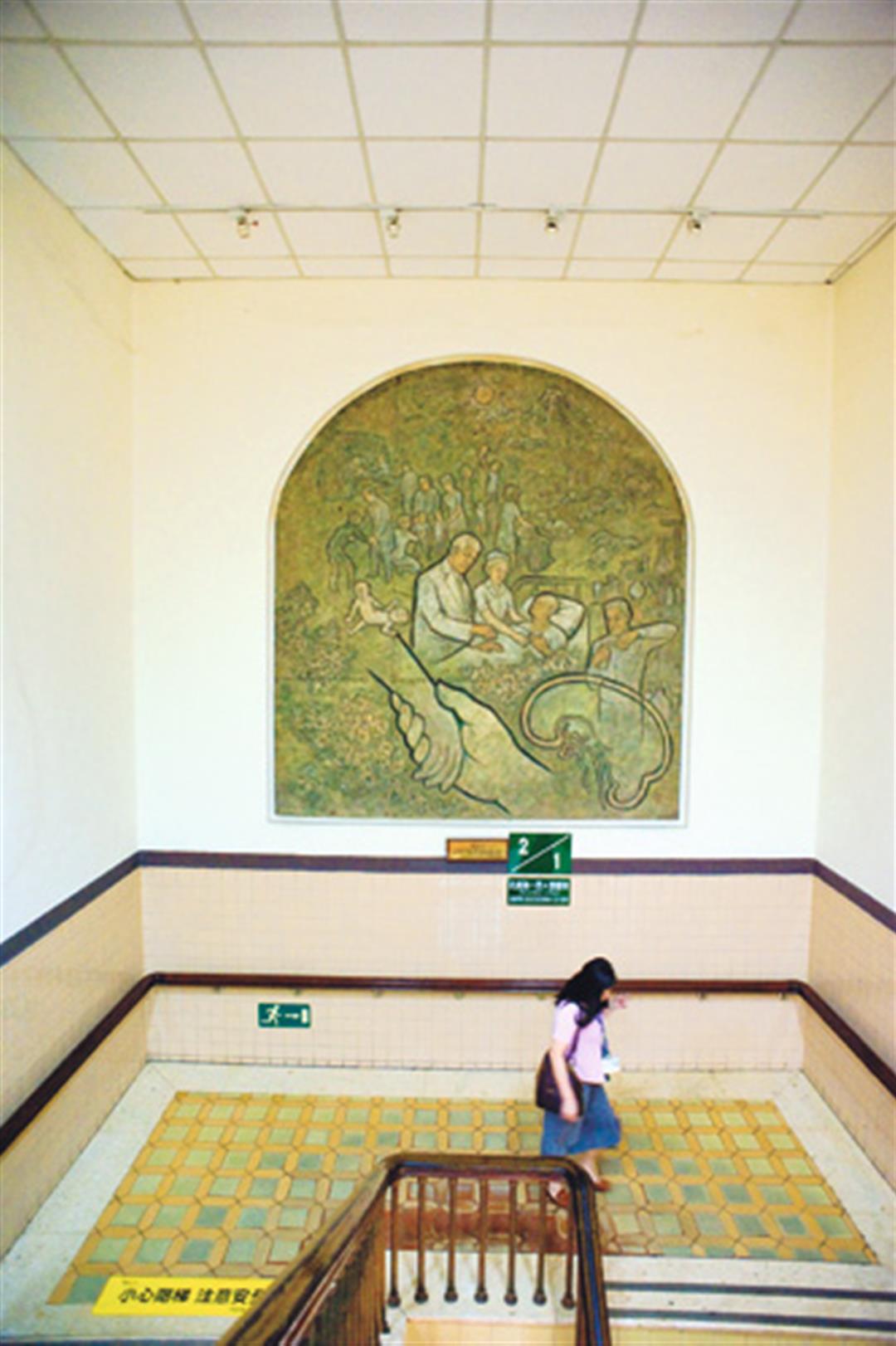
Yang Ying-feng’s bas-relief sculpture The Embrace of Sickness, which adorns a stairwell at National Taiwan University Hospital, depicts the relationship between doctor and patient.