

Over the last ten years, the Lan-yang dancers have visited eighteen countries in Europe and Latin America, winning friends for themselves and the Republic of China as they introduce the world to the beauty of traditional Chinese dance. In the ROC they have earned for themselves the name "little ambassadors."
The Lan-yang youngsters work hard to make a success of their glamorous globetrotting. In the classroom, for instance, they listen with special concern as a teacher explains aspects of their performance of the "Legend of the White Snake." When she completes her commentary, the girls jump, turn, kneel, and spin to her terse directions. Only the sound of feet and knees hitting the floor is audible as the dancers lose themselves in concentration. . . jump, turn, kneel; jump, turn, kneel. . .
To one side, another person, watching, is concentrating as hard as the girls. His grey-brown eyes follow every movement; occasionally his face lights up to show special appreciation. This is Father Gian Carlo Michelini, the guiding spirit behind the Lan-yang Dance Troupe.
Fr. Michelini grew up in an artistically rich environment in Italy. Even as a child, he was especially interested in the dance: "Dancing is an internationally understood language; it is a unique way to transmit culture. Chinese dancing, contains the spirit of China's ancient culture. This is something that foreign nations cannot duplicate." Fr. Michelini is not sure when he first became enchanted with Chinese dances, but once he did, he felt the need to help everyone else view them too, a desire that led to the creation of the Lan-yang dancer troupe.
In 1966, Fr. Michelini bought six hectares of land and established dance training facilities. But he soon discovered that, because of the economic conditions of the 1960s, only the wealthy ever sent their children to study piano or dance, or any of "that sort" of activities. So there he sat--with a school and teachers, and no students. But not for long. Fishing for dancers, he visited all the elementary schools in the area, asking their principals to encourage students to attend his dance classes. His effort was successful, and Lan-yang sprang to life.
And since its beginning, the Lan-yang dance troupe has been exclusively a traditional Chinese dance troupe. Supporters have often urged Fr. Michelini to supplement this base with modern dance numbers, feeling these would add to the group's success. Fr. Michelini refuses, however: "Chinese traditional dance is the most beautiful dance in the world. If our children don't perform Chinese dances, can we wait for foreigners to come and do it for us? Western modern dance is grounded in Western culture. No matter how well Chinese perform modern dances, they cannot express the cultural spirit of the West."
All Lan-yang dancers are required to study both ballet and kung fu in order to develop physical strength and basic dancing skills. Fr. Michelini has scoured Taiwan looking for the best teachers. And although Lotung is a very out of the way place, Fr. Michelini's enthusiasm is contagious. Once he asks, it is hard to say no. One Lan-yang teacher comments, "I often think that if a foreign priest can commit himself body and soul to the preservation and expansion of our traditional dances, as a Chinese, I have no reason not to help him."
In 1974 the Lan-yang dancers launched their first overseas tour as the Chinese Children's Folk Dance Troupe. They have now performed over 300 times in eighteen countries, and another trip is planned this month. On all their tours they have been warmly welcomed by both governments and people, and have been the object of a great deal of critical acclaim.
The first overseas performance tour took them on a three month swing through Italy. The highlight of the trip was a performance for the Pope in St. Paul's Square of the dance "Feather-Fans Welcoming Spring;" the Pope posed for a photo with them afterwards.
The next year, 1975, on a second trip to Italy, they were especially summoned by the Pope, who presented them with gifts, the only dance group so honored.
The "Feather-Fan Dance" has since become Lan-yang's trademark; wherever the troupe is, at home or abroad, it is their most requested number. When they toured Germany in 1975, at one stop, not only did they perform it during the show, but the audience demanded two encores. Of course, the dancers themselves sometimes tire of it and in 1982, when they were asked to perform for an audience of returning overseas Chinese, the dancers requested that Fr. Michelini allow them to perform "Jumping the Moon," a dance of the Miao people of southwestern China. It was a smash success.
The "little ambassadors" have helped in establishing lasting friendships between the people of China and the people of other nations. One proof of this came in 1978, when the girls toured Latin America; among the nations they visited was Columbia. After that nation broke off official relations, letters came pouring into Lotung from apologetic Colombians proclaiming they would never forget the ROC, Colombia's best friend in the Orient, despite their government's "great" mistake.
The average Lan-yang performance tour lasts three months, during which time the girls are feted by local families in the countries they visit. Except for the travel and performances, they spend all their time with the host "families." The biggest trauma they face on tour, as young as they are, is not the tears at the airport that one might expect. Dancer Chiang Chiou-mei laughed and explained, "Wherever we go, the host families and overseas Chinese all take good care of us. When they see how much energy we expend in our performances, they give us things to eat all day long. We all gain so much weight our costumes get tight. Everyone of us has had a costume rip in mid-act."
Fr. Michelini, proud of his charges' attainments, looks to a greater future: "I have decided that no matter what difficulties I come up against, to persevere. I want to make the Lan-yang Dance Troupe as famous as the Vienna Boys' Choir. I believe the children have the same goal."
[Picture Caption]
1,5. Studying the basic movements is the first step towards future accomplishments. 2. The Feather Fan Dance. 3. Fr. Michelini with awards won by the Lan-yang Dance Troupe. 4. Fr. Michelini also teaches older members of the troupe Italian. 6. Lan-yang dancers with Pope Paul VI in Rome, 1974.
1,2. The Lan-yang Troupe performs dances of many different peoples. Aboriginal dances are filled with local charm and color. 3. Costumes are employed to help present the different qualities of different types of ethnic dances. The turban and drum indicate a dance of the Miao people of southwestern China. 4. A teacher applying make-up for a dancer before a performance. 5. A beginners class. 6. An impression of pure innocence.
1. There is always time for playing outdoors, and Lan-yang dancers are as lively and fun-loving as other children. 2. On their birthdays, Fr. Michelini sees that the girls receive a cake. 3. An aboriginal dance. 4. Dancers are very time conscious. Here she does her homework while doing her stretching exercises. 5. Chinese folk dances are the raison d'etre of the Lan-yang Troupe. These Lion Dance masks have a strong Chinese flavor.
Serious concentration as they learn the steps to a new dance. Movements from the Chinese theater are often incorporated into the dances.
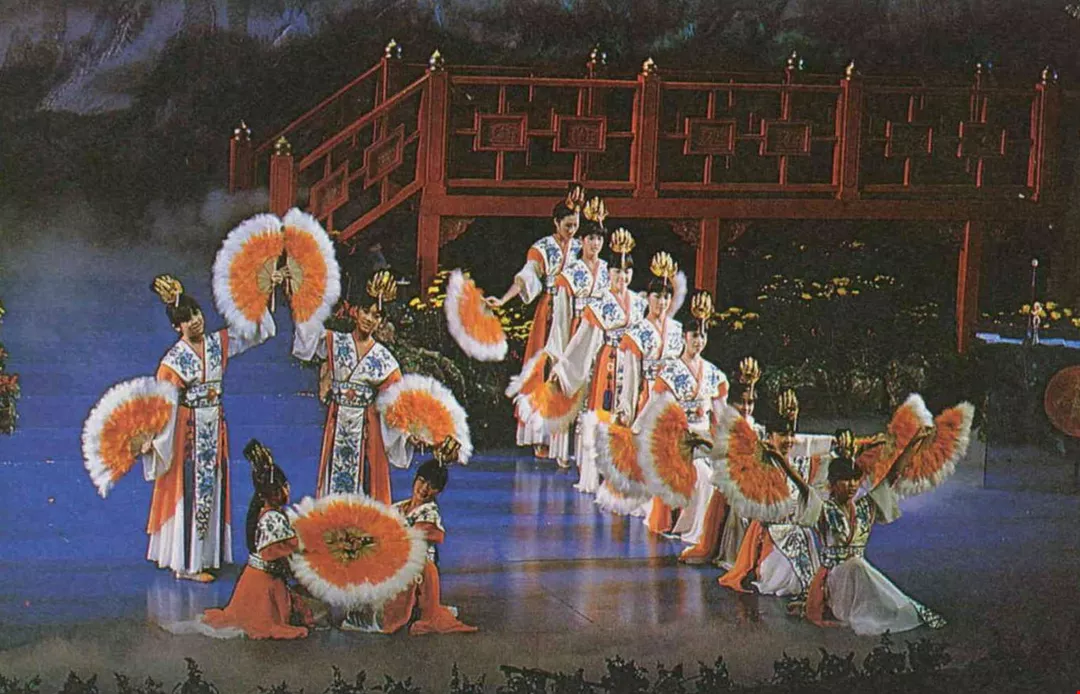
2. The Feather Fan Dance.
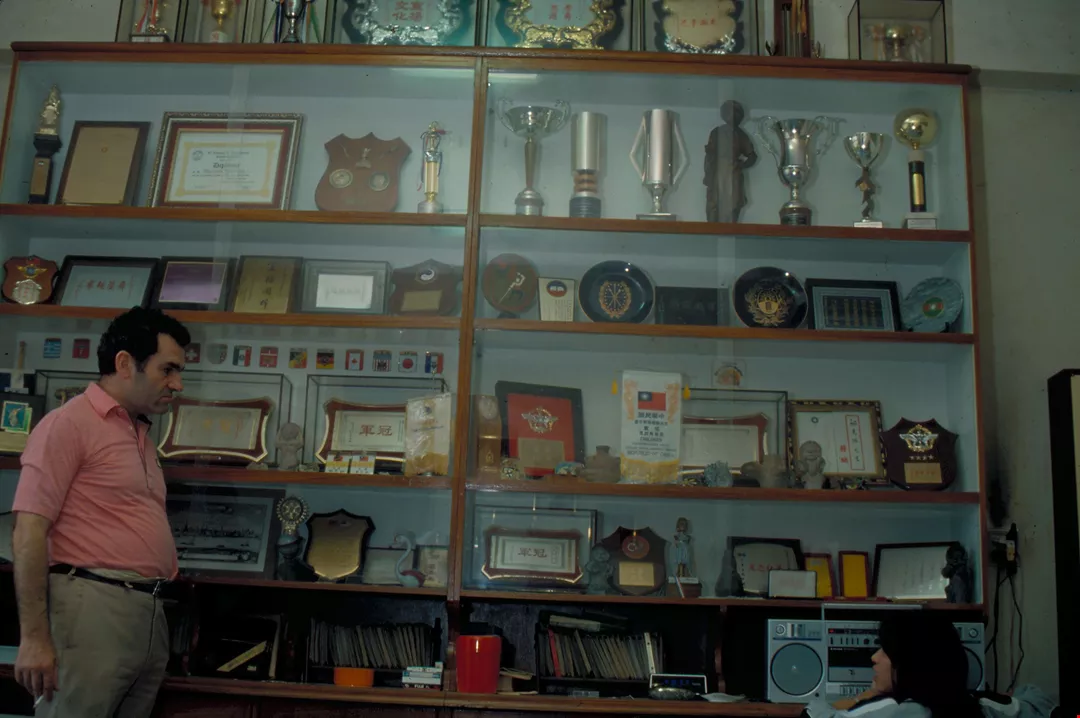
3. Fr. Michelini with awards won by the Lan-yang Dance Troupe.
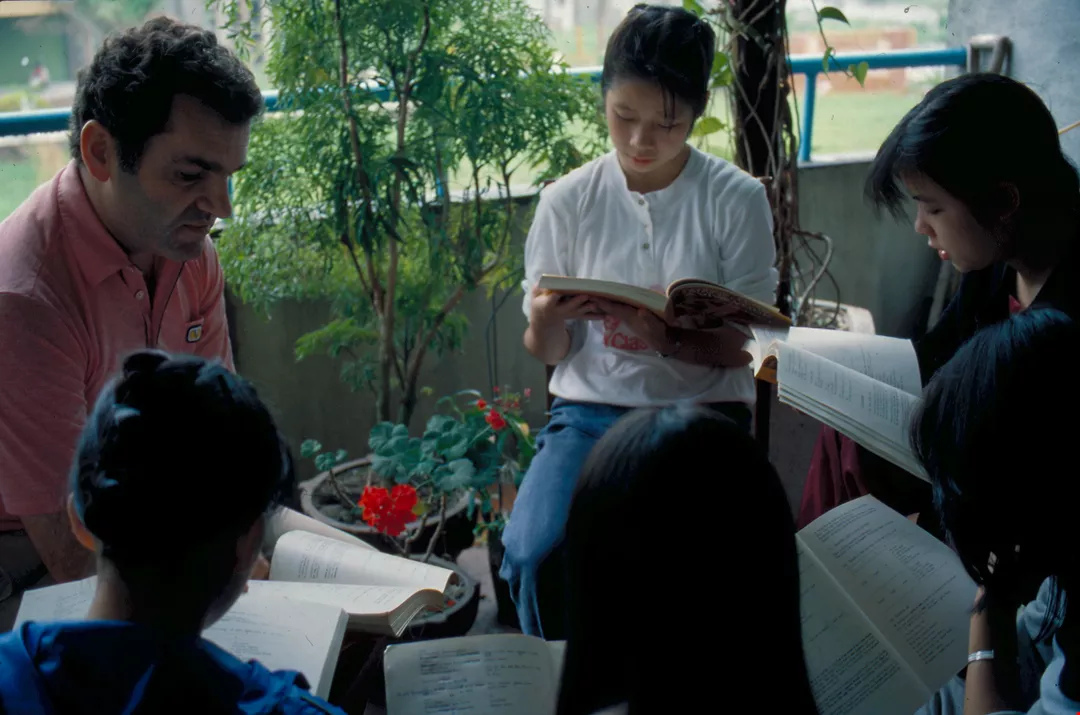
4. Fr. Michelini also teaches older members of the troupe Italian.
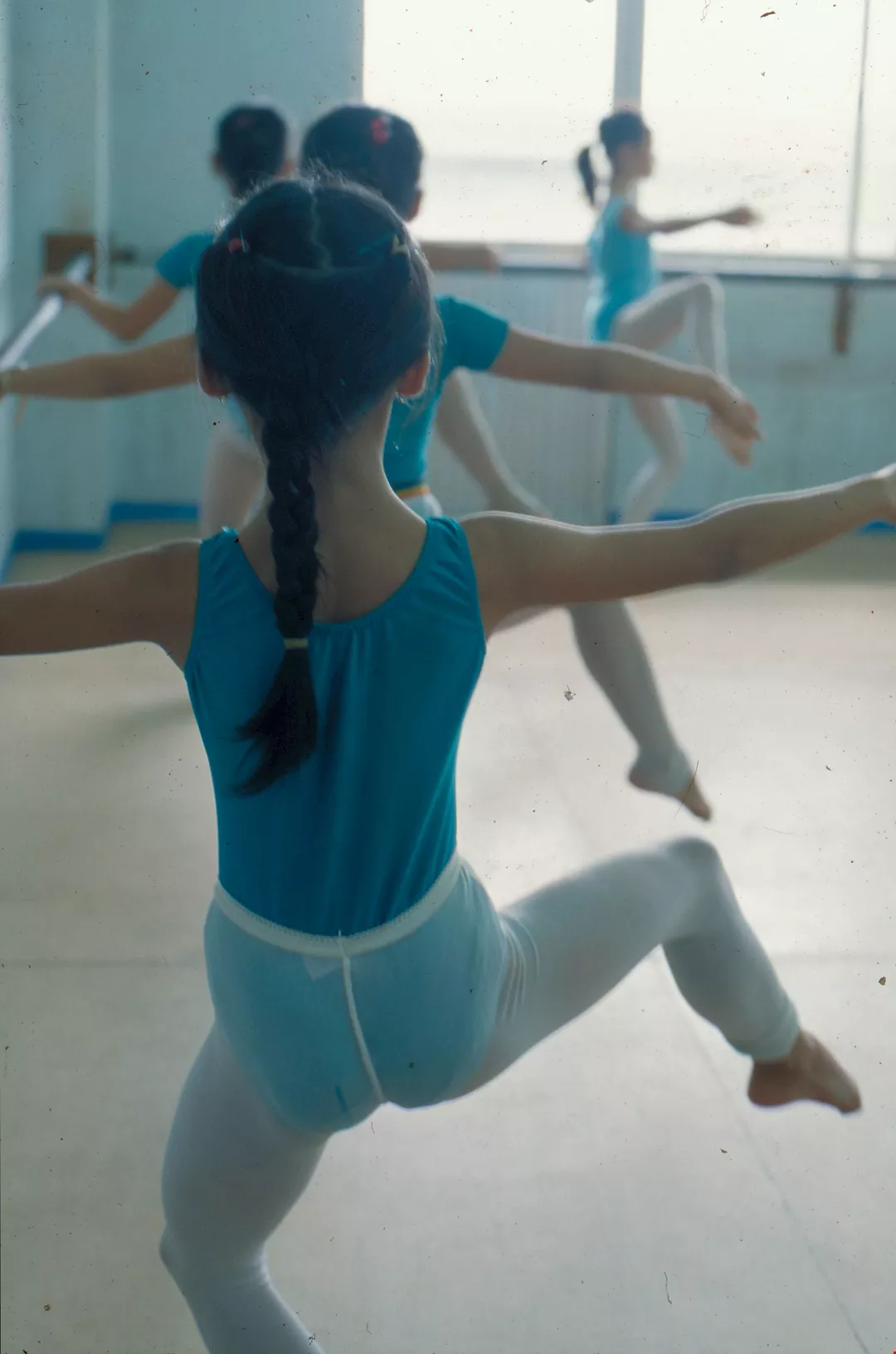
1,5. Studying the basic movements is the first step towards future accomplishments.
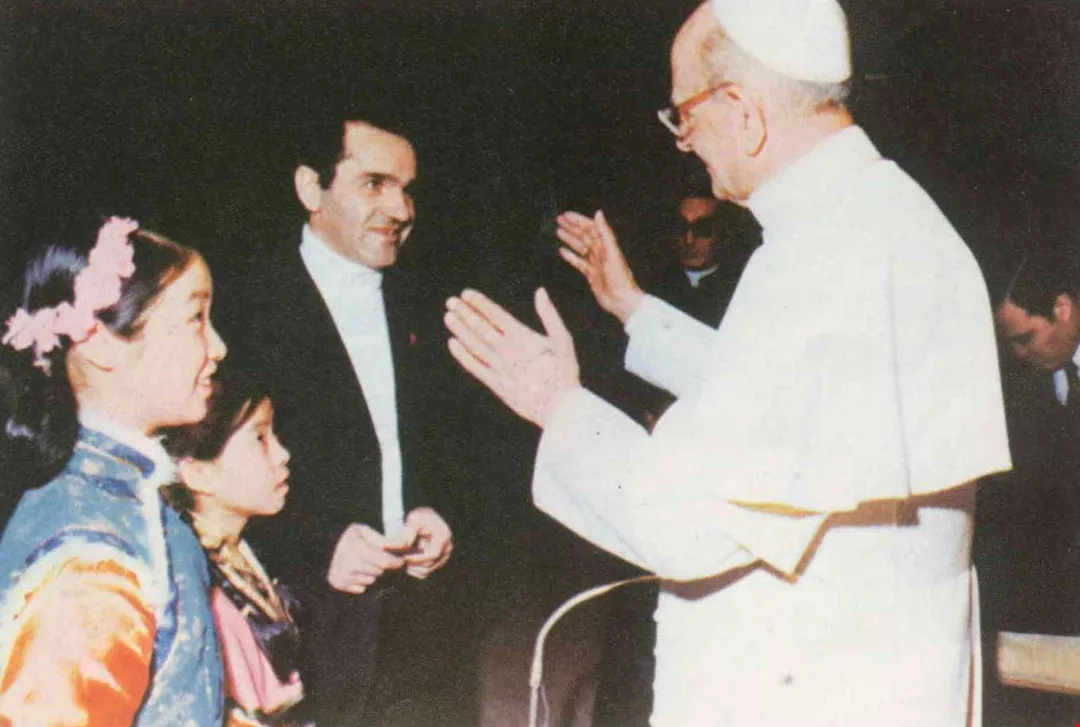
6. Lan-yang dancers with Pope Paul VI in Rome, 1974.
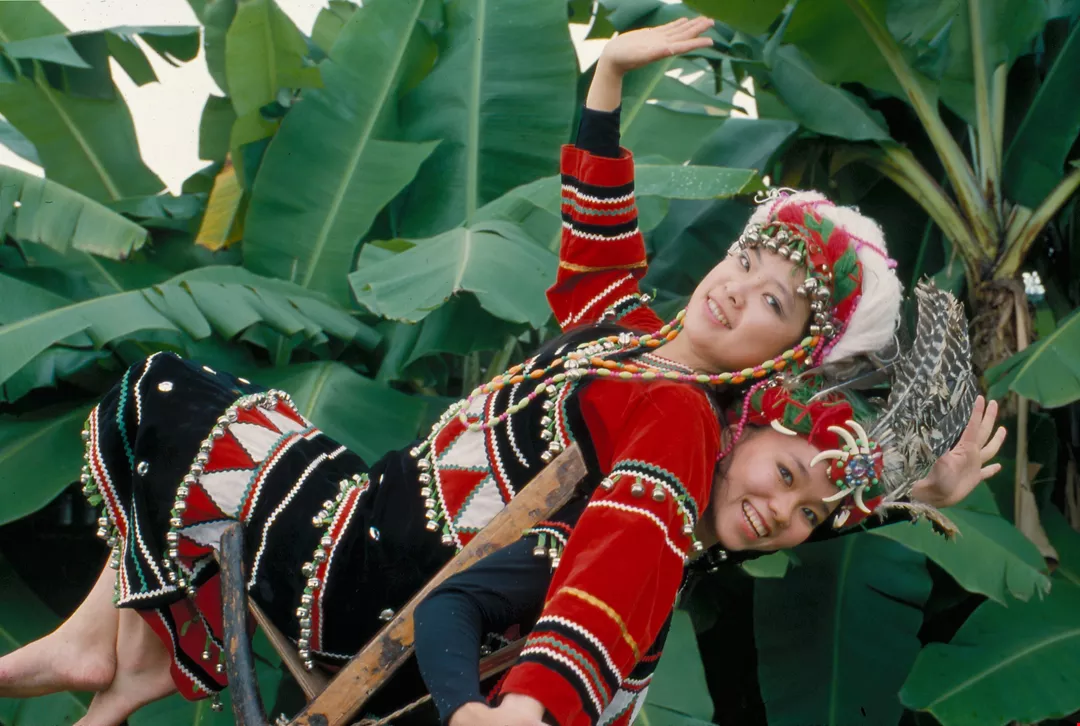
1,2. The Lan-yang Troupe performs dances of many different peoples. Aboriginal dances are filled with local charm and color.
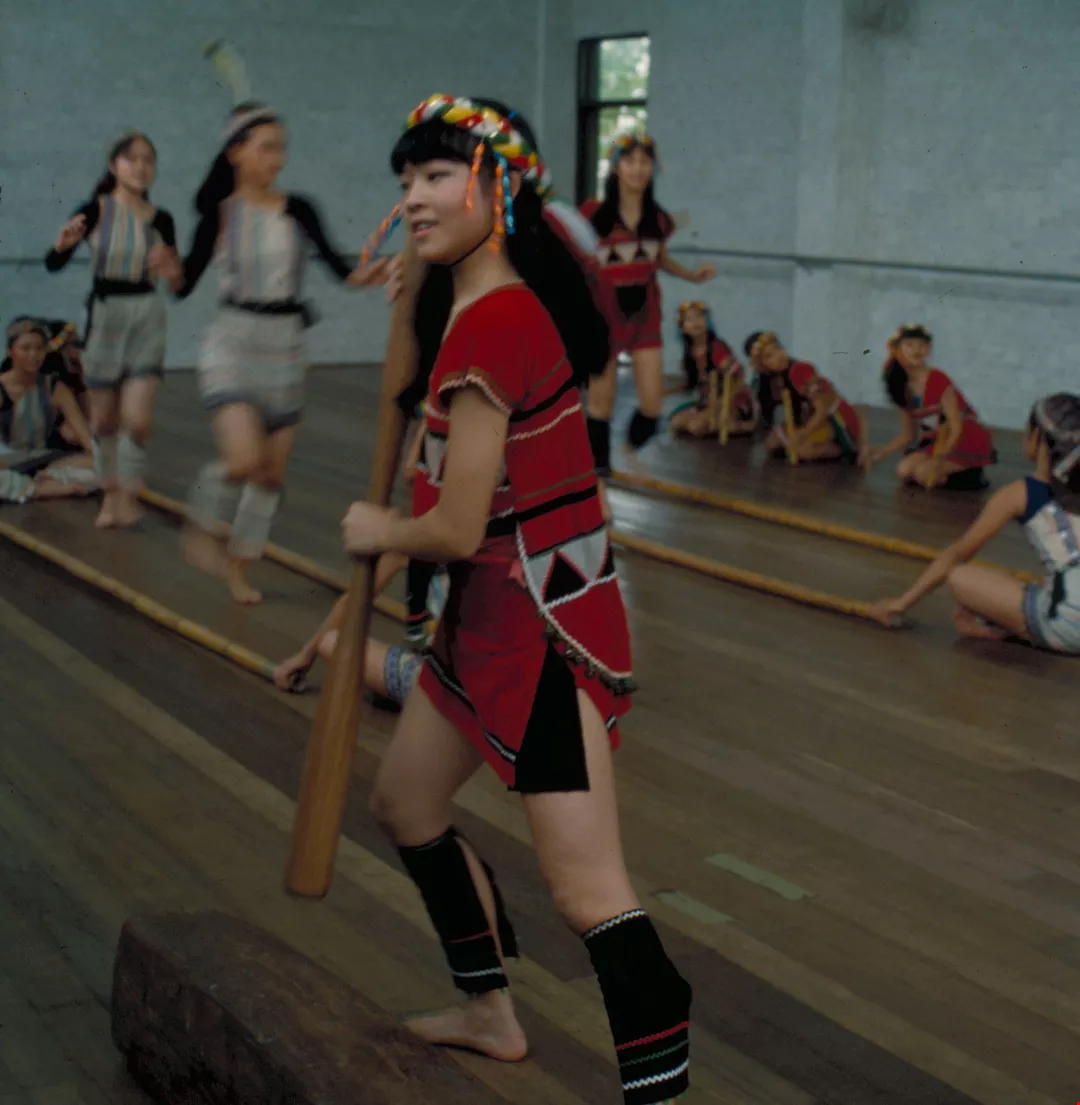
1,2. The Lan-yang Troupe performs dances of many different peoples. Aboriginal dances are filled with local charm and color.
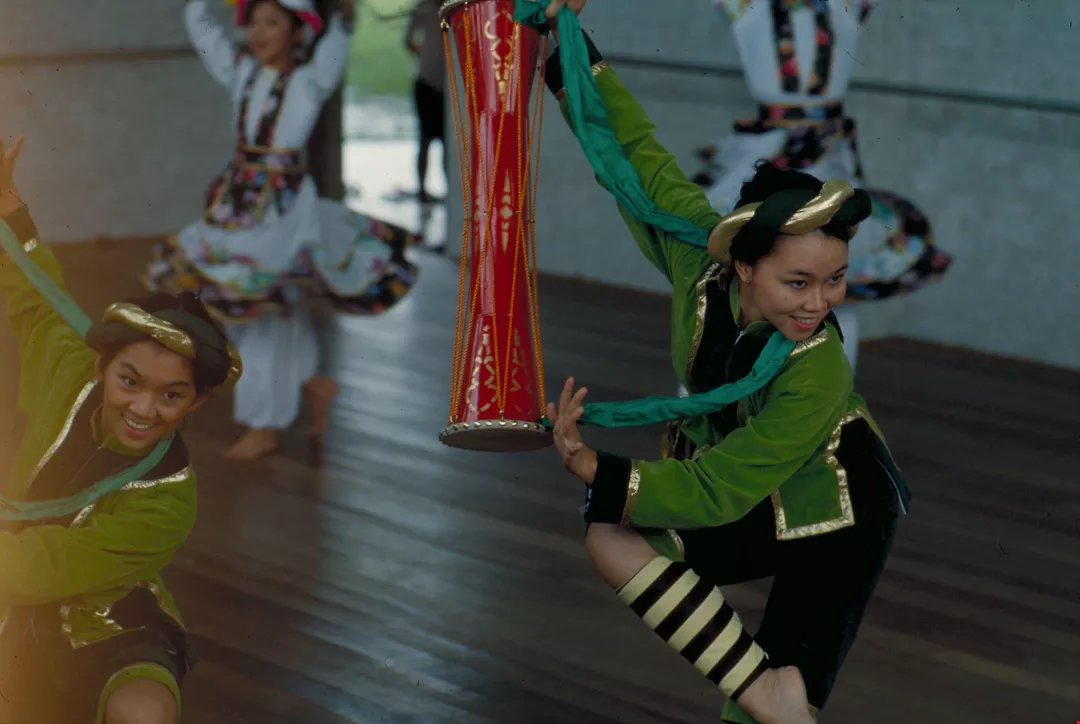
3. Costumes are employed to help present the different qualities of different types of ethnic dances. The turban and drum indicate a dance of the Miao people of southwestern China.
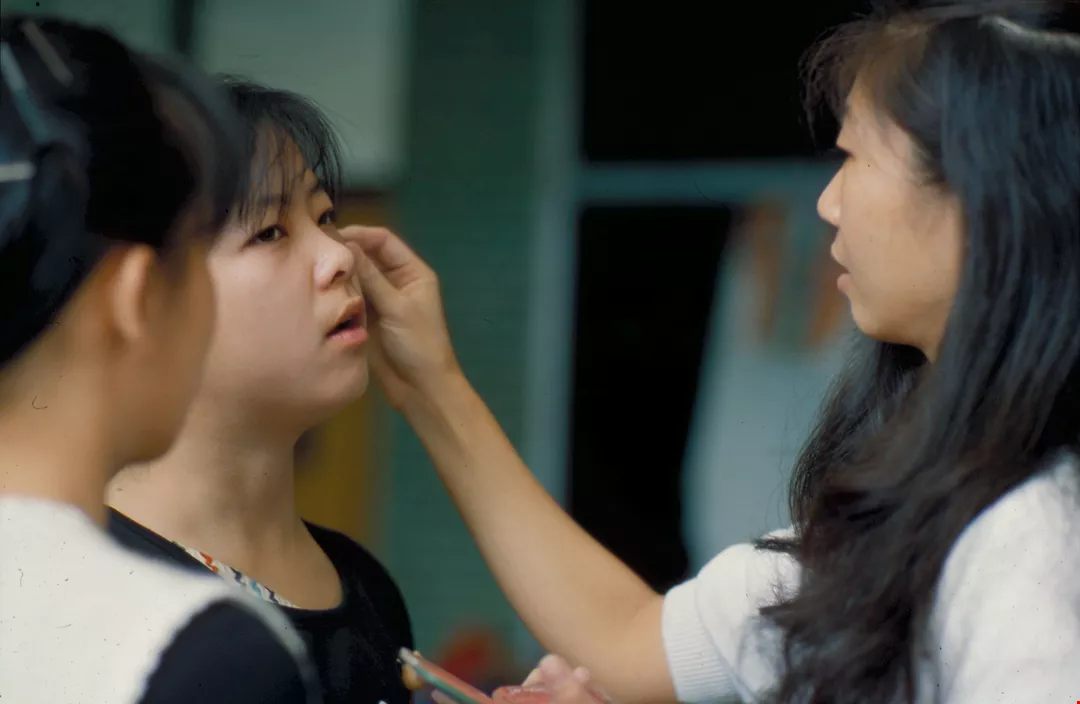
4. A teacher applying make-up for a dancer before a performance.
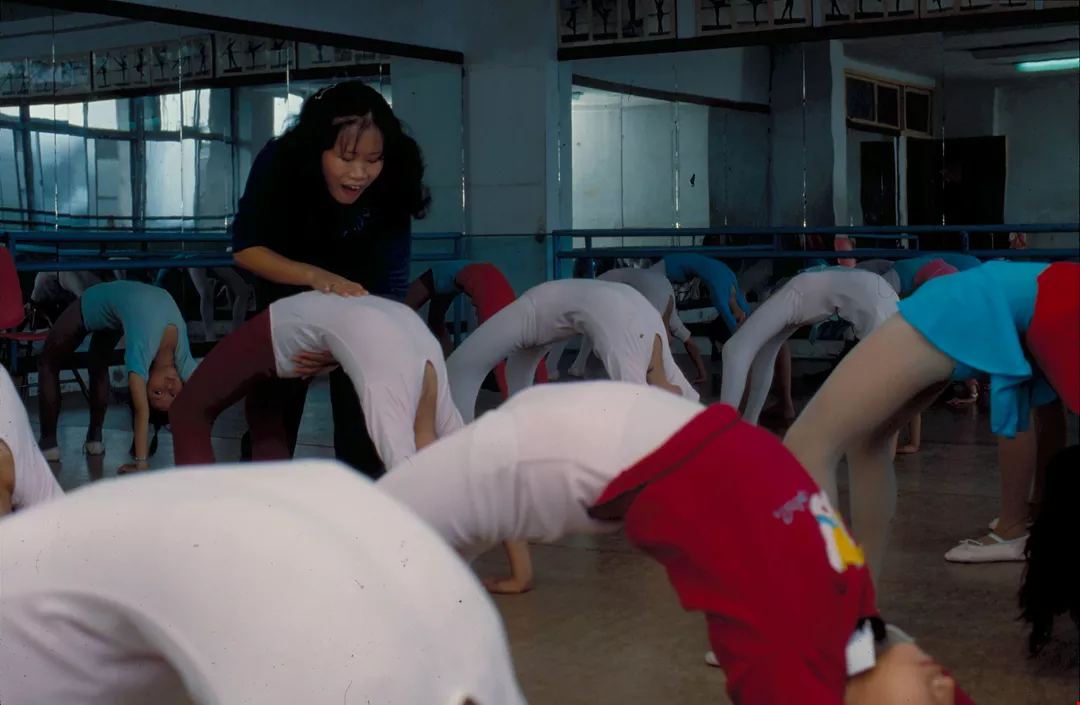
5. A beginners class.
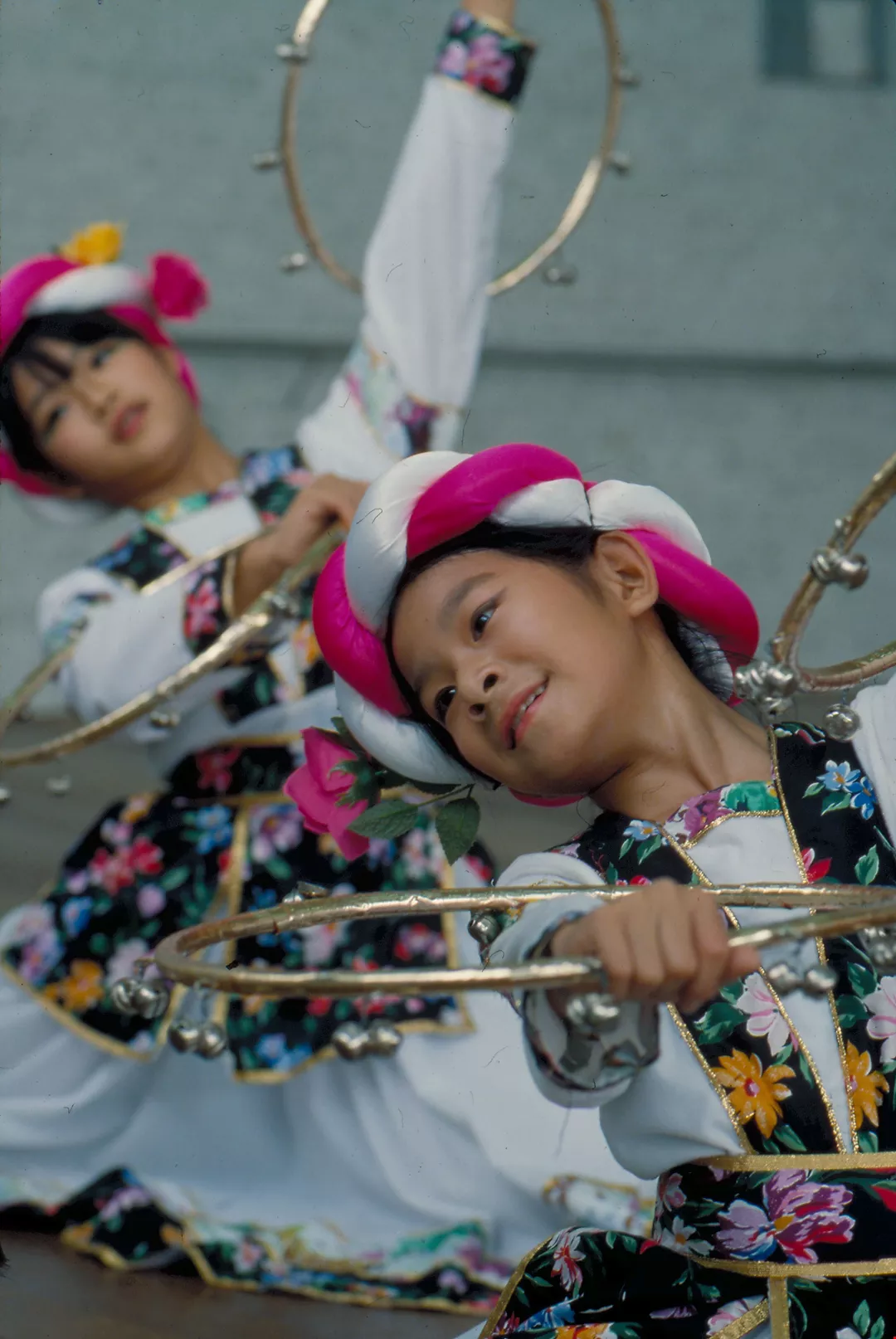
6. An impression of pure innocence.
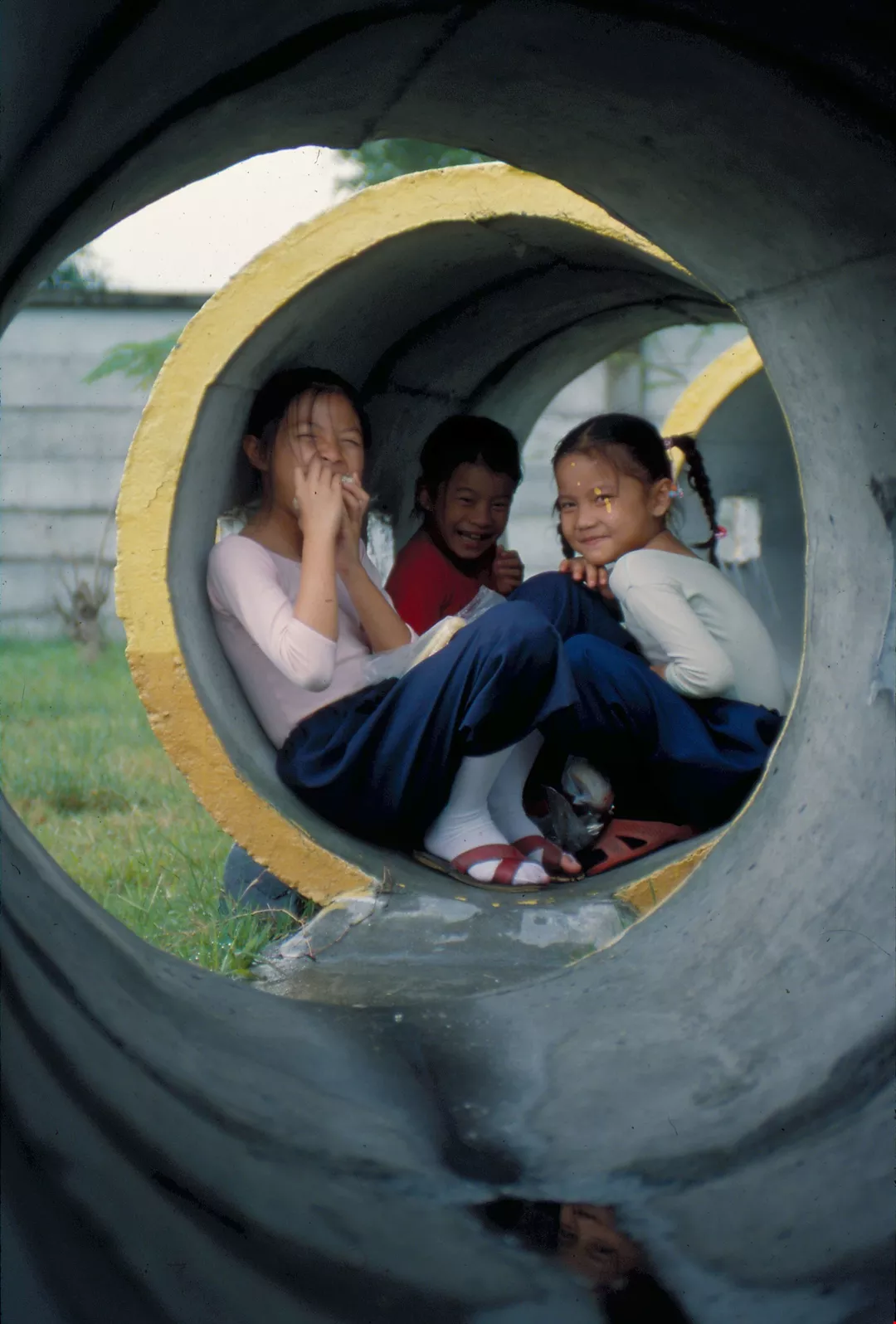
1. There is always time for playing outdoors, and Lan-yang dancers are as lively and fun-loving as other children.
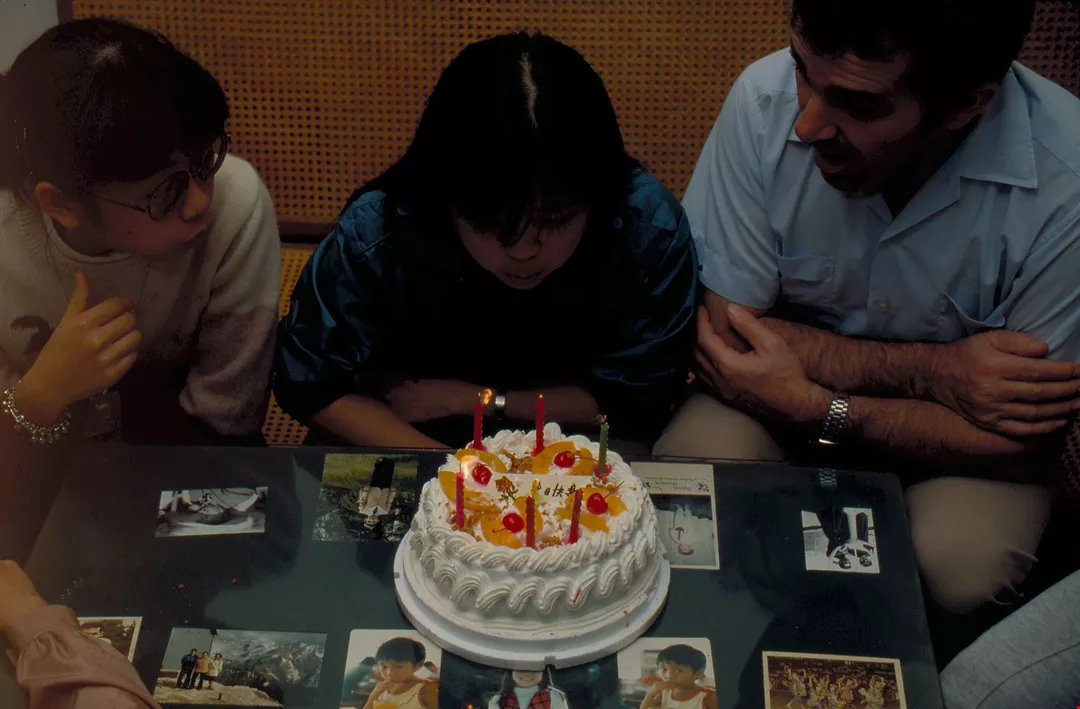
2. On their birthdays, Fr. Michelini sees that the girls receive a cake.
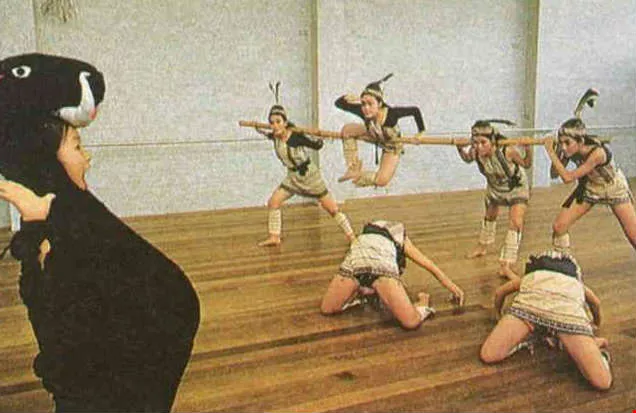
3. An aboriginal dance.
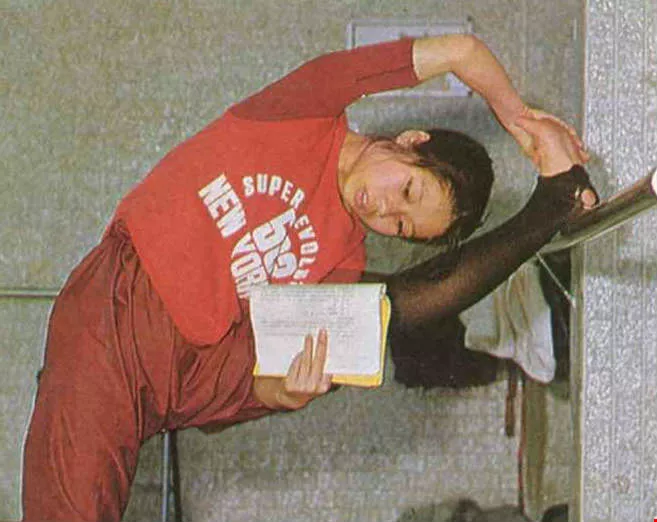
4. Dancers are very time conscious. Here she does her homework while doing her stretching exercises.
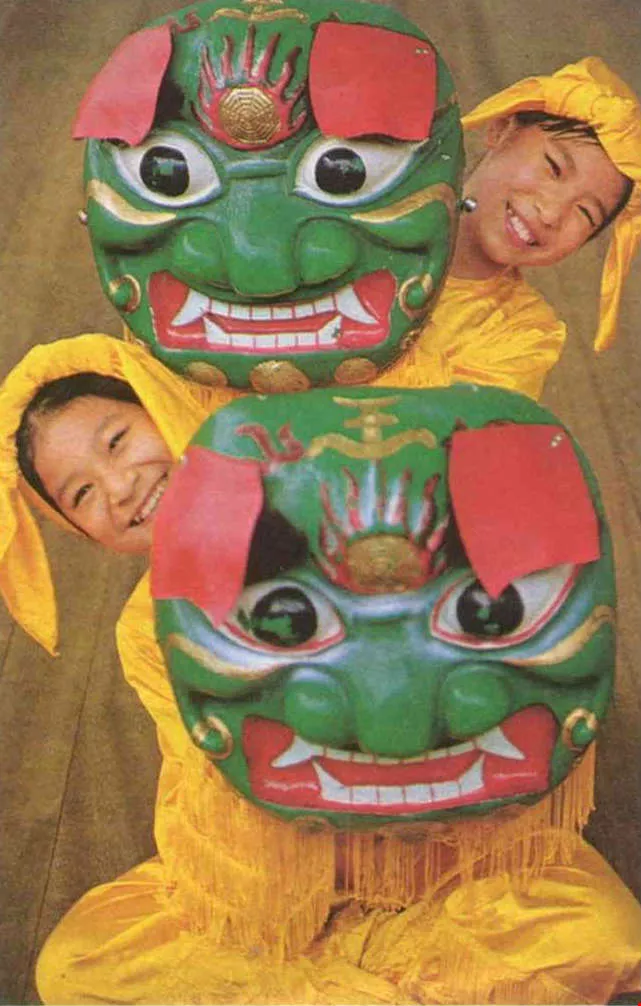
5. Chinese folk dances are the raison d'etre of the Lan-yang Troupe. These Lion Dance masks have a strong Chinese flavor.
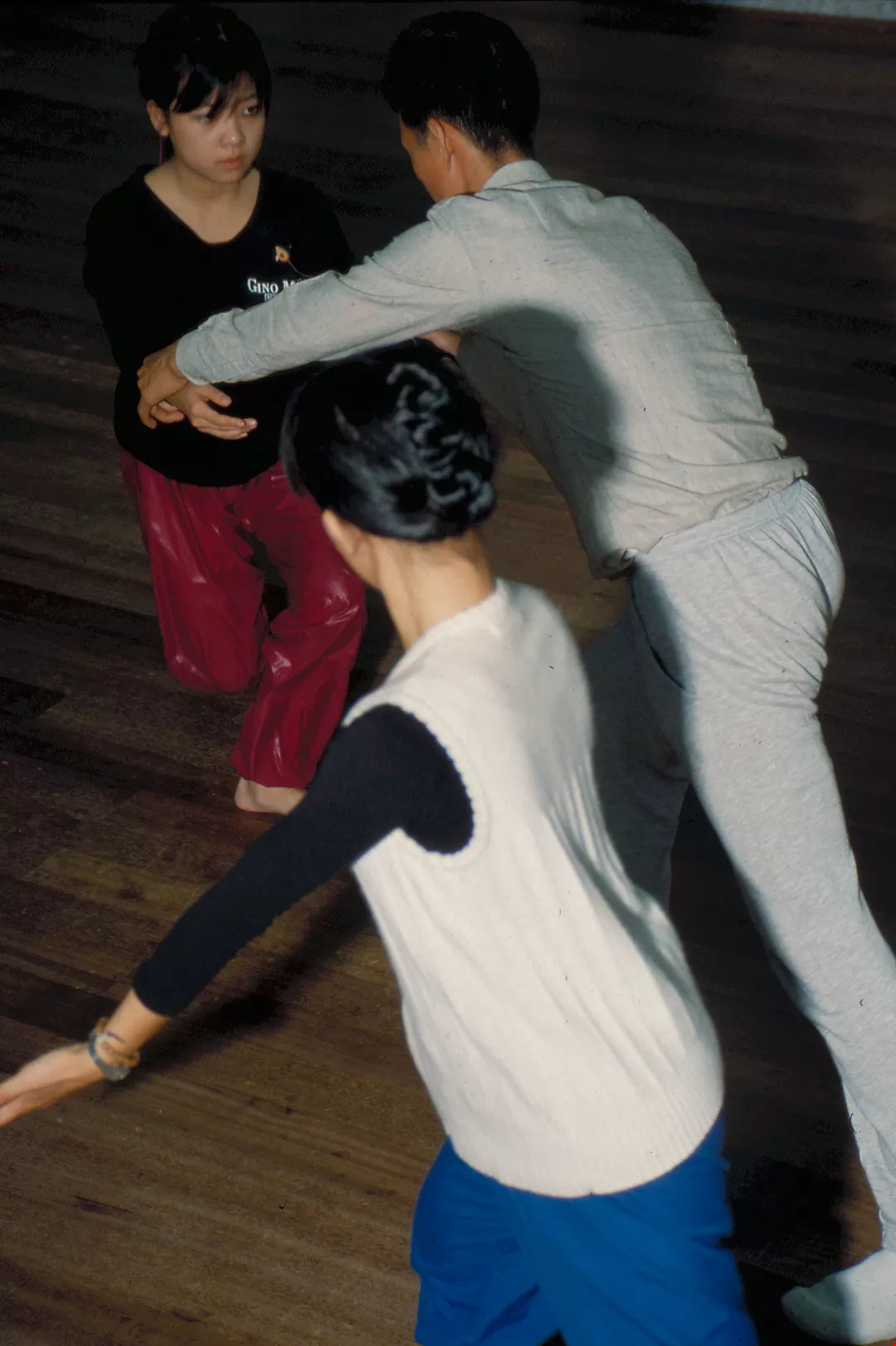
Serious concentration as they learn the steps to a new dance. Movements from the Chinese theater are often incorporated into the dances.

@List.jpg?w=522&h=410&mode=crop&format=webp&quality=80)


