Soldiering On--Literary Veteran Chang To-wu
Su Hui-chao / photos Chuang Kung-ju / tr. by Scott Williams
April 2010
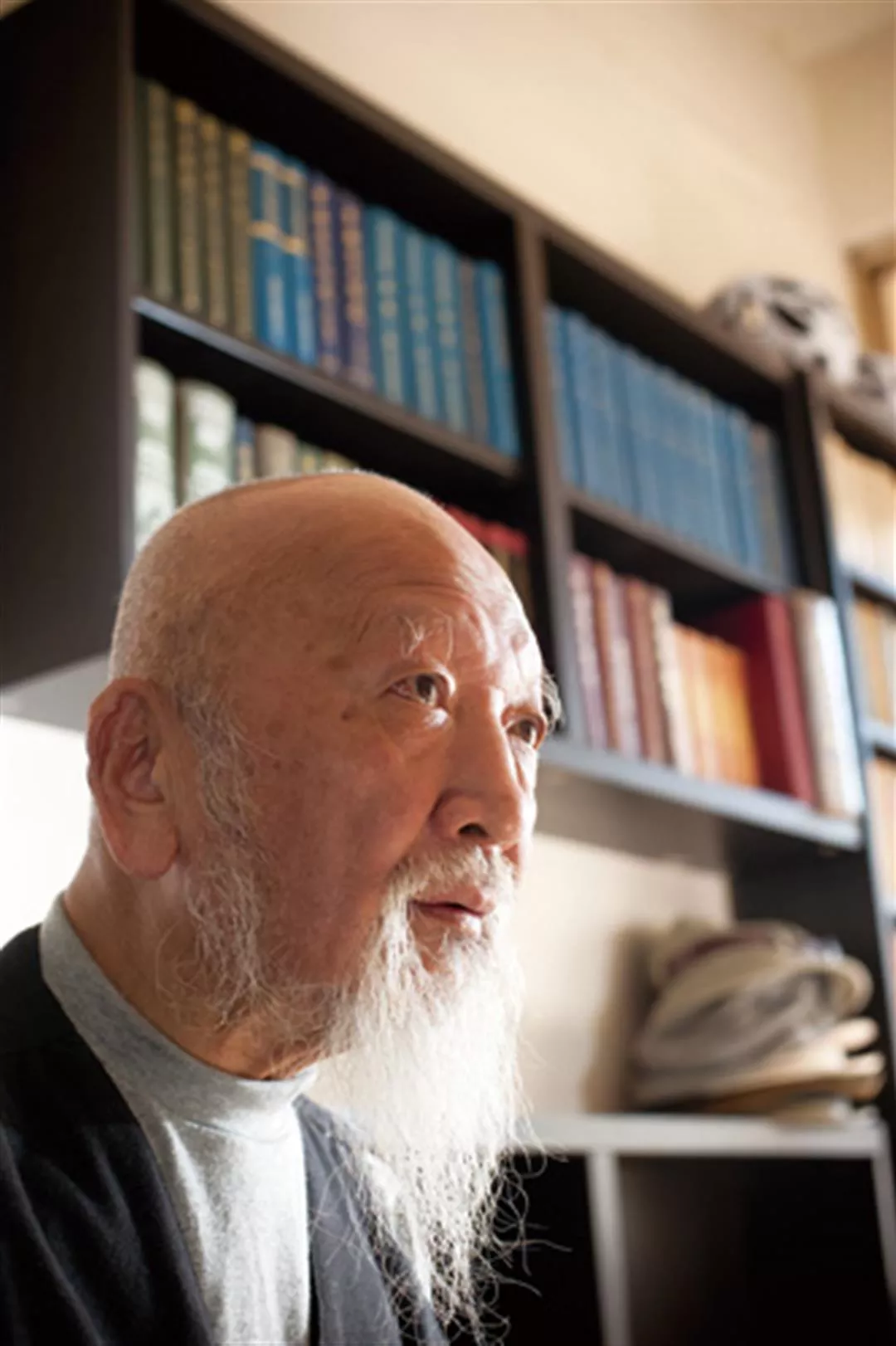
There exists a kind of writer who doesn't depend on tech-nique, but who instead transforms his unique experience directly into language, who translates blood and tears into words to create a very immediate, naturalistic literature.
Chang To-wu is that kind of writer.
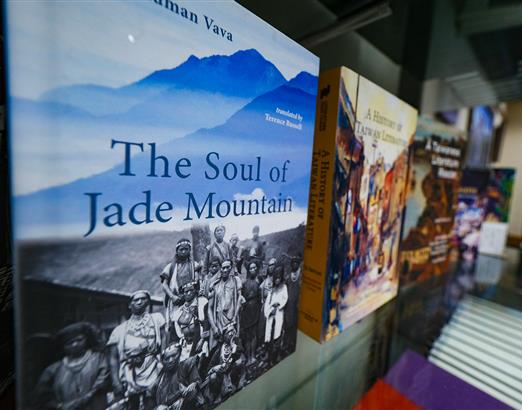
In Big River, Big Sea-Untold Stories of 1949, Lung Ying-tai explored the stories of little people caught up in the turbulent events of 1949. Given the subject matter, it was only natural that she spoke to the author and one-time "substitute horse" Chang To-wu.
Author Chang To-wu was a soldier in the Army's 21st Division, the division that was rushed to Taiwan on the ninth day of the February 28th Incident.... (Big River, Big Sea, p. 224)
Chang To-wu's unit marched to Yancheng in northern Jiangsu Province in the winter of 1946, just after the KMT army wrested it from the hands of the Communists.
Though he knew there'd been a bloody battle, Chang found Yancheng very strange when he entered it in the ice and snow of December-where was the moat? (ibid., p. 259)

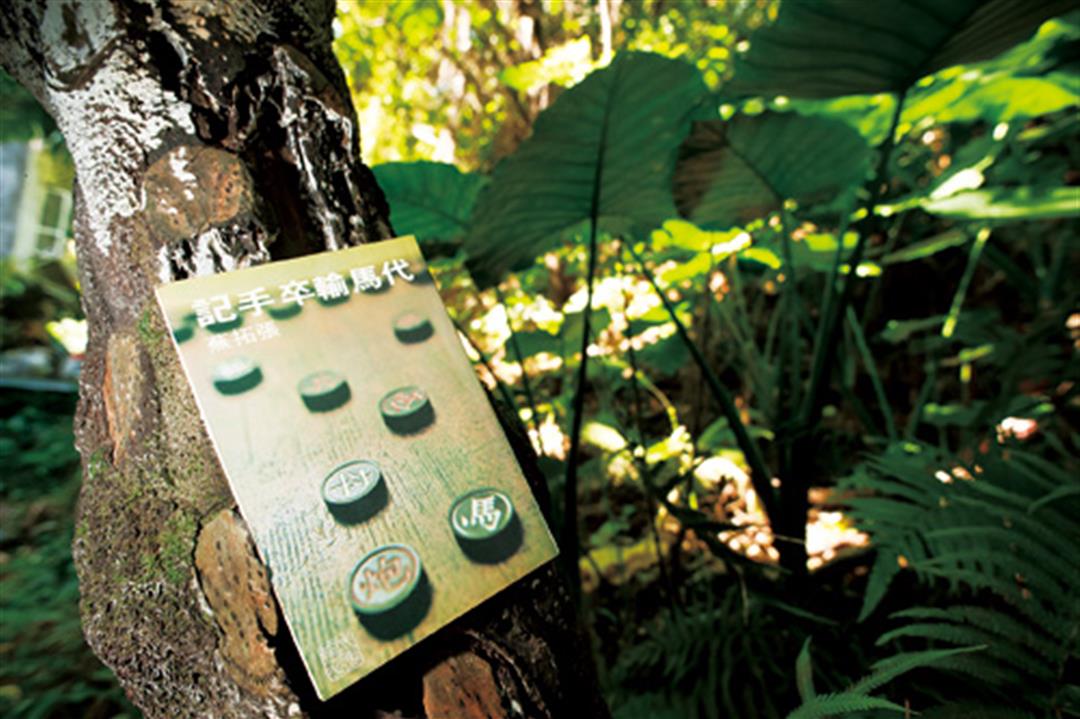
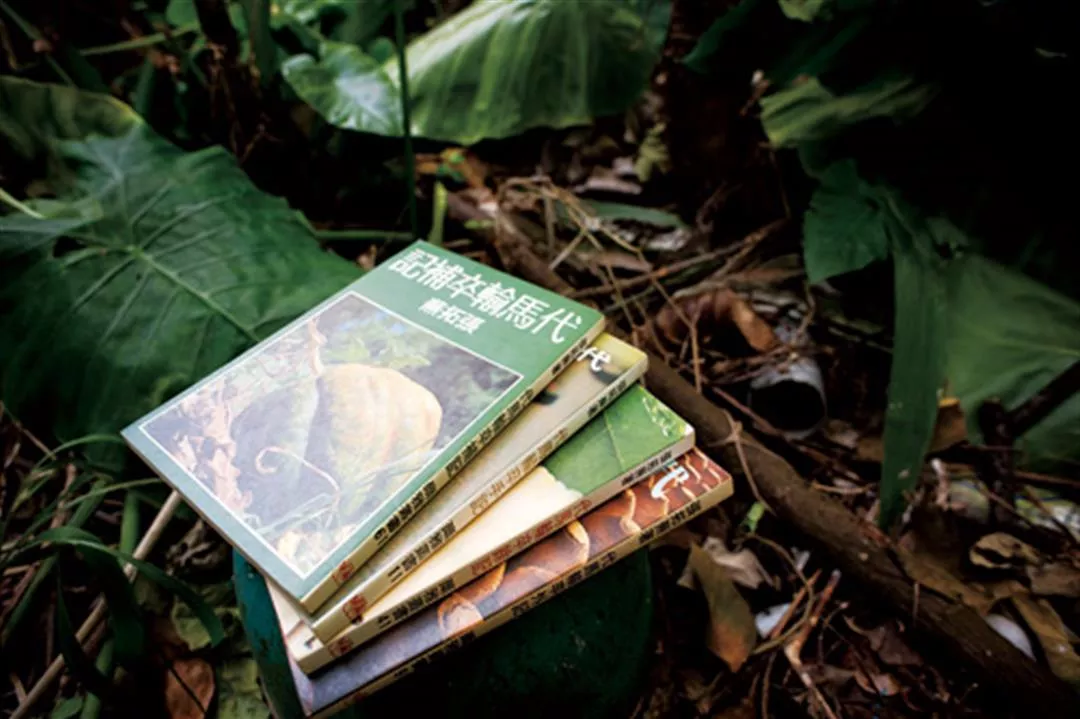
While presenting the unadorned personal experiences of an ordinary soldier in a seemingly far-off era, the books in Chang Tu-wu's "Substitute Horses" series stand as a unique footnote to contemporary Chinese war history.
In 1945, after the defeat of the Japanese, the 21st Division was ordered to Zhenjiang. Nanjing was on the way and the division spent three days putting itself and its gear in order before entering the city. Although they arrived in Nanjing wearing woven grass hats and grass sandals, city residents saw a unit marching proudly in spite of its very basic equipment. Chang was just 17 when his unit passed through Nanjing, and hadn't yet acquired the name "To-wu." In fact, he didn't come to be known as To-wu until after arriving in Taiwan. Taiwan was, unexpectedly, to become his new home, a place where the twists and turns of his fate would play out and he would shed innumerable tears.
The publication of Big River, Big Sea and 2009's surge in interest in the events of 1949 brought Chang back into the public consciousness. Many people in their late middle years recalled having read Horses and Foot Soldiers in middle or high school. The book had been a bestseller and virtual household name in the 1980s. But even more people, especially younger readers, were hearing about the book for the first time. They were more likely to think of Chang as "that 80-year-old man who still blogs on the China Times website."
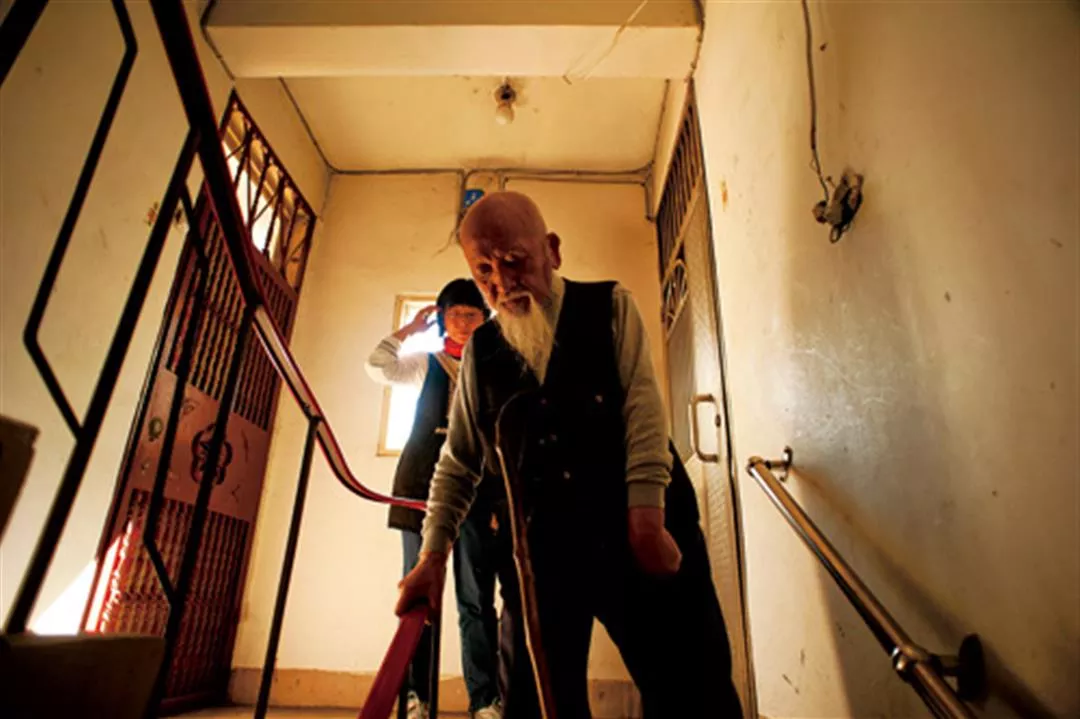
Since suffering a stroke at age 46, Chang has depended upon his right hand both to turn pages and to write. He used to trek back and forth between Xindian and Yonghe, dragging his right leg and supporting himself with a cane. He used the three fingers of his good hand to choose vegetables in the market, and even sold lottery tickets.
In the more than 30 years since his stroke, Chang has gotten old and thin and been largely forgotten by the world. He has no idea how many more meals he'll cook, how many more words he'll write, or how many more miles he'll walk, but his heart still beats powerfully.
"Though I've never been a man of letters, I've still got a lot of stories in my head," he says, his eyes sparkling. "I want to tell each and every one of them."

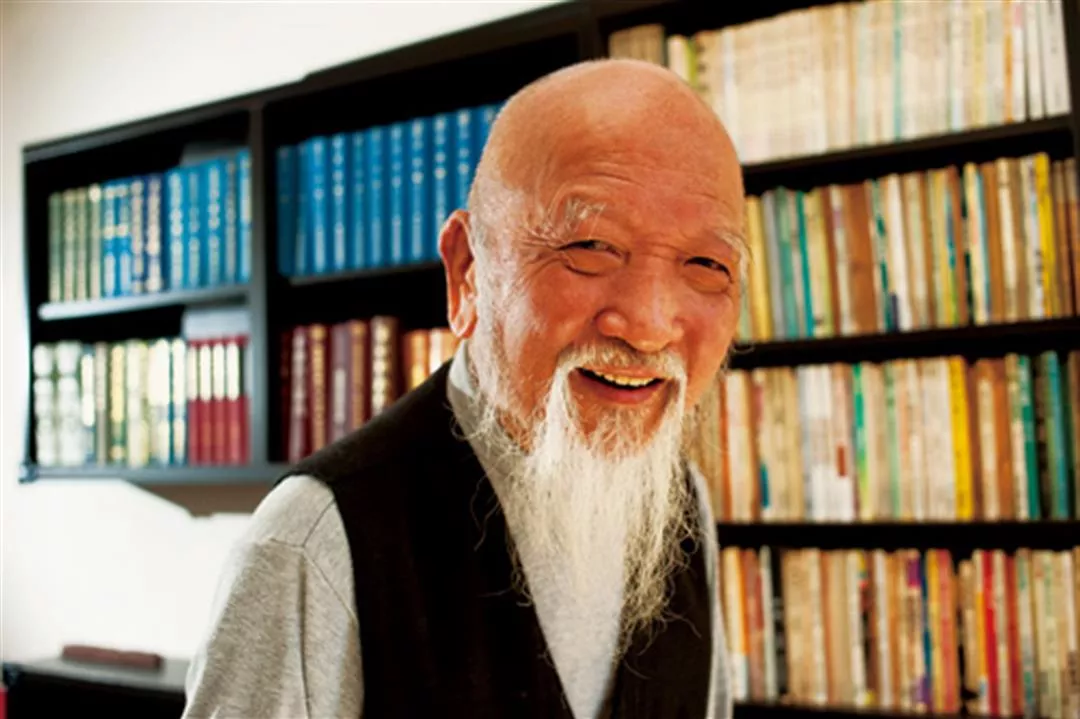
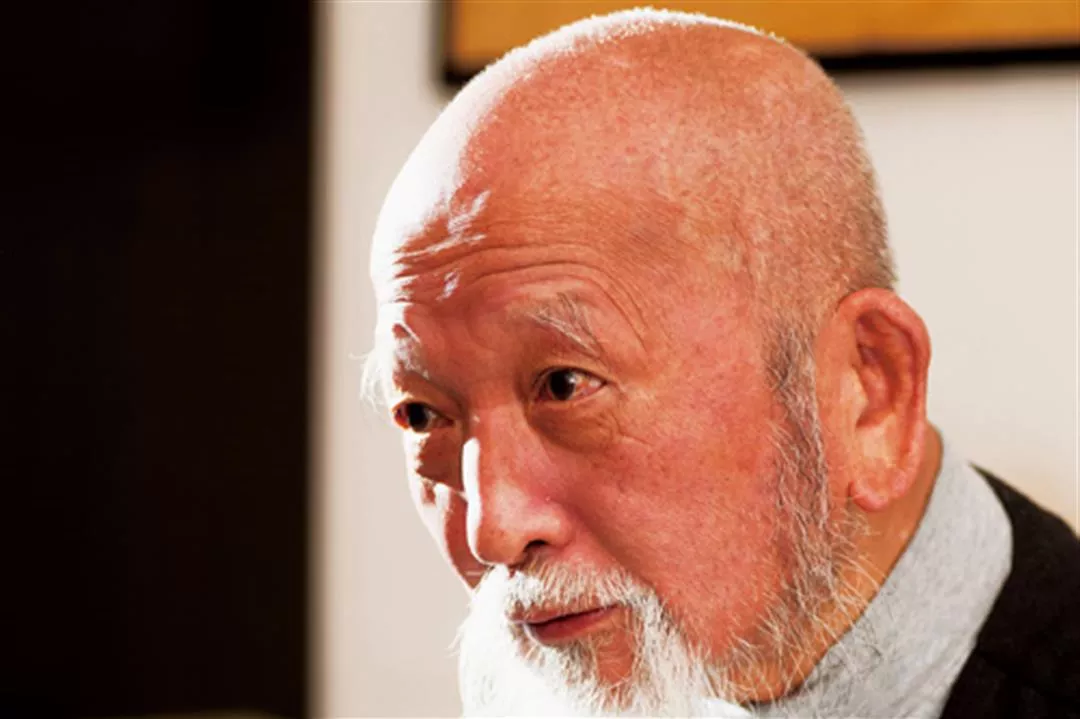
Now a gray-haired senior, Chang To-wu broke new ground in Taiwanese World War II literature with his "substitute horses" series. Chang came to Taiwan as a young soldier in 1948.
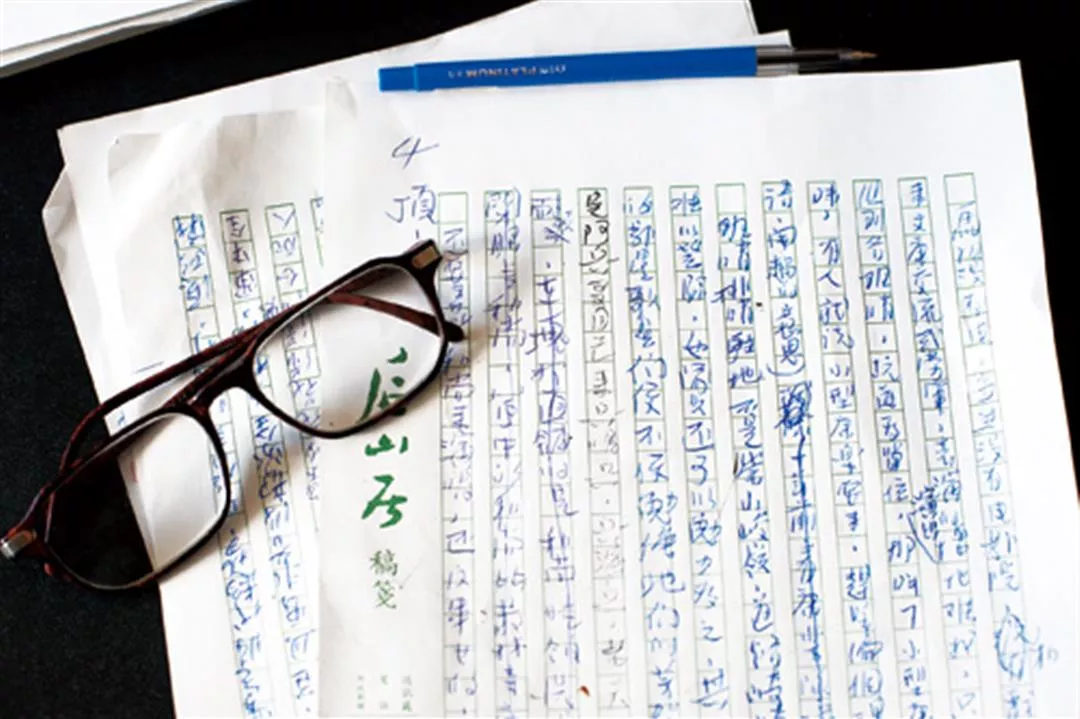
At 9 a.m. one morning in January 2010, I'm on the second floor of a five-story apartment building on Lane 61, Yong'an Street, Xindian. Sunlight is pouring into the building, falling on a stack of manuscript paper sitting on the desk in the living room, highlighting the closely written, almost illegible lines of characters. The sunlight brings a little warmth to this 30-year-old, 900-square-foot apartment on this winter morning.
The building sits near a cliff face in the northern part of Xindian, close to its border with Zhonghe. If prosperity is a bug that has wriggled from the downtown areas of Xindian and Zhonghe out towards their fringes, Yong'an Street would be the bug's tail. Most of the people on the street are just ordinary folk who've been unable to get themselves to a more prosperous area.
The publication of Horses and Foot Soldiers earned Chang the NT$400,000 he needed to buy his apartment and escape the illegal structure in which he'd been living in Beitou. But Chang wasn't born to be an author; he was born to suffer.
"This word 'suffering'... it wasn't until I was older, 40 or so, that I really understood it. In those days, we didn't think about it because most everybody was going through the same kinds of things. You never thought that anything was wrong. Even when we suffered and were tortured black and blue and bleeding, we just picked ourselves up and walked on, licking our wounds and humming a tune. Really. We really didn't think this stuff any big deal. And it wasn't that we were especially strong or unaffected by such events. It was just that we'd been through so much that these kinds of things simply didn't matter." (Zuocan Xianhua-"Ramblings of One Crippled on His Left-Hand Side")

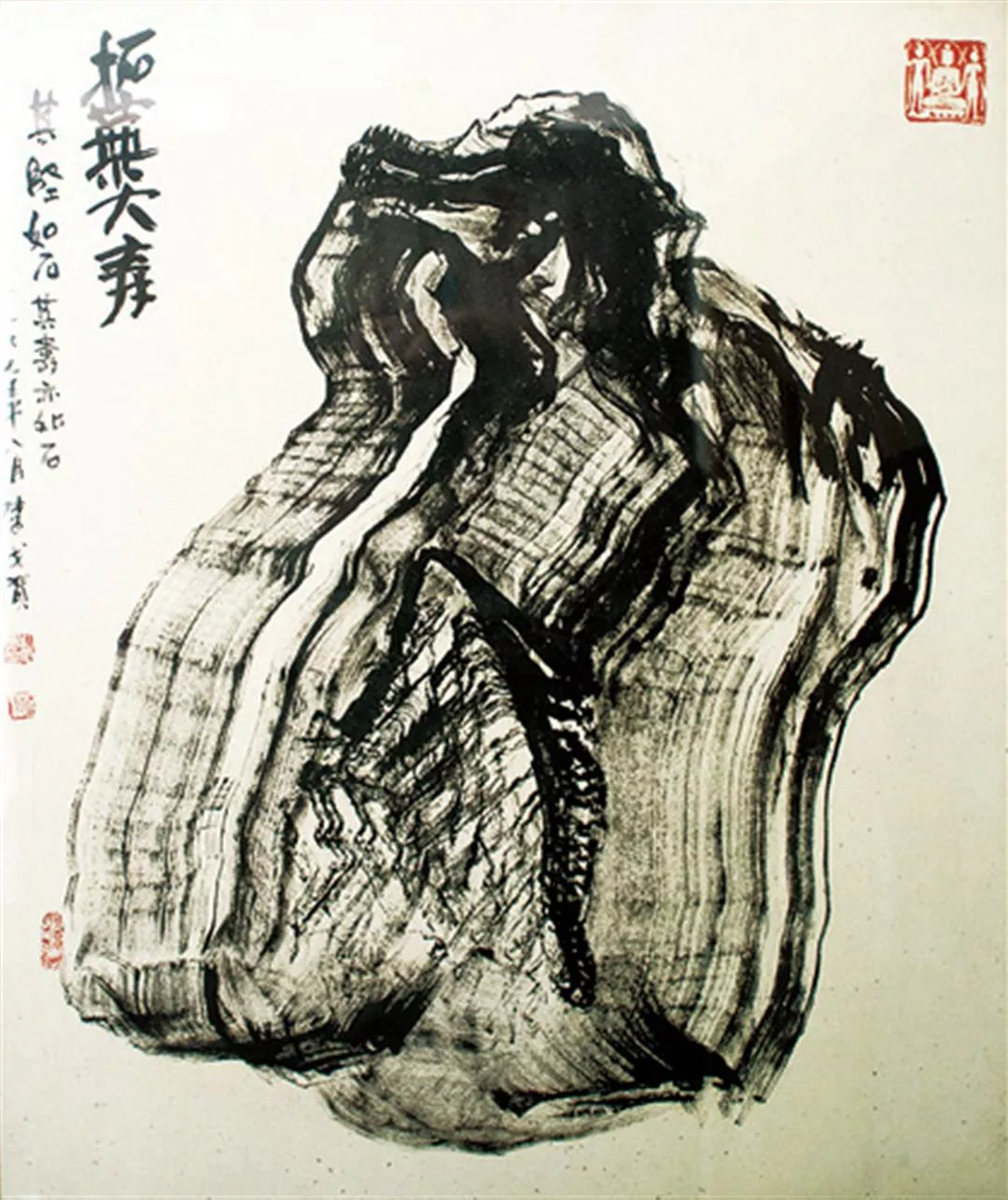
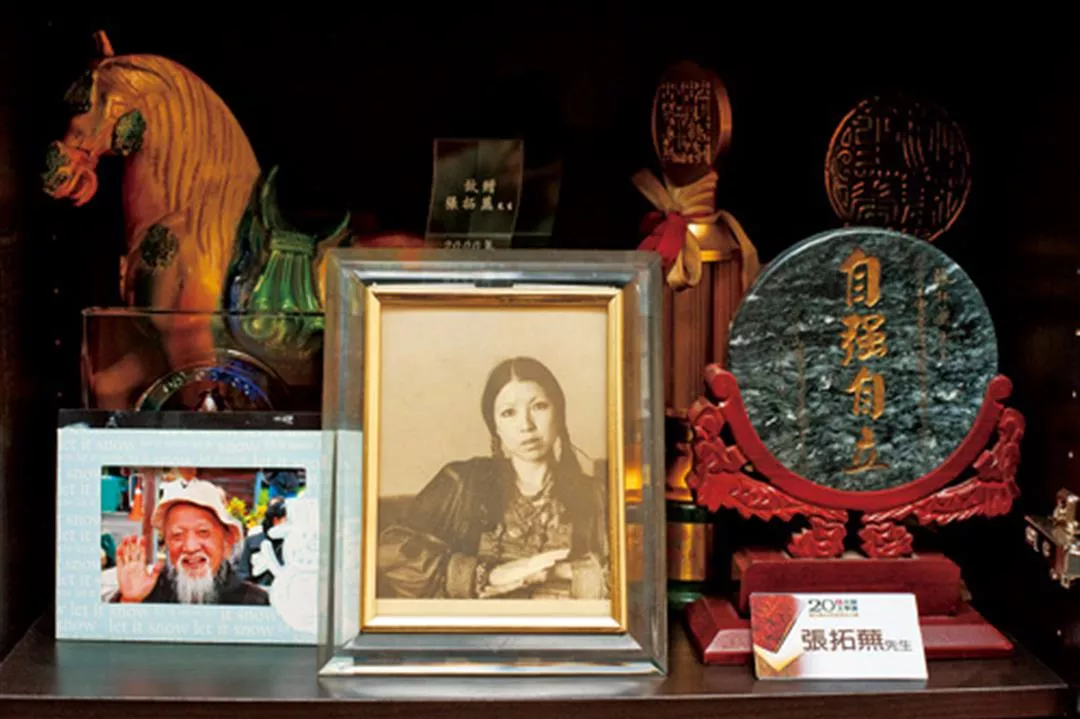
Chang takes great pride in his friends. Their comfort and support have seen him through the difficult times in his long life. (right) An inscription by the poet Yang Lingye. (center) A wash painting by the poet Chu Ko commemorating Chang's birthday. (right) Chang still keeps the memory of his dear friend San Mao near.
Take Chang's childhood, for example.
Chang was born in Houshan Township, Jing County, Anhui Province, in 1928 in a family home on about 10 acres of land. Jing County was a small county with a long history, but its residents were largely illiterate and it had never produced anyone famous. Chang was born Chang Shixiong ("hero of an era"), suggesting that his parents had high hopes for him.
When Chang was six years old, his grandfather, who owned an oil shop, sent him to school to learn to read. Chang was to have only six years of schooling in his entire life. His first textbook was the traditional primer Youxue Qionglin, the lessons of which he still finds useful today.
"Don't lift the pot to stop it boiling; remove some fuel. Don't stand over a deep pool hungering for fish; step back and fashion a net." Sentence by sentence and character by character, he memorized the old adages.
Misfortune struck his family when his mother passed away. Chang acquired a stepmother, but lost his study privileges. Tired of being constantly beaten by his father, Chang ran away from his home and his arranged childhood betrothed. He apprenticed in an oil shop, where he became a child laborer and was abused regularly.
Chang could take deprivation and difficulty but couldn't bear beatings and unreasonable discipline, so he again ran away, this time joining local guerillas fighting the Communists. When they failed to defeat the Communists, he fled again and ended up conscripted into the Central Army because he was literate. But he suffered there, too. On his first day as a soldier, he got belted by a sergeant after bowing instead of saluting.
In the largely illiterate countryside, Chang's literacy determined his fate.
"I think I was just born to love traveling and to hate following orders," says Chang with a sigh.
His love of travel resulted in him running away from home and going AWOL from the military a total of 11 times. But Chang also loved battle and was always hoping to be involved in a large-scale engagement. "The sound of fighting used to make my heart pound!"
How could anyone with his kind of temperament sit still long enough to read and write? Chang never gave it a thought. He was always drifting like the wind, with nary a place to lay his head.

Chang suffered a stroke at the age of 46, but soldiered on, refusing to bow his head to fate.
When the eight-year war with Japan came to an end, Chang was an artilleryman in Zhenjiang. His unit had received 600 horses from the Japanese to transport its cannon, and was preparing to attack the Communists. But the corruption then prevalent at all levels of the military meant there wasn't enough feed for the horses. Within a year, all had starved to death. Without horses to transport the artillery pieces, foot soldiers took their place and came to be known as "substitute horses." Chang made it through alive, never imagining that this absurd experience would form the foundation of his literary career.
In 1947, Chang and the 21st traveled to Taiwan in pursuit of Xie Xuehong, the "chief instigator" of the February 28th Incident. Failing to apprehend her, they returned to the mainland. Chang, meanwhile, secretly decided that he would flee to Taiwan. He planned to get a job as a watchman in a sugar or paper mill and settle down in what he saw as a tropical paradise. He managed to slip back into Taiwan a year later, but, lacking papers, couldn't find work. While he was waiting for a chance to go back to the mainland, circumstances changed-Chiang Kai-shek withdrew his 600,000-man army to Taiwan.
Chang had little choice but to go back to the army, looking for any opening available. He called himself Wang Youcai, then Zhang Zirong. One day, when a special agent asked him what the hell his actual name was, he said his surname was Chang ("Zhang" in Hanyu Pinyin), but he couldn't remember his given name. In any case, "Shixiong" was an uncomfortable reminder of parental aspirations that he'd long wanted to leave behind.
The special agent happened to have a Wang Yunwu dictionary on his desk. Chang didn't know how to use it, but the agent thumbed through it and came across the "To" character. "That's good," he said. "Use this one." Chang added the "wu" himself to reflect his dismal mood. "Chang To-wu" thus came to be in Taiwan, the name bestowed upon him as if by fate.

Chang takes great pride in his friends. Their comfort and support have seen him through the difficult times in his long life. (right) An inscription by the poet Yang Lingye. (center) A wash painting by the poet Chu Ko commemorating Chang's birthday. (right) Chang still keeps the memory of his dear friend San Mao near.
Chang had no idea he could write, but was well aware that he had no future in soldiering. Knowing that feigning illness wouldn't free him of his enlistment and that he had nowhere to desert to, he began studying on his own, working character by character through stories in discarded newspapers he picked up. Military life was filled with slogans and posters, so he practiced reading these as well. He went over them again and again, making a game of rearranging the characters and phrases they used, then reassembling them into a poem he scribbled in a notebook.
When a squad leader responsible for "ideological inspections" read it, he told Chang, "You could submit this for publication." Chang was just a foot soldier and had no idea how to submit something to a publisher, so he let the squad leader handle everything. Soon thereafter, his poem appeared in the "War Stories" section of the Taiwan Xinsheng newspaper. The NT$15 the paper paid for submissions was a good deal more than his NT$12-per-month salary!
Chang had originally planned to use the money to buy the cheapest of the then-fashionable Wearever brand fountain pens, but it ended up being confiscated by the army. His monetary setback aside, Chang had at last come to appreciate the saying that "the quest for knowledge is a thirst."
He bought complete editions of the Tang and Song-dynasty poems on a payment plan to improve his writing skills, and also began devouring "linked chapter" novels. The books introduced him to so many unfamiliar words that he was obliged to read with a dictionary by his side. He then persuaded a friend to pay NT$18 to register for a course with the Chinese Literary Arts Correspondence School. "My friend paid for it, but I studied the materials and did the work," recalls Chang. He was at last swimming in the vast seas of literature.
Chang piled up poems during his time in the military and in 1962 published a collection entitled A May Hunt. He also placed second in the short poetry category in the very first Armed Forces Golden Statues Awards for Literature and Arts contest, and had poems included in Collected Poetry of the 1970s (Ta-yeh Booksellers) and A Collection of Contemporary Chinese Poetry, published by the Epoch Poetry Club.
When Cheng Chou-yu read Chang's poems, he commented on Chang's adroitness at creating images and putting words together. Chang, on the other hand, felt that while reading poetry was his greatest pleasure in life, he himself had no talent for writing it. Being honored as a "poet" left a bitter taste in his mouth.
"In those days," he recalls, "you had Luo Fu, Ya Xian, Xiang Ming and me. We got started together and were at about the same level, but when we hit a certain point, they kept moving onwards, while I just marched in place."
Though Chang himself stopped writing poetry without a second thought, Luo Fu turned Chang's uncertainty about whether his childhood betrothed had lived or died into the famous "Mailing Shoes":
Separated by 1,000 rugged miles / I mail you a pair of cloth shoes. / A single / letter without words / containing 40 years of conversation. / Things I want say to but cannot / simply sewn / sentence by sentence / into the soles.
I've kept this conversation inside for so long / a few phrases beside the well / a few in the kitchen / a few under the pillow / a few in the flickering light of the midnight lamp....
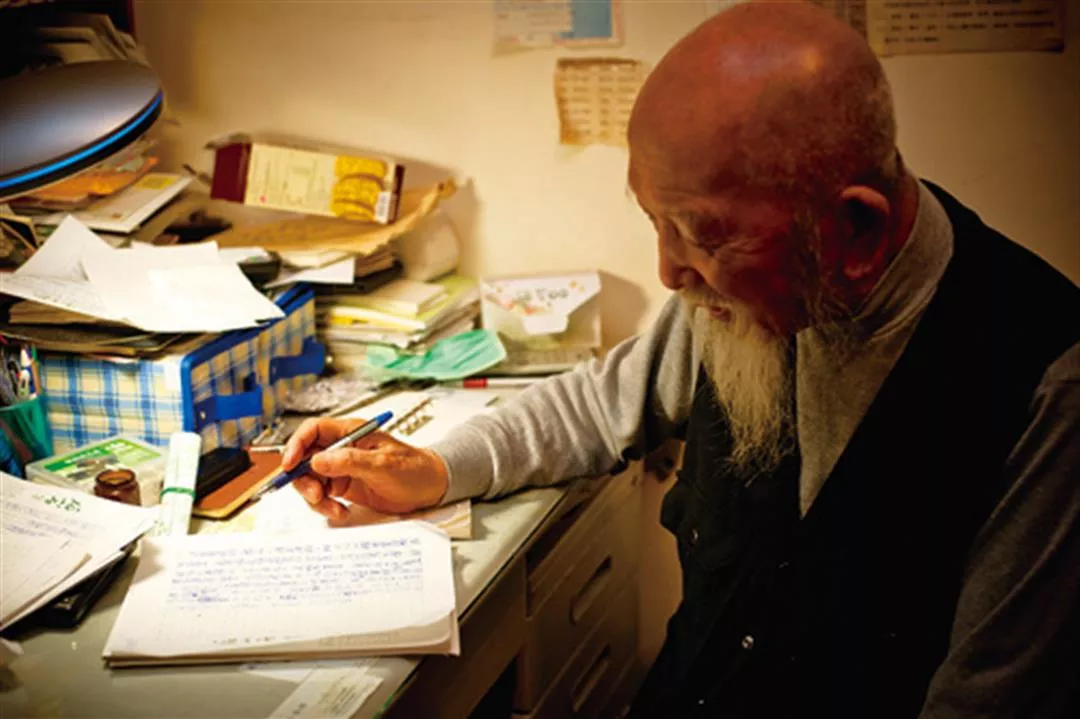
Chang doesn't get computers, and instead writes his stories stroke by stroke on sheets of manuscript paper. Chang's lady friend "Fan" then posts the stories online, where they are creating a stir among young people.

But you can't turn back the clock.
The best and worst moments in Chang's life came in 1974 when he was 46 years old.
In that year, he was discharged from the military, became a father, and had a stroke that left him unconscious in Veterans General Hospital for 11 days. When he came to, his left arm and leg were paralyzed and his wife had left him. Unable to care for his child on his own, he had no choice but to give him to Hua Hsing Children's Home, where the boy remained until he finished middle school.
The boy's mother would die while giving birth to another child, one that wasn't Chang's. Though they had already divorced, Chang arranged for a grave. "I did it because of my own regrets. My father had starved to death. My mother's grave was washed away in a flood. When I wanted to pay my respects to my parents, I had nowhere to do so."
Regardless of what had happened between him and his wife, he wanted to ensure his son would be able to pay his respects to his mother.
All of the fights, the coldness, the hostility came to an end with the phone call at 3:50 a.m. announcing her death. Dead, dead, everything wiped out at one stroke! It's just that, glancing around the room, bleak thoughts still rise at times to the surface.... (Zuocan Xianhua)
The events of the year left Chang a different person. No longer a free-spirited wanderer, he locked himself up in his humble abode with no money and now no family. Deng Wenlai, a good friend from the Army, was the first to encourage him on his road to recovery: "Write. Write anything. Write whatever you want. Just don't whine and don't complain about the government." In those days, Deng worked for the Huaxin Center for Literature and the Arts and edited the Chunghwa Literary Journal.

Now a gray-haired senior, Chang To-wu broke new ground in Taiwanese World War II literature with his "substitute horses" series. Chang came to Taiwan as a young soldier in 1948.
The memory of being a "substitute horse" had never left Chang. Though many soldiers became writers, very few of these had, with their comrades, unearthed 3,000 corpses buried in the moat outside Yancheng or actually fought in battle. And none other than Chang had ever been a "substitute horse."
Start with this! Chang leaned forward and used his shaking right hand to put down his first word. Once the floodgates of memory opened, all the myriad details came rushing back like they had just happened yesterday.
"I don't have any talent; I just plug away at it, writing for my meals," says Chang, who set his relentless determination to work on yet another battlefield, that of the written word.
It led to his "Substitute Horses" column. Then, in 1975, a publisher collected a bit more than a year's worth of his columns and published them as Horses and Foot Soldiers. The book's release made the 48-year-old Chang the new guy on the literary scene.
We couldn't shoot at them unless they shot first-because the rural communists didn't wear uniforms. They wore what everyone else in the countryside wore. We feared that if we shot first, we might injure civilians and felt we couldn't take that risk.
Everybody got a little impatient creeping through the reeds. We were like an old widow anxious for her grandchild to be born, waiting in vain for that first shout while the baby dawdles, unwilling to come out into the air.
The sun inched a little west. Nothing stirred in the village. Some guys had to pee so badly they ended up wetting their pants. There was nothing they could do about it. Our unit was the furthest forward; we had to stick it out. (Horses and Foot Soldiers)

Now a gray-haired senior, Chang To-wu broke new ground in Taiwanese World War II literature with his "substitute horses" series. Chang came to Taiwan as a young soldier in 1948.
Deng was Chang's first benefactor. San Mao was another.
The response to the publication of Horses and Foot Soldiers was fairly subdued. Then one day Chang heard someone say that someone named "San Mao" had written a piece praising it in the United Daily News literary supplement.
"[The book contains] an ordinary person's frank depiction of real life events. There's no anger in his pieces, nor any bias. Some are honestly and warmly tranquil and serene. He uses his pen to record eyewitness accounts of the times, depicting a world no one has written of before."
Curious about the piece, Chang called the United Daily News to make inquiries, only then learning that San Mao was a woman, lived in Spain, and was Taiwan's hottest author as well as its top writer of "drifting literature."
"So we both love travel!" thought Chang.
From a marketing standpoint, San Mao's piece was great advertising for Horses and Foot Soldiers. But, those days being what they were, it was driven by honest admiration for the work. Chang and San Mao didn't know one another. She had simply wanted to write about how "Substitute Horses" had moved her, and hadn't expected to ignite sales.
In any case, Horses and Foot Soldiers began selling like hot cakes. Ultimately, four sequels followed. Together, these works constitute Chang's five volumes of "Substitute Horses." Various editions of the books have featured praise-filled introductions and recommendations of his work written by the likes of Sima Zhongyuan, Chu Ko, Liang Hsuan, Chang Hsi-kuo, Chang Mo, Hsiao Hsiao, and even Chinese literary giant He Qifang.

Chang takes great pride in his friends. Their comfort and support have seen him through the difficult times in his long life. (right) An inscription by the poet Yang Lingye. (center) A wash painting by the poet Chu Ko commemorating Chang's birthday. (right) Chang still keeps the memory of his dear friend San Mao near.
Chang and San Mao started corresponding, then grew to be close friends. San Mao's first wash painting still hangs on a wall in Chang's home. Both the painting and the wall have grown old. "But I'd never sell it, no matter what," says Chang, his voice husky.
When San Mao committed suicide in 1991, Chang cried his eyes out and her parents found a paragraph in her suicide note charging them to "take care of To-wu for me...."
In fact, the big fridge in Chang's apartment was a gift from her parents.
Chang, San Mao and Hsing Lin-tzu were the "iron triangle" of Taiwanese letters in the 1980s. All had suffered their own pains, and all had gone on to write their own legends. Chang pays his respects at the graves of the other two every year, chatting with them to keep them up to date on the latest goings on.
Chang takes great pride in his success in making friends. "None of my friends has ever treated me badly," he says. Chang's friendship with poet Chou Meng-tieh is renowned in Taiwan's literary circles. Chang and Chou get together every year for birthdays, with Chang cooking a meal for the two of them in his apartment. Over the years, it's become something of a ritual each uses to assure himself that the other is still alive. When Chou was admitted to an intensive care unit early this year, Chang naturally went to visit. "He was OK. When he shook my hand, his was still as warm and strong as ever."

Old soldiers never die, they just fade away. Chang continues to write, seeking to leave an eyewitness account of himself and his times.
As the sun inches westward, the room gradually darkens. A constant stream of mosquitoes flies in from the mountain behind us, drawn to the warmth of the room. Clearly, there's a hole in one of the screens.
Chang polishes off the tea in the pot, then says that while the mosquitoes don't bother him, it did upset him when the neighbors chopped down the pomelo tree he planted behind their building 30 years ago. That tree had witnessed his transition from wandering to settling down to reaching old age. He had thought by then that he was able to let everything go, but the sudden loss of the tree made him realize there were still things that could bother him.
Why has Heaven kept him alive? Chang has thought long and hard for a reason. Eventually, he decided, "Fate simply hasn't let me die yet. And he doesn't want me to waste the time I have left. He wants me to use my time on Earth to read more good books and poems!"
He cried twice while reading Big River, Big Sea. The tears first flowed during the part on the losses to the Communists in Northeast China. The other time came during the part on Taiwanese soldiers, some of whom had fought in China as Japanese soldiers prior to 1945, had then been recruited into the KMT army after Taiwan came under ROC rule, and had been sent again to the Chinese mainland to fight in the civil war, only to be captured by the Communist forces and finally join the People's Liberation Army. "Can you imagine anything more preposterous than that?" asks Chang.
Chang wept as he read these two parts, and still feels the pain too strongly to write a response.
Heaven has also given Chang time to see the son he once wrote about as "bragging, vain, fashion-loving, and not true to his word" rise to a management position with Prada, Taiwan. Chang has a hard time with the idea that "fashion-loving" has developed such positive connotations in the contemporary world. Even so, this single father is enormously proud of his son's transformation and success.
Heaven has given Chang romance in his twilight years, too. He calls her "Fan" when speaking to people who aren't intimates. She is a Chang reader who met him during an appearance on Public Television. She was working for the broadcaster and was responsible for taking care of the guests when Chang was invited to appear on a program about seniors nine years ago. Over time, a quiet, contented relationship developed.
Our roads take us across many sharp peaks and through much inhospitable terrain, but there's always the beautiful scenery to lighten our loads. Though there is bitterness, it isn't lonely. My memory isn't very good. Once a wound has scabbed over, I forget the pain. I don't play the zither beneath a Chinese pistache tree, but can delight in wheezing out a rustic melody on a tuneless flute....
Chang wrote the above for a 1999 edition of Horses and Foot Soldiers.
In the decade since that edition was published, Chang has continued to play his flute and tell his stories, and will keep on doing so with all the time Fate chooses to give him.