The Magical World of Lu Chen
Kaya Huang / photos Hsueh Chi-kuang / tr. by Geof Aberhart
November 2007
Performance magic comes in many forms, including flashy stage magic done for pure entertainment and spectacular tricks such as being locked in a cabinet of water and trying to escape from death. Regardless the style, though, the essence is the same: mystery and the wonder of the unknown.
American magician David Copperfield often takes to the stage, dances for a time, then takes to the skies, flying above the rapturous applause of his audiences.
"It's an amazing psychological phenomenon," says Taiwanese magician Lu Chen, enthusiastic traveler in the world of secrets and surprise that is the magic community.
In a city, a medical scientist decides to investigate the world of magic, wanting to see whether magic or science will come out on top. "God remains silent and people speak," says the scientist on the idea of miracles.
The magicians plot to defeat the scientist, pretending that a corpse by the roadside is in fact the body of one of their own, who then "transforms" into a spirit to scare the scientist. Ultimately, though, the scientist wins, saying "You brought about a fear of death, nothing more."
In the end, the magicians are chased out of town, and after removing their fake beards and hair, they resemble little more than traveling performers. It is only when they are invited to the royal palace as musical entertainers that they finally have the new chance to make money they had been dreaming of.
This is the story of Ingmar Bergman's 1958 film Ansiktet (The Face). The magician protagonists' faces are used as a metaphor, as after their disguises are removed, they go from looking as if they really do have supernatural powers to looking more like nondescript wanderers.
Magicians in the 21st century have shaken off the image of wandering entertainers, now relying on flashy motions and storytelling to continue the tradition of amazing their audiences. This phenomenon has reached Taiwan, with one Taiwanese man standing on the shoulders of giants and making magic his career, traveling abroad and becoming Taiwan's most renowned magician.
This man who represents Taiwan in the magic community is Lu Chen.

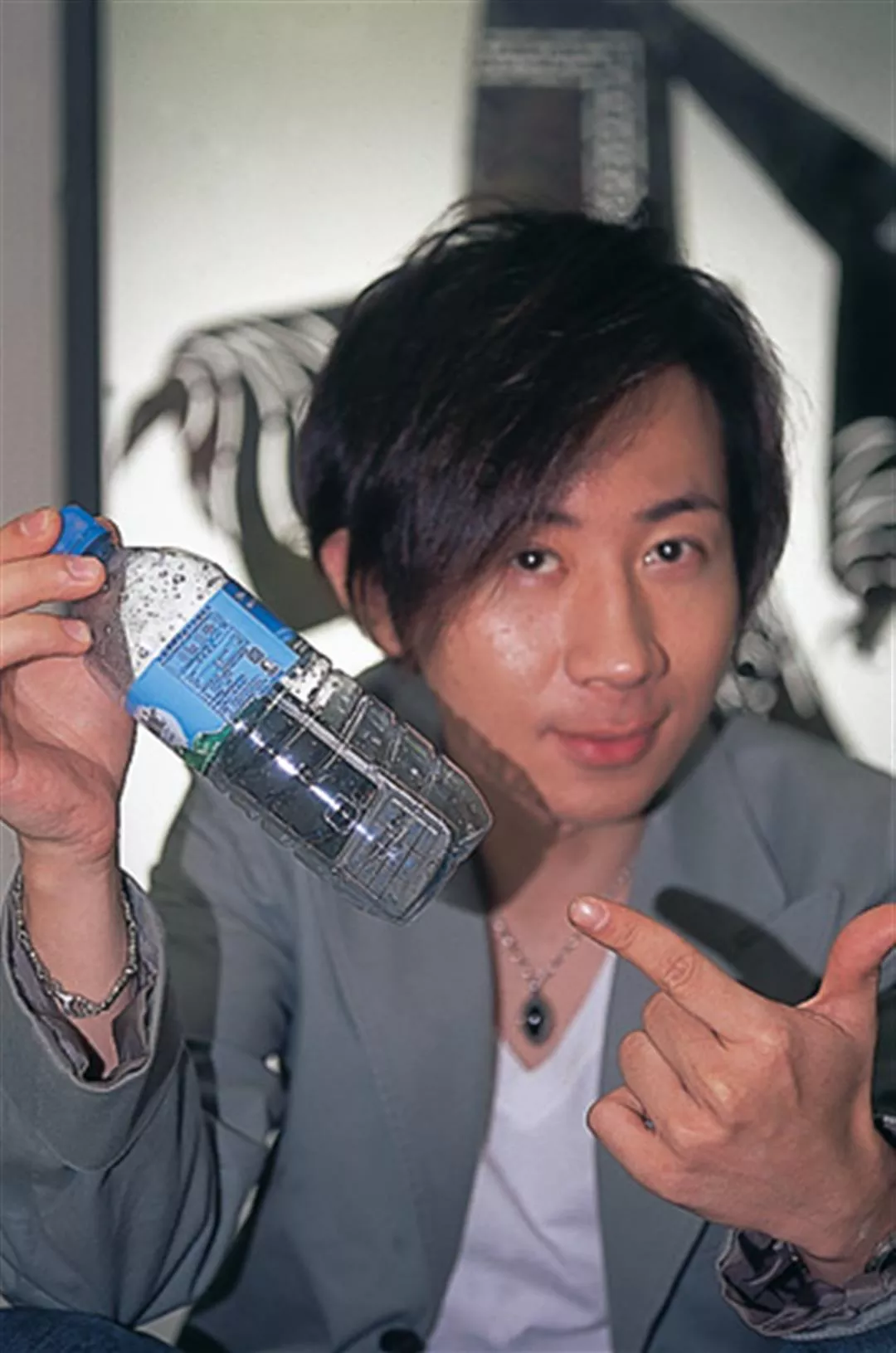
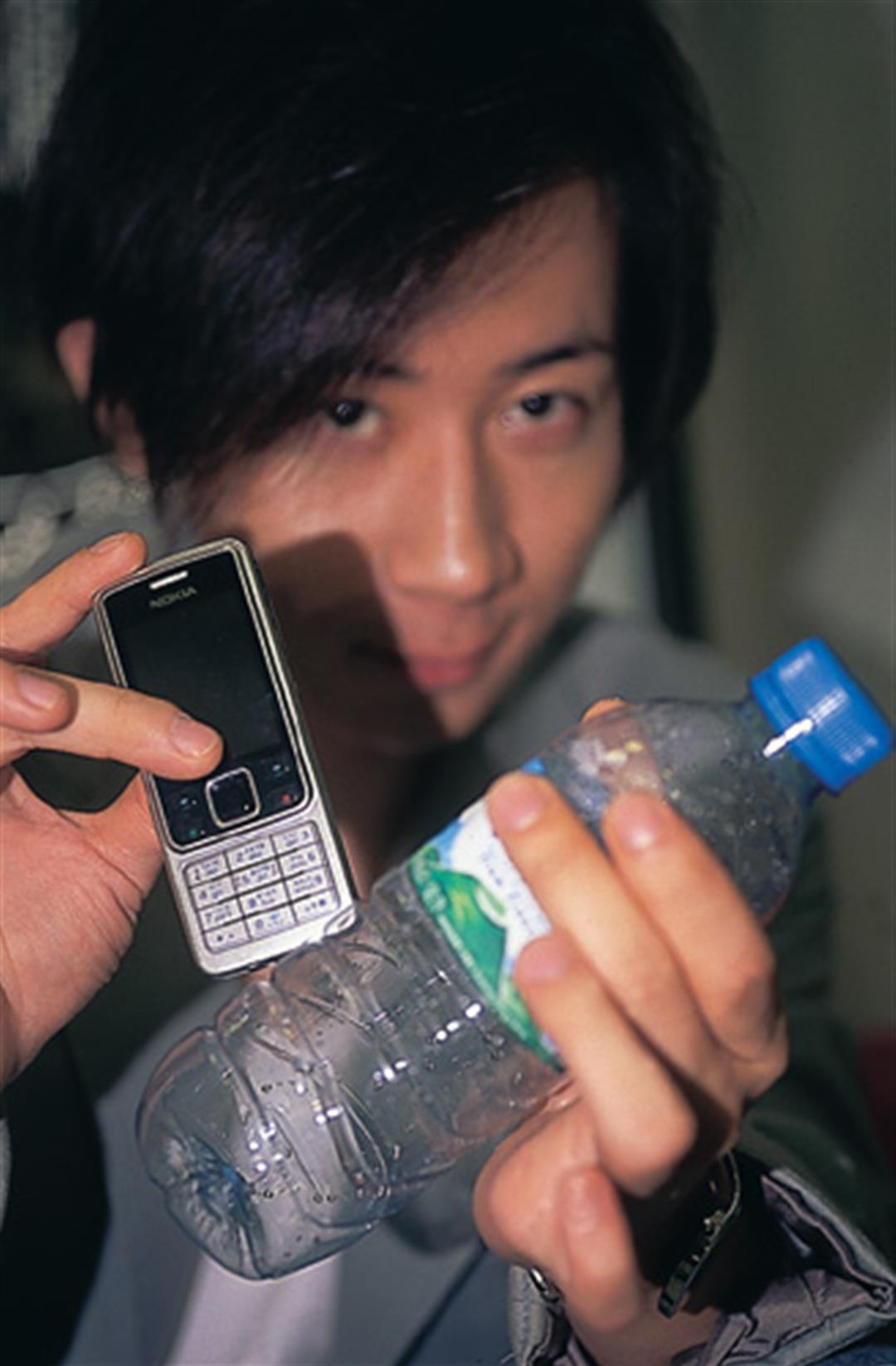
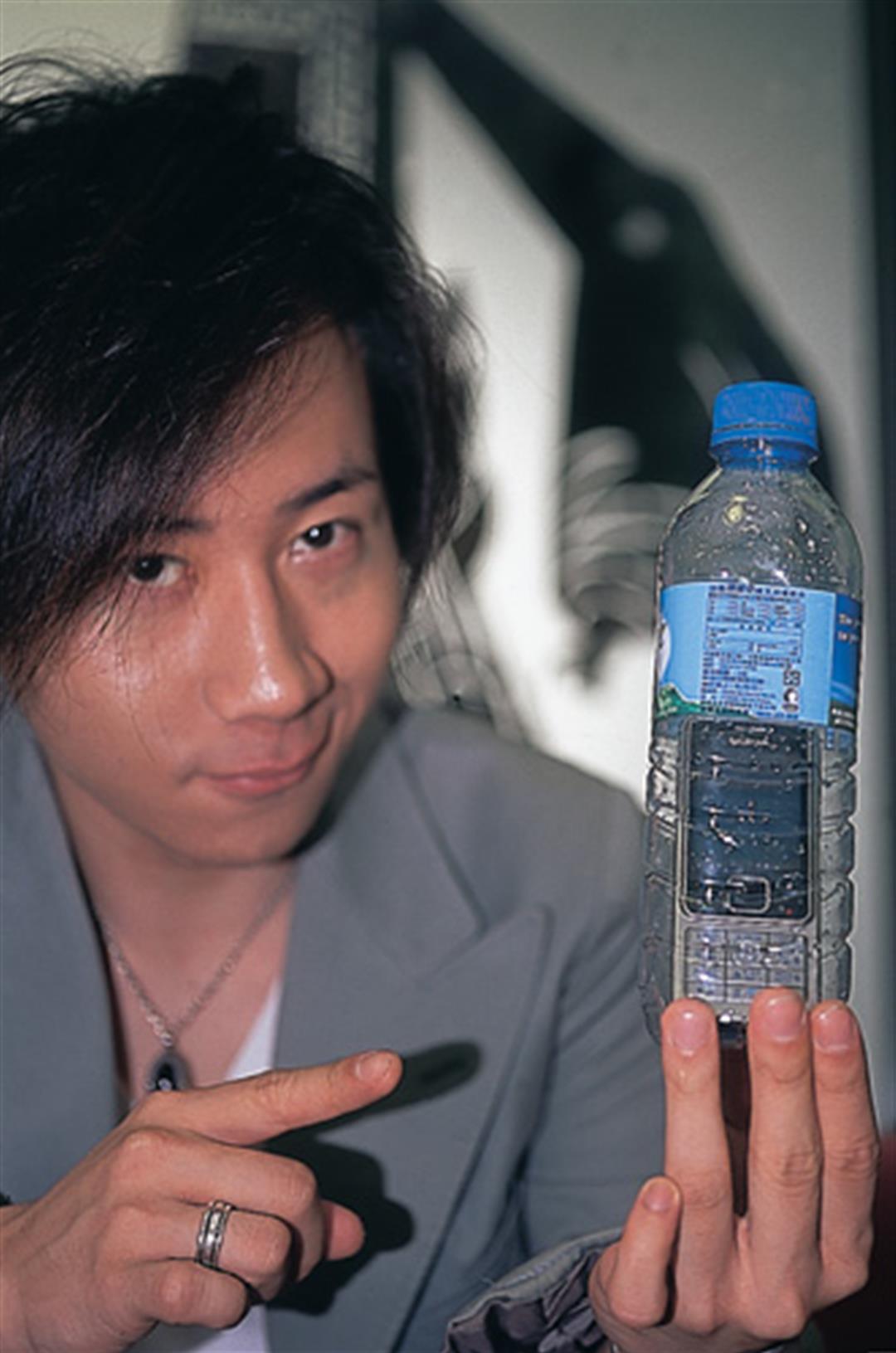
In this trick, the magician makes a cellphone pass into a closed plastic bottle. First, he asks the audience to provide an intact plastic bottle, then a moment later the cellphone he was playing with is suddenly inside the still-closed bottle.
Birth of a magician
Date: 18 August 1988
Place: The Grand Ballroom, The Grand Hotel, Taipei
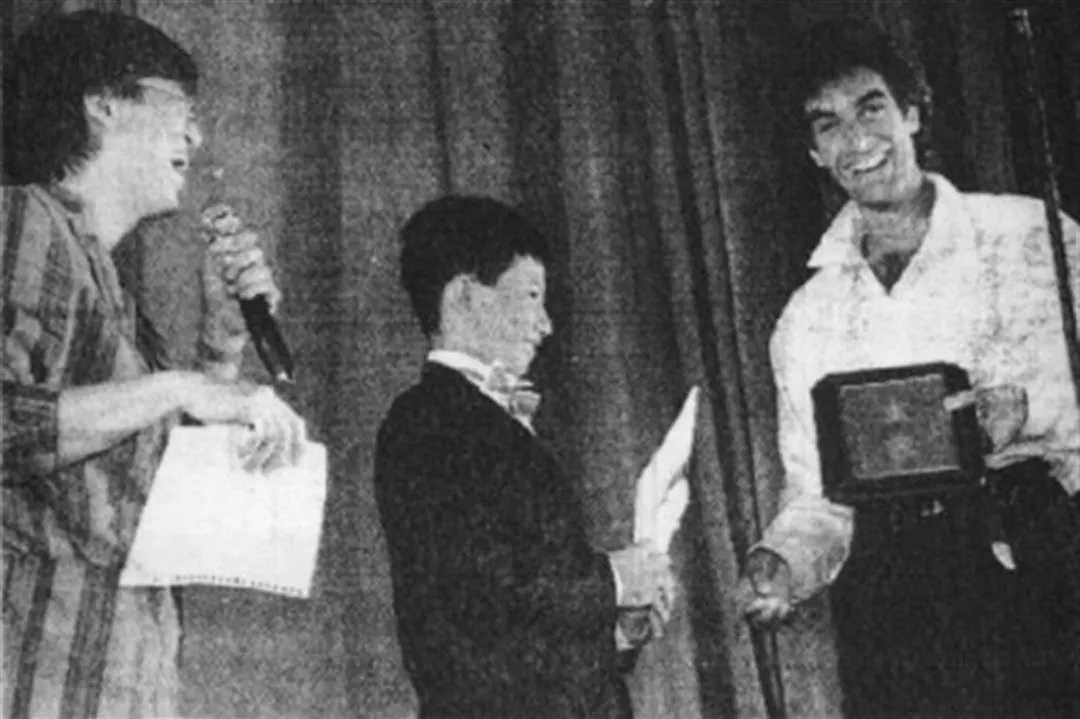
Wearing a suit, a 12-year-old boy stands, smiling broadly, on the stage. He opens his act by plucking a red rose from thin air, then segues into twirling his magic wand in his hand, the wand changing to a different color with each spin.
Suddenly the wand transforms into two silk handkerchiefs, and from these come several fans of varied colors. Finally, he throws the fans into the air and they disappear. The whole time, the young man standing on the stage continues to hold his confident, natural smile, before spider-silk-thin white thread bursts from his previously empty hands toward the audience, bringing the show to the end. One of the judges, sitting in front of the stage and watching the young man attentively, is the 20th century's most famous magician, David Copperfield.
Such is the memory of Lu Chen as he recalls winning the David Copperfield National Teenage Magic Competition as a fifth grader. That moment was the spark that ignited what would become a glorious career as a professional magician. Since then, he has gone on to win the Grand Prix at the 2003 World Magic Seminar Asia and one of the highest honors for a professional magician, the Neil Foster-Bill Baird Award for Excellence in Manipulation.
"If I hadn't entered that competition when I was 12, hadn't won, and hadn't gotten the encouragement of David Copperfield (despite not understanding English at the time, and thus not understanding a word he said), I doubt my passion for magic would've lasted this long," says Lu, still babyfaced despite being in his early 30s, of that turning point in his life.
Winning that prize at age 12 planted the seeds of Lu's life to come. But even the greatest tree needs time, and no-one knows what storms may come during that time-with luck, the seeds will grow into a majestic tree; without, they could grow into little more than a stunted, broken trunk. And it is even more so for people as they face the many crossroads of life. For Lu, even though he has now made his name as a magician, before the age of 22 magic barely figured into his life plans.

In this trick, the magician makes a cellphone pass into a closed plastic bottle. First, he asks the audience to provide an intact plastic bottle, then a moment later the cellphone he was playing with is suddenly inside the still-closed bottle.
The power of magic
Taking the path most traveled guarantees you a safe, uneventful journey. Originally, like many others, Lu Chen had resigned himself to life as a white-collar worker, with magic being just a hobby. Pushing papers and sitting in a cubicle all day, then transforming into a mysterious stage magician by night-this was the image Lu had in his mind for his future. But as usual, imagination turned out to be far from reality.
Born with one arm longer than the other, Lu was able to avoid the pressure of military service. After graduating from Soochow University with a degree in Japanese, he convinced his parents to let him take half a year off to think about his future. During that time, he began sending out resumes and heading off to interviews.
"For that whole time, I felt like things weren't going right," says Lu. As he kept on slogging away, his doubts gradually faded away and the image in front of him became clearer and clearer. He realized something-that he had no interest in becoming a wage slave, and that only in magic did he find something he excelled at.
One often finds that promises are more firmly kept after they've been put to the test, and at age 22, Lu put aside his hesitations and put his dream to the test. As he set out on this strange new path, every day was like being a tightrope walker, struggling to find a balance and scared that at any moment he could go plummeting back down to earth.
Winning his second title in the world of magic made him more determined than ever to follow his dream. In November 2000, half a year after setting out on the road less traveled, Lu won the "Champion of Stage Magic" title at the International Magic Convention at Naniwa, Japan, which also marked the beginning of his life as a professional magician.
In the years since, he has performed and competed around the world, traveling to places as far afield as Italy, the United States, Japan, South Korea, and China. In December 2003, the Japanese Professional Magicians' Association voted Lu that year's top foreign magician, the first time a Taiwanese magician had received that honor. Last year, he made an annual income of approximately NT$4 million-upward of NT$10,000 per show-making him Taiwan's highest-paid magician. After many trials and tribulations, through mastering this underappreciated career choice, Lu has made himself lord and master of his own life.

In this trick, the magician makes a cellphone pass into a closed plastic bottle. First, he asks the audience to provide an intact plastic bottle, then a moment later the cellphone he was playing with is suddenly inside the still-closed bottle.
The lure of magic
For three years, between 2001 and 2004, Lu endured what he describes as a "hellish existence." Then Taiwanese company Hod Communications was contracted by China's Hunan TV to produce a magic show and the producers soon set their sights on the then-recently award-winning Lu.
The program's three-year run was a coming-of-age for Lu. Each of the weekly episodes was an hour long, and while performing magic was nothing new to Lu, magic tricks tend to run no more than ten minutes each, so to fill an hour show, he had to come up with about eight different tricks for each episode. On top of that, each episode had to be different enough to keep the ratings up. Having to prepare and rehearse such a huge amount of magic left Lu, for whom magic was his greatest love, feeling like the walking dead.
How did he overcome the tremendous pressure of the job? By using information and ideas he found from abroad.
"Magic's not the sort of thing you can just put into use straight after learning it; you need to test and refine the tricks before you can get the best performance out of them. You have to figure out what to say when, how to bridge between steps, where to look at crucial moments to most effectively lead the audience's line of sight...." Over those three years, the relentless pace of the program forced Lu to quickly learn over 100 tricks and techniques, while also learning how to put them into practice in different ways.
Generally speaking, magicians who specialize in close-up magic (the most commonly seen style of magic, also known as manipulation magic or sleight-of-hand magic, and which often involves playing cards or coins) won't branch out into other types of magic such as illusion magic (like David Copperfield's trick of making the Statue of Liberty disappear) or street magic (so called because it is usually performed on the street and places a heavy emphasis on audience participation), much less mental magic, which involves things like "X-ray vision" and telling the future.
Due to the big differences between magic styles, magicians tend to specialize in one style and hone their skills in that. But with the massive demands being placed on him, Lu decided to let experience be his guide and keep investigating all the styles. In the process, he was able to lay a solid, stable foundation for himself as a career professional magician.

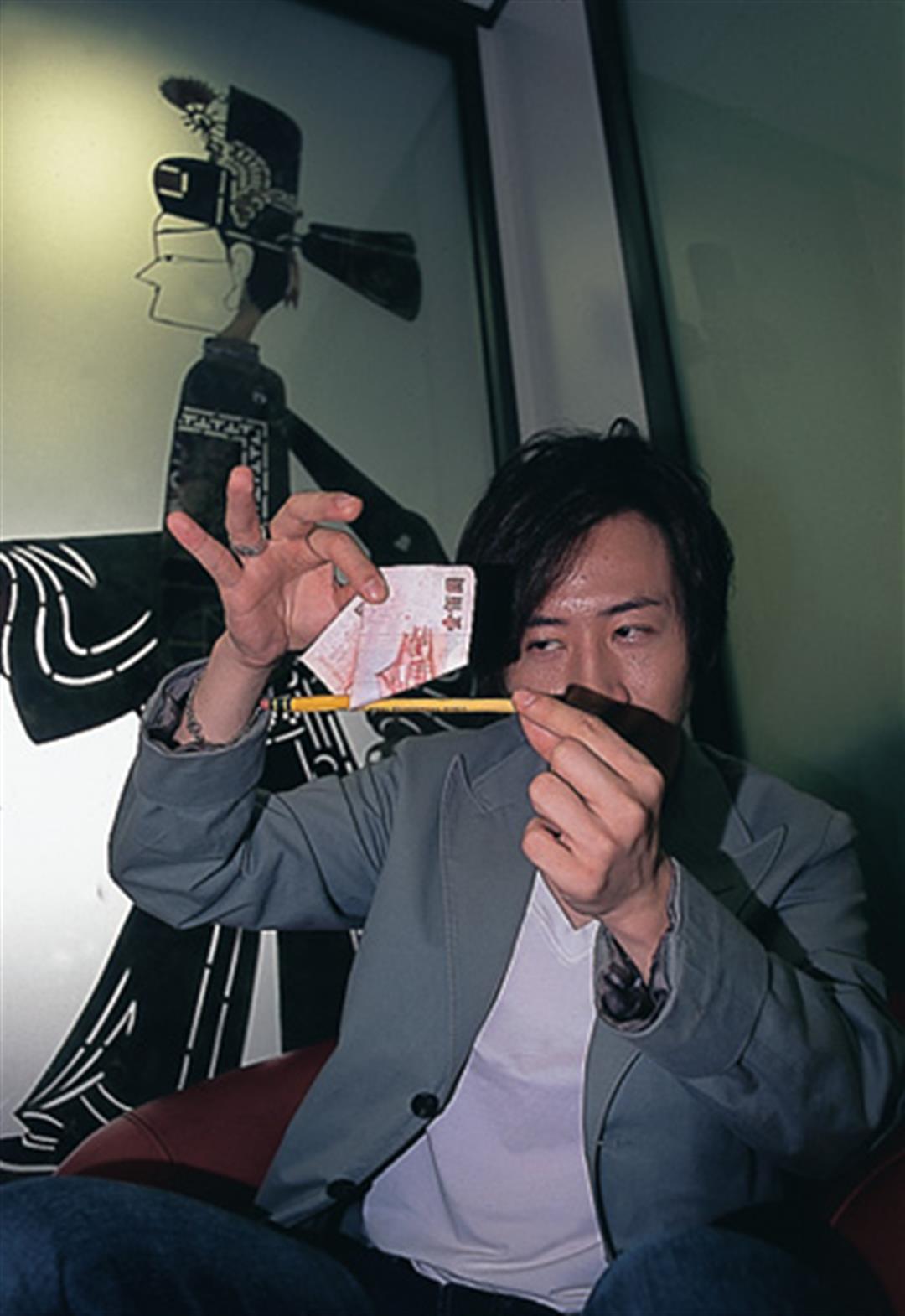
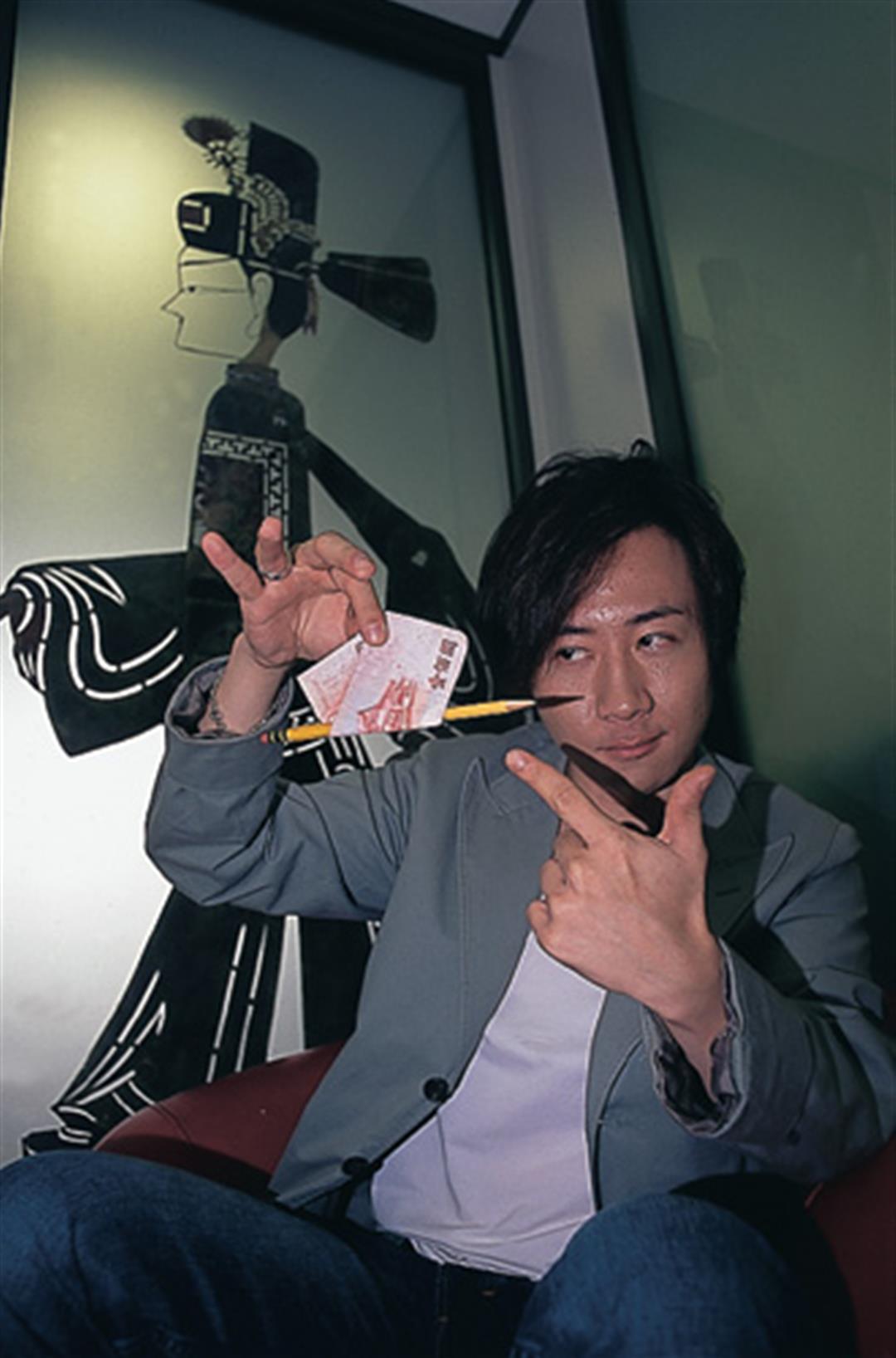
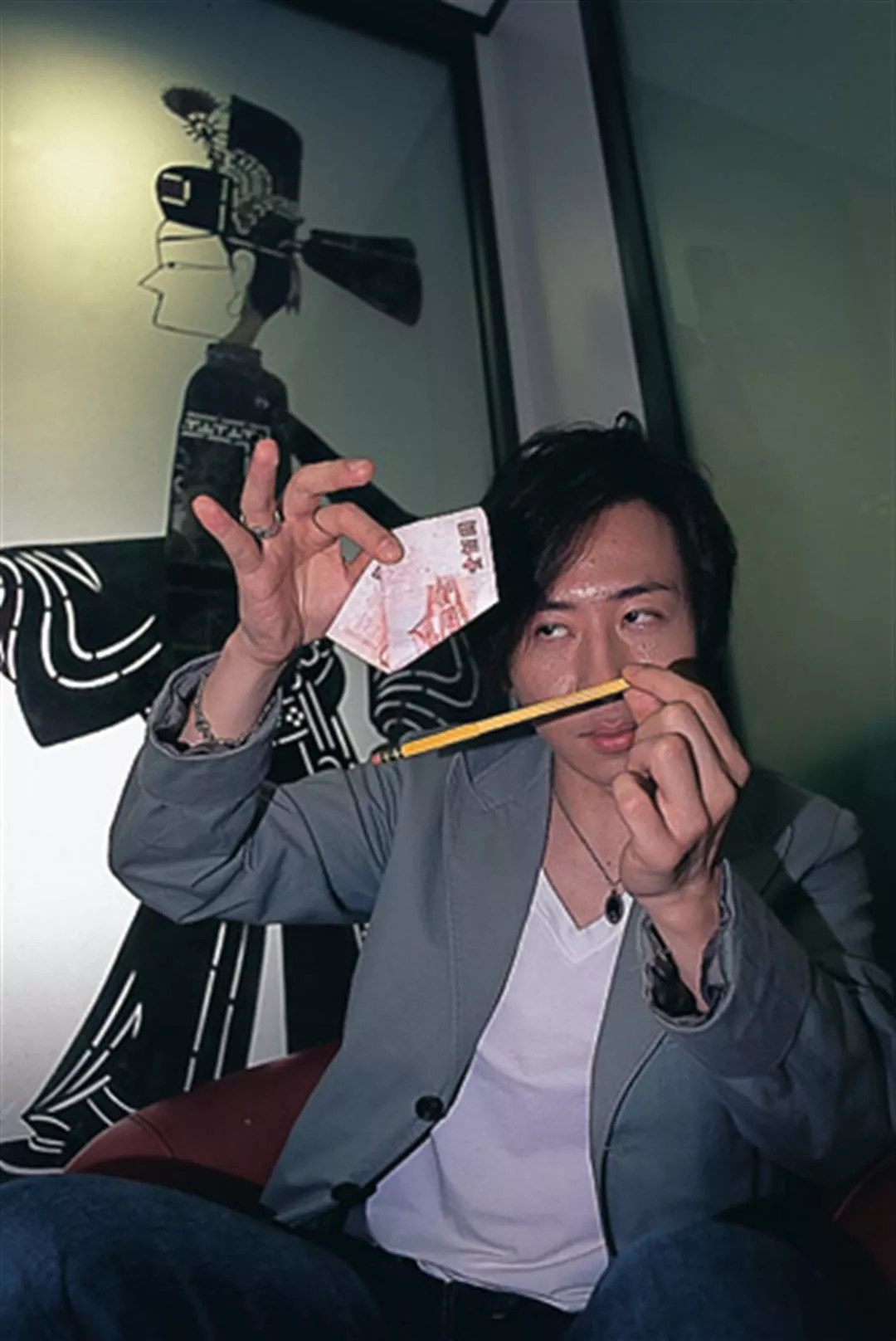
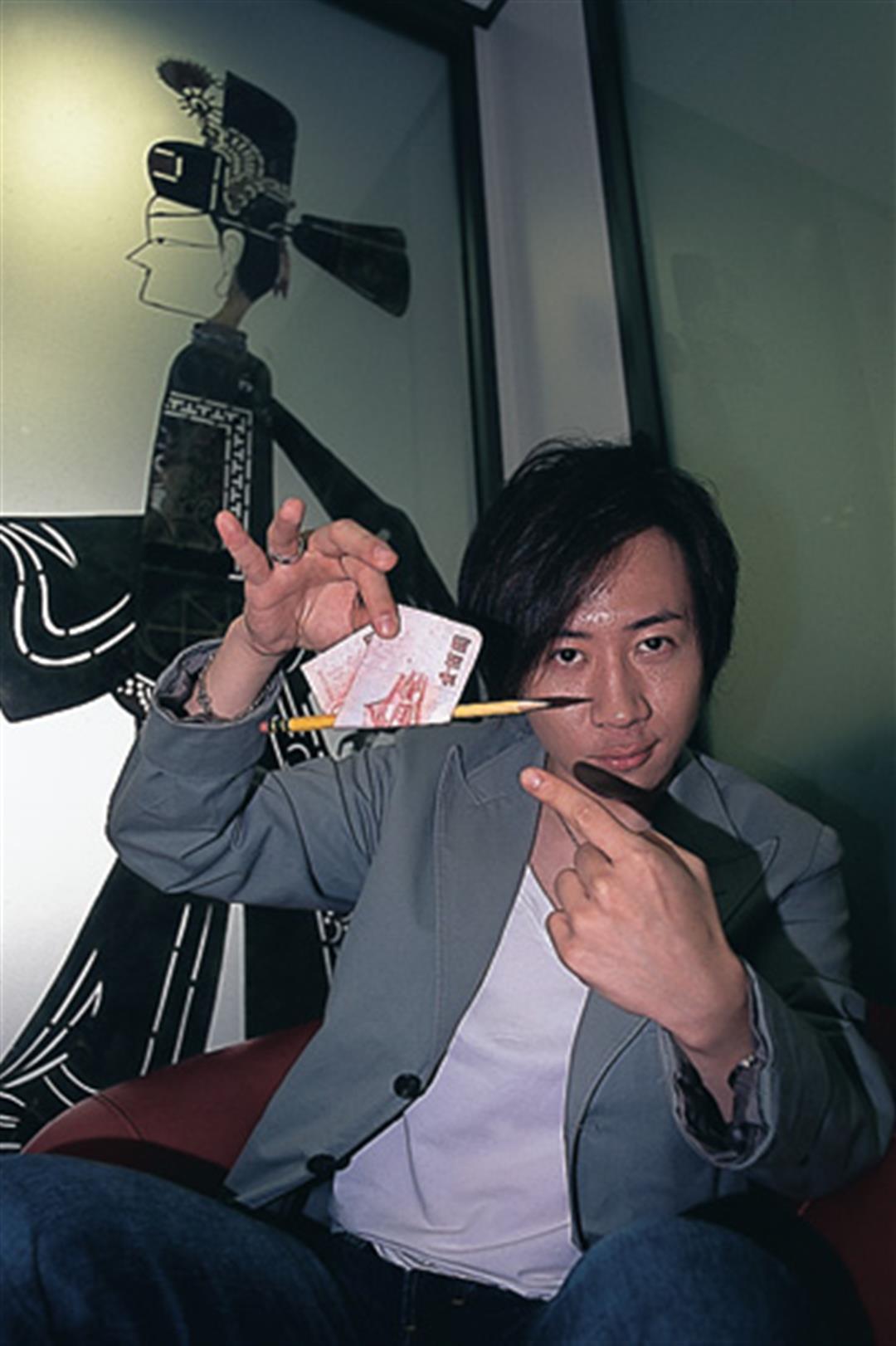
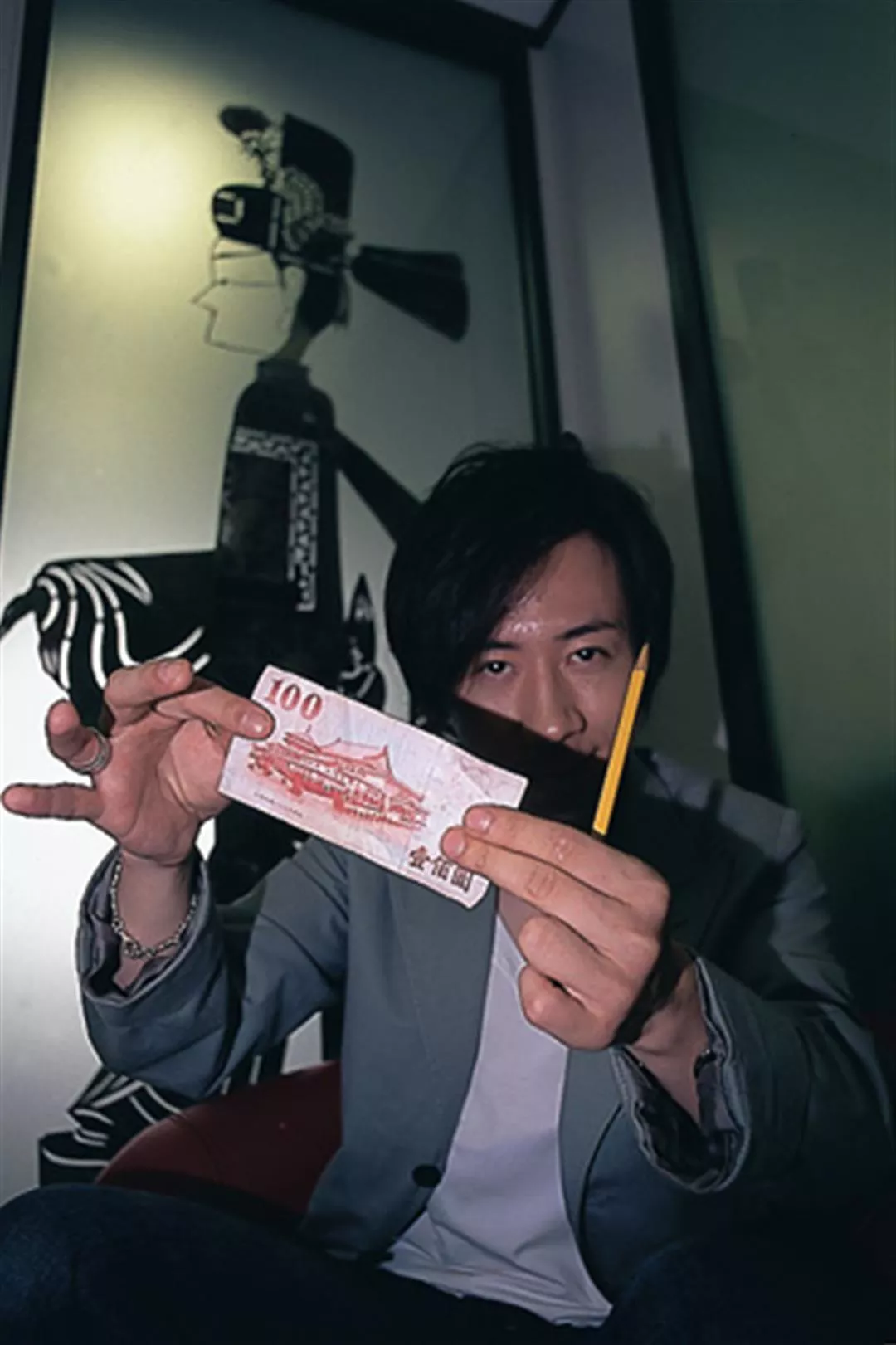
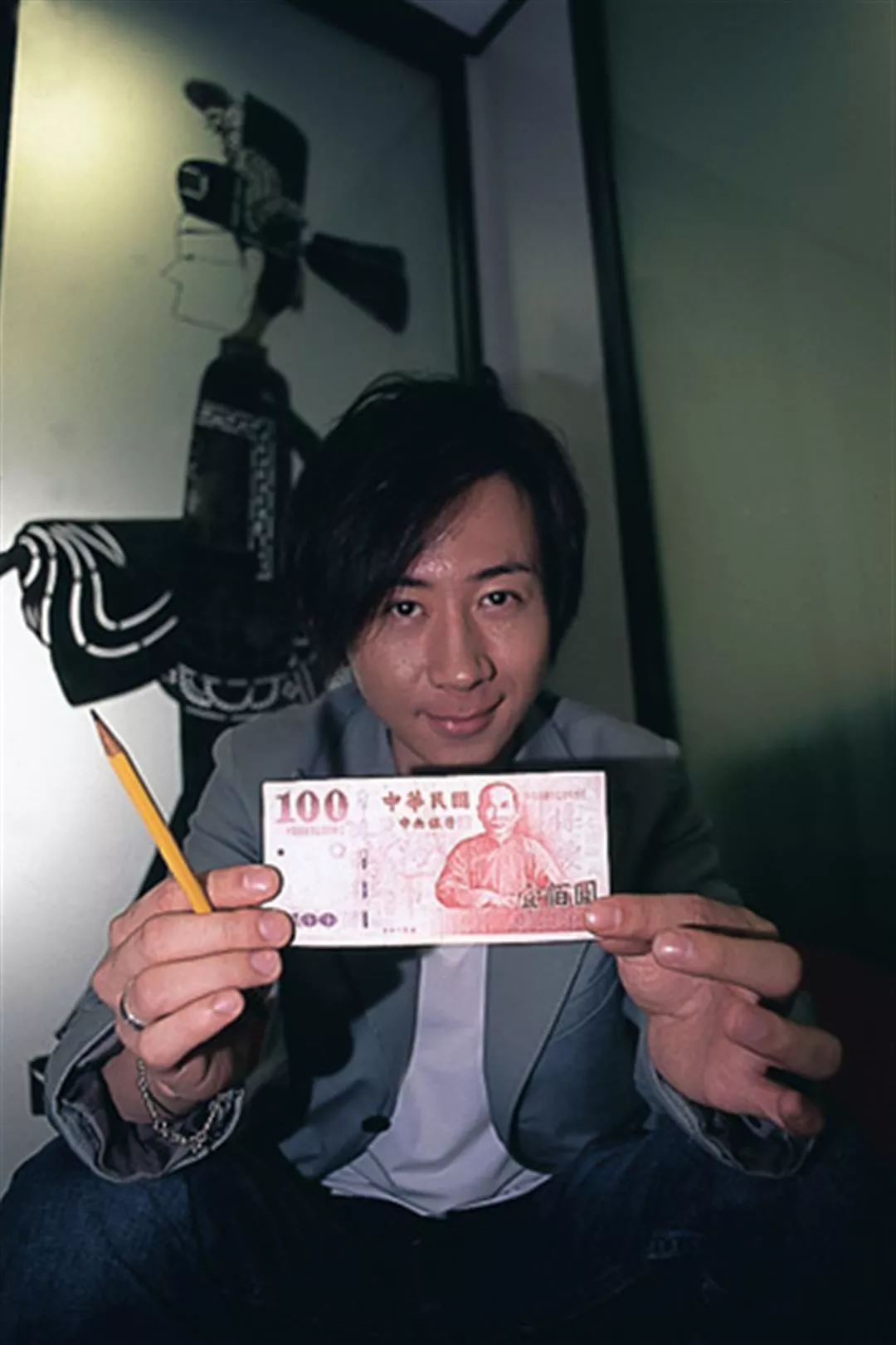
In this trick, the magician first misdirects the audience with words, then suddenly, before the audience's very eyes, he shocks them by pulling a pencil straight through a paper bill.
The essence of magic
American master close-up magician Albert Goshman has described the performance of close-up magic as patting the audience's belly and giving them the impression there's a baby in there. This is where the attraction of performance lies, and why the audience will be less picky. Lu agrees completely with this, believing that the key to a magician's "mystery" lies in being able to direct the collective mind of the audience.
"We don't need to try and distract the attention of the audience anymore-it's no longer about what they can actually see-but instead we need to control the direction their minds take, i.e. what they're thinking." What magicians rely on is this: slyly memorizing the positions of a few cards, then using communicative psychology (or various performance methods that make it look like nothing of particular note's going on and it's all completely innocent) to lure the audience away from thinking about the reality in front of them and into what the magician wants them to think.
For example, when a magician performs the "Brainwave Deck" trick, he first shows the audience a deck of cards with blue backs, then asks a member of the audience to think of a card, and then asks them to call it out-for example, the ace of clubs.
Then the magician takes the deck of cards out of the box, fans them out on the table with their backs showing, except for one face-up card-the ace of clubs.
But are those cards really "magical"? Can magicians really see into people's minds and tell what they're thinking?
Of course not. In fact, this is little more than an example of the magician using psychological methods to direct what the audience is thinking. Next time, look closely and you'll see that the back of the ace of clubs is red, rather than blue-the magician is using two decks to enable to him to trick the audience even as they watch.
Lu explains that magic is like theater, and like any great theatrical performer, a magician has to have the power of persuasion.
As every magician knows, the most crucial thing to being a good magician has nothing to do with tricks or props, but everything to do with showmanship. They have to bring together their way of speaking, the rhythm of their actions, and their expressions into one cohesive style. If someone lacks this, no matter how refined their technical skills, no matter how amazing their props, they won't be able to draw the audience's attention, let alone suck them into their performance.
For example, says Lu, on television top Japanese magician Mr. Maric once made over 100 penguins disappear from the Antarctic ice, had a special guest lift a car up with just two fingers, and controlled the direction goldfish were swimming in with pure willpower, not only leaving the laypeople in audiences amazed, but also frequently baffling professional magicians. Since the crew involved in these tricks have to sign non-disclosure agreements, the Internet is full of attempts to figure Mr. Maric's tricks out, but the vast majority of these attempts rely on layman's methods, rather than ones magicians would use.
"The fundamental spirit of magic isn't about being skilled with techniques or props, it's about working to make the audience happy," Lu Chen emphasizes again. Since people inevitably break out into a smile when they see something inexplicable happen, magicians are able to help people rediscover that sense of childlike wonder at the world that gradually dissipates with age, touching people's hearts with their performances. This is one of the reasons magic has lasted for millennia.
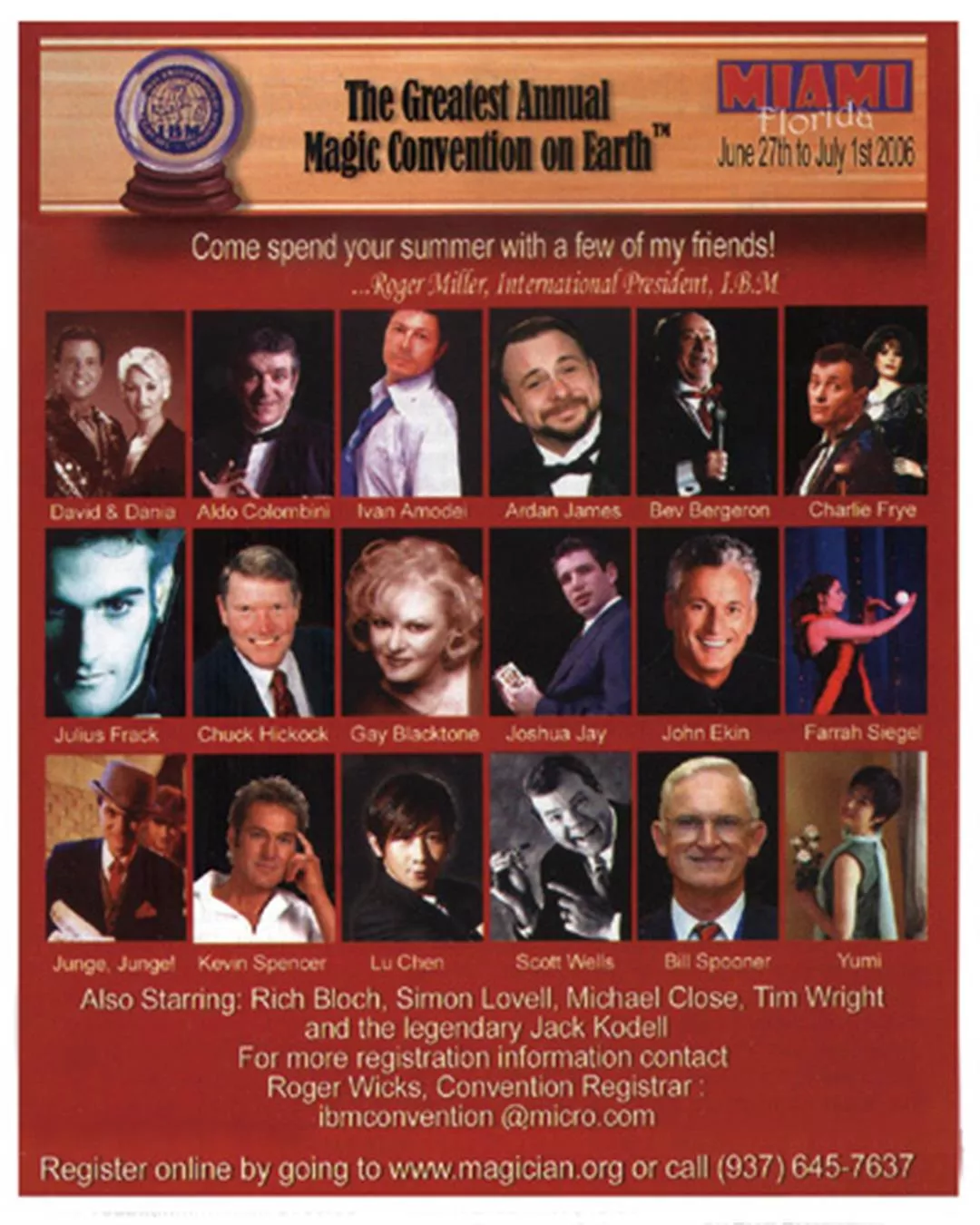
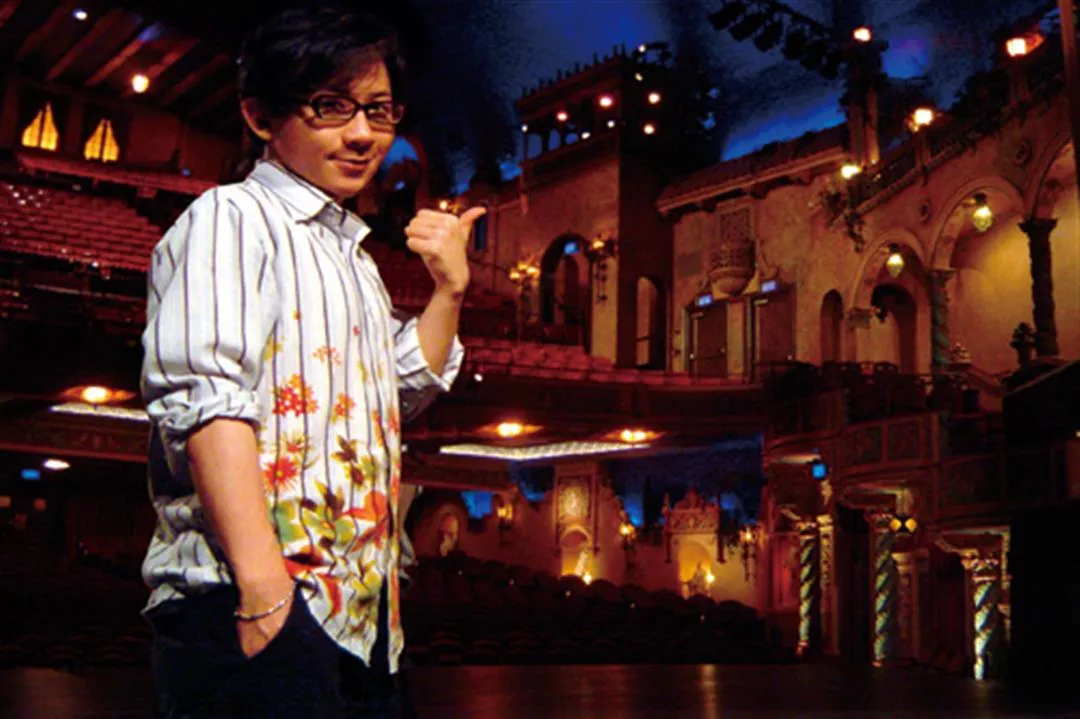
Since becoming a professional magician in 2000, Lu has strutted his stuff on stage around Taiwan and around the world. This photo shows the poster promoting a performance in Miami's Olympia Theater as part of the International Brotherhood of Magicians' 2006 annual convention, of which Lu was a part.

The power of magic
Not only has magic led Lu Chen into a wonderful world vastly different from most people's, it has also helped transform him from an introvert into an eloquent performer.
As a young man, Lu says, he wasn't particularly good at communicating with others, and without magic in his life, Lu, an only child, says he would have been just an introverted loner.
"Magic gave me a bridge for communicating with the outside world, and gave me a key to that world. By making a flower magically appear out of nowhere, or guessing what number other people were thinking of, I was able to have things to talk and joke about with my classmates," says Lu, explaining how he relied on magic as a youth.
It's commonly said that while everyone may know the tricks, each performer does them differently. So how do magicians change up their tricks and ensure they have complete control?
In his book Only the Paranoid Survive, then-CEO of Intel Andrew Grove wrote, "Success breeds complacency. Complacency breeds failure. Only the paranoid survive." Lu Chen discovered, in the course of his years of interaction with magicians from Taiwan and around the world, that many magicians have one thing in common when it comes to practicing: they're exceptionally hard on themselves, even to the point of obsessive self-criticism.
As an example, Lu talks about his practice that day of a trick where he appears to make a cigarette vanish by stuffing it up his nose. At first, he couldn't smoothly pull off the sleight-of-hand involved-transferring the cigarette from his left hand to his right when it begins to enter his nostril, then slipping it to the floor behind the table. Even when he got it, he still felt the movements weren't smooth enough and were still a bit forced, so he continued trying another few times.
He then told himself that he would only rest after another ten attempts. Then, when he got to ten, he couldn't help but push himself to make the goal 20. While the goal kept moving, the night slowly came to an end as the sun rose.

In this trick, the magician first misdirects the audience with words, then suddenly, before the audience's very eyes, he shocks them by pulling a pencil straight through a paper bill.
The secret of magic
"A hundred times, 200 times.... how can that much be considered 'enough' practice? Even as you get toward 1000 run-throughs, you're only starting to get close to perfection," says Lu. Every day Lu has a set time scheduled for practicing his basic skills, and in the lead-up to an overseas competition he let his inner nerd take over as he set a new record for himself-a whole month shut up in his room practicing.
In 2006, in preparation for a competition in Japan, Lu trained himself in a new card trick. For that whole time, wherever he went and whenever he had a spare moment, he had a pack of cards on hand. No matter whether he was on the toilet, in the car, or anywhere else, he would be practicing memorizing card positions, cutting the deck, and drawing cards.
"Learn, practice, test-it's a constantly repeating pattern," says Lu of the "secret weapon" that makes sure he never slips up on stage, and that has been the secret of his success.
Magic is not just about how your hands move-it's also about keeping your brain moving. "Magic is a multidisciplinary art form, including elements of psychology, physics, chemistry, math, and physiology. They need to all be combined, and the hands and mind need to work together to turn the previously impossible-like making a dove fly out of a tissue box-into the possible," says Lu.
In fact, before the performance the dove has been hidden in a specially manipulated box, where the bottom of the box has been modified so that there's enough room for it. Using the visual effect created by the similarity in color between the tissues and the dove, the magician smiles to the audience as he pretends to play with a bunch of tissues.
Then, using the misdirection created by that action, he uses sleight of hand that he's practiced innumerable times to switch the tissues with the dove that had been hidden in the box. Finally, a real live dove flies up and into the air. "This performance, if done properly, should last no more than ten minutes, otherwise the dove gets uncomfortable," laughs Lu.
Different media can also serve as an important source of inspiration for magicians. In the movie Bruce Almighty, Jim Carrey parts a bowl of soup like Moses parted the Red Sea; after seeing this, one magician decided to try and emulate it, earning him a championship title at a magic competition.

In this trick, the magician first misdirects the audience with words, then suddenly, before the audience's very eyes, he shocks them by pulling a pencil straight through a paper bill.
The popularity of magic
Through the influence of magic-oriented television shows and magic-loving popstars like Jay Chou, the number of aspiring magicians in Taiwan has grown rapidly. Whereas in 1995 only Fu Jen Catholic University and National Taiwan University had their own student magic clubs, today virtually every campus in Taiwan is home to such a club.
Yang Po-an, current chair of National Taiwan University's magic club, says that they have huge numbers of people coming into the club with the beginning of each new school year, to the point that the club had to set an upper limit of 150 newcomers per intake.
While campuses have seen an explosion in the number of up-and-coming magicians, there is still a lack of professional performance and training venues, making it hard for these newcomers to go very far. "The magic market in Taiwan might seem like it's booming, but it's still immature. In fact, it's still got a long way to go before it gets to that point," notes Lu Chen.
So is magic really a "high art" worthy of dedicating your life to? In the past 100 years, over 200 people have died in the course of magic performance, including escapologists who ended up drowning, burning, or being blown up; assistants who have been accidentally beheaded during tricks where they were supposed to be "sliced in two"; and magicians who got hit by live ammunition which had been confused for dummy bullets in bullet-catching tricks. As you can see, like in the magic-themed movie The Prestige, the work of a magician is full of risks.
Faced with this, the youthful, vibrant Lu confidently says, "Magic is a way of showing the amazing, and of demonstrating that there is more to this world than meets the eye. And only through constant practice and refinement can we prevent mistakes and ensure safety." He hopes, with all his heart, that more young people can cast off their doubts and concerns and investigate this magical world.
Thurston's Three Principles of Magic
Magicians around the world share a code of conduct, composed of three principles developed by magician Howard Thurston:
Principle 1: Never discuss the content of a performance beforehand.
Principle 2: Never perform the same trick twice at the same place and time, or for similar audiences.
Principle 3: Never disclose your secrets to your audience after a performance.

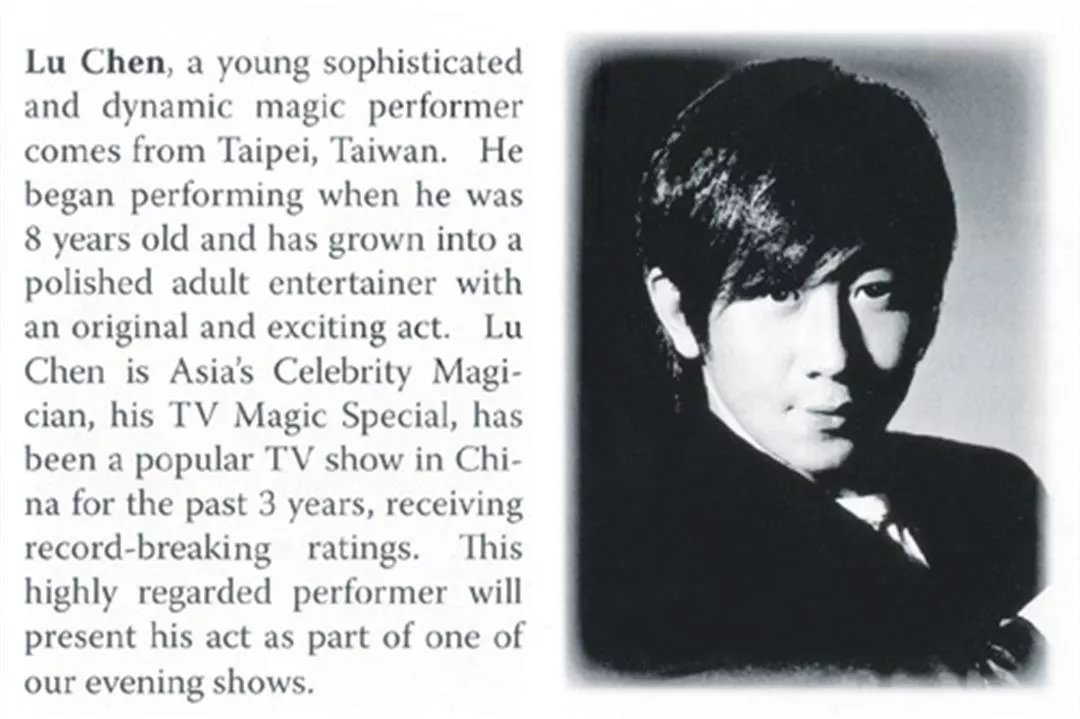
An introduction to Chen Lu in the program for the International Brotherhood of Magicians' 2006 annual convention.

In this trick, the magician first misdirects the audience with words, then suddenly, before the audience's very eyes, he shocks them by pulling a pencil straight through a paper bill.

In this trick, the magician first misdirects the audience with words, then suddenly, before the audience's very eyes, he shocks them by pulling a pencil straight through a paper bill.

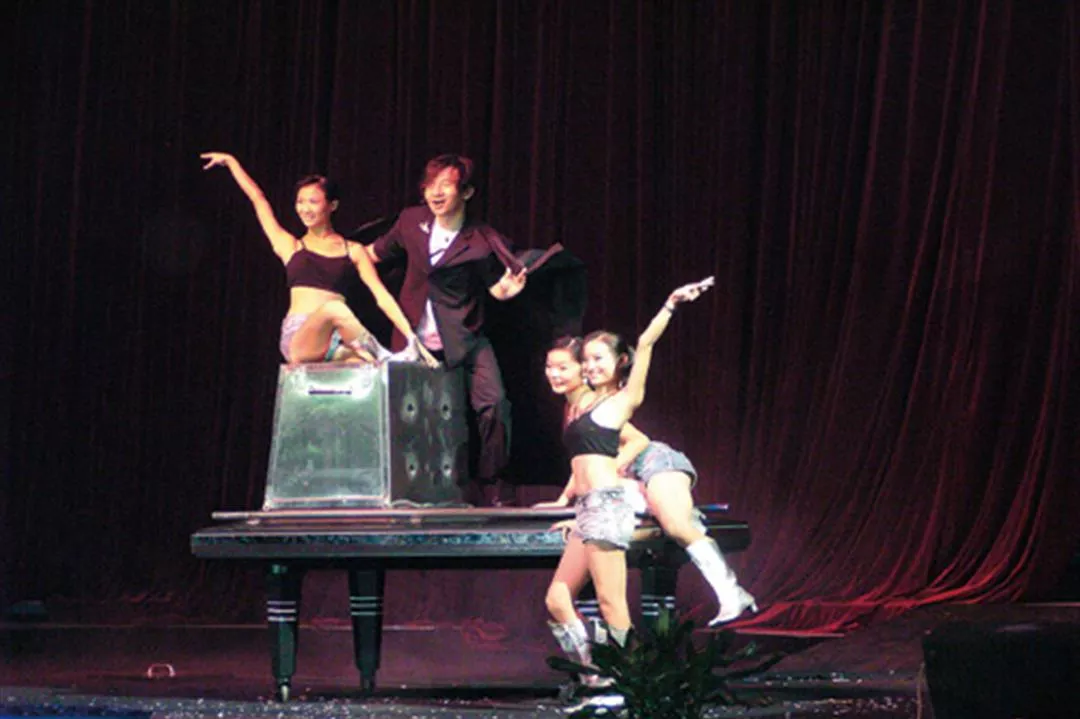
Lu Chen, a specialist in close-up magic, was pushed into branching out into the flashy world of stage magic through the demands of work.

Thanks to the influence of television shows on magic and popstar Jay Chou's avowed love of magic, fans of magic in Taiwan are becoming increasingly numerous. However, there is still a lack of venues for aspiring magicians, with school clubs and magic prop stores the main avenues for people to learn magic in Taiwan.

In this trick, the magician makes a cellphone pass into a closed plastic bottle. First, he asks the audience to provide an intact plastic bottle, then a moment later the cellphone he was playing with is suddenly inside the still-closed bottle.

The world of magic is a strange and wonderful one. Current head of National Taiwan University's magic club Yang Po-an has gone from a baffled outsider to an up-and-coming magician, winning the Taiwan IBM 360 stage magic competition in August 2007. He is now planning to attend the fourth Asian Magic Convention in Hong Kong this November.

Since becoming a professional magician in 2000, Lu has strutted his stuff on stage around Taiwan and around the world. This photo shows the poster promoting a performance in Miami's Olympia Theater as part of the International Brotherhood of Magicians' 2006 annual convention, of which Lu was a part.


Lu Chen's path to becoming a professional magician began at age 12, when he won a national children's magic competition judged by famous magician David Copperfield.

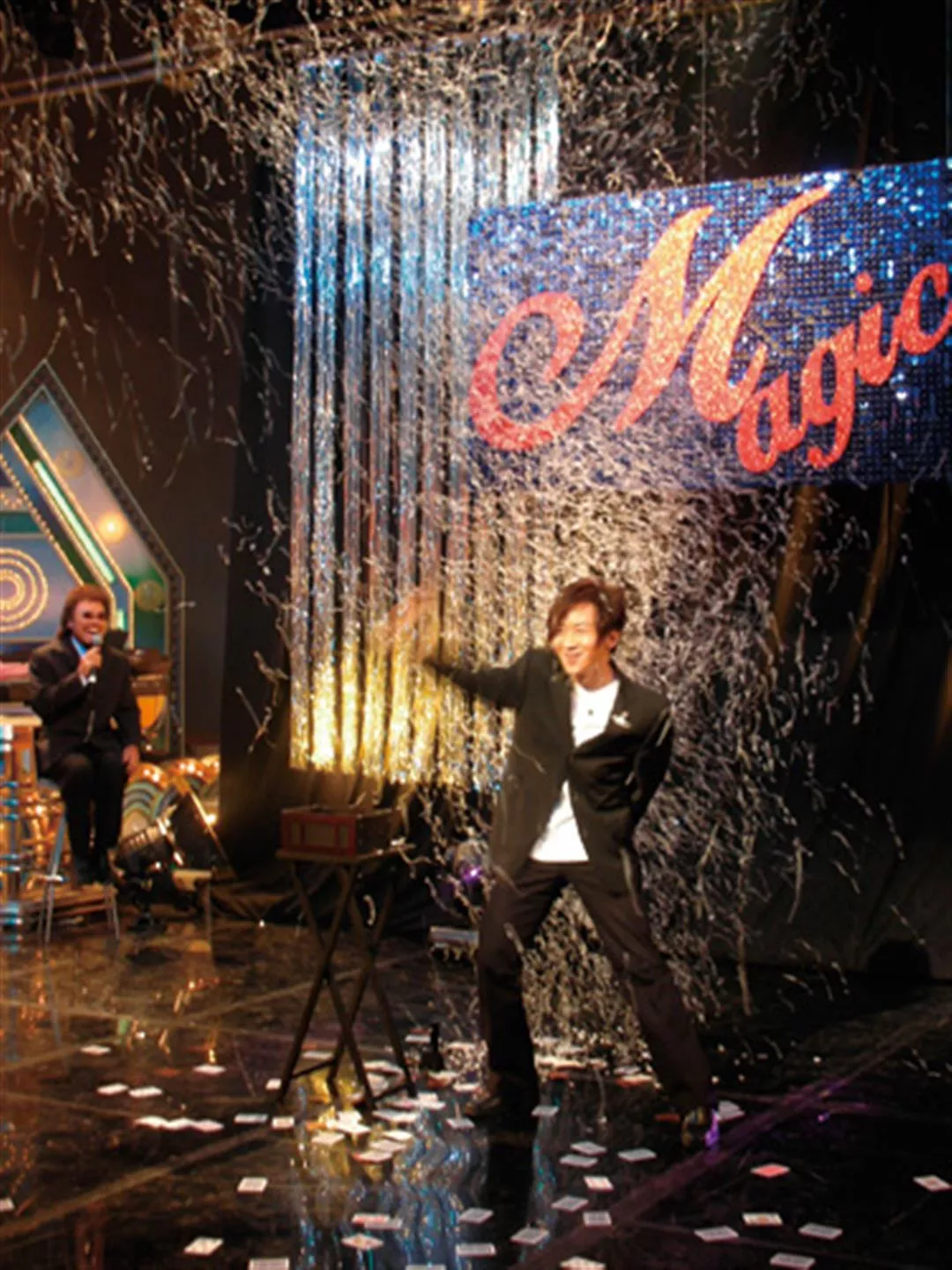
Lu Chen believes that the most important thing a magician must have is the spirit of a performer, bringing together speech, language, movement, and facial expressions into a unique style that can enrapture audiences. This photo shows Lu on famous Taiwanese variety show Variety Big Brother.

In this trick, the magician makes a cellphone pass into a closed plastic bottle. First, he asks the audience to provide an intact plastic bottle, then a moment later the cellphone he was playing with is suddenly inside the still-closed bottle.

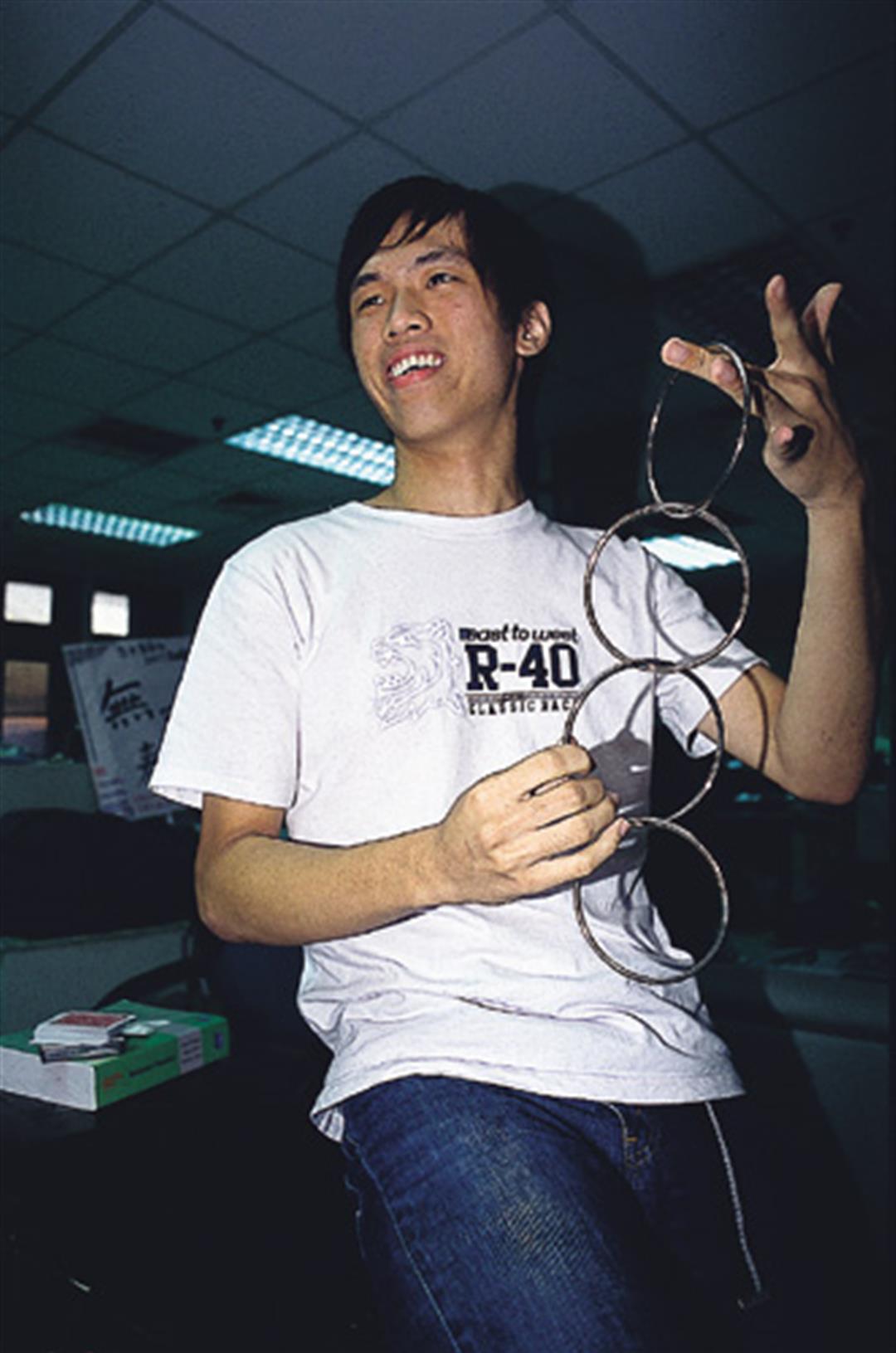
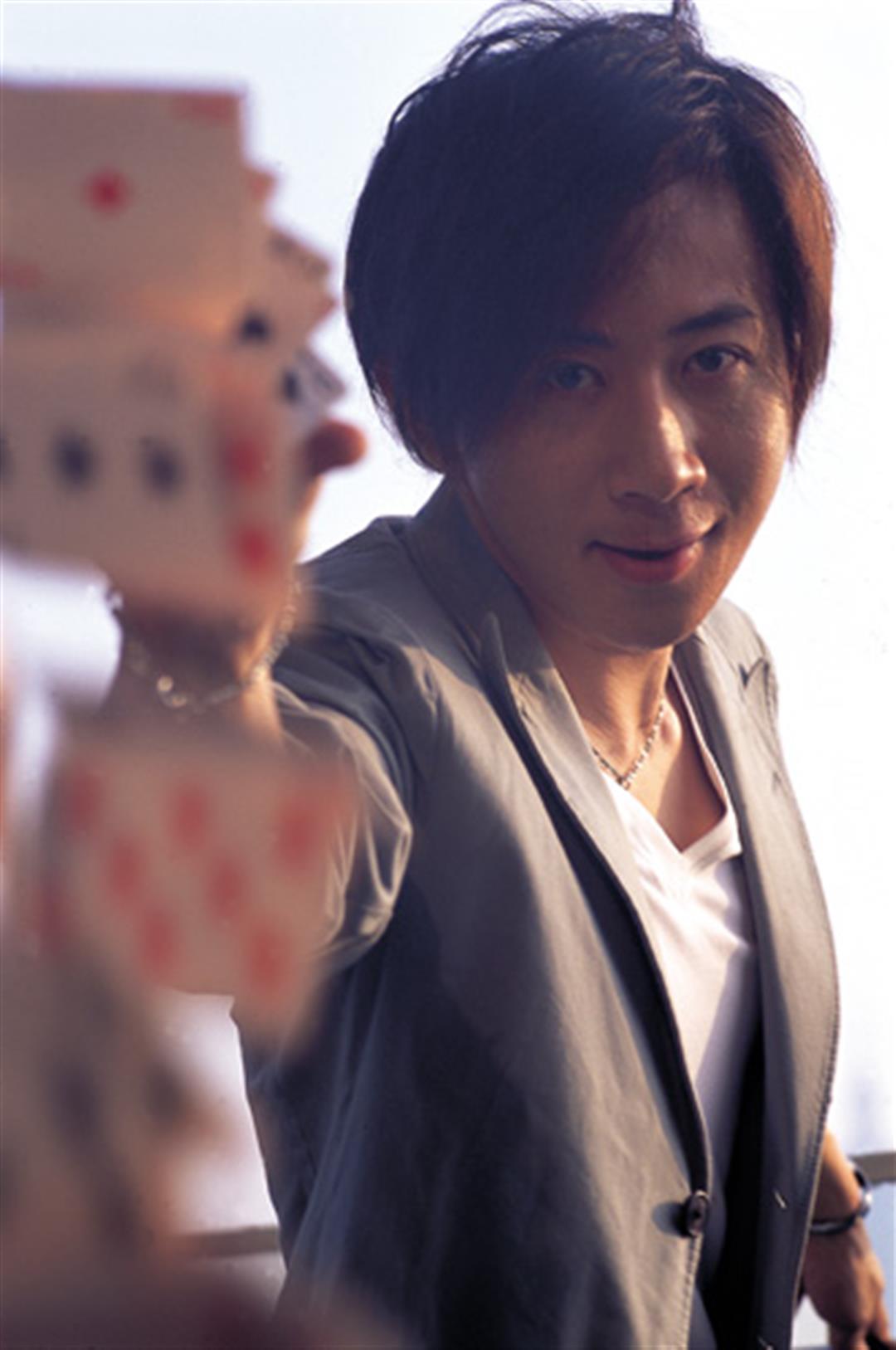
Babyfaced Lu Chen has become a top magician, earning several international titles.

In this trick, the magician makes a cellphone pass into a closed plastic bottle. First, he asks the audience to provide an intact plastic bottle, then a moment later the cellphone he was playing with is suddenly inside the still-closed bottle.

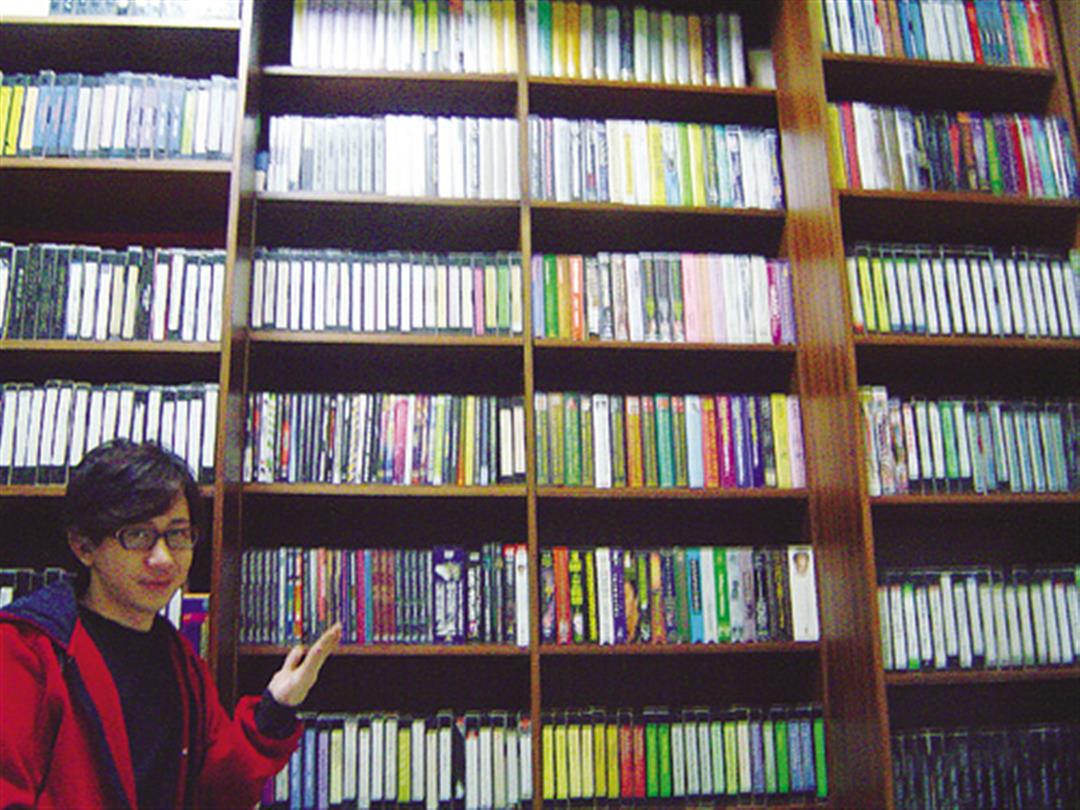
Growing up as an only child, Lu Chen had to learn to make his own fun, and magic became an invaluable tool in that. To improve his skills with magic, he has gathered books and recordings from around the world, filling a wall with his collection.

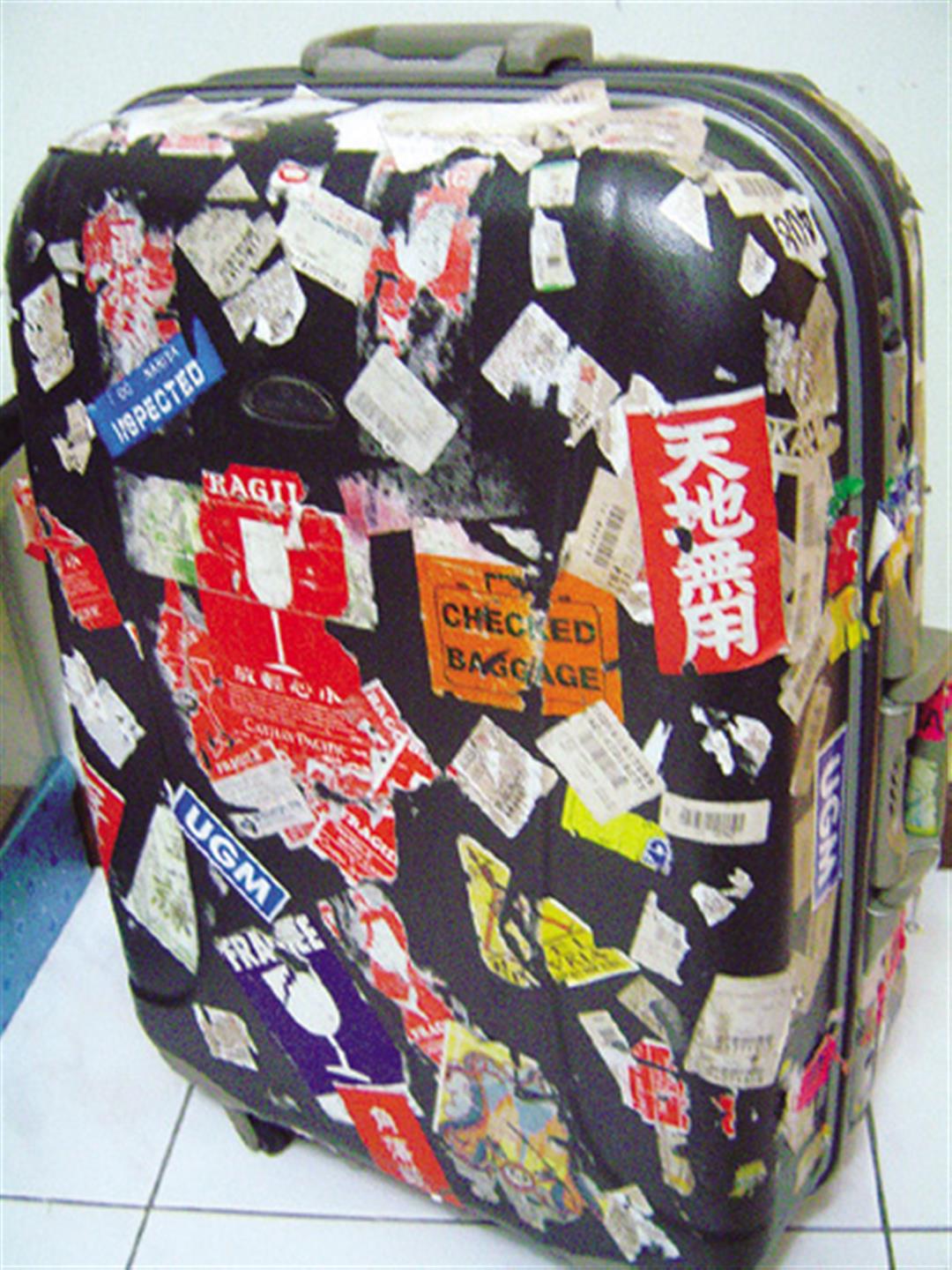
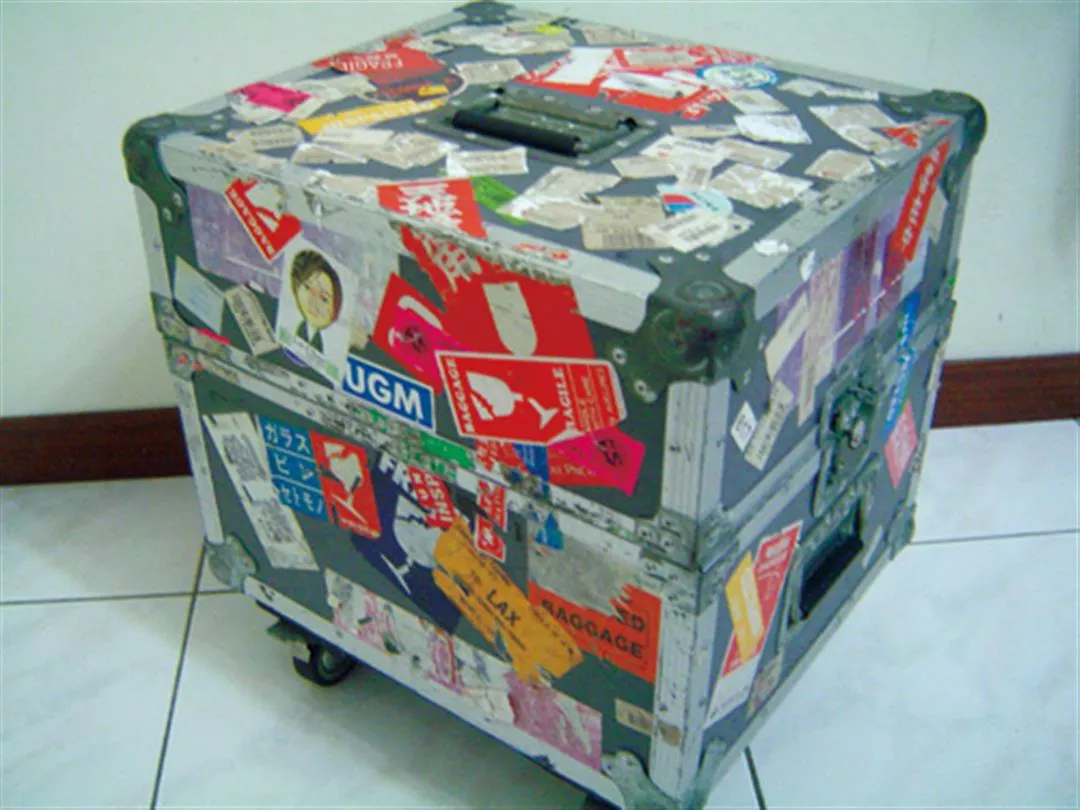
These two suitcases, which accompany Lu everywhere he performs, show the results of traveling the world with their owner. Now, after long, distinguished careers, they've been put into retirement.

In this trick, the magician first misdirects the audience with words, then suddenly, before the audience's very eyes, he shocks them by pulling a pencil straight through a paper bill.