Forging Ahead
Steelmaker GMTC in World’s Top Ten
Liu Yingfeng / photos Jimmy Lin / tr. by Geoff Hegarty and Sophia Chen
December 2013


A mere two decades ago, Gloria Material Technology Corporation (GMTC) was performing poorly. Today, however, the company is known as the only high-alloy steel manufacturer in Taiwan, and one of the world’s elite suppliers of specialty alloys.
With technologies for producing high-quality materials under its belt, GMTC has gained entry to the most sophisticated aerospace and energy fields. Its products find their application in machine tools and power generators, as well as high-end medical devices and the defense industry. GMTC has become a “quiet champion” of Taiwan industry.
In a past life, chairman and CEO Dr. Robert Chen was a professor teaching in one of Taiwan’s major universities. So why has he given up a prestigious academic career for an old steel plant—what he himself described as a “ghost town?”
Gloria Material Technology Corporation (GMTC) is located in Liuying Industrial Park on the border of Tainan and Chiayi. Steel is forged in a furnace spouting huge orange-red flames in this 33-hectare plant. By achieving special properties such as corrosion resistance in the material, GMTC is at the cutting edge of the industry, being the only manufacturer in Taiwan dedicated to producing specialty steels, titanium alloys, and nickel-based superalloys.
GMTC chairman and CEO Robert Chen was made a laureate of the Industrial Technology Research Institute (ITRI) in July 2013. In the lobby of the company’s new headquarters opened in June, Chen points to the wall, noting that he expects to see flags from various nations—including the USA and Japan—hanging there in the future as symbols of his company’s global vision. GMTC is working with other Taiwanese companies to develop business opportunities worldwide in the fields of aerospace, oil and gas drilling, and water resources.
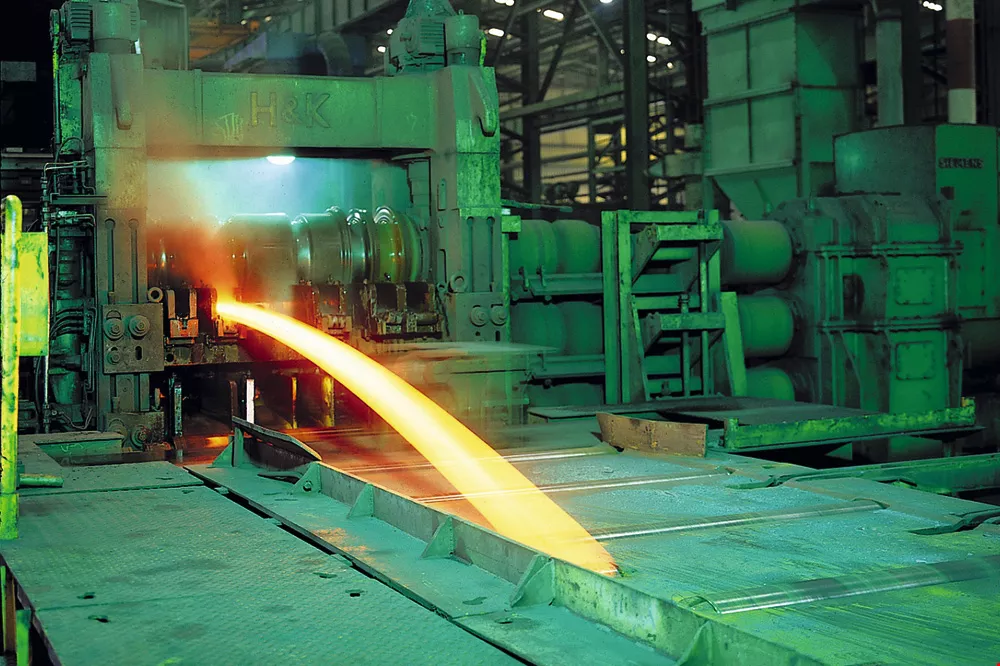
After two decades of endeavor, GMTC’s stainless steel and alloys are now accepted in the elite aerospace and energy industries. The company has also won a place in the highly competitive superalloy field.
Chen, now 67, was born in Tainan in the postwar period when everything was in short supply. Although he was quite a rebel and disliked study, he was already nurturing the idea of running his own business at only 17. With his brother’s encouragement, and to everyone’s surprise, he passed the entrance exams for National Tainan Second Senior High School, and then went on to study mechanical engineering at National Cheng Kung University (NCKU).
After completing his military service, Chen gained a government scholarship to research materials science at the University of Hannover in Germany. On gaining his doctorate in 1975 at age 29, he was offered a teaching position by his alma mater NCKU. Two years later, he became director of NCKU’s Graduate School of Mechanical Engineering.
At that time, the department was heavily focused on the academic side of engineering, so Chen’s ideas of cooperation with industry didn’t go down well. As a result, he resigned and moved into research and development at the Materials Research Laboratory (now the Material and Chemical Research Laboratories) of ITRI, focusing on high-purity and specialized materials.
At ITRI, Chen was frustrated to discover that even though ITRI possessed cutting-edge technology, the local steel industry was unable to put theory into practice. So in 1985, with a proposal to develop specialty steels in hand, he met with more than 30 investors one after another, and finally hit it off with Evergreen Group chairman Chang Yung-fa. Evergreen agreed to invest in a new company as its largest shareholder, with Chen serving as general manager.
Chen recalls that at the time, he believed (rather optimistically) that domestic demand alone could support two specialty steel companies. So with the resources and reputation of the Evergreen Group behind him, the future looked promising.
In the initial stages, however, not everything went well. The company was unable to master the key technologies, so product quality was not what it should have been. To make matters worse, Taiwan’s specialty steel market had long been dominated by more experienced Japanese companies, so the company’s revenue wasn’t as good as expected. In fact, the Evergreen Group estimated that if its subsidiary continued to operate under these conditions, losses were likely to exceed NT$1 billion.
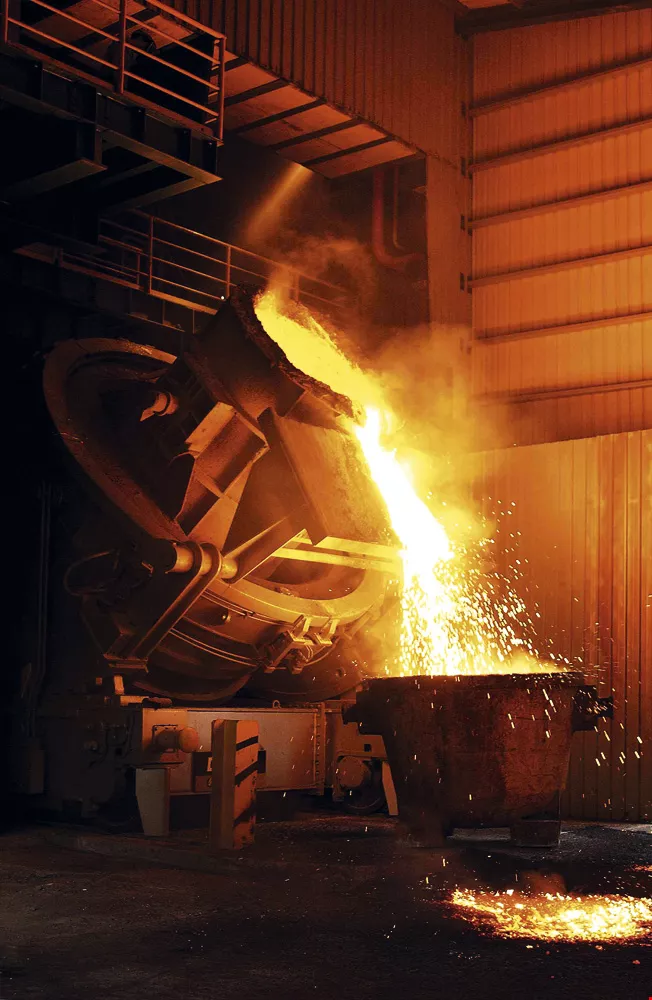
In order to obtain client certification, GMTC has invested heavily in equipment to produce high-quality products.
Evergreen executives reported on the problem, pointing out the small scale of the Taiwan market. They put a direct question to Chen: “What do you think? Is it possible to save the company?” Chen was convinced that the specialty steel field held remarkable potential. He answered at once: “Absolutely! We can do it!” He immediately became an investor in the company himself, taking responsibility for operations and the more than NT$2 billion debt. He also changed the company’s name to GMTC.
GMTC negotiated an investment of NT$800 million from Evergreen, and entered an agreement to lease all facilities and equipment from Evergreen Heavy Industrial Corporation (now known as Evergreen Steel Corp.). In order to show his commitment to the new arrangement, Chen mortgaged all his personal real estate and stocks. The evening that he left home to travel to Tainan, he told his kids that if the company failed, they would have nothing left.
Even though Chen was psychologically prepared for a battle, he found that the reality was even worse than he had expected. “That day when I first walked into the plant, I felt like I was walking through a ghost town.” The entire plant was gloomy as there were simply no orders. All the equipment was idle, and morale was at rock bottom.
Getting the employees back to work was Chen’s first priority. Fortunately, the plant had built up a substantial inventory of lower-quality steel, and domestic sales of concrete reinforcing bars were good at the time. Chen decided to use this material to make rebars. He called on the staff to help modify production processes, and within two weeks, the plant was back at work.
By 1997, GMTC operations were gradually getting back on track, and Chen still had in mind his initial goal of developing specialty steel manufacturing in Taiwan. But the local market remained under the domination of the Japanese. How could GMTC break the siege?
This time Chen decided to expand into the overseas market first, and increase domestic market share later. GMTC’s products had to first obtain international certifications such as ISO 9002 from Germany’s DQS and the UK’s BSI in order to gain international acceptance.
Chen immediately resorted to the Metal Industries Research & Development Centre, which was responsible for helping Taiwanese companies get international certification, hoping to get their certification granted within three months. According to Fu Zhaozhang, then director of the center, and currently professor of mechanical engineering at National Kaohsiung First University of Science and Technology, this target was extremely ambitious. Eventually, GMTC met all requirements eight months earlier than expected.
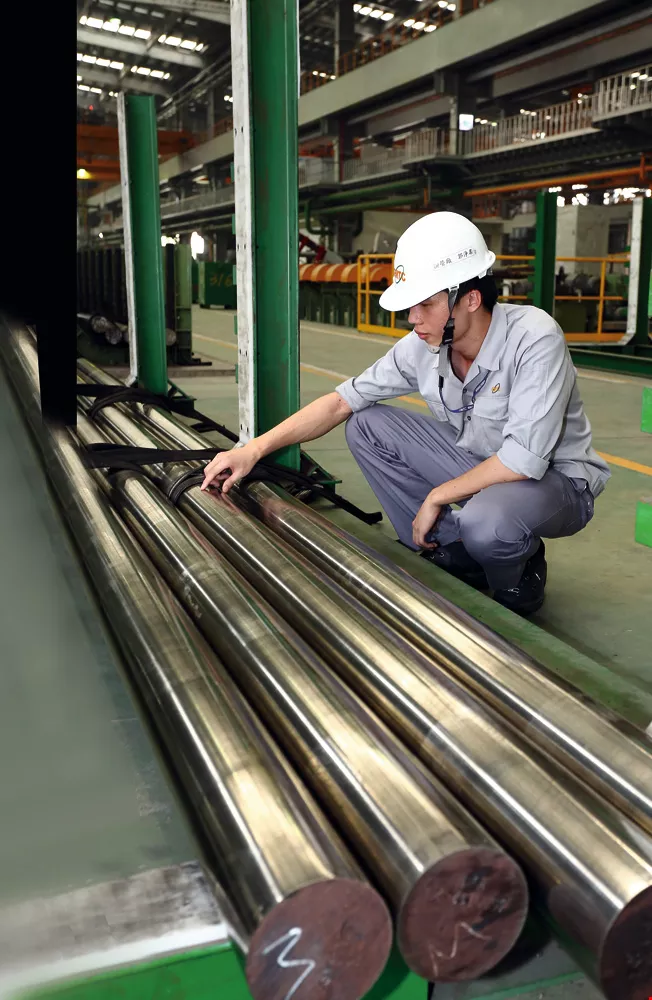
In 2000, GMTC introduced the Six Sigma model to greatly enhance management efficiency.
Chen still remembers the critical battle to gain certification from General Electric (GE) in 2000.
The then GE CEO Jack Welch visited the Evergreen Group aiming to sell their GE90 turbofan aircraft engines. During his short stay in Taiwan before heading off to mainland China, he met with only four manufacturers, and GMTC was one of them. Chen seized the opportunity to boldly request the opportunity to become a supplier to GE, and GMTC accepted Welch’s promise to provide assistance.
True to his word, Welch sent GE’s Asia region representative to assist GMTC in introducing the Six Sigma management model. This not only streamlined GMTC, but also pushed up its performance. More importantly, GMTC was able to obtain certification from GE within four months—eight months faster than the norm—becoming one of only an elite few manufacturers in the world to meet GE’s stringent requirements.
With GE’s endorsement, GMTC gradually obtained certification from other large manufacturers including Germany’s Siemens and Toshiba of Japan, enabling the company to break into the overseas market with relative ease. Then in 2006, the company went a step further, entering the exclusive aerospace industry with Boeing certification, a goal which had been in GMTC’s sights for a long time.
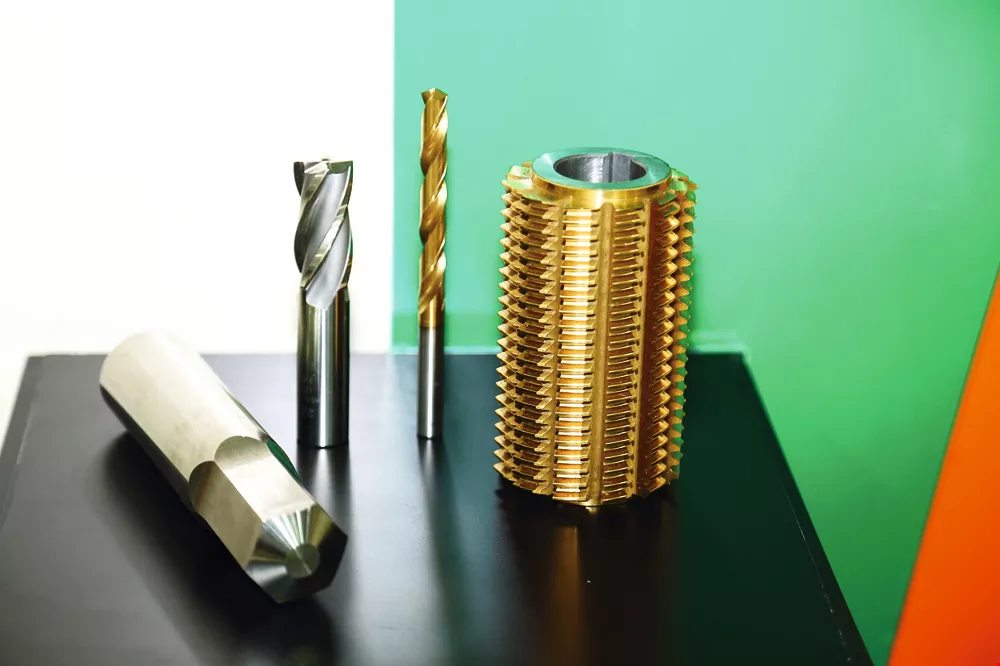
After two decades of endeavor, GMTC’s stainless steel and alloys are now accepted in the elite aerospace and energy industries. The company has also won a place in the highly competitive superalloy field.
In 2006, the global market was suffering a shortage of a material used in aircraft undercarriages. As Boeing was unable to find any qualified suppliers, it delegated this task to one of its suppliers, Smiths Aerospace (now GE Aviation Systems), who eventually landed GMTC following a recommendation from a Japanese company. But in the aerospace industry, GMTC was an unknown, so SA’s leading engineer consulted American-Chinese superalloy expert, Oscar Yu. With Yu’s recommendation, SA arranged for Boeing’s quality assurance people to visit GMTC to check out their internal quality assurance system. After a one-day evaluation, a positive report was sent off to Boeing headquarters, resulting in the signing of a five-year contract.
“Unlike the electronics industry, which is focused on patents, the specialty steel industry emphasizes certification by individual clients.” Chen says that in order to gain orders, GMTC has to first obtain their clients’ approval for their products, laboratories, and quality assurance systems. Fortunately, once GMTC obtained certification, their products were able to command prices more than 10 times higher than those of ordinary steel products, which on average attract NT$35 per kilo. High-performance stainless steels, which are extremely strong and resistant to high temperatures and corrosion—and are GMTC’s best-selling products—are used for turbine blades in power generators. They sell for prices 15 to 30 times higher than ordinary steel products.
Just one year after gaining Boeing certification, GMTC’s annual turnover reached NT$10 billion, which remains to this day their best performance ever. Soon after, however, Boeing gradually began cancelling orders during 2008 due to the global financial turmoil of the time.
As CEO, Chen fine-tuned GMTC’s operational strategies and product portfolio. With the end of the financial tsunami in sight, he invested boldly in new equipment. So in 2010, he could look to the future to list aerospace, energy, oil and gas, biomedical, and precision molds as the five star prospects of the company’s forthcoming decade. Today, the fruits of GMTC’s R&D have grown from a mere five items 20 years ago, to around 500.
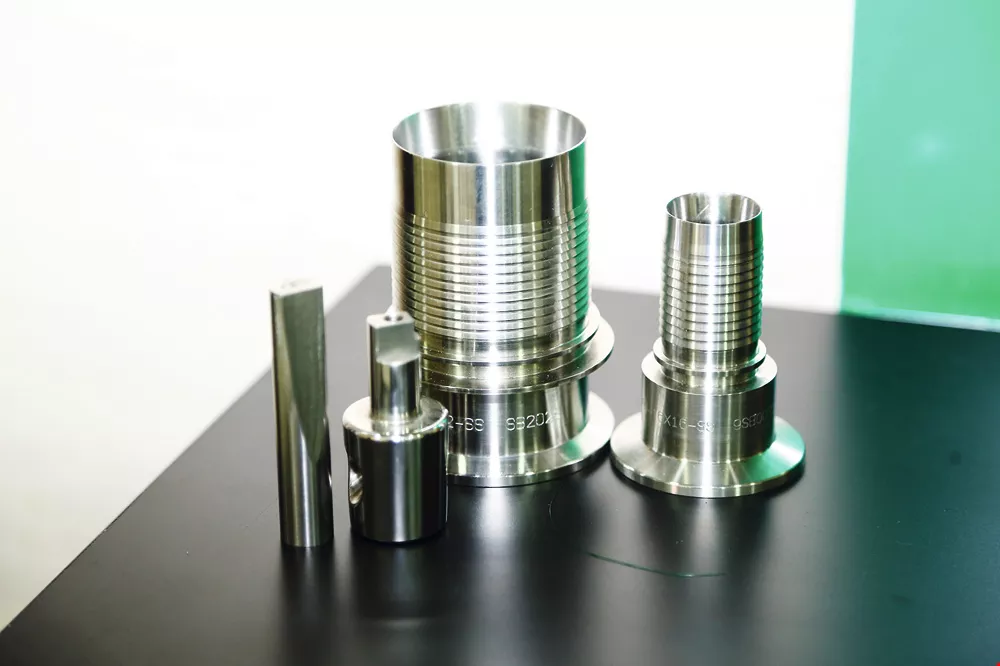
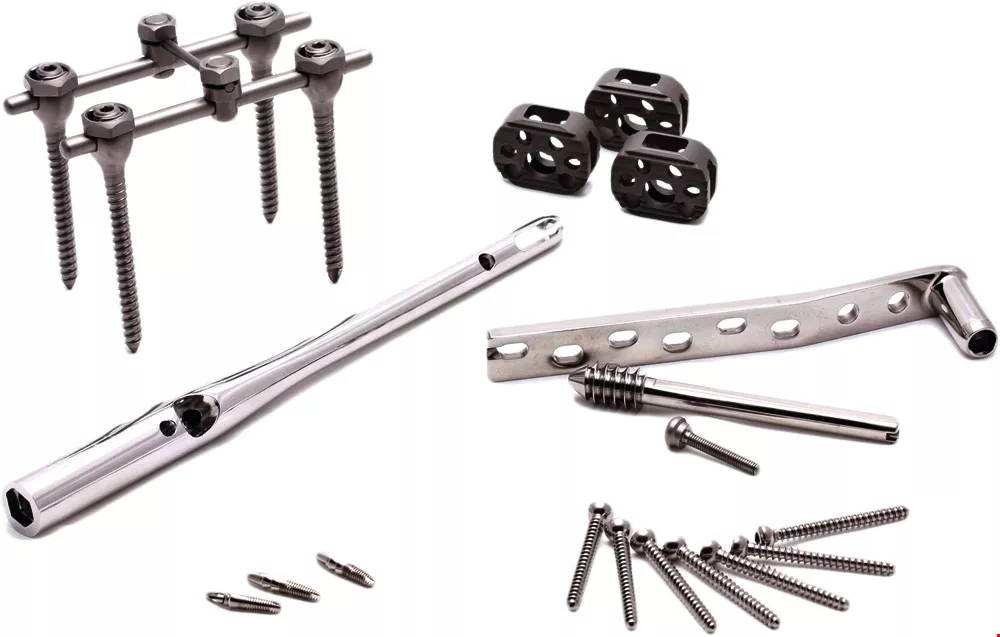
After two decades of endeavor, GMTC’s stainless steel and alloys are now accepted in the elite aerospace and energy industries. The company has also won a place in the highly competitive superalloy field.
Over the past two decades, GMTC has faced many challenges—despite achieving a turnover of around NT$10 billion in 2012.
Chen believes that as the market for medium and low-end steel products has saturated, sales for high-end steel still have 20 years of development ahead. In recent years, however, mainland Chinese companies have distorted the steel market with price cutting and counterfeit products. In addition, GMTC had been banking on increased involvement in the aerospace industry, which it was hoped would contribute significantly to the company’s performance. But airlines worldwide have developed a conservative attitude towards purchasing aircraft because of fluctuating oil prices.
“We don’t worry about short-term fluctuations. The ability to sense long-term trends is the key to understanding the future.” Chen believes that the oil and gas sectors represent the greatest potential market for the future.
Compared to the energy and aerospace fields, where it usually takes a manufacturer three to five years to gain client certification, the process for oil and gas drilling is less time-consuming. This has permitted entry to the field for a number of Taiwanese companies which haven’t had experience in acquiring certification.
Chen is also the convener of the Taiwan Aero Industry Supply Chain Alliance. In recent years, he has integrated domestic manufacturers of key components for aviation and energy industries into a supply chain in the hope that their joint efforts will take Taiwanese firms into the global market.
GMTC doesn’t have a brand image as glamorous as that of an information technology firm. What it does have is expertise in making specialty alloys used in parts as critical as those for an aircraft undercarriage. Just as its materials have been forged time after time into something extraordinary, GMTC has emerged as a champion in the world of steel.
From academic to entrepreneur, GMTC chairman and CEO Dr. Robert Chen (center) has transformed the once heavily indebted company into one of the world’s top ten suppliers of specialty alloys.

From academic to entrepreneur, GMTC chairman and CEO Dr. Robert Chen (center) has transformed the once heavily indebted company into one of the world’s top ten suppliers of specialty alloys.
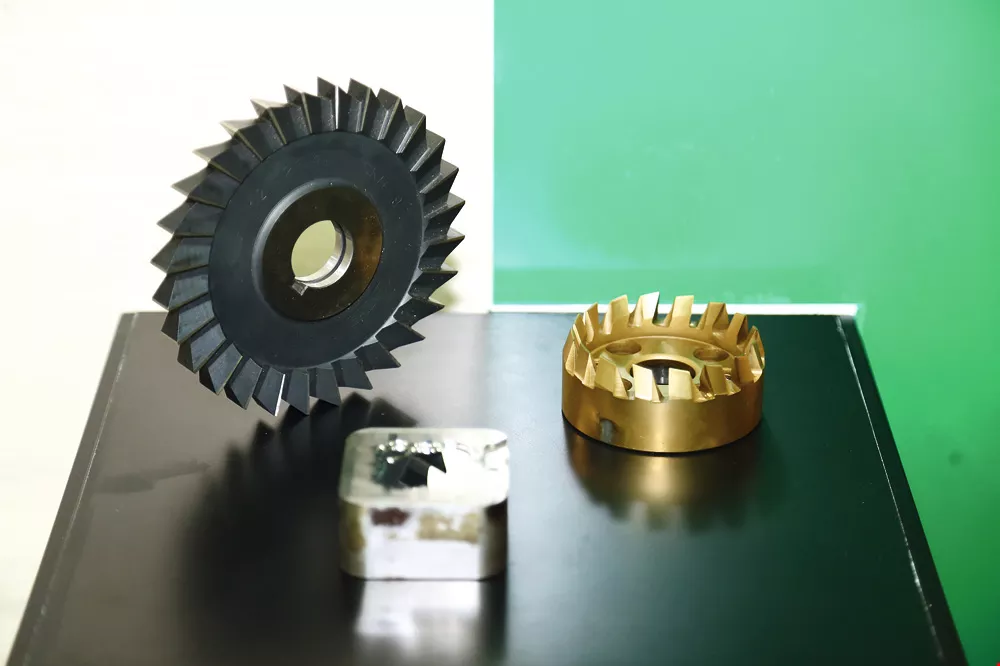
After two decades of endeavor, GMTC’s stainless steel and alloys are now accepted in the elite aerospace and energy industries. The company has also won a place in the highly competitive superalloy field.


