Next stop for truffle research
Fu Chuen-hsu surmises, “These microorganisms came to Taiwan during the ice ages and survived here. After adapting to the temperatures, humidity and phenological conditions here they and other species co-evolved, competing with and stimulating each other, so that over a long period of time Taiwan’s species became more specialized.” This comment resonates with the fact that Taiwan’s subterranean fungi are diverse enough to account for 6% of the global total of such fungal species.
In fact, in the course of discovering and studying truffles, researchers have also been promoting the conservation of biodiversity in Taiwan. Besides life forms that live on and above the Earth’s surface, we also need to pay attention to underground organisms and bacteria, which account for 70% of the world’s biomass. Though often overlooked, they are critically important to comprehensive protection of ecosystems and the environment.
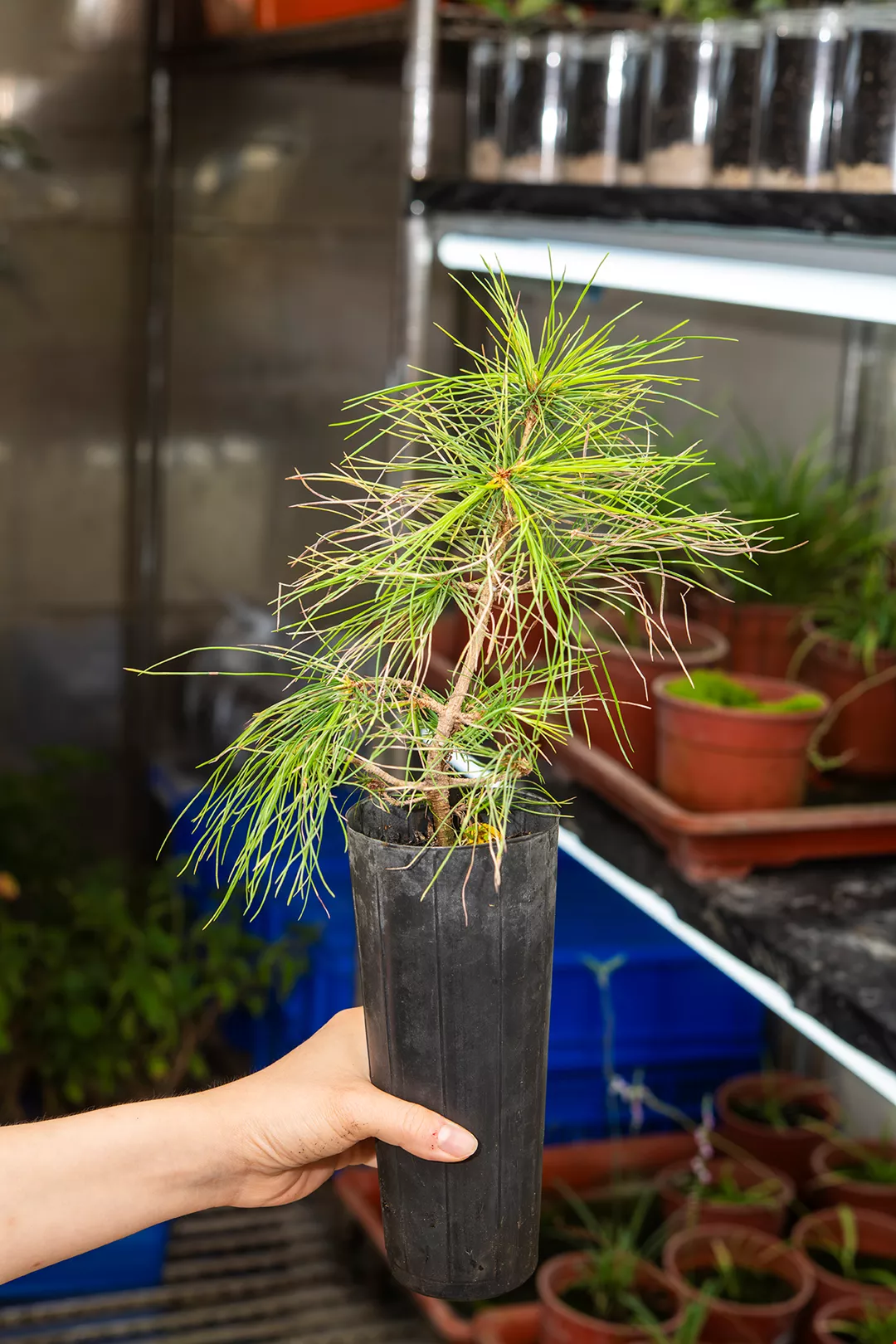
Besides contributing to biodiversity, truffles have rigorous environmental requirements and high economic value, giving them great potential for future development as part of the under-forest economy, which is currently being advocated to maintain forest ecosystems and forest cover. This is because they have a symbiotic relationship with plants. Fungi absorb carbohydrates and other nutrients from the roots of plants, while the plants in turn access needed water and nutrients through fungi. If land is cultivated using conventional agricultural methods, agrochemicals will cause an imbalance in the microbiota of the soil, adversely affecting the growth of fungi. Therefore, land where truffles grow must be healthy and unpolluted.
Meanwhile, Fu Chuen-hsu reminds us that “in pursuit of the commercialization of truffles, the goal must be ‘the right species for the right place.’” In particular, truffles are not things that can be planted and harvested according to a particular schedule, and they can only be grown with patient waiting and continual irrigation. Only then will the day come when truffle research from Taiwan, which has been carried on arduously for decades, can shine in the international community.
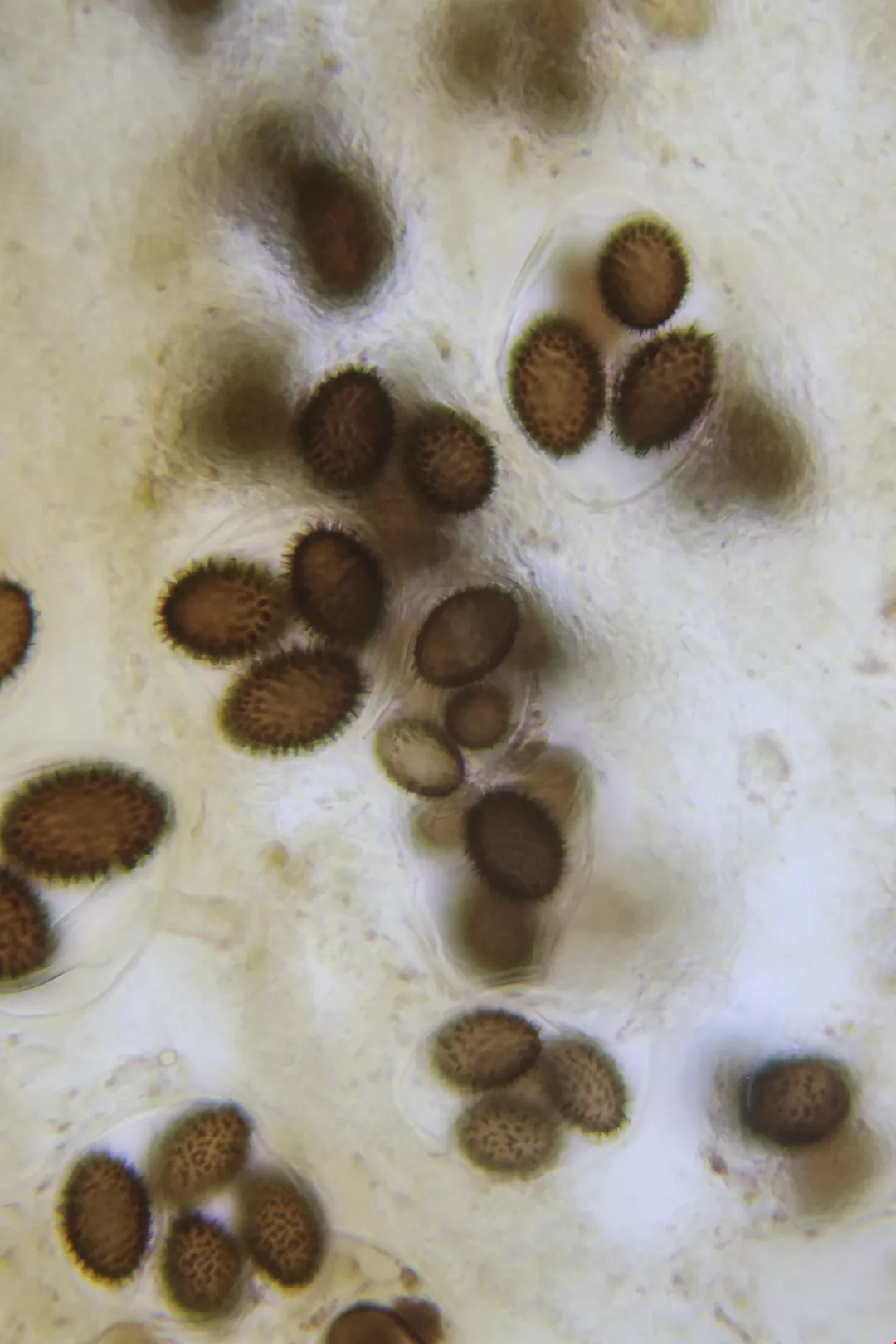
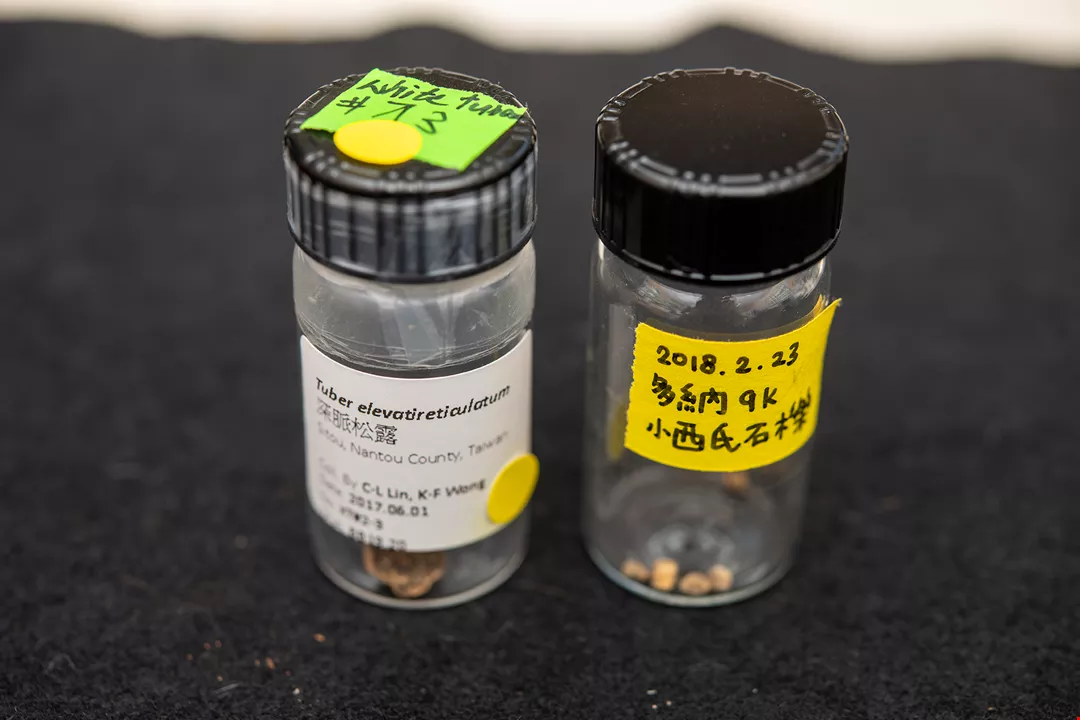
Spores of a black truffle.