Good urnings on your investment:
Looking purely from the point of view of supply and demand, the market for naguta looks good. But given the Chinese fear that discussing or planning for death may hasten it, it won't be easy getting most people to accept the idea of buying a spot in preparation for the day they'll need it. Thus smart operators are focusing on the mindset that "people love money even more than they fear death." They are strongly pushing "advance sales," making the product more abstract, so that it doesn't seem so distasteful to people.
Using the method of "advance sales" where one sells the units even as they are being built also influences investors who are accustomed to speculating on real estate for the living, giving them the impression that buying into these afterlife apartments is simply an extension of the same logic.
"It's just like purchasing the rights of ownership," says one young person who can't afford a residence for this life but has already arranged his "post-box." When he passes on, he'll finally achieve the status of homeowner.
One operator's advertising brochure lays out the following appealing scenario for investors: When construction on a tower begins, the price per unit is about NT$30-50,000. As the project approaches completion, the price steadily increases with it. When the entire structure is completed two or three years down the road, the value could be up to NT$200,000.
Although those in the industry make these nether apartments seem just like other apartments, will banks in the future accept them as collateral for loans of equal value? Can they be rented out when one is not "living" there? Obviously the jury is still out on these questions.
A future home of gold and jade:
Further, in the elderly society of the future that operators anticipate so happily, especially for the disproportionately large number of elderly first generation mainlanders, will they decide that naguta in Taiwan are simply too expensive and choose to have their ashes returned to their old homes in the mainland?
Quite obviously, to increase the value and attraction of the urn towers, operators with sufficient financial strength are endeavoring to come up with ideas for management and settings to induce everyone to wish to leave their remains in Taiwan.
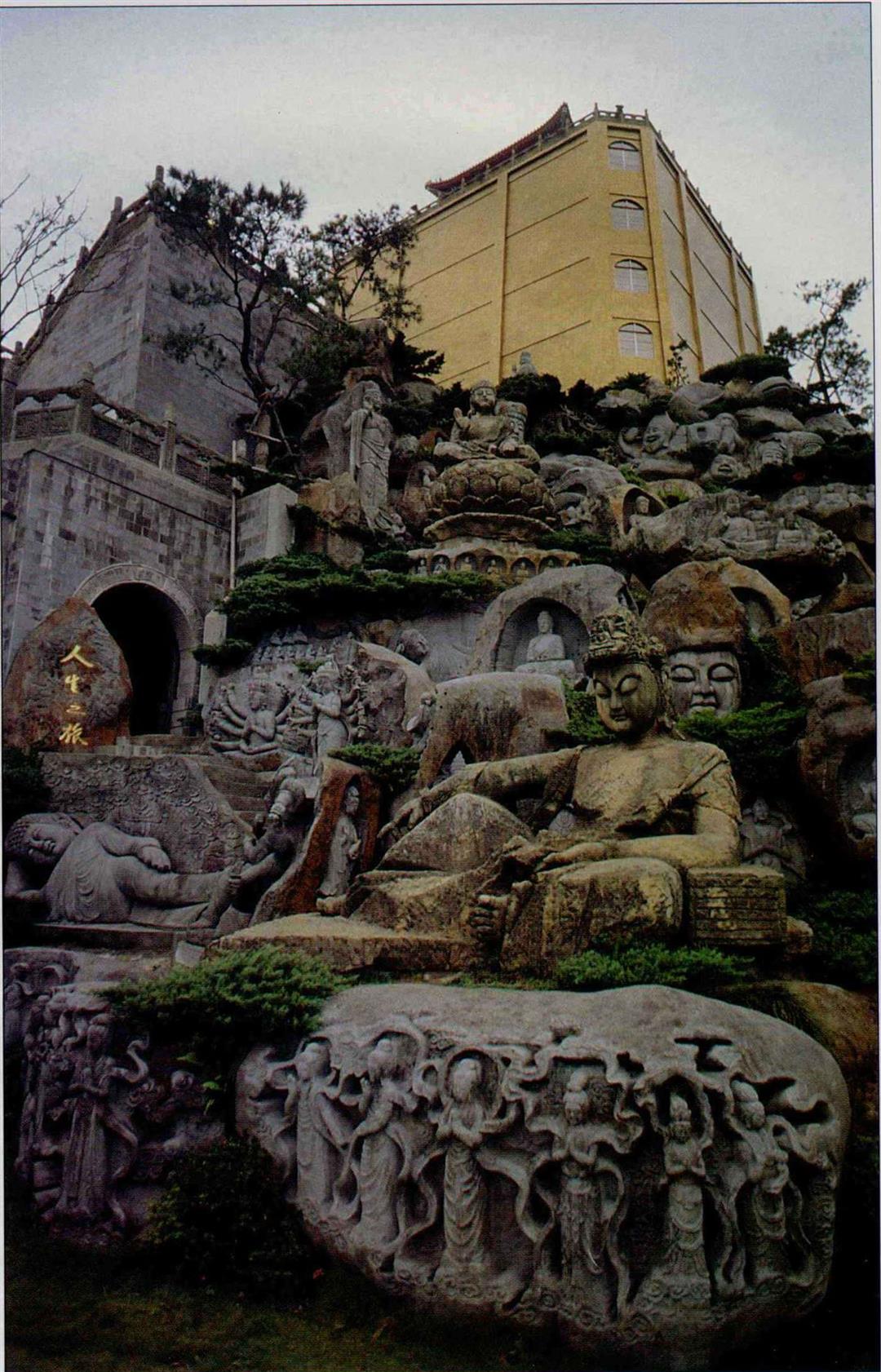
One modernized graveyard located near Chin-shan in Taipei County, with its "park design cemetery," has already become the definitive graveyard site for TV and movie filming. The vast sums spent by the operators to invite well known artists to do sculpture and murals not only make you sit up and take notice, they have also stimulated competition within the industry.
Thus some people have taken long trips to the mainland, working with local artifact sites and museums there, to create copies of artifacts which are then moved to Taiwan, all to increase their reputation. Others have not balked at huge investments to import foreign "gold brick" wall covering which becomes their main appeal. There are even those who have brought modern technology to the world of the dead, entering the complete "list of tenants" of the urn tower into the computer so that whenever relatives come to pay their respects, with just the touch of a few keys "they can find what they are looking for in a matter of seconds."
Not necessarily a quick return from the dead:
"Investors who want to buy and sell naguta should get things clear first, because they might only get their return after decades," advises Li Chuan-hsien, the special assistant to the chairman of a large burial enterprise. That company has only sold about 20% of their naguta compartments thus far. Also, given the mixed quality of products on the market of late, with a large number of sales operations, and with each tower having a capacity of 100-200,000 "residences," the "vacancy rate" generated by these towers might take decades for the market to absorb.
Despite skepticism from outsiders, operators are moving right along with all kinds of new promotions. It can't be denied that the prospect of being put in a clean, picturesque, well-lit, temperature-controlled environment can change the way people think about death. Particularly interesting are those designs that take the ethics of the living into the land of the deceased.
Part way into another world:
For example, naguta are divided into so-called "public housing" and "villa" sections according to the price. So that even death won't "do us part," businessmen offer "husband and wife" and even "family" compartments. In terms of religious belief, they have achieved the realm of global harmony, with the five major religions peacefully coexisting. Catholics reside on the 7th floor, guided by the Virgin Mary, and church music is played. Buddhists are on the 6th floor, with statues of the Buddha and frequent daily chanting of the sutras.
Giving the dead a more fit environment is really to put the hearts of the living at ease. That is perhaps the part of the commercial "Extreme Joy" industry that can be affirmed. What should be feared is doing it for money's sake; the hearts of the living will rise and fall with changes in the market, and they can never rest in peace.
[Picture Caption]
p.27
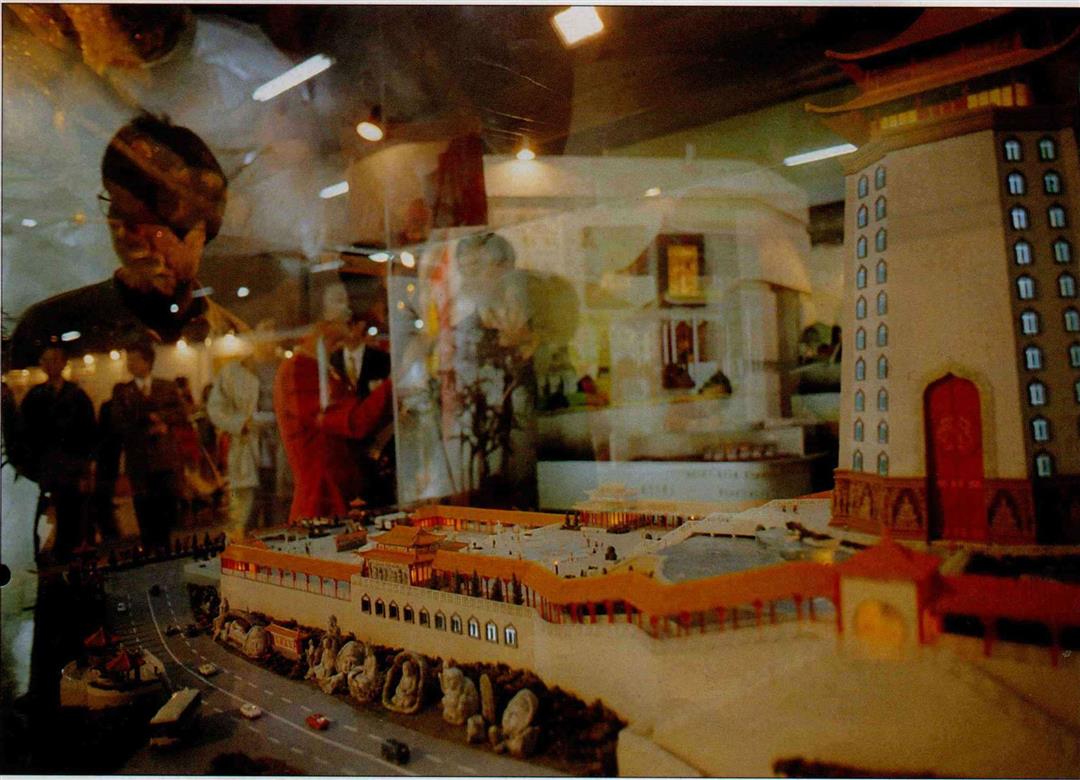
Have I got an investment for you! Operators use "advance sales" to sell final resting places for people's ashes.
p.28
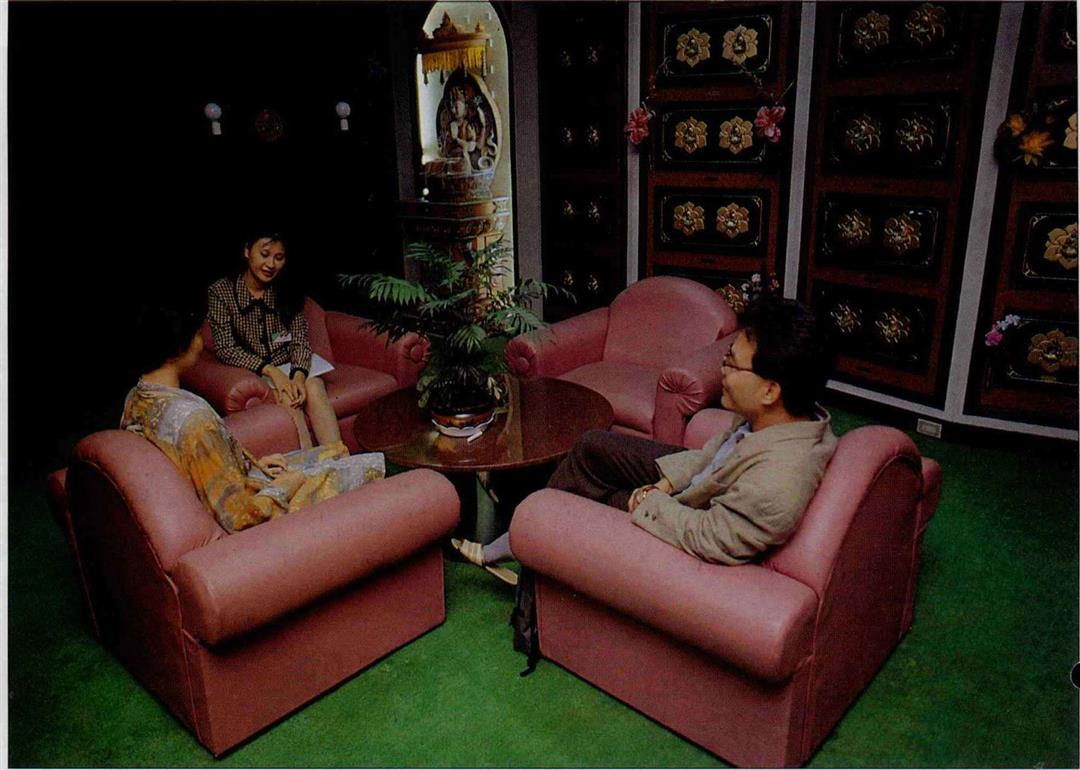
One of the "selling points" of the naguta is that one can combine the essential duties of respect for the dead with some recreational activity.
p.29
Famous artists are employed at great cost to accompany people to the last stop in the journey of life. What do you think?
p.30
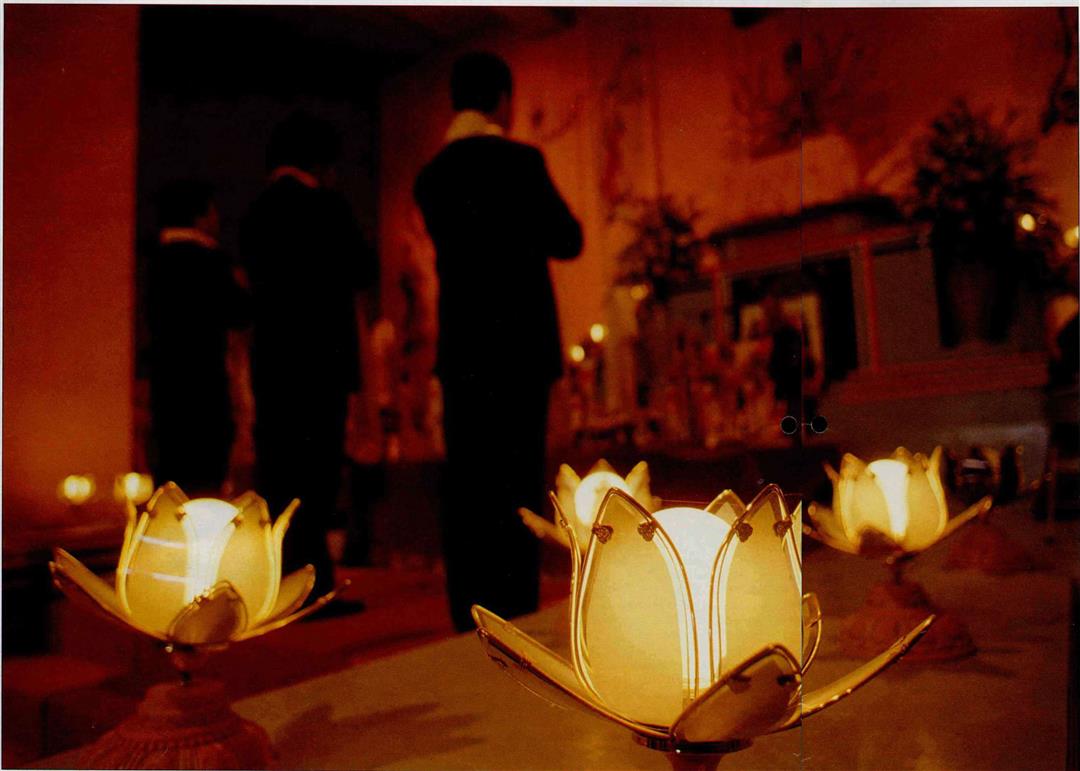
No matter whether or not there is an afterlife, respect for the dead need not rely only on solemn halls. The intentions of the living are what is most important.






@List.jpg?w=522&h=410&mode=crop&format=webp&quality=80)