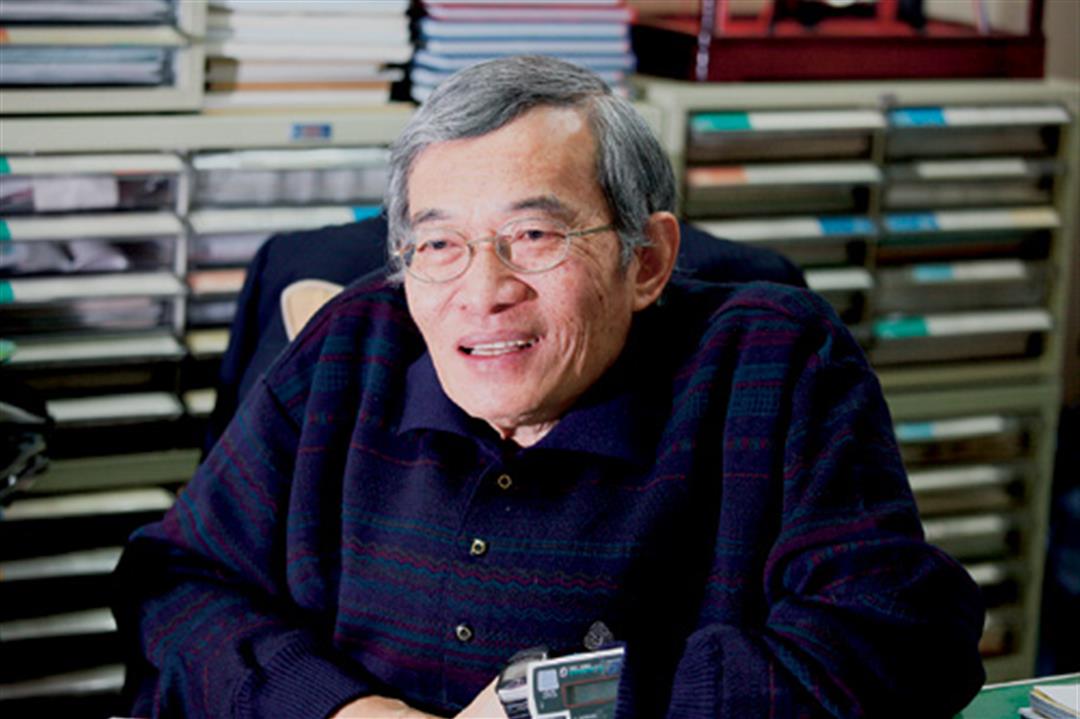
Teng Che-ming stands a mere 142 centimeters tall, but a list of towering accomplishments qualifies him as a giant in the field of medicine.
For one thing, he is a renowned expert in the study of snake venoms, where he carries on in the footsteps of Du Congming (the first Taiwanese ever to obtain a doctorate in medicine) and Du's successors Ou-yang Zhaohe and Li Zhen-yuan. When he did postdoctoral research in the USA, his academic advisor, Professor Walter Seeger, was so worried about his lack of driving skills that he chauffeured Teng to and from class every day.
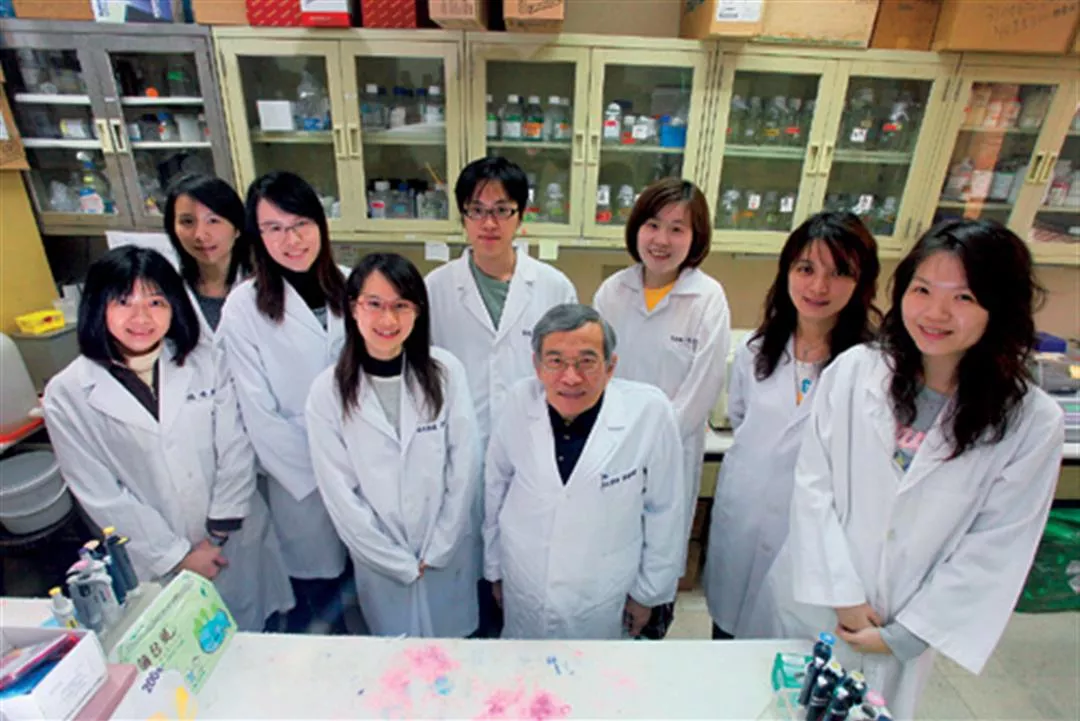
From academic guidance to assistance with everyday living, mentors have left a deep mark on Teng, who in turn has taken his love of learning and shared generously with younger generations of students. At the Department of Pharmacology at National Taiwan University a strong family atmosphere flourishes among the students, who take it as a big honor if selected to study under Teng, holder of a National Chair professorship, one of the highest honors in Taiwan's academic world.
Professor Teng Che-ming wears a small gadget, about the size of a watch, on his wrist. I ask about it, and am told that it monitors his blood oxygen level and heart rate. A doctor suggested that he wear it.
Due to serious curvature of the spine and a protruding sternum, Teng's lung capacity is only about 50% that of a normal person's. Lifting heavy objects, standing too long during a lecture, climbing stairs, or taking an extended walk will leave him seriously short of breath. Even eating a full meal brings on the problem, because the food takes up limited torso space and affects other functions. The lack of oxygen brought on by shortness of breath in turn causes his heart to accelerate.

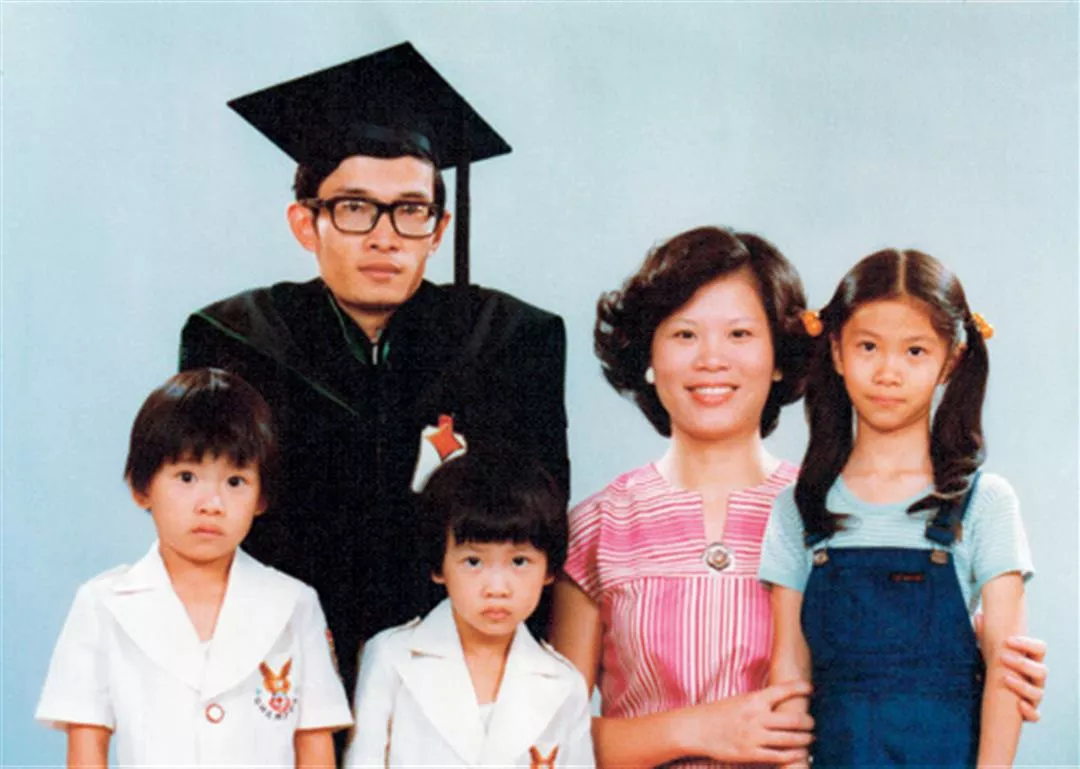
Born in Beijing, Professor Teng grew up in Taiwan's rural Yunlin County. Despite the poor health that has dogged him since childhood, he still managed to find love in his church community, and enjoys a happy home life. While studying in the United States, he benefited from a very supportive academic advisor there, and became a full professor not long after returning to Taiwan.
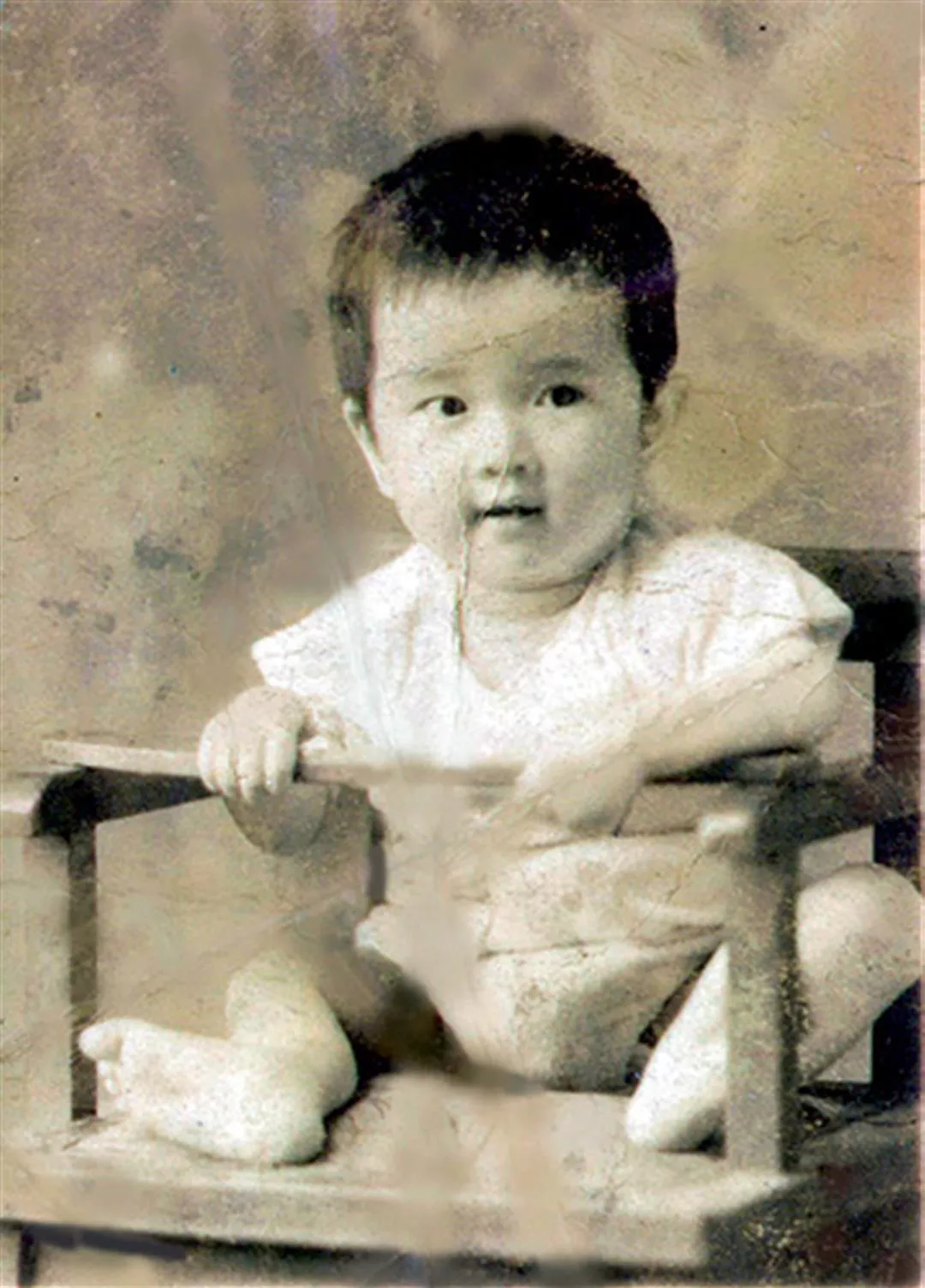
Frail health has dogged him for 61 years now. After contracting an unidentified illness at age five, he began developing curvature of the spine.
He was born in 1945, and the disease set in just a few years after the end of the war at a time of material scarcity. Perhaps due to poor nutrition and a lack of calcium, the problem kept getting worse.
"I had a tough time as a kid," recalls Teng, who grew up in a small town in rural Yun-lin County. His mother accompanied him all over the island for medical attention. To keep his spine from getting any worse, he would sleep at night on a sheet of gypsum board, and during the day would wear a heavy leather garment with steel support rods. But the complex network of nerves running along the spine made surgery a very risky proposition. All he could do was take the doctor's advice and stay off his feet as much as possible.
As a first-year elementary student he never managed to attend school more than a few days in a row. He attended only intermittently during second through fourth grade, and took fifth grade off entirely. After testing into junior high in Chiayi City, the city kids there were not so kind as the country classmates had been. In addition to the taunts of peers, physical education class was also a source of torment. The fiercely proud Teng did his best to keep up as the others ran about, a futile undertaking that frustrated him endlessly. Fortunately, however, his family was reasonably well off. His grandfather practiced traditional Chinese medicine, while his father was an elite physician, having received a medical degree in Japan. Teng was the eldest son in the family, moreover, and his parents took pains to map out a proper future for him.

Born in Beijing, Professor Teng grew up in Taiwan's rural Yunlin County. Despite the poor health that has dogged him since childhood, he still managed to find love in his church community, and enjoys a happy home life. While studying in the United States, he benefited from a very supportive academic advisor there, and became a full professor not long after returning to Taiwan.
Teng remarks that doctors had a tough job back in those days. "Back in the 1960s they treated a lot of farmers who were getting poisoned by pesticides. Many farmers would spray chemicals without making sure to stay upwind. And there were farm wives committing suicide by drinking pesticides. Doctors would often get called out in the middle of the night, and had to travel for kilometers through the countryside on house calls. But those were hard times economically, and patients were frequently unable to pay."
Teng's parents knew he wouldn't be able to run around the countryside the way his father did, so his career would necessarily take a different path. During his time out of school, Teng would help his father prepare prescriptions, and in the process learned about medicines. Patients suffering from a cold were often given allergy medicine, for example, while those with asthma frequently received ephedrine. Teng took it upon himself to understand why.
Asthma sufferers, he found out, sleep poorly due to coughing, and ephedrine helps to open up constricted breathing passages. The years spent preparing prescriptions afforded young Teng a rudimentary understanding of the effects of different drugs.
After completing junior and senior high in -Chiayi, Teng tested into the Kao-hsiung Medical University School of Pharmacy. Knowing this was the field in which he would make his living, he applied himself diligently to his studies. The great Du Congming from National Taiwan University had established the KMU School of Pharmacy in 1957. Just like NTU, the lecture halls featured stepped seating. There the hardworking Teng would take copious notes and distribute them to his classmates.
Many of the professors in those days had received their schooling in Japanese. Their Mandarin pronunciation was poor, and Chinese-language textbooks were few. To supplement his notes and make them presentable, Teng would pore through Japanese and English textbooks. The methodical Teng finished at the top of his class throughout all four undergraduate years.

Born in Beijing, Professor Teng grew up in Taiwan's rural Yunlin County. Despite the poor health that has dogged him since childhood, he still managed to find love in his church community, and enjoys a happy home life. While studying in the United States, he benefited from a very supportive academic advisor there, and became a full professor not long after returning to Taiwan.
Huge numbers of Taiwanese university grads in those days continued their education abroad. Teng, too, applied for scholarships to three different universities in the US and Canada, but was unsure where he actually wanted to go.
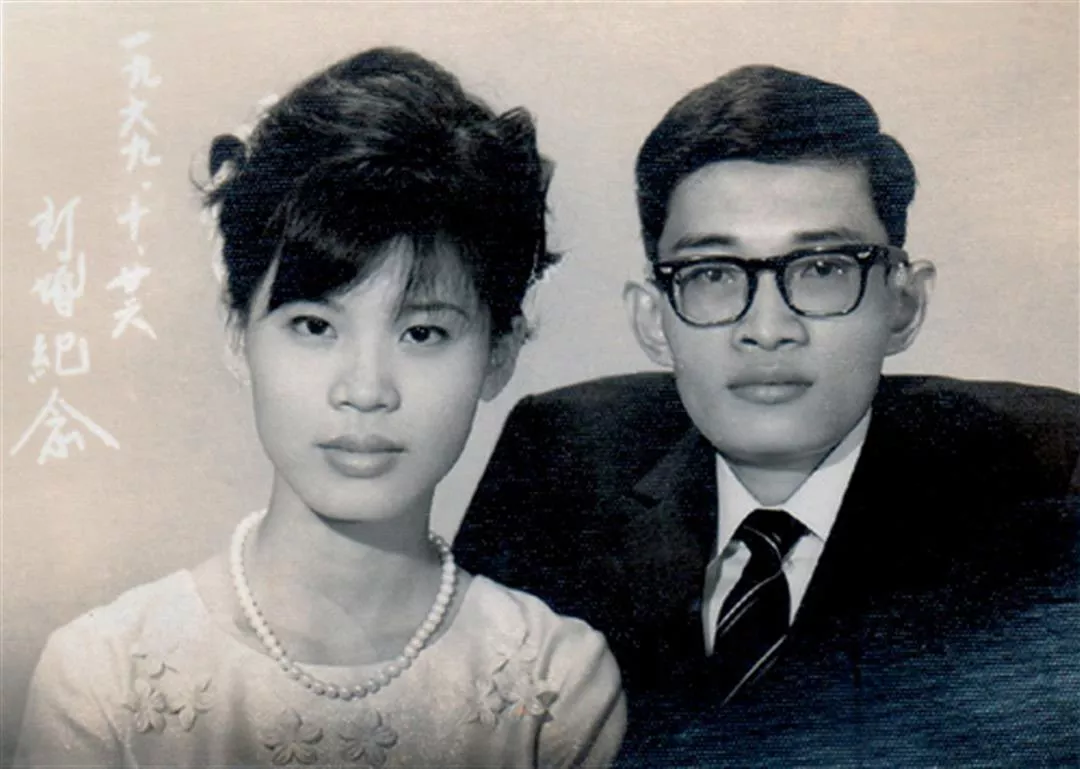
The girlfriend he had met at church didn't want to go abroad, so Teng's family suggested that he first try and test into the NTU Department of Pharmacology. He gave it a shot, and was one of just four to be accepted. He ended up getting his Master's and PhD degrees in Taiwan.
The faculty at the Department of Pharmacology was small back then, with just four professors. Students were assigned to an academic advisor, a matter in which they had little say. Teng was assigned to Ou-yang -Zhaohe, under whom he took up the study of snake venoms.
Venomous snakes abound in subtropical Taiwan. Their venom is a type of saliva, stored as a clear yellowish fluid in venom glands. In an earlier time, an average of several hundred people were bitten by venomous snakes each year in Taiwan. Based on the victims' symptoms, snake venoms are broadly classified into two types-neuro-tox-ins and hemo-tox-ins. Snakes using neu-ro-tox-ins include the many-banded krait and Chinese cobra. Once bitten, a person will experience paralysis of the limbs and respiratory muscles, and difficulty swallowing. Snakes using hemo-tox-ins include the hundred-pacer, Chinese green tree viper, and Taiwan habu. Hemo-tox-ins interfere with blood circulation and cause decreased blood pressure, poor coagulation, hematuria (blood in the urine), and hemo-ptysis (coughing up of blood).
After the Vietnam War broke out during the international tumult of the 1960s, the US found itself involved in jungle fighting for which it was ill prepared. One thing they were worried about was venomous snakes, and part of their response was to support basic research at NTU and set up the US Naval Medical Research Unit No. 2.
Teng explains that snake venom breaks down quickly in heat, so US aid went to the purchase of the first air conditioner ever for an NTU research laboratory. Even so, the lab equipment remained quite simple. For example, to separate out venom proteins of different sizes through electrophoresis, Professor Zhang Chuan-jiong would smear a paste of sweet potato starch on a glass slide, place a drop of snake venom onto the starch, and then pass an electric current through the paste to cause the proteins to migrate toward the positive and negative electrodes. Finally he would cut the paste into squares and analyze them one at a time to identify neurotoxins, cardiotoxins, and other bioactive proteins. They were flying by the seat of their pants, to be sure, but still produced outstanding studies and propelled Taiwan to the global forefront of basic venom research.

Born in Beijing, Professor Teng grew up in Taiwan's rural Yunlin County. Despite the poor health that has dogged him since childhood, he still managed to find love in his church community, and enjoys a happy home life. While studying in the United States, he benefited from a very supportive academic advisor there, and became a full professor not long after returning to Taiwan.
Du Congming completed his PhD at -Kyoto Imperial University and returned to teach in Taiwan at Tai-hoku Imperial University, predecessor to today's NTU. There Du had his pharmacology students working in three main areas of research-opium, snake venoms, and traditional Chinese medicines.
In choosing to concentrate in these three areas, Du reasoned that: (1) opium was a pernicious legacy of Japanese colonial rule that gravely affected the health of people in Taiwan; (2) venomous snakes abound in subtropical Taiwan and pose a threat to humans, so there was a need to develop anti-venom vaccines and serums; and (3) traditional Chinese medicines were an essential element of Chinese heritage, yet we had never truly understood them.
At a time when homegrown science here was close to non-existent, Du knew he had to select research topics appropriate for Taiwan. His judgment was impeccable. After a half-century of hard work, Taiwan has compiled a record of brilliant success in the study of opium and snake venoms.
Du also worked hard to modernize traditional Chinese pharmacology. He required all his PhD candidates, regardless of their specialty, to write at least one research paper on the subject.
Because traditional Chinese -medicinal compounds include a complex set of ingredients, Du saw a need to use scientific methods to determine which ingredients are bioactive. He also wanted to provide labeling information regarding what illnesses any given compound can be used for, and in what dosages, for the reference of future generations. In effect, he was taking today's ideas about the development of new drugs and applying them to traditional Chinese medicines.

A bevy of young beauties can be found among the students advised by Professor Teng in the Department of Pharmacology at National Taiwan University. Competition to enter the department is fierce, for opportunities to do meaningful research there abound.
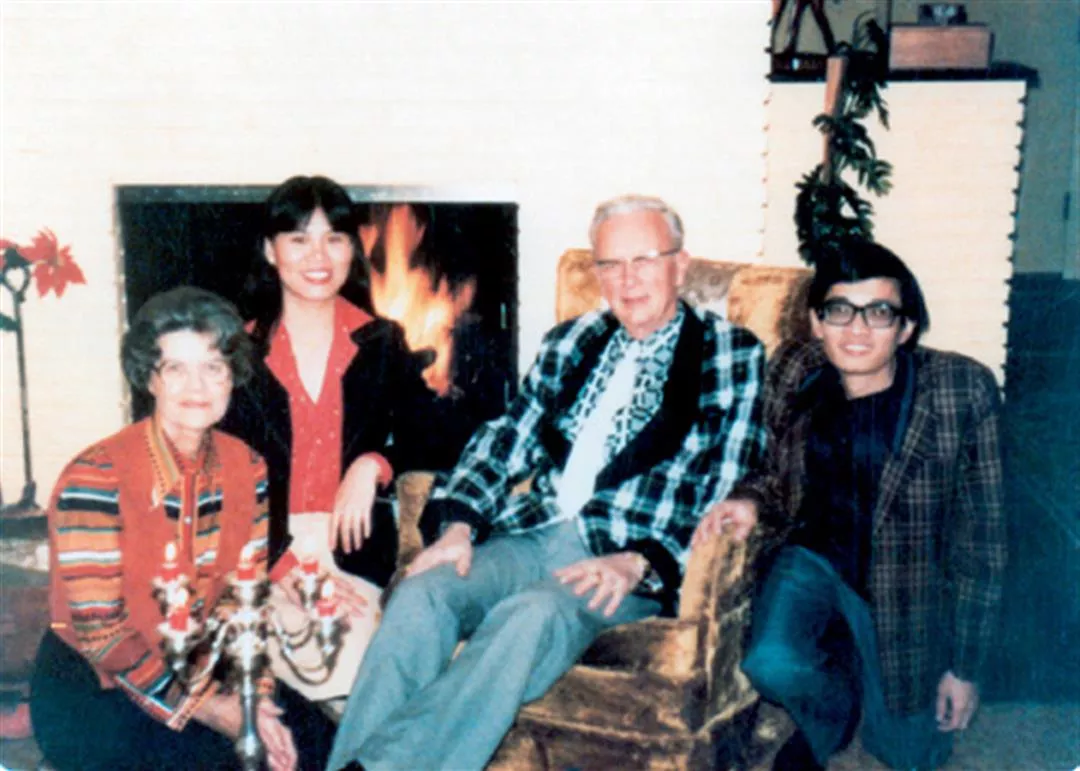
In 1979, at the age of 34, Teng Che-ming was awarded a scholarship by the US National Institutes of Health to pursue postdoctoral research in America. He went to Wayne State University in Detroit to study under Professor Walter Seegers, a renowned expert in blood coagulation.
Seegers, a nominee on multiple occasions for the Nobel Prize and 69 years old at the time, found a rental property for Teng's family. Not long after their arrival, Seegers spent two hours teaching Teng and his wife to drive a car, but American cars were big, and Seegers worried that the short-statured Teng might be unable to see the road clearly or reach the brakes, so he decided to personally chauffeur his student to and from school. The arrangement lasted for two years.
Teng speaks fondly of the hour they spent together on the road: "Every day was a seminar. He'd talk, and I'd be along for the ride. It was the best and most complete instruction I've ever received in my life."
On the academic front, Seegers assigned Teng two research assistants. Whenever Teng finished writing a research paper, Seegers would spend hours with him discussing it line by line before having a secretary type it up. Teng completed seven or eight research papers over the course of two years.
In 1983, not long after Teng returned to Taiwan, Li Zhen-yuan became chairman of the Pharmacological Society of Taiwan, and Teng was named secretary-general. The two worked together in those capacities for seven years, during which time Teng saw first-hand Li's great commitment to social causes (he worked hard, for example, for repeal of the "thought crime" provision in Article 100 of the Criminal Code). As one who drew a sharp line between right and wrong, Li was a highly principled straight shooter. Rubbing elbows with him honed Teng's leadership skills.
Academic advisor Ouyang Zhaohe exposed Teng to a unique combination of intellectual rigor and low-key humility. Professor Seegers offered lessons that ranged far beyond the sphere of academics, and enabled him to appreciate the benefits of teamwork. And Li Zhenyuan provided an uncompromising demand for excellence that served as a whetstone for Teng's considerable abilities.
"The teacher-student relationship is a precious thing, and should be appreciated. When your teacher requires you to write two research reports in order to graduate, don't go thinking your teacher is too strict," says Teng.
Chinese pharma goes scientificIn 1987, Teng decided to branch out from snake venoms and begin studying traditional Chinese medicines.
Before studying venomous snakes, says Teng, he knew they had venom, whether the venom could be fatal, and the nature of their toxicity, but the situation with traditional Chinese medicines is altogether different. The subject is extremely broad, and ingredients may be inactive in certain cases but active in others, so research must entail the cooperation of people from different specialties, such as specialists in blood disorders and internal medicine.
Moreover, the literature on traditional Chinese medicines is a tricky guide. Some pharmacological effects are different from those described in old texts, possibly leading to different results.
Under Teng's leadership, the NTU Department of Pharmacology has built a small Chinese medicines research group composed of a dozen or so chemists and crude drug specialists. The group studies various Chinese herbal medicines that have the effect of "activating blood circulation to dissipate blood stasis" (such as magnolia flower buds, Aglaia elliptifolia, celery, Ligisticum rhizome, and plants in the gentian family) in an effort to identify their bioactivity and determine whether they can improve blood circulation, or help to eliminate or prevent blood clots.
Teng believes the study of Chinese herbal medicines must become a modern, international undertaking, and he therefore screens medicinal materials for bioactivity in the same way such screening is conducted in the development of Western medicines. Starting with in-vitro testing to determine the biochemical and biofunctional properties of enzymes, receptors, cells, tissues, organs, and the like, he then proceeds with animal testing to evaluate pharmacological effects upon the heart, blood platelets, and blood vessels. He also tests to see whether any given substance will dilate blood vessels, and how it affects prostate tissue. He then performs extraction, separation, and purification, moving forward one step at a time to screen for bioactive ingredients.
Time-consuming processTraditional Chinese medicines have huge potential, but they must be carefully screened with a rigorously scientific attitude, starting with simple items before moving on to the more complex. Clinical data must be used to determine efficacy and safety. The process is a long one.
But it can be done. Many note the successful development in Germany of a -Ginkgo biloba extract that to date has racked up over US$2 billion in sales worldwide. Another example is the cancer-inhibiting taxol (also called "paclitaxel"), which is extracted from yew bark and generates over US$1.2 billion in sales per year. There is big money to be made, so many feel that Taiwan should also be taking this path.
But does the fact that Chinese herbal medicines have their origin in Chinese culture necessarily mean that they offer a competitive niche for Taiwan? After 20 years of research, Teng has his own take on the situation.
He points out that the Germans mostly work to develop extracts from a single type of plant, which is relatively easy. Taiwan and mainland China, in contrast, generally research compounds. Gentian liver-purging decoction, used in traditional Chinese medicine to treat liver ailments, has five different medicinal ingredients: gentian root, baikal skullcap root, cape jasmine fruit, oriental water plantain rhizome, and thorowax root. The interaction between them is quite complex.
"Traditional Chinese medicines go back a long way, but when you carefully study the ingredients and effects, or compare their pharmacological effects with those of Western medicines, you discover that Chinese medicines aren't as 'mysterious' as people tend to think," says Teng, who explains that traditional Chinese medicine stresses the importance of differentiating symptoms before applying treatment. When a drug's pharmacological effect is less than ideal, it is generally thought that the researcher may not have found the right clinical patients, or that the pharmacological effect is slow. But when such matters are looked at from the perspective of pharmacoeconomics, if we find that the development of a particular medicine will prove only 40% effective while a currently existing Western medicine is 80% effective, then why not just use the existing medicine? In addition, the pharmacological effect of a given Chinese crude medicine varies depending on where it came from and in what season, which further complicates research; even if a new medicine is eventually developed, it will be difficult to get National Health Insurance to pay for it. Most Chinese herbal medicines at this point are used in health foods. The obstacles to development of new medicines are formidable.
In 1997, the Executive Yuan included "adoption of scientific methods with Chinese herbal medicines" and "development of new medicines" in a list of 24 economic undertakings specially targeted for development. The National Science Council also launched the National Science and Technology Program for Biotechnology and Pharmaceuticals (NSTPBP), which Teng chaired during Phase 2 (2003-2006) and Phase 3 (2007-2010). In this role he was responsible for coordinating activities taking place upstream (academic research), midstream (pharmaceutical R&D by entities under the Ministry of Economic Affairs), and downstream (clinical testing at different medical centers). The average annual budget was NT$1.5 billion in Phase 2, and NT$700-800 million in Phase 3.
Chance for a breakthroughBy Phase 3, the focus of research had turned primarily toward the development of new medicines, especially medicines for cancer, diabetes, cardiovascular diseases, and disorders of the nervous system. "Our goals," says Teng, "were to clarify the mechanism of action of medicines, determine their R&D potential, and enable them to gain patent protection." He points out that the NSTPBP has received 105 clinical study applications over the past eight years, of which 51 have been approved and 20 have already been completed.
A "bridge project" was added to the NSTPBP for Phase 3 to get patent professionals from industry to evaluate whether academic research findings can be developed into new medicines, but the process is lengthy, and necessarily involves the following: chemical modification -> re-evaluation -> modification -> re-evaluation. In other words, when a natural or synthetic compound or protein is acted upon by another compound, careful observation is required to determine whether it will become more active, or less toxic, whether the solubility of an oral solution can be increased, whether safety can be improved, etc. Just because a particular crude medicine has a pharmacological effect does not mean that a new medicine has been discovered.
I have a dreamThe National Health Research Institutes, operating with support from the NSTPBP, completed preclinical trials on anti-cancer drug candidates DBPR104 and DBPR204 and in July 2010 signed a technology transfer agreement with Sinphar Group to conduct further clinical testing and research. Phase 1 clinical testing of the two candidate drugs has now been approved by the US Food and Drug Administration. This signifies that Taiwan now, for the first time, has a completely domestic model for the development and manufacture of a new drug, which is deeply gratifying for Teng.
It is estimated that it takes five to eight years and at least NT$20 billion to get a drug candidate to Phase 3 clinical testing. But while the cost is high, once a drug is successfully launched the payoff is big. Teng explains: "As long as toxicity is predictable, with most drug candidates you can tell by Phase 2 clinical testing how effective it is going to be, and if there is an urgent need for a particular drug, as in the case of AIDS or cancer drugs, and if the FDA feels that Phase 2 results are good, then Phase 3 will go more quickly. The process may actually take longer with drugs for chronic diseases such as high blood pressure, because there are already a lot of good drugs on the market."
For four decades now, Teng has found his calling in teaching, research, and community service. His dream these days is for Taiwan to launch a new medicine in the near future, and it appears this dream may be coming true before too long. But he cares little whether he is the one to get the credit, because success with a single biopharmaceutical redounds to the good of all mankind.