Out of commission for 43 years
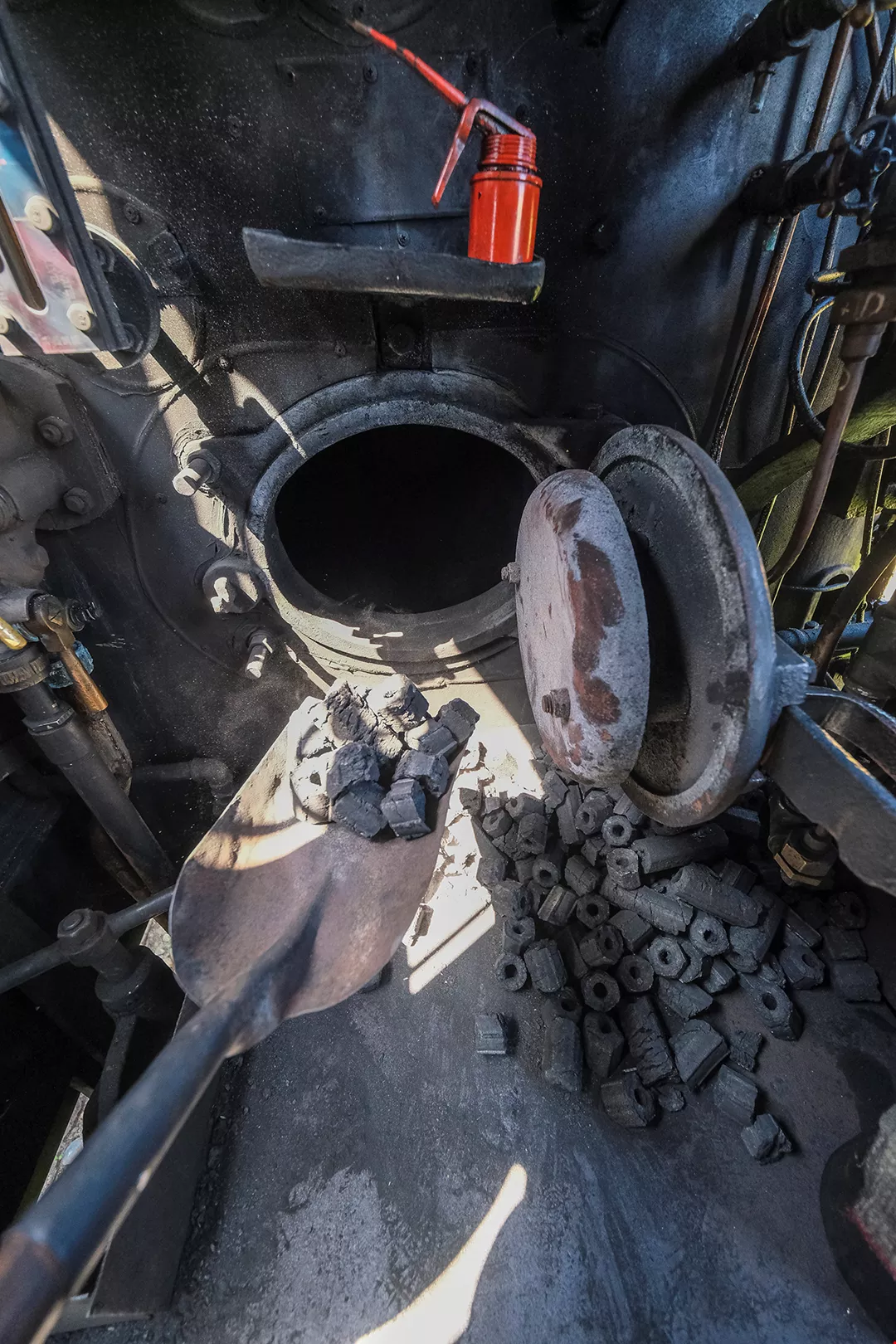
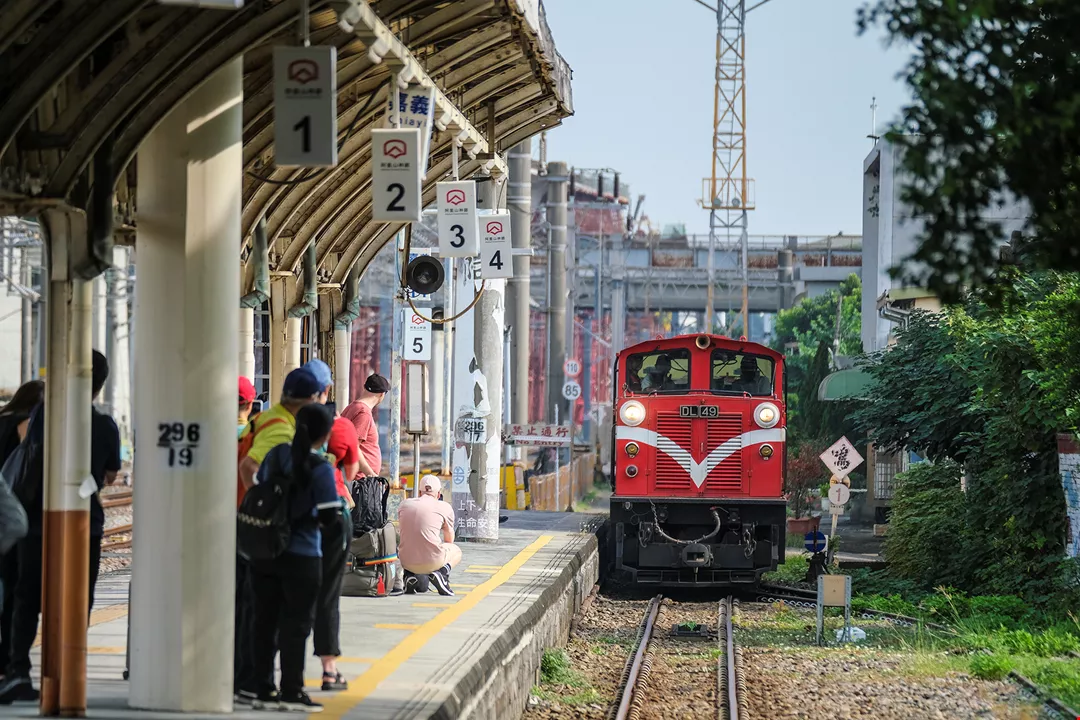
The trains that shuttle back and forth along these tracks are without a doubt the stars of the show. In particular the steam engines with their plumes of vapor, relics from the first industrial revolution, grab visitors’ attention. Much simpler than modern locomotives, whose operations depend upon large amounts of electronics, they are powered by coal.
Yet so long as these old engines are properly maintained, they can continue to operate. The romantic sight of these century-old machines magnificently chugging down the track engenders a sense of wonder and nostalgia.
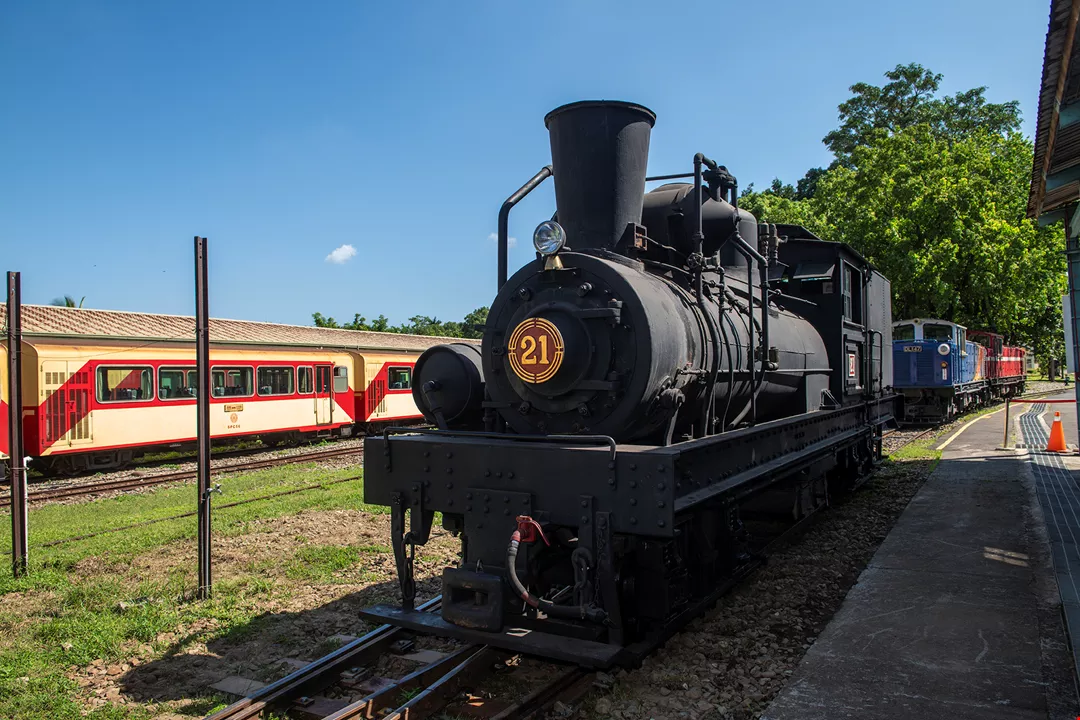
At the Alishan Forest Railway Garage Park, we found the Shay-type locomotive No. 21, which returned to duty this year, quietly parked in a garage.
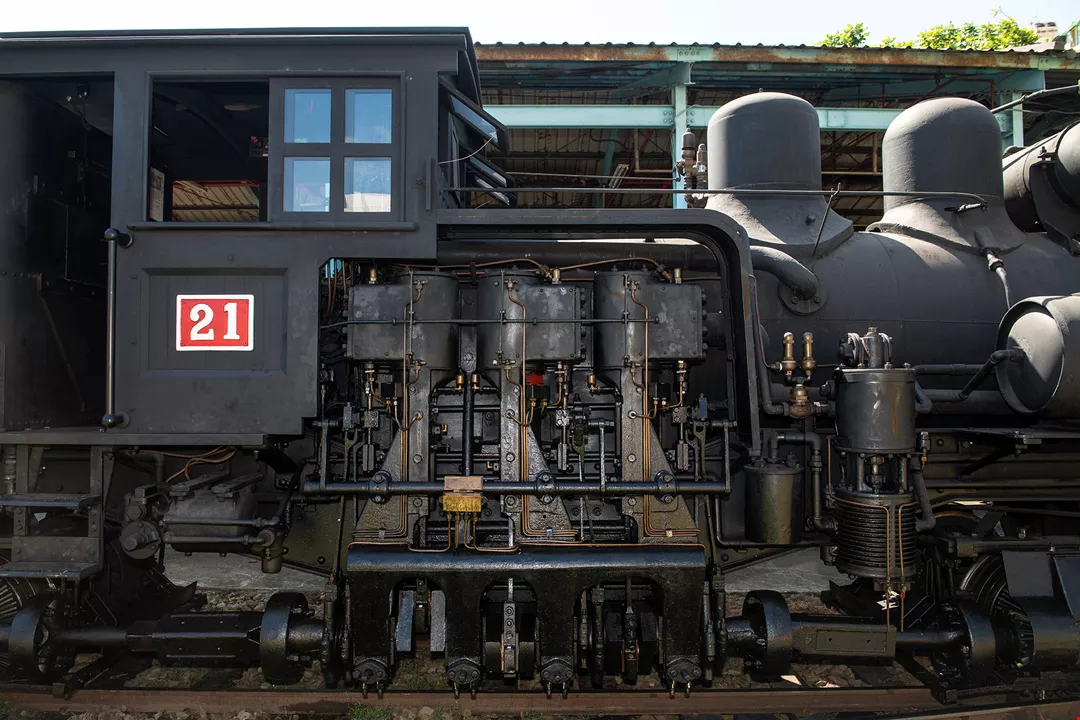
Built in the United States in 1912 to be an excellent slope climber, it was in service on the forest railway for 60 years before being brought in 1976 to Chiayi Park, where it remained for 43 years. Then in 2019 the Forestry Bureau invested NT$22 million in its restoration. After 18 months of repairs and nine months of trial runs, the old engine had completed a magnificent transformation.
In the modern era of highly developed transportation, restoring an old locomotive so that it can return to service is “a mark of national soft power,” says Ku Tingwei. A train pulled by a steam engine carries with it the history of Chiayi as a timber town. Its value in terms of cultural heritage and as a representation of the local people’s history can’t be overstated.
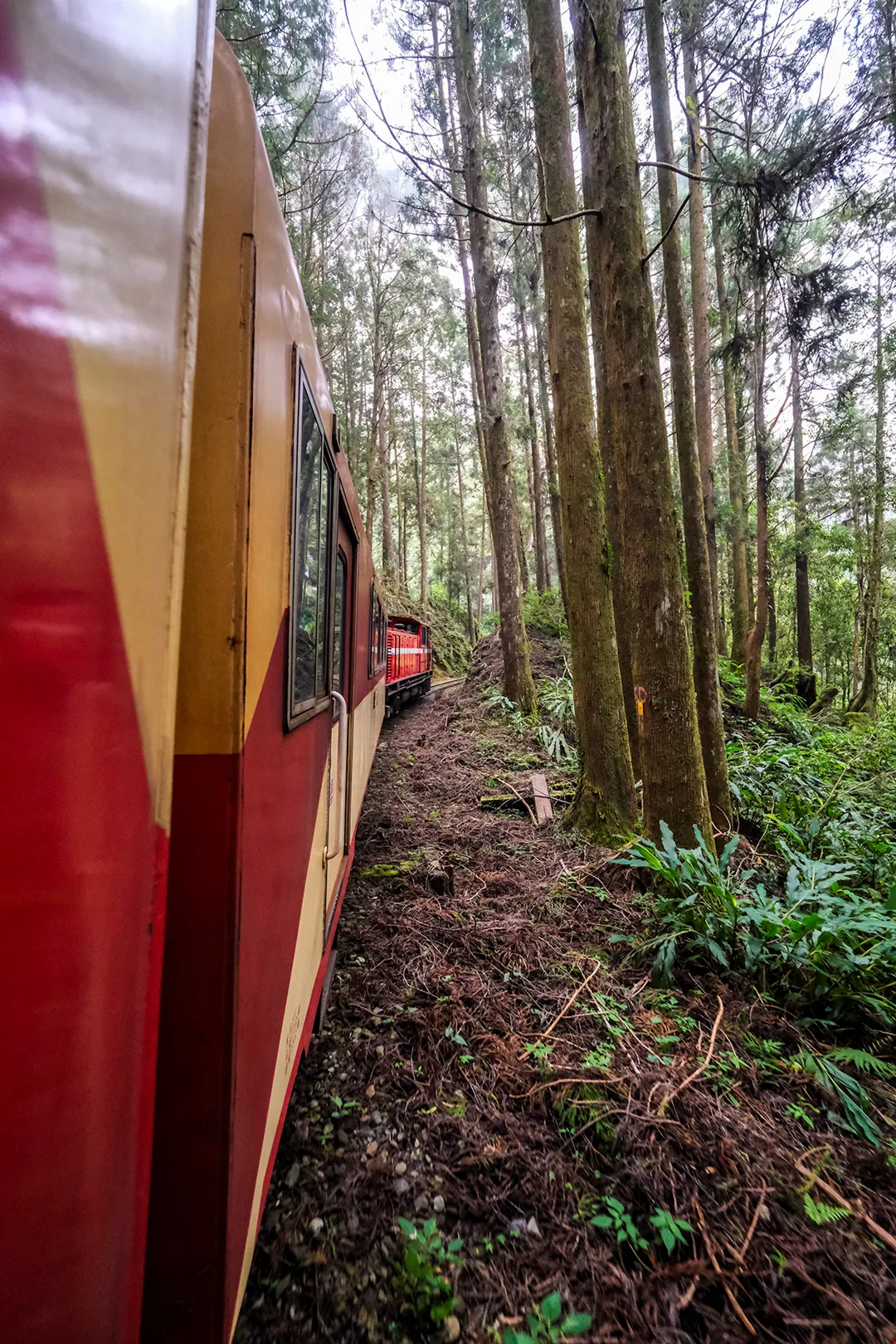
Furthermore, Alishan is one of Taiwan’s most famous scenic spots, and these charming steam trains inspire nostalgia with their retro appearance and cozy, intimate carriage spaces. The trains both capture the hearts of visitors and add a lot of charm to the journey.
The path to restoration, however, was not easy. Exposed to the elements for many years, the metal exterior and mechanical parts of Engine No. 21 had become severely rusted. Further complications were created by frequent changes of administrative control. It was not until 2018 that the railway returned to the Forestry and Nature Conservation Agency, coming under the dedicated management of the Alishan Forest Railway and Cultural Heritage Office, which was established that same year.
Because responsibility for the trains had been transferred among various government agencies, there were severe losses in documentation, skills, and expertise. In 1993, a fire broke out at the Beimen Repair Workshop, destroying many important cultural assets.
Chiu Tsung-te, a junior technician with the Forest Railway Office and part of the restoration team, recalls that when the team initially took on the project, they had to disassemble the entire engine down to its individual parts and then rebuild it from scratch. Understanding the functions of various structures and the path of steam flow was particularly challenging. Apart from cross-referencing various sources, they also sought guidance from retired railway engineers. With the help of those elderly experts, they translated the Japanese technical terms used by the older generation into Chinese.
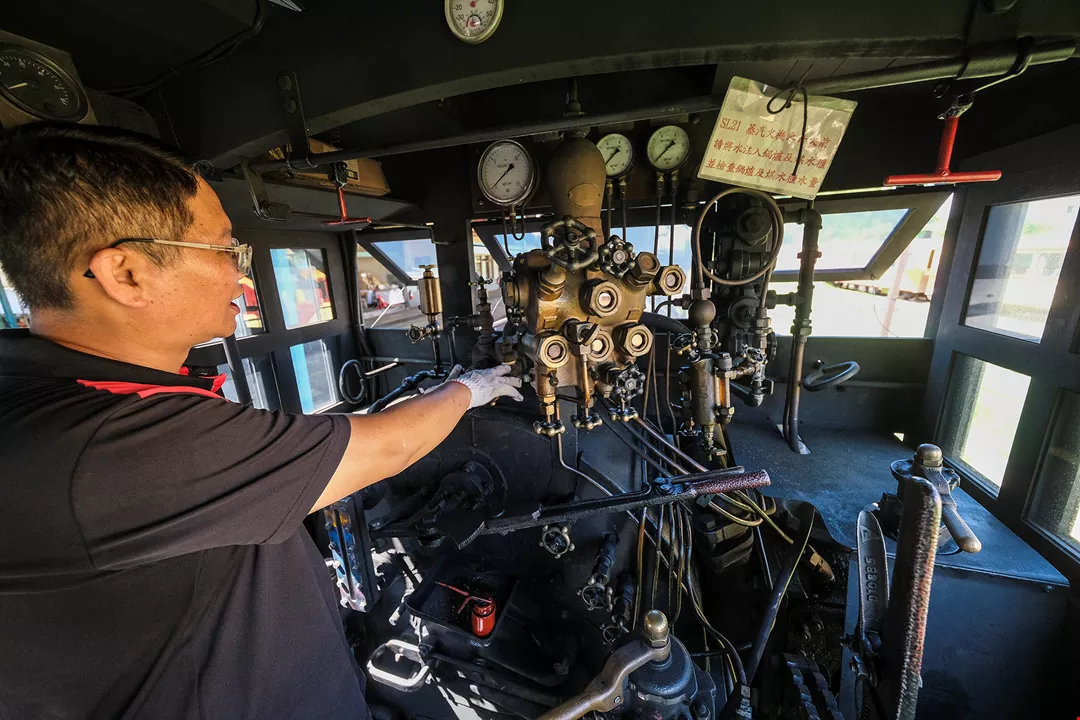
Chiu Tsung-te, a member of the restoration team, explains that years of disuse had left the exterior of Shay No. 21 and many of its parts rusted. Some 60% of needed replacement parts were made in Taiwan.
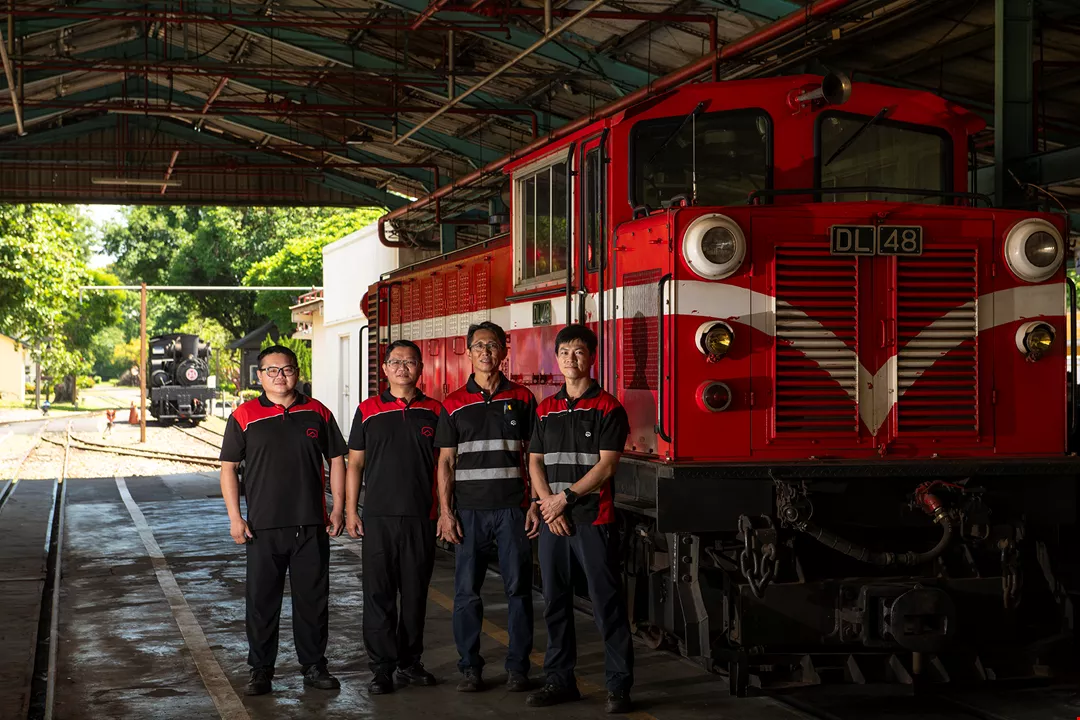
The reopening of the damaged sections of the Alishan Forest Railway and the restoration of its steam engines and train carriages were only possible due to the concerted efforts of many individuals. The photo shows technicians responsible for train maintenance.
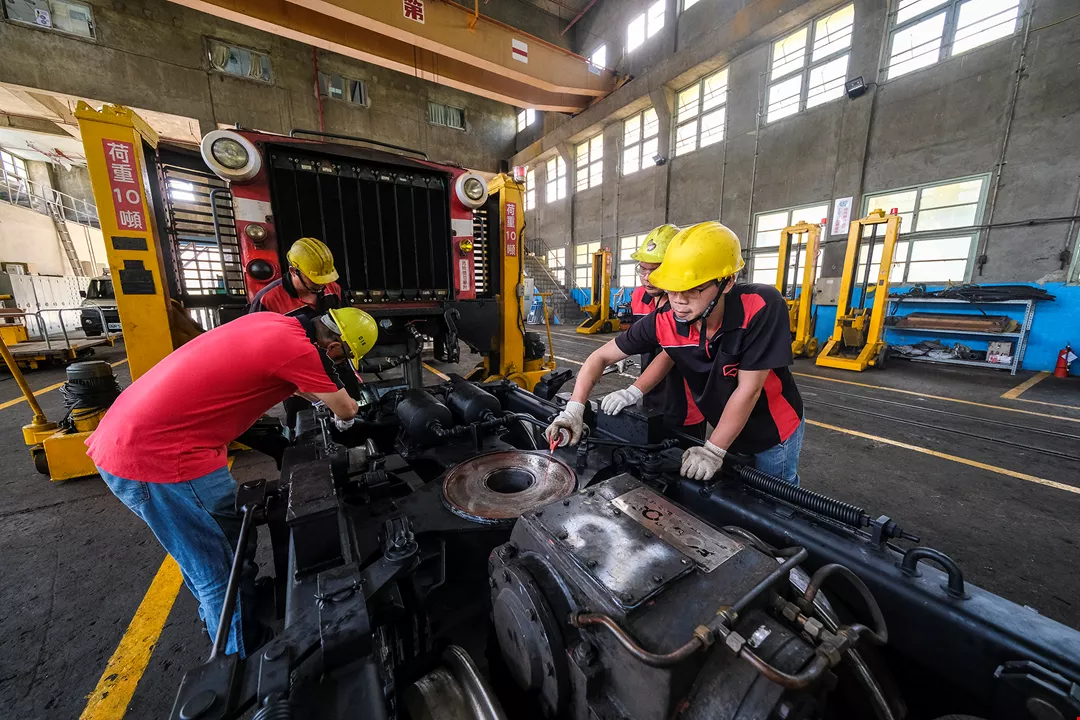
This engine has returned to Alishan Forest Railway Garage Park for scheduled maintenance.




@List.jpg?w=522&h=410&mode=crop&format=webp&quality=80)
@List.jpg?w=522&h=410&mode=crop&format=webp&quality=80)


