A Tale of Two Rivers--The Han and the Jenai
Elaine Chen / photos Vincent Chang / tr. by Peter Hill
October 1986


The economic development of the ROC and of South Korea have followed similar courses; so have certain side effects of this development, for example the pollution of the Han River in Seoul and of the Jenai River in Kaohsiung. The industrialization of Kaohsiung began in about 1960, and gradually transformed it into a densely populated major city. By 1967, the seriousness of the pollution caused by the dumping of human and industrial waste into the river was increasing daily; an indication of the seriousness of the situation was the cancellation that year by the city government of the dragon-boat races held yearly on the river. The Han River reached a similar state three years later: in 1970, residents of Seoul were prohibited from swimming in or recreating on the river. Hence, the two rivers were "pronounced dead" at approximately the same time.
Similarly, the fate of the two rivers has shown almost simultaneous improvement. Increased consideration of the quality of life brought on by the maturation of economic development in South Korea and in the ROC instigated a cleanup of both the Han and Jenai Rivers. The construction of sewage treatment plants on both rivers has been completed, and the plants are expected to go into operation at the end of this year. The temporary measures taken so far--dredging sludge, cleaning up surface garbage, and so on--have already markedly improved the rivers' conditions.
On Sundays, the banks of the Han are crowded with people out for an evening stroll. An old man walking with his grandson, who has just returned from Seattle, tells the child that he grew up right where they are walking. The boy looks at the river and, comparing it with Seattle's, says "It's a little worse." For the Han River, that's a good sign.
Another resident of Seoul, who is a fishing enthusiast, has recently been catching fish in the river, something that was not possible for a long time. When he brings his catch of fish home on the bus, he is often asked where he caught them. "In the Han!" he replies. "The Han has fish in it now!"
It was last year, four years after the cleanup of the Han was ordered, that fish were again seen in the river. The cleanup of the Jenai, begun last year, has gotten rid of the river's awful stench, but fish have yet to be found living in it. Nonetheless, the "prescription" for the cleanup of both rivers is about the same. The Koreans are using a system which separates the fresher rainwater from the sewage water, and have built four sewage treatment facilities along the river's banks. In Kaohsiung, it was decided to build an underground system of drains to take the polluted water to a central treatment plant in the southern part of the city. After being treated, the water can then be piped out to sea.
The Han River's strong flow makes it relatively resistant to pollution, and relatively easy to clean. The problem with cleaning the Jenai River is that it is only ten kilometers long, and is fed to a large extent by sewage and sea water. In addition, the difference between high and low tide at the river's mouth is small, which means that the river has little capacity to clean itself. Add to this the fact that Kaohsiung now has the world's fourth largest container transshipment port, which naturally increases greatly the amount of pollution in the area's water. In fact, one of the project's leading engineers, Chen Chi-chih, says that "If the harbor problem is not corrected, the water treatment results will be severely compromised."
At least the stench has been eliminated. The Kaohsiung city government plans to move the dragon-boat races back to the Jenai next year. And after the sewage treatment plant goes into operation, 100,000 fry will be released into the river, in order to help it "come alive" again.
The Jenai is the first river in the ROC to undergo sewage treatment. Therefore, many complex problems related to such an operation are being tackled for the first time. As a result, the engineers have come up with some solutions that are without precedent in the ROC One problem that they cannot easily solve, however, is that of public opinion.
Everyone hopes that the Jenai will be cleaned up. But when US$1 billion to US$2.5 billion is spent on an invisible treatment system, which cannot promise immediate results, many citizens may begin to wonder if it is worth the cost. A sort of joke has become popular among residents of Kaohsiung, that at the completion of the cleanup, the city's mayor will be the first to go swimming in the river.
"Many people compare the Han and Jenai Rivers, and point out how quickly the Han has been cleaned up," says Chen Chi-chih. But, he says, conditions are not identical. "The Koreans can afford to spend a lot of money on the cleanup, because of the upcoming Olympic Games. But we can't spend a lot of money on just one river without careful consideration. The Games also helped give the nearly four million people who worked on the project the fighting spirit it took to get the job done. The US$500 million cost of the project was certainly another incentive."
The Han River project was successful in two other ways as well. The 6.8 million metric tons of sludge and sand which were dredged from the river were sold to construction companies for a total of around US$250 million, nearly half of the cost of the project. The other success was the utilization of the Han's riverside area. Since the city was in need of a new freeway, it was decided to build one along the banks of the river. By doing this, the city saved an additional US$670 million in land reclamation costs, an amount greater than the entire cost of the project.
In the case of the Jenai project, the sludge dredged from the river was simply dumped at sea. It was originally planned to build a road along one of the canals at the river's upper reaches; however, the project was strongly opposed by local residents because of the inconvenience it would cause them, and was abandoned.
It is planned, though, that in the future a pleasure boat will be operated on the river, and cultural exhibitions will be opened along its banks. In this way, the river will once again be a recreational spot for local inhabitants and tourists alike. Says Kaohsiung mayor Su Nan-cheng, with a laugh, "In the past there were many songs about the Jenai. Maybe the river's rejuvenation will inspire some more poets to put their pens to paper."
Some say that during the first half of their lives, people spend their health making money, and during the second half, spend their money on keeping their health. Perhaps the same can be said of the life of a society.
[Picture Caption]
(Above) The cleanup of the Han River has already entered its final phase, the greening of the riverbanks.
(Below) After a year and a half of round-the- clock dredging, Kaohsiung residents can now pass the Jenai River without holding their noses.
(Left) The head of the Han River Development Bureau (right) explaining the river's cleanup to foreign vis itors, while the secretary of the advisory staff of the Embassy of the ROC translates.
(Right) The rejuvenated Han River now attracts fishermen.
Dredged-up sludge from the Jenai being carried out to sea.
(Above) It will be more comfortable enjoying a nap by the Jenai River after it is cleaned up.
(Below) People can't help thinking of the Jenai's former beauty when they see such old boats.
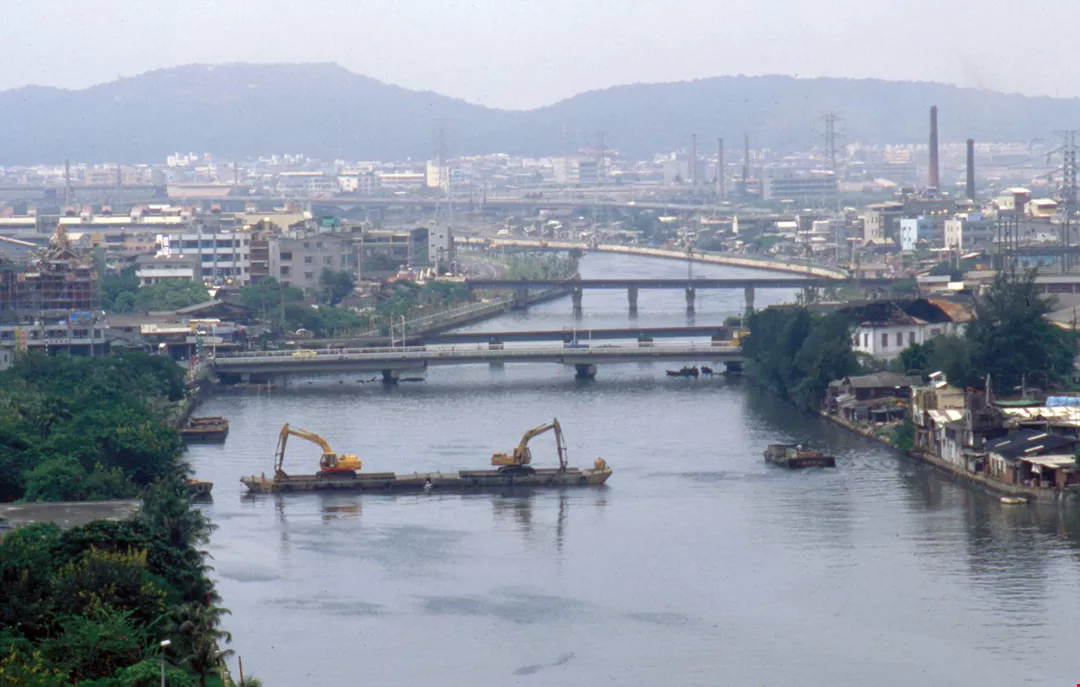
(Below) After a year and a half of round-the- clock dredging, Kaohsiung residents can now pass the Jenai River without holding their noses.
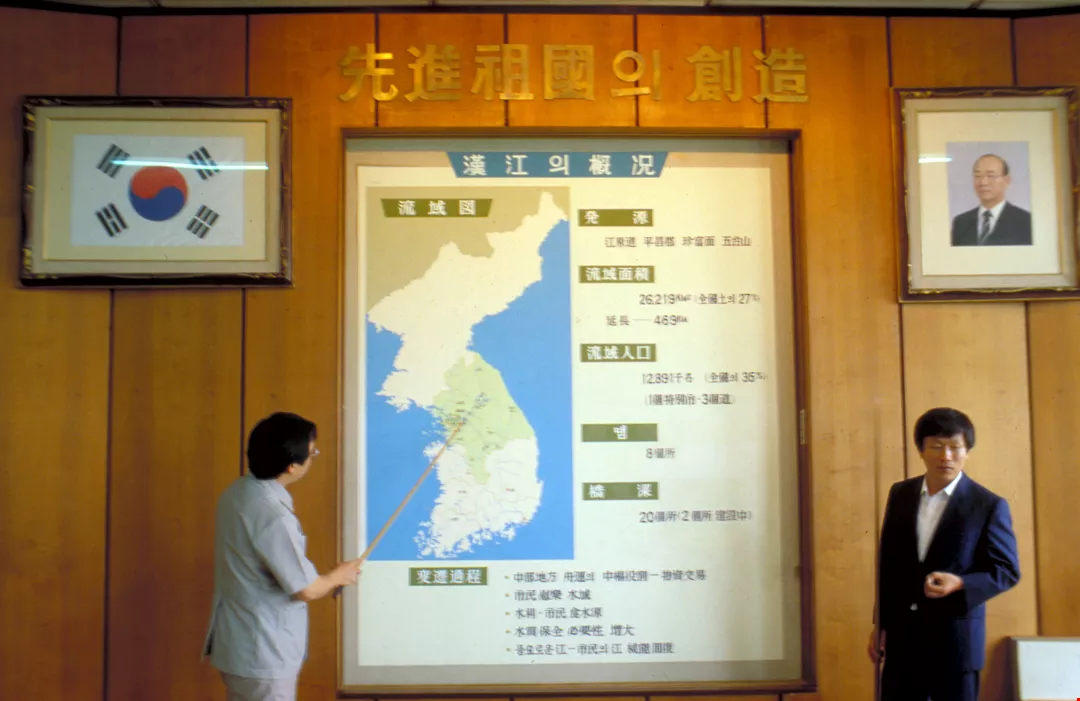
(Left) The head of the Han River Development Bureau (right) explaining the river's cleanup to foreign vis itors, while the secretary of the advisory staff of the Embassy of the ROC translates.
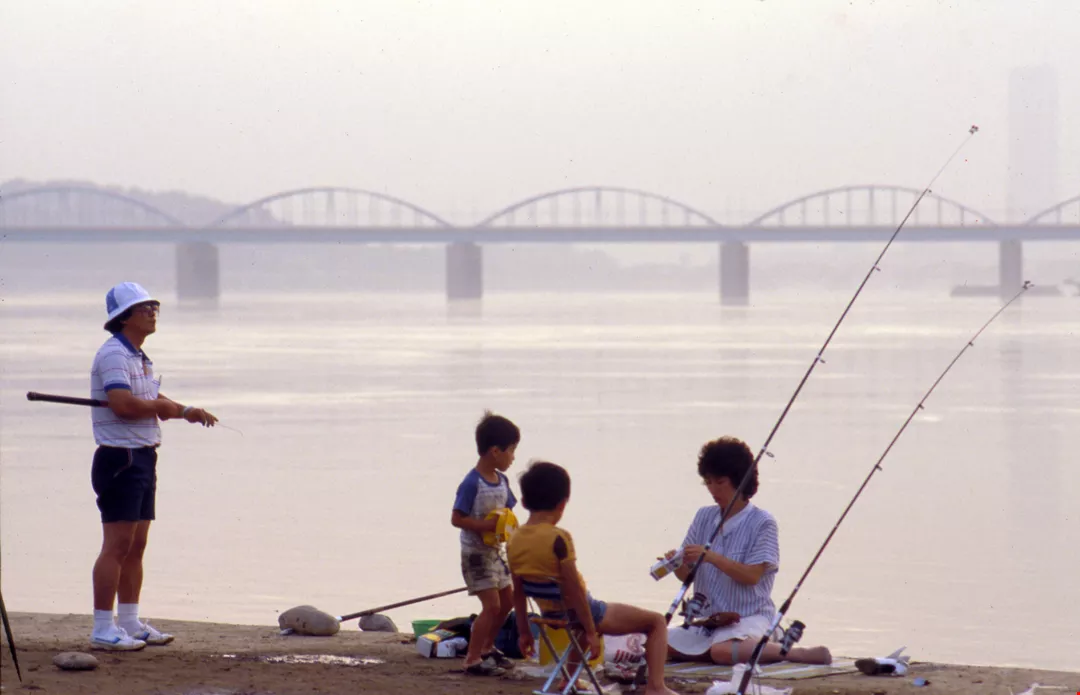
(Right) The rejuvenated Han River now attracts fishermen.
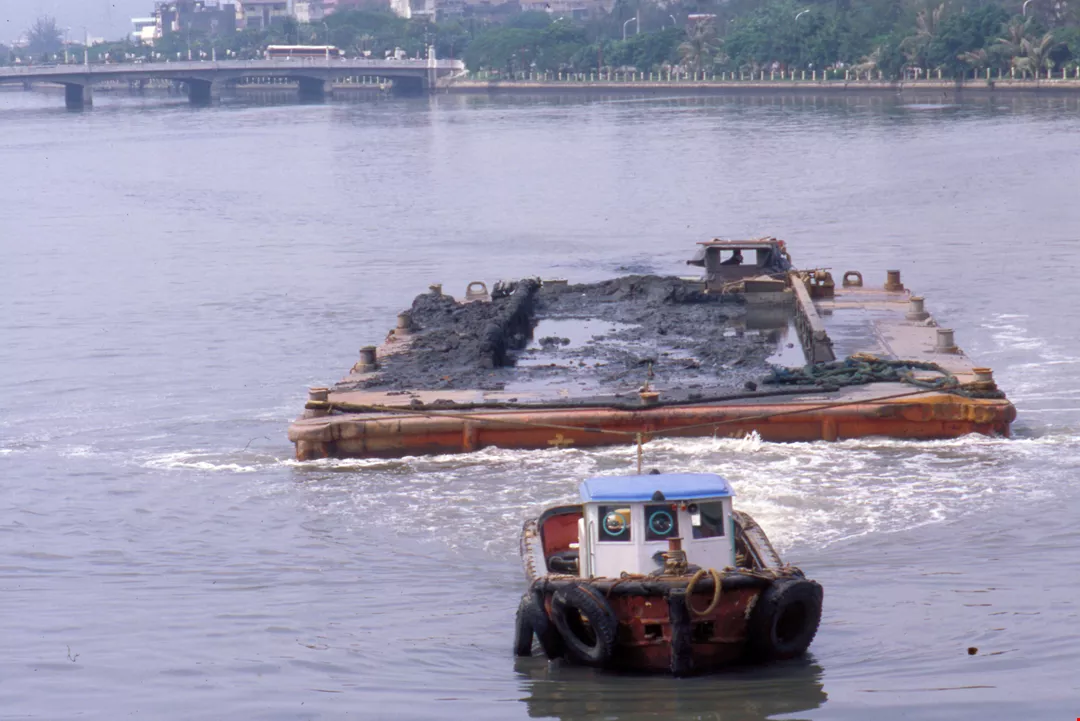
Dredged-up sludge from the Jenai being carried out to sea.
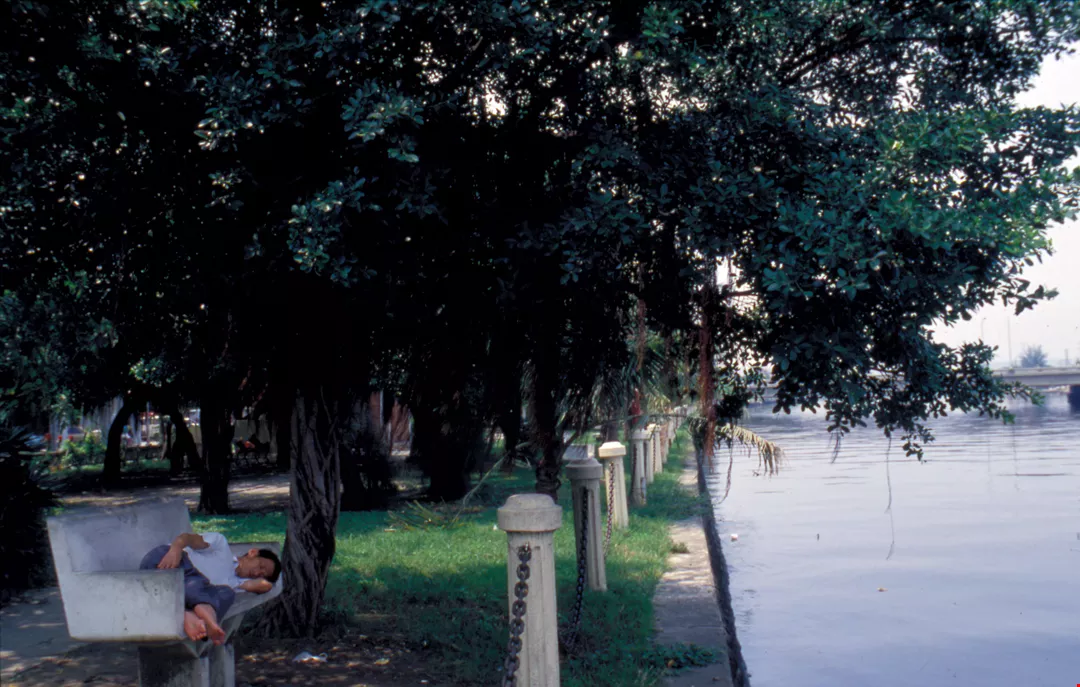
(Above) It will be more comfortable enjoying a nap by the Jenai River after it is cleaned up.
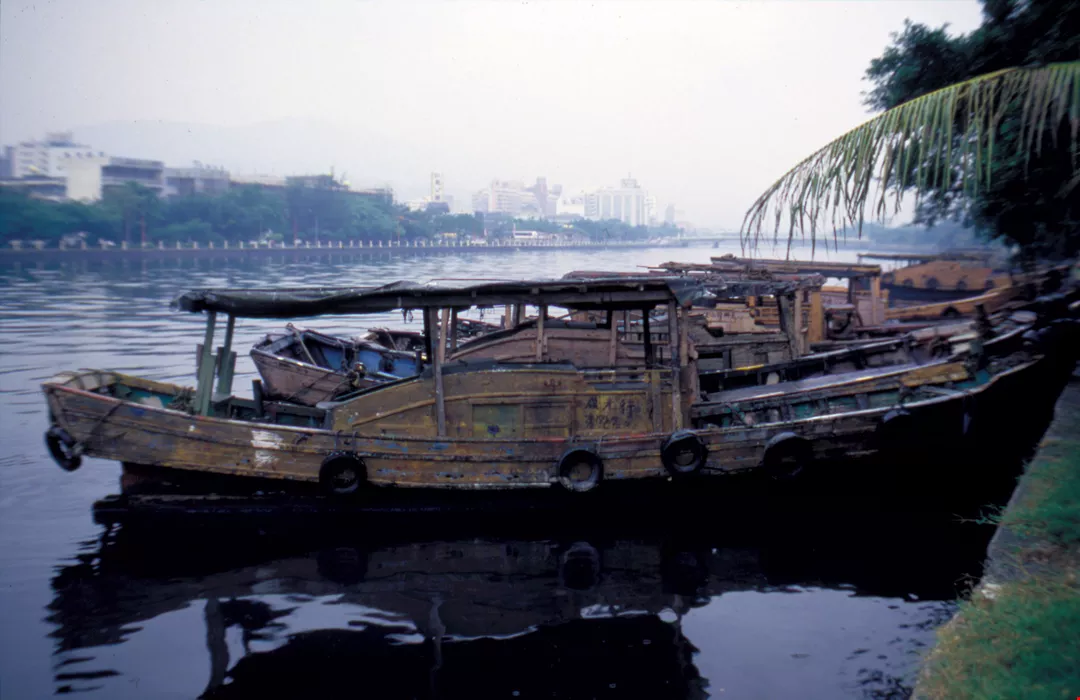
(Below) People can't help thinking of the Jenai's former beauty when they see such old boats.

@List.jpg?w=522&h=410&mode=crop&format=webp&quality=80)

@List.jpg?w=522&h=410&mode=crop&format=webp&quality=80)


