Like a Lantern on a Wintry Night--Author Lee Chiao's Work
Kuo Li-chuan / photos Hsueh Chi-kuang / tr. by Scott Williams
February 2007
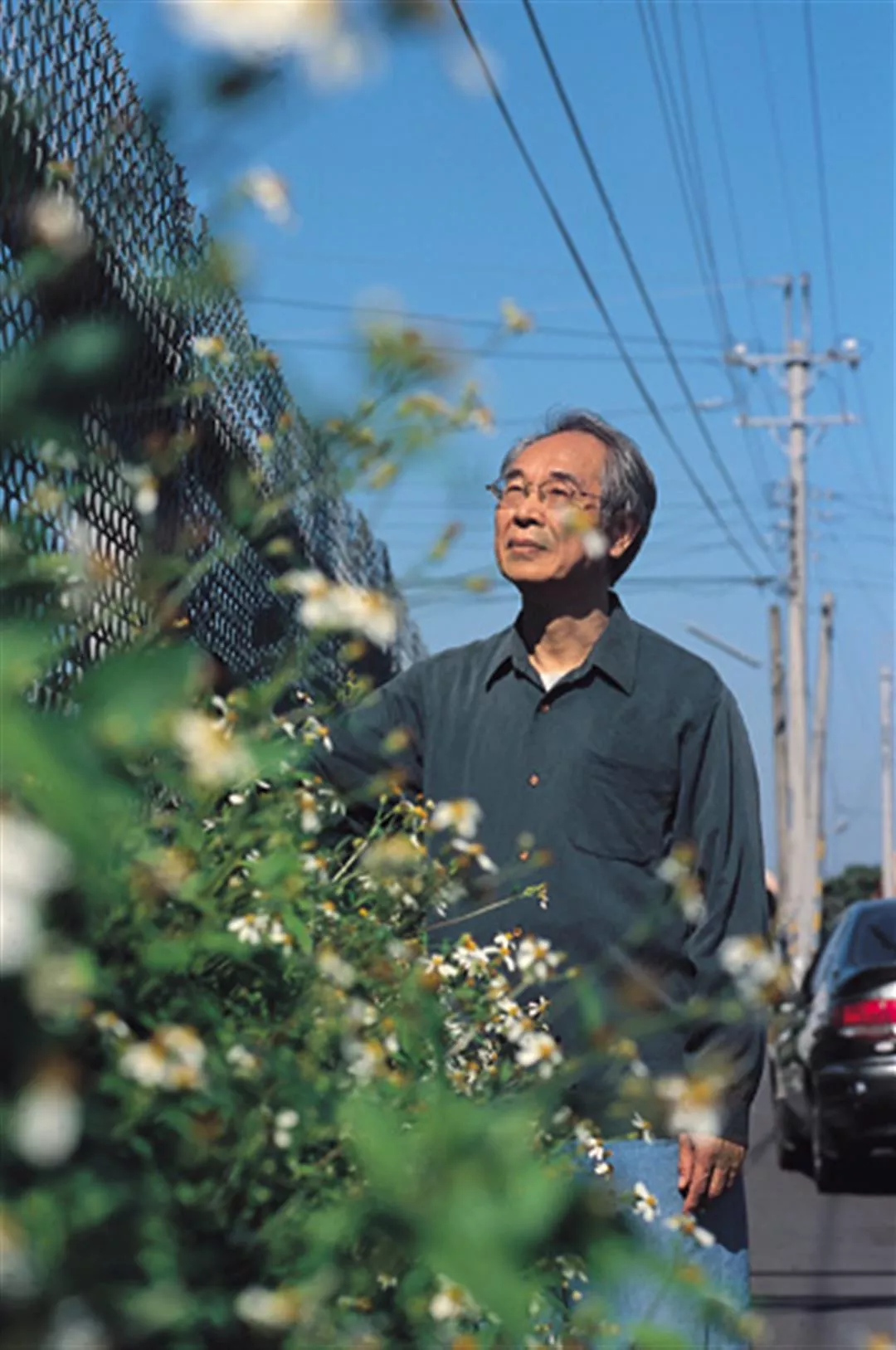
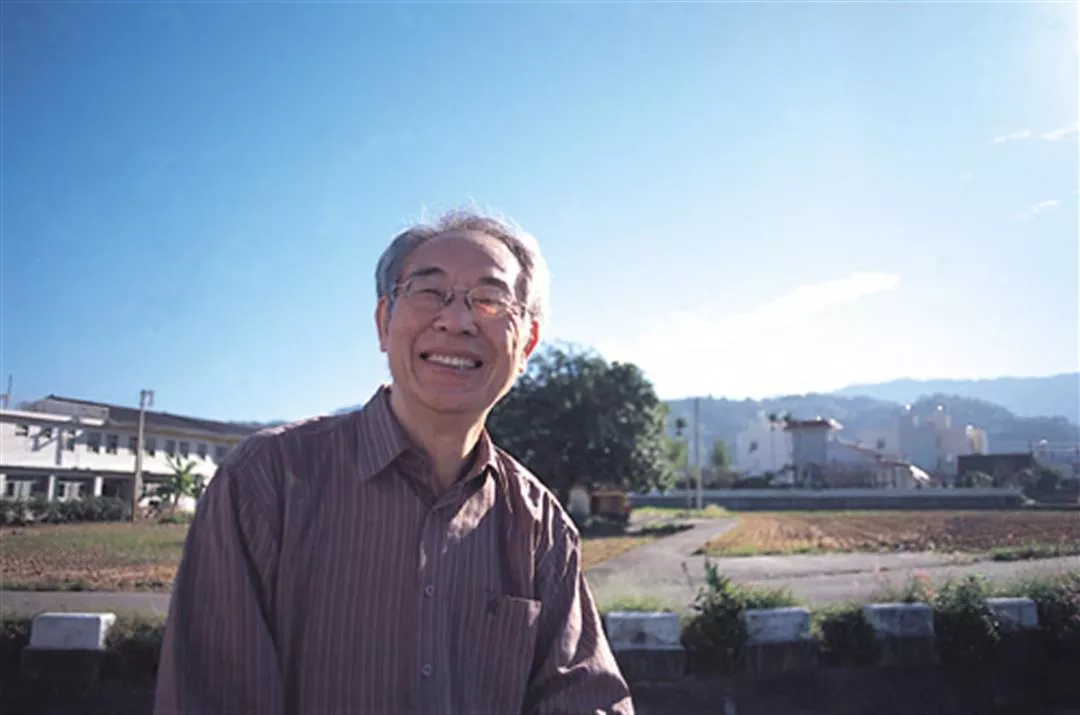
Though the traditional calendar says it is the Solar Term of "Great Snow," a bright winter sun shines down on Miaoli County's Kungkuan Township. Author Lee Chiao is on a bicycle leading us down a lane to his home. The field by a bend in the narrow creek is like a blanket of yellow ears of rice, highlighting the intense green of the distant mountains.
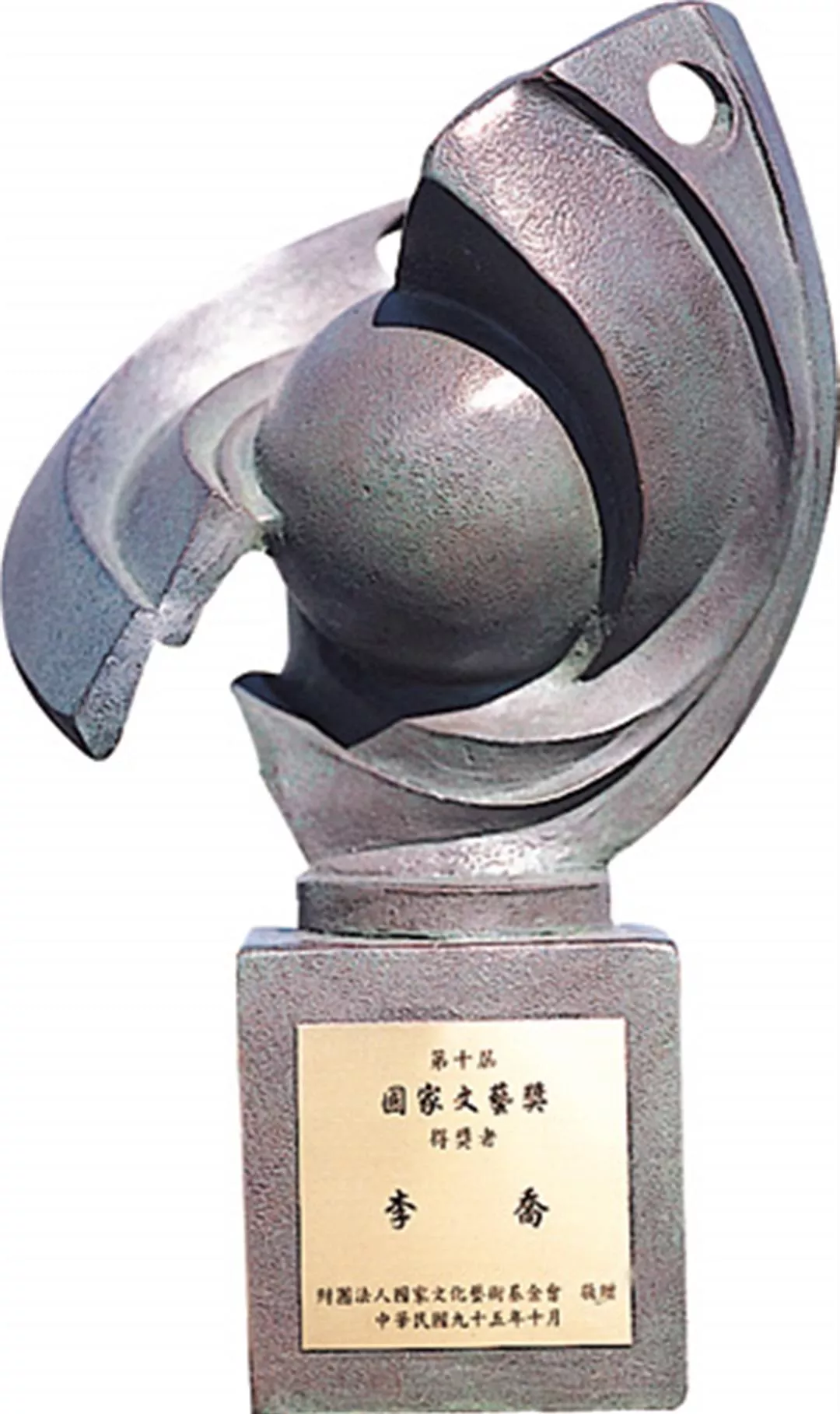
Accross the river is a Hakka Earth God shrine. While helping the photographer pick a scene, Lee points to a neighbor's rice field, smiles and remarks, "The harvest was good this year!" 2006's genuinely good weather led to bumper crops of fruits and vegetables. Lee brought in quite a harvest himself, including a National Award for the Arts in Literature.
But neither Lee's life nor his literary career has been all roses. To fully understand it, one must look back to his difficult childhood in the remote Hakka village of Fantzulin, a place "forgotten by Heaven" that he describes as existing amidst barren mountains and unruly rivers.
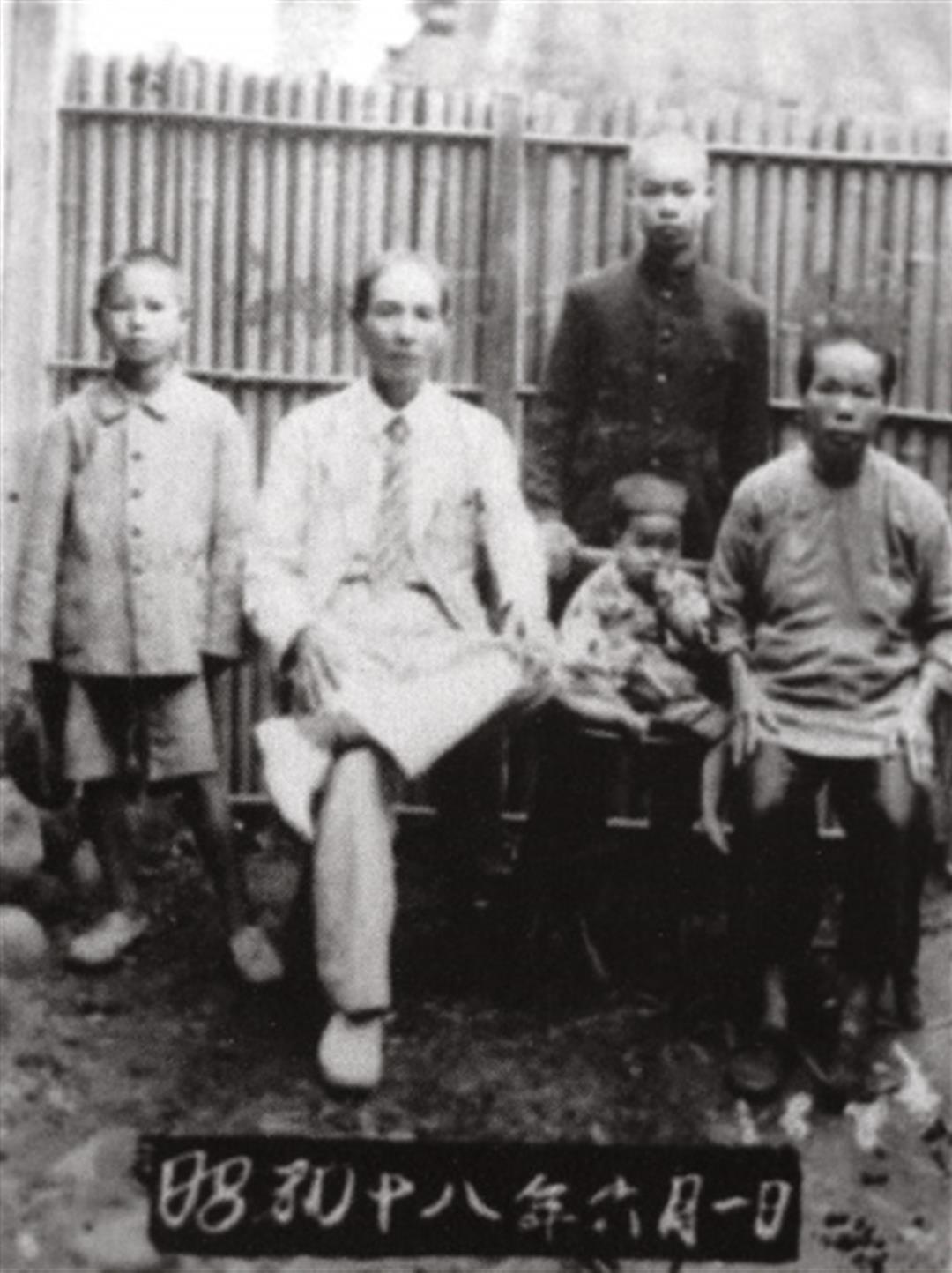
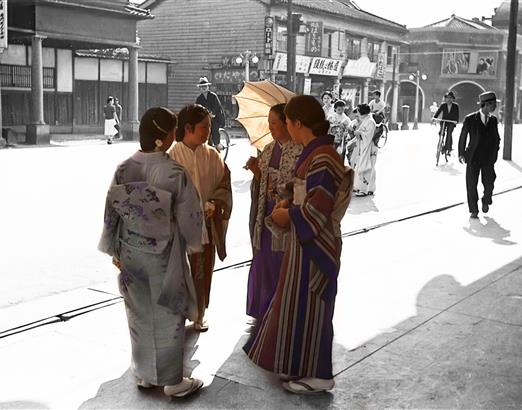
Lee Chiao was born Lee Neng-chi in 1934 in the village of Fantzulin in Tahu Township, Miaoli County. His father was once a guardsman conscripted by the Japanese to prevent violent conflicts between the Han and local Aborigines and to protect villages from Aboriginal attacks, but was later jailed several times for his involvement with the anti-Japanese Farmers' Movement. Lee's father was frequently on the lam, leaving his mother to support the family on her own.
Before Lee could walk, his mother would carry him to their garden in the mountains bundled up in a frayed bit of cloth inside a bamboo basket. She would place a hoe in another basket, and hang both from a carrying pole. The baskets bounced up and down in time with her strides as she bore them to their garden amidst the firs. There, under a sliver of blue sky, she grew the yams and peanuts on which the family subsisted.
His mother used to hum Hakka folk songs as she tilled the soil. "But at the end her voice would change," Lee recalls, "becoming that of a woman keening in the presence of death. Her face dripped, but I didn't know if it was with sweat or tears." The six-year-old Lee knew even less about "death."
On the day the elder of his younger sisters died of pneumonia, his mother left home before dawn to fill out the necessary forms in town, carrying with her a torch and the youngest of Lee's sisters, not even one month old. Left alone in the living room with his dead sister, the six-year-old Lee wondered: "Is this death? Is death so icy cold?" He tried using his own body heat to warm her, but she only grew colder. Lee spent the entire day taking her in his arms and setting her down, again and again until his mother finally returned at sunset with her torch.
"My first experiences were of the constant illnesses of the poor," he says, joking quietly that he caught everything except cancer and gynecological problems.

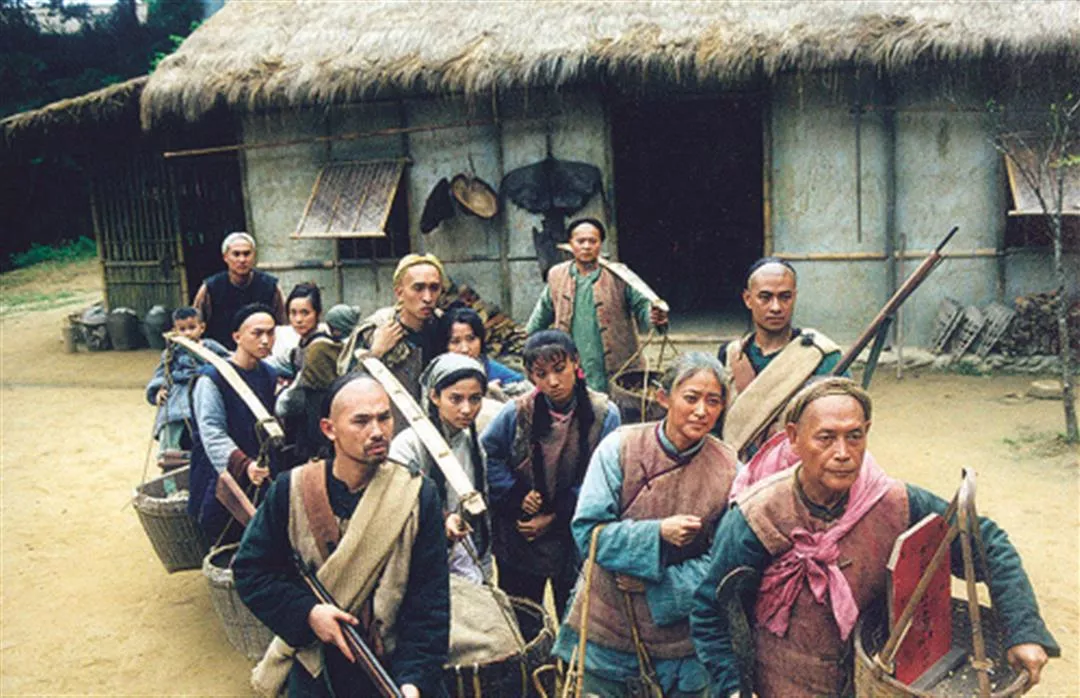
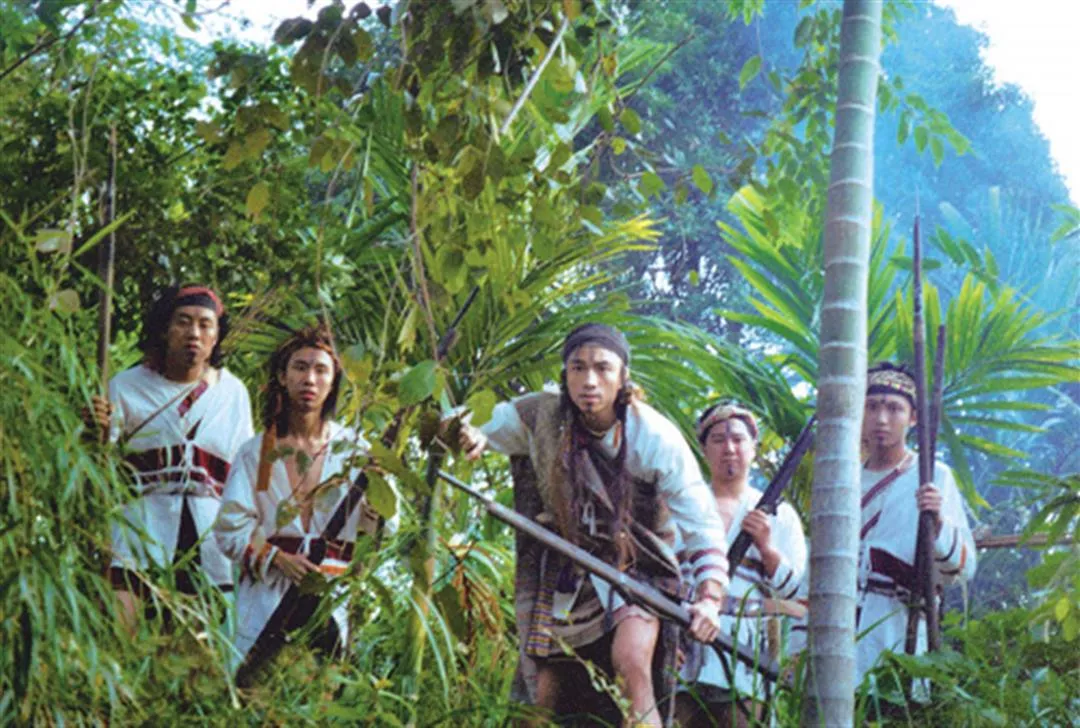
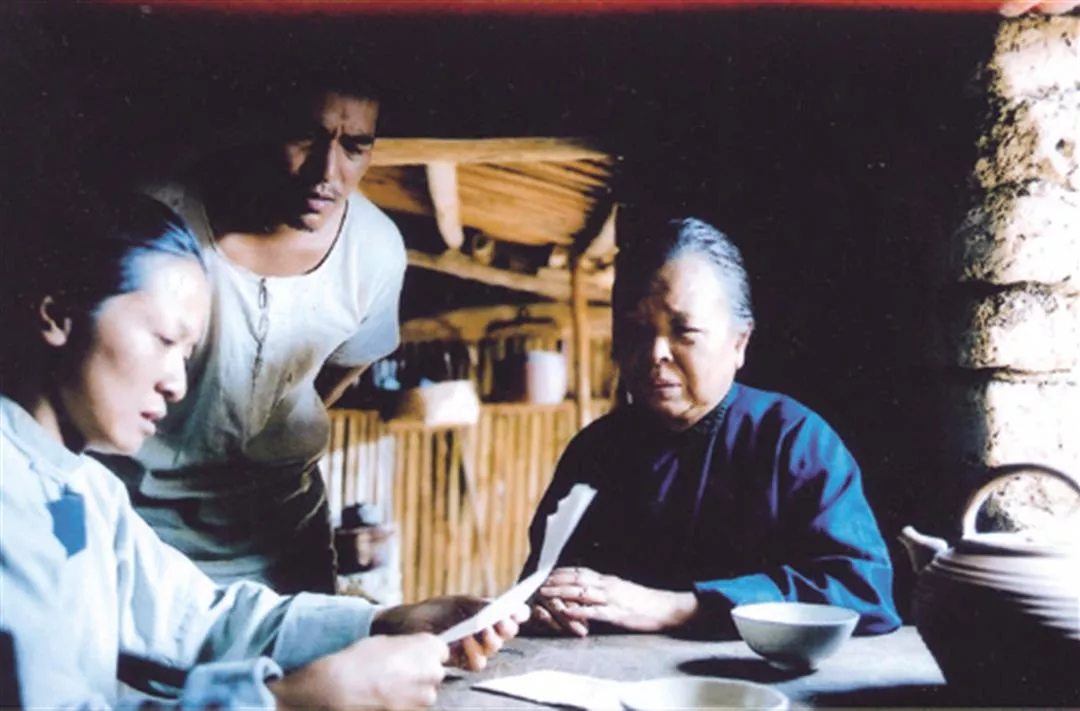
In March 2002, the Public Television Service aired a version of Lee's Wintry Night trilogy, an epic story that covers a broad swath of Taiwan's history, from conflicts between Taiwanese Aborigines and Han immigrants to the war in the Pacific. The very well received production was Taiwan's first Hakka-language television serial.
A childhood in the mountains
But amidst this difficult childhood, Lee encountered two people who were to profoundly influence his life. The first was a mainland Chinese man known as Uncle A-mei. The second was an Atayal chief called Ho-hsing. Lee had grown up largely without a father figure. Though his own father was a participant in the Farmers' Movement and a "hero of the resistance to Japanese rule," Lee had only a vague impression of the man, who was usually either in hiding or in jail. Instead, two elderly men from different cultural backgrounds stepped in to fill this role.
Uncle A-mei had likely been a guard in the service of Tang Jingsong, Taiwan's last governor under the Qing court. When Uncle A-mei learned that his wife and children had been killed in wartime, he decided to stay in Taiwan. Uncle Ah-mei was well-versed in both herbal medicine and numerology, and often brought Lee with him into the mountains to look for herbs. He also taught him kung fu, and told him stories from The Water Margin and The Romance of the Three Kingdoms, slowly infusing his spirit with classical literature. He appears in Lee's Wintry Night trilogy as the character Chiu Mei.
Lee's hometown of Fantzulin was located on what had been Atayal land, and his ancestors had only been allowed to farm it after gaining recognition from the local Atayals. As a boy, Lee often went hunting with their chief, Ho-hsing, catching pangolins by day and shooting flying squirrels at night.
"This old man told me about two things, two things that are taboo in Chinese culture--sex and death," recalls Lee. "Those conversations have stayed with me my whole life and given me a broader outlook on the world."
Among the first class to graduate from primary school following the departure of the Japanese and the establishment of the Nationalist government on Taiwan, Lee went on to study sericulture at Tahu's vocational junior high school. Students at the school spent half of each four-month semester raising silkworms, and half in the classroom. Later, Lee attended the Miaoli Agricultural School for a year, but, unable to meet the school's standards in English and mathematics, he ended up transferring to Hsinchu Normal School.
Describing his three years in Hsinchu, Lee says, "I was like a wrinkled seed blown down from the mountains, almost dried up. But there I encountered a boundless sea of knowledge and the broad forest of culture. I drank it in like a man dying of thirst until I was completely filled up."
While studying in Hsinchu, Lee also learned something about himself--his natural talents were modest, but he was very hardworking. The fact that he had grown up in poverty in the mountains surrounded by women who generally couldn't read and that he hadn't had a very thorough early education became something of a psychological complex for him. "There are two possible outcomes to this kind of complex," he says. "One is that you give up. I was the opposite; I threw myself into studying. I never tired of learning. I had an almost pathological hunger for knowledge. I didn't begin to get over it until I was about 50."

Though Lee has no prejudice against mainland China, his researches into Taiwanese history have gradually turned him into a vocal proponent of Taiwanese independence.
Making a living from words
Lee wrote his first short story, "A Drinker's Tale," in 1957 and won the third Taiwanese Literature Award for "That Paper Mulberry" just ten years later. For Lee, who had just become a high-school Chinese teacher, the award marked the start of an eight-year-long golden age for his short fiction. In 1968 alone, he published 20 short stories and novellas, a feat unheard of in Taiwan's writing community.
Lee's incentive for working so hard at writing was the need to earn extra money. Raising a family of six on a teaching salary is a tough row to hoe under the best of circumstances, and his youngest daughter's frequent asthma made it all the more difficult. If he was going to pay her medical expenses and keep food on the table, he had little choice but to moonlight. This experience leads him to disagree strongly with those who claim that writing requires some sort of divine inspiration.
Lee demands a great deal from himself and takes a very serious approach to questions of style and structure, innovating continuously in a quest to master all forms. When he first started writing, he went so far as to forbid himself from using the same technique in more than five consecutive stories. He wanted instead to hone his skills by trying out new effects. Thematically, with the exception of the series of stories set around his childhood home--"Mountain Girl," "Stories of Fantzulin" and "The Sound of Sobbing"--his work has drawn on contemporary life and society.
The chauvinist whose wife tells him he is useless in "The Spheric Man," for example, wets the bed and acquires a strange illness that, for reasons the doctors cannot fathom, causes him to curl up into a perfectly spherical fetal position.
Then there is "In the Mirror," which addresses the extreme distance between people. Even when face to face with his beloved wife, the protagonist is plagued by an annoying sense of unfamiliarity. At the end of the story, he peeps at his wife's body with a mirror. In "Big Mud Crab," meanwhile, a terminal cancer patient steals a big mud crab that the soon-to-be-discharged patient in the next bed has bought to make a hearty meal. That night, the cancer patient hires a car to take him to the sea to release the crab. On being released, the crab, which has lost one of its claws and its sense of direction, wanders aimlessly. Worried that it will be crushed by a car, the protagonist attempts to help and is himself struck and killed by a car.
Lee believes pain and suffering do not come in discrete packets. Instead, modern people's lives are saturated with suffering. They are transformed, shattered, twisted and dazed by the innumerable pressures stemming from their troubled sex lives, marital problems, work and illness....
Another of Taiwan's literary giants, Yeh Shih-tao, has described Lee as a spider prowling the world's two great webs--poverty and maternal love: "But he's a spider that pities mankind, one that has tremendous compassion for people. He glares at the prey caught in these webs and clinically observes their struggles. He studies the threads of cause and effect in which they are entangled and examines their past lives, making notes on the willful and overbearing demons that reside in the dark corners of their minds."

In March 2002, the Public Television Service aired a version of Lee's Wintry Night trilogy, an epic story that covers a broad swath of Taiwan's history, from conflicts between Taiwanese Aborigines and Han immigrants to the war in the Pacific. The very well received production was Taiwan's first Hakka-language television serial.
Writing history
In 1976, having produced six volumes of short stories and two novels over the course of 20 years of writing, Lee realized that formal experimentation was not the same thing as "literature," and began to call for a return to literary subject matter. At that very moment, a lucky chance pushed his writing career to a new level--he wrote a book on the Tapani Incident.
At that time, then-Premier Chiang Ching-kuo had ordered the writing of biographies of Chinese heroes and martyrs, and required that these begin with Taiwanese figures. Selected to submit a manuscript, Lee decided to write a biography of Yu Ching-fang, a member of the resistance to Japanese rule about whom his father had told him stories. Lee threw himself into the work. He plowed through thousands of pages of documents in the provincial government's archives and, with the help of seven or eight students in the Chinese department at National Cheng Kung University, conducted two weeks of interviews in the southern Taiwanese towns of Nanhua, Hsilai An, Yuching, Alikuan and Chiahsien.
He was shocked to learn that some of the people listed as having been executed he knew to still be alive. He wrote about this in an article entitled "A Ghost Quest" published by the Central Daily News, which, amusingly, led some readers to send him protective charms.
Drawing on eight huge volumes of historical data on the anti-Japanese activities of Yu Ching-fang and others, he produced The Hsilai An Brotherhood in 1977. This 160,000-word novel, set against the backdrop of the Tapani Incident, marked Lee's entry into the field of Taiwanese historical fiction. Though he was constrained by the historical record, writing the book provided a valuable literary experience.
"There's one pathetic fact about the resistance to Japanese rule," laments Lee. "The Taiwanese were always hoping for reinforcements from the 'motherland,' and were always disappointed. Both the Miaoli and Tapani Incidents ended the same way--when Yu Ching-fang was surrounded by Japanese forces, he climbed to the top of a large boulder to vainly scour the skyline for the arrival of relief forces from China."
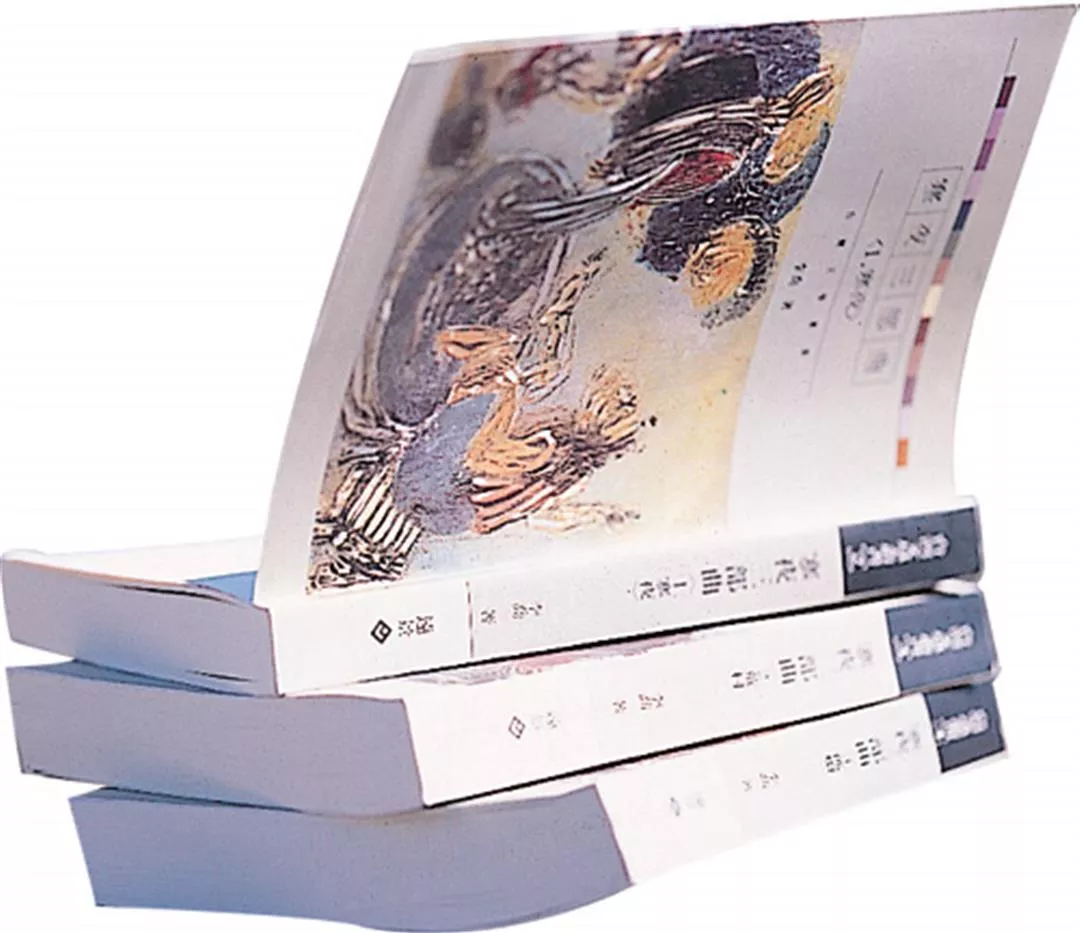
Lee's decision to write about Yu had a demonstrable effect on his work. As he began looking to history for his materials, the history of Taiwan's development and three generations of his own family's experience became the warp and weft of his work. In 1977, he began working on what was to become his best-known work, the Wintry Night trilogy, comprising the novels Wintry Night, The Desolate Village and The Lonely Lantern.

In March 2002, the Public Television Service aired a version of Lee's Wintry Night trilogy, an epic story that covers a broad swath of Taiwan's history, from conflicts between Taiwanese Aborigines and Han immigrants to the war in the Pacific. The very well received production was Taiwan's first Hakka-language television serial.
Pain, the symbol of life
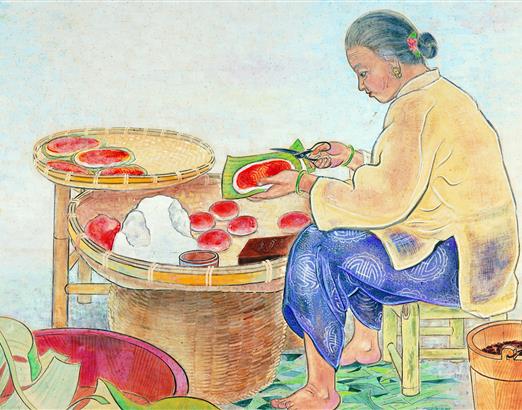
Wintry Night revolves around the experiences of a Hakka family farming in the wilderness, describing the dangers and difficulties they experience working the land near an Aboriginal village. As essential as the land is to life, it is also the source of painful conflicts. The trilogy's Little Sister Teng (who was given to another family to raise as their future daughter-in-law) has finally, after much difficulty, acquired a home of her own. One night before bed, she boils a pot of water to warm her feet:
"She focused on rubbing away the dirt. It was strange... you could never wipe all of it off; there was always more.... If she kept rubbing, perhaps her whole body would become filth and be entirely scrubbed away.... Was this life? Life came from the soil, but wasn't itself earth, except that, in the end, it was still earth. It wasn't dirt, so you could move and act freely even though it was lonely. Yet it was dirt, so it was low and base, but also so very stable, real and serene."
The second book in the trilogy, The Desolate Village, follows Taiwan's anti-Japanese movement from military resistance to its later non-violent stage, using this as a backdrop against which he sets the coming together of farming families into the Farmers' Movement. Little Sister Teng has married Liu Ah-han, a onetime guardsman for the Japanese who now leads the resistance against the colonial government and its corrupt local collaborators. Liu is arrested, jailed and tortured for his efforts. Left to raise her family on her own, Little Sister Teng eventually puts aside her sorrow and seeks solace in Buddhism. Lee, who was an avid student of Buddhism at the time he was writing the novel, granted Little Sister Teng peace at twilight:
"In spring, the gold of the sunset was tinted with green. Summer days were a bright white, bordered with pale yellow. Autumn was a burnt gold shade, while winter was a simple, earthy yellow...."
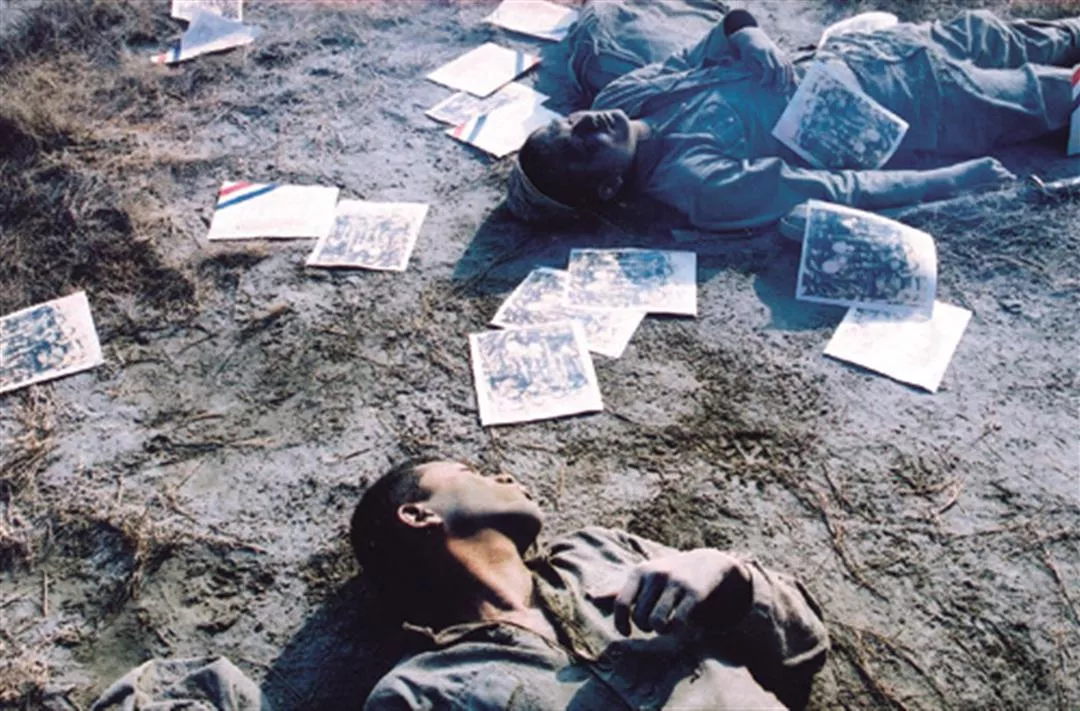
In The Lonely Lantern, Lee writes of the havoc and displacements Taiwanese experienced as a result of the war in the South Pacific: young people died in distant locales while Taiwan's land and people were pillaged. A much older Little Sister Teng is able to survive because she has remained close to the land. As she guides her family through difficult times, she becomes the heart and soul of Fantzulin. Marching across the deadly battlefields of the Philippines, young men recall their hometown and their "grandmother," finding in these thoughts a moment's respite from the horror of their surroundings. By cultivating and caring for her little plot of land, Little Sister Teng is, in effect, keeping lit a "lonely lantern" that will help lead them home again.
"In my fiction, I always stress that 'movement' is the distinguishing characteristic of life," Lee explains. "And movement denotes suffering. So pain and suffering represent life; suffering is what it means to be human. When do you stop suffering? The end of movement, the end of suffering, is death."
In The Lonely Lantern, Lin Min-chu, a 17-year-old Taiwanese youth conscripted and trained as a kamikaze pilot, gives voice to this epiphany as he prepares to die for the Japanese emperor:
"It's very simple. This, right now, is 'life.' Climbing into the plane and making your run, that's 'death.' That's all there is to it."
In the a postscript to The Lonely Lantern, Lee referenced his study of the historical record and his fieldwork: "These extraordinary scenes [of soldiers] cooking their comrades' arms, cutting the flesh from their bones, orienting themselves towards their hometowns to meditate.... Such things are beyond the imagining of an author. Let me testify to the truth of a literary principle: All works must be drawn from life. The only way to create a truly literary work is to be truly faithful to life."
A Buddhist for most of his life, Lee converted to Christianity at the age of 60 after experiencing an epiphany on humanity's limitations. Interestingly, the epiphany occurred while he was working on a retelling of the legend of Lady White Snake that drew heavily on Buddhist themes.

Two women, two archetypes
Lee emphasizes that all the characters in a work of fiction must make "a contribution"; that is, if you create a character, it must have symbolic significance. To Lee, Little Sister Teng and Little Sister Ang are the most symbolically significant characters in the Wintry Night trilogy. They also happen to be the characters who have most influenced his life.
When Lee's father argued against him continuing his schooling beyond Tahu Middle School, Lee began to fantasize about running away from home: A young boy carrying a bundle would set out at daybreak as the moon set and an icy wind blew. Quietly opening the gate in the fence, he would quickly descend the stone steps.... But just as the bamboo grove and outline of old thatched house were fading from view, the boy would stop himself, arrested by the image of his mother's anxious, shattered visage.
"I often awoke in the middle of the night and heard my mother crying," he recalls, a note of sadness in his voice. He has never forgotten the childhood experience of seeing his mother suffer a horrible uterine hemorrhage late one night during a pregnancy. Yet, when he registered for Hsinchu Normal School's entrance exam, his mother was somehow able to dredge up some ancient bronze coins, more than half of which were badly corroded, with which to pay the fee. To him, however, the saddest thing of all is that his mother's final illness began the day after he and his siblings, at last established in the world, had gathered to help her celebrate her 71st birthday.
Lee helped his father prepare political posters that set off factional conflicts when he was in seventh grade. "I had a lot of bad ideas in my head," he admits. But his mother's love kept him from straying too far from the straight and narrow. "Her unstinting love was a source of warmth in an otherwise a cold and bitter life. It saved me from what might have been deep scars." In the trilogy, the character of Little Sister Teng draws heavily on his mother.
"Little Sister Ang," on the other hand, was a woman the villagers referred to as a "fat pig." A widow who could eat anything, she would even down bones from the trash and snakes as venomous as the mountain pit viper. In the book, Little Sister Teng praises her as the person in Fantzulin most able to survive.
Little Sister Ang, who only appears in The Lonely Lantern, spends most of her life dealing with the realities of post-war Taiwan, "eating garbage and bearing the unbearable." Was Lee foreshadowing that Taiwanese would need to behave in the same manner to survive in the post-war era? Lee has stated that this was not his intent. But his later research for Condemning 1947 deepened his understanding of the injustices Taiwanese had suffered, showing him that during the jittery, autocratic early years of the Nationalist government's rule of Taiwan, the common people really did have to behave like Little Sister Ang to survive.

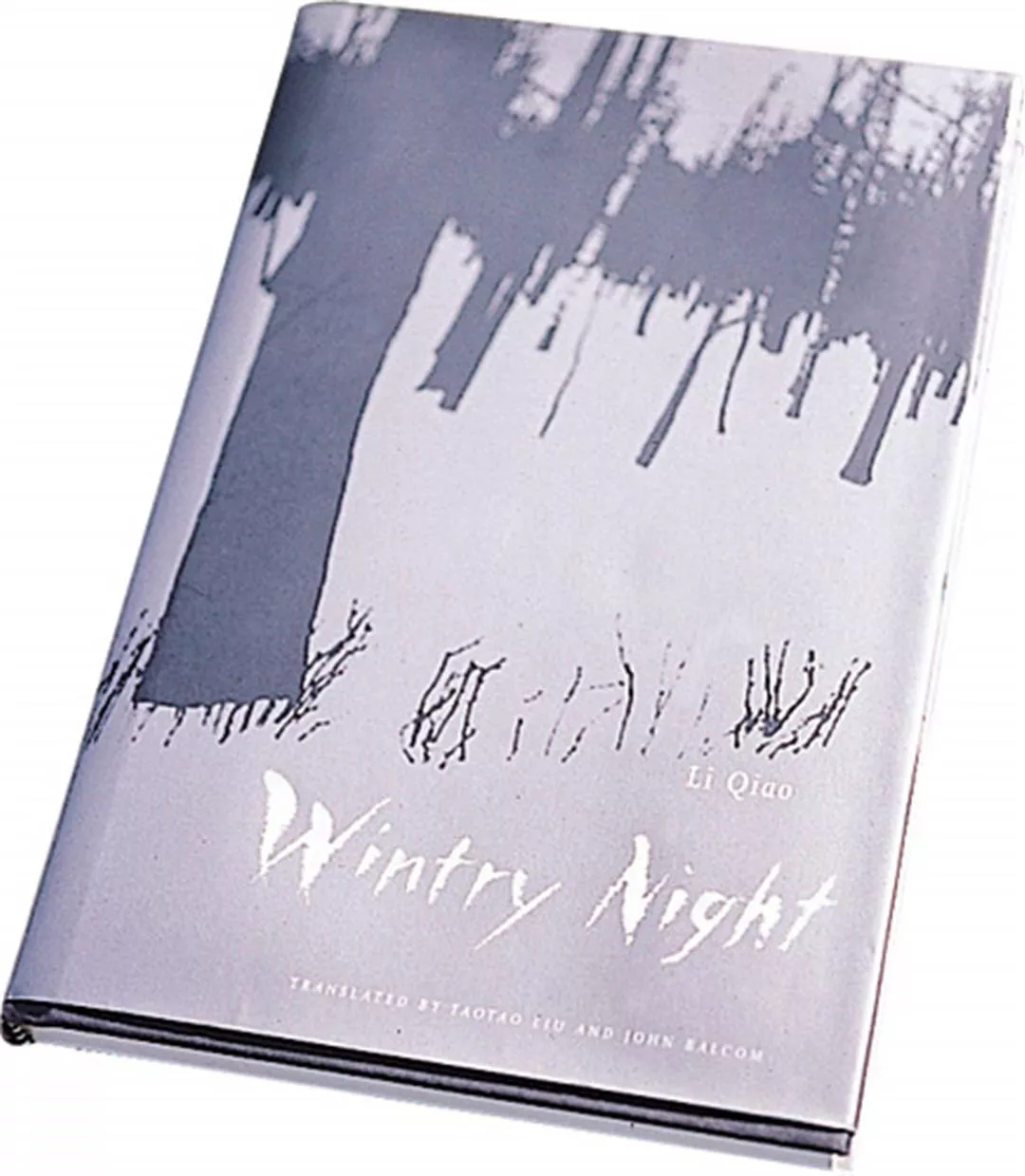
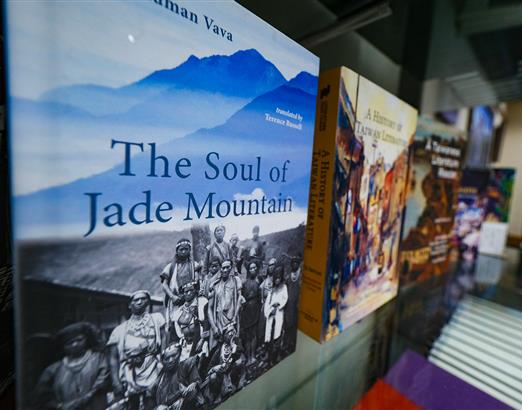
Seven years ago, Lee took the advice of Taiwan University Professor Emeritus Chi Pang-yuan, creating a condensed version of the Wintry Night trilogy entitled Mother of the Land and, in 2001, publishing an English-language edition translated by Liu Tao-tao and John Balcom.
Taiwan's adversities revisited
Lee ended his trilogy with the end of the war because the events of the early post-war period, and the February 28 Incident in particular, were taboo subjects during Taiwan's martial law era. Once martial law was lifted, he went to work on filling in this missing piece of history, publishing Condemning 1947 in 1994.
He researched the novel by again conducting interviews in the field and combing through the historical record. He studied the historical context and examined eyewitness accounts, doing his utmost to be objective, to stick to confirmed facts, and thereby reveal the truth hiding beneath the dust of the years.
One chapter of the book deals with a group of young workers at a Miaoli petroleum company who often get together to play volleyball before going out for a meal. They draw lots to determine who pays what, and therefore keep a list with everyone's name on it. After one of the group is arrested for having "ideological problems," everyone else on the list "disappears."
Later, a truck with a canvas-covered bed is driving across an unmanned railroad crossing when the wind blows the canvas loose. A man in the back of the truck sees a friend stopped by the road and shouts: "Hey! I must have been fated to see you. I've been arrested and am going to be shot. Please tell my wife that I'm innocent, that I'm not a traitor. Ask her to tell our children when they grow up that their father wasn't a traitor."
"This field research really shakes you," says Lee. "The resentment, the hurt, the desperation and resignation of people confronted with unfairness and injustice... for people who have no experience of it, or who haven't thought about it to make off-the-cuff judgments... it's immoral." He emphasizes that in Taiwan's 51 years under Japanese rule, the colonial government not only introduced modern building techniques, it also adopted the rule of law. Though not implemented perfectly, the concept existed.
He interviewed author Yang Kuei, a leader of the anti-Japanese farmers and cultural movements, who told him: "When we were giving talks under Japanese rule, we new how much we could say before we were stopped, how much we could say before we were taken away or jailed for a few days. It was all very clear. How much you did depended upon how brave you were." But after the February 28 Incident, the "rule of law" was chucked out the window by the Nationalist government, which had a warlord mentality.
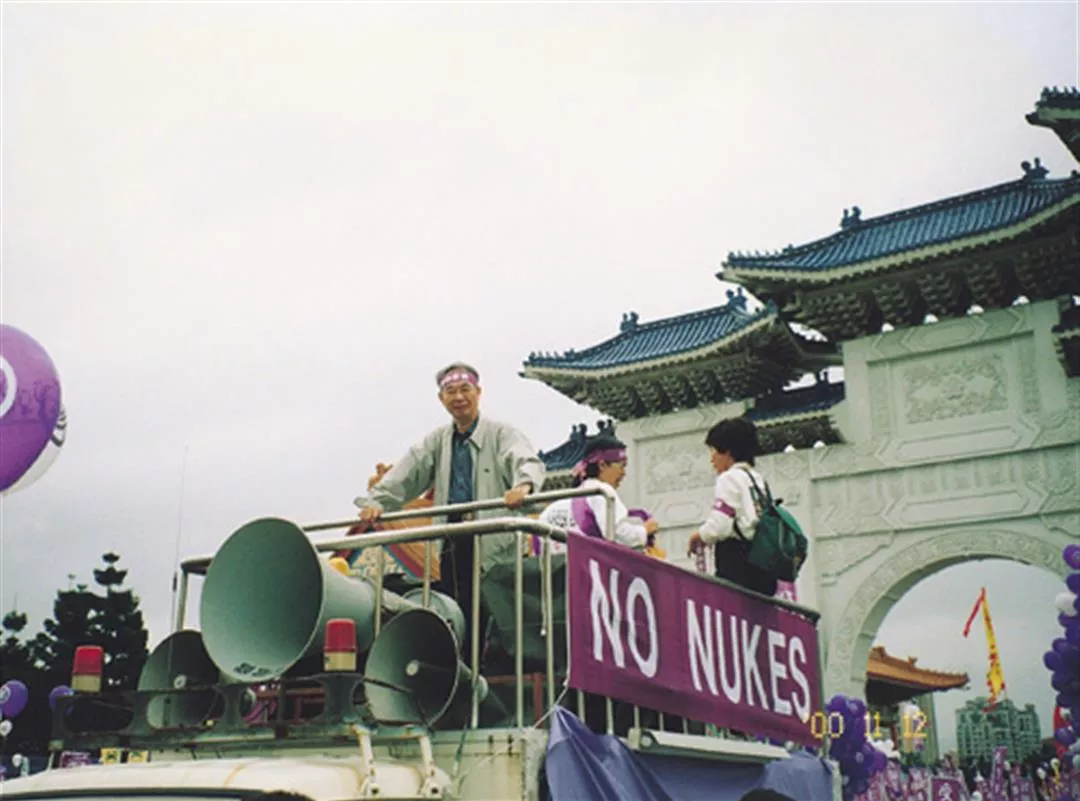
Lee says he grew up surrounded by Aborigines and ethnic Chinese from the mainland and was taught by many mainlanders at Hsinchu Normal. He argues that he is not prejudiced against mainlanders. Instead, his cultural views and support for Taiwanese independence have grown out of his understanding of Taiwan's difficult history. Taiwan's domestic political chaos and the extent to which the island has been excluded from international political participation have prompted Lee to publicly support Taiwanese independence. He has hosted politically charged programs on the Tzu Chi Foundation's DaAi TV and the Hakka Television Service since 1995, and has also been active in promoting Hakka culture.

Fate may have given Lee Chiao a difficult childhood, but it also gave him the flair for words that has allowed him to seek redemption through literature and open the eyes of Taiwan's literary circles to the potential of historical fiction.
Seeking redemption
Lee's involvement with Buddhism saturates the Wintry Nights trilogy. And, three years after the books' publication, he set out to write a specifically Buddhist novel based on the "Lady White Snake" legend. Strangely, his work on the book led him to convert to Christianity.
Asked about this spiritual change of heart, Lee says that he once felt very much in tune with Buddhism and read a great many sutras. But he says he experienced a religious epiphany while writing the climactic confrontation between Lady White Snake and the monk Fa Hai.
At the end of the battle, Fa Hai, who has been perfecting himself for 1,500 years, casts a spell intended to make all the ghosts and evil spirits to submit to him. Lady White Snake, who has been cultivating herself for 1,600 years, realizes that she is on the verge of being destroyed and has an inspired thought--the same spell that vanquishes evil spirits can also be used to fulfill the desires of all living beings. Her own heart's desire is very simple--to be a normal woman and be married to Xu Xian--and she decides to cast the spell herself.
"I laid my pen down, absolutely stuck at this spot," recalls Lee. "I thought, 'Doesn't this spell represent a kind of omnipotent ultimate truth? But this truth has two sides that are battling one another. Doesn't that mean that truth is battling truth?'" It was then that Lee had his major epiphany: "When truth enters into the human realm, it ceases to cohere. People are not Buddhas; they are always limited in their capacities." This recognition of human limitations allowed Lee to grasp two of Christianity's key concepts--veneration and humility--and led to him being baptized at the age of 60.
Over his 50-year writing career, Lee has been recognized both for his talents as an author and as an educator. Asked about his awards, he amusingly compares himself to a little fish swimming amongst the reeds--nobody realizes it's there until it spits out a little sand (awards), then suddenly everyone notices it. Then the fish goes on to live there for decades more, completely carefree and comfortable.
"Maybe because I was a kid from the mountains, I cultivated the habit of putting my nose to the grindstone and just pressing ahead regardless of what other people were doing," says Lee. "Along the way, I learned that if you are willing to work hard, you can overcome most challenges."
Fate may have dealt him a hard childhood, but it also gave him a deft hand with a pen. But his literary work has become his thorny road to redemption. Lee has published more than 7 million words over the course of his half-century of writing. What started as a trickle over the years turned into a torrent that washed his soul clean and carved out a new course for Taiwanese letters, one that merges history and literature as it makes its long way down to the sea.

In March 2002, the Public Television Service aired a version of Lee's Wintry Night trilogy, an epic story that covers a broad swath of Taiwan's history, from conflicts between Taiwanese Aborigines and Han immigrants to the war in the Pacific. The very well received production was Taiwan's first Hakka-language television serial.

After more than a half century as a writer, in 2006 Lee won the National Cultural and Arts Foundation's 10th National Award for the Arts in Literature.

Seven years ago, Lee took the advice of Taiwan University Professor Emeritus Chi Pang-yuan, creating a condensed version of the Wintry Night trilogy entitled Mother of the Land and, in 2001, publishing an English-language edition translated by Liu Tao-tao and John Balcom.