Just Passing Through?Hong Kong's Emigre Returnees
Elaine Chen / photos Hsueh Chi-kuang / tr. by Brent Heinrich
March 1995


Rooms are already fully booked at Hong Kong's famous Peninsula Hotel for June 30, 1997. Many people believe that the transition of power will mark a shift in atmosphere as well, and they plan to personally witness this moment.
The fact is that the atmosphere has already begun shifting. A great number of Hong Kong residents have emigrated and later returned. More than a few Hong Kong natives can now be counted as "foreigners."
On Christmas Eve, Hong Kong columnist David Chan rushed to the Kai Tak Airport to meet his mother. "She came home to spend the holidays with us," says Chan, who was once selected as one of Hong Kong's ten most outstanding youths. He has two younger brothers who have also emigrated, but have now returned to Hong Kong. "This kind of lifestyle, picking people up and sending them off, has already become part of our existence."
The Chan family's circumstances are typical of many households in Hong Kong. Kai Tak International Airport, already the busiest in the world, is currently gushing with waves of returning emigrants who have "just finished singing the national anthem" (that is, just acquired foreign citizenship).
According to a survey by the Hong Kong Institute of Personnel Management, a local government agency, in 1992 the number of Hong Kong's returnees was about 10,000, 16% of the total number of those who emigrated that same year, and more than twice as many returnees as the year before. In 1993, the 20,000 returnees equaled 30% of the number of emigrants. Those returnees were spread out in all walks of life. According to an investigation of the same year, 87% of Hong Kong's enterprises currently employ returned emigrants.
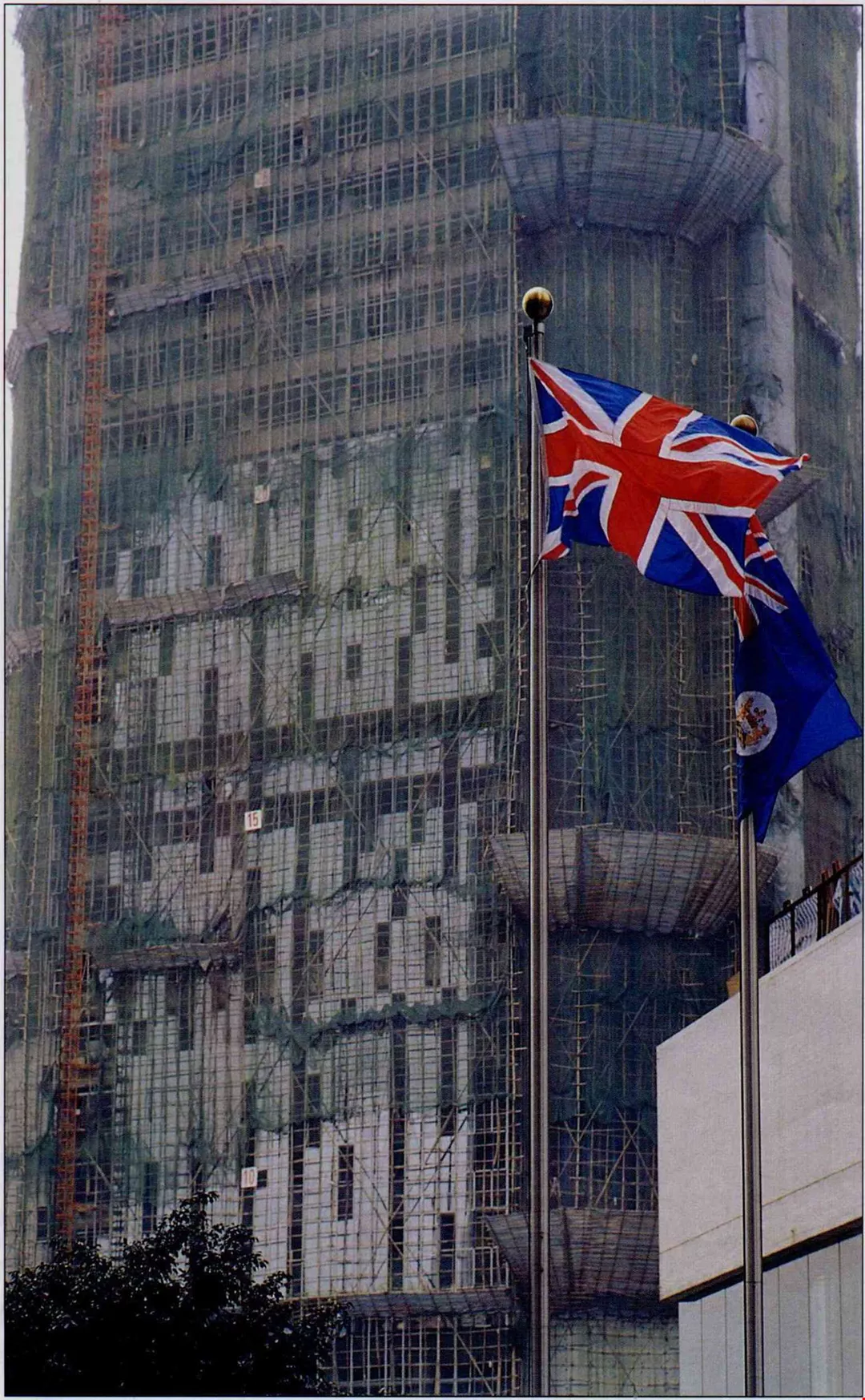
The British flag will be permanently lowered in two years. Because large numbers of talented individuals have departed, people throughout the world have predicted that before 1997 arrives, Hong Kong will collapse.
Out due to politics, back due to life
"The reasons behind Hong Kong emigrants' return are different from the mainland's emigrants, who return home to grow old (and eventually die there). Their reasons are also different from those people from Taiwan who have gone overseas to study and stayed there for ten years or more and who just returned recently," says David Y.H. Wu, chairman of the Department of Anthropology at the Chinese University of Hong Kong. The common pattern in Hong Kong is for the emigrants to return immediately after they finish "doing their immigrant prison time." And usually, one half of a married couple will become an "aerialist," travelling to and fro between both countries.
Only after paying a heavy toll have they completed immigration procedures. They have sold off their houses, quit their jobs and uprooted their whole existences. So now why are they returning?
"Those people went out for political reasons, and return for financial factors," David Wu observes.
Mo Shu-an owns a company targeting Hong Kong returnees. During the first half of 1990 they conducted a poll of 500 Hong Kong people who emigrated to Toronto. They found out that 30% of them planned to return to Hong Kong, and half of that segment planned to return within two years. He also found through interviews that 90% of emigrants had only been able to hunt down secondary jobs, and they change jobs frequently. They also couldn't get a sense of accomplishment at work.
"Originally I planned to stay overseas, but the money I earned in America was only half of what I earned in Hong Kong," notes Rebecca Leung, vice president in charge of public relations at the Pacific Century Group. So when Lee Zhekai (founder of Star TV satellite network) offered her a job, she returned ahead of time. After her husband got his green card, he returned to Hong Kong to work too.
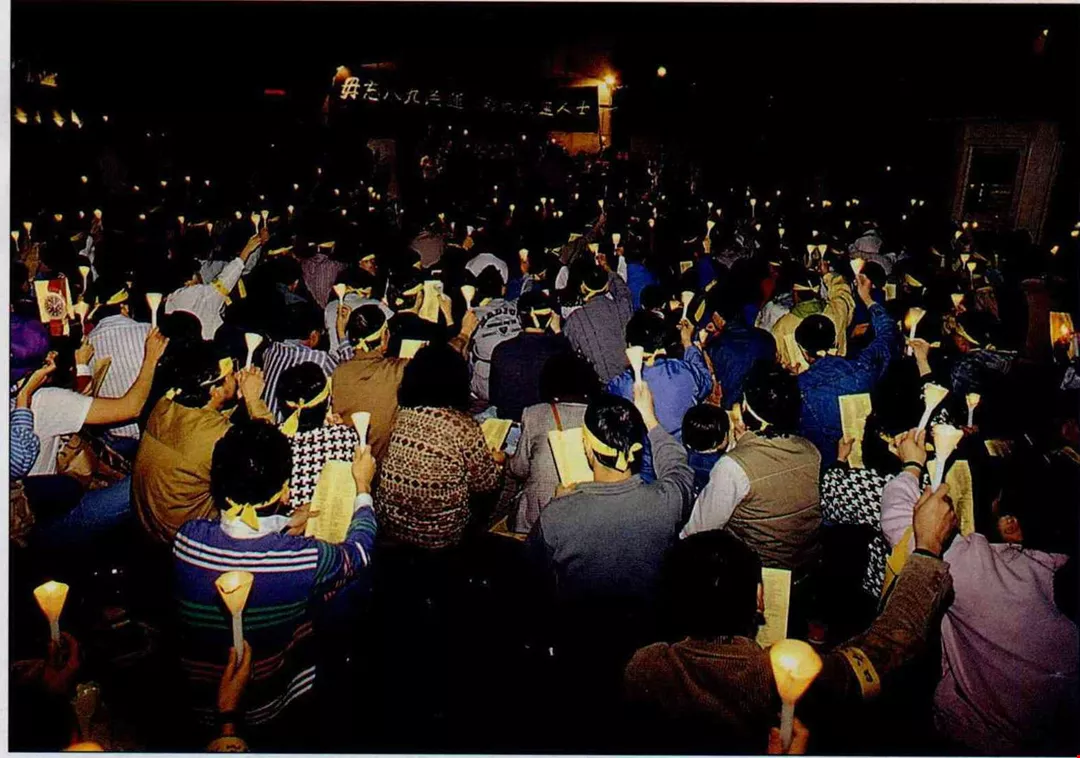
The Tiananmen Massacre of June 4, 1989 is a principal reason for Hong Kong people's loss of faith in Beijing. (photo by Diago Chiu)
The opportunities are in Hong Kong
Those who run their own businesses have some cause to complain too. Salina Tam, who emigrated to Canada after the Tiananmen Incident, originally planned to move her and her husband's fashion accessories business to Canada. But she found that it was very hard to do business there. "The customers are too conservative, and they don't like trying new fashions. Besides, the population there is too spread out; it's hard to concentrate your business in a single city." So she decided that emigration was a form of insurance for her children. Their business had to continue in Hong Kong.
"Most of our friends in Melbourne have returned," Wang Yingwen observes. He once started a business in Australia, but he returned at the beginning of the year before last when a friend who operates a construction firm in Hong Kong invited him back. Most of the emigrant returnees from Australia emigrated as investors. Mostly they arrive in Australia and immediately return, leaving their wives and kids there to "do their immigrant time." The situations of emigrant professionals are harder to summarize. If they can find a job, mostly they won't return, because they have sold their houses in Hong Kong. Those who can't find a job will be forced to return; a batch of emigrant teachers returned under just such circumstances.
A returnee salesman put it aptly: "In this period of transition, Hong Kong is bursting with opportunity. Since Hong Kong people are so good at taking advantage of opportunities, why stay overseas and risk being unemployed?"
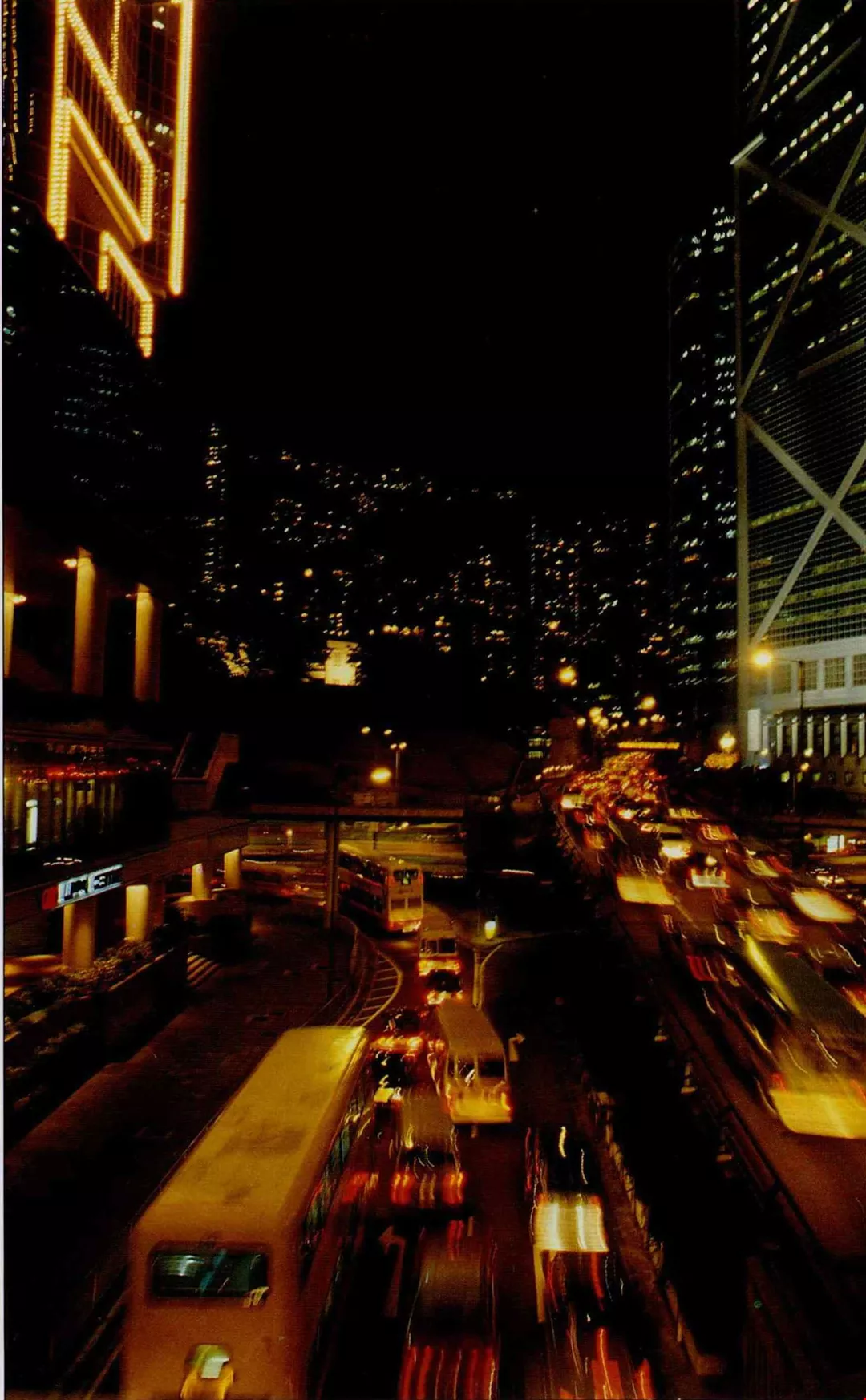
With Hong Kong's high rate of economic growth, opportunities are every where, and Hong Kong's overseas communities are flocking back in large numbers.
Everyone is willing to come back
Apart from those who have returned on their own initiative, Hong Kong's government and business world have repeatedly made efforts to recruit those who have gone away. Statistics inform us that in 1991 30% of Hong Kong enterprises maintained contacts with their employees who emigrated. Three-fourths of these companies were in the construction industry. There are even more multinational corporations that help find positions in overseas branch offices for employees who have determined to emigrate. After the employees have acquired a foreign passport, they are often called back to Hong Kong. Hong Kong's largest bank, the Hong Kong and Shanghai, is one such organization.
Virginia Lo, public relations manager for the Hong Kong and Shanghai Bank, explains that in the early 1990s Canada was in need of computer personnel. This kind of immigrant was preferred, and it attracted many people from Hong Kong. Their bank was struck by a loss of personnel.
"This was extremely disadvantageous to our organization. We needed them, and they didn't really want to go," Lo says. Finally the bank invented a solution which could work out well for everyone concerned--to establish a computer center in Canada and let several colleagues from the computer service and communications departments who wished to emigrate go there to work, and when they got a Canadian passport, to come back to Hong Kong. "The bank's most valuable asset is the brains of our personnel. At any rate, the investment required to open a computer center is not nearly as monumental as a factory or an overseas branch operation. With the use of satellite communications it really wasn't that difficult. As far as Hong Kong and Shanghai is concerned, we were simply turning circumstances to our advantage." Lo reveals that several dozen employees have returned by this method.
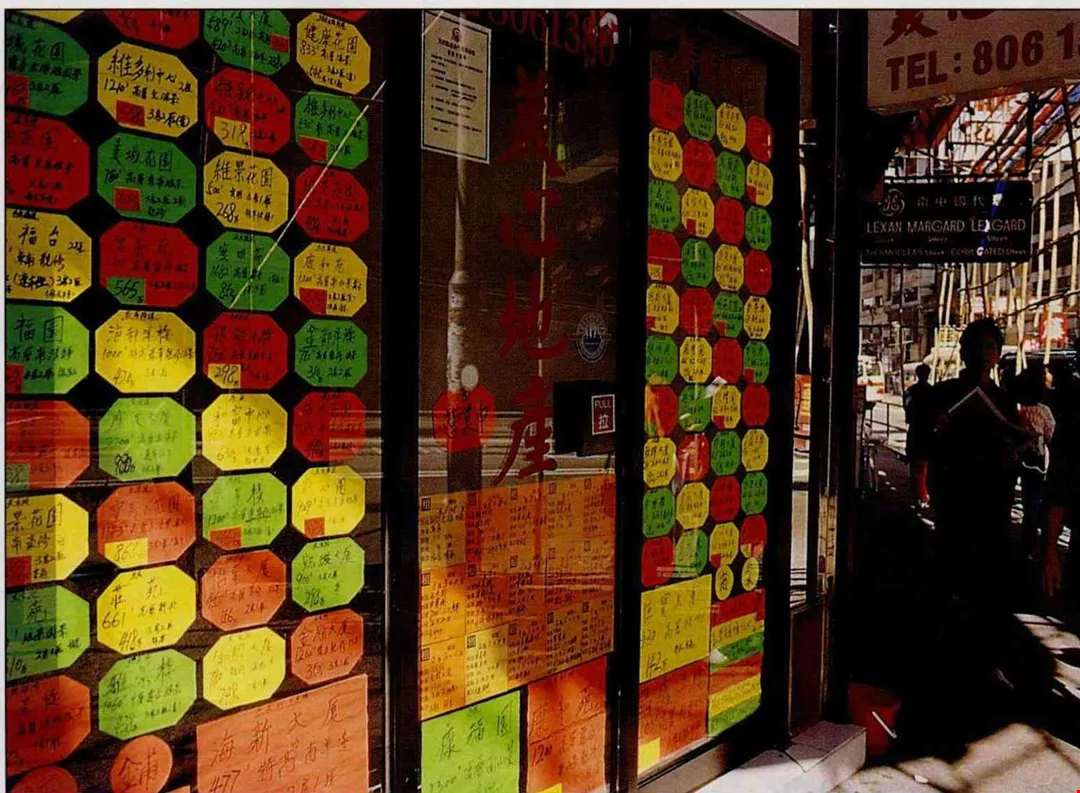
When they went abroad, they sold their homes. Now the price has risen two or three times, and they can't afford to buy a new one. Many emigrant returnees have no choice but to return alone to work in Hong Kong and rent a room.
Big economy, little politics
Quite unlike emigrant returnees in Taiwan, who prefer to lay low and avoid disclosing their changed identities, most Hong Kong returnees broadcast the news loud and clear, not in the least ashamed of their emigrant status.
"There is power in numbers," is one reason Hong Kong returnees do not feel they have received much opposition. Rebecca Leung divulges that of the new batch of recruits to her company, 60% hold a foreign passport. In the construction firm where Wang Yingwen works, his coworkers are all returnees from the United States, Canada or Australia.
Because there are 500,000 people in Hong Kong with foreign passports (some of whom are actually foreigners, some returned Hongkongers), Hong Kong even has a small political party, the Hong Kong Alliance of Chinese and Expatriates, which addresses the needs of these people.
And from the point of view of ideology, Hong Kong is a society with a large economy but a small political system. "Taiwan's citizens have a strong national consciousness. They feel that emigrating is like turning your back on your country. But Hong Kong is not a country; it is a city," Rebecca Leung points out. Hong Kongers are very pragmatic. They only require you to have a skill, and they care little about where you are from.
According to her own experience, because returning emigrants have to endure the pain of separation from their families, most people actually feel sympathy for them. "My friends all know that I am an 'aerialist.' They'll take care of me," explains Rebecca Leung, who suffered from depression when her husband spent time in the US.
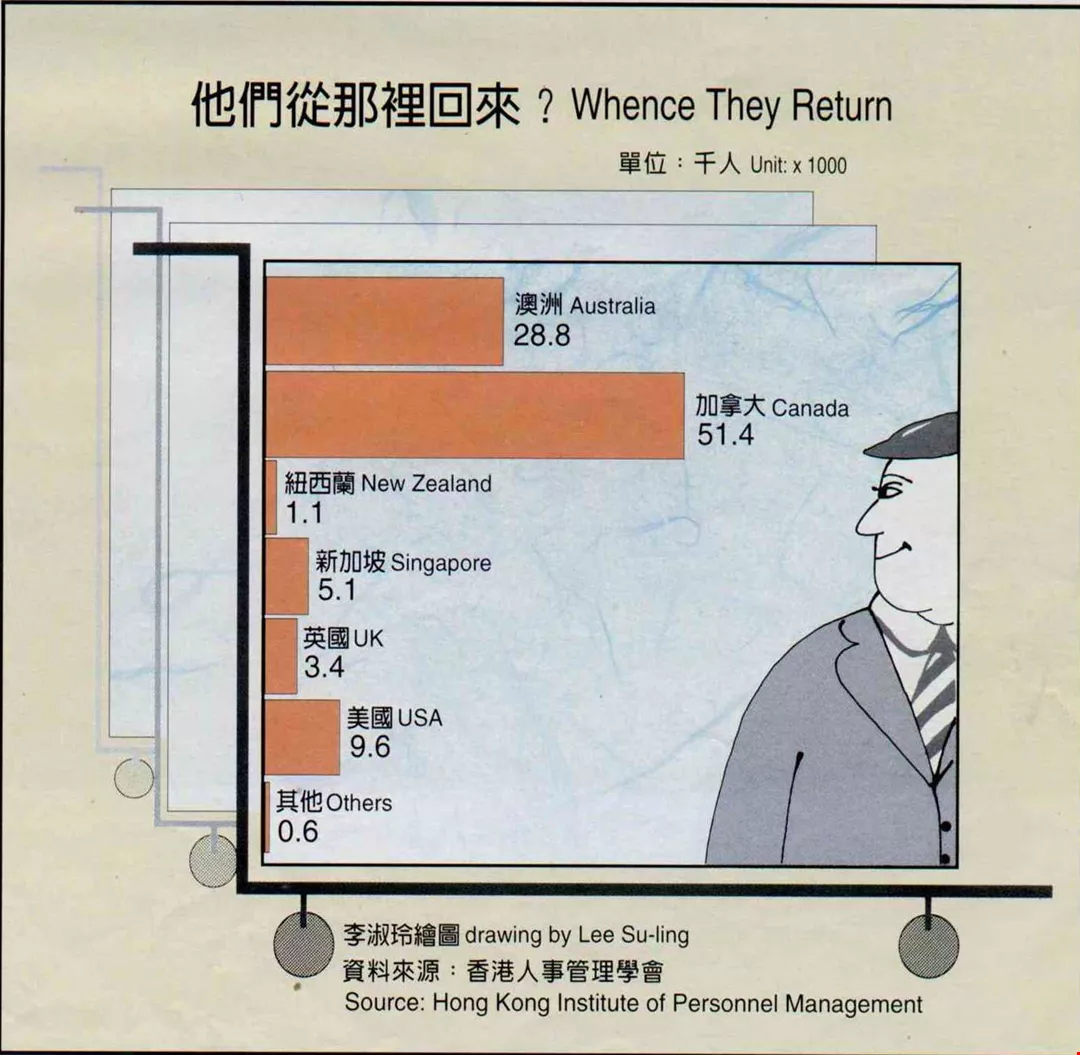
Whence They Return.
One big happy family
Yu Yi, who in his capacity as a journalist works side-by-side with more than a few "aerialists," has very deep feelings about this. "Coming back is very painful. They find a job, but lack seniority and won't be able to build up much of a pension. The biggest problem is that they have sold their homes. The prices have now gone up two or three times, and they simply have no way to bring their whole families back. The children are often already used to living elsewhere, and there is no alternative but to have one parent go back alone. Life can be very depressing, and you get really down."
Salina Tam, who must go back and forth between her two homes four or five times a year, leaves at 5:30 in the morning every time she returns to Hong Kong. "If my children see me leaving, they start to cry, and I cry too. It's like we'll never see each other again. So I always sneak off. When I call on the telephone, if my children are crying, I quickly say, 'I couldn't find the toy you asked for last time. Do you know where I can buy it? What model is it?' The children get excited; they get busy telling me and forget to cry. For the past five years, it's worked every time," says Tam smiling, but with a tear in her eye.
"Most people don't feel any animosity toward returning emigrants," states Yazhou Zhoukan magazine's Deputy Editor-in-Chief Tan Shih-ying. Many people have family or good friends who have left and come back, so there is a feeling of mutual understanding, not opposition." In addition, from one viewpoint, the backward flow of emigrants works to the common advantage. The motives for their return are their own personal benefit, but the substantive result is a benefit for others, as well. Like eating an extra bowl of rice, it creates greater opportunity for business and generates wealth for society.
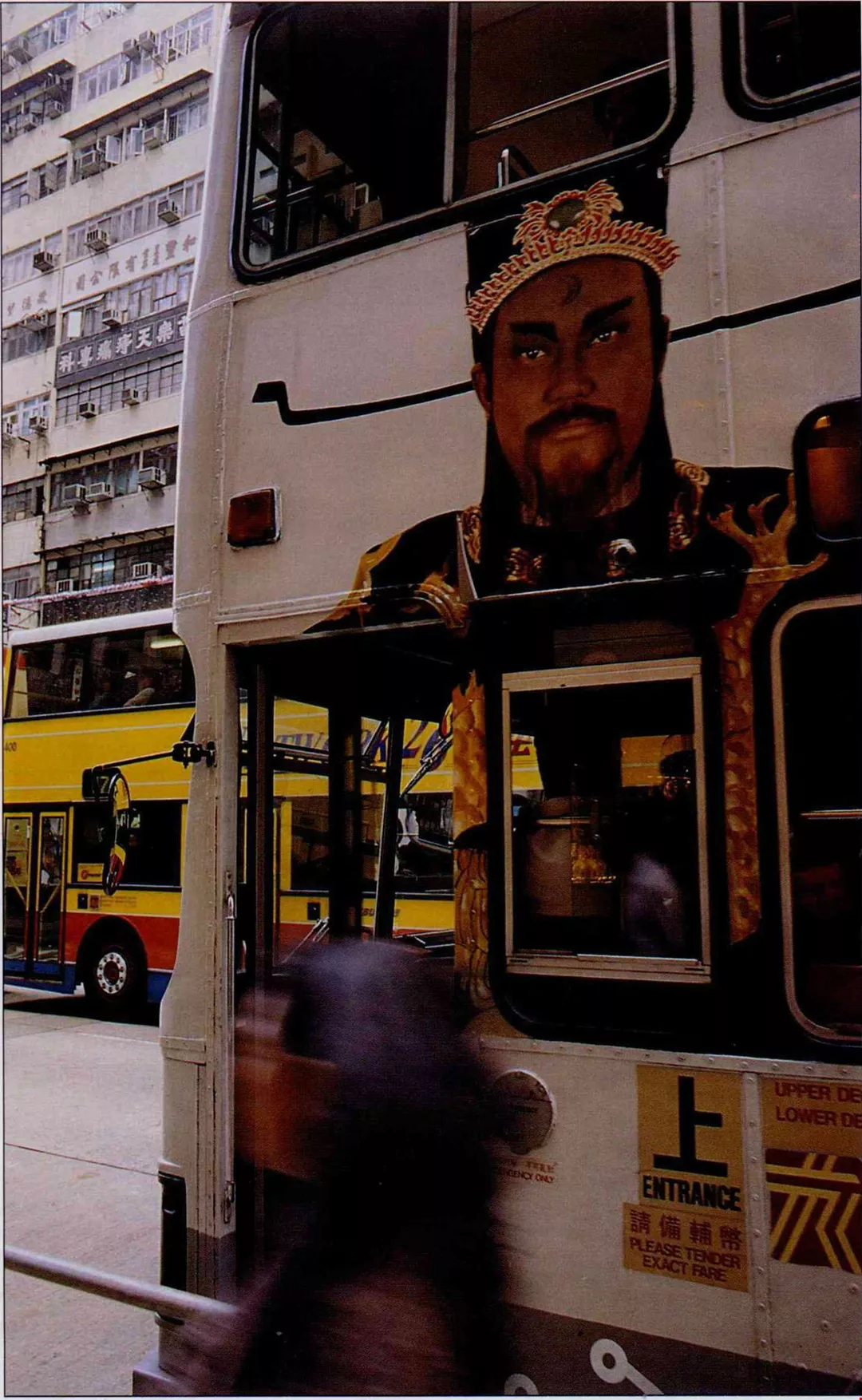
The 1997 deadline is drawing near, and various corrupt and illegal events are on the increase. The immense popularity in Hong Kong of the Taiwanese TV serial drama "Impartial Judge Pao Chingtien" reflects the human aspiration for social order.
When interests conflict
Of course, in the midst of welcoming applause, a minority of Hong Kong people take objection.
Hong Kong Baptist University professor Chou Chao-hsiang, a leader of Hong Kong's "green movement" who in the press has advocated a love of Hong Kong and has aroused the consciousness of many Hong Kong people, does not feel that the flow of returning emigrants will be of any particular ad vantage to Hong Kong. "Those people who get residency in a foreign country and then come back what kind of sense of responsibility will they have toward Hong Kong? On the contrary, all they do is come back and take the best jobs, take money away and stir up confusion here."
Certainly, several years ago when a large number of Hong Kong's high-level professionals emigrated, they created a vacuum, and many of the people underneath took the opportunity to rise in the ranks. Now that their bosses who had gone are returning, people who feel that their positions are in jeopardy will be inclined to resent them.
Furthermore, the phenomenon may place greater demands upon public officials. "Holding a foreign passport may make people doubt that you have a close enough identification with Hong Kong," David Chan observes.
For example, Hong Kong's "Democratic Alliance for the Betterment of Hong Kong" frequently voices the slogan "truly love Hong Kong." When the family of Tsang Yok Sing, a member of this group and also of the Preliminary Working Committee of the Preparatory Committee for the Hong Kong Special Administrative Region, emigrated, the incident was publicized in the media and became the focus of attention for some time. Some people taunted him as "truly lying to Hong Kong." Others declared that his words did not match his deeds, though they admitted that they had a certain entertainment "value." During that period of time the media published lists of all the high officials or political figures who had acquired any passport, and let the voters judge for themselves.
Nevertheless, even with so much light cast on the subject, the results of the following election appeared not to have been significantly affected. The Far Eastern Economic Review's feature editor Frank Ching half-jokingly analyzed: "Everyone believes the members of the Democratic Alliance for the Betterment of Hong Kong are just the same as us lowly paupers. [The fact that they're also trying to get out before 1997] suggests that they're not Communists, and we don't need to fear them. It actually strengthened their popularity."
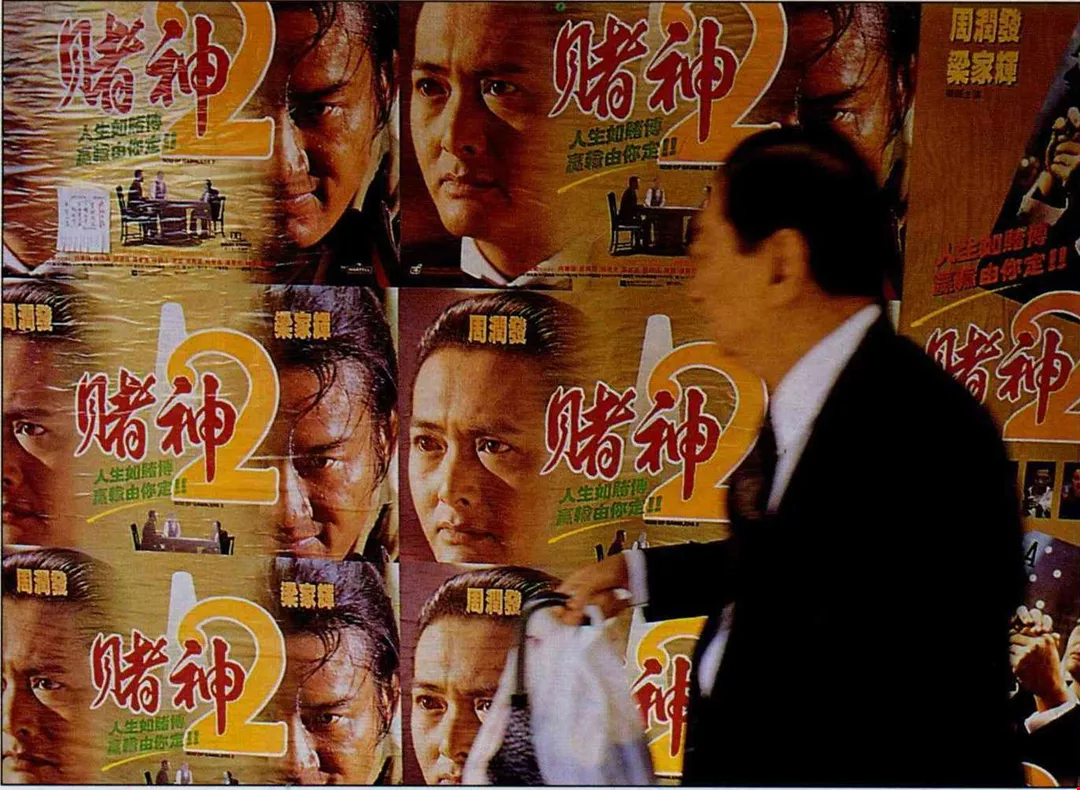
The "just passing through" mentality and an opportunistic atmosphere permeate Hong Kong. Even gambling films are the hottest thing to hit the silver screen.
Eating from the hand of the emigrant
Hong Kong's acceptance of emigration and repatriation also stems from historical factors. One could even say that Hong Kong, once nothing more than a little fishing harbor, has become great because of emigration.
"The process of Chinese migration overseas has brought about the prosperity of many an industry," points out University of Hong Kong professor of history Dr. Elizabeth Sinn. Chinese people have been moving overseas for one or two centuries now, and they have all exited China through Hong Kong. Without travel money, many people chose to take out high-interest loans and to pay them back after they had made some savings overseas. A large portion of remittances from overseas accumulated in Hong Kong, which sparked its financial industry.
Furthermore, steamships taking emigrants away from Hong Kong had to take on board a sufficient supply of food. For example, a trip from Hong Kong to Panama took 300 days. This drove the growth of the food industry. After Chinese people went overseas, all kinds of products used in daily life began to be exported through Hong Kong too. These included opium that had been processed in Hong Kong. With the constant arrival and departure of boats, Hong Kong's ship repair industry also took a great leap forward. With so much business in the works, Hong Kong was propelled forward, until in the 1870s they started to design telegraph networks. Today Hong Kong is one of the world's most advanced cities in terms of communications.
Because of emigration, Hong Kong's business network is vast, so Hong Kongers harbor few feelings of resentment toward emigrants. And because of this, when these overseas cousins grow old and think of going home to retire, they often do not return to their ancestral home town; instead, they stay in Hong Kong.
Elizabeth Sinn believes that this may be because when they return to their native village, they can not adjust to the lifestyle of the countryside. But Hong Kong is very free and relatively similar to the West. In addition, Hong Kong offers many opportunities to start new businesses. The city's department stores, such as Wing On and Sincere, were all established by returning Chinese from Australia.
Life support for the Pearl of the Orient
Today's wave of emigrant returnees has breathed even greater vitality into post-Tiananmen Hong Kong, which has been losing people at a rate of 60,000 a year. According to an estimate by the Hong Kong Institute of Personnel Management, nearly half of emigrant returnees are between the ages of 30 and 39. More than three quarters have an educational level of bachelor's degree or higher. This is precisely the most productive strata of Hong Kong society. Originally, most of the world predicted that the global financial center of Hong Kong would collapse before 1997, due to the massive exodus of highly educated professionals. Now it is evident that this prognostication will not come true.
The question is whether those people who in the past gave in to fears of the Communists, sold their homes, quit their jobs and frantically fled, will feel confident enough to remain long term after 1997.
Opinion polls indicate that being granted the right to live abroad can remedy the misgivings some Hong Kong people feel, and some residents say that because of this they are even more willing to remain there. At least in the short term they do not have to concern themselves with the question of emigration and can for the next several years continue to work in Hong Kong with assurance.
This kind of attitude is quite common, but not everyone thinks along these lines. A short while ago, when Sino-British relations were going through a period of tension, the Chinese Communists frequently employed the phrase, "Hong Kong is sure to be thrown into chaos" and expressed the view that if Hong Kong were not "pacified" it would have no way of escaping from under the shadow of British colonialism. Some people mockingly queried, when the Communist tanks come rolling in, will they have time to stop along the way and let you pull out your foreign passport?
Straddling the '97 fence
"After 1997, I will surely go. Right now I lambaste them every day. I've already prepared for the worst," says Rebecca Leung, who frequently criticizes the Chinese Communist Party in her column. The people of Hong Kong are not without love for their city, but there is really nothing they can do. "This place does not belong to us in the long term. It's borrowed time. It's borrowed land."
People whose livelihoods are not directly affected by questions of freedom of speech have a more light-hearted attitude. Wang Ying-wen plans to stay in Hong Kong. "Right now 1997 is only two years away, but I still have ten years of work left in me. Construction is in demand right now in the mainland, and I'll forge on."
But he foresees that most people "will emigrate because they fear '97. When the economy gets better in Australia, I am sure many people will go." Wang says that some people will leave in 1996. When they are safely outside, they will wait and watch; if everything is okay, they will return.
"The returnees have quite a wary attitude," says writer Lucy Tuann. She believes that returnees naturally wish to be able to live there indefinitely. They feel that this is the place they were born and grew up, the place with whose cultural milieu they are most familiar. "But if safety and freedom come under a big threat, they won't be able stand it; they'll have no choice but to leave."
Short-term mentality
She observes that because of this the whole of Hong Kong society has been permeated with a "short-term mentality." Even academia has fallen under its sway. For example, the recently opened Hong Kong University of Science and Technology (HKUST) has hired high quality personnel, yet they all have only two-year contracts. Whether their positions will exist after that is uncertain.
"The positive aspect is that we can attract outstanding people from all over the world, but it has created a feeling of uncertainty. Many of our educational plans and academic research lack continuity." A friend of Lucy Tuann teaching at HKUST, in consideration of the two-year limit, gave up his original plans to undertake major research on the aquatic life around Hong Kong, changing to a number of smaller research projects that could more easily be turned into monographs.
Nowhere is the "just passing through" mentality more prevalent than in the economic sphere. Speculative investment has become the hottest area of business in Hong Kong. Smuggling, stock trading and real estate speculation are all booming. So obviously there is no short-term crisis in confidence. But interest is completely lacking in long-term investment. Public opinion has also been critical of the perceived thieving proclivities of returning emigrant "frogmen," named for the motions they make--clutching (money) and paddling (away).
Hong Kong legislator Emily Lau admits that Hong Kong people respect individuals' right to enter and exit the territory, and everyone wishes the best of luck to those who decide to leave, but having so many people emigrating does have its social side effects. "Some Hong Kong citizens feel they don't have to strive for anything. No matter what happens, they have their foreign residence permit; if the situation turns bad they can go anytime. On the other hand, when you're fighting a desperate
"The return of emigrants has a brought some good customs to Hong Kong society," says Wang Yingwen, who believes that there are more polite people in Hong Kong, that everyone cares more about political and social issues, and that the environment is healthier. These trends are completely different from the past.
In addition, the most important issue to the people of Hong Kong is whether after 1997 they will be able to retain their freedom and human rights. Lee Yee, editor-in-chief of The Nineties, once proposed this solution to the problem: the people of Hong Kong should internationalize as much as possible. As many people as possible should acquire foreign passports. When the Chinese Communists take charge of Hong Kong, they will be afraid to take any rash actions for fear of the consequences. From this perspective, returning emigrants make a direct contribution in Hong Kong's political scene.
A tide that is bound to ebb
But whether the impact that returning emigrants have on Hong Kong is for the better or for the worse, this backward flow of a people which has attracted the whole world's attention may very well gradually taper off. The most important reason is that 1997 is just around the corner.
"I still have friends in Australia who want me to keep my ears open for news on whether they ought to come back, because there are only two years left until '97," Wang Yingwen states. In Australia job applicants above the age of 40, especially foreign immigrants, rarely meet with success. Thus going back to Hong Kong is tantamount to never being able to return to Australia, so they are very hesitant.
The attitude of the Communist Party toward emigrants is even more crucial. In the past, several countries expressed the willingness to grant citizenship or resident status to Hong Kong people employed in Hong Kong by their countries' companies. Beijing is adamant in its opposition. According to mainland China's laws on citizenship, if Chinese citizens (who in the future will include people from Hong Kong) want to acquire foreign citizenship, they must first request and receive official approval to annul their Chinese citizenship. Furthermore, there will be tighter restrictions on returning emigrants' rights to participate in politics. For instance, the ratio of foreign passport holders in legislative institutions can not exceed 20%. And those with foreign citizenship will not be allowed to assume positions as high-ranking officials in the future. Furthermore, there will be basic regulations that legislative councilmen have to be loyal to the Chinese government.
The Preliminary Working Committee for the Hong Kong Special Administrative Region once announced that foreign passport holders should not have the right to reside in Hong Kong after 1997. "This issue is still under discussion," notes Rebecca Leung. "This is really ridiculous. If a country is well governed, everyone will want to go there. We often say that after 1997, a low-class bunch of spitters will govern us non-spitters, and a bunch of corrupt people will govern those of us who are not corrupt."
I am a passer-by
Hong Kong people have never controlled their own fate. The Sino-British negotiations decided that Hong Kong will be returned to China, and they were forced to emigrate overseas. Now they have created this "emigrant returnee" mode of existence, but whether they can continue is not in their own hands.
"Clack, clack, the horse's hooves. I am a passer-by. This is not my home." Cheng Chou-yu wrote these immortal words forty years ago. Who would have known he was foretelling the fate of Hong Kong?
[Picture Caption]
p.9
The 1997 deadline lies in the offing. Are the returning emigrants making a long-term home here? Or a temporary rest stop?
p.10
The British flag will be permanently lowered in two years. Because large numbers of talented individuals have departed, people throughout the world have predicted that before 1997 arrives, Hong Kong will collapse.
p.11
The Tiananmen Massacre of June 4, 1989 is a principal reason for Hong Kong people's loss of faith in Beijing. (photo by Diago Chiu)
p.12
With Hong Kong's high rate of economic growth, opportunities are every where, and Hong Kong's overseas communities are flocking back in large numbers.
p.14
When they went abroad, they sold their homes. Now the price has risen two or three times, and they can't afford to buy a new one. Many emigrant returnees have no choice but to return alone to work in Hong Kong and rent a room.
p.16
The 1997 deadline is drawing near, and various corrupt and illegal events are on the increase. The immense popularity in Hong Kong of the Taiwanese TV serial drama "Impartial Judge Pao Chingtien" reflects the human aspiration for social order.
p.17
The "just passing through" mentality and an opportunistic atmosphere permeate Hong Kong. Even gambling films are the hottest thing to hit the silver screen.

@List.jpg?w=522&h=410&mode=crop&format=webp&quality=80)

@List.jpg?w=522&h=410&mode=crop&format=webp&quality=80)


