Same Game, Different Dreams--Lottery Guru Chang Wei-hsin
Kuo Li-chuan / photos Tseng Heng-long / tr. by Christopher J. Findler
March 2006
From the issuing of the first lottery tickets by the Japanese colonial government in 1906 to the launching of the Scratch-n-Win and Big Lotto in recent years, lotteries have been around in Taiwan for exactly 100 years. Each ticket brings with it the dream of striking it rich, while bearing testimony to Taiwan's social and economic development. When you get down to it, however, they are little more than another way for the government to squeeze out more "contributions" from the people.
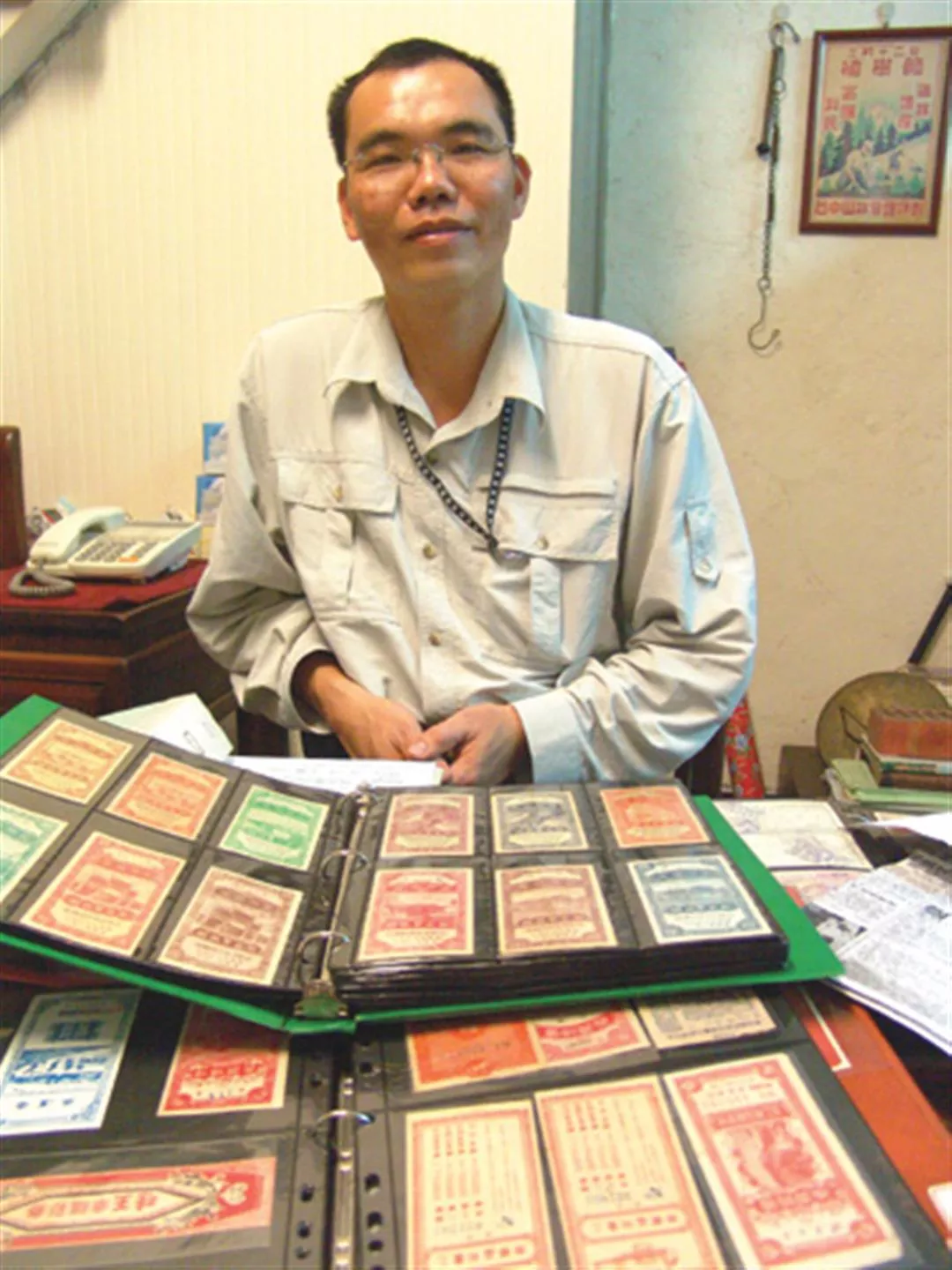
"Lottery guru" Chang Wei-hsin's CV makes an interesting read: policeman, then pawnshop owner, now proprietor of a popular central Taiwan ice shop. He boasts the only complete collection of lottery tickets for the Taiwan lotteries--tickets from each and every lottery ever held by governments in Taiwan over the last century. What's more, studying the tickets in his rich collection as well as the background and inside story of society behind each ticket reveals all kinds of interesting facts.
Chang Wei-hsin, born in Taichung in 1966, began collecting lottery tickets when he bought single tickets for two lotteries with a friend who collected coins and Taiwan Lottery tickets, way back when Chang ran a pawnshop. The government stopped issuing those paper rectangles of hope for a number of years, and this stirred within Chang the idea of doing a thorough study of lottery tickets.
In 1995, on a "dumb impulse," Chang shelled out more than NT$60,000 for a complete collection of Taiwan Lottery tickets from a collector, never guessing that later on he would continue to come across complete ticket sheets and specimen pages of the Taiwan Lottery tickets, not to mention tickets with "intriguing numbers" and consecutive numbers.... It gradually dawned on him that to collect tickets from all of Taiwan's lotteries would be more difficult and require more monetary investment than he had ever imagined. Fortunately for him, his family fully supports his lavish hobby.

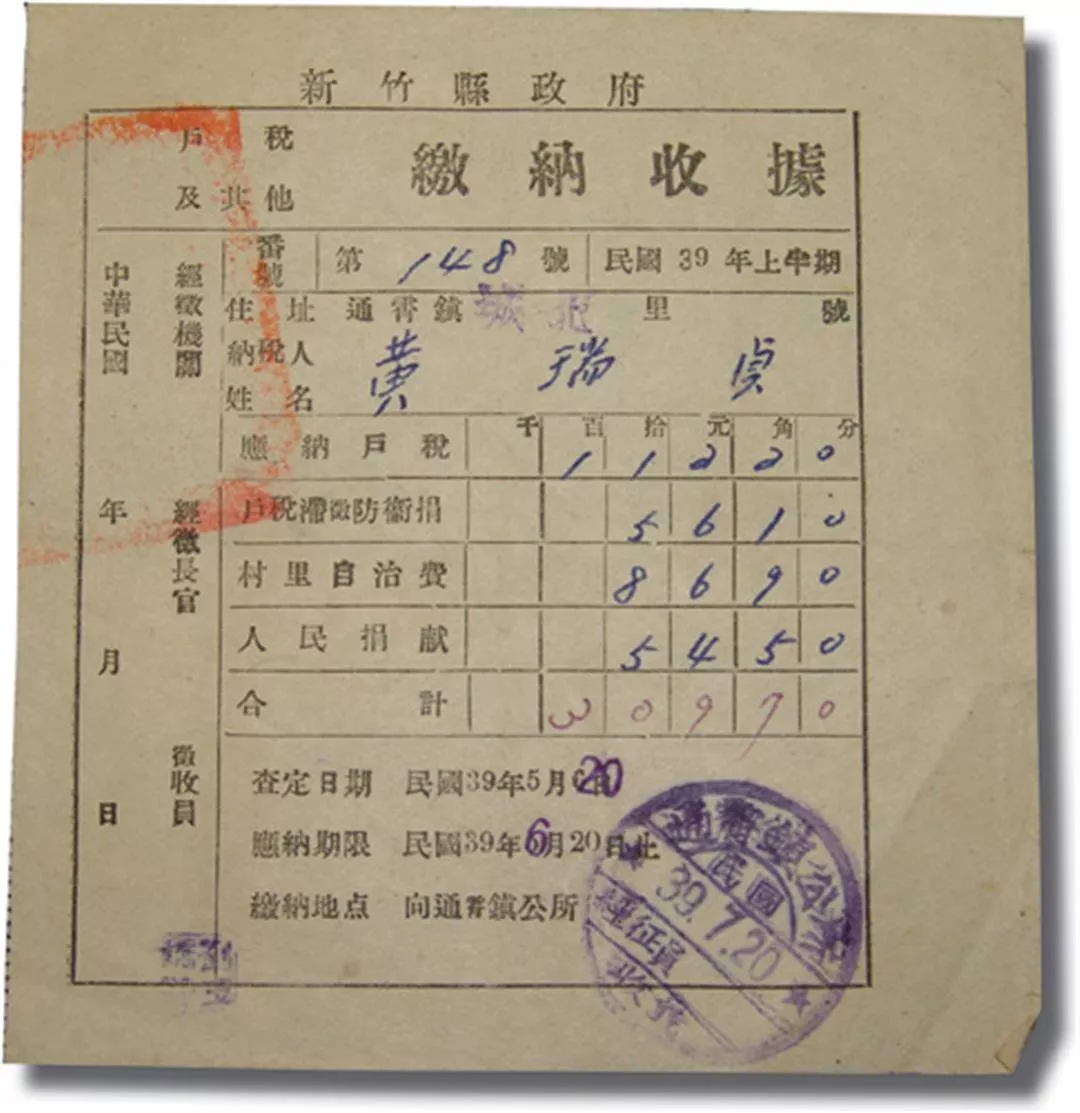
Household tax payment notices issued by the government during the first half of 1950 clearly stated that in addition to household taxes, households were required to periodically pay about NT$310 in defense donations, self-government fees for villages and boroughs, and citizen contributions. Monthly pay for a regularly-appointed public servant was only about NT$150.
Lotteries in Taiwan
The history of lotteries in Taiwan goes all the way back to 1895--the beginning of the Japanese occupation of Taiwan. Taiwan's political situation gradually settled down, following the armed resistance movement against the Japanese aggressors. Under the rule of Gentaro Kodama, Taiwan's fourth governor-general, chief civil administrator Shinpei Goto had pulled all the plugs in his goal to build up Taiwan's infrastructure, some of which was superior to Japan's. For example, Taipei City's sewage system served a greater area than that of any other city in Asia. In 1899, Taipei had running water and Taiwan its first modern financial institution--the Bank of Taiwan.
Already financially independent and self-sufficient by 1905, Taiwan no longer depended on subsidies from Japan's central government. In 1907, Taiwan was already "contributing" to Japan's coffers through tariffs and sugar consumption taxes. Public infrastructure, charitable institutions, sanitation facilities, and temple upkeep, however, drained huge quantities of money. The Office of the Governor-General ordered the issuing of lottery tickets to supplement financial resources.
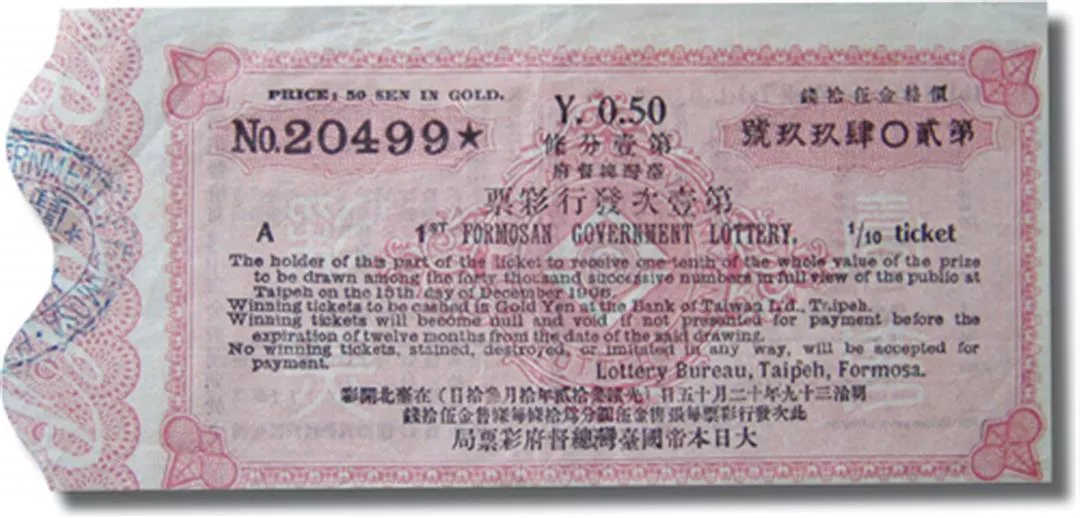
In June of 1906, the Office of the Governor-General promulgated Decree No. 7, "The Issuance of Lottery Tickets by the Office of the Taiwan Governor-General to Raise Money to Supplement Charity Work, Sanitation, and Temple Upkeep." Taiwan's first lottery was held in September of that year: 40,000 tickets were sold at ¥0.50 apiece. First prize was ¥50,000--more than 2,000 times as much as a teacher's monthly salary of ¥20-25. The Japanese government also printed the regulations and reason for the lottery tickets in the Tai Wan Ji Ji Hsin Pao.
The temptingly generous first prize stirred up a buying frenzy among both Taiwanese and Japanese in Taiwan. Even Japanese residing in Japan bought tickets through friends who lived in Taiwan, or through sales agents in China and Singapore. Panic buying led to scalping. The better-off Japanese were purchasing tickets in large quantities. Consequently, they swept the first prizes in each drawing. Suspecting duplicity, Taiwanese quickly lost interest in the lottery. The colonial government's idea of getting more out of the Taiwanese people didn't pan out as Japanese were buying up most of the tickets. The lottery was aborted after only five drawings.

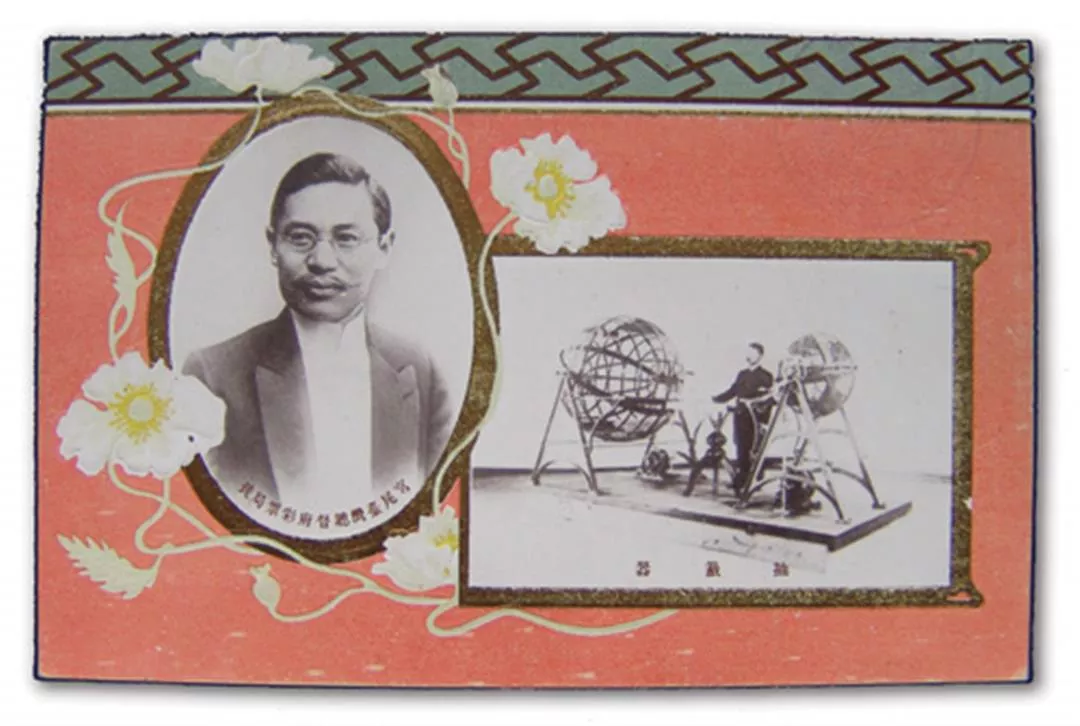
When the Japanese colonial government organized Taiwan's first lottery, it went to the trouble of issuing multicolored souvenir postcards. On the front are pictures of Shunji Miyao, the Lottery Ticket Bureau's first director, and the electric lottery machine imported from France.
The Taiwan Lottery
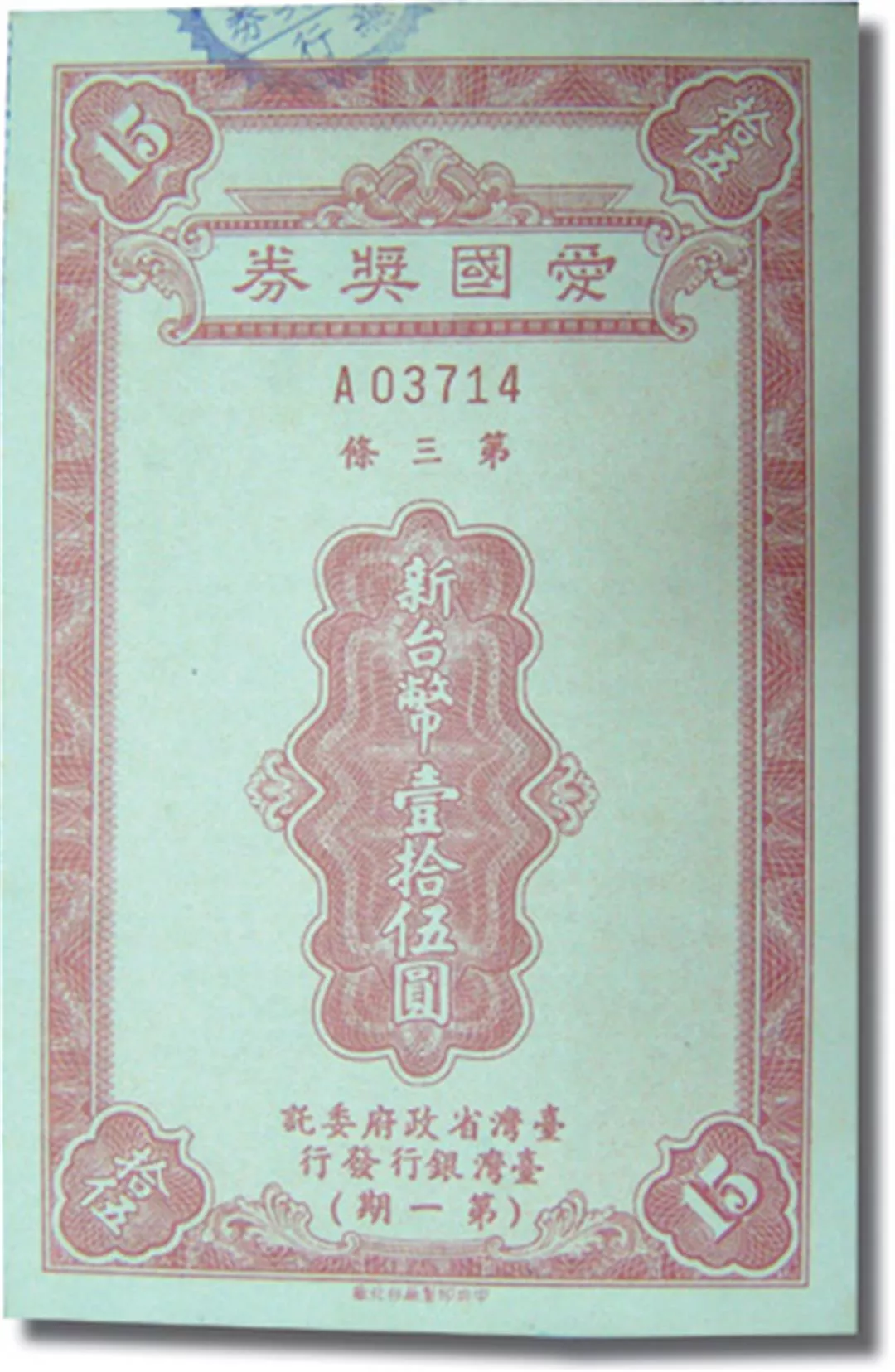
While still in Nanjing following World War II, in 1949 the Nationalist government drafted the "Patriotic Bond Statute," aiming to raise 300 million silver dollars of funds in order to "encourage patriotism among the people, concentrate wealth, balance the budget, and stabilize the monetary system in the interests of national security and reconstruction." A target of 30 million silver dollars (then equivalent to about NT$90 million) was slotted for Taiwan. Because the bond issue was not yet fully subscribed when the government relocated to Taiwan late that year, the first Taiwan Lottery was held in April 1950.
Taiwan Lottery tickets sold for NT$15 a pop and first place was a generous NT$200,000. But according to a table listing the incomes of various occupations at the time owned by Chang Wei-hsin, a regularly appointed public servant's monthly pay was a mere NT$150 and level-three technicians in the salt industry brought home only NT$63. With rice selling for NT$0.52 a kilo, it was already difficult enough making ends meet; where were people supposed to scrape up the funds needed to buy lottery tickets? Buying was tepid at best.
With the second drawing, therefore, tickets dropped to NT$5, but first prize remained NT$200,000. More than two decades later in January 1971, the price finally increased to NT$10. That same month saw the introduction of an electric lottery machine imported from France to replace the old handcranked one.
In the early days, Taiwan Lottery tickets were printed to resemble paper money. Starting with the 36th drawing (November 1951), tickets were inscribed with anti-Communist slogans like "Down with the Chinese Communists, Resist the USSR," "Win Back Mainland China," "Reunite the Homeland," and "Eradicate the Communist Bandits." In fact, in those days, everything with printing had similar slogans. "Military First, Victory First," for instance, was printed on cartons of "Paradise" brand cigarettes. In accordance with regulations, even the cover of the Black Cat's Greatest Hits lyric book (the group Black Cat was organized by Taiwan songwriter Yang San-lang) had the slogans ("Retake the Mainland" and "Liberate Our Comrades") printed on it.
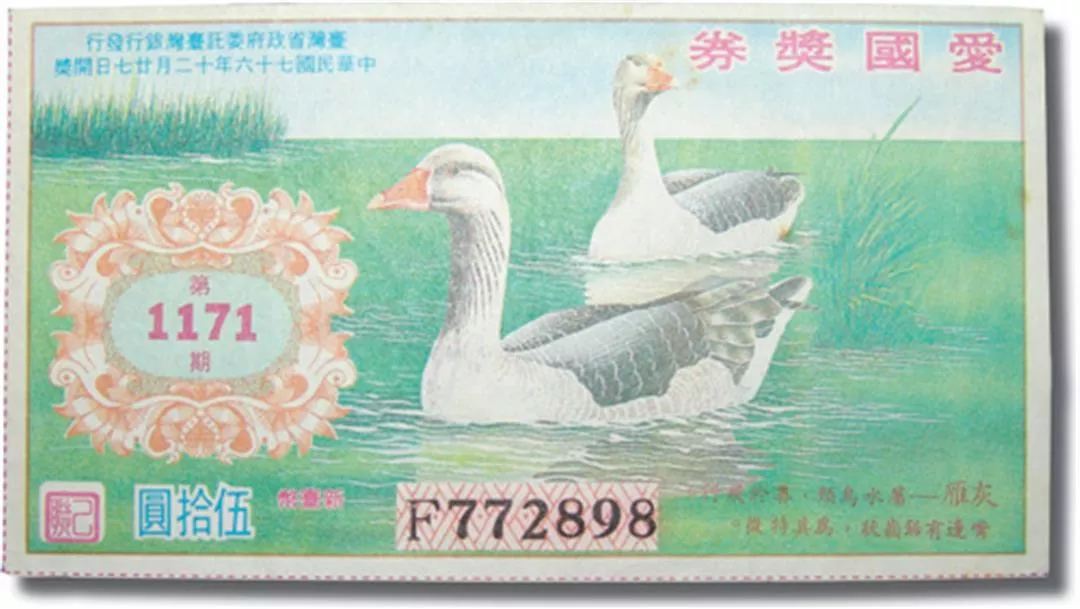
In order to halt the gambling rage stemming from Tachia Le, a gambling event that rode piggyback on the Taiwan Lottery, the Taiwan Lottery was terminated on 27 December 1987. After 37 years and eight months and a total of 1,171 drawings, the government had no choice but to pull the plug on the Taiwan Lottery.

27 December 1987 marked the end of the Taiwan Lottery, in existence for 1,171 drawings spanning a period of 37 years and eight months.
Associated products
Looking back, Chang reminisces about the many long waits and surprises that went with collecting Taiwan Lottery tickets. Taking out a specimen copy of the first Taiwan Lottery tickets ever (he purchased it four years ago for NT$170,000), he explains, "Specimens were printed to be posted up by vendors to advertise the lottery. They were not official tickets, nor were very many made, so they are very difficult to come by." After careful consideration and knowing it was probably the only one of its kind left In Taiwan and the only one his collection lacked, Chang bit the bullet and shelled out the money for the pricey specimen.
Similar psychological torment went into buying lottery ticket sheets (tickets were printed in sheets of ten, 15 and 20) for his collection. Chang went through a lot in his mission to collect ticket sheets from the 1,171 Taiwan Lottery drawings. First of all, because drawings 1,086, 1,121, and 1,151 fell on Chinese New Year, the Bank of Taiwan, the lottery ticket issuer, made the pot for first prize a little sweeter. The media predicted that the public would scramble to buy lottery ticket sheets and if somebody became the sole winner on one of them, they would become filthy rich. The bank heeded the warning and sold tickets individually, making collecting intact sheets of them exceedingly difficult.
"Intriguing numbers" are also a favorite of collectors. Chang explains that at the time, the public was convinced that repeat number tickets, like 888888, would never win. Chang checked the list of winning numbers for all drawings over the years and discovered that no repeat numbers had, in fact, ever won. What's more, concerned that agents would not be willing to sell tickets with these types of numbers, the issuer removed them from the ticket sheets and sold them separately. Chang spent two years trying to find the one repeat number ticket needed to complete his "interesting numbers" collection.
Back then, lottery ticket sales points could be found everywhere--bus ticket kiosks, jewelry stores, hardware stores, tea shops, barber shops, and even rice stores. Taking out a Five Tigers Record Company record cover, Chang points at the printing, "Lucky Ticket." He explains that to encourage the purchase of legal copies, record companies printed lottery ticket numbers onto album covers. Winners got a free gift.
Chang is the only collector in Taiwan with a complete set of Taiwan Lottery tickets. His collection consists of individual tickets, lottery ticket sheets, specimens, "interesting numbers," and winning number lists, and even things like sales point advertising signs and special lottery cash bags used by ticket agents. He certainly deserves the title Taiwan's Lottery Guru .
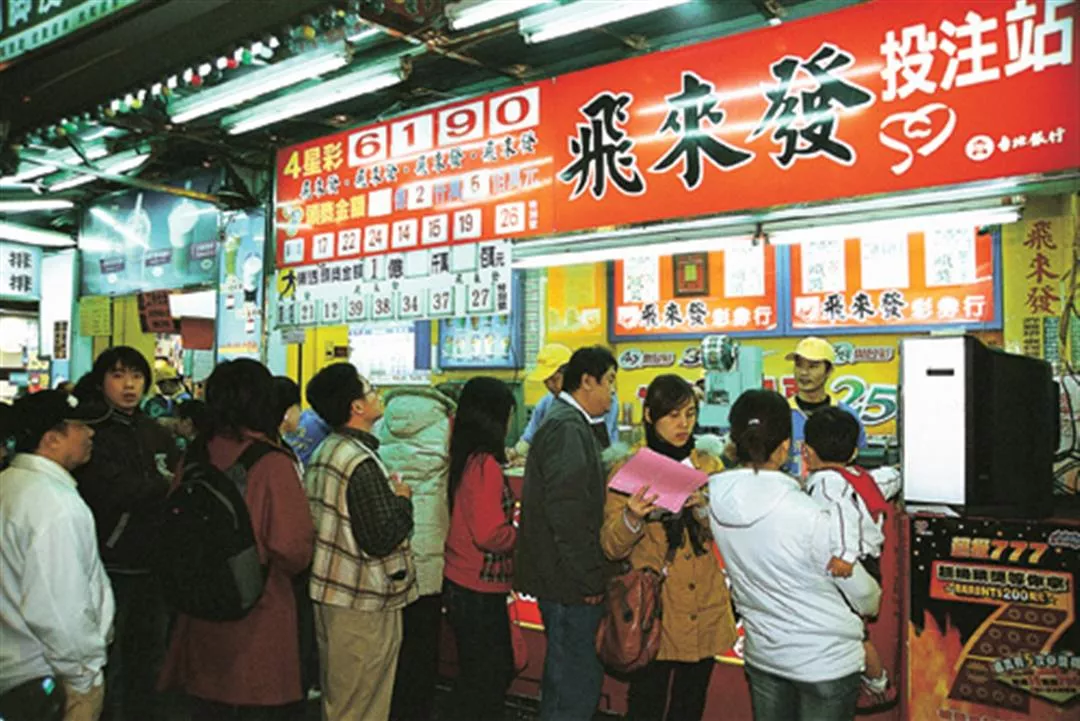
Making it rich in the lottery is everybody's dream, but it really makes you stop and think when you realize that winning first prize in a US lottery recently compelled a China Airlines employee to flee both home and job.

Save the nation and win a prize
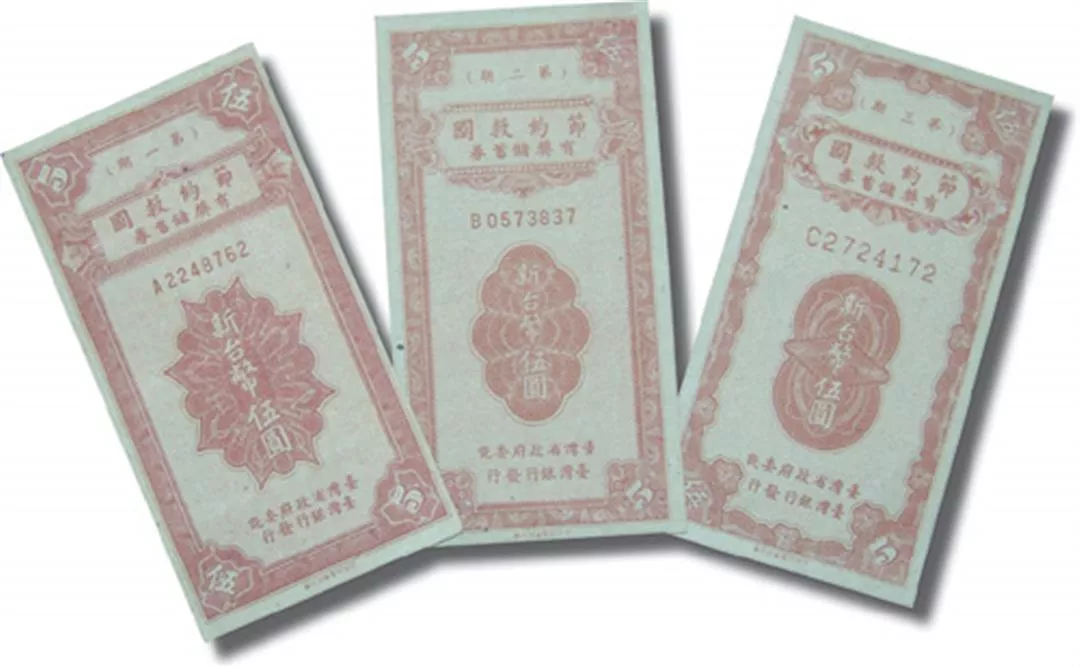
Initially, Chang only collected lottery tickets. As fate would have it, however, he stumbled upon a payment due notification for the Save Money, Save the Nation, and Win a Prize Lottery from the first drawing by Chishan Township in Kaohsiung County. On it was printed, "You are to pay the amount indicated on the right side of this notification by the date indicated or be dealt with for violating the National Mobilization Law. No extension is permitted."
Being "dealt with for violating the National Mobilization Law" simply for being late in paying for lottery tickets? Chang found the regulation unbelievably harsh, but there it was in black and white. This whole episode so intrigued him that he researched the Nationalist government's 1950 Save Money, Save the Nation, and Win a Prize Lottery.
Chang discovered that after the Nationalist government lost control of the mainland in 1949, its military relocated en masse to Taiwan and quartered in schools around the island, seriously impacting children's studies. Scrambling to build barracks for these troops, as well as reinforcing coastal defenses and raising funds for the war effort, the Taiwan Provincial Government announced the "Guidelines for Implementing the Save Money, Save the Nation, and Win a Prize Lottery." The government issued tickets for the first of three drawings on 1 June 1950. Chang explains that like the Taiwan Lottery, launched in April of the same year, tickets for the Save Money, Save the Nation, and Win a Prize Lottery sold for NT$5 apiece, but the grand prize was only NT$1 million. The government touted, "Smoke four fewer Paradise brand cigarettes a day and save enough money to buy a lottery ticket in a month." If you didn't win, you could redeem your tickets for money two to five years later. Nobody was interested.

In 1950, the provincial government of Taiwan held three drawings for the Save Money, Save the Nation, and Win a Prize Lottery and stipulated that those with the financial means to buy tickets but that did not do so were to be charged with violating the National Mobilization Law.
Quotas and the household tax
In order to reach the government's fundraising goals, Taiwan Provincial Governor Wu Kuo-chen presided over a county and municipal head conference which passed a resolution stating, "Persons with the financial wherewithal to purchase lottery tickets but who refuse to do so are obstructing the implementation of these Guidelines and will be charged with violating the National Mobilization Law." The provincial government set quotas that counties and cities had to meet. All government levels, county, city, district, township, borough, and neighborhood, were required to push progressive quotas based on annual household tax revenues and living standards.
The household tax was equivalent to income tax today. In 1948, local governments only collected a single household tax from the public, but in the first half of 1950 following its removal to Taiwan, the Nationalist government would further impose defense donations, self-government fees for villages and boroughs, and citizen contributions, bringing in about NT$310 or about two months wages for a public servant, every six months. To push the Save Money, Save the Nation, and Win a Prize Lottery, families that paid less than NT$5 in household taxes were required to buy one lottery ticket, those that paid more than NT$5 had to buy two, families that paid more than NT$10 were required to buy three, and so on. Not buying the requisite number of tickets was considered a violation of the National Mobilization Law.
In addition to collecting "savings certificates," as the lottery tickets were called, and specimens issued for the three drawings, Chang studied documents issued by the Taiwan Provincial Government and articles in the Central Daily News to get to the bottom of this bit of history. This episode hints at the iron thumb under which the government held the people.

The Japanese government issued Taiwan's first lottery tickets on 23 September 1906 for ¥0.50 each. The first place prize of ¥50,000 triggered a buying frenzy among both Taiwanese and Japanese.
The Diamond Rescue Lottery
In addition to compulsory "donations" of this sort, the Nationalist government drafted a number of one-time lotteries to entice Taiwanese to loosen their purse strings and come to the aid of their mainland compatriots. Examples include the Diamond Rescue Lottery and the Lottery to Aid in the Patriation of Mainland Disaster Victims to Free China. The burden of buying tickets was huge to the Taiwanese as they rebuilt their homeland from the ruins of war.
There's a story behind the Diamond Rescue Lottery.
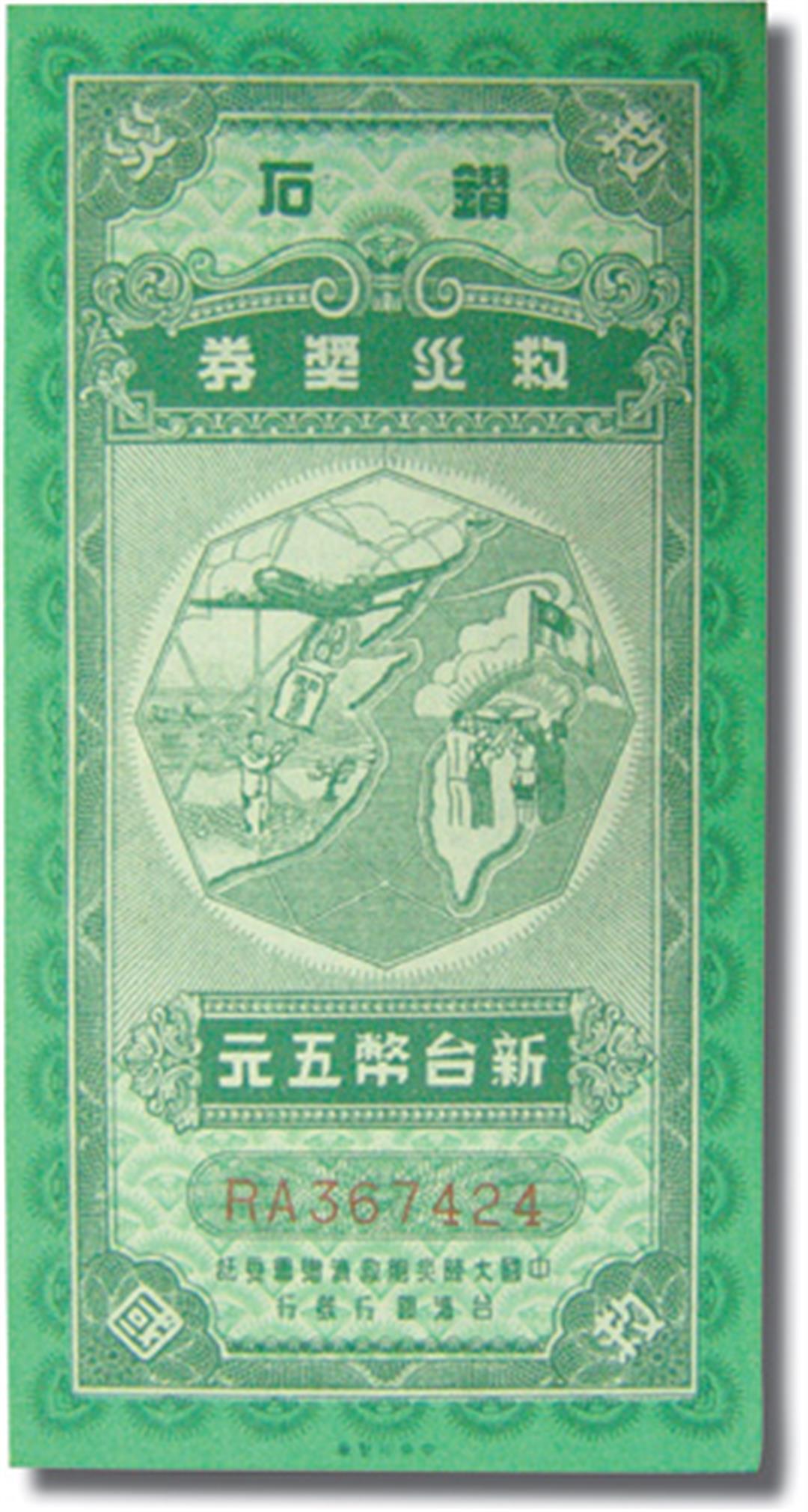
Severe droughts experienced in China during the early '50s triggered unprecedented famine. In late 1953, the Executive Yuan allocated to the Chinese Association for Relief and Ensuing Services (CARES) a portion of the diamond-studded jewelry that the Japanese looted during the war and later returned. After hiring an expert to appraise the diamonds, it issued lottery tickets and earmarked the proceeds for aiding mainland disaster victims.
To promote sales, the tickets bore pictures of an ROC military transport airdropping relief supplies to mainland disaster victims and of people from all walks of life holding up a huge diamond on Taiwan. CARES director Ku Cheng-kang personally presided over the drawing held in Taipei's Tri-Service Stadium. Newspapers reported that the lucky winner of the huge 17-carat diamond lived in Taipei City.
The PRC promoted the Great Leap Forward and people's communes in 1962. Both were huge social, economic, and agricultural disasters. Further pushed by a series of natural disasters, the people of mainland China found themselves facing starvation and despair. The ensuing mass flight to Hong Kong is remembered by history as the May Exodus.
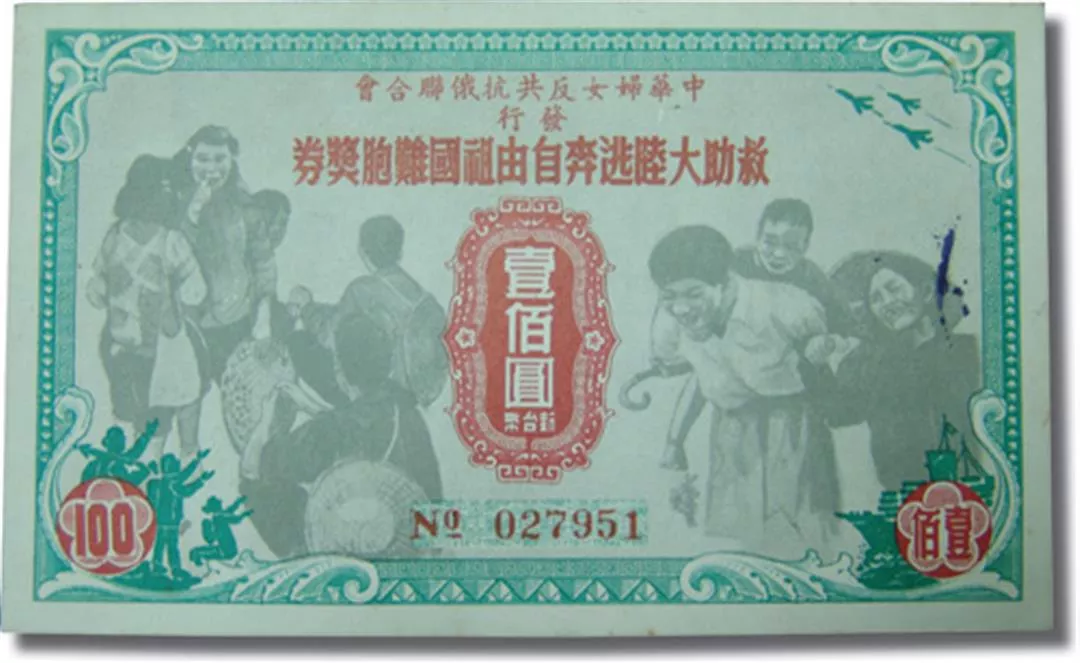
In addition to contributing relief supplies, including rice, to Hong Kong, the government also transported willing escapees back to Taiwan to be educated, employed, medically treated, and otherwise cared for. The Chinese Women's Anti-Aggression League, founded by Madame Soong Mayling, issued tickets for the Lottery to Aid in the Patriation of Mainland Disaster Victims to Free China on the first of August of that same year. The 70,000 tickets printed for the lottery were sold by the Anti-Aggression League and the Bank of Taiwan for NT$100 each. Every dollar of over NT$6 million brought in by the lottery was used to fund the transfer of mainland Chinese to Taiwan.

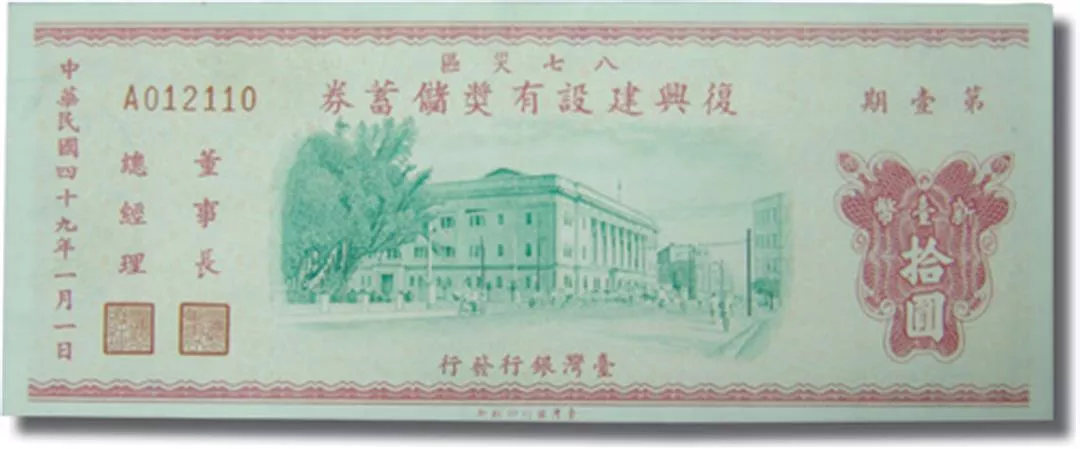
It is almost universal practice for governments to issue lottery tickets to raise funds to aid in rebuilding in the wake of major natural disasters. A series of 12 drawings of the Flood Aid Savings Lottery were held in 1960 to aid victims of the August 7th 1959 Flood.
Coins for prizes
In 1973, the government launched the "Pig Slaughter Movement," but luckily for our porky pals, the targets for this mass carnage were children's piggy banks. Anyone putting NT$100 in coins into a post office savings account received a free lottery ticket. Grand prize--a Tatung color television. The purpose of this activity was to replenish nation's coffers with NT$1 coins.
Further investigation reveals that insufficient supplies from the central bank were not to blame for the NT$1 coin shortage. The most likely explanation is that the government had been preaching the importance of savings to primary and secondary students for many years; inexpensive plastic piggy banks of all kinds could be found on the market and parents urged children to "feed" their pet swine change. The porkiest plastic pigs could ingest in excess of 1,000 NT$1 coins. Once full, most children couldn't bring themselves to break open their piggy banks, preferring rather to keep them as knickknacks, thus creating a steadily worsening dearth of coinage.
To resolve the coin issue, the central bank manufactured NT$1 coins around the clock and ordered more from abroad. It also put NT$1 bills, not issued since 1961, back into circulation and launched the Pig Slaughter Movement, rewarding people putting coins into their accounts with giveaways.

The government issued the first Taiwan Lottery on 11 April 1949 at NT$15 each. First prize was NT$200,000. Sales were sluggish, however, because many people in the private sector made less than NT$100 a month. Ticket prices were reduced to NT$5 starting with the second lottery
Scratch-n-Win and Taiwan Lotto
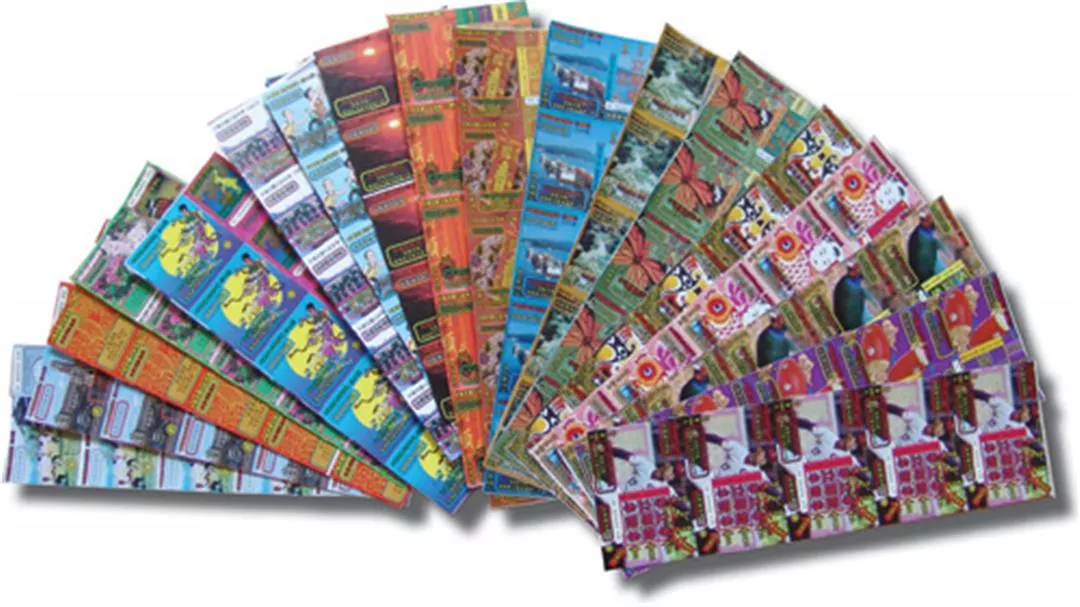
Lottery fever died down with the termination of the Taiwan Lottery in late 1987. At the end of 1999, the government charged Taipei Bank with Public Welfare Lottery's Scratch-n-Win to be issued on an irregular schedule--a boon to people who wanted to strike it rich, but to Chang Wei-hsin, the news was nothing short of disastrous. To keep his collection complete, he has to buy Scratch-n-Win tickets from every batch (prices range from NT$50 to NT$200). He'll have to set aside a regular amount every month. In one drawing, Taipei Bank issued Scratch-n-Win cards with the zodiac signs... Chang had no choice but to fork out for all 12.
To make matters worse, while others buy Scratch-n-Win tickets to try out their luck, scratching off the numbers to see if they've made it rich, Chang has to resist the temptation, because to keep their value as part of his collection, his lottery tickets must remain in mint condition.
But luckily the tickets for the new lotto games are printed on heat-sensitive paper, which fades after three months. The tickets are worthless as collector's items, so Chang is spared the expense of collecting them.
Not satisfied with government-issued lottery tickets, Chang collects lottery tickets issued by the private sector--everything from tickets issued by "lottery shops," as they're called, to others issued by political candidates for raising funds--he gets 'em all. To obtain the latter, during election campaigns you'll find Chang dashing to and fro between election activities held by candidates of various political parties. He even gets into chanting the political slogans.
Over the past 11 years, he's spent the vast majority of his savings racing around Taiwan and even buying some on Internet auction sites. One hundred years of lottery tickets are for 40-year-old Chang Wei-hsin tiny mirrors into Taiwan's history, her people, and himself.

All proceeds made on tickets issued in 1962 by the government for the Lottery to Aid in the Patriation of Mainland Disaster Victims to Free China were used to fund the transfer of mainland Chinese to Taiwan.

In 1999, the September 21st Earthquake wreaked heavy loss of life and property in Taiwan. The government responded by holding a series 24 drawings in the 2-in-1 Lottery to raise money to rebuild the disaster area.

Buying a lottery ticket is a chance to realize a dream to strike it rich for most people. For Chang Wei-hsin, it is an addition to his collection--a testimony to the century-long history of lottery in Taiwan and a mirror unto himself.