

A group of local Chinese pose with the Founding Father in San Francisco, when he was raising money and propagating the revolution. (photo by Vincent Chang)
The Founding Father of the ROC, Dr. Sun Yat-sen, visited the U.S. seven times during his life. This includes the time he spent studying in Hawaii, as a child, as well as the time he spent publicizing the revolution and raising funds in the prime of his life. At the time of the success of the Wuchang Uprising, he was traveling from city to city within the U.S..
Since the Founding Father was soliciting help for the revolution he visited many places. Also, there was a need to prevent the Ching court from catching up with him. Therefore, there are few records of his travels while in the U.S.
The editors of Sinorama recently took a trip to the U.S. where they visited the relic of the Founding Father which is published in this month's issue. In addition to the historical pictures, we also visit the former residence of Dr. Sun Yat-sen in Honolulu. In the next issue we'll take a look at the activities of Dr. Sun Yat-sen in the western part of the U.S. along with the lives of overseas Chinese.
[Picture Caption]
A group of local Chinese pose with the Founding Father in San Francisco, when he was raising money and propagating the revolution. (photo by Vincent Chang)
Not long before the Revolution of 1911 (July), the Founding Father created the China Revolution Military Payroll Fund Raising Bureau in the U.S. Later its name was changed to the Kwok Min Charity Bureau. With funds donated by overseas Chinese, the revolution was a success. When the Republic was established, the money could be retrieved from the national treasury. (photo by Vincent Chang)
In 1910, a group of young intellectual Chinese formed the Young People's Academic Society in San Francisco, and started a weekly newspaper to propagate the revolution. Later; the weekly was changed to The Young China Daily. The paper has been maintained up to the present and has a history of 77 years. (photo by Vincent Chang)
The Founding Father visited Honolulu by boat when he was thirteen. In 1879, he entered the lolani school. After just three years of learning English, he graduated second in his class. Extremely proud of its illustrious graduate, the school has set up a special area in the library preserving information of Dr. Sun.
On November 24, 1894, the Founding Father established the Hsing Chung Hui in Honolulu. (Left) Reproductions of orders personally issued by the Founding Father. (Above) The sword of the Founding Father.
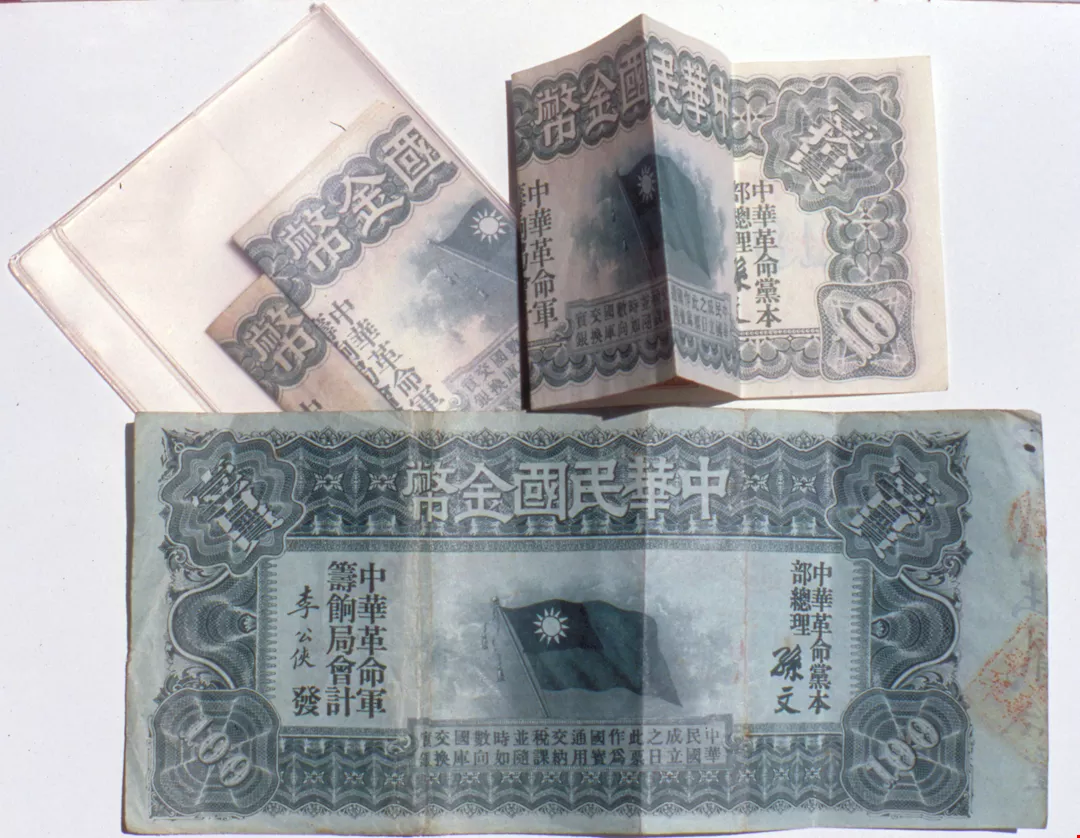
Not long before the Revolution of 1911 (July), the Founding Father created the China Revolution Military Payroll Fund Raising Bureau in the U.S. Later its name was changed to the Kwok Min Charity Bureau. With funds donated by overseas Chinese, the revolution was a success. When the Republic was established, the money could be retrieved from the national treasury. (photo by Vincent Chang)
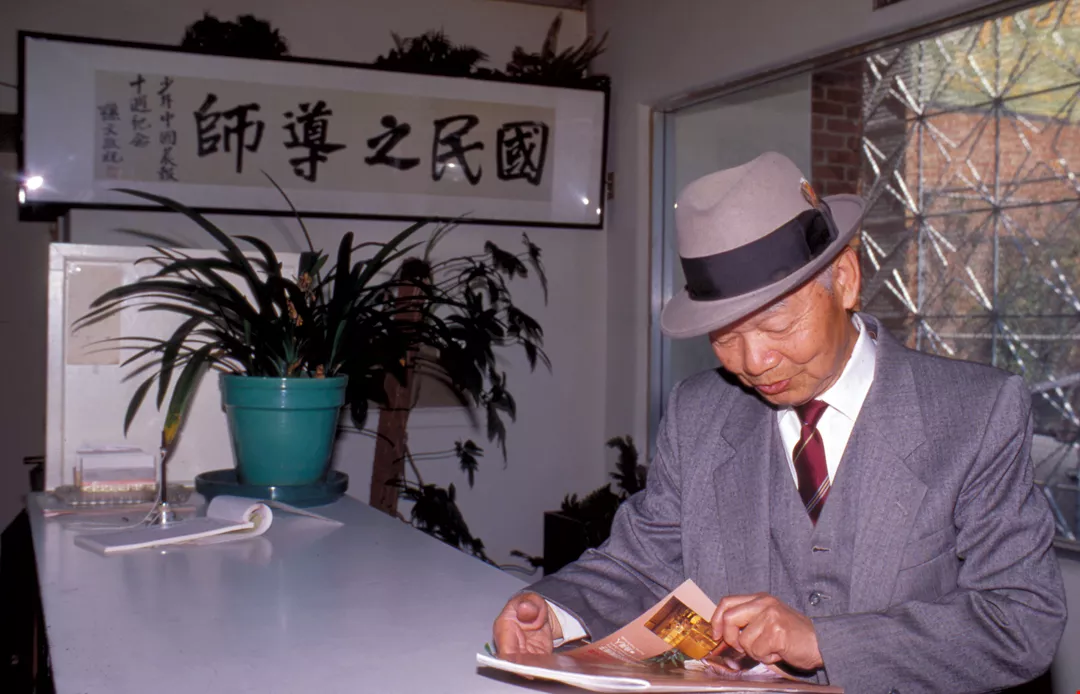
In 1910, a group of young intellectual Chinese formed the Young People's Academic Society in San Francisco, and started a weekly newspaper to propagate the revolution. Later; the weekly was changed to The Young China Daily. The paper has been maintained up to the present and has a history of 77 years. (photo by Vincent Chang)
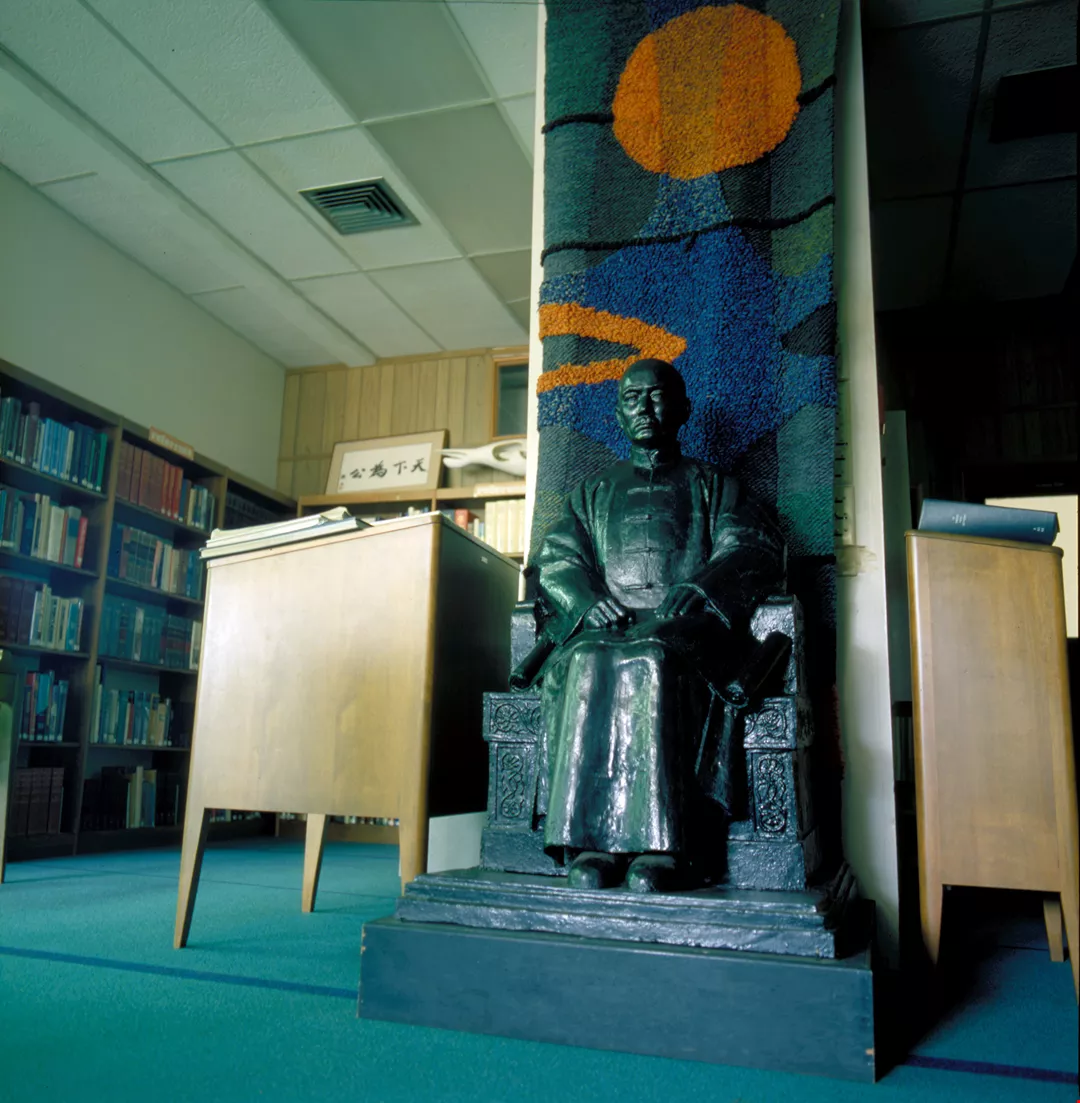
The Founding Father visited Honolulu by boat when he was thirteen. In 1879, he entered the lolani school. After just three years of learning English, he graduated second in his class. Extremely proud of its illustrious graduate, the school has set up a special area in the library preserving information of Dr. Sun.
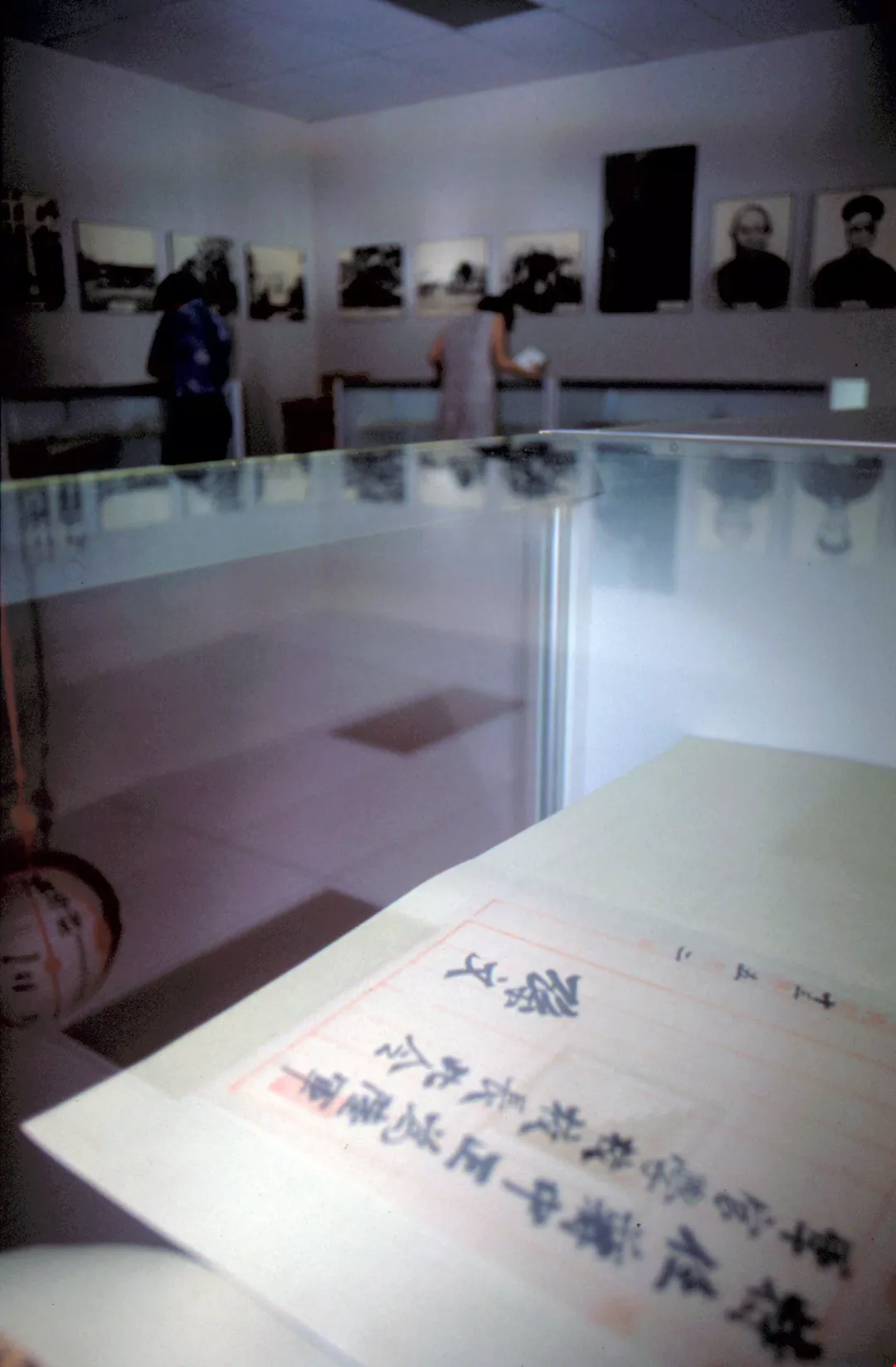
On November 24, 1894, the Founding Father established the Hsing Chung Hui in Honolulu. (Left) Reproductions of orders personally issued by the Founding Father.
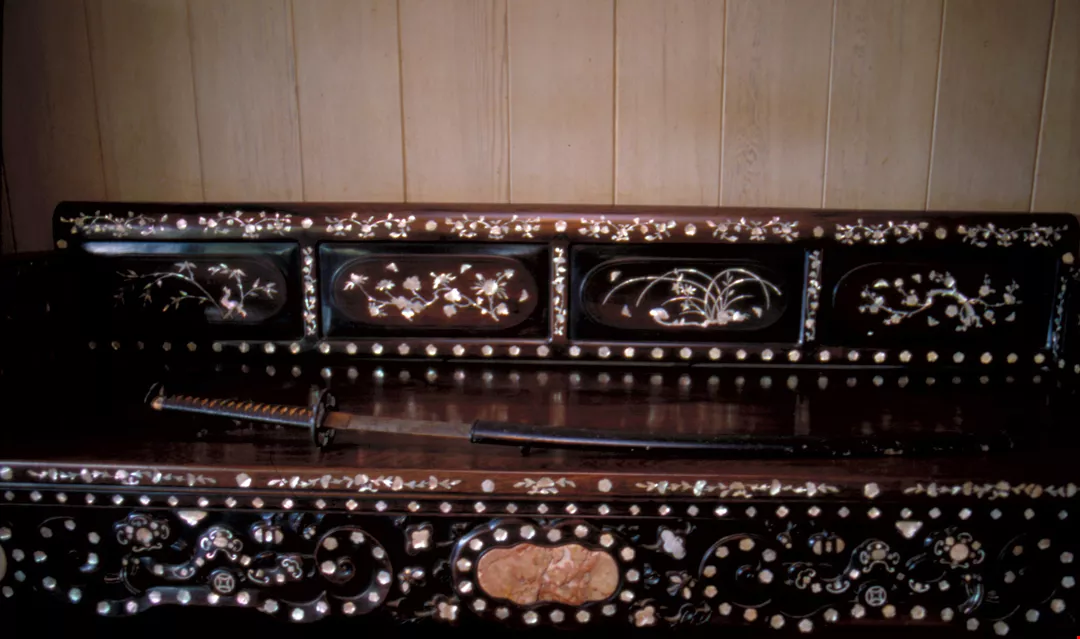
(Above) The sword of the Founding Father.


@List.jpg?w=522&h=410&mode=crop&format=webp&quality=80)


