Moving with the times
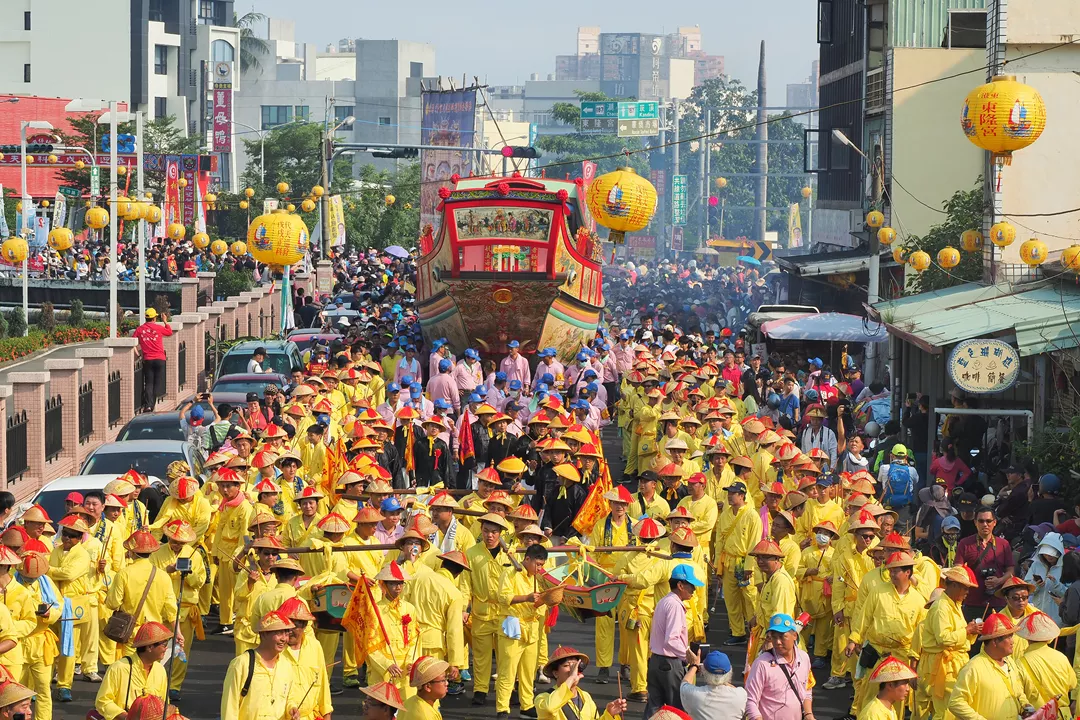
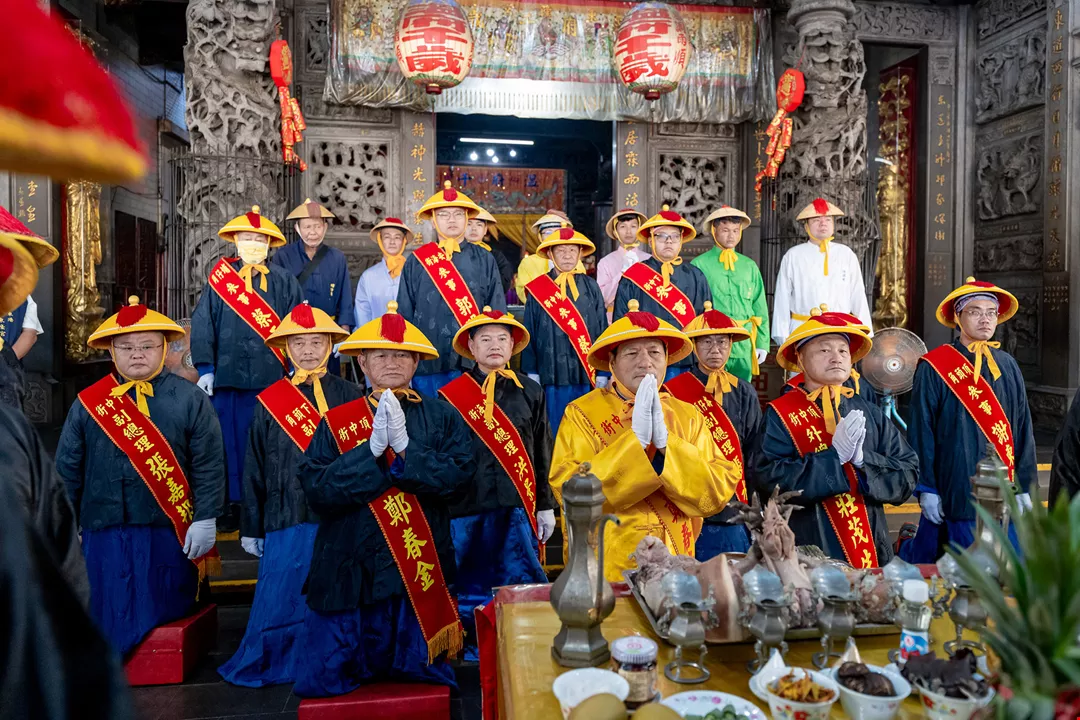
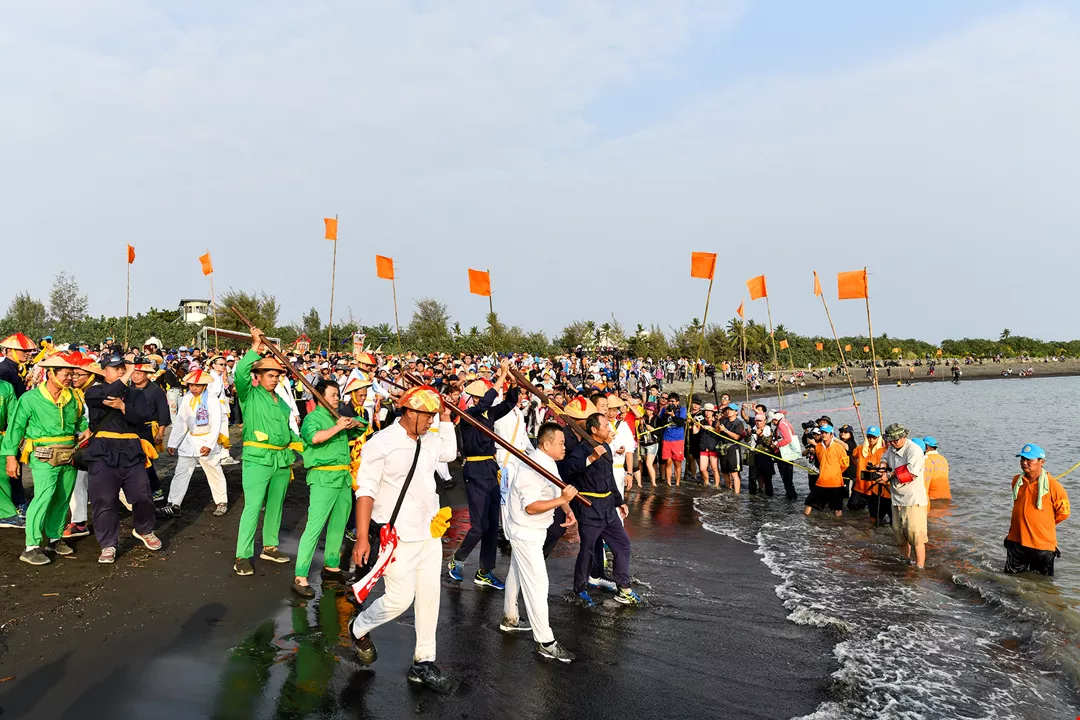
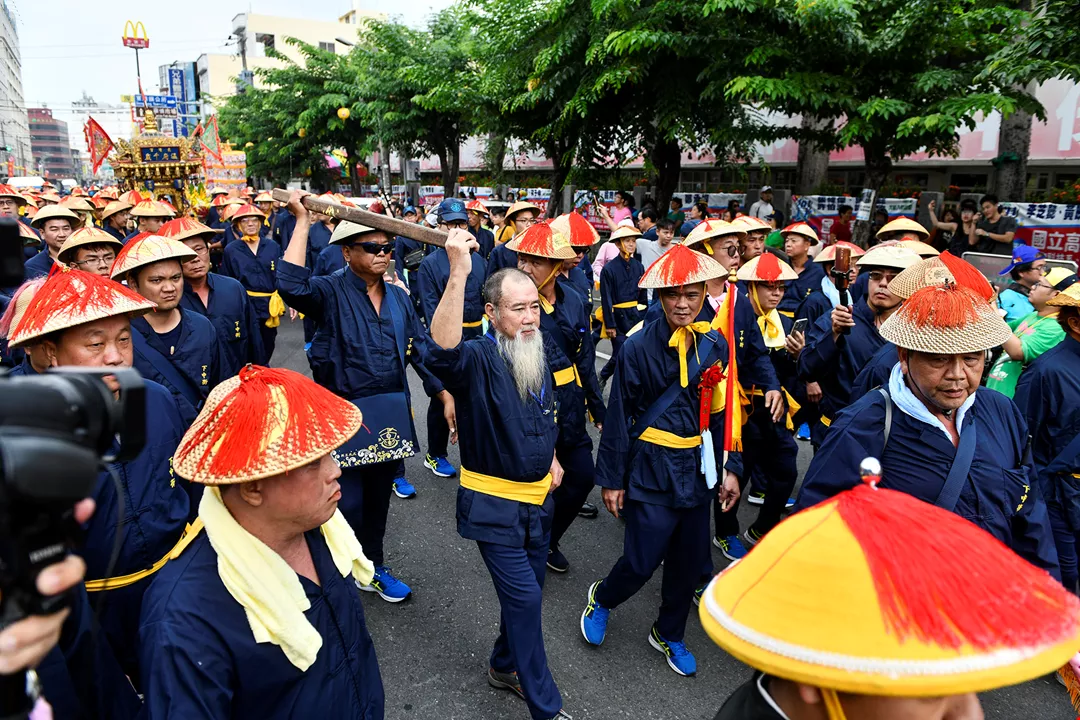
Membership in the seven palanquin groups representing areas of Donggang settled centuries ago by immigrants from Fujian, as well as the ritualists (scribes and patrollers) in the Zhenwen and Zhenwu halls (the groups responsible for meeting the needs of the Heavenly deities while in Donggang) were traditionally hereditary positions, passed down from father to son. From a young age, individuals would begin taking part in the festival, becoming immersed in this local cultural milieu. They came to see their participation as a duty.
Although young people from Donggang now often seek education or employment elsewhere, they make a point of returning to join in the Wangye festival. Still, in light of the declining birthrate, previously hereditary positions have been opened up to relatives, friends, and transplants. These individuals cast divination blocks in front of Wen Wangye to see if they have the deity’s approval. Su believes the deity is thus adapting to the times in his own way.
Local residents love to tell the story of how one year, two typhoons had been forecasted to hit close to the days of the festival. The community sought guidance from Wen Wangye, who instructed them to proceed as planned. As if by divine intervention, the typhoons ended up veering from their originally predicted courses.
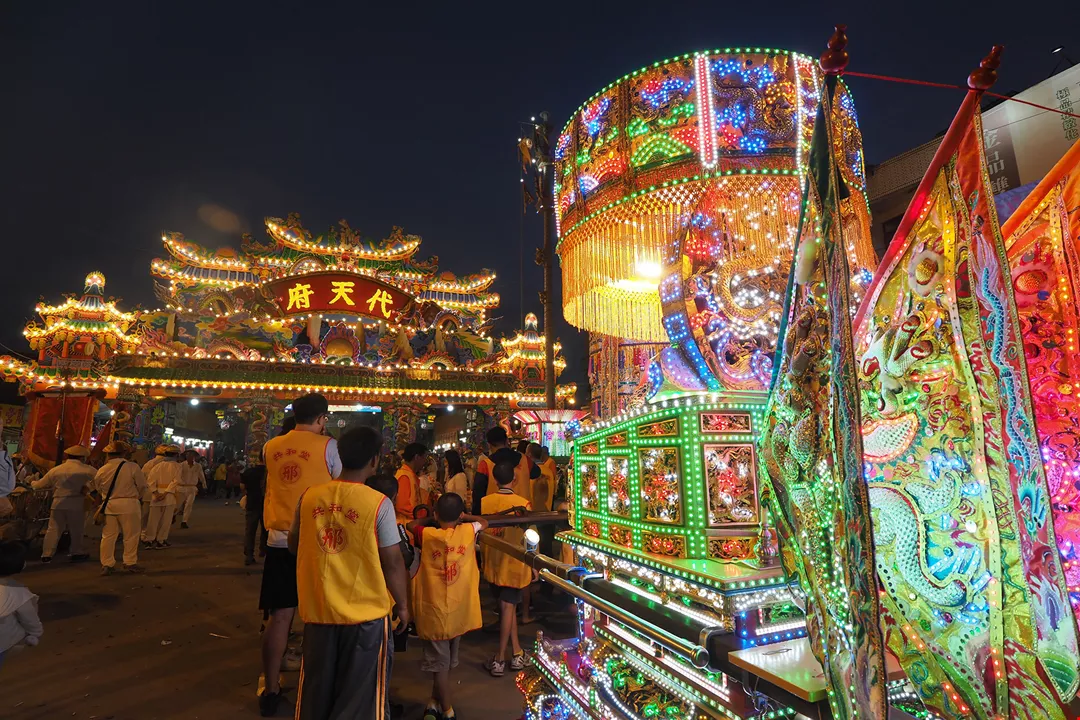
For questions related to Wangye Festival rituals and other matters small and large, the people of Donggang turn to Wen Wangye for guidance. Reflecting the deity’s stalwart guardianship of the town, the phrases “favorable weather” and “peace and prosperity for the nation” are inscribed on the archway of Donglong Temple.
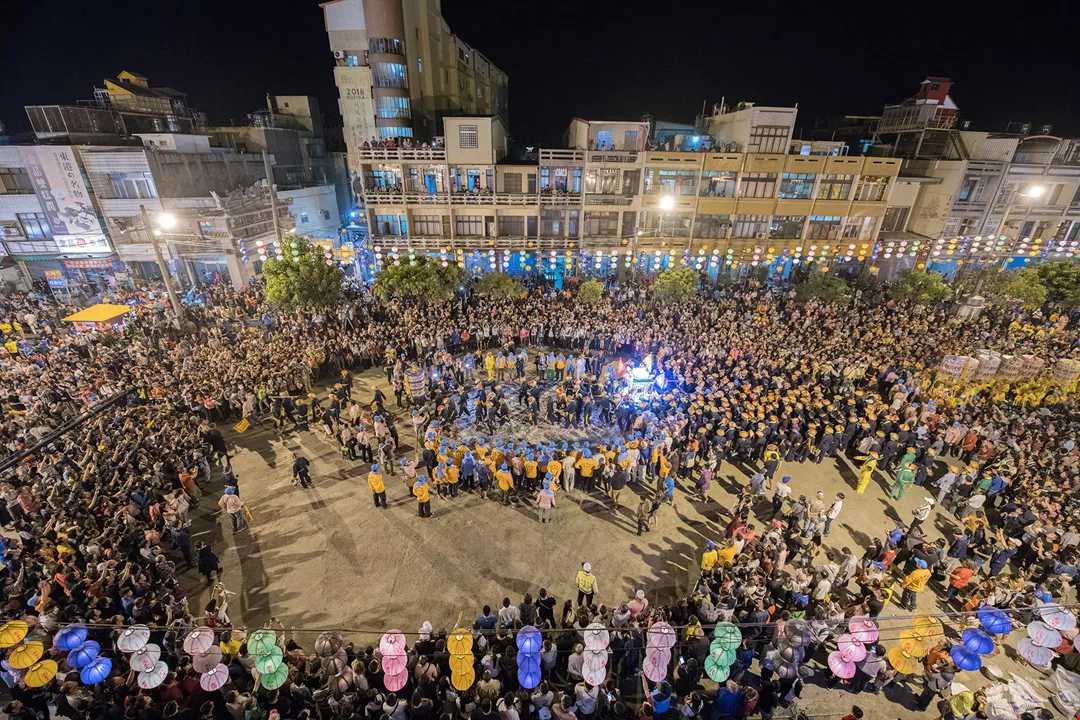
The firewalking ceremony is aimed at purifying the surrounding area. (courtesy of the Donglong Temple)




@List.jpg?w=522&h=410&mode=crop&format=webp&quality=80)