Snow-white blossoms
The tung tree, a species in the spurge family of flowering tropical plants, grows rapidly, producing a strong but light wood. Because of its vitality and strength, the tree has come to symbolize the perseverance and diligence of the Hakka people.
According to studies, the tree’s first flower blossom emerges about 20 days after the inflorescences first appear, but the blooms last for only a short period. From when the petals start to emerge from the bud, to blossoming, and finally to full bloom takes somewhere around 36 hours, and the flower withers within a further 48 hours. So tung blossoms in full bloom last for only two days, and soon fall to the ground.
People have different ideas about the relationship between the tung blossom and the Hakka people. Liu Ching-chung, head of the Hakka Affairs Council (HAC), tells us that the five petals of a tung flower represent the five tastes of Hakka peoples’ lives: sour, sweet, bitter, spicy and salty. “This is one of the beauties of Hakka life.”
In fact, the tung tree was once an important cash crop for the Hakka.
In 1977, the tung tree was one of the major species utilized when Taiwan’s government implemented an accelerated reforestation policy on state-owned land in mountain areas. The government encouraged people to plant tung trees, and the wood was processed into products for export, earning valuable foreign exchange dollars. Tung tree oil, a raw material for the manufacture of paint, was extracted from the seeds. And the well-known paper umbrellas produced in the Hakka community of Meinong in Kaohsiung are coated with tung tree oil to make them waterproof.
Set up by the HAC, the Hakka Tung Blossom Festival website publishes information useful to those wanting to see the flowers, and shows the best tung blossom scenic trails throughout Taiwan.
There are around 108 scenic trails across Taiwan, including Taoyuan Village Forest in Changhua, Mt. Fenghuang in Taichung, Luchukeng Tung Blossom Trail in Toufen Township, Miaoli County, Hsinchu County’s Jiuqionghu Trails, Xiding Road between Xizhi and Shiding in New Taipei City, and Shenkeng, also in New Taipei City. Visitors to these areas will be able to view the beautiful tung blossoms in all their majesty. Why not choose a good time to see the flowers and experience the romance of “tung blossom rain”?
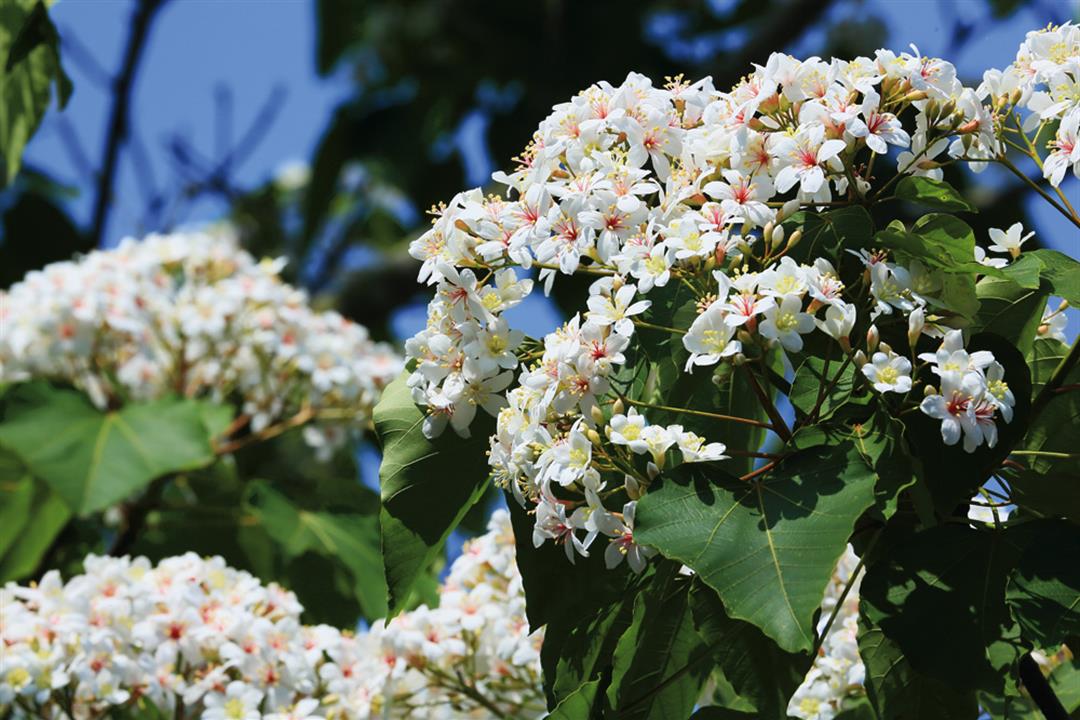
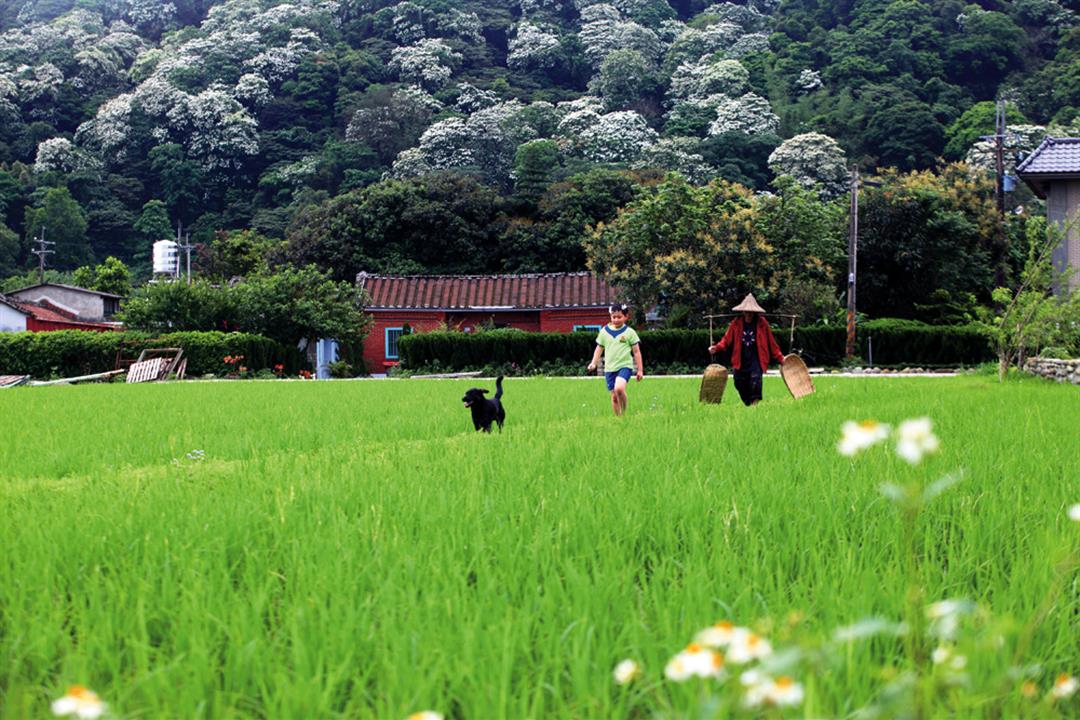
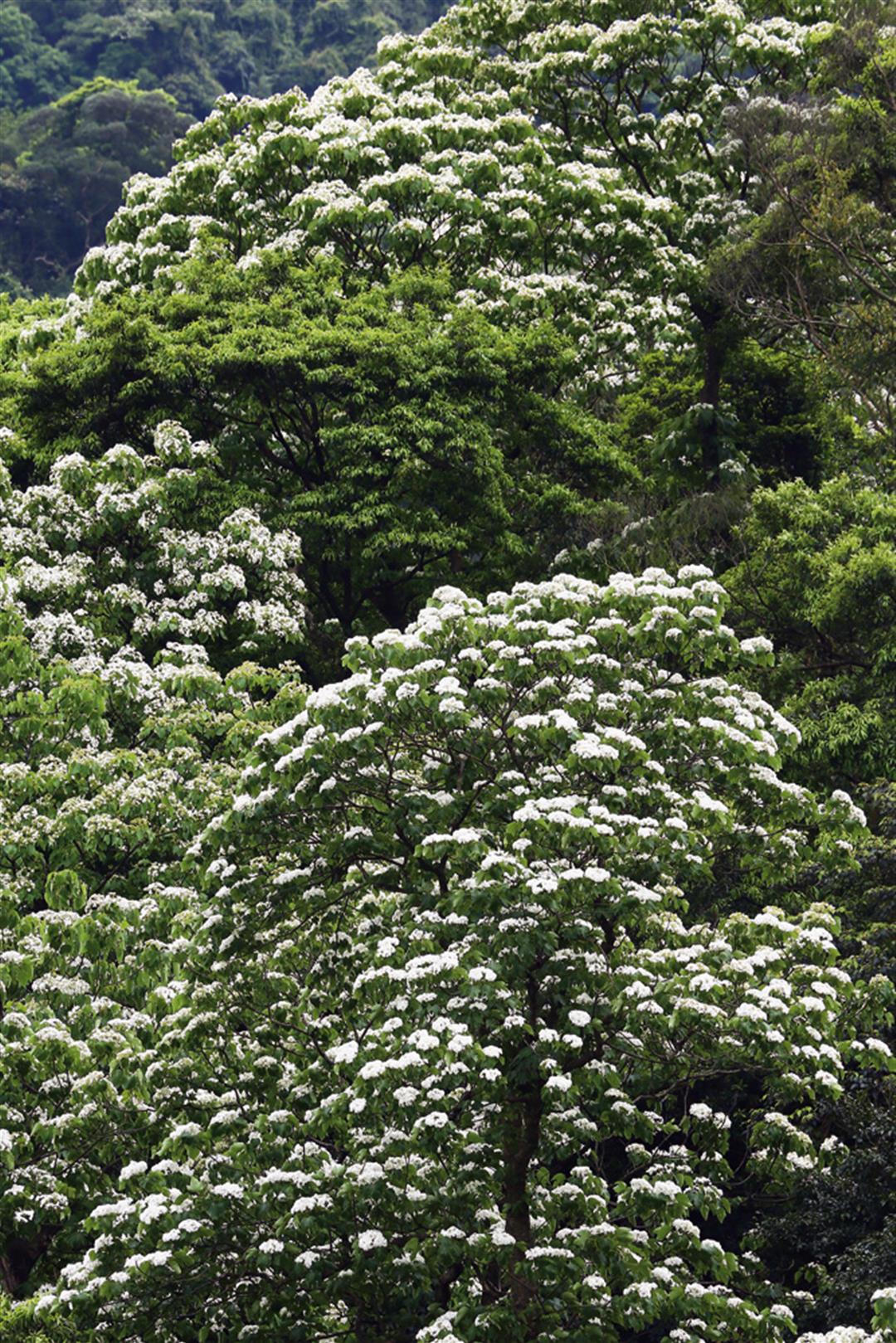
Masses of beautiful tung blossoms create a spectacle on Miaoli’s Mt. Dawo between late April and early May.
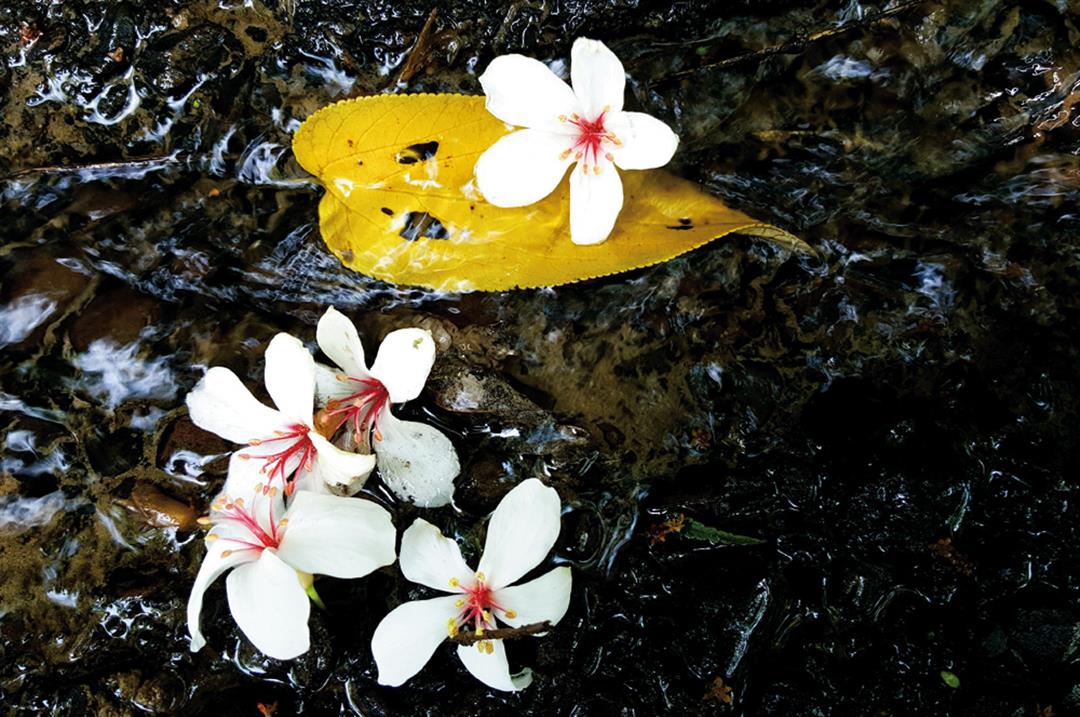
Fallen tung blossoms afloat on the rivers signal the end of spring and the beginning of summer.
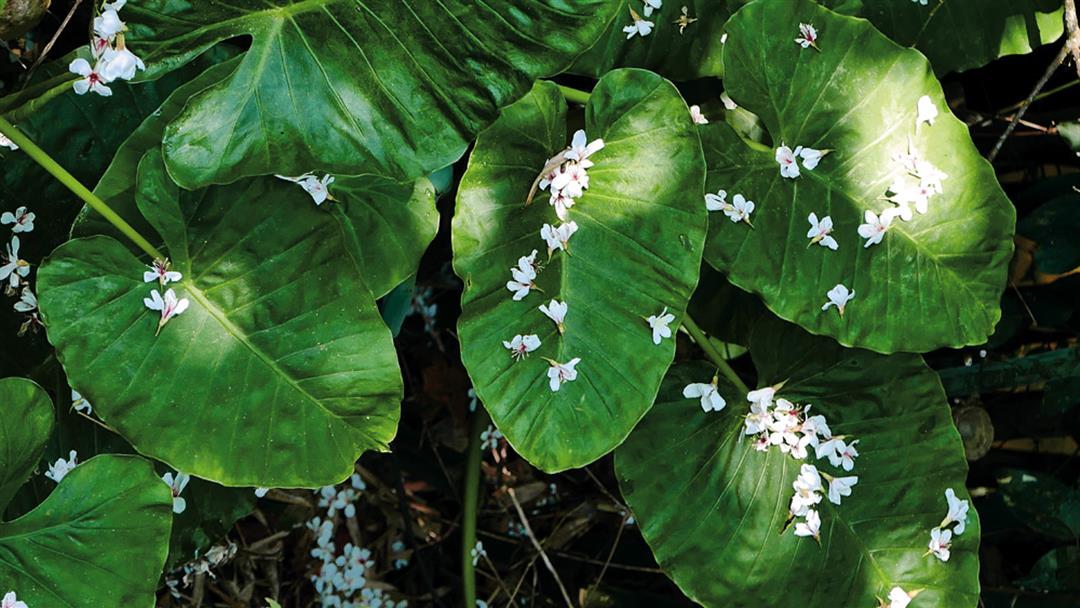
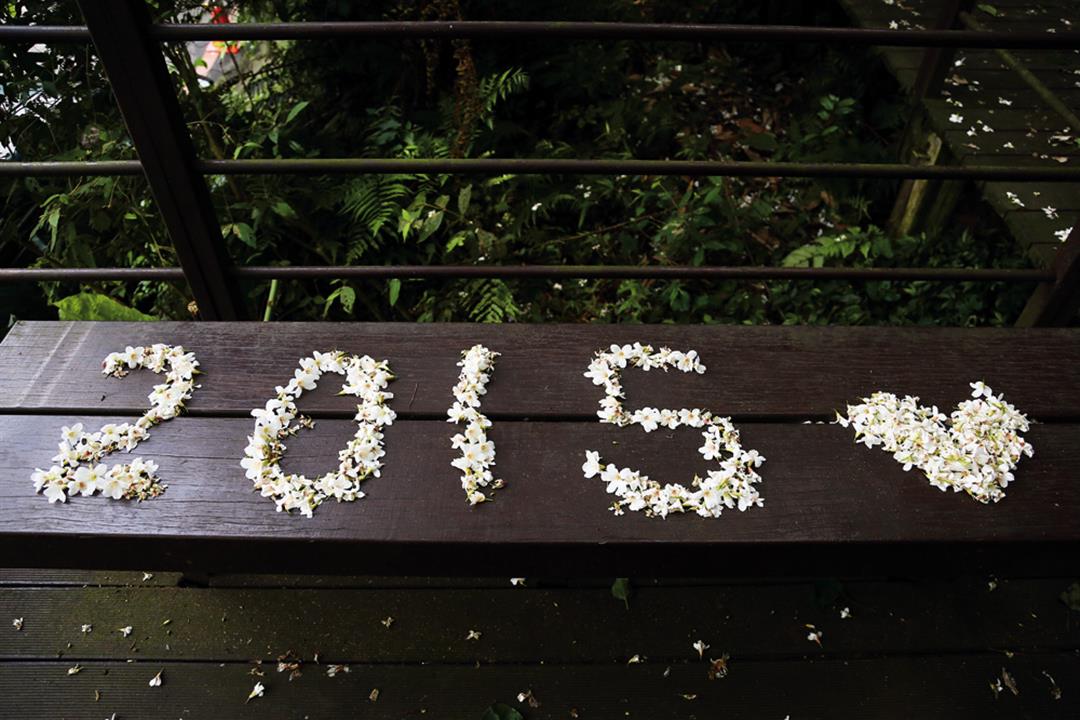
Winds blow and the flowers fall; tung blossoms carpeting the ground maintain their shape and pure white color.
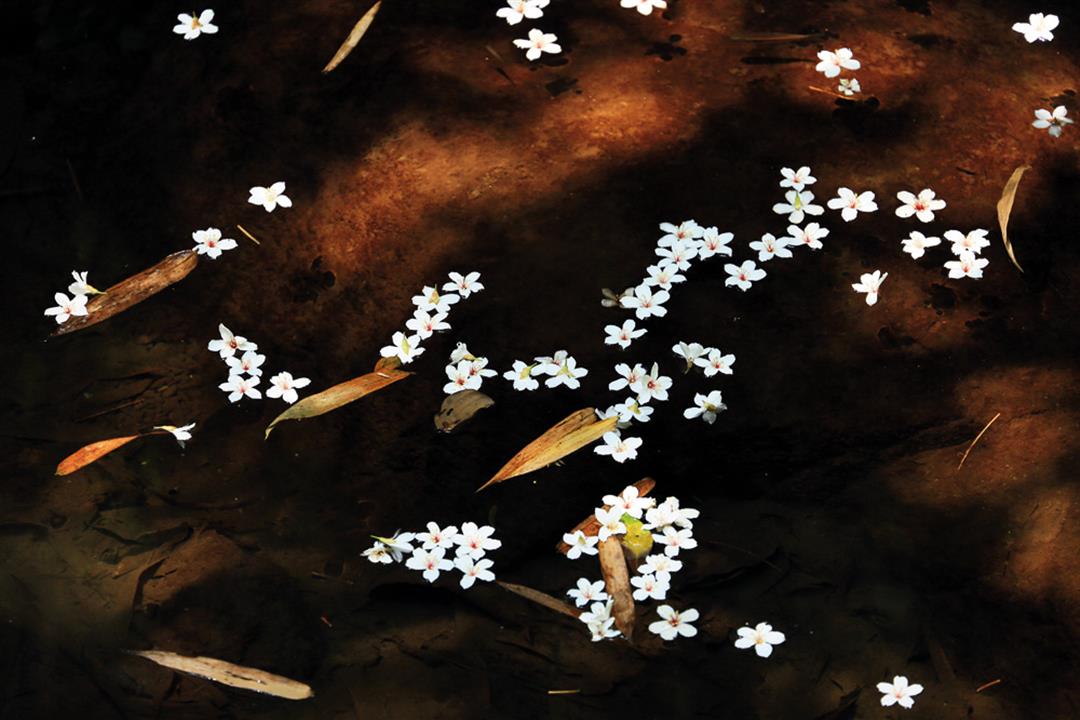
Winds blow and the flowers fall; tung blossoms carpeting the ground maintain their shape and pure white color.
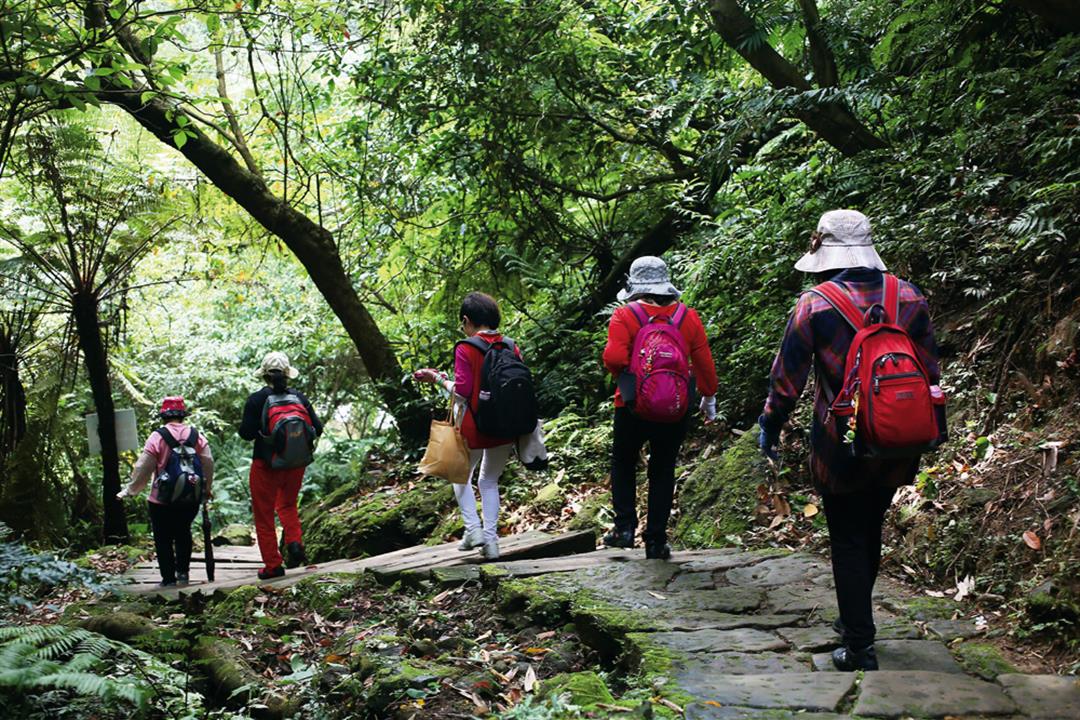
Tung Blossom Park Trail on Mt. Tianshang in Tucheng District, New Taipei City, is probably the most popular area to view tung blossoms convenient to Taipei, attracting many visitors on hiking expeditions.
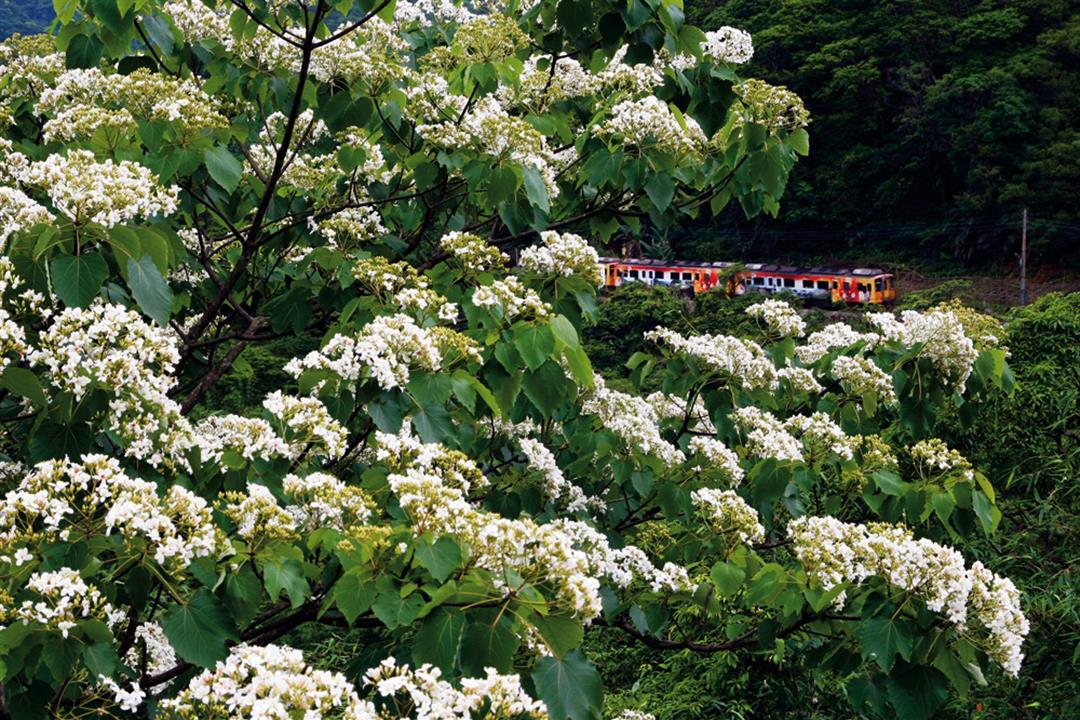
When the cherry blossoms finish, the tung flowers take over, a key feature of Taiwan’s mountain regions from late April to early May. Pictured here, a mass of tung blossoms can be seen along the Pingxi railway line.







@List.jpg?w=522&h=410&mode=crop&format=webp&quality=80)