Rediscovering What's Right with Taiwan
Kaya Huang / photos Jimmy Lin / tr. by Phil Newell
December 2007
The philosopher and poet Kahlil Gibran said: "The optimist sees the rose and not its thorns; the pessimist stares at the thorns, oblivious to the rose." In comparison, in Taiwan today, many people see what they have themselves as beautiful flowers, but think that everybody else has thorns.
Particularly in recent years, with the media reporting only bad news and never good, and the ruling and opposition parties making harsh criticism and insults daily fare, Taiwanese people seem sunk in a morose mood. Taiwan's hard-won democracy and freedom, cultural vitality, and social harmony have all been discounted and distorted through the fun-house mirror that is the mass media.
But what is the reality behind the pessimistic atmosphere in Taiwan? Is there no longer any positive direction or action? Or is there still forward progress? Let's have a look.
The magazine National Geographic Traveler carried an article on Taiwan in its November issue. Before coming to the island, senior editor Jayne Wise was told by a friend that she would definitely like Taiwan for its friendly people and cultural and culinary diversity. After a tour that included visiting with indigenous peoples and a ride to the top of Taipei 101, she found her friend's prediction confirmed, and produced a 12-page report introducing Taiwan's culture, customs, and geography, and concluding that Taiwan is Asia's best island for travel.

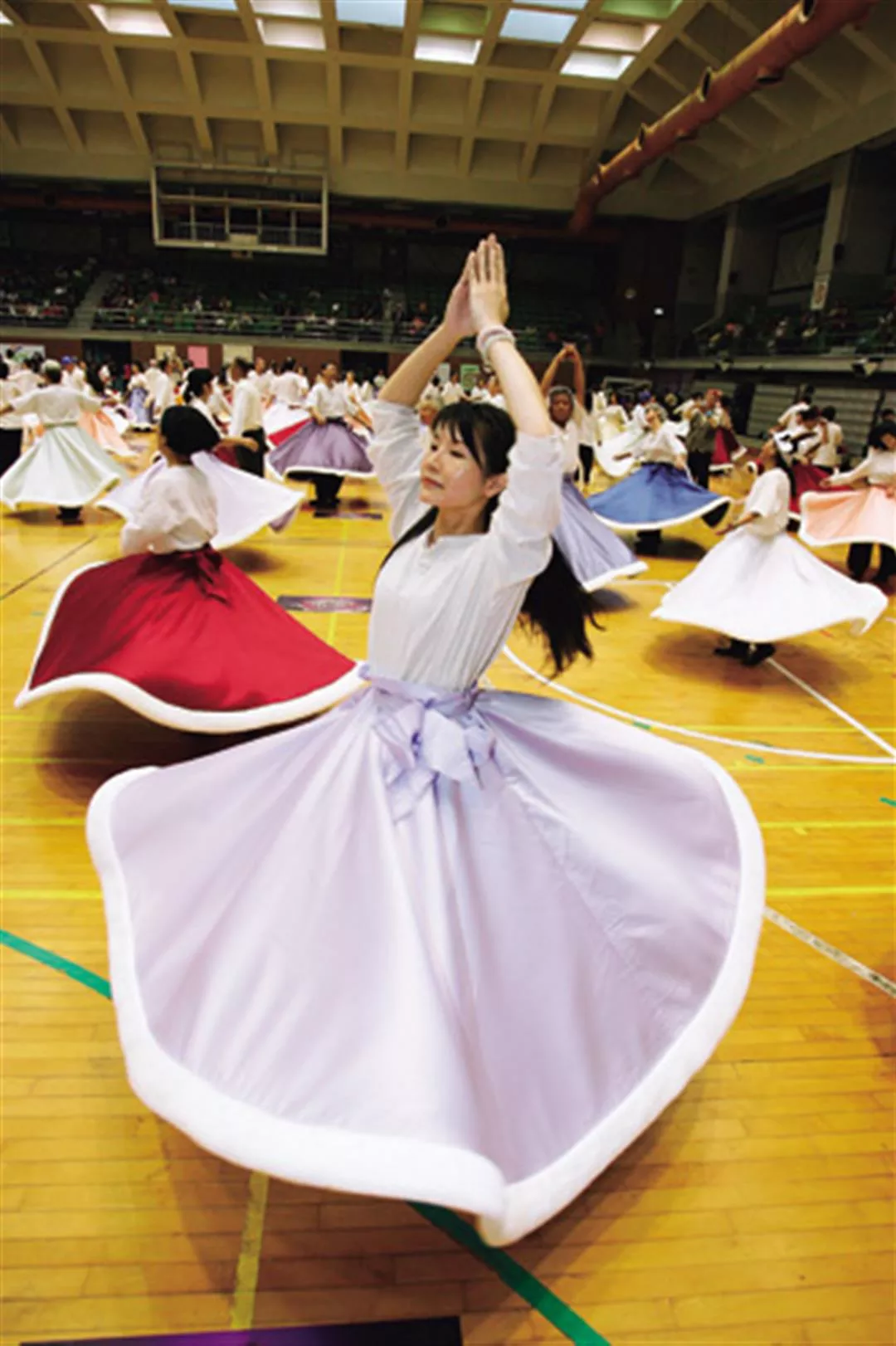
Wellbeing is a feeling, happiness is an attitude. Changing negative attitudes can increase dynamism and turn around a deteriorating situation. The photo shows cancer victims in Taiwan determined to leave a colorful image of life. As they dance they are just like chrysalises turning into beautiful butterflies.
Pandora's box
The fascination of a foreigner might be due to a sense of novelty. But what about the views of people who have returned home after living abroad?
It is October 13, and a warm sun is shining on the hardwood floor of the environmentally friendly homestay built by Minister Huang Tien-jen in the suburbs of Neiwan in Hsinchu. A visitor, a 63-year-old man by the name of Kuo, who held important posts with the US technology giant Oracle for over 30 years, is talking about why he returned to live in Taiwan some two years ago. "Although Taiwan accounts for only .025% of total global landmass, because of its geographic position and topography it accounts for 2.5% of all species on earth. Such a rich and beautiful place is a gift from God, and I have always felt it calling me back."
So "Formosa" still has its charms. But for some time now the air over the "beautiful isle" itself has been filled with vehemently opposed prejudices that seem to defy rational debate. From the halls of the Legislative Yuan to the stalls of the vegetable markets, everybody seems to have an inexhaustible supply of complaints. Now that it has been opened, Pandora's box cannot be closed again, and the forces of negativity are eroding our beautiful homeland as well as our hard-won democracy and freedom. Voices of woe send forth the message of a dark future for Taiwan, so that this island that has been a model of development and prosperity admired worldwide appears ready to be submerged under the tides of global competition.
At this moment, the residents of this island are seemingly caught in a mood of pessimism from which they are unable to break free. Indeed, the whole society seems to be getting sucked deeper and deeper into a vicious cycle: a self-fulfilling prophecy in which pessimism leads to a lack of confidence, and amidst endless bickering the sense of direction is lost, there seems little drive forward, and the pessimism consequently gets worse. But what is Taiwan's actual condition? How can the mists of pessimism be dispelled, so that the positive energy-which is in fact all around us-can again come to the fore?

The sources of myths 1:
Political polarization
Popular elections and checks and balances among political parties are the foundations of a democratic system, and have always been the bulwarks of freedom and pluralism. However, while alternation of political parties in power can create positive competition, it can also become a systemic trap.
Looking at the current situation, although Taiwan has 131 political parties, basically there is a single clear cleavage between the "green" and the "blue" camps. In the parliament, the main check against the ruling party is its main opponent trying to wrest future political power. With power at stake, arguments based on little more than childish insistence on one's own subjective opinions are routine fare. Each side tries to claim credit for positive developments and pass along blame for negative ones, and opposes the other party just for the sake of opposing, until eventually you end up with "a standoff known as a 'centripetal two-party system,'" as Assistant Professor Chen Chao-jian of Ming Chuan University's public affairs department has observed in his blog.
There is nothing especially unusual about a centripetal two party system, as the confrontation between the Republican and Democratic parties in the US shows. But over the course of several elections in Taiwan, the situation has continually deteriorated.
Just look back over the last three years. The disputes over the very close March 2004 presidential election and the attempted assassination of President Chen (which opposition parties say was staged) have persisted right up to the present day. Then in late 2005 came the three-in-one elections (of which the most prominent were for city and county mayors), which again pitted the two camps against each other in a struggle for power. These were followed by local-level elections in mid-2006 and by the Taipei and Kaohsiung mayoral races-always hard fought since they are read as key indicators of who is up and who is down-at the end of 2006. With each election comes a new wave of efforts to grab the media spotlight and mobilize core supporters, in which abusive, ethnically divisive language is thrown around and the emotive unification-independence issue is played up. The result is that elections actually aggravate social polarization.
Looking ahead to 2008, the Legislative Yuan elections early in the year will be the first to use the "single district, double ballot" system, which will halve the number of legislators. With sharply reduced prizes for the still large number of competitors, and with each district only electing a single representative, not only has warring between the parties worsened, there has been equally ruthless infighting within the parties, and a battle that can only be described as "cutthroat" has begun. Closely thereafter will be the March presidential election, when the confrontation between the two camps will reach a new apex. All this merely adds to the atmosphere of uncertainty and pessimism.

Damned if you do...
"The root of the problem today in Taiwan is polarization," says Pan Li-hwa, spokesperson of the Character Education Promotion Association (CEPA). "As a result, people only ask which camp you are in, only ask what color you support, only ask where you stand, only ask you to choose sides." It is as though Taiwan's political scene consisted only of two vast trenches, with those on each side protecting their own and only knowing the other side through vision clouded by suspicion and hate, with no one willing to cross over to communicate. But when democracy lacks communication and trust, different interests cannot be accommodated, and compromise or consensus become difficult, so all that is left is an empty shell of sound and fury.
The political stalemate has another serious side effect, which is the "damned if you do, damned if you don't" situation the government often faces with respect to public policy.
Take rising prices, including the price of oil, for example. "The current wave of price increases is being driven by increases in the costs of major raw materials in the international market," explains National Chengchi University economics professor Huang Jen-te. Besides investigating cases of hoarding or price gouging, and looking for alternative sources of imports, the government is really limited in what it can do. If you were to try to go against the tide by freezing prices, you would merely undermine the self-adjustment mechanism of the market, and the consequences would be even worse.
In any case, according to the latest forecasts from the Taiwan Institute of Economic Research, Taiwan's consumer price index will only show increases of 1.6% this year and 1.9% next year, which means that compared to other countries, inflationary pressures will be weak. But expert economic calculations such as these are simply lost in the shuffle when the politicians focus instead on insults and issues of only symbolic, provocative value, such as which policy shows the biggest "cojones," the size of the engine in the car driven by the minister of transportation, or comments by the minister of agriculture suggesting that if prices are so high for some popular vegetables, people should just buy cheaper ones. The result is that no appropriate long-term price policy takes shape.

The sources of myths 2:
Media malfunction
Another reason why people are unrealistically pessimistic is that the media does not function as it should.
It is said, "You are what you eat." Similarly, the information that we are fed ultimately shapes the values that we have and the judgments that we make. The media should be an intermediary for social communication, but today in Taiwan media outlets all have very clear political allegiances, and they only aggravate social cleavages.
"Taiwan has 14 all-news channels, broadcasting 24 hours a day. But their content is limited to this one small island, and they all basically report the same stuff, just showing the same stories over and over all day long. We learn nothing about events in the Middle East, Southeast Asia, or Europe, but if the wife of Lien Chan's son is pregnant, or the family of Chen Shui-bian's son-in-law joins a march promoting Taiwan's entry into the UN, or some cabinet minister says something indiscreet or is caught in an undignified pose, then we are shown the story 15 or 20 times throughout the day," bemoans Chao Tzu-chiang, director of the If Kids Theatre company. "We just get 'violated' by the same meaningless junk news day in and day out!"
Kuan Chung-hsiang, president of Taiwan Media Watch and assistant professor in the Department of Radio, Television and Film at Shih Hsin University, adds that because the media presents only fragments of stories, and often trivial fragments at that, Taiwanese citizens are more and more narrow-minded, and less and less able to get the whole truth. Moreover, given the exaggerations and distortions of the fun-house mirror that is the media in Taiwan today, it is no longer important what politicians actually do, it only matters what they say for the cameras or what image they can project. The media, meanwhile, makes mountains out of molehills and delights in finding trivial embarrassments that are then the basis for savage criticism. The result is that virtually all politicians in Taiwan have had their reputations disparaged, and citizens are left with the hopeless sense that "there's no one you can really trust."

The satisfaction gap
Even worse, the media manufactures absurd or misleading stories, or takes unconfirmed claims and turns them into headlines, and especially loves using sensationalist headings to mislead the public.
By way of illustration, Kuan Chung-hsiang points to the "asphalt duck incident" that raised a storm back in the winter of 2006. It started when TVBS charged-without confirming its information-that Taiwanese duck farmers were using bitumen to remove the feathers from their ducks, creating a panic among consumers and leaving duck farmers feeling aggrieved. When all the facts were in, it turned out that the so-called asphalt was actually perfectly legal gum rosin, but the damage had been done. After several incidents of this nature, both consumer confidence and the reputation of Taiwanese agriculture were left reeling.
Another perfect example is the "famous commentator" syndrome. Every night after dinner, several of Taiwan's news stations are taken over by political pundit shows. A few famous commentators-invariably the same few faces night after night without any other voices-become transformed from journalists to "experts" who comment on anything and everything that strikes their fancy. As Kuan wryly notes, "You can often see Taipei journalists blathering on and on about the election situation in Kaohsiung, showing not the slightest embarrassment about being complete outsiders."
The electronic media is best at turning trivia into major news stories, while leaving genuinely important news unexplored. It is not at all surprising to see a story that angrily expresses the frustrations of ordinary citizens, and the government's heartless disregard of the economic difficulties faced by the average Joe, followed by one on the anniversary sale at a major department store that shows long lines of consumers frantically buying up designer goods. So how many people are really "finding it hard to even survive"? And how many in fact have the ability to spend so much money on luxuries that it makes the TV news? The media is unable to provide any in-depth analysis, so that people feel even more confused and insecure.
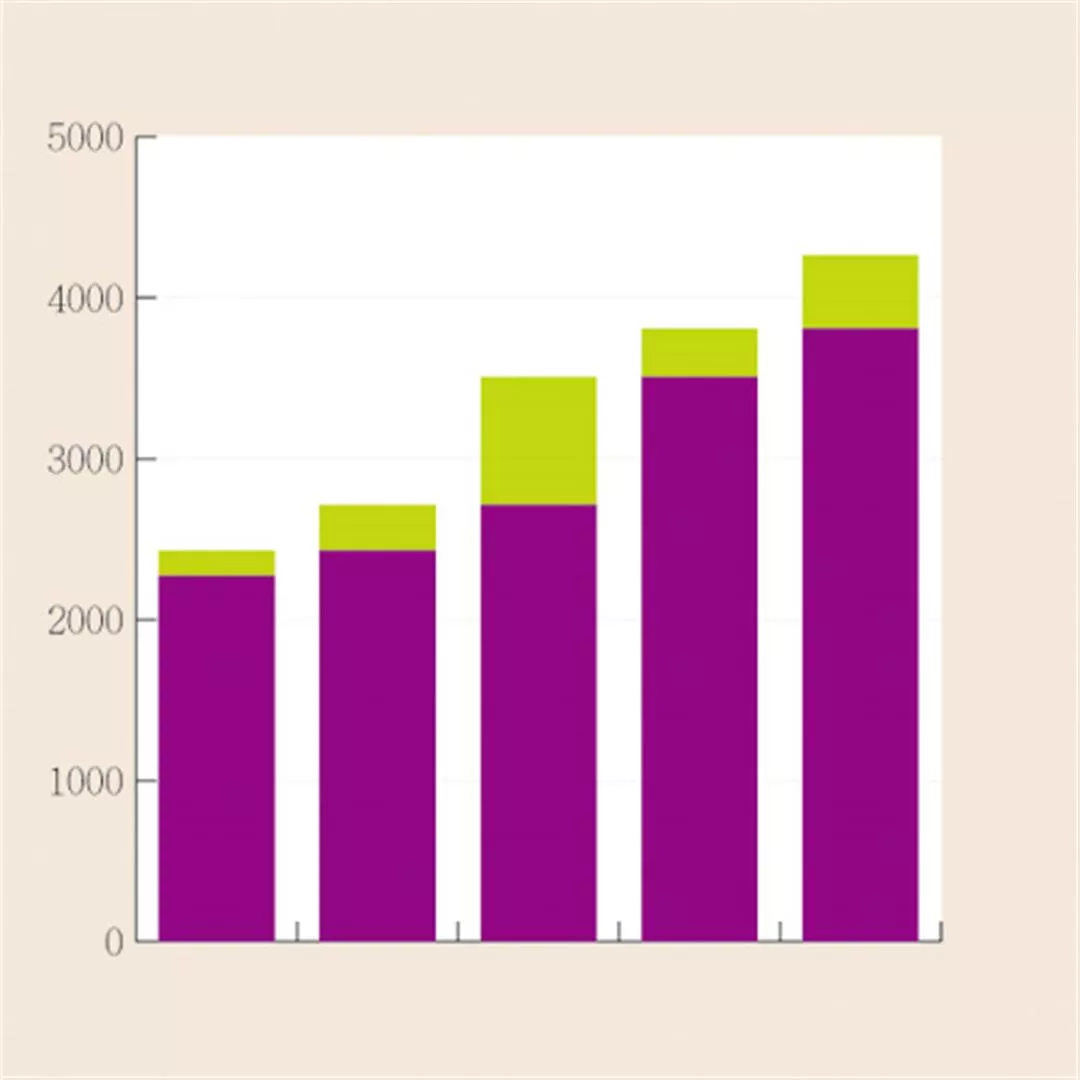
According to a survey of life satisfaction released in early November by National Central University, a remarkably high 77.8% of people declared themselves fortunate and content in their lives. With regard to overall life in Taiwan, only 43% expressed satisfaction, but even this was higher than the 40.5% who said they were dissatisfied. The results may be considered somewhat optimistic considering that the survey was conducted in April, before prices began to rise sharply. But it nonetheless brings into relief the sharp difference between the feeling most Taiwanese have that their own lives are OK, but that the Taiwan that they see in the media is a big mess.

Flash point 1:
Is Taiwan's economy in decline?
If you believe the media, the main reason for the dissatisfied mood of many people in Taiwan today is that the economy is not healthy and the "misery index" of citizens is rising. But is Taiwan's economy really in such a bad state?
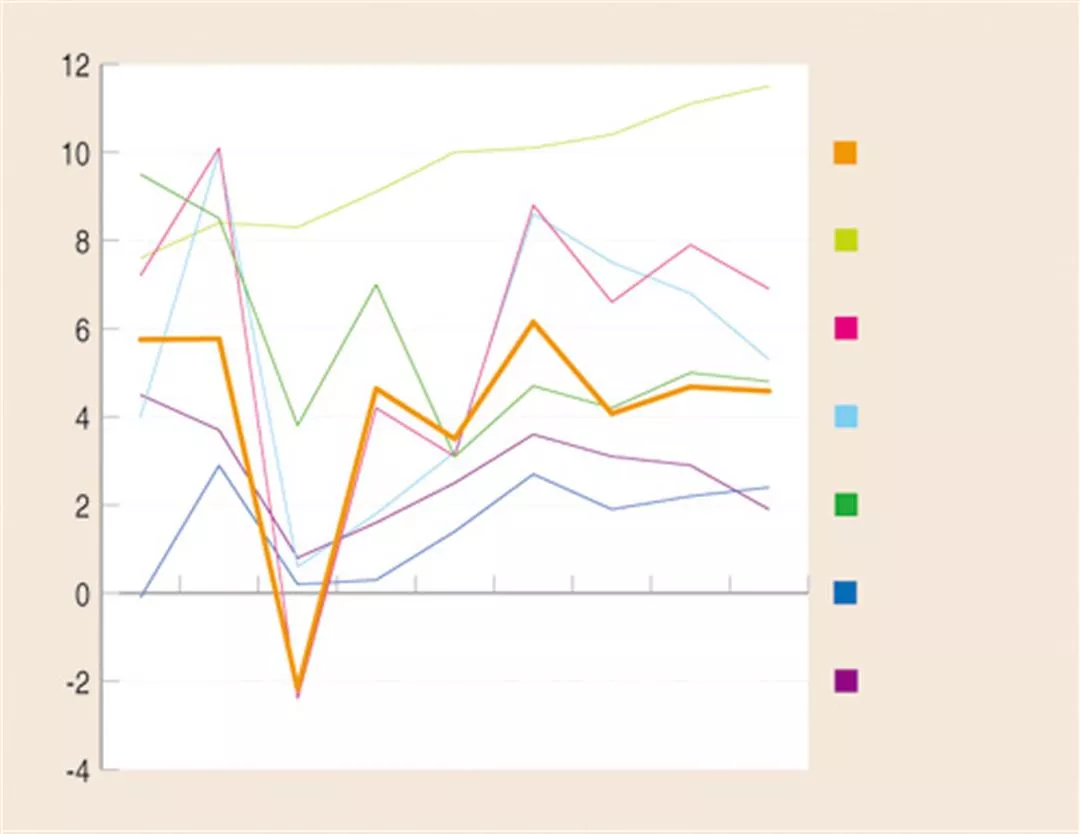
Looking back over Taiwan's economic history, from 1986 to 2000 the average annual growth rate was 7.3%, a rate which was both stable and reasonable, allowing Taiwan to advance into the ranks of the developed countries. Developed countries are further divided into two tiers. At the highest level are the US, Japan, and Germany, whose economies are in a stage of stable growth of 2-4% from a high base. Taiwan is in the second tier, where annual growth is expected to be 4-6% per annum. Developing countries like China, India, and Vietnam, starting from low base levels, have more room for development, with growth rates of 8-10%.
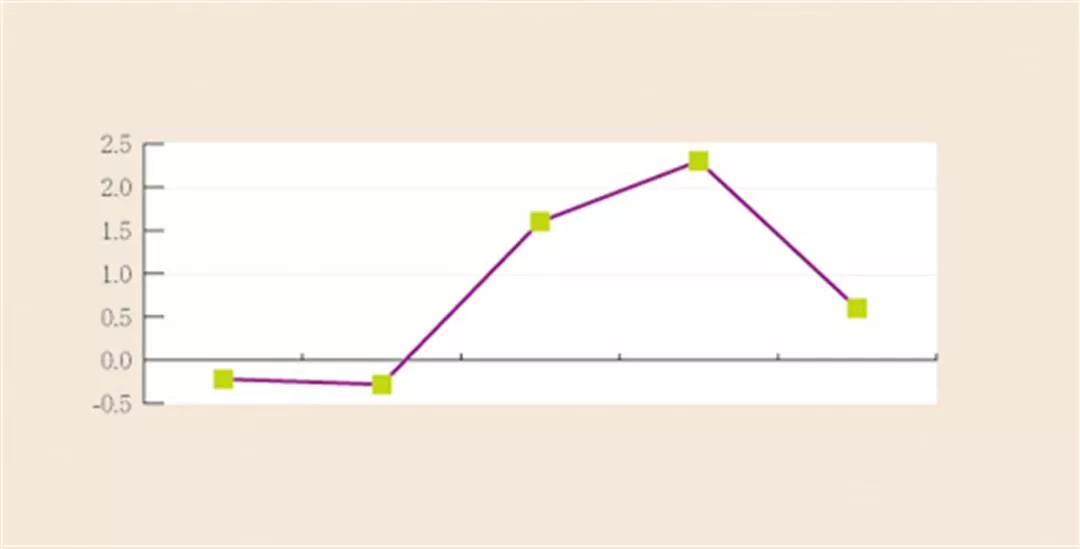
In 2001, the Y2K-driven demand for new computers had recently passed, and the global electronics industry fell into a slump. On top of this came the collapse of the dot-com bubble. As a result, Taiwan, heavily dependent on the information industry, suffered its first year of negative growth (-2.17%) in over three decades. Singapore, known as a model economy, also suffered negative growth (-2.17%) that year. But in Taiwan this setback, and the concurrent political struggle over the halting and resumption of construction of the Fourth Nuclear Power Plant, earned the Democratic Progressive Party-which came to power for the first time only in 2000-the bad rep of "not knowing what they are doing with the economy." Even though economic growth was back up to 4.6% the following year, and has been around that level ever since, this public perception, fueled by the media, has been hard to turn around.

Everyone's thinking is mainly a matter of ingrained habit. If you just change the way you think, and look at problems from a different point of view, then you will have positive thoughts and take positive actions, and will be filled with optimism about the future.
Still going strong
Former vice-premier Lin Hsin-i, who had the honorific nickname of "Taiwan's Iacocca" in the business world, and who is now chairman of the Industrial Technology Research Institute, describes Taiwan's current situation as "facing the main enemy up ahead, while being chased by pursuit forces [the developing nations] from behind." As he says: "Taiwan used to be way ahead of the pursuing forces, so foreign customers were willing to pay 5-10% more to buy our products. But now, not only are the pursuers at the gate, they are seizing market share with prices that are 20% lower."
Lin avers that the key problem is that some Taiwanese industries have been too slow in restructuring and upgrading, and have not widened the gap with developing countries in a timely manner. The result has been a constant series of plant closures or overseas relocations over the last 20 years. At present, now that Taiwan's industrial structure has gone from manufacturing toward services and high-tech, the people who were trained for the old structure do not meet current corporate needs, leading to an increase in unemployment even while companies are short of essential human resources.
In order to speed up industrial restructuring and upgrading, in 2000 the government issued its "2 Trillion Double Star" plan. Today, not only have both of the star sectors-semiconductors and optoelectronics-reached their targets of NT$1 trillion in production value well ahead of schedule (both are now at about NT$1.38 trillion), but a third industry, precision machinery, has also hit the trillion NT dollar mark.
Moreover, the Southern Taiwan Science Park, completed in 1997, already is home to 105 large domestic and foreign firms, and their production value in 2006 was NT$331.3 billion. The Central Taiwan Science Park, which went into operation only in 2003, has already reached production value of NT$120 billion. The western Taiwan technology corridor is in fact booming. Taiwan ranks first in the world in production value of 18 different products, including notebook computers, and second for eight others, including CD-ROM drives and IC design. There are no grounds for claims that Taiwanese industry is stagnant or declining.
Within Taiwan, then, the transformation of the industrial structure is already well underway. But looking at the global picture, Taiwan fell one position in the "2007-2008 Global Competitiveness Report" issued in November by the World Economic Forum (WEF). Taiwan, now ranked 14th, has for the first time been passed in the rankings by Korea, a fact not to be taken lightly.

The Taiwan-Korea comparison
As Wen Pei-chang, an associate research fellow at the Chung Hua Institution for Economic Research, analyzes the situation, in recent years Korea has made progress on a number of fronts, including financial liberalization, the signing of a free trade area agreement with the US, moderation of labor radicalism, and amelioration of tensions with North Korea. These categories account for 70% of the ratings given by the WEF, allowing Korea to move up the ladder. In contrast, in recent years Taiwan has seen domestic political confusion and conflict, as well as media negativity. In particular, the government's takeover of The Chinese Bank (under the collapsed Rebar Group) early in 2007 caused a serious slide in Taiwan's indicator for "maturity of financial markets," further affecting the nation's WEF status.
Korea's accomplishments are enviable indeed. But it must also be considered that the industrial structures of Taiwan and Korea differ greatly. The Korean economy is built around huge conglomerates like Samsung, LG, and Hyundai. (Samsung alone accounts for 22% of Korea's export value, and the top ten companies together account for 80%.) Moreover, Korean firms generally compete in the global marketplace under their own brand names, so they more easily attract attention. Taiwan, on the other hand, has mainly medium and small firms that do OEM production. These different approaches each have their advantages and disadvantages.
Its worth noting that some media argue that one reason Taiwan's economy is not as strong as it once was is that the government has refused to allow direct trade or transportation with China, limits investment in the PRC, and has not opened Taiwan to Chinese capital. But if you compare the economies of Taiwan and Korea, way back in the 1990s Taiwanese firms were already swarming into China, while Korea's "China fever" was very late in taking shape. This was especially so after the Asian financial crisis of 1997, when the government of Kim Dae-jung in Seoul blocked Korean firms from investing in China, persuading them to keep their corporate roots in Korea and upgrade instead.
Since 2000 the Korean hi-tech and information industries have been heavily investing in the PRC, but so far the ROK's trade and investment dependence on China remains far behind Taiwan's. Taking the years 2004 to 2005 for example, Korean investment in the PRC totaled only 0.2% of GDP, while Taiwan's was 2-3%. Thus, it is overly simplistic and misleading to focus exclusively on the debate over direct links between Taiwan and China when there are in fact many reasons for the varying degrees of success of the economies of Taiwan and Korea.
Moreover, in the WEF report Taiwan performs quite well indeed on indicators related to "creative competitiveness." For example, Taiwan is ranked first in the world for "cluster development," and third for acquisition of patent rights, suggesting the determination with which Taiwan's business community strives cooperatively and works to upgrade.
"The most important thing for any country," says Lin Hsin-i, "is to maintain the core competitiveness of its industries. This doesn't refer to past competitive advantages, but to investment in manpower and resources to adapt to future shifts." Lin concludes that as long as the country can hold its own in this respect, it doesn't really matter what policy the government adopts-"boldly go west" (encouraging investment in China) or "no haste, be patient" (restraining such investment)-the outlook for the economy will be upbeat.

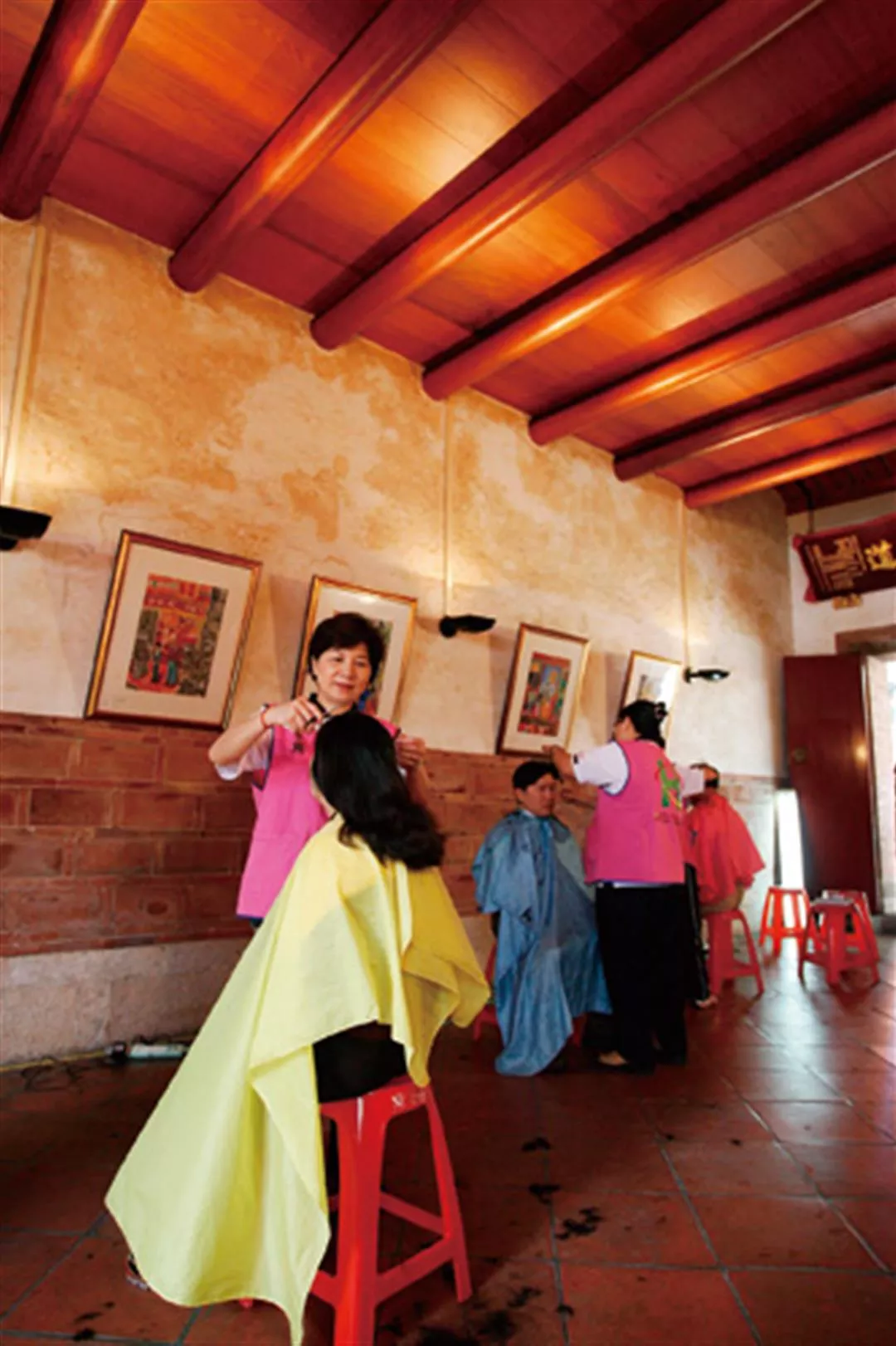
These hair stylists give up their days off to do free hairdressing for low-income citizens, bringing some warmth into the M-shaped society.
Flashpoint 2:
Holes in the social safety net?
As an export-oriented country, amidst the tides of globalization Taiwan cannot hide from the head-on impact of the world being "flat." Those who are able to ride the wave see opportunities around the world. Those who are unable to adapt discover that they have trouble even keeping on their feet. "People feel less secure, and there is more pressure in daily life. In the past people would go to Starbucks to reward themselves, but now they think twice even before buying an ordinarily priced coffee at 85°C." This is how Tien Li-fang, director of the public assistance section in the Kaohsiung County Bureau of Social Affairs, expresses her feelings.
Academia Sinica distinguished research fellow C. Y. Cyrus Chu points out that according to a survey of household income and expenditures conducted by the Directorate-General of Budget, Accounting, and Statistics, the gap between the wealthiest 20% of the population and the poorest 20% reached a peak in 2001, and has since moderated. But according to numbers from the Financial Data Center of the Ministry of Finance, dividing all taxpayers into 20 cohorts, the income of the top 5% is now 51 times that of the lowest 5%, compared to only 32 times in 1998. There is definitely a widening gap between the very rich and the very poor.
Nonetheless, the worsening of income distribution and the squeezing out of existence of the middle class is by no means a phenomenon unique to Taiwan. The Japanese author Kenichi Ohmae wrote in his 2006 bestseller The M-Shaped Society that the shifting of income distribution so that the left and right ends of the spectrum are rising, while the middle is falling (thereby creating an M-shaped society), is a global phenomenon.
Looking at this trend, Lin Wan-i, a professor of sociology at National Taiwan University and a former minister without portfolio who launched the "Great Warmth" plan in mid-2006, states: "We don't really care that the income of the top stratum will go from NT$1.8 million per year to NT$3 million; that is not the issue. The problem is how to bring up the disposable income of the lowest group from NT$290,000 a year to NT$600,000 a year, so that they have enough to live on." Even excluding the 1% of the lowest-income population that receives government assistance, there are by conservative estimates 1.38 million "new poor" and "near poor." These are precisely the people that the government has been trying so hard to look after more thoroughly.
"The traditional poor were mostly poor as a result of factors like old age, disability, illness, or children. But under the impact of globalization, in recent years there have appeared a large number of long-term unemployed people resulting from disinvestments in local factories and/or lack of skills desired by the labor market, as well as people who have lost everything as a result of poor investments. In some cases these poor families spend their lives paying off debts, and there have even been a few family murder-suicides." Lin notes that the program for helping disadvantaged families dig themselves out of financial holes, part of the Great Warmth plan, is aimed precisely at these families in dire emergency situations, in the hope that something that can never be undone will not be undertaken in a moment of desperation.
Lin states that the Great Warmth stimulus program will invest NT$191.4 billion over three years, creating at least 20,000 jobs. It is targeted at four major areas: reducing wealth inequality, improving care for the elderly, coping with the reduced birth rate, and improving citizens' health.
Ironically, some of the cases found by the media for the relentless daily parade of reports of tragic lives in Taiwan are in fact beneficiaries of the Great Warmth. Yet the media focuses exclusively on making these people appear as pathetic as possible while disregarding government efforts, with the result that society plunges deeper into a collective sense of injustice and anger. Sadly this is of no use whatsoever to solving concrete problems.
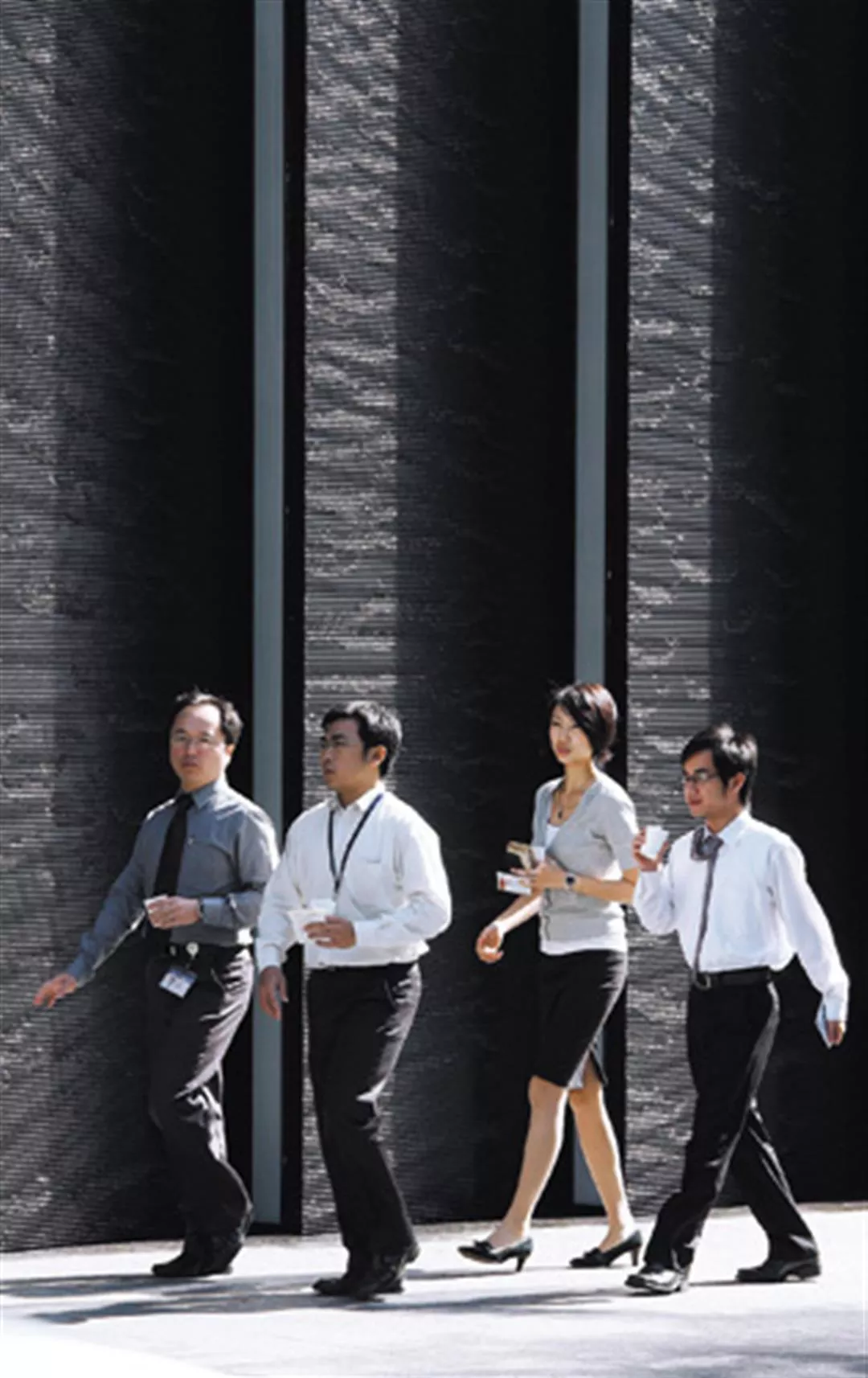
Whether you like it or not, globalization is an irreversible trend. The only thing between proactive response and pessimistic avoidance is a matter of attitude. The photo shows people who work at the Neihu Technology Park hurrying out for lunch.

Happiness is...
On November 15, 2007 the World Bank issued its latest global "Knowledge Economy Index." Taiwan's overall grade was 8.37, 19th in the world, second in Asia behind only Japan (ranked 17th), and well ahead of Korea (27th).
"In the global scheme of things, Taiwan is still a player to be reckoned with," says Peter Lo, chairman of Johnson Health Tech Company, one of Taiwan's top ten global brands and the third largest fitness-gear company in the world.
"In fact, there has always been plenty of positive energy and activism in Taiwan, which have never at any time withered," says Chou Sheng-shin, executive director of the planning center for the social group Thousand-Mile Trail, a view with which National Taiwan University psychology professor Huang Kuang-kuo happens to agree.
"Taiwan is not without problems, of course. But the problems are not ones that we should be intimidated by. What we really have to fear is not knowing where the problems are, or clearly knowing where the problems are yet being unwilling to face them honestly and solve them," says Lin Hsin-i.
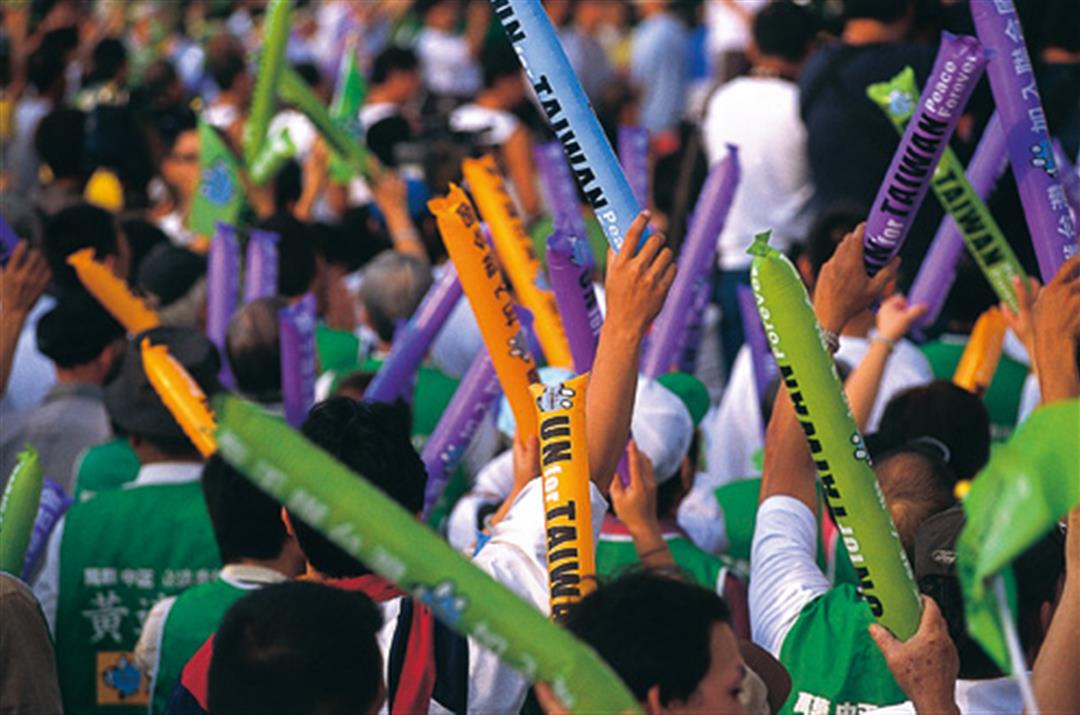
In facing up to the pessimistic myths that are so widespread, and facing up to globalized competition and the growing disparity in the distribution of wealth, nobody-not the ruling or opposition parties, not politicians or ordinary citizens-can afford to waste their time in finger-pointing. It is our inescapable collective responsibility to figure out how all 23 million people in Taiwan can listen to what each other has to say, see each other's hopes and fears, and turn the thorns in each other's hands into beautiful roses.
Positive thinking and action are by no means difficult. Many people are already on the path, just waiting for you and me to join them.

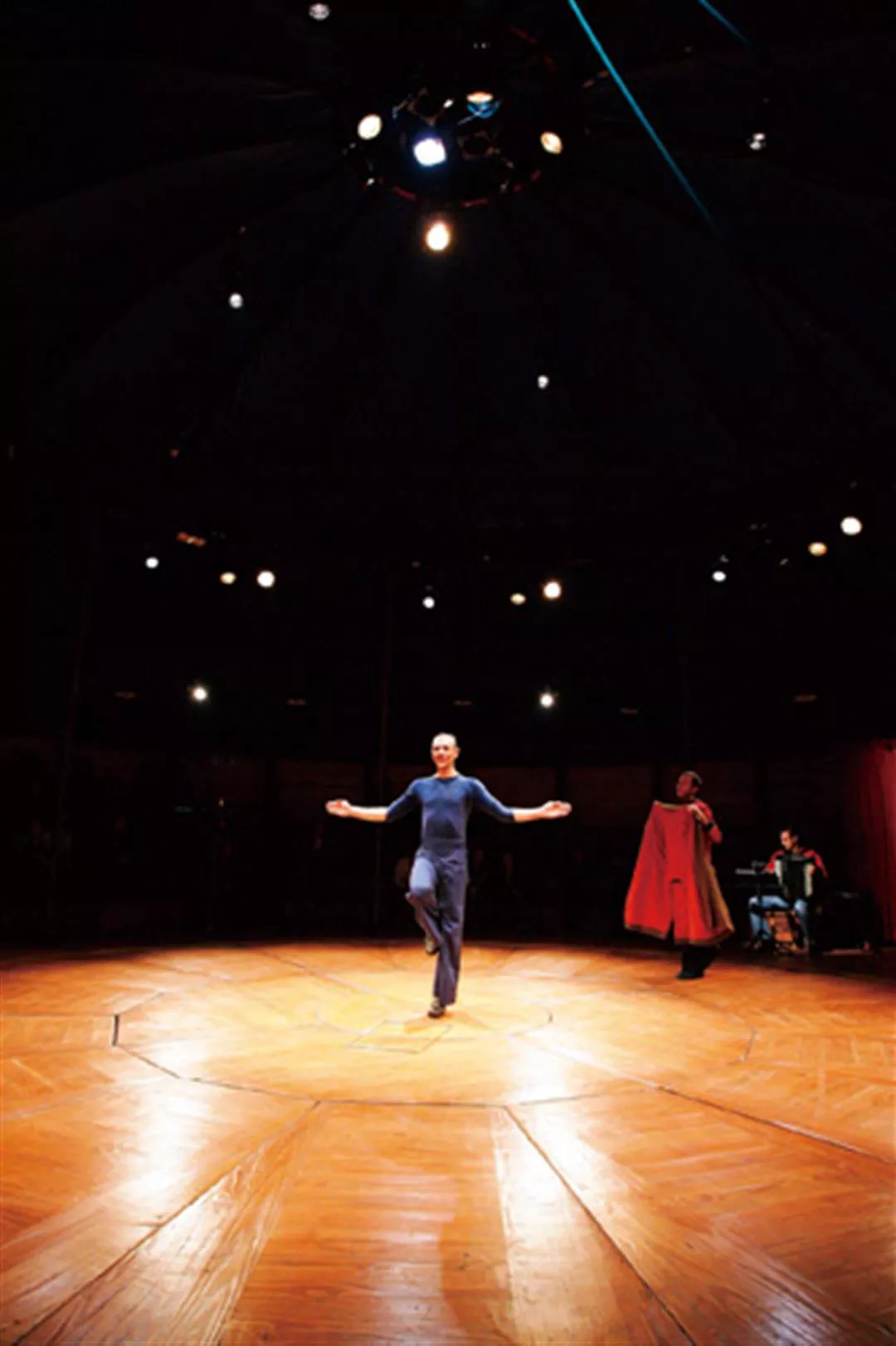
Pluralization, internationalization, localization, creativity, and openness are all part of the precious cultural values "Made in Taiwan." The photo shows the Compagnie Jerome Thomas of France performing at the Open Air International Arts Festival in the plaza of the National Theater and Concert Hall.

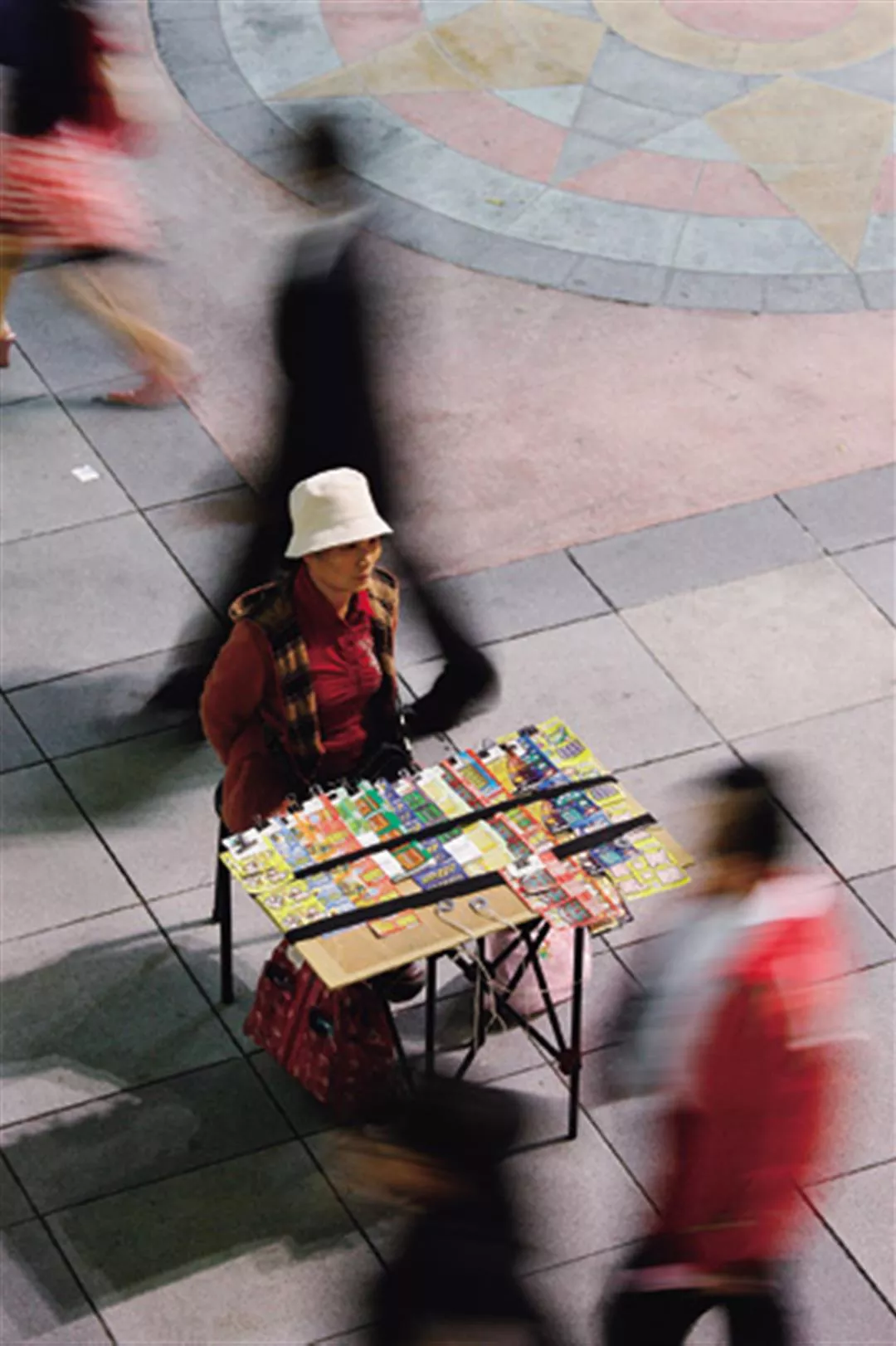
Is the price problem a matter of economic policy or just political posturing? The political culture of confrontation has caused young people to lose confidence in politics and reduced the space for expert discourse on public affairs.


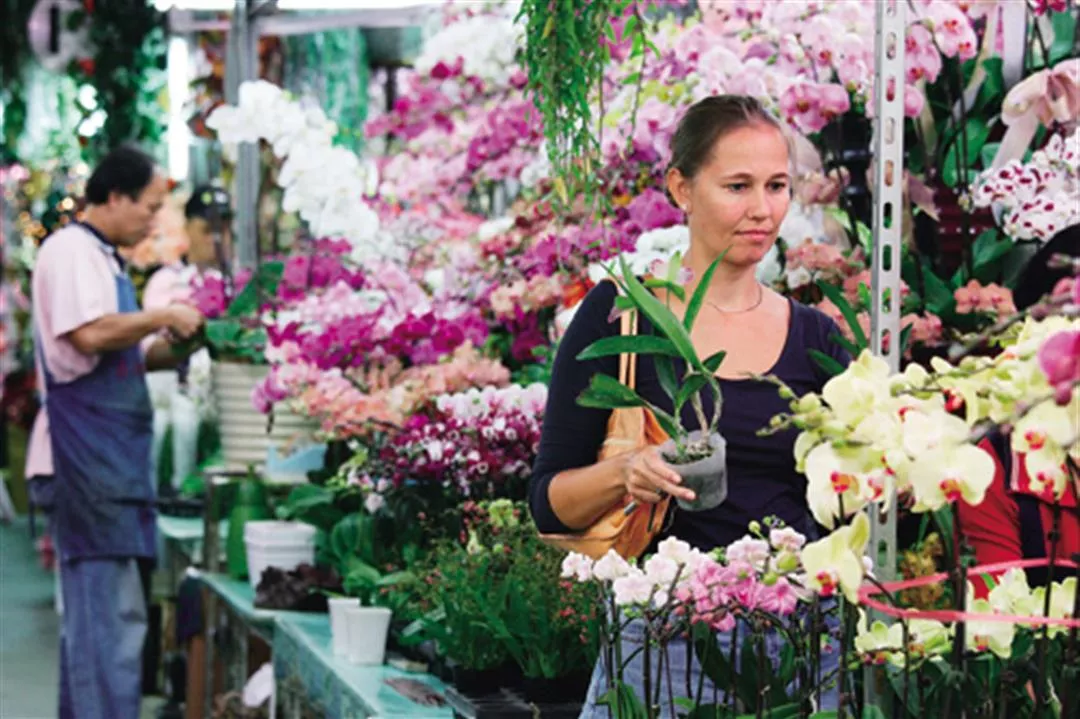
Taiwan is a country filled with vitality, with highly developed industry and commerce, and strong economic competitiveness, all the while not ignoring the needs of agriculture and rural towns. The photo shows butterfly orchids flourishing at the Neihu flower market in Taipei.