Abundant documentation
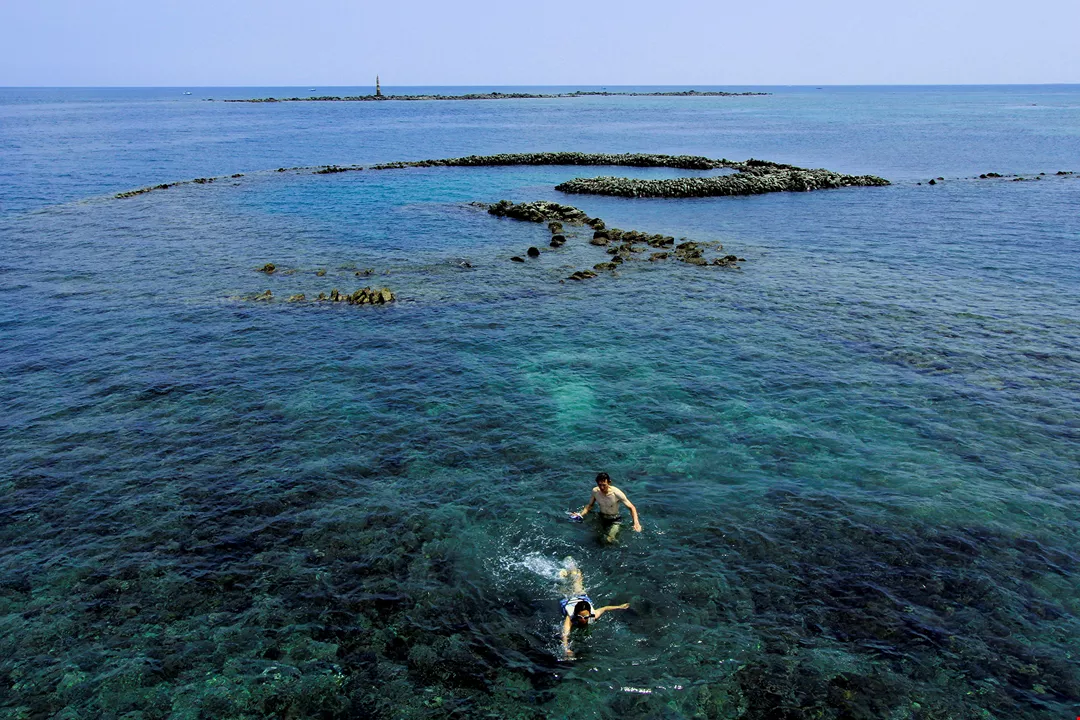
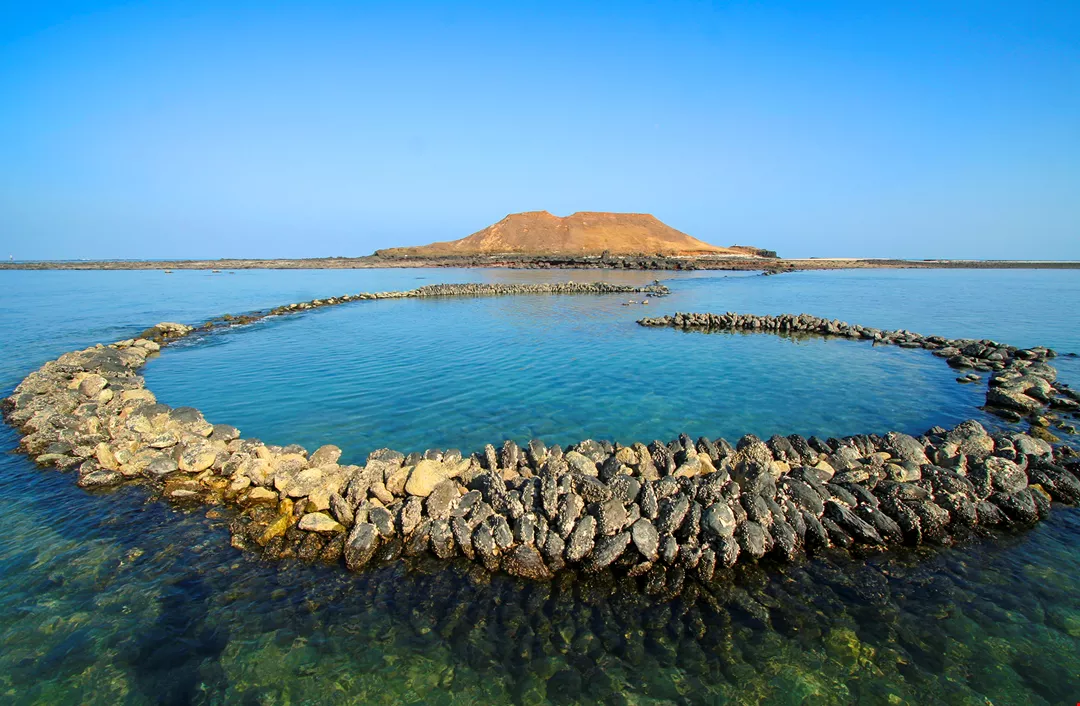
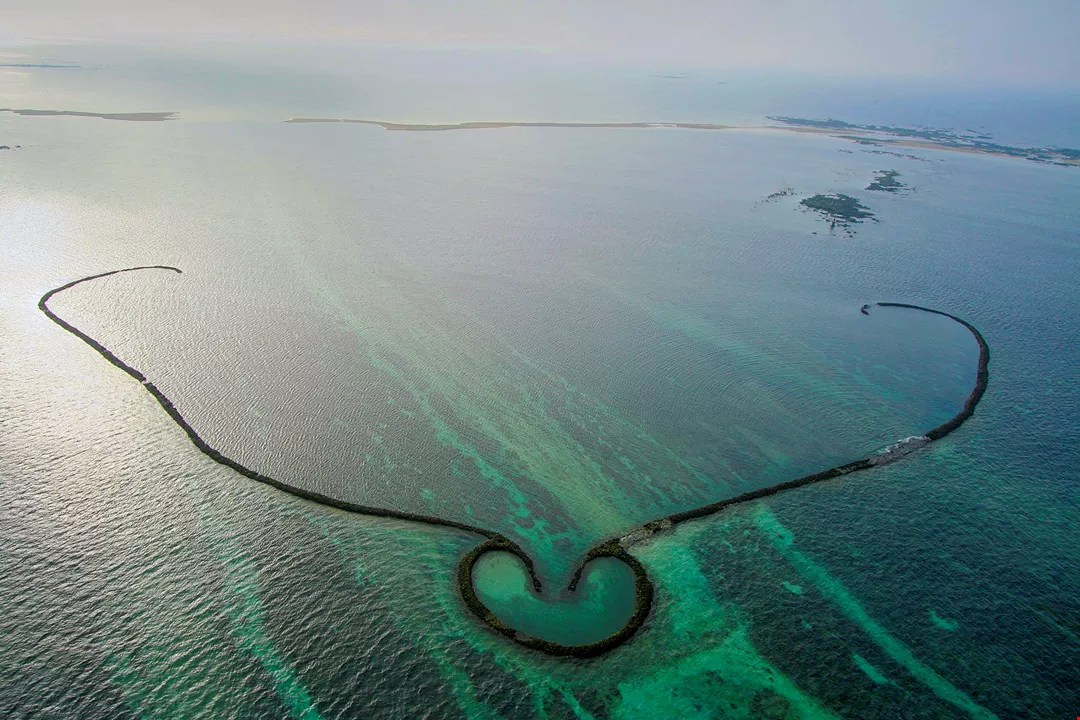
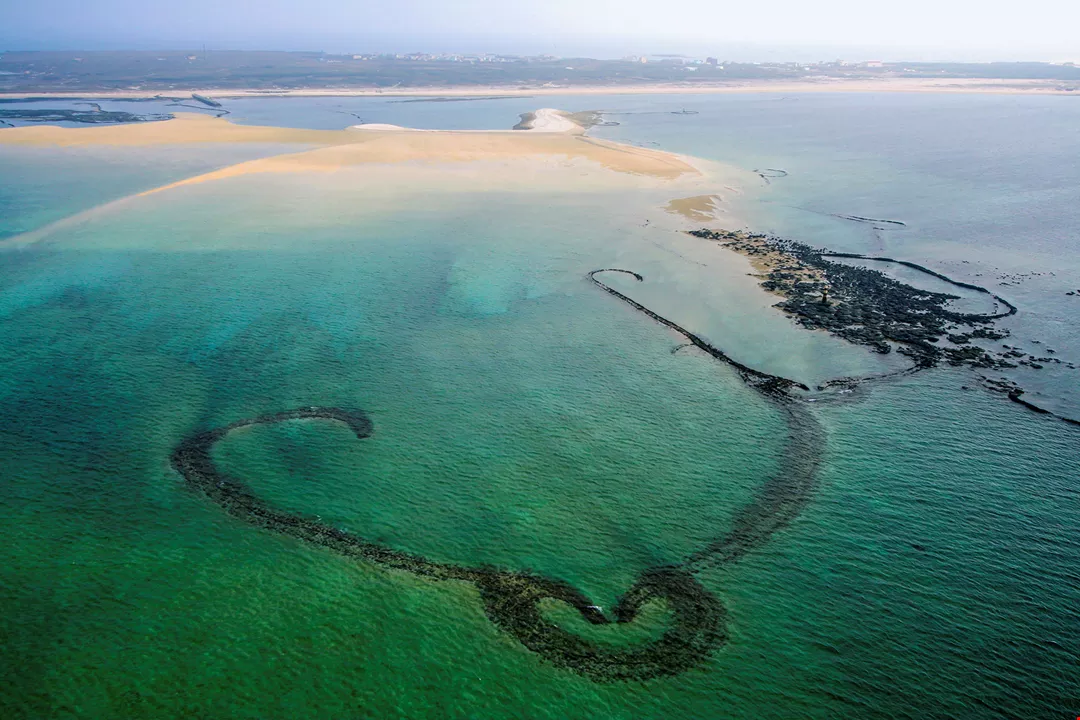
In 2012 Lee Ming-ju used a geographic information system together with historical documents to conduct a survey that found 609 stone fish weirs in Penghu. From 2019 to 2024 his student Jerry Tseng did a survey using drones, and discovered 654 weirs including relics. Of these, 101 (comprising over 30 kilometers of dikes) were found on Jibei Island. Considering that the island has only 13 kilometers of coastline, this is the highest concentration of stone fish weirs in the world.
“Can you imagine? The Penghu archipelago has only 360 kilometers of coastline, but more than 600 fish weirs, forming a ‘marine Great Wall’ 133 kilometers long. But this isn’t a Great Wall ordered built by an emperor for political reasons, but one built by fishermen to make a living,” Lee remarks.
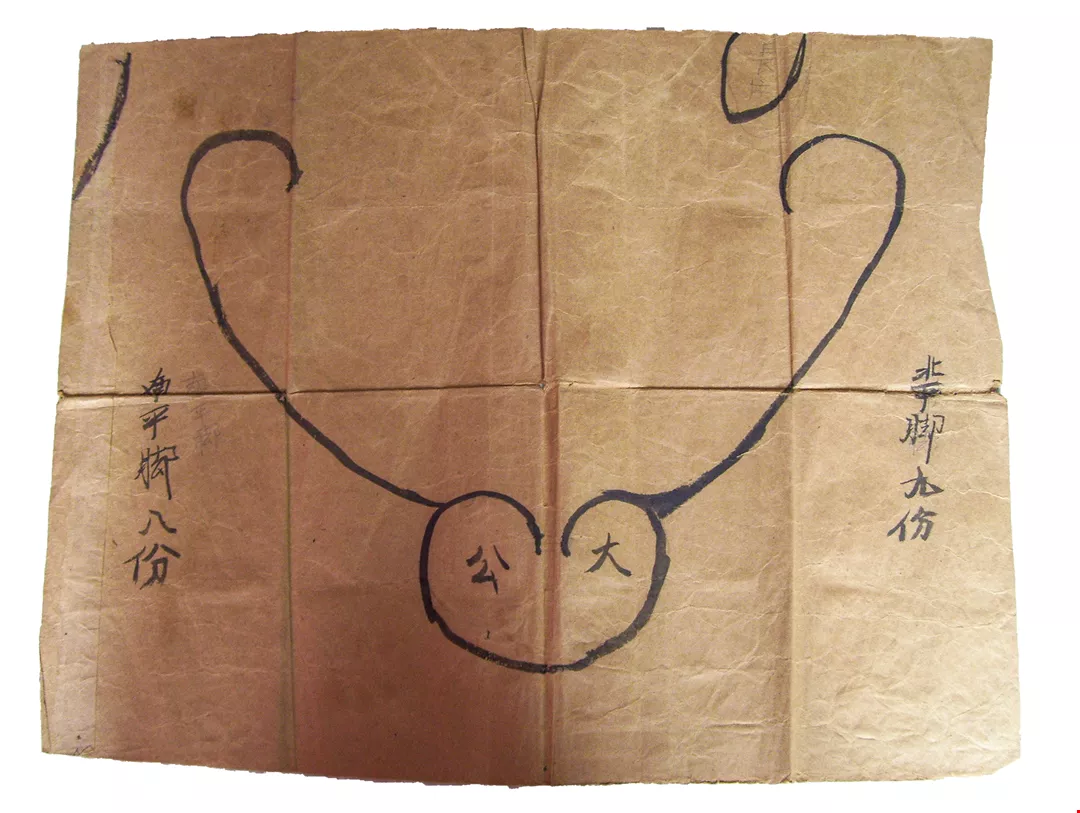
There are many Qing-Dynasty official records of fish weirs in Taiwan, starting from 1696 and mainly related to taxation. These provide researchers with source material for their work.
In 1913, during the era of Japanese rule (1895‡1945), the colonial regime made a survey of stone fish weirs for management and tax purposes. In 1942, a survey of the fisheries industry in Penghu recorded 400‡500 stone weirs. That survey report is today held in the Yonghe branch of the National Central Library.
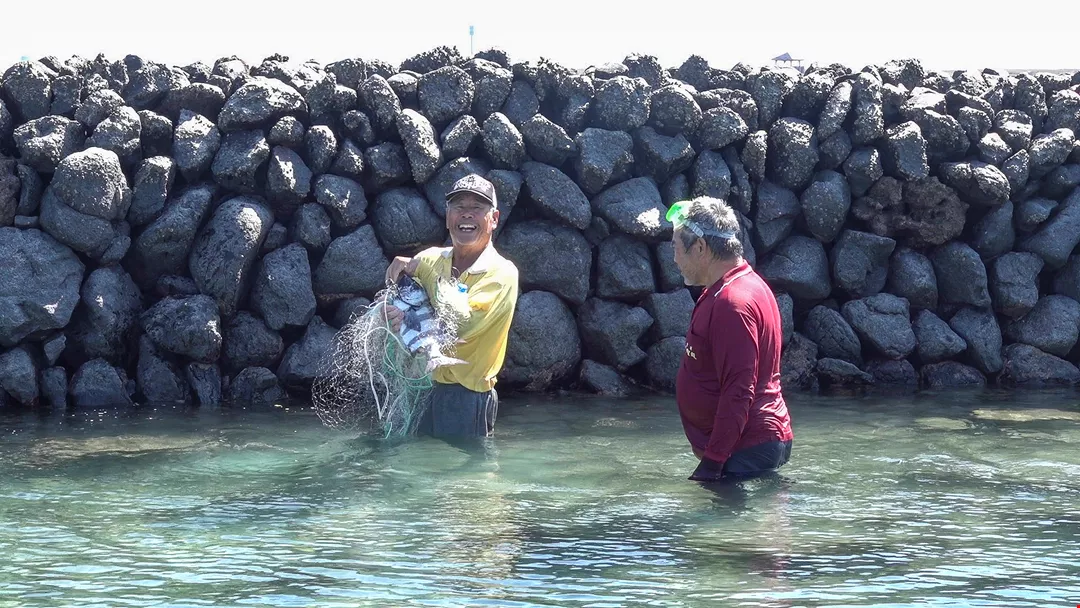
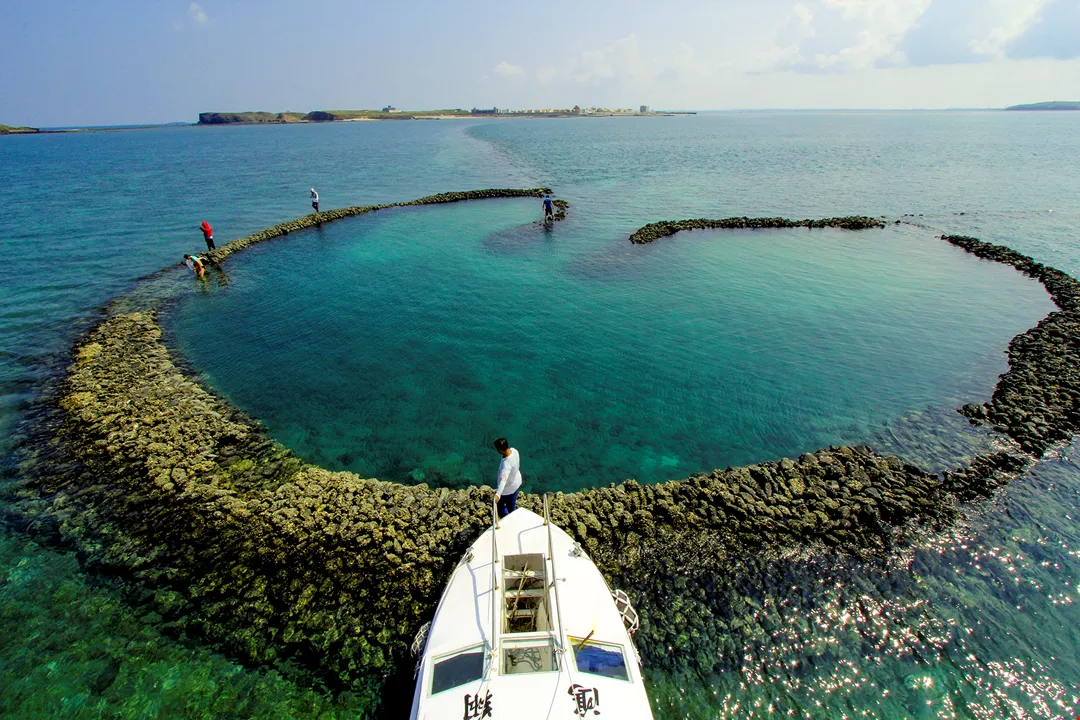
Fisherfolk on Jibei Island catch fish in a tidal fish weir.
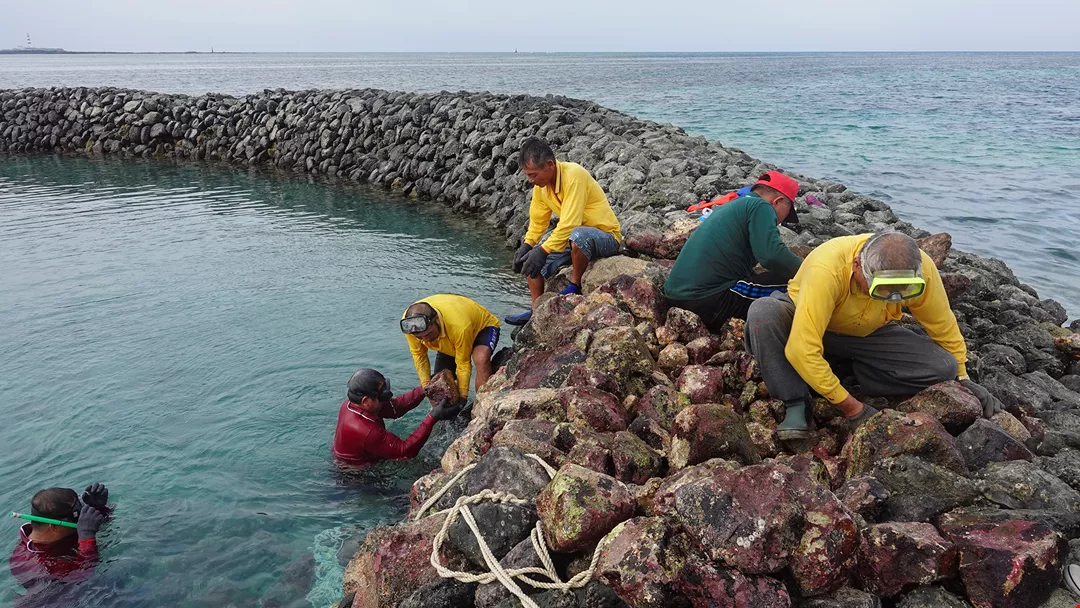
Owners of a stone fish weir on Jibei Island work together to maintain the structure.







@List.jpg?w=522&h=410&mode=crop&format=webp&quality=80)


