Whose Backyard is Big Enough? Seeking Solutions for Hazardous Industrial Waste
Marlene Chen / photos Diago Chiu / tr. by Robert Taylor
June 1999

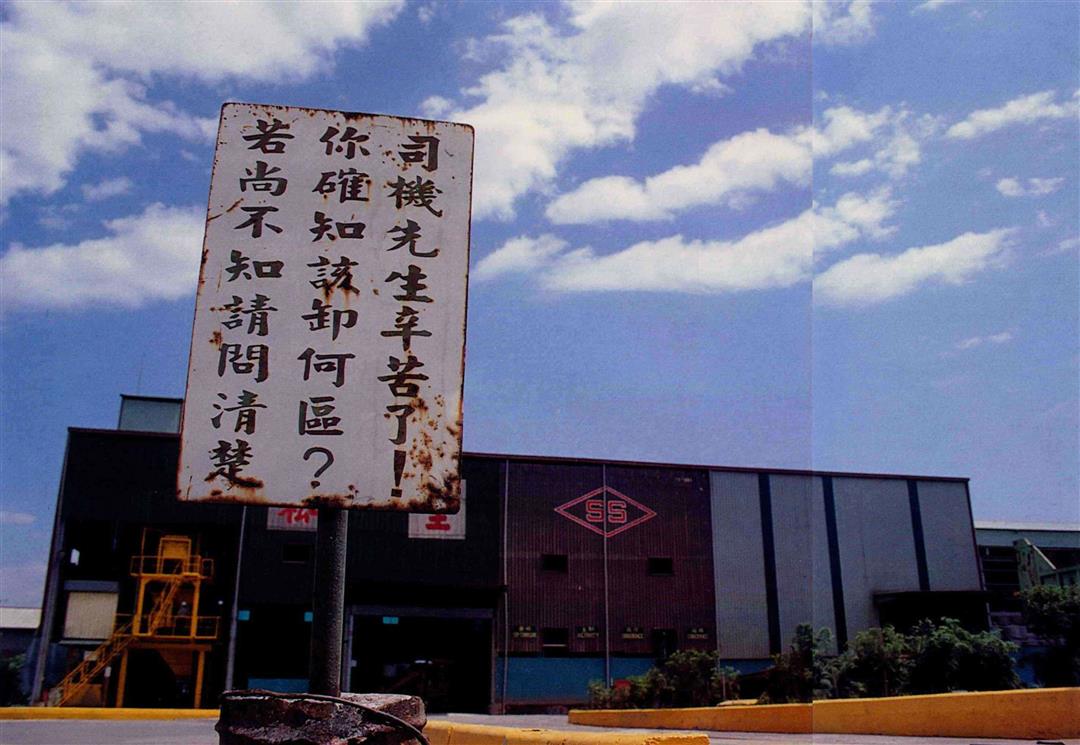
Just the mention of the black rivers and green oysters produced by toxic industrial waste in the past is enough to make people blanch. Today, do we have safe homes for these toxic substances? Pictured here is the waste processing site in Kaohsiung County of the licensed waste-disposal company Sungsheng.
Late last year, the public in Taiwan was shocked by reports from Cambodia of sickness and death caused by Formosa Plastics Group mercury waste which was dumped on an open site there. For a time, the issue of Taiwan's hazardous industrial waste was publicly aired. To find out where other mercury waste might have ended up, city and county governments in Taiwan began digging up toxic waste dumps within their jurisdictions. In the process, they unearthed many long-buried problems.
On 26 December 1998, news broke of mercury-contaminated waste from Taiwan's Formosa Plastics Group (FPG) being dumped on an open site in Cambodia. FPG moved quickly to clarify the situation, and later stated that there had indeed been deficiencies in the selection of the company to which it had contracted disposal of the waste. It also assumed responsibility for shipping the waste back to Taiwan, where it is now stored on a temporary site near Kaohsiung harbor. But despite these actions, FPG's image as a pragmatic and responsible company has been severely tarnished.
The incident attracted the attention of the international media and of international environmental organizations such as Greenpeace, and Kaohsiung County Government's Bureau of Environmental Protection later imposed a fine of NT$1.56 million on FPG.

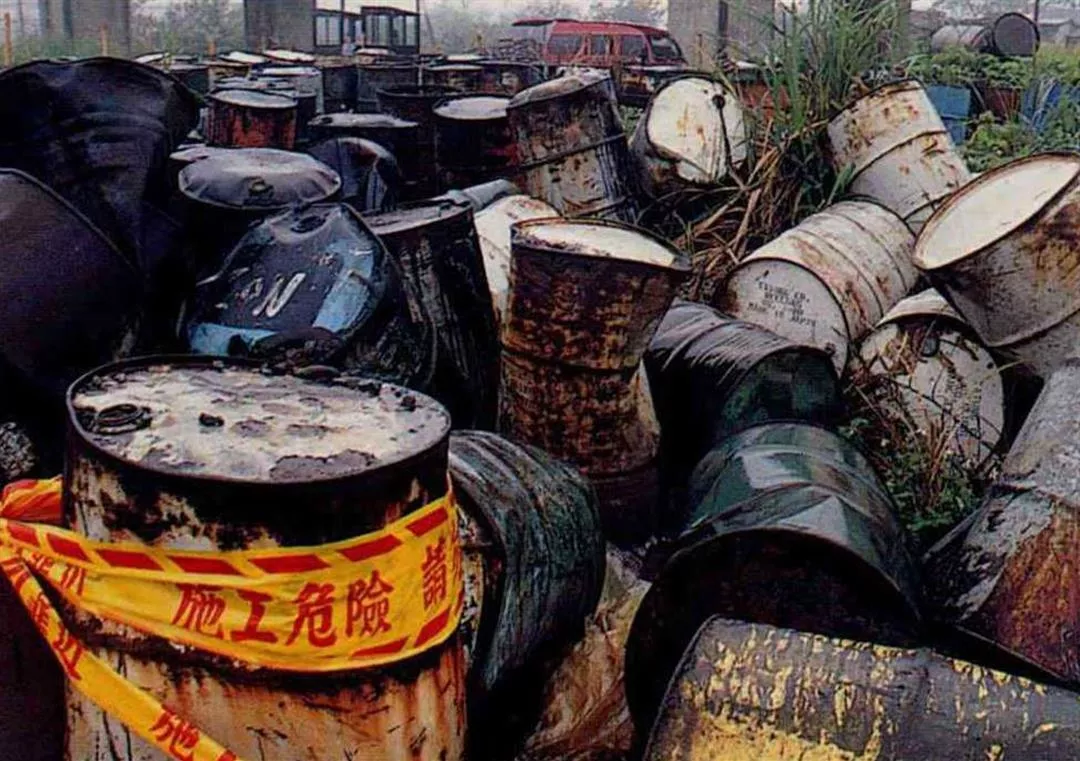
The source of these drums of unidentified waste liquids dumped many years ago under the bridge between Sanhsia and Yingko is still a mystery. (photo by Ko Chin-yuan)
Nor was that the end of the affair, for the incident was the prologue to a much wider critical examination of Taiwan's existing policies and practices on hazardous industrial waste. A silver lining
"If it hadn't been for the Formosa Plastics mercury waste incident in Cambodia, who knows how long the chaos in Taiwan's management, storage and disposal of hazardous industrial wastes would have continued, along with the tremendous threat it poses to human health and the environment?" asks Professor Lin Cheng-fang of National Taiwan University's Graduate Institute of Environmental Engineering, giving FPG some backhanded credit for highlighting the issue.
Wu Wen-chuan, a section chief at the Environmental Protection Administration's Bureau of Waste Management, confirms that since Taiwan began exporting hazardous industrial waste in 1993, almost 40,000 metric tons have been shipped overseas. But this is just a tiny fraction of Taiwan's total hazardous waste.
According to the EPA's latest estimates, based on data from 1,000 large industrial companies, Taiwan produces something over 18 million tons of industrial solid waste a year; 1.47 million tons of this is hazardous.

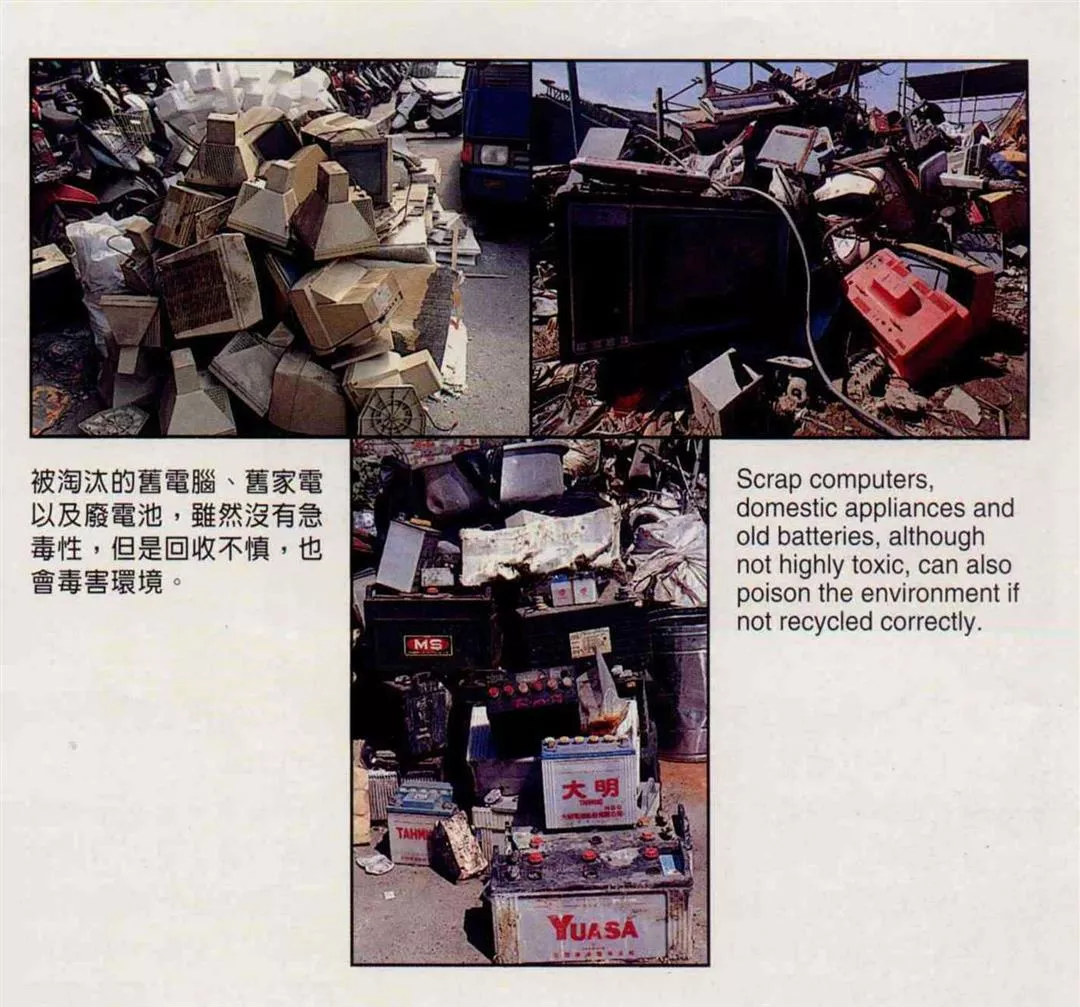
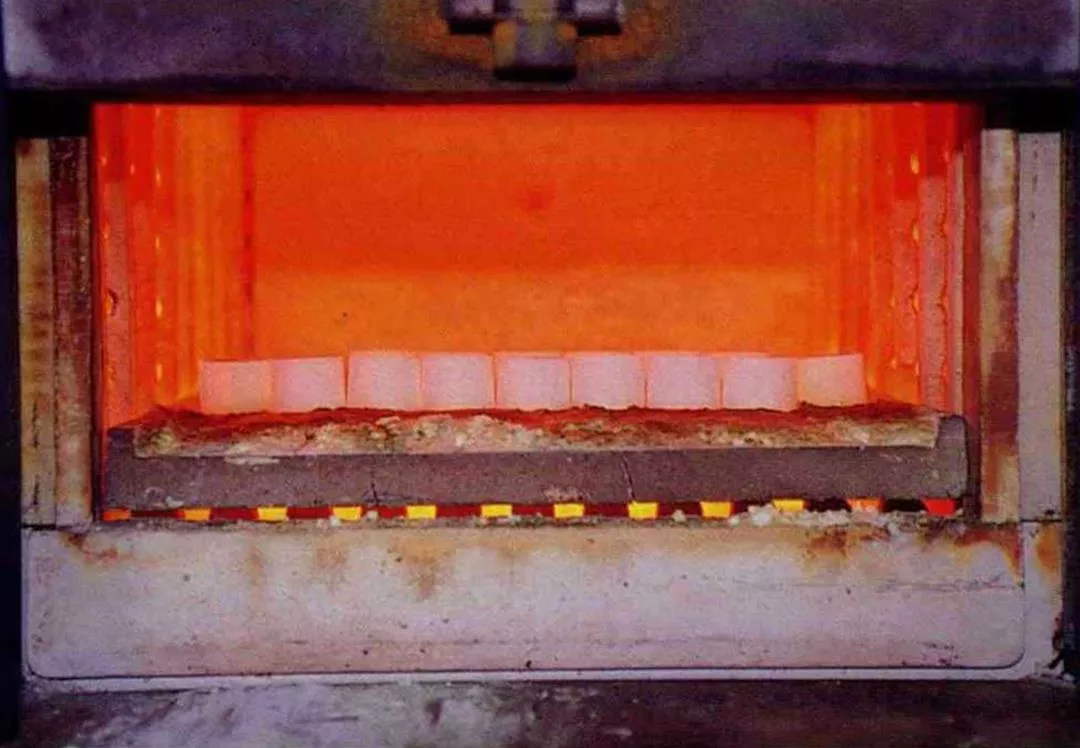
This electrical scrap has been stored in the Tafa Industrial District since it was confiscated from illegal processing sites all over Taiwan by the EPA over a decade a go. It is now being sent batch by batch into the incinerator to be burnt at 1,000℃, and should all have been destroyed by the end of this year.
Under the ROC's "Standard Criteria for Identifying Hazardous Industrial Wastes," hazardous wastes are divided into three major categories. The first comprises specifically listed substances which are generated by industrial processes or are inherently toxic. The second comprises substances defined as hazardous by their characteristics, including those which are corrosive, flammable or infectious (mostly medical waste), or contain individual non-ferrous metals. This includes substances such as powerful oxidants which may cause other materials to ignite. The third category comprises substances declared hazardous by a competent authority. The relevant legislation also defines the competent authorities and explicitly regulates the use, transport and final disposal of hazardous wastes, to make responsibilities clear and to prevent the escape of toxins into the environment. Dioxin and green oysters
The law is explicit, but real enforcement and supervision have been highly problematic. "We can't even dispose of domestic refuse properly long-term, and there's two to three times as much industrial waste as domestic. Where's it all been going for the last 20-odd years?" asks Lin Cheng-fang, raising a question which has occurred to many.
In fact, long before the FPG mercury waste incident exploded onto the news, many previous toxic waste scares had warned people to take this problem seriously.
In the late 1970s, residents of the Wanli district of Tainan City began importing scrap from the US such as electronic components and communications equipment. From this scrap they reclaimed metals like gold, silver and copper by such methods as acid washing or burning off the non-metallic parts. At that time there was little environmental consciousness in Taiwan, and locals simply set fire to the scrap materials in the open.
The scrap contained large amounts of insulation material made of plastics containing chlorine, so burning it produced highly toxic dioxin. The stench from the fires forced pupils at the nearby Nanning Junior High School to wear cotton face masks to school, and there were high rates of respiratory tract diseases among local residents.
The recyclers also tipped the waste liquid from their acid baths into the nearby Erhjen Creek, turning its waters black and giving rise to the notorious "green oyster incident."
After the Environmental Protection Administration (EPA) was established in 1987, the importation of metal-bearing scrap materials was completely banned. But the transition of Taiwan's industrial sector from labor-intensive to capital-intensive production and the accompanying huge expansion in industrial capacity have caused the amount of home-grown industrial waste to burgeon.

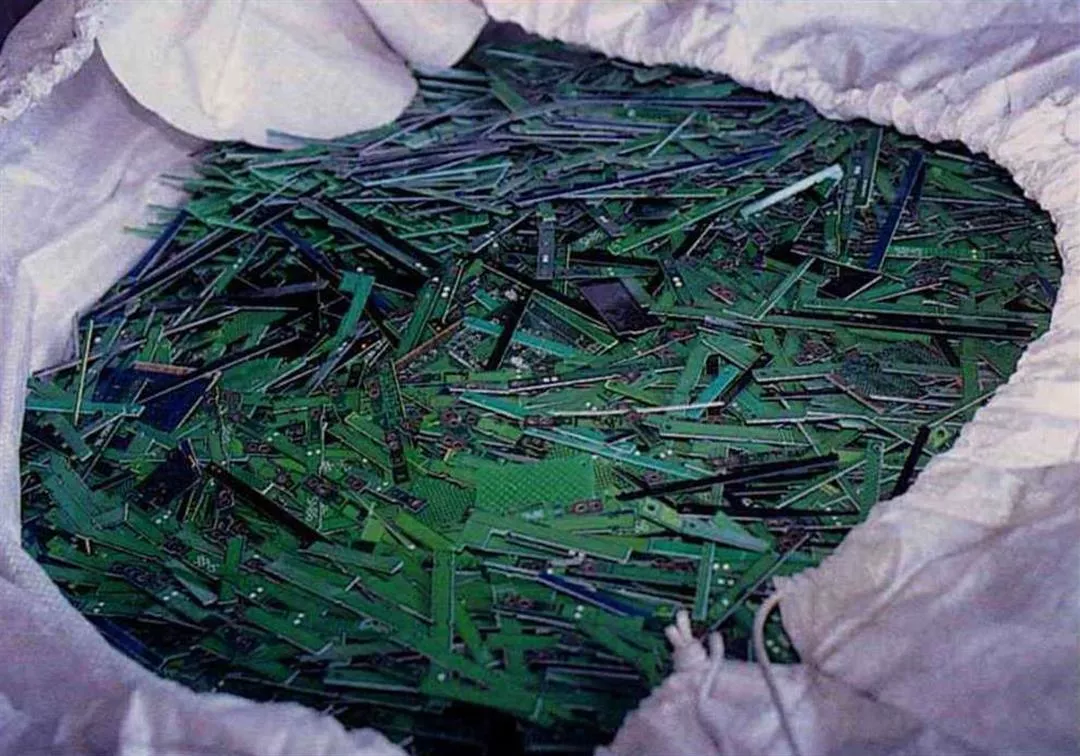
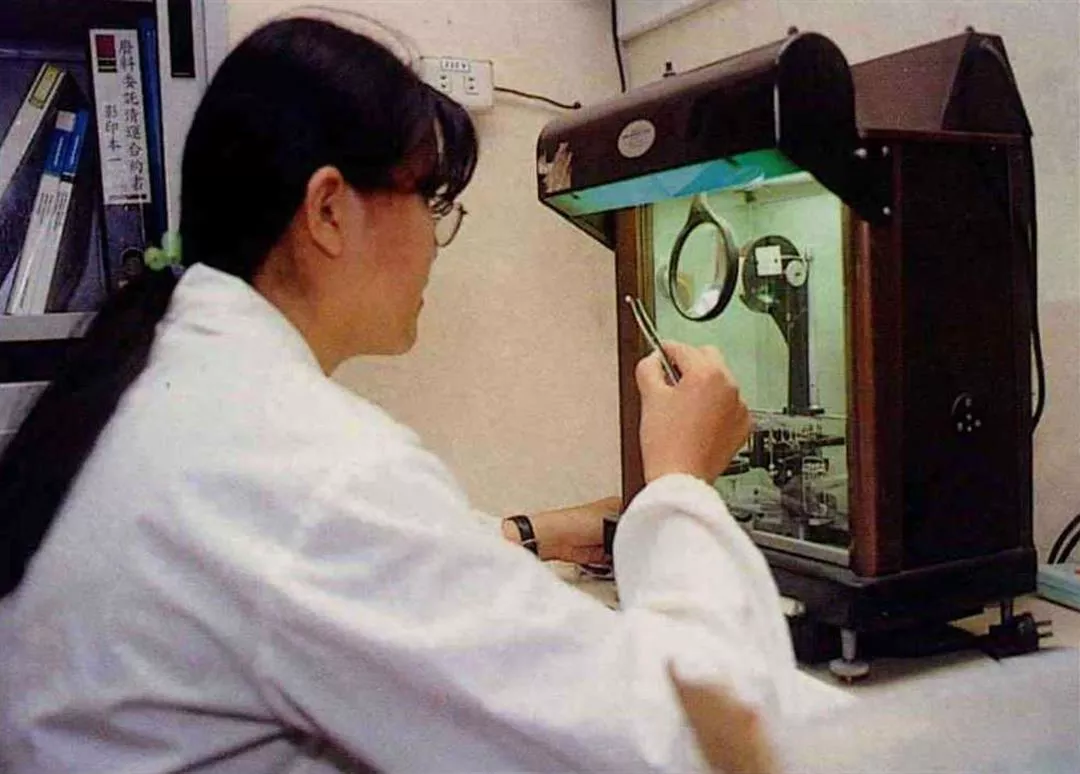
After initial sorting, samples taken from scrap circuit boards are subjected to heating, smelting and chemical tests to determine their composition. They are then shipped in bulk to large overseas mining companies to be melted down; the precious metals recovered from them are subsequently sold and reused. Thus waste is turned into raw materials.
In late 1994 and early 1995 respectively, there were reports of toxic waste pollution in Kaohsiung County's Tashu Rural Township and under the bridge between Taipei County's Sanhsia and Yingko Rural Townships. In one of the incidents a person died. Following these events, the EPA began surveying the nature and quantity of hazardous industrial wastes. But four years later officials have still not been able to gain an accurate picture of the sources and quantity of such wastes in Taiwan. A daunting task
Under current legislation, factories have a duty to report the quantity and method of disposal of their hazardous wastes, and must submit a form in sextuplicate describing the removal and transport process. "The EPA can use this information to check on whether companies are failing to report certain items, or underreporting quantities. It can also impose fines of NT$60,000-150,000 on those companies which do not report at all," says Su Guo-zer, director of the Division of Industrial Waste Management at the EPA's Bureau of Waste Management.
The EPA also hopes the Industrial Development Bureau (IDB) can assist it by providing basic data on industrial companies from which it could estimate likely quantities of waste and thereby improve the efficiency of waste management.
Combining companies' own reports with estimates based on data about companies seems like an effective two-pronged approach. But with the EPA wielding the stick of its inspection powers, "Firms often conceal data for fear of prosecution, and this makes it very difficult for government surveys to reveal the true figures," says Hsing Haojan, a researcher with the IDB's Coordination Office for Sustainable Industry.

After initial sorting, samples taken from scrap circuit boards are subjected to heating, smelting and chemical tests to determine their composition. They are then shipped in bulk to large overseas mining companies to be melted down; the precious metals recovered from them are subsequently sold and reused. Thus waste is turned into raw materials.
Furthermore, as manufacturers update their product lines, their industrial processes and the types of waste these generate also change, making assessment more difficult. "Such surveys can easily give a distorted view," says Pan Chien-cheng, an environmental engineer with China Technical Consultants (CTC). CTC's Industrial Pollution Control Center is under long-term contract to the Industrial Technology Research Institute to advise manufacturing companies on pollution control. Add to the above difficulties the unbridled activities of unlicensed underground factories, and the problem really is more than the government can handle. Bury or burn?
Professor Lin Cheng-fang, who has visited several illegal waste dumps, says that although it is indeed necessary to gather more basic data on the sources and types of hazardous waste, the most pressing need at present is to overcome the shortage of treatment and disposal facilities for such waste.
"There are two lines of defense in dealing with hazardous waste. The first is intermediate treatment such as volume reduction and detoxification, and the second is final disposal in secure landfills," says Pan Chien-cheng. However, Pan comments, although all the necessary technology is available in Taiwan, for reasons of cost neither of these lines of defense is solid.
Taiwan currently has just one secure landfill, located at China Petroleum Corporation's Kaohsiung oil refinery (the Fifth Naphtha Cracker plant). The landfill can withstand pressures up to 280 kilograms per square centimeter, and is protected by several layers of impermeable membrane, so that toxins are very unlikely to escape into the environment.
However, says Wu Chiu-tao, a team leader at CPC's Security and Environmental Protection Department, "The construction cost alone for the facility, not including the cost of materials and labor for actual waste burial, is NT$5,000 per ton of waste." Wu says the only waste so far buried there is a batch of calcium fluoride sludge. The sludge is produced by stabilizing hydrogen fluoride, which is used as a catalyst in oil refining.
Apart from burial in secure landfills, another disposal method is to break down hazardous wastes by burning them in high-temperature incinerators, a process which leaves only small amounts of residue. For example, to deal with electrical scrap, the government has funded the construction of an incinerator in Kaohsiung's Tafa Industrial District. The facility, which began operating on 1 March this year, is Taiwan's only incinerator for hazardous industrial waste. Its burners generate temperatures of 1,000 °C, reducing the scrap to a much smaller volume of ash without producing dioxin.

After initial sorting, samples taken from scrap circuit boards are subjected to heating, smelting and chemical tests to determine their composition. They are then shipped in bulk to large overseas mining companies to be melted down; the precious metals recovered from them are subsequently sold and reused. Thus waste is turned into raw materials.
At present, the incinerator is working its way through large quantities of electrical scrap which have been stored in Tafa Industrial District since the 1970s and 80s. Only when this has all been incinerated will it be possible to use the plant to dispose of a wider range of industrial wastes such as oils and solvents, and thus go some way towards relieving Taiwan's hazardous waste problem. Minable resources
"In the past, the scrap left behind in Wanli had little recycling value, so it was simply burnt," says Tony Kang, an assistant manager at Taiwan May Chia Metal Company (TMCM). But the mixed electronics wastes such as printed circuit boards which make up the bulk of electrical scrap today contain many valuable heavy metals which can be recovered and sold after intermediate processes such as sorting and smelting.
TMCM has some seven years' experience of processing scrap components and other waste from such well-known large semiconductor and electronics manufacturers as Taiwan Semiconductor and Texas Instruments. Kang says that after being purchased by TMCM, the scrap is carefully sampled, chemically tested and sorted before being crushed or ground into granules and finally sent to large processing plants in Europe, North America and elsewhere to be refined.
"Some of the overseas scrap processors started out as mining companies. They used to mine natural ores, but now they use their technology to exploit these 'urban mines,'" says Kang. TMCM can resell the precious metals gained by processing and refining the scrap components, so that what was waste becomes valuable raw materials.

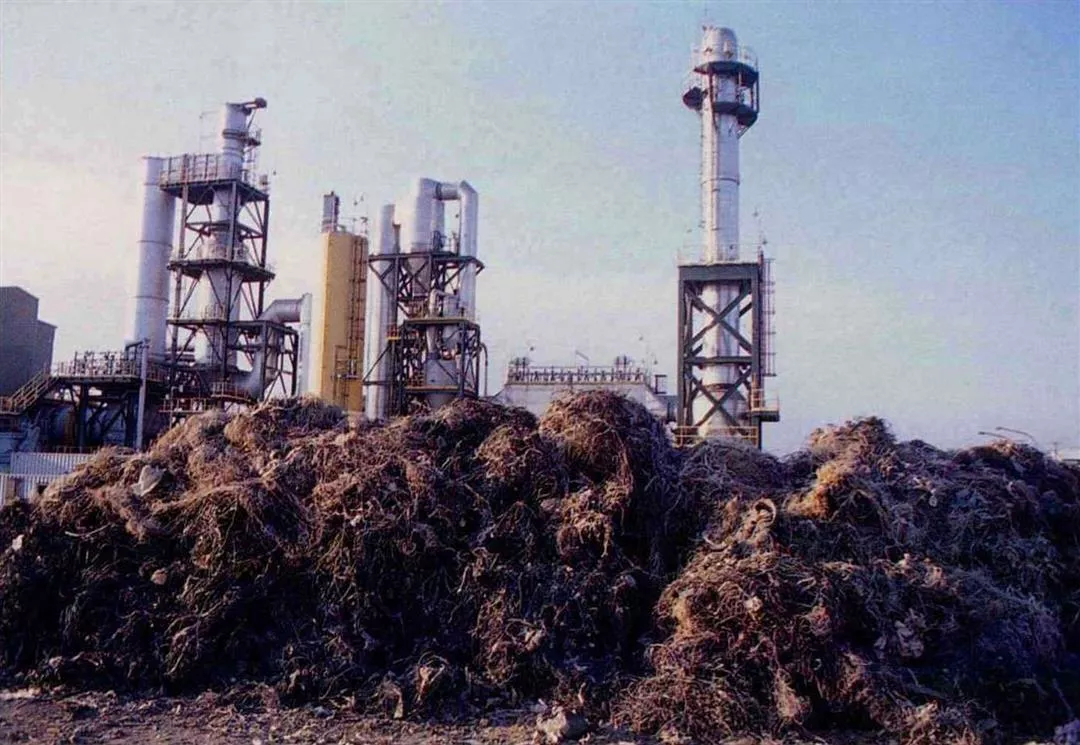
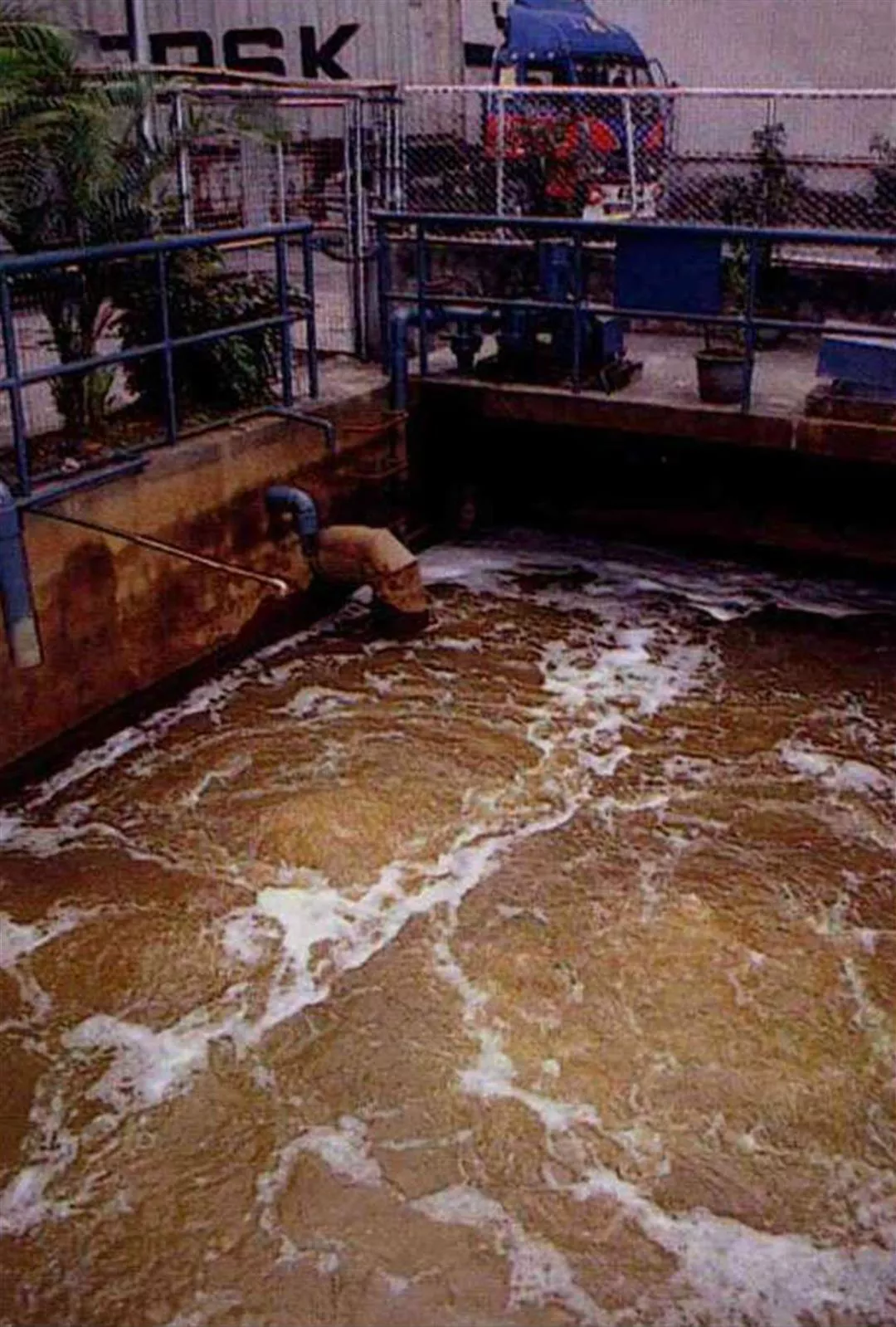
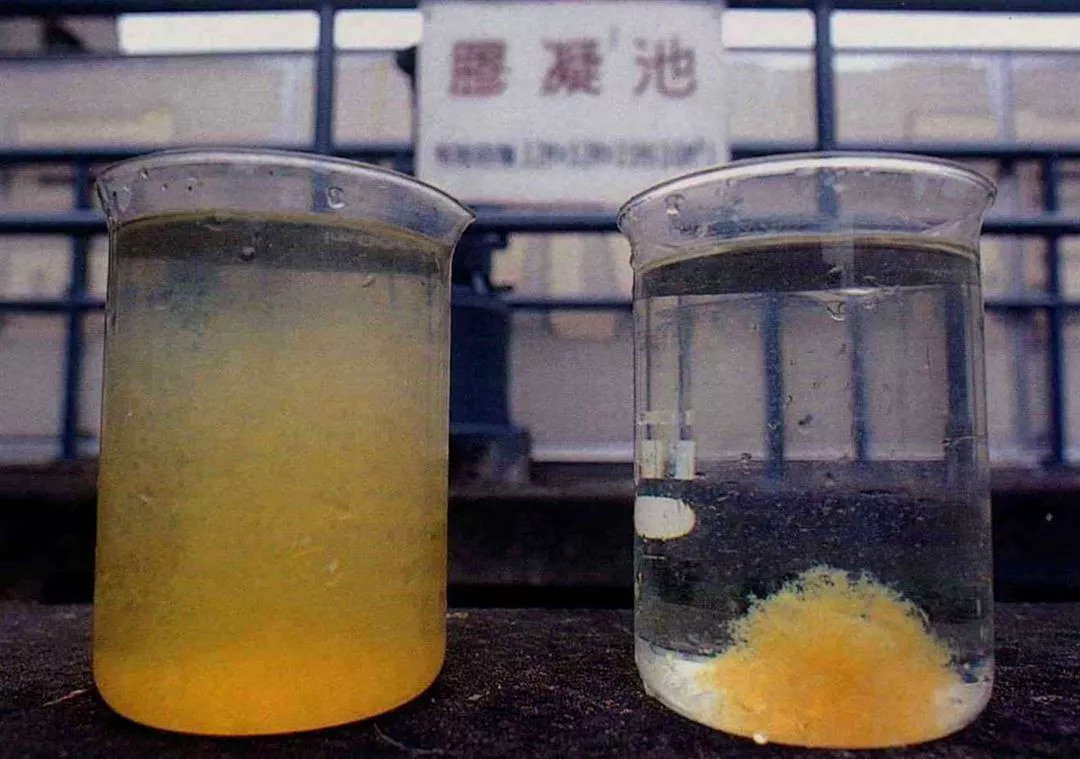
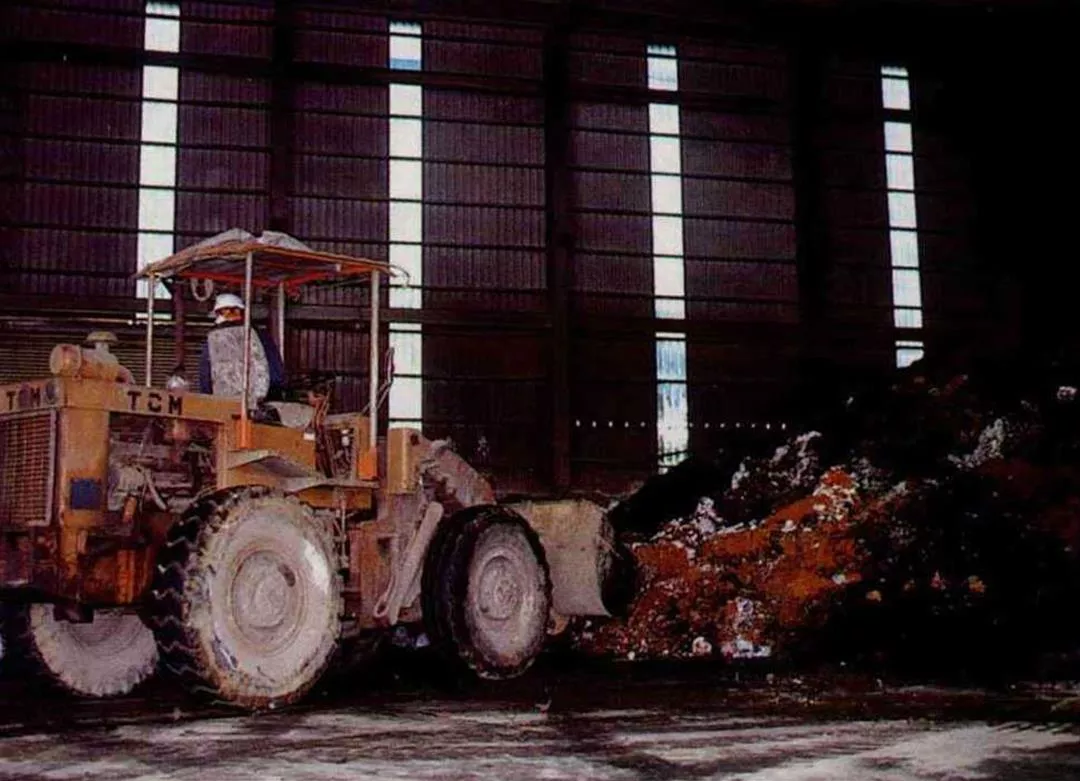
After chemical solvents and heavy metals are separated from effluent by flocculation and settling, the resulting sludge still has to be solidified for final disposal by burial.
Because there are no such scrap processing plants in Taiwan, TMCM can only export "waste." "Those plants require a huge investment. It wouldn't be economic to build one in Taiwan because the amount of scrap to be processed is too small," says Kang. Toxins "emigrate"
"Electrical scrap has value, so at present we only hear of illegal recycling operations, we don't see it being dumped all over the place," says Chen Wei-te, a senior specialist with the Kaohsiung County Bureau of Environmental Protection. But not all hazardous wastes generated by industry are recyclable, and with no adequate intermediate processing or final disposal facilities as yet available, exporting them overseas for disposal becomes an alternative option.
The shipment of hazardous waste across international borders is a practice which has been going on for many years, but it still gives rise to frequent disputes and scandals.
Twenty years ago, a consignment of dioxin-laced soil from Italy was illegally moved into the French countryside, leading to a dispute between the French and Italian governments. But because the parent company of the agrochemicals company responsible was Swiss, the Swiss government shouldered the moral responsibility and had the soil transported into Switzerland.
Similar problems have occurred frequently around the world, and to maintain international justice, in 1989 the "Basel Convention on the Control of Transboundary Movements of Hazardous Wastes and Their Disposal" was passed in Basel, Switzerland under the auspices of the United Nations Environment Programme (UNEP). To date 121 countries have signed the convention.
The Basel Convention explicitly defines hazardous waste and regulates cross-border shipments and disposal. It stresses that primary responsibility for hazardous waste lies with its originator, and stipulates that industrially developed countries must not export hazardous waste to less developed countries.
As environmental standards have risen, the Basel Convention has been repeatedly amended. It lists over 50 types of hazardous waste for which cross-border movements are controlled, and by coordination with the World Customs Organization, new tariff schedule codes have been defined to more effectively control international movements of hazardous waste. The ROC also updates its tariff schedule accordingly.
The Basel Convention is still a work in progress, and the number of signatory countries is increasing. But as long as international controls are imperfect, control of cross-border movements of hazardous wastes relies on individual countries' environmental regulations and on commercial operators' self-discipline. For example, says Wu Wen-chuan, there have been cases in the past of firms in Taiwan attempting to import from Europe and North America hazardous wastes not listed as such under ROC law. But environmental agencies in the other countries took it upon themselves to inform the ROC government, and when asked for further information the firms involved dropped the projects of their own accord.

After chemical solvents and heavy metals are separated from effluent by flocculation and settling, the resulting sludge still has to be solidified for final disposal by burial.
If one has to rely on inadequate laws and companies' own self-discipline, problems are bound to occur. For instance, in the FPG mercury waste affair, the contractor, unable to find an appropriate product category in the tariff schedule, declared the waste as "cement cake." ROC customs failed to prevent the waste being exported, with tragic results. A cloak of legality
Furthermore, the Basel Convention includes no penalty clauses. "In its current form it is toothless," says Hsing Haojan. Hence the convention secretariat is now drafting a section on insurance and indemnity. "Future cases like the FPG incident will not only affect industrialists. Governments too will have to take official responsibility, and this will directly impact countries' reputations and economies," Hsing says.
To avoid Taiwan being drawn into international disputes, and to do our duty as a member of the international community, ROC law urgently needs to be amended to keep up with the advance of international environmental protection measures. The number of facilities within Taiwan for the treatment and disposal of hazardous waste also needs to be increased as quickly as possible.
In fact, because there is nowhere else for hazardous waste to go, under current regulations waste which has been solidified or stabilized, and which passes leaching tests to ensure that there is no danger of toxins escaping, can be buried in segregated areas of city and county sanitary landfills. Environmental engineer Harrison Ku of CTC says that under current conditions this represents a reasonable compromise between cost and safety.
Nonetheless, there are not enough landfill sites in Taiwan where hazardous waste can be buried separately from other waste. According to figures published by the EPA last year, throughout Taiwan there are 139 illegal toxic waste dumps, but only six legal privately owned sanitary landfills.
To make matters worse, in the aftermath of the FPG mercury waste incident deficient management at the few legal sites was also exposed.
Yuntai Waste Disposal Company, which was contracted to dispose of FPG's mercury waste, used its legal status as a cover for illegal practices, fly-tipping the waste at many locations. When this was revealed in the wake of the Cambodian incident, Yuntai's waste disposal license was suspended, reducing Taiwan's six legal waste disposal companies with their own landfill sites by one.
In mid-March, Kaohsiung County chief executive Yu Cheng-hsien arrived in person at the landfill operated by the disposal company Sungsheng with a large retinue of personnel from the county Bureau of Environmental Protection, to carry out a surprise inspection. Sungsheng general manager Li Shih-fang complained bitterly to Yu that cutthroat competition between waste disposal firms and rampant fly-tipping have cut so deeply into legal operators' profit margins that they cannot cover their operating costs.
One environmental engineer says that when negotiating contracts, some unscrupulous operators openly quote two different prices-one for legal disposal and the other for illegal disposal. Meanwhile operators themselves say that customers may haggle down the price for disposing of a ton of waste from NT$9,000 to NT$3,000. Under such circumstances, it is not hard to imagine the quality of disposal which results.

After chemical solvents and heavy metals are separated from effluent by flocculation and settling, the resulting sludge still has to be solidified for final disposal by burial.

For example, it costs FPG NT$6,000 per ton to have mercury waste buried in landfills in Taiwan, but it was only charged NT$3,000 per ton to have it disposed of in Cambodia. If both options are legal, why wouldn't companies choose the cheaper one? Inter-agency enforcement teams
With so much waste chasing such a pitifully small number of disposal facilities, demand far outstrips supply and this would appear to represent an excellent commercial opportunity. But, comments one county environmental agency worker, what with bribe-taking and mafia involvement, and the absence of a sound legal framework, building a NT$100-million disposal facility might require budgeting two or three times that amount to cover the extraneous costs.
Unfair competition reduces the space in which bona fide companies can operate. But one foreign waste disposal operator says it is no good to regard eco-businesses merely as short-term money-earners-one has to be committed to sustainable operation. Although profit margins are very low at present, his company is looking at the market over the next ten years.
Some foreign-invested companies have chosen to diversify their operations to include the recycling of paper, wood and other general industrial wastes. At the same time they hope the government will use its authority to clean up the currently chaotic market.

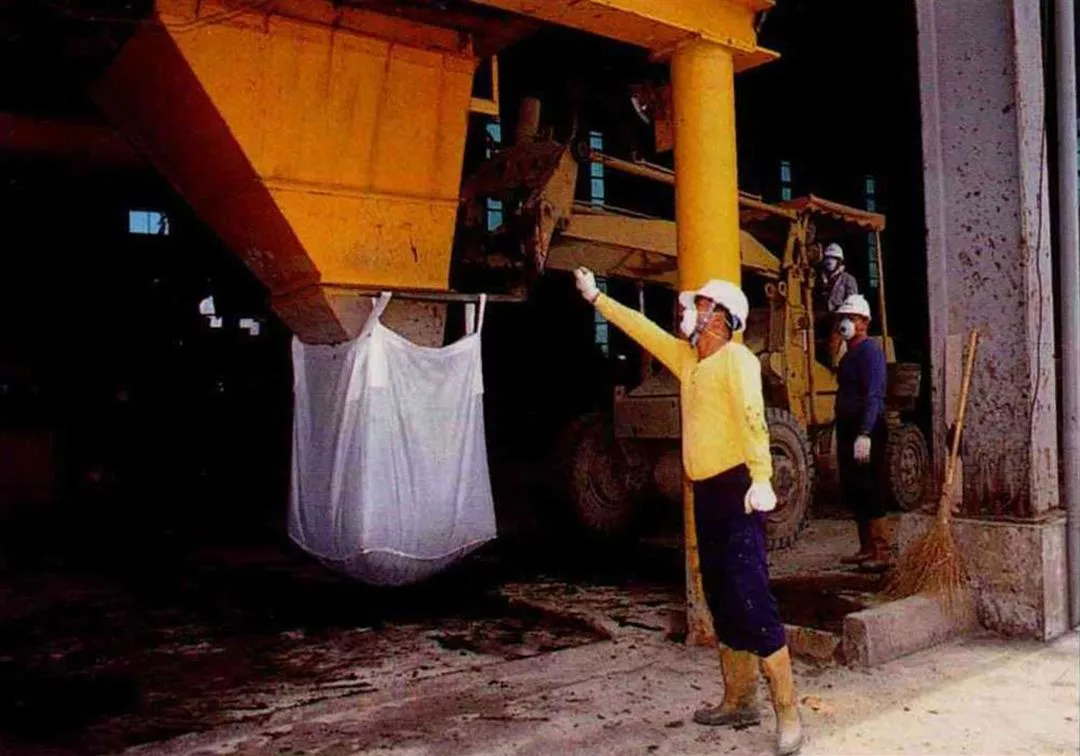
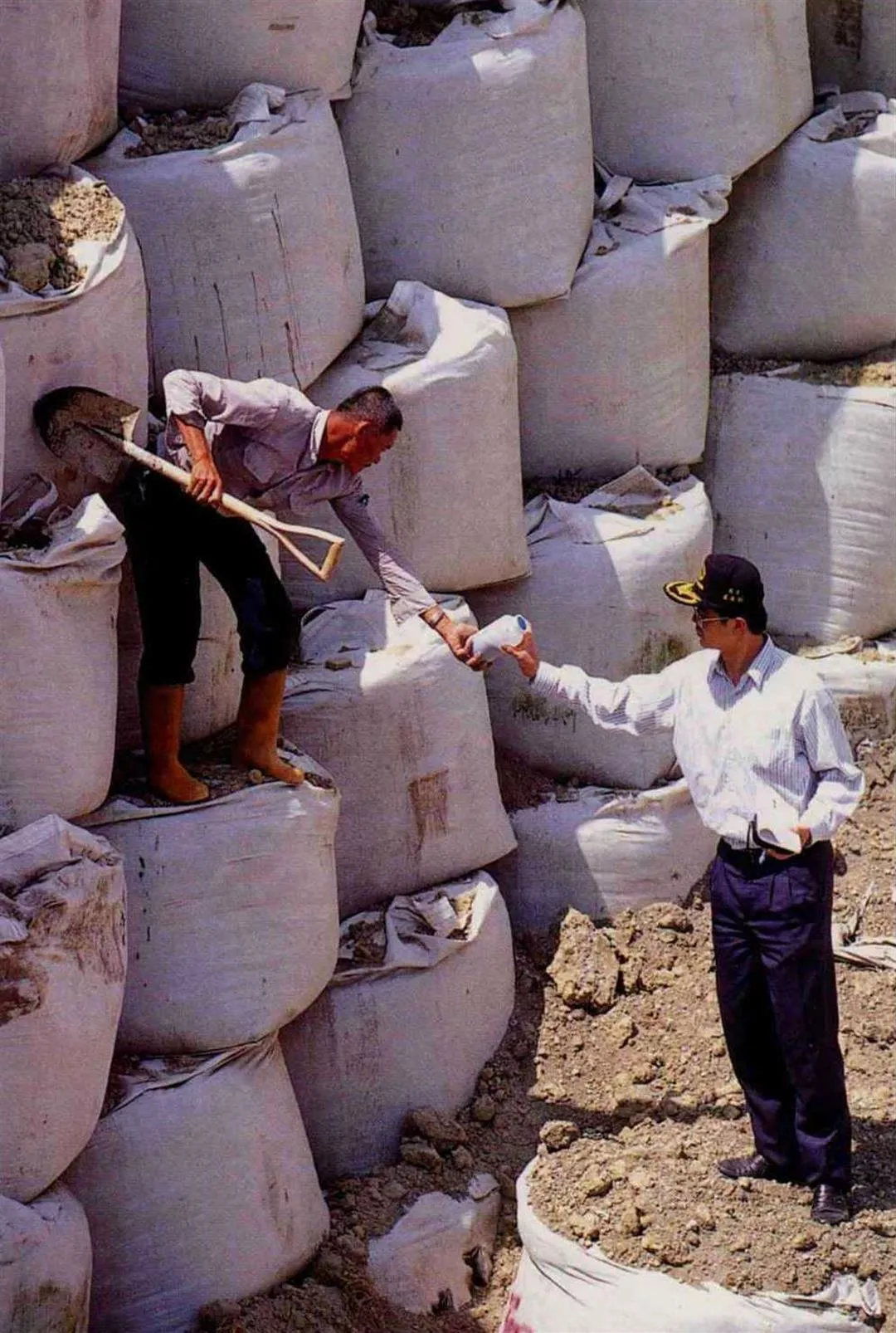
A hardener is added to the sludge, which is put into strong nylon bags for storage. Once fully solidified it must be transported to landfills for burial in segregated areas. Pictured here are Kaohsiung County Bureau of Environmental Protection inspectors taking samples at Sungsheng Waste Disposal Company's landfill. Because environmental protection bureaus throughout Taiwan are understaffed, there are still over 100 illegal landfills which have so far escaped inspection.
At present the government is not only conducting intensive audits of legal operators, but is also setting up combined teams of public prosecutors, police and Investigation Bureau personnel to tackle illegal operators on a case-by-case basis by prosecuting them for a variety of offenses such as illegal occupation of water resource areas or state-owned land, or endangering public safety. At the same time the government urgently needs to reform environmental laws so that people can be prosecuted directly for inappropriate disposal of waste. Establishing environmental standards
The construction of disposal facilities is hampered by many difficulties at the local level. This has prompted the EPA to propose the idea of setting up temporary waste storage centers. The government would arrange for companies to build these centers, in which hazardous waste from all over Taiwan would be stored. Once a certain amount of waste had been accumulated companies could then build disposal facilities in the assurance of having enough business.
However, a spokesperson for one overseas-invested joint-venture waste disposal contractor comments that if permanent homes are to be found for hazardous waste, disposal facilities need to be planned by the government. Simply encouraging the private sector to build them will not produce results quickly enough. For example, in Finland the largest shareholder in waste processing centers is the government. In Taiwan too, the government could consider starting with a state-owned, state-run system, which once the market had matured could go over to a privately run system with a mixture of public and private ownership.
Looking at the situation from the operators' point of view, they have no wish to spend all their time exploiting legal loopholes and challenging public authority either. Harrison Ku, who has frequent contacts with industry, says: "How to dispose of hazardous waste legally is something most entrepreneurs do care about."
Pan Chien-cheng of CTC's Industrial Pollution Control Center says that back when most people didn't even know what pollution was, the center's aim was to demonstrate to industrialists that their factories were indeed generating pollution; once entrepreneurs took this fact on board, the focus of the center's work shifted to persuading firms to purchase pollution control equipment. Now that environmental consciousness is widespread and people are willing to spend this money, the center's task has shifted again to guiding businesses in selecting good-quality equipment which enables them to achieve compliance.
For both government and private industry, says Pan, "Environmental standards progress one step at a time; we can't go backwards." To take the example of mercury waste, up until the 1970s in Taiwan the important industrial chemical sodium hydroxide was produced from brine by the mercury cell process, in which liquid mercury is used as a cathode for electrolysis. For every metric ton of product, some 500 grams of mercury was released into the air and water. Lin Chih-sen, a division chief at the IDB, says that from 1974 onwards the IDB began tightening the standard for mercury emissions, lowering it from 500 grams to 30 grams over five years. Finally, in August 1989, mercury cell electrolysis was completely eliminated from the production process. "So far, the only countries in the world which have managed to reduce the number of mercury cells to zero are the ROC and Japan," says Lin.
However, how to dispose of the large quantities of mercury waste produced in the past is a big headache for manufacturers. For instance, FPG had hoped to dispose of its waste properly, and with no other options available had stored it at its Jenwu Plant for nearly 20 years.
The Electronic Materials Division of FPG subsidiary Nan Ya Plastics also has a toxic sludge problem. Huang Chao-chin, an assistant manager at Sungsheng Waste Disposal, says that as one of Sungsheng's customers Nan Ya does not simply hand over this waste to Sungsheng-the company frequently sends personnel to monitor how it is being disposed of.

A hardener is added to the sludge, which is put into strong nylon bags for storage. Once fully solidified it must be transported to landfills for burial in segregated areas. Pictured here are Kaohsiung County Bureau of Environmental Protection inspectors taking samples at Sungsheng Waste Disposal Company's landfill. Because environmental protection bureaus throughout Taiwan are understaffed, there are still over 100 illegal landfills which have so far escaped inspection.
Tony Kang of TMCM also says that Taiwan Semiconductor used to send staff all the way from Hsinchu to Kaohsiung every six months to inspect TMCM's operations; only after they were sure their waste was being disposed of properly did they go over to annual inspections. Entrepreneurs' responsibilities
As a state-run enterprise, Taiwan Power Company (TaiPower) is also very careful about the disposal of sensitive wastes.
In December 1978 there was a PCB (polychlorinated biphenyl) poisoning incident in Taiwan, and around that time the use of PCBs began to be phased out worldwide. Because TaiPower used large numbers of capacitors and transformers containing PCBs it came under pressure from both the Control Yuan and the EPA. Only a few companies worldwide were equipped to handle PCBs, so TaiPower began to carefully assess the options for overseas disposal. While it prepared to put the disposal contract out to tender, it had all its equipment containing PCBs sealed in large nylon bags and put into centralized storage.
"Planning beforehand was important, and monitoring afterwards was even more important. If anything had gone wrong, it would not only have harmed the environment, but would also have damaged TaiPower's image," says Paul Lee, chief of the Pollution Control Division at TaiPower's Environmental Protection Department. Lee says that after completing the tendering process and deciding to ship the equipment to France for processing and disposal, TaiPower actively participated in the whole removal and transport process, including escorting vehicles, monitoring the work in Taiwan and even sending personnel to meet the ships at ports of call during their voyage. To ensure that the disposal company fully discharged its responsibilities, the contract explicitly provided for staged payments, and each time the contractor invoiced TaiPower it had to append copies of the export and import licenses and customs certificates for each capacitor, along with proof of them having been received by the final disposal site, and certificates of insurance for such risks as back freight, health and safety at work and the entire transport process.

A hardener is added to the sludge, which is put into strong nylon bags for storage. Once fully solidified it must be transported to landfills for burial in segregated areas. Pictured here are Kaohsiung County Bureau of Environmental Protection inspectors taking samples at Sungsheng Waste Disposal Company's landfill. Because environmental protection bureaus throughout Taiwan are understaffed, there are still over 100 illegal landfills which have so far escaped inspection.
"Wastes are produced by factories, after all. Most people don't lay the blame for the mercury waste affair at the door of the refuse disposal company-they put it straight on Formosa Plastics," says Paul Lee. Eco-business
With the trend towards environmentalism, it is no longer enough for businesses merely to seek to comply with the letter of the law. The current international promotion of ISO 14000 series accreditation is a force pushing companies to take responsibility for environmental management. Today almost 300 companies in Taiwan from various industries have ISO 14000 accreditation.
For example, Matsushita Electric (Taiwan) received its accreditation in May 1997. As well as building its own treatment plant for effluent contaminated with chemical solvents from the coating processes used for its domestic appliances, the company is also promoting a high level of recyclability in all its products. By incorporating green concepts into product design, Matsushita strives to make every component in its appliances recyclable. In other words, from the very beginning of the product cycle, in both product and process design, they start thinking about how to reduce waste. "Things which were once considered waste now become exploitable resources," says Chang Mao-chi, who heads Matsushita Taiwan's Environmental Protection Promotion Office.
In the next century, green production and green consumption will be mainstream concepts. By shouldering its responsibilities, industry can not only reduce environmental damage but also increase its profits and competitiveness. But to prevent further degradation of the environment, the government too needs to act by urgently solving the existing waste problems, swiftly amending and strictly enforcing the relevant laws, and educating the public on environmental issues.

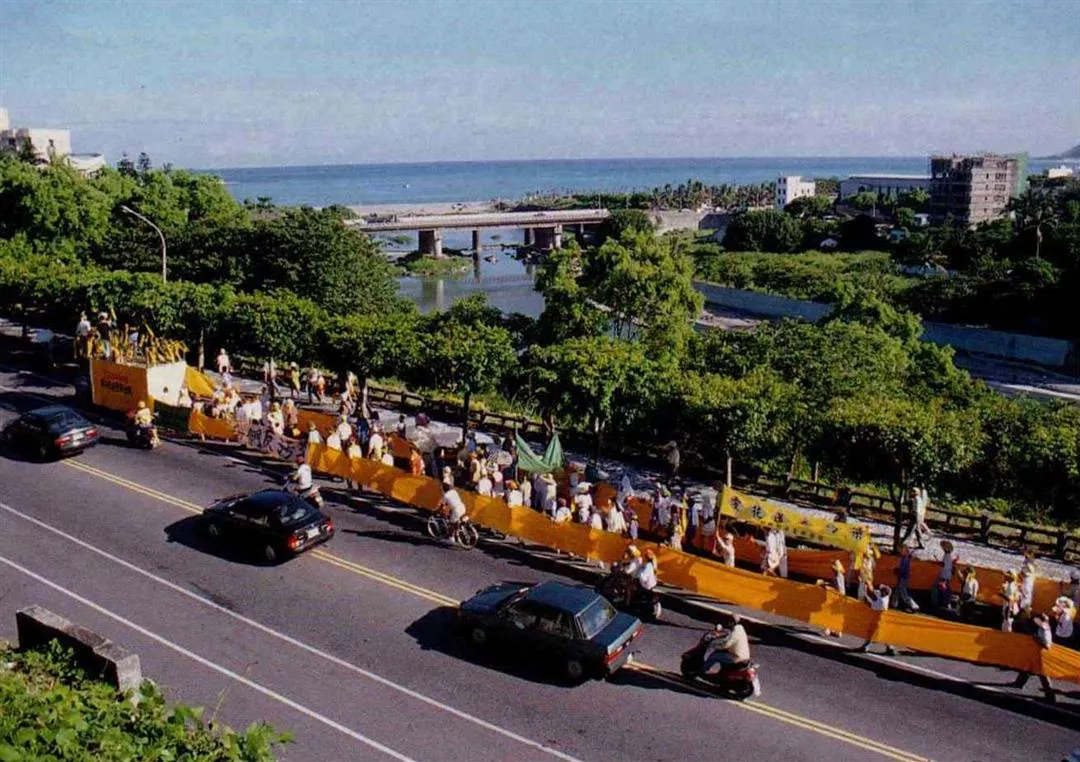
Citizens take to the streets to warn industry and government to take environmental pollution seriously. They fear that the natural environment we can still enjoy today will be sacrificed to economic growth and the pursuit of profit.