Hsing Tien-cheng--The Solitary Eagle
Gypsy Chang / photos Chien Yun-ping / tr. by Peter Hill
October 1986


Among mountain climbers on Taiwan there are the so-called "four kings," four men who years ago opened up new trails in the mountains, and in the process added a chapter to the history of mountain climbing on the island. Among them, Hsing Tien-cheng was the only one to climb every one of the island's 20O-plus mountains over 3000 meters high, and was the first person to climb over 100 of them. It was achievements such as these that earned him the title "the mountain climbing tiger." However, Hsing is respected for more than just his mountain climbing achievements.
Because Hsing grew up on the plains of Hopei Province, he became a mountain climber rather late in life. In the countryside around Peking he could, at most, catch the shadows of the mountains in the distance on a clear day. He would often ride his bicycle as far across the countryside as he could, and then let his imagination take him the rest of the way to the top of the far-away mountain peaks.
During the Second World War he left his home, and while crossing the country passed through Mount Li near Hsi'An. But, it was not until after he arrived on Taiwan that he began to climb in earnest. After finding a job with the Taiwan Provincial Food Bureau, he started taking part in the local mountain climbing association's climbs. The year was 1956, and he was 47 years old.
At the time, Taiwan's mountainous areas were largely virgin territory. During the Japanese occupation, the Japanese army surveyed the island's mountain roads, but many of them were already long overgrown with brambles and wild grass. In addition, the paths used by the aboriginals on their hunts were not suitable for climbers, especially with the primitive equipment available to them at the time. As a result, climbing was a matter of going step by step through dense forests, and up unknown ridges, so most climbers limited themselves to familiar mountains like Yushan and Hsuehshan.
Hsing, however, was not satisfied with this. Becoming acquainted with two other climbers, Lin Wen-an and Tsai Ching-chang, he adopted their policy of making themselves "the peak of every mountain we climb." Together, the three of them hacked out many of the first climbing trails on the island.
Hsing never came across as a typical climber. Says Lin Liang-fu, one the experts of Taiwan's new generation of climbers, of his first impression of Hsing: "He didn't seem like an expert climber. He walked sluggishly on flat ground, and I thought he'd be the same going uphill." But when they climbed together for the first time, Hsing's expertise became apparent. To test the elder climber, Lin walked very quickly, and ended up leaving him behind. But every time he stopped to rest, Hsing would catch up with him again. "His endurance and fortitude were incredible," says Lin.
One of the "four kings," Ting Tung-san, recalls Hsing's typical northern character: simple in his habits, able to get by for long periods on dried foods; careful and steady; a stable, disciplined climber. In short, a perfect climbing partner.
Hsing often climbed alone. Having no family or relatives on Taiwan, he spent most of his time away from work in the mountains. His close climbing companions usually had time for only a couple of climbs per year; the rest of the time, he would, at most, take an aboriginal along with him on his searches for new climbing routes. In this way he became the leader in opening up new mountain trails on the island.
Doing this in areas never before travelled, without detailed maps, often meant groping like a blind man through seas of bamboo and dense underbrush. At times, unable for days to find water sources, he had to quench his thirst with dew; at other times, after spending a night on a precipice, he was unable to find a passable route and was forced to turn back. In other words, it was climbing of a very difficult order.
In 1963, he and an aboriginal named Chuan Chao-chin tackled the northern ridge of 3600-meter-high Mount Pingfeng. Though not the first to make the climb, they were the first to try it over the ridge's 500-meter-high northern precipice. After two days of climbing, their hands stained with blood, they made it to the top of the crag. Even such strenuous climbs, however, never fazed Hsing. He often spent a week or two at a time in the mountains, and spent many of his holidays there, making company with the wind, the rain, and the stars.
Such a life made him a climbing legend in the eyes of local climbers, who usually heard nothing more of him than "Hsing Tien-cheng has returned," or "Hsing has gone back into the mountains." The trails he opened are now many of the island's most popular climbing routes; and those which are considered too dangerous for most climbers only add to the respect they feel for him.
And yet neither his accomplishments nor the respect accorded him has brought conceit to Hsing. As he sees it, "for a true mountain climber, only the heights and the solitude matter. Being faced with an unclimbable crag, or caught in a raging storm, has made me very aware of how small and weak I am, and of how little I know of this vast world."
In fact, his climbing experience has made him a student of many fields of learning. Visitors to his home may find it hard to believe that it is the residence of a man who has spent a large part of his life in the wilds. Besides various magazines and journals related to climbing, books on geography, geology, meteorology, and biology, as well as literary and philosophical classics, crowd the bookcases in the equally crowded apartment. Because of family circumstances, Hsing read mostly on his own as a child, and later gave up his studies at the Peking Teacher's School so that his younger brother could study there. Yet he has never stopped his pursuit of learning, and, consequently, not only has a learned grasp of poetry, but is also an accomplished essayist in his own right.
On his climbs, he often recorded what he saw, and researched what he had seen but didn't understand when he returned home; thus, in time he came to know the plants and animals of the mountains like he knew himself. He never rushed his climbs, but instead always took the time to collect materials as he went along. Later, he shared his knowledge with other climbers by writing articles for magazines.
"Many climbers," he says, "get lost on their way back because they haven't paid enough attention to where they're going. The birds, plants, trees, insects, and fish you come across are all worth taking a close look at. Otherwise, you're just wasting your time." Besides his writings, Hsing has made another major contribution to mountain climbing on Taiwan, in the form of the many maps he has drafted. His maps have not only been invaluable tools for both experienced and younger climbers, but have contributed to the popularity of climbing on the island.
Says Lin Liang-fu: "We respect Hsing not only for what he has done for mountain climbing, but also for his disregard of wealth and fame, and for his concern in passing on what he has learned. That is what makes him a paragon for younger climbers."
Hsing answers other climbers' praise of his achievements with a simple "That's all in the past." The days he spent like a solitary eagle in the mountains are, perhaps, slowly fading into the past; but in the eyes of climbers he will always stand on the highest peak.
[Picture Caption]
How many pairs of mountain climbing boots can one pair of feet wear out? In 20 years of climbing, Hsing has gone through ten pairs.
Although there was already an open trail up Mount Chilai's northern precipice, Hsing made it to the top over the rocky crag on the right. (photo by Li Hs'i-sheng)
(Above right) The "four kings," from left: Ting Tung-san, Lin Wen-an, Tsai Ching- chang, Hsing Tien-cheng.
(Below right) The two most numerous things in Hsing's home: books, and banners presented to him by mountain climbing societies. (courtesy Outdoor Life)
Hsing and his climbing partner Ting Tung-san were the first to climb the tall, steep Central Peak. (photo by Li Hs'i-sheng)
"What one man sows, another shall reap." Areas like this were once inaccessible to climbers--until men like Hsing Tien-cheng opened them up. (photo by Li Hs'i-sheng)
(Right) Despite his age, Hsing, in the eyes of Taiwan's mountain climbers, still stands on the highest peak.
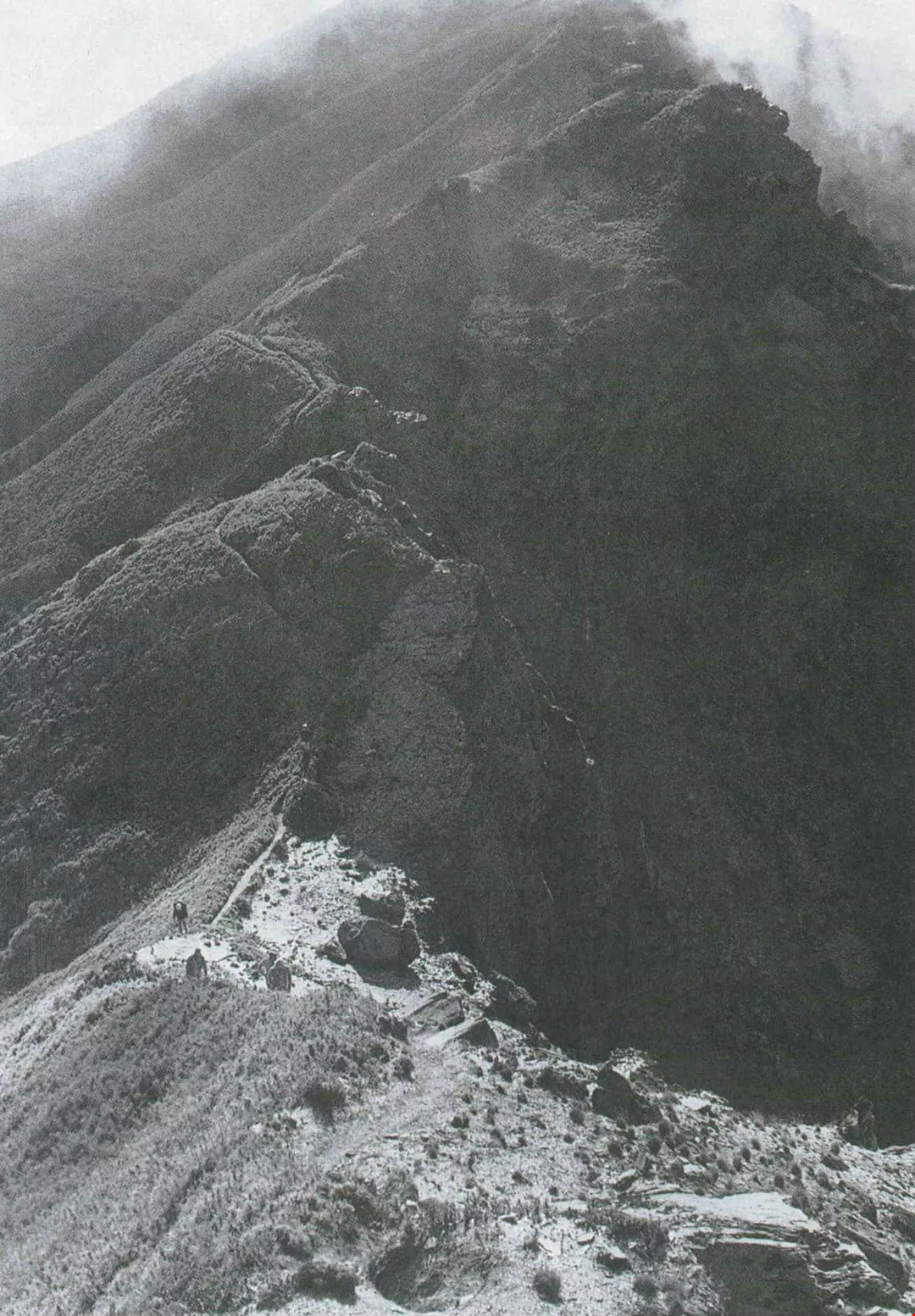
Although there was already an open trail up Mount Chilai's northern precipice, Hsing made it to the top over the rocky crag on the right. (photo by Li Hs'i-sheng)
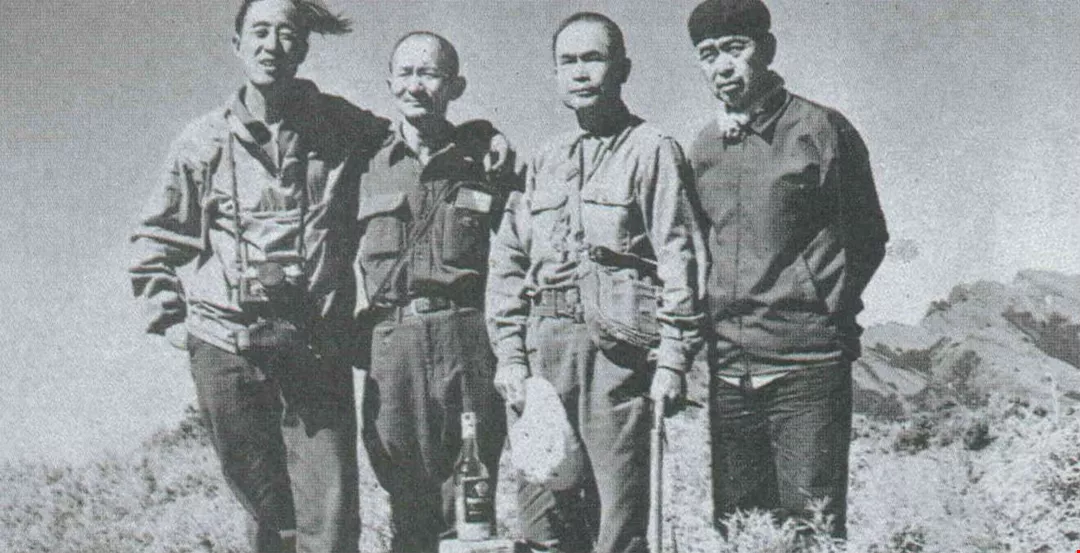
(Above right) The "four kings," from left: Ting Tung-san, Lin Wen-an, Tsai Ching- chang, Hsing Tien-cheng.
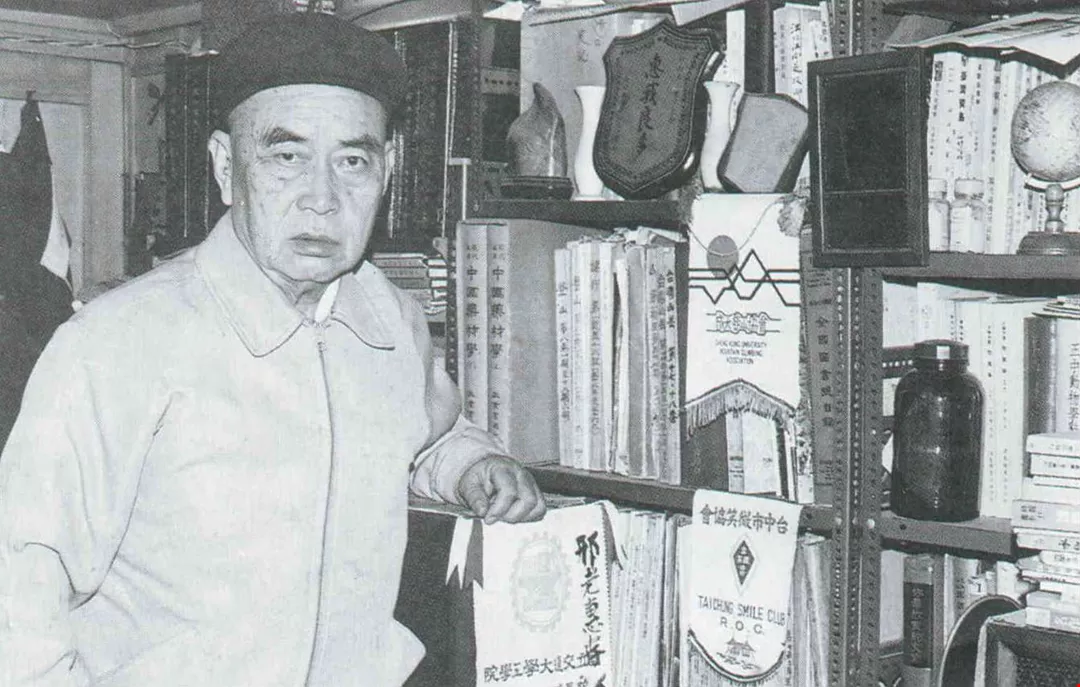
(Below right) The two most numerous things in Hsing's home: books, and banners presented to him by mountain climbing societies. (courtesy Outdoor Life)
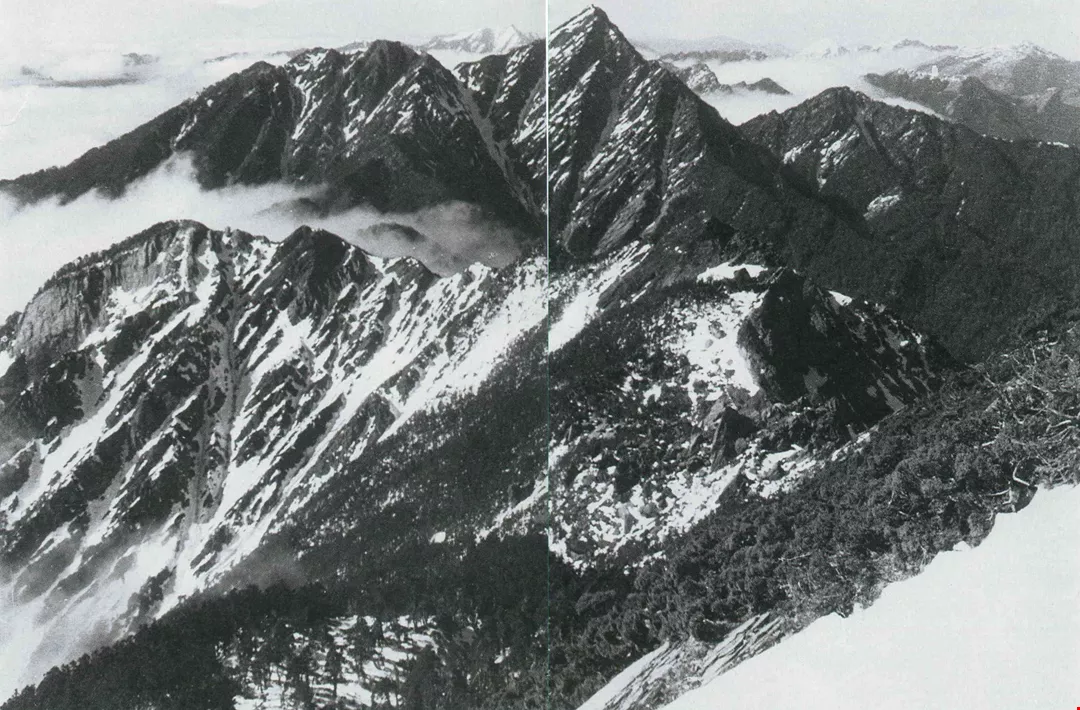
Hsing and his climbing partner Ting Tung-san were the first to climb the tall, steep Central Peak. (photo by Li Hs'i-sheng)
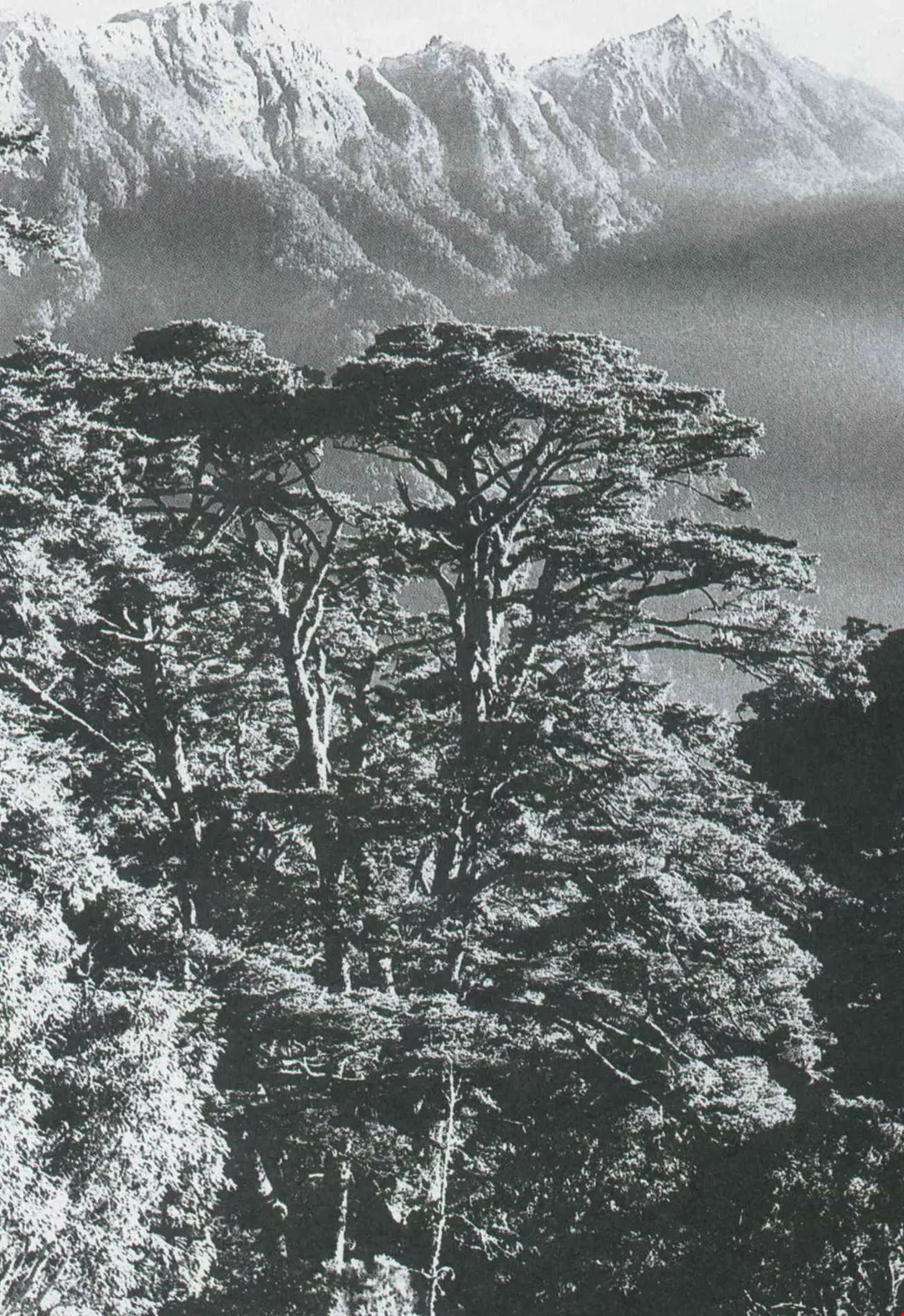
"What one man sows, another shall reap." Areas like this were once inaccessible to climbers--until men like Hsing Tien-cheng opened them up. (photo by Li Hs'i-sheng)
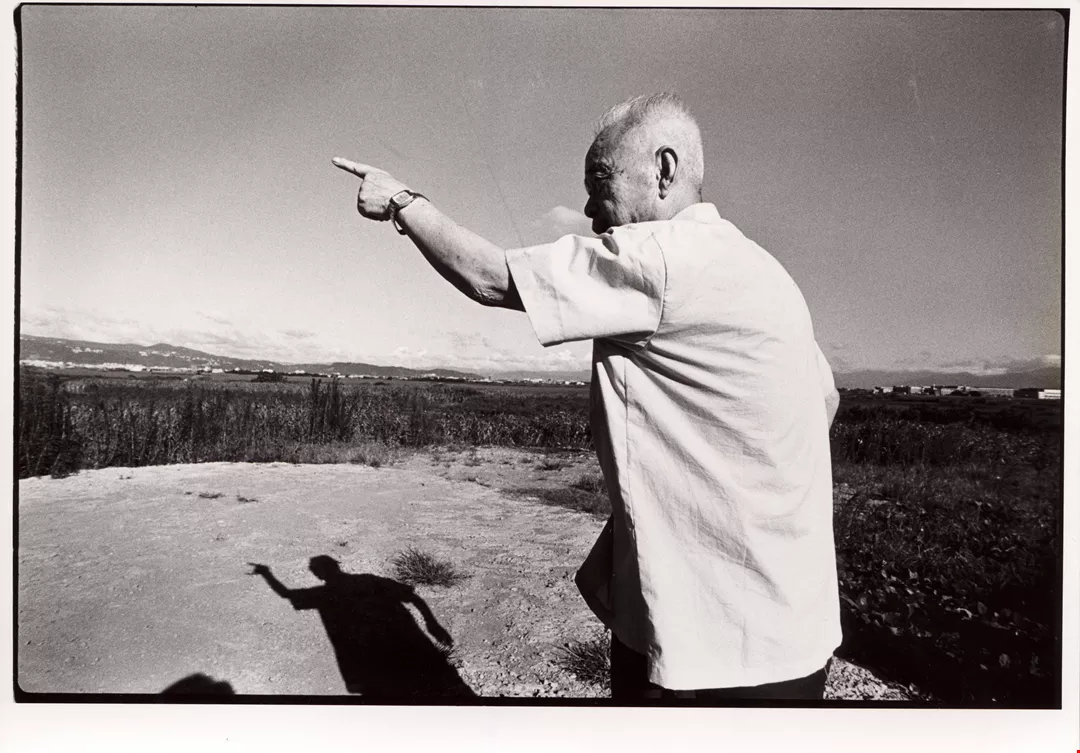
(Right) Despite his age, Hsing, in the eyes of Taiwan's mountain climbers, still stands on the highest peak.

@List.jpg?w=522&h=410&mode=crop&format=webp&quality=80)

@List.jpg?w=522&h=410&mode=crop&format=webp&quality=80)


