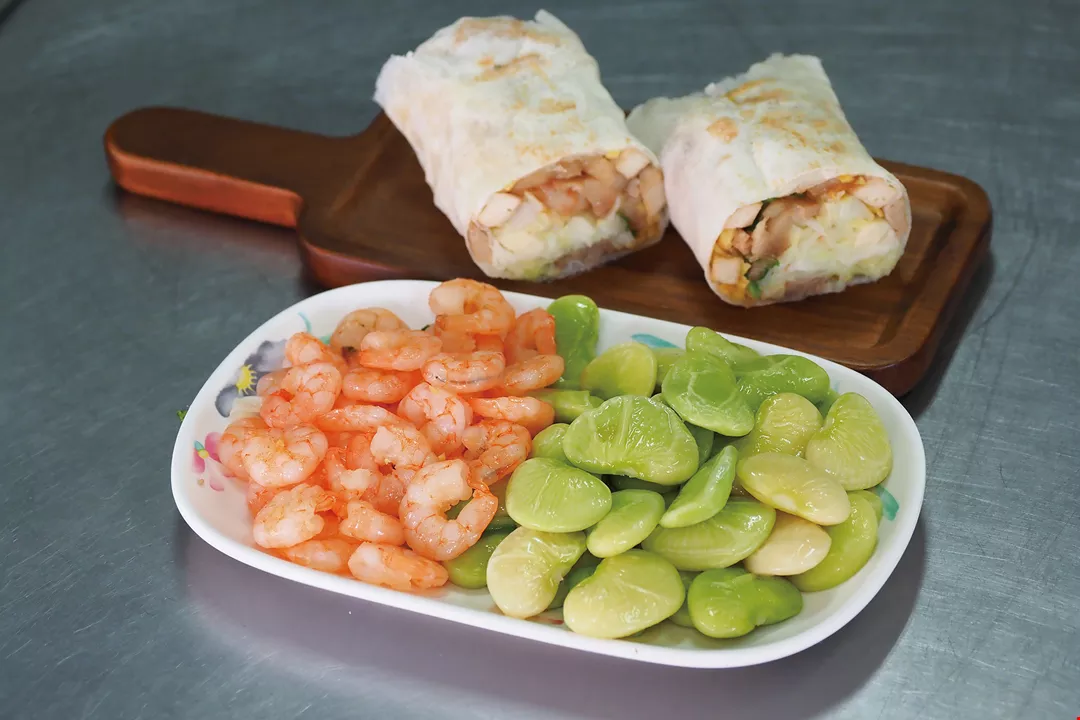
Local ingredients
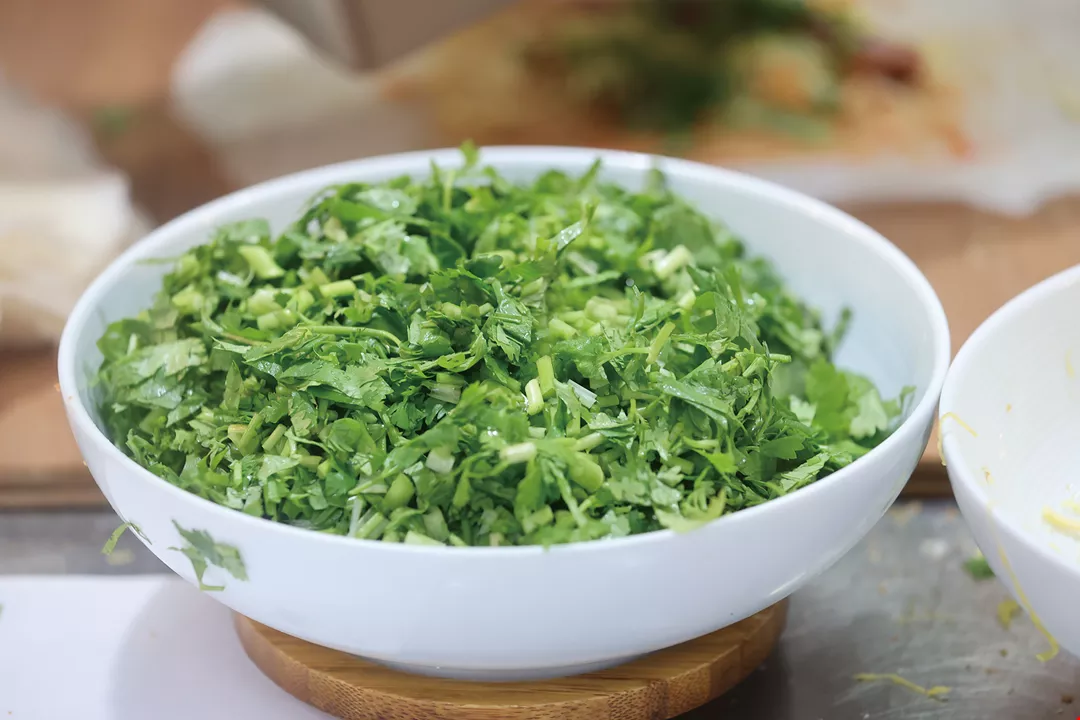
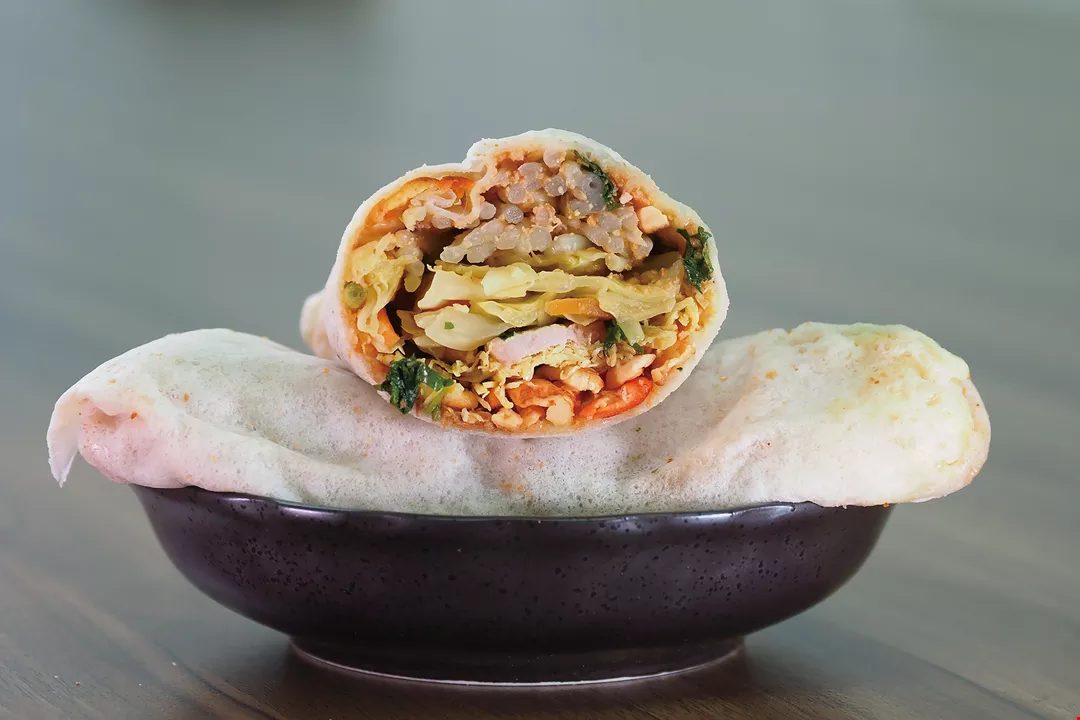
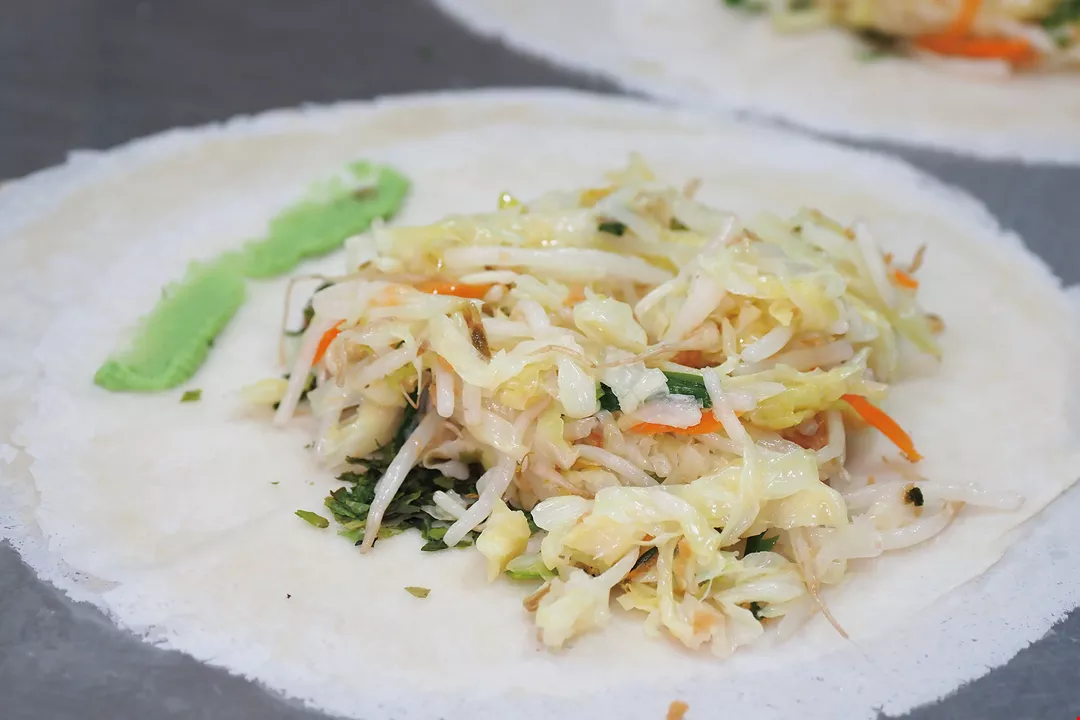
Migrations and differences in local products have given rise to different versions of popiah. Chen says that the Taiwanese practice of sprinkling nori inside popiah grew out of the Xiamen practice of adding branched string lettuce. Japan’s influence during its rule over Taiwan also increased local acceptance of nori.
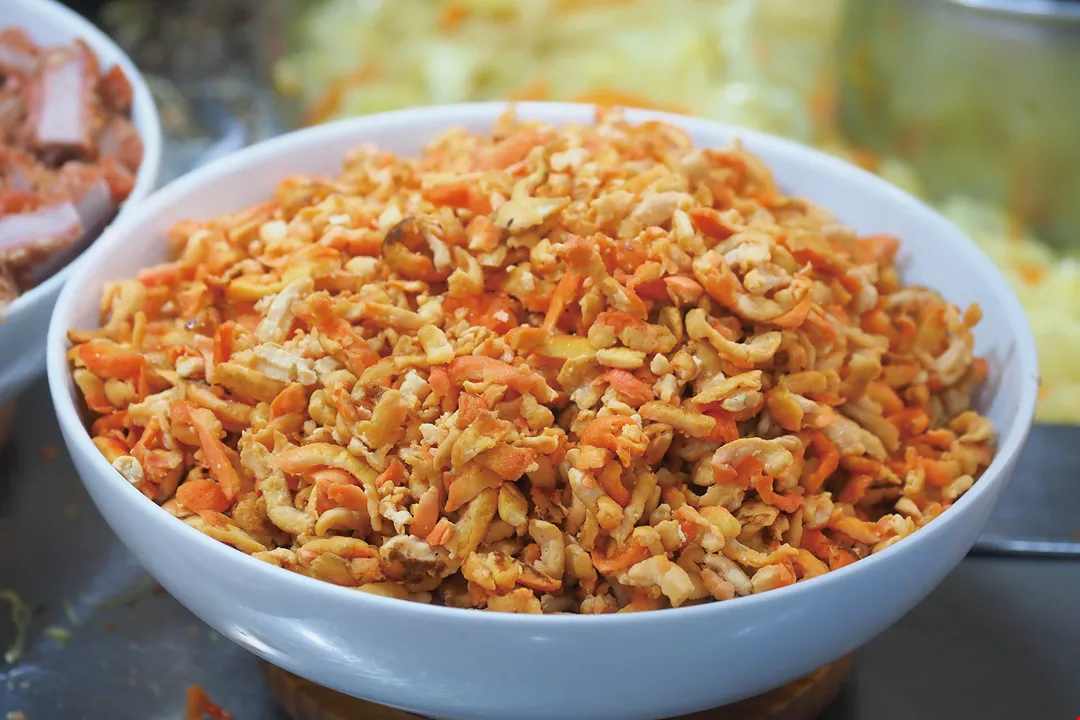
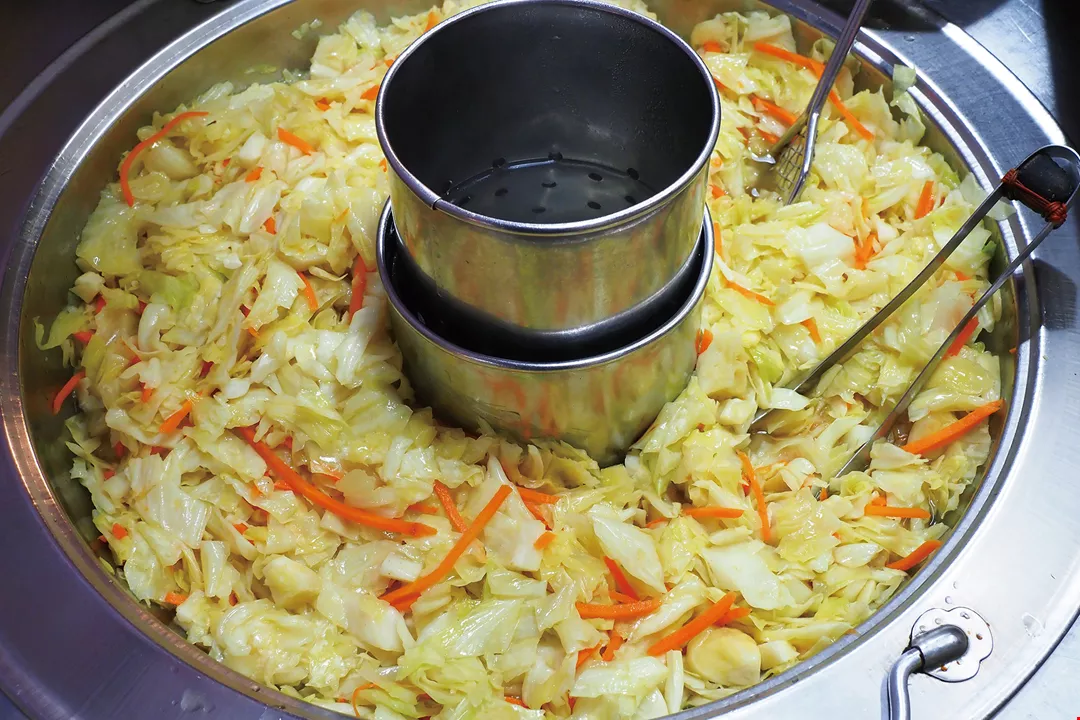
Some areas have very distinctive takes on popiah. For example, Chen says that in Quanzhou, the filling is nearly half carrot! In Xiamen, cooks add snow peas to give popiah more crunch—fussier chefs slice them into very fine strips—and dress up the modern version with fried breaded oysters.
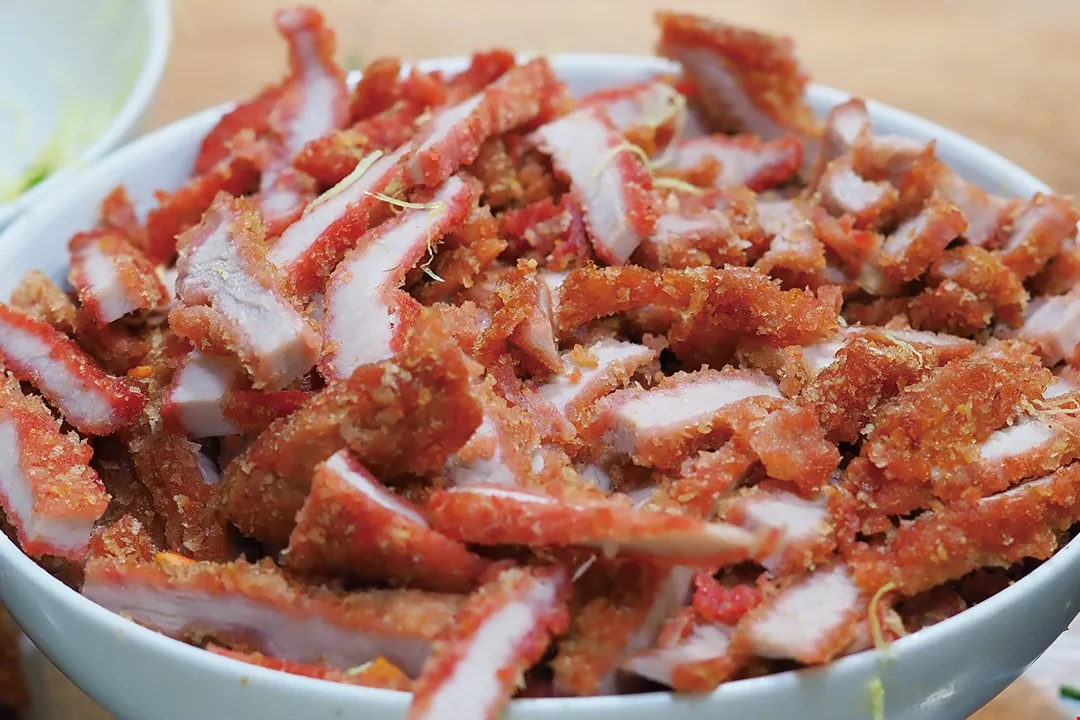
In Fuzhou, popiah include red-vinasse pork and so many beansprouts that these are considered the main ingredient.
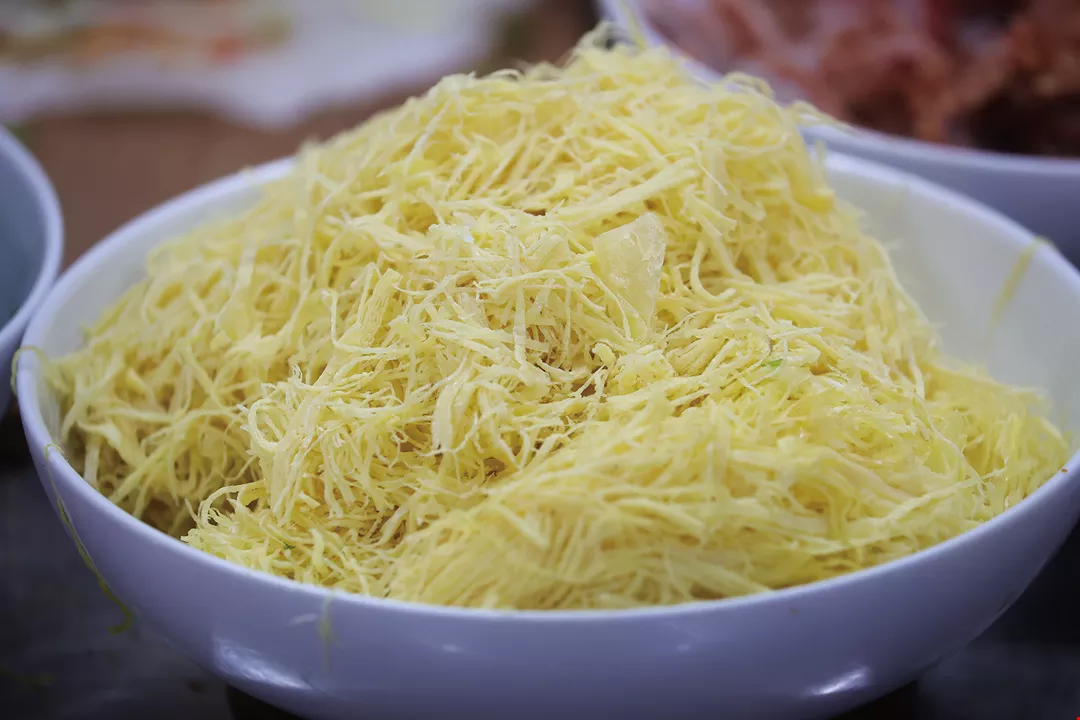
Taiwanese popiah contain deep-fried egg floss, which reduces the astringency of veggie-loaded rolls. Chen, who just published her second book on Malaysian cuisine this year, says that ethnic Chinese in Malacca add pork crackling to their popiah for the same reason.
“I think Penang’s nyonya pie tee are especially interesting,” says Chen. According to Malaysian author Lin Jin-cheng, nyonya pie tee are a variation on popiah.
Chen adds that Indonesian popiah—also known as lumpia—are distinguished by the garnishes served with them—sweet sauce, small chilies, pearl onions, minced garlic—and that Javanese are especially fond of sweet flavors.
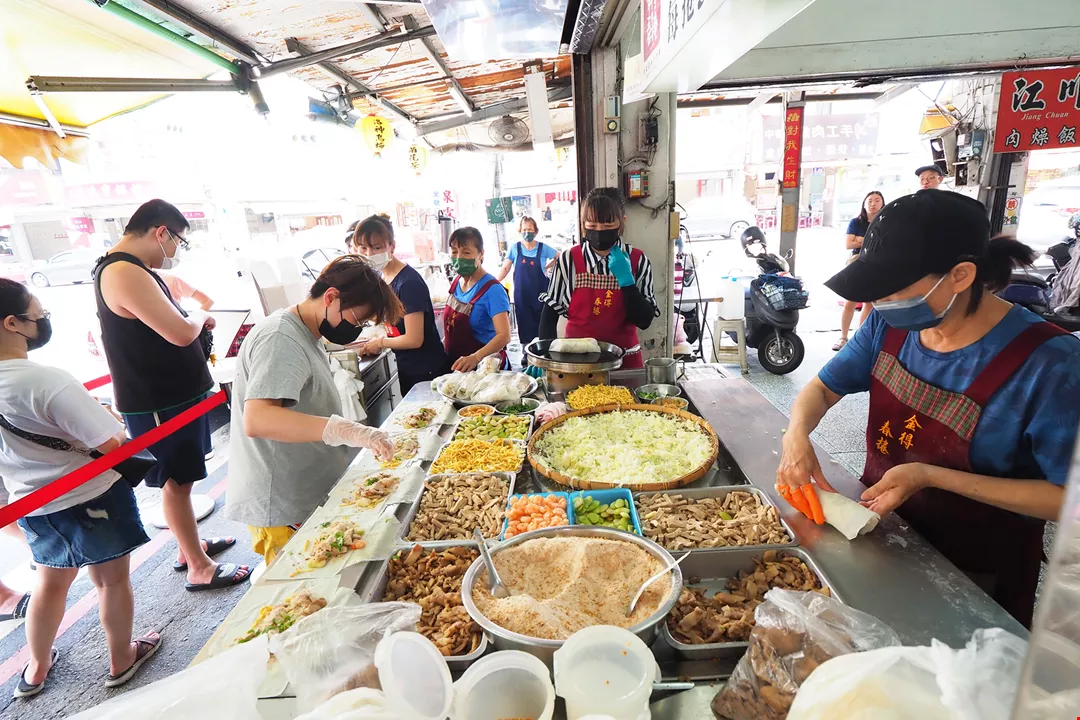
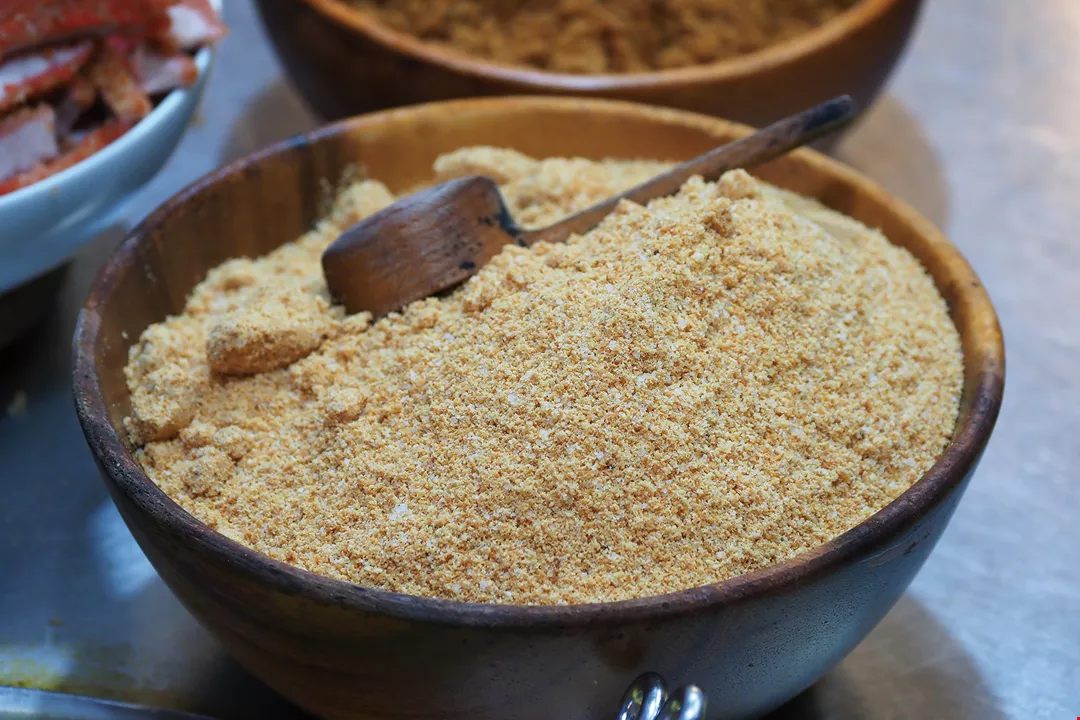
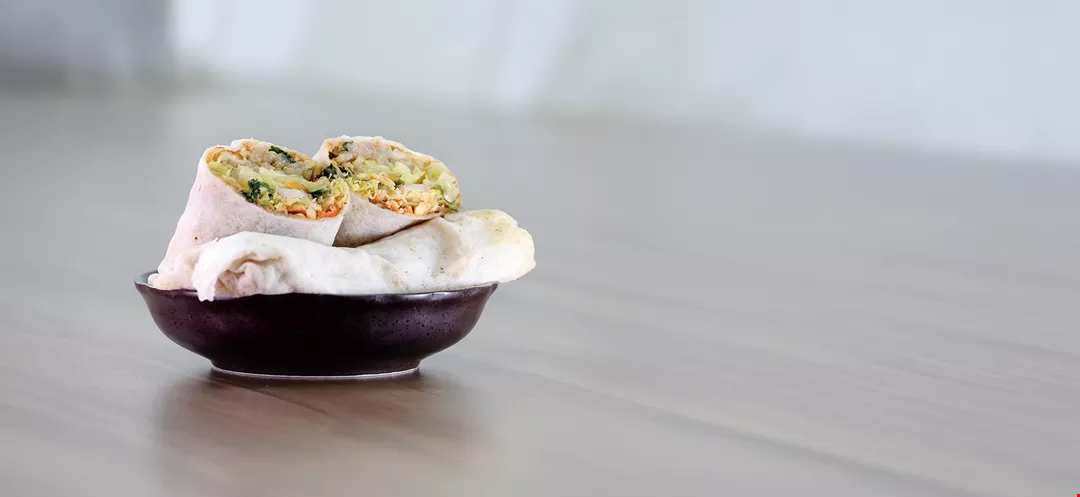
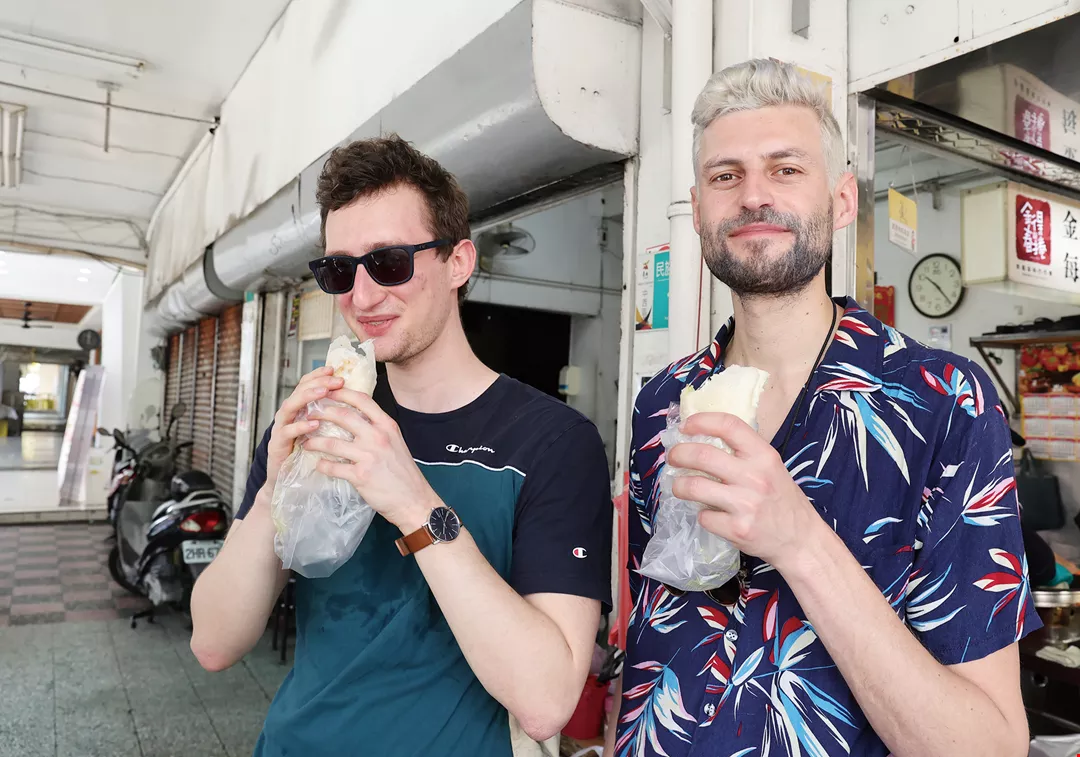
Tainan’s Kintoku Spring Rolls allows patrons to customize the amounts of sugar and other flavorings in their popiah.
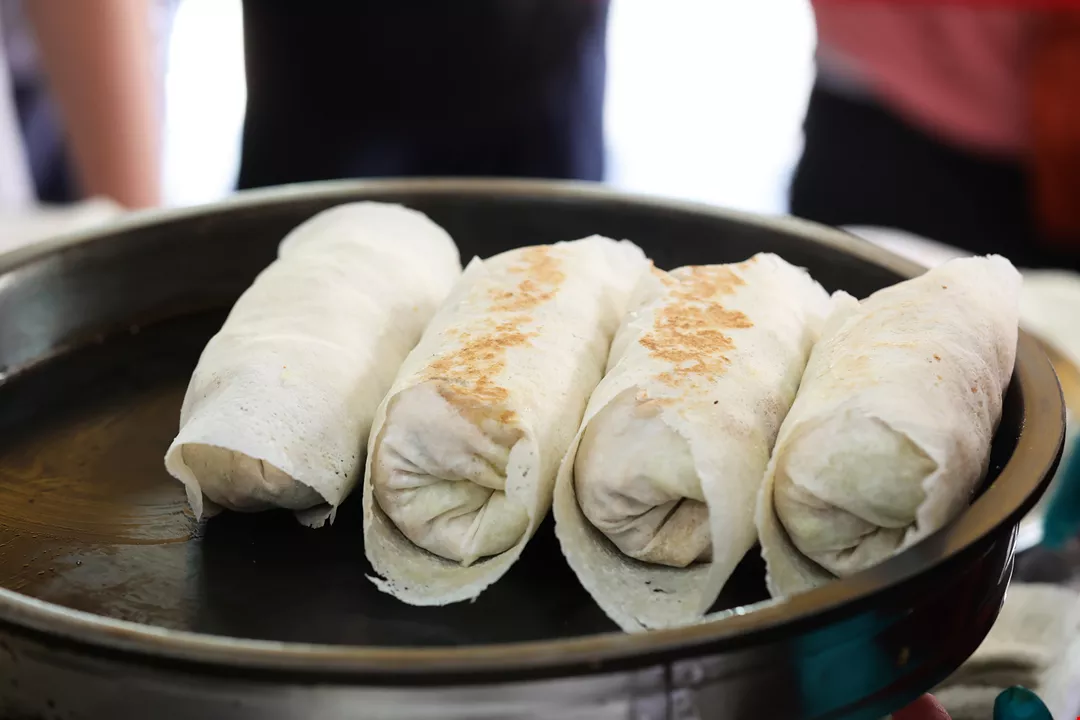
Kintoku’s spring rolls have two crispy “wings” that take the flavor to another level.