

The Pescadore Islands constitute the smallest county in Taiwan Province. The group's 64 islands, located in the Taiwan Straits between Taiwan and the mainland Chinese coastal province of Fukien, have a total area of only 126 square kilometers, and a population of more than 100,000. The Tropic of Cancer runs through Hu Ching Island in the center of the group.
Their strategic location between Taiwan and mainland China has made them important to seafarers throughout the ages. The name in Chinese, Penghu, means Lake Peng. Since there are no lakes in the Pescadores, the most likely explanation for the name is that the harbor in the capital of Makung, is as calm as a lake even in stormy weather. This perhaps explains why an earlier name for the Pescadores was Pinghu or Calm Lake.
The Pescadores have played an important role in the history of Taiwan. When, in imperial times, Chinese navigators set sail for Taiwan and places beyond, they arrived first in the Pescadores. The first Chinese landed in the islands four centuries before they discovered Taiwan.
The earliest written records of the Pescadores date back to the official history of the Sui Dynasty (581 to 618 A.D.) which mentions that the islands were already inhabited. In the middle of the Tang Dynasty (618 to 909 A.D.) the first Chinese immigrants arrived. In the 11th century a local gazette mentions that the Pescadores belonged to Chiang County, though it was not until 1281 A.D. that a Fukien province official was dispatched to the group. During the Ming Dynasty (1368-1644) an emperor ordered all the residents to relocate to Fukien province. After that, the islands became a base for pirates and a target for Dutch merchants intent on opening up trade with China.
The Dutch captured the Pescadores in 1622 and built a fort there. Two years later, they abandoned the islands and retreated to the southern part of Taiwan. After the anti- Manchu hero, Koxinga, defeated and expelled the Dutch in 1662, the Pescadores reverted to Chinese sovereignty, and became the gateway to Taiwan.
After the defeat of China in the Sino-Japanese War of 1895, the Pescadores and Taiwan were ceded to the Japanese who retained them as a colony until their defeat in the Second World War. The territory was finally returned to the government of the Republic of China after the war.
Although the natural resources of the Pescadores are meager, and the weather is harsh, the islands are now no longer the barren outpost they were in imperial times.
The Pescadores are noted for their "three haves and three have-nots". The haves are: Wind, fishermen and women. The have-nots include: Trees, rain and water. This saying is close to the truth.
The most important industries in the Pescadores are fishing and tourism. There also are many scenic spots and historical relics in the islands.
Makung, the major port is the groups' most active urban center. The harbor is the best in the islands and was originally named Matsukung, in honour of Matsu, the goddess of the sea. Although there are now numerous modern, multi-storied buildings in Makung, historical structures can still be found.
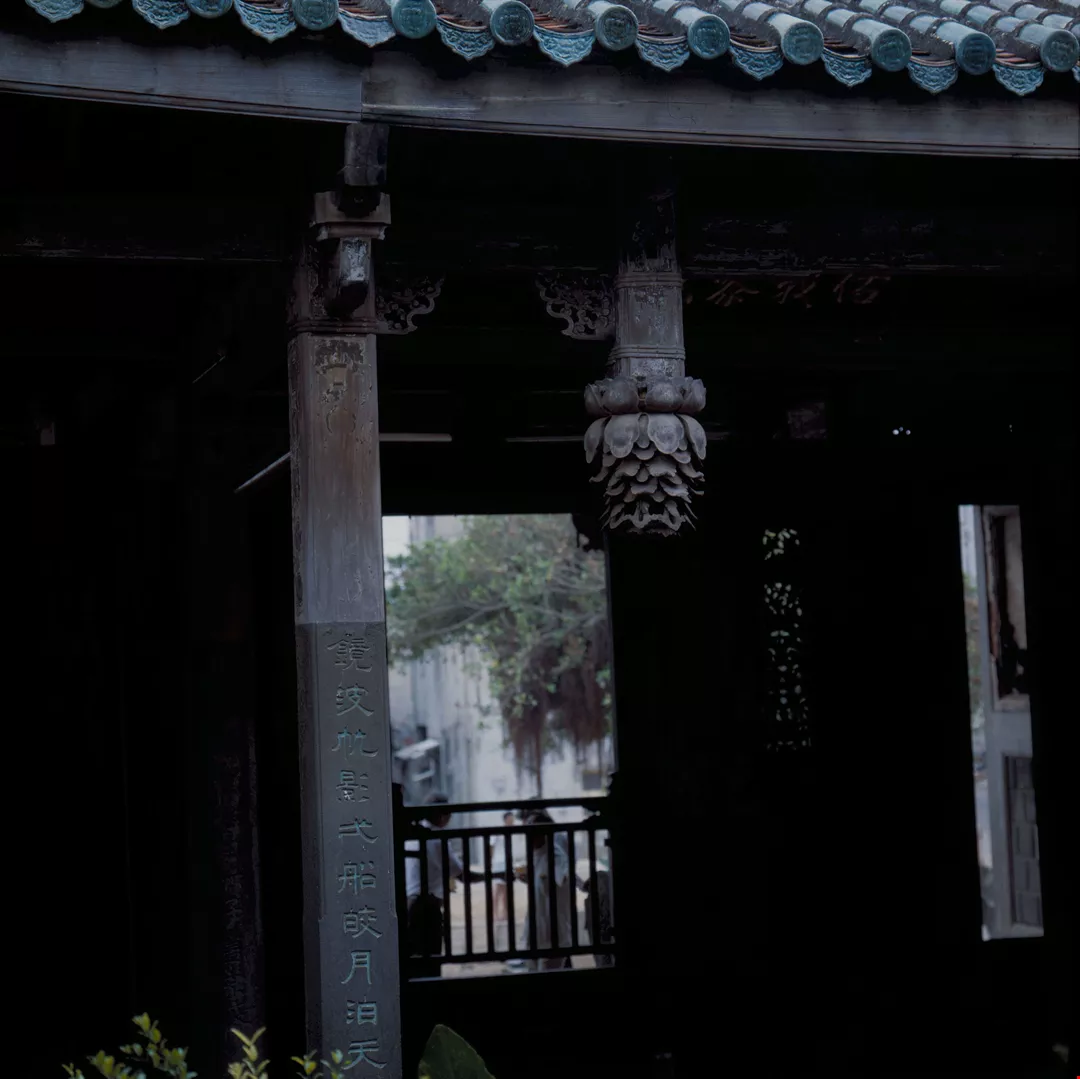
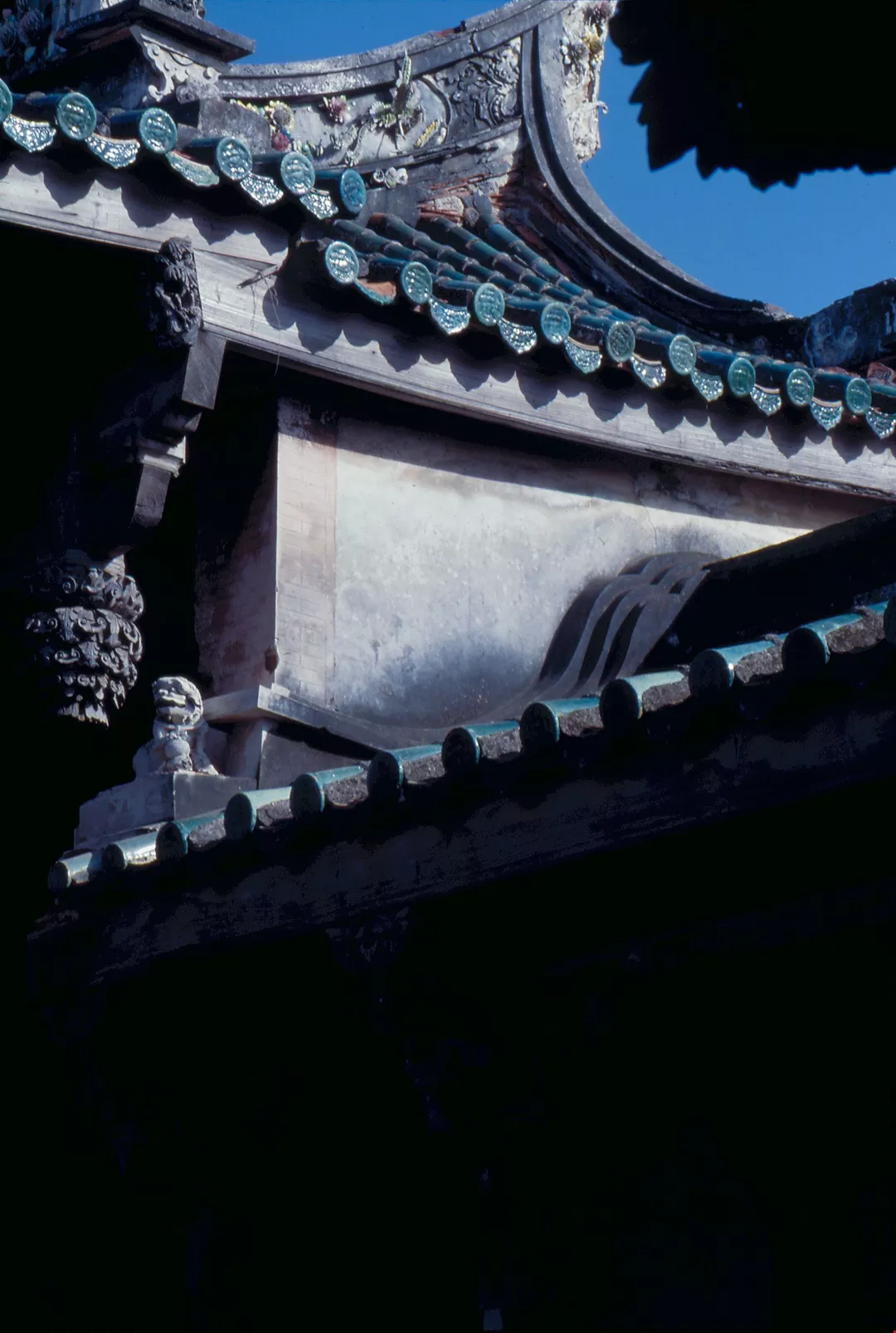
The Matsu Temple in Makung, built in 1592, is the oldest temple in Taiwan, and the most important religious center for the people, whose patron saint is Matsu. The temple is an exquisite example of Fukien style architecture, and its lavish carvings and huge beams are held in place without the use of a single nail. The temple is in need of some repair, though with a little imagination its original splendor is easily imagined.
The area around the Matsu Temple was once a bustling commercial district, and numerous historic buildings can still be found there.
Other places of interest near Makung include the Kuanyin Pavilion, located by the sea to the west of Makung; the Sunchen Gate, the only one of Makung's original six city gates still standing, the Shikung Temple, the Water Lily Temple, the North Pole Temple and the Sea Spirit Temple.
On the island of Hsiyu is the Ancient Hsitai Fort, also known as the Li Hung-chang Fort, after the famous Ching Dynasty statesman who was responsible for its construction during the Sino-French War in the last years of the Ching Dynasty.
Between the island of Paisha and Hsiyu lies the longest bridge in the Far East, the two-kilometer Penghu Bridge completed in 1970 after six years of work. Apart from playing a central role in inter-island communications, the bridge has become a tourist attraction in its own right.
Other popular tourist spots are the 300-year-old banyan tree on Paisha island, the ancient Wen Shi Academy, the Lintou Park and the Wind Cave.
All the islands in the group have their own places of interest. On Chi Mei for example, there is the Tomb of the Seven Beauties, who killed themselves by jumping into a well to avoid being kidnapped by pirates. Later, seven trees grew from the well, and flowered every spring. Local residents constructed a memorial in the women's honor.
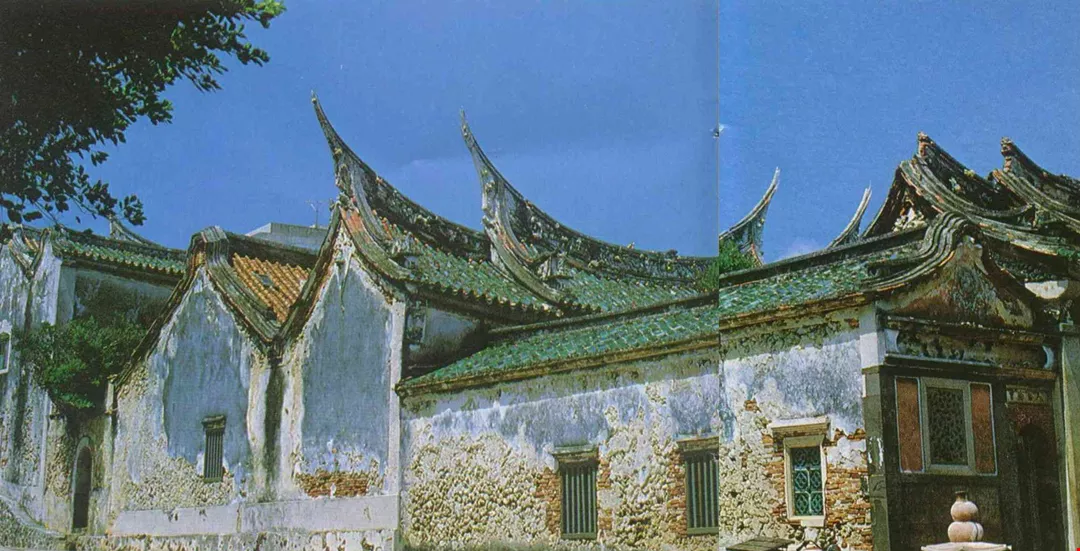
One of the most interesting features of traditional architecture in the Pescadores is the use of coral as a building material, particularly for walls and farmhouses. Since these structures have great beauty, it is a pity that in recent years other materials have replaced coral because it is difficult to work. Given the ocean surroundings, it is not surprising that fishing is the main economic activity in the Pescadores. The fishermen on the islands believe that once they set out to sea, their lives are in the hands of the gods. This explains why there are more than 200 well- attended temples in the Pescadores.
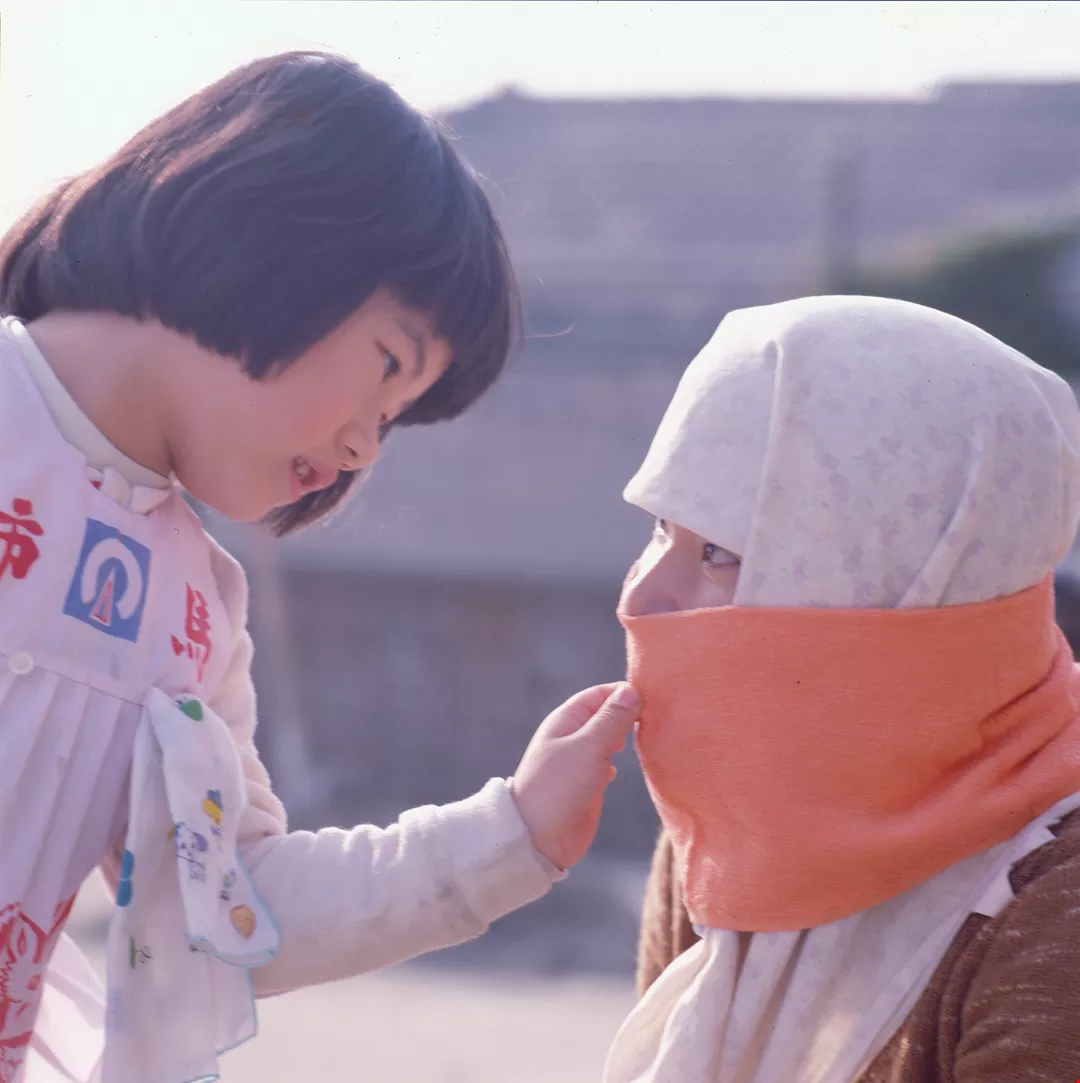
The people of the Pescadores are hospitable country folk. Outside Makung, there are only farms and fishing villages, mostly located in low-lying areas where they are protected from the strong winds. Women working in the fields cover their faces to protect them from the wind and sun. Because of the low rainfall, the main crops are sorghum and peanuts.
Fish are plentiful in the Pescadores, and are caught in quantities too large for local consumption. Many of the more than 300 varieties of fish found in the islands' waters are processed for export. There is also a thriving prawn and shellfish industry.
Visitors to the Pescadores should not miss dining out at one of the many seafood restaurants. The most famous is the Chinghsin run by Mr. Lu. Every time President Chiang Ching-kuo visits the Pescadores, he drops in for a bite to eat.
[Picture Caption]
1. This old house, although dilapidated is still eye-catching. 2. A scene from the past. 3. Formerly there were six city gates in Magung, now only this one remains. 4. A map of Penghu.
1,2,4. The Queen of Heaven Temple is delicately crafted and exquisitely decorated. 3. Taiwan Province's first Matsu temple.
1. A traditional entryway. 2,3. Coral and brick are Penghu's traditional building materials. 4. Incense--representative of an undying culture. 5. The Hsu family shrine. 6. The inner courtyard of a temple.
1. Drying the nets. 2. After drying in the sun, fish can be kept for a long time. 3. A view of the sea from a mountain top. 4. A fishing boat. 5. County Chief Hsieh You-wen is beloved by the residents of the Pescadores. 6. The Makung Cultural Center.
1. One of the golden beaches to be found in the Pescadores. 2. A fortress on Hsiu Yu Island. 3. Strange rocks on the beach. 4. Waves hitting the shore. 5. The Pescadore's Kua Hai Bridge. 6. Processing coral. 7. Unprocessed fancy stone. 8. Beautiful coral. 9. The Gold Mountain Shop is one of Makung's most famous souvenir shops.
1. At the winter solstice residents of the Pescadores eat these animal shaped "tang yuan". 2. Tourists boarding a ferry. 3. Cute children. 4. Temple celebrations during a festival. 5. Children of the archipelago. 6. Sheng Hsing Hang is famous for its "hsien ping". 7. Processing peanut treats. 8. Walls to protect fields from the archipelago's strong winds. 9. A veiled woman on an ox cart. 10. Everyone loves an opera performance.
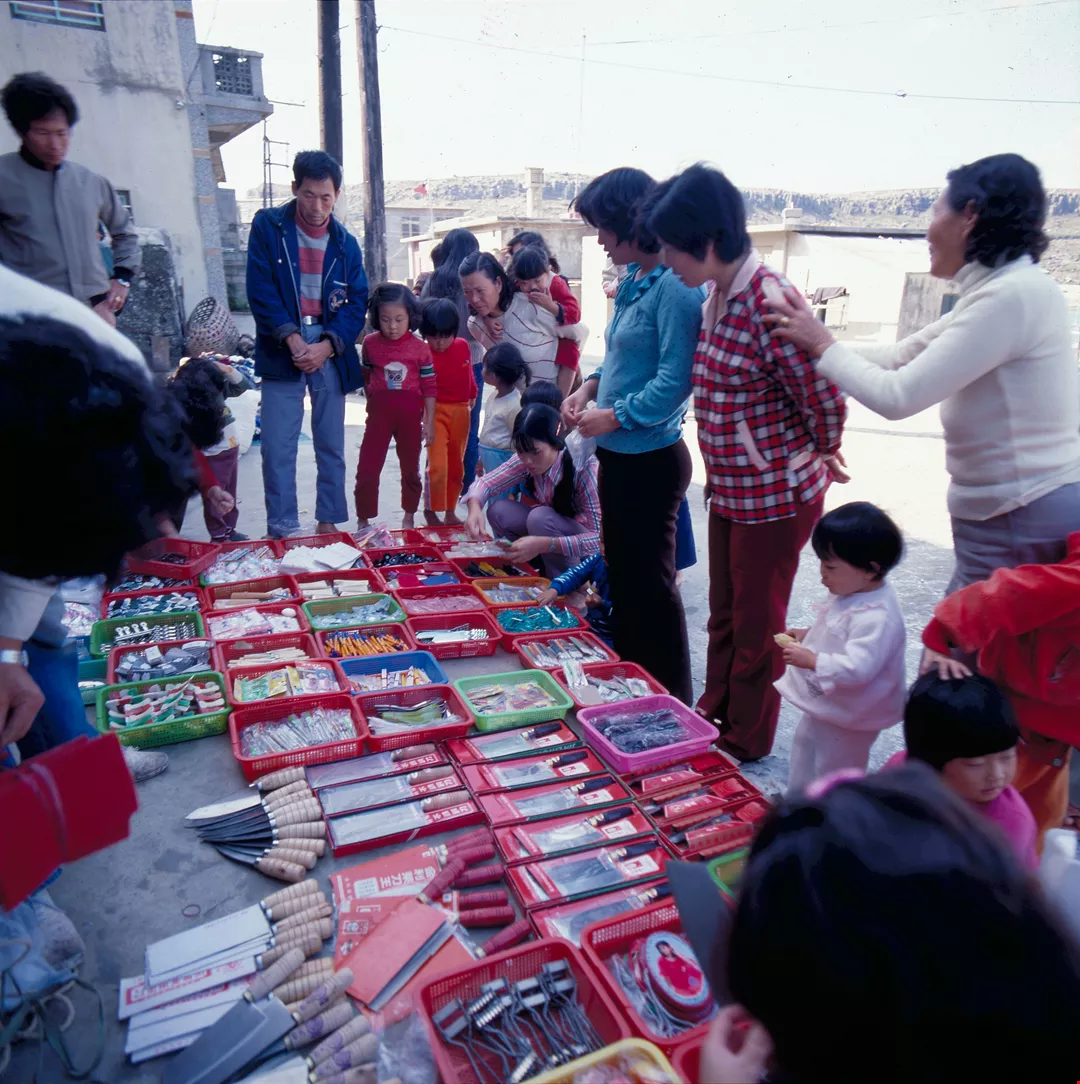
1. A market stall on Tiger Well Island. 2. Women cover their faces to protect themselves from the strong winds. 3. Most fruits and vegetables are brought over from Taiwan. 4. Seafood is cheap and plentiful. 5. Magung's streets are narrow but clean. 6. Residents like to gather under this old banyan to chat. 7. An older resident. 8. Four Eyes Well is one of the Pescadores most famous historical sites. 9. The procupine fish can be used as a decoration.
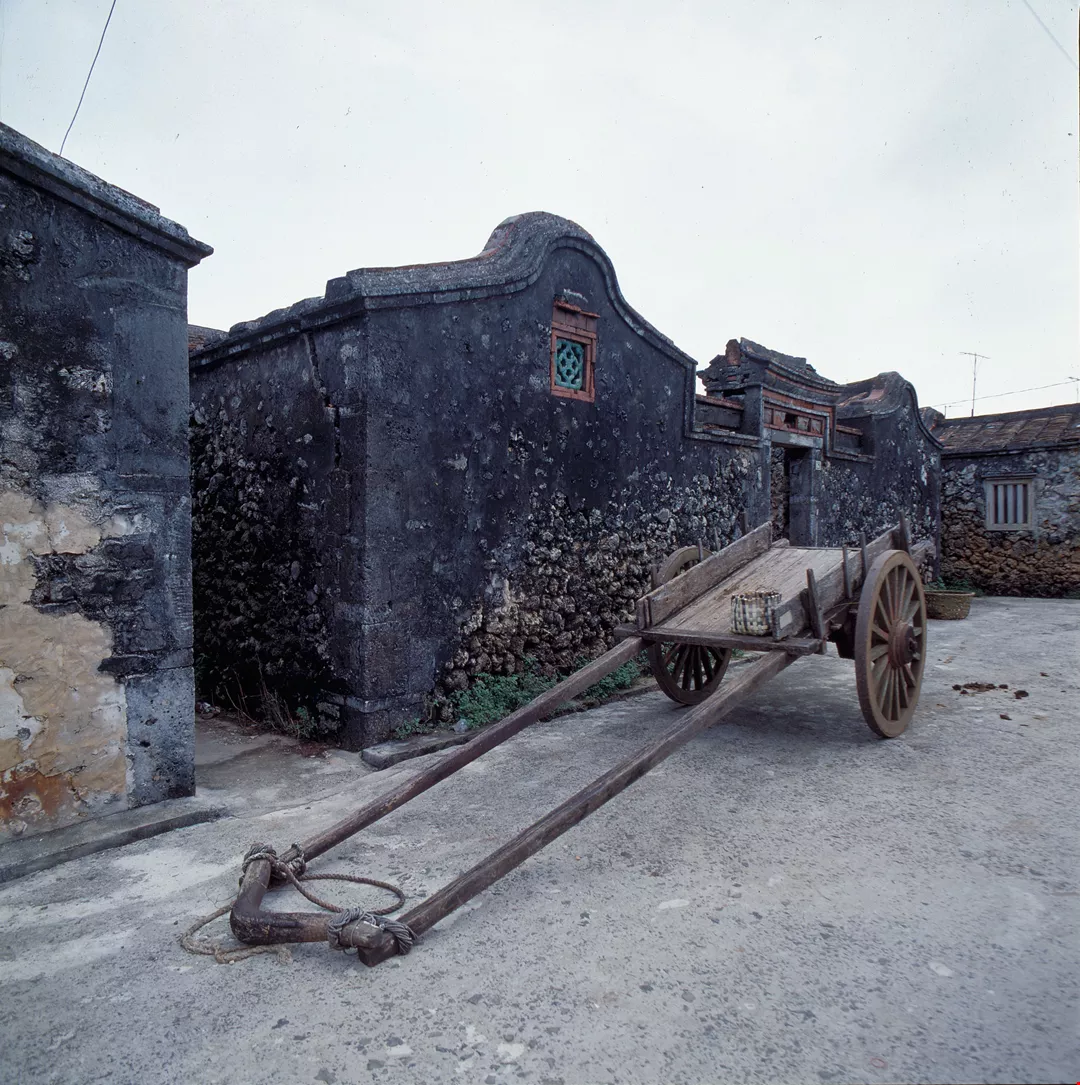
A scene from the past.
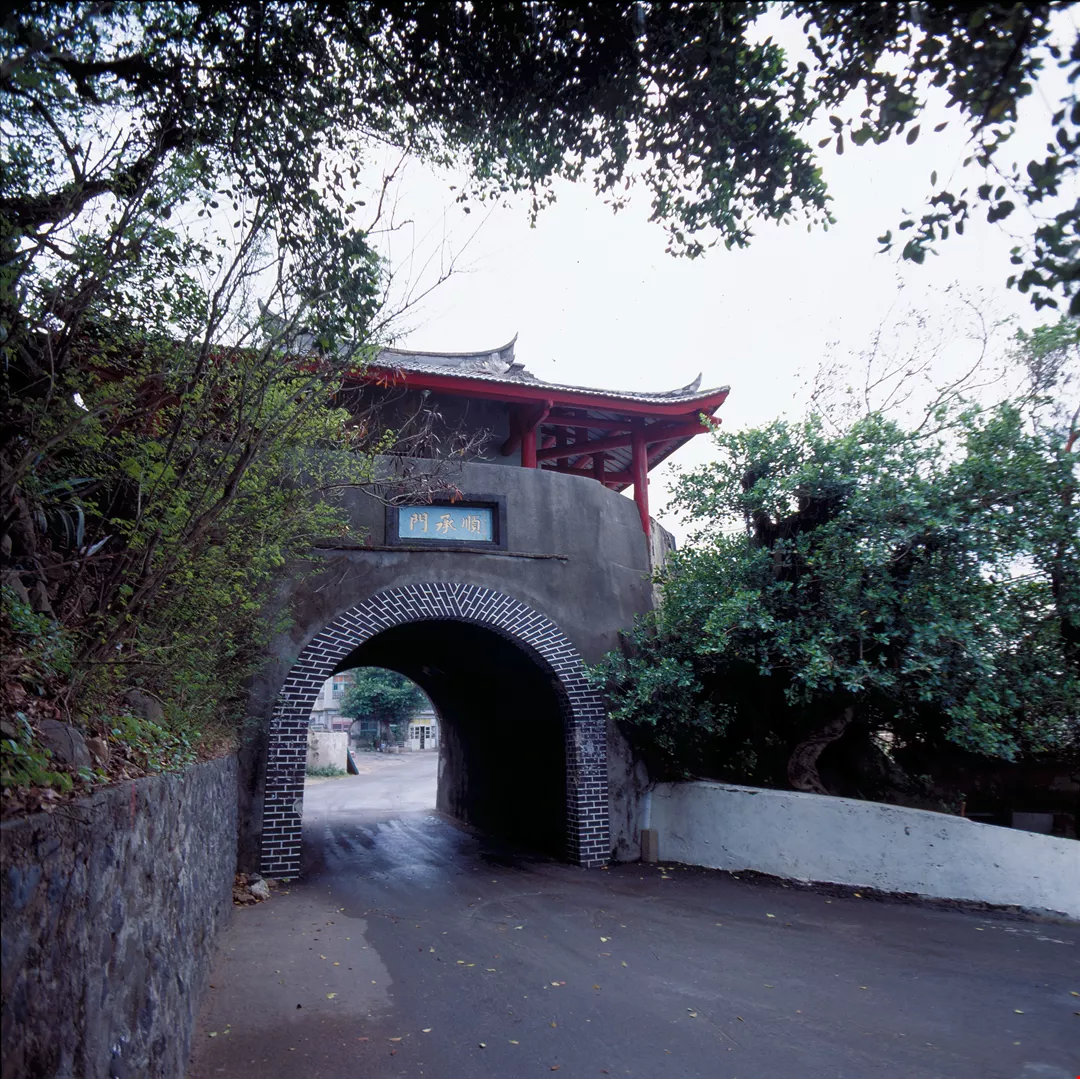
Formerly there were six city gates in Magung, now only this one remains.
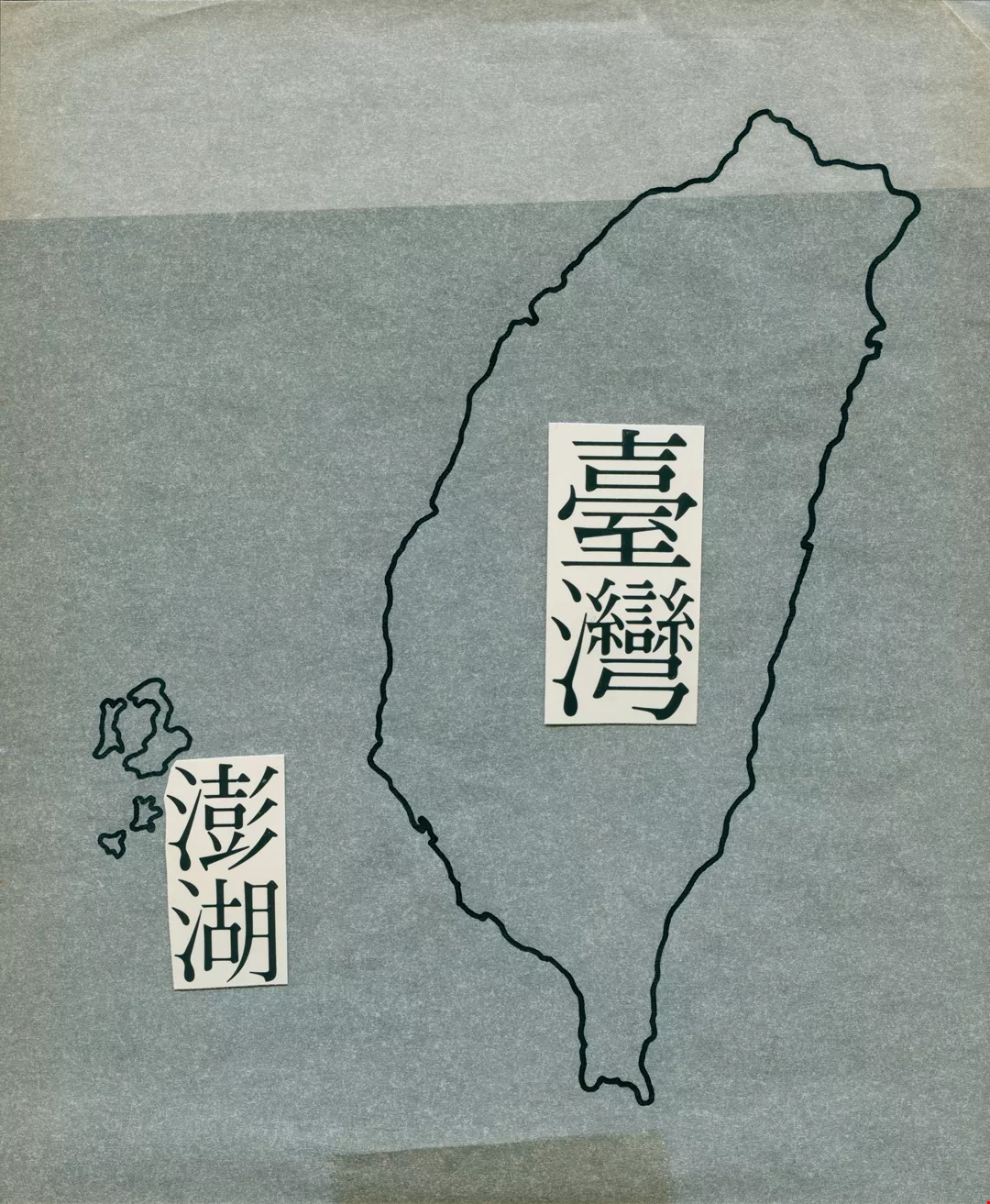
A map of Penghu.
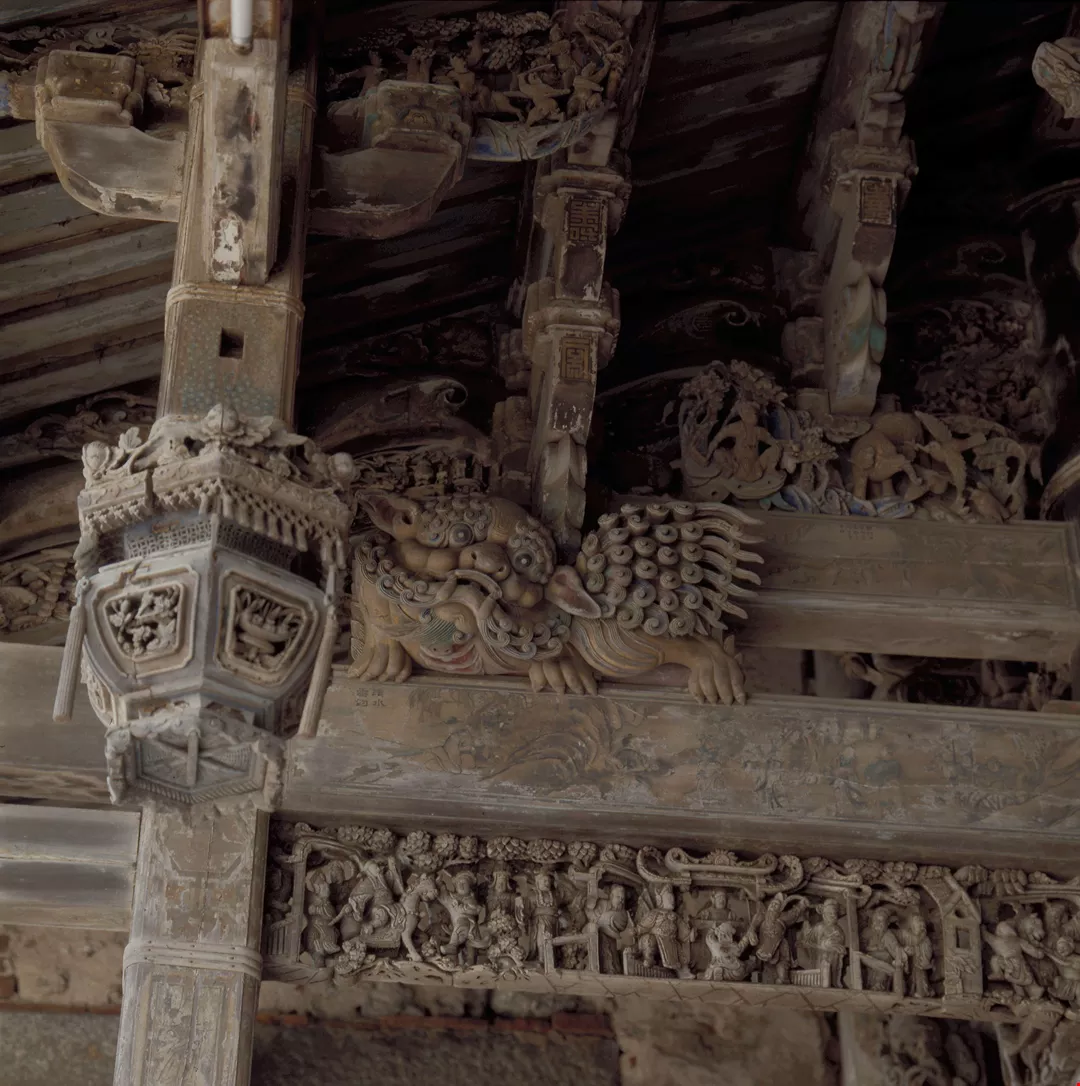
The Queen of Heaven Temple is delicately crafted and exquisitely decorated.
The Queen of Heaven Temple is delicately crafted and exquisitely decorated.
Taiwan Province's first Matsu temple.
The Queen of Heaven Temple is delicately crafted and exquisitely decorated.
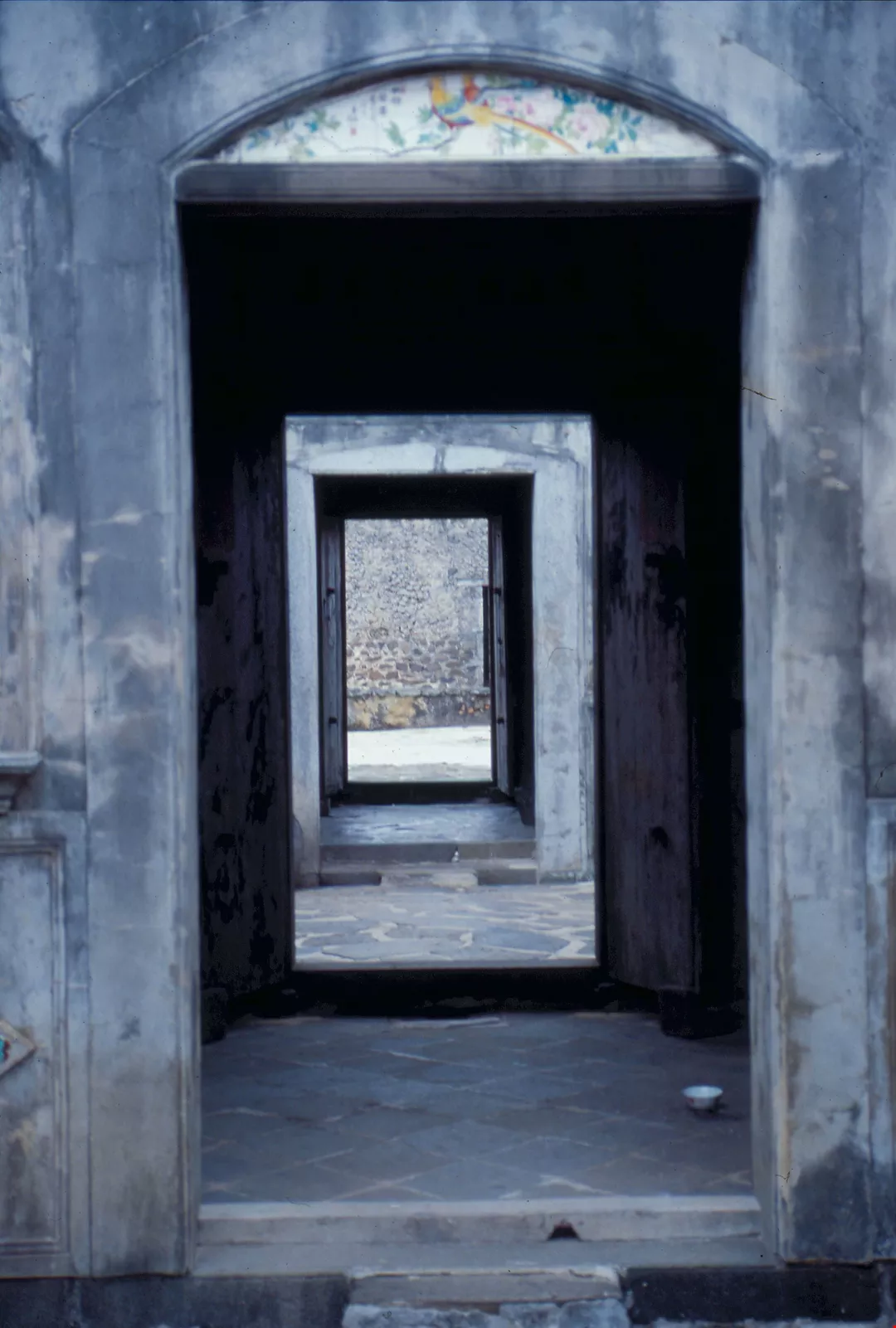
A traditional entryway.
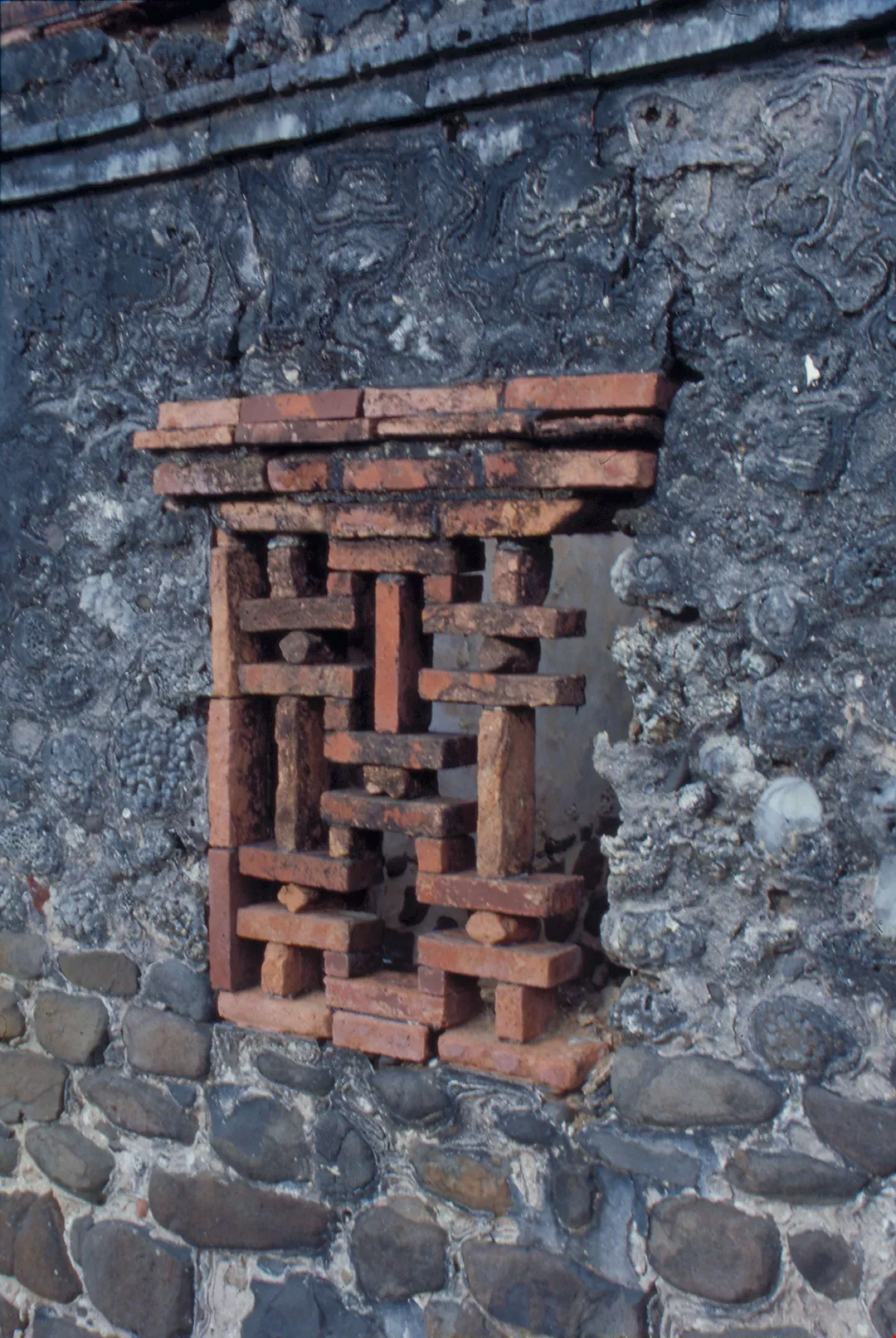
Coral and brick are Penghu's traditional building materials.
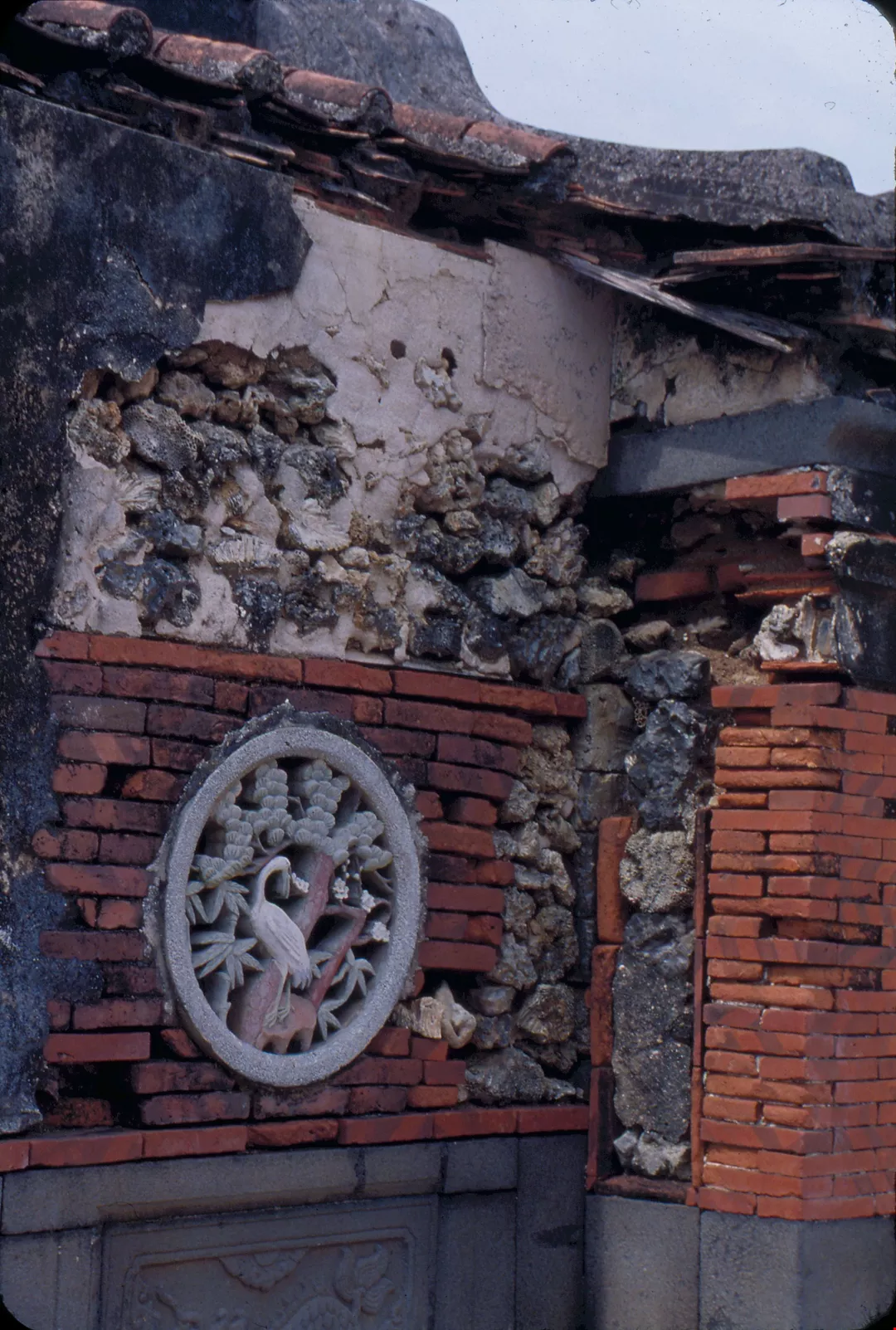
Coral and brick are Penghu's traditional building materials.
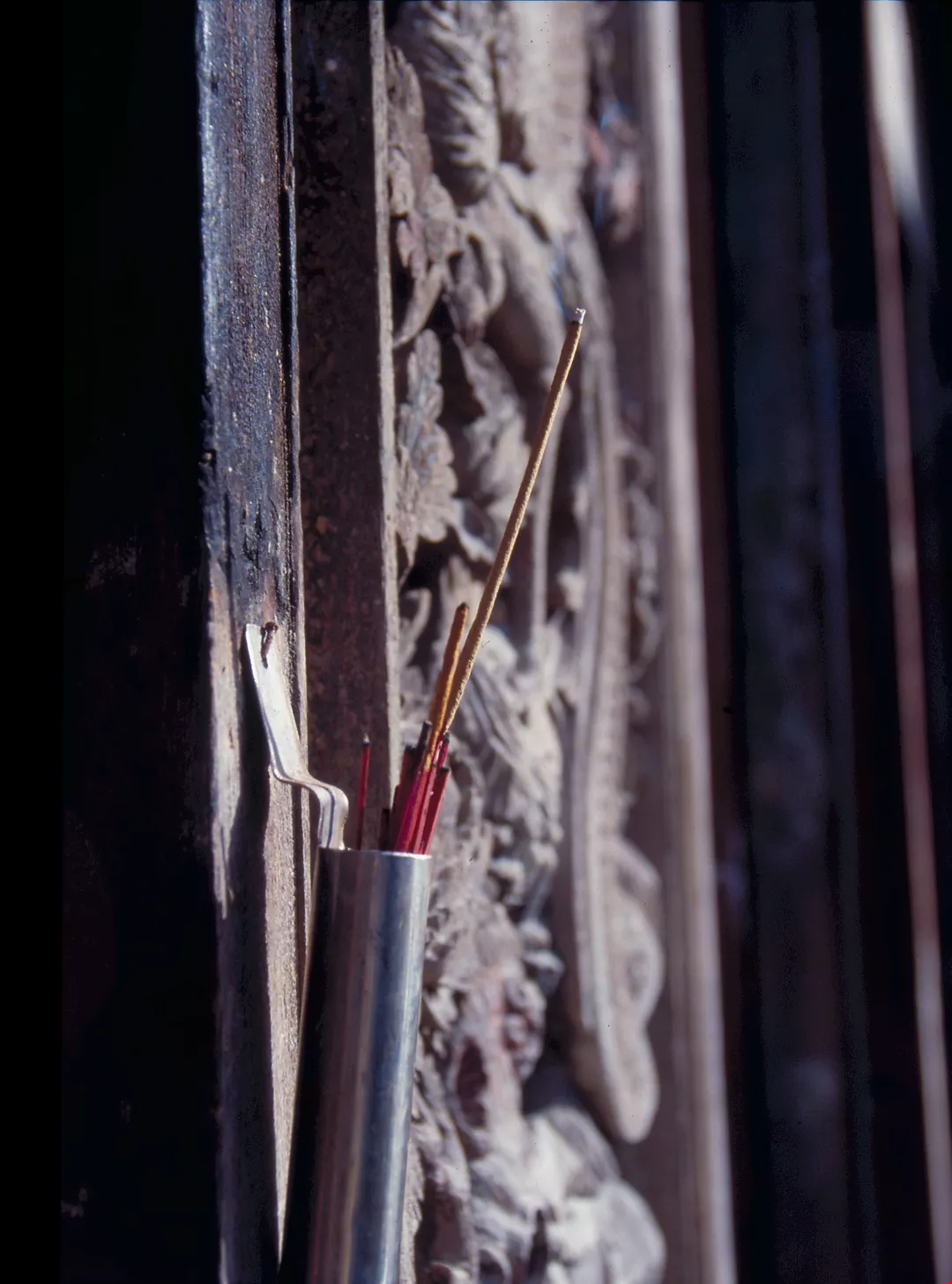
Incense--representative of an undying culture.
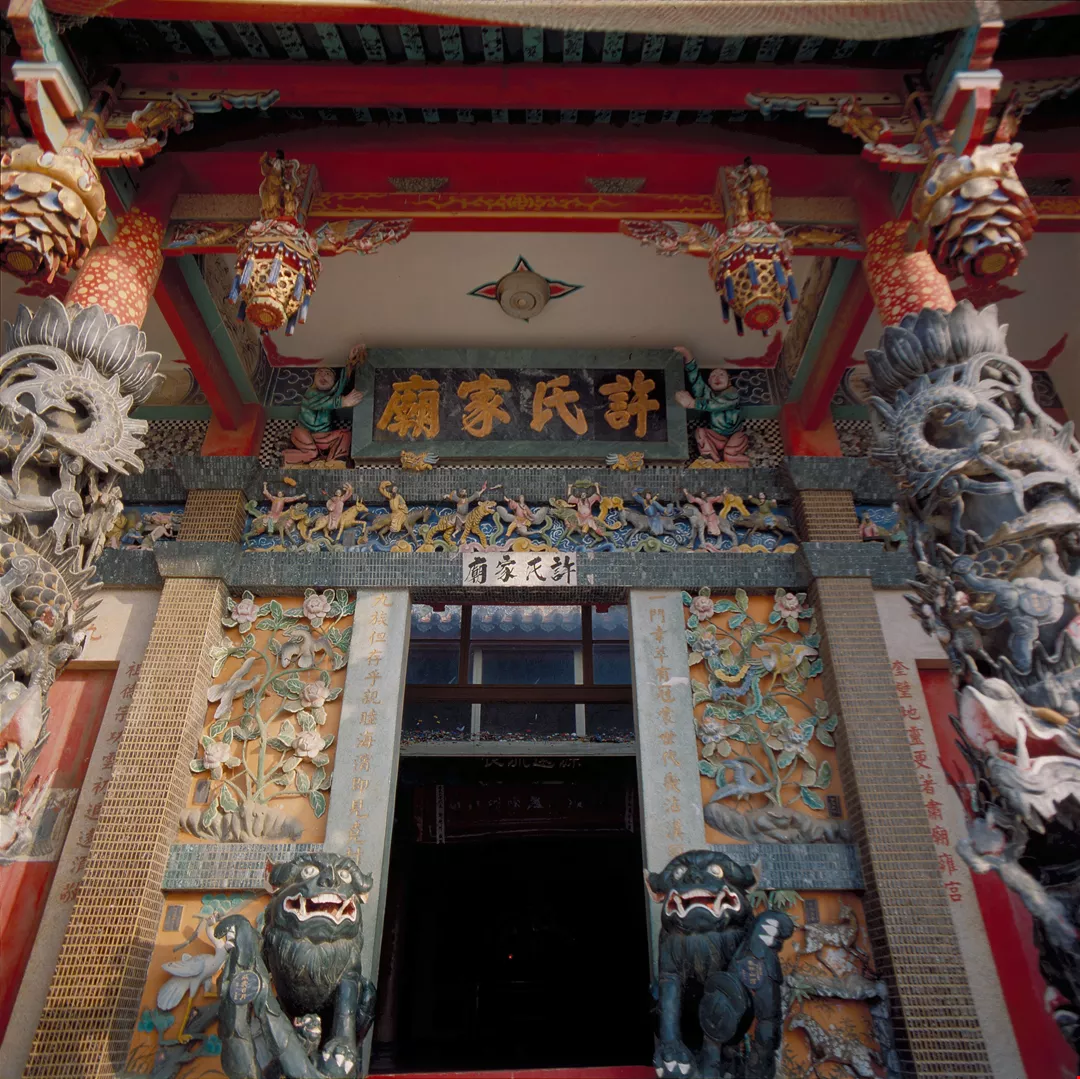
The Hsu family shrine.
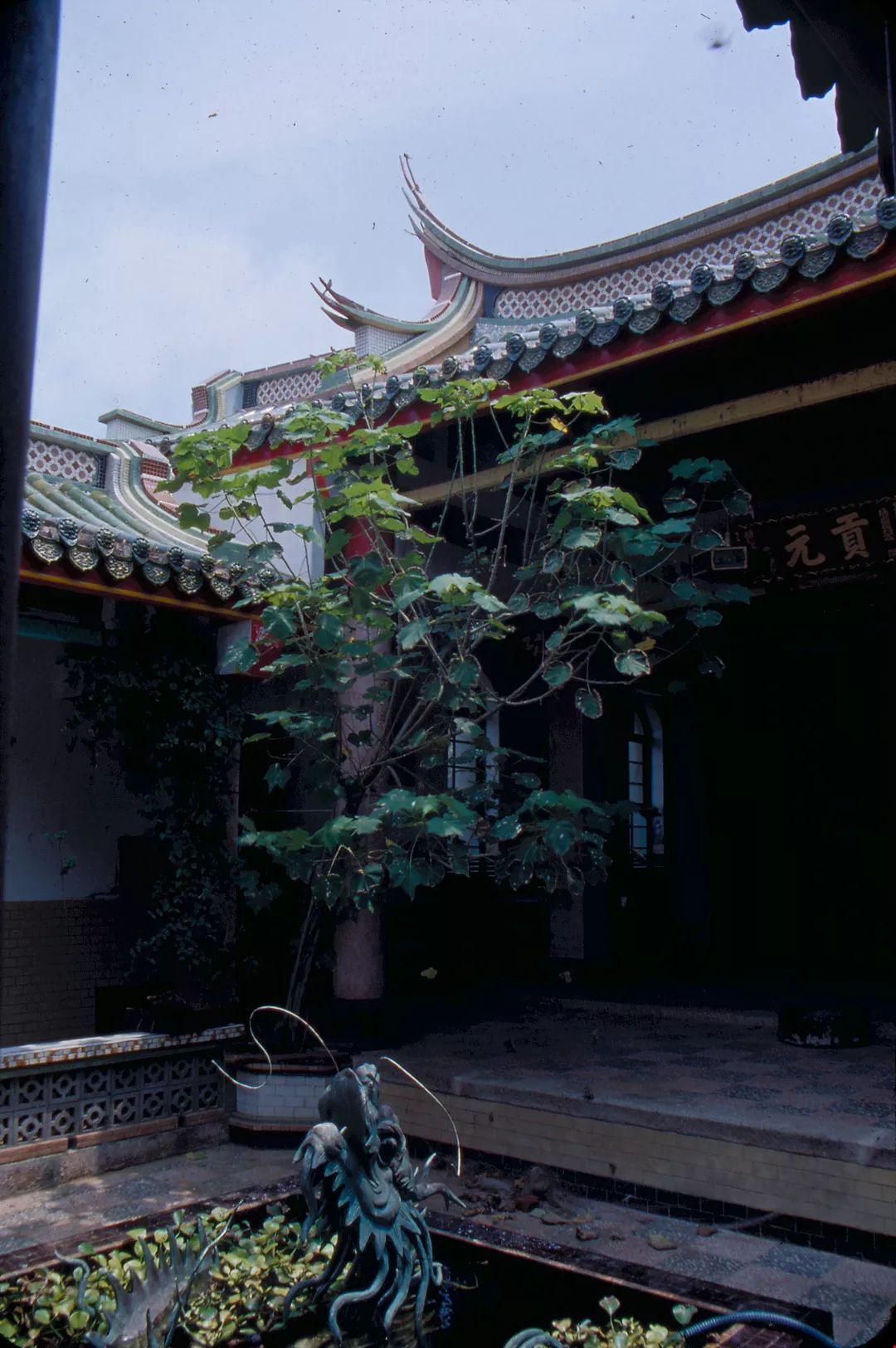
The inner courtyard of a temple.
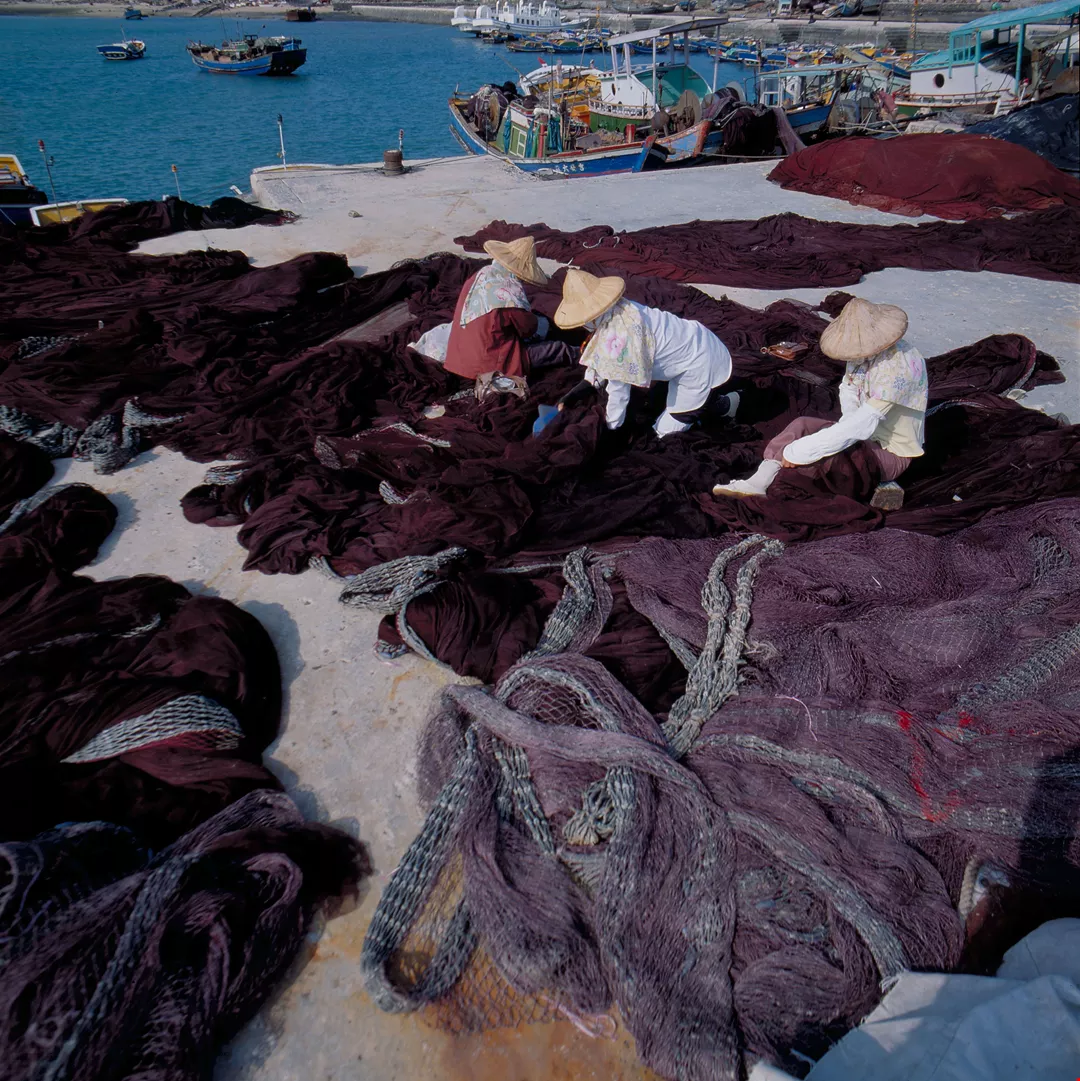
Drying the nets.
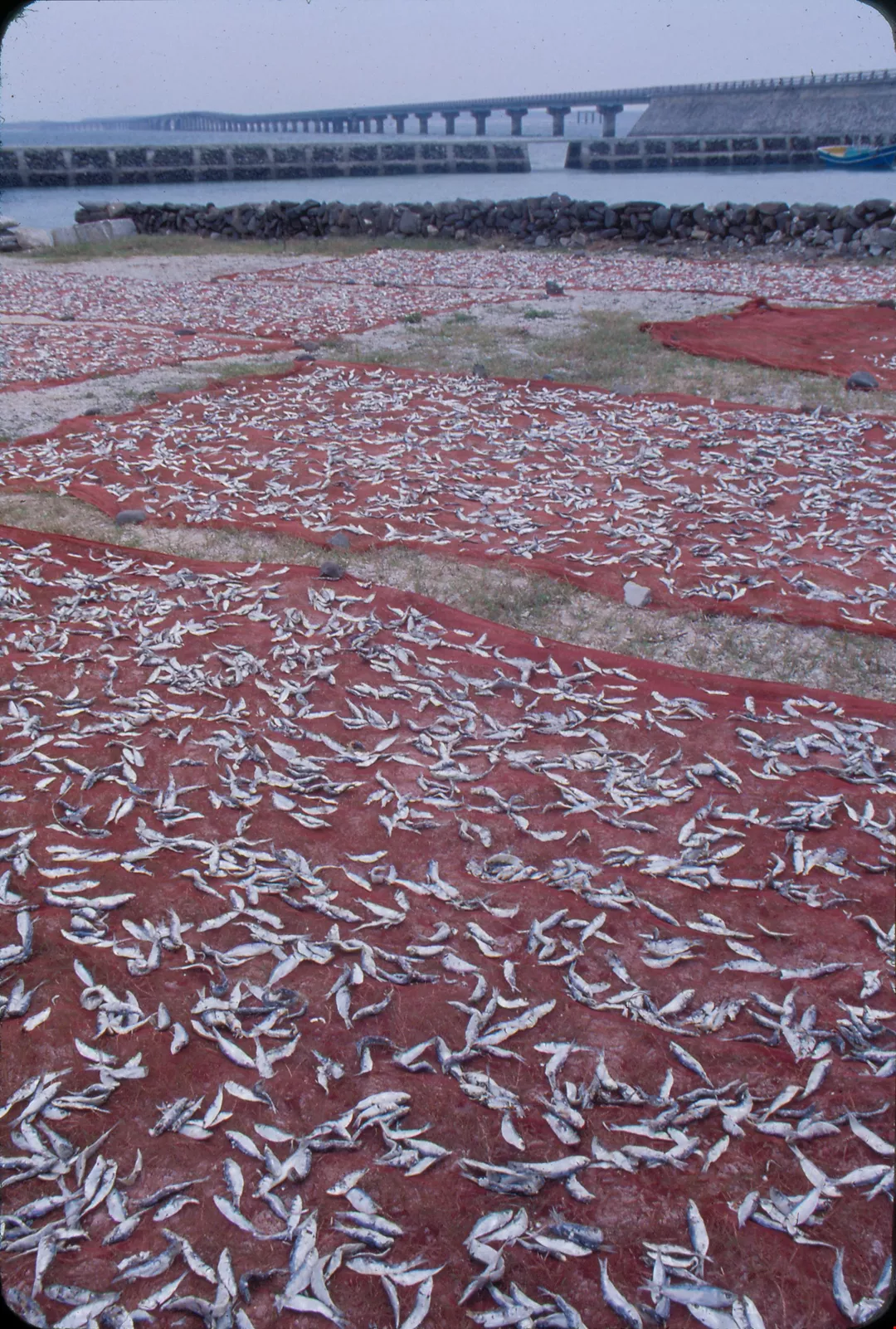
After drying in the sun, fish can be kept for a long time.
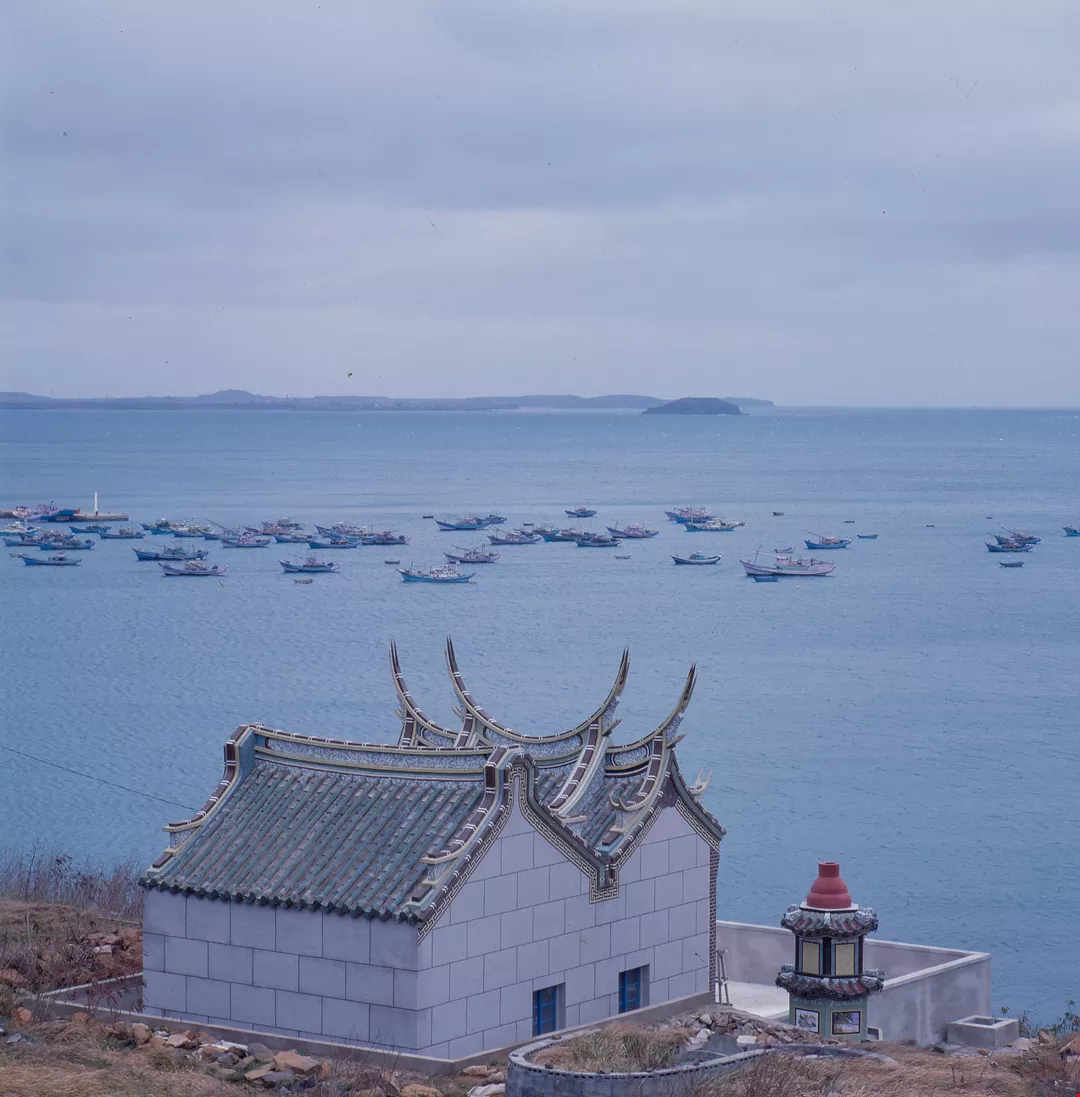
A view of the sea from a mountain top.
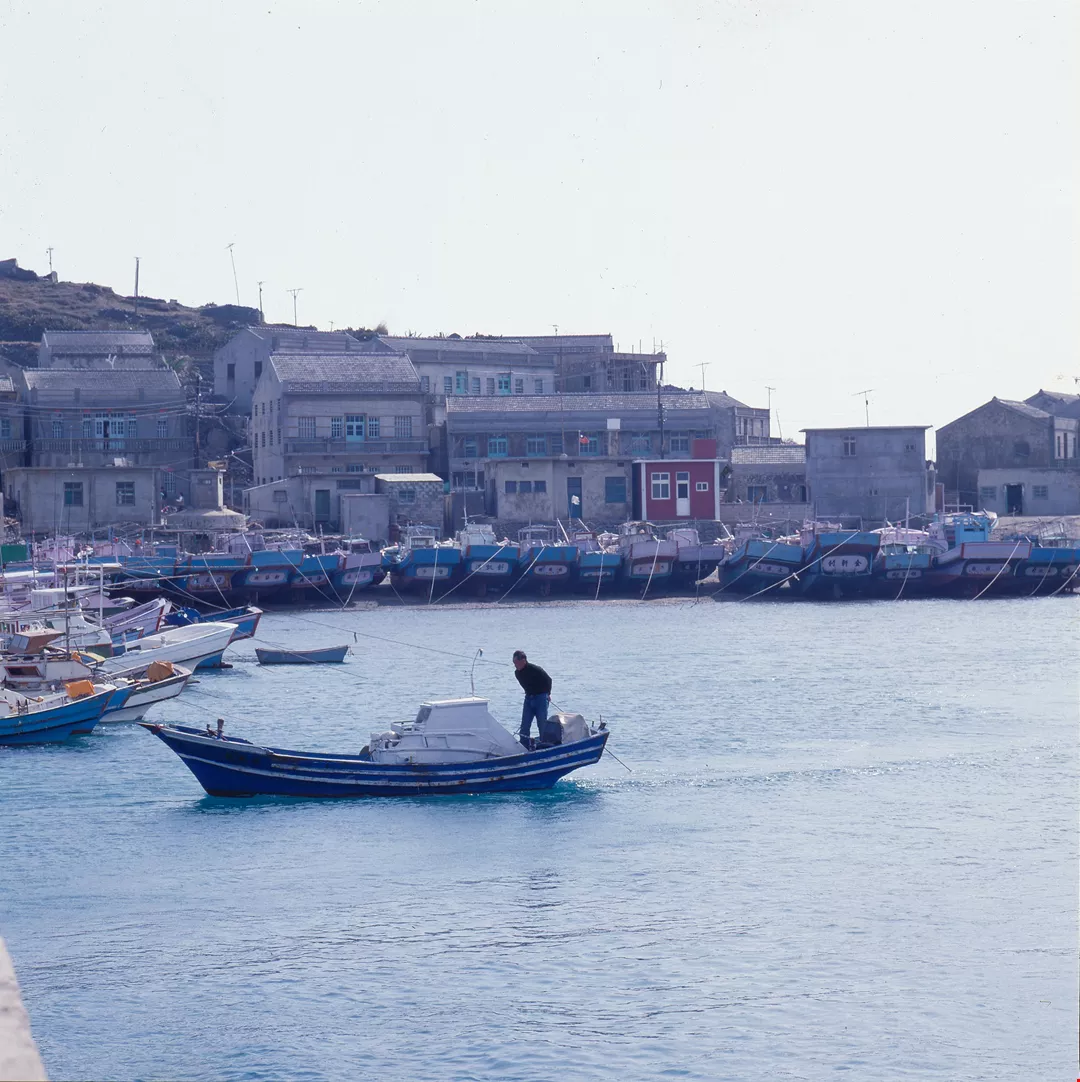
A fishing boat.
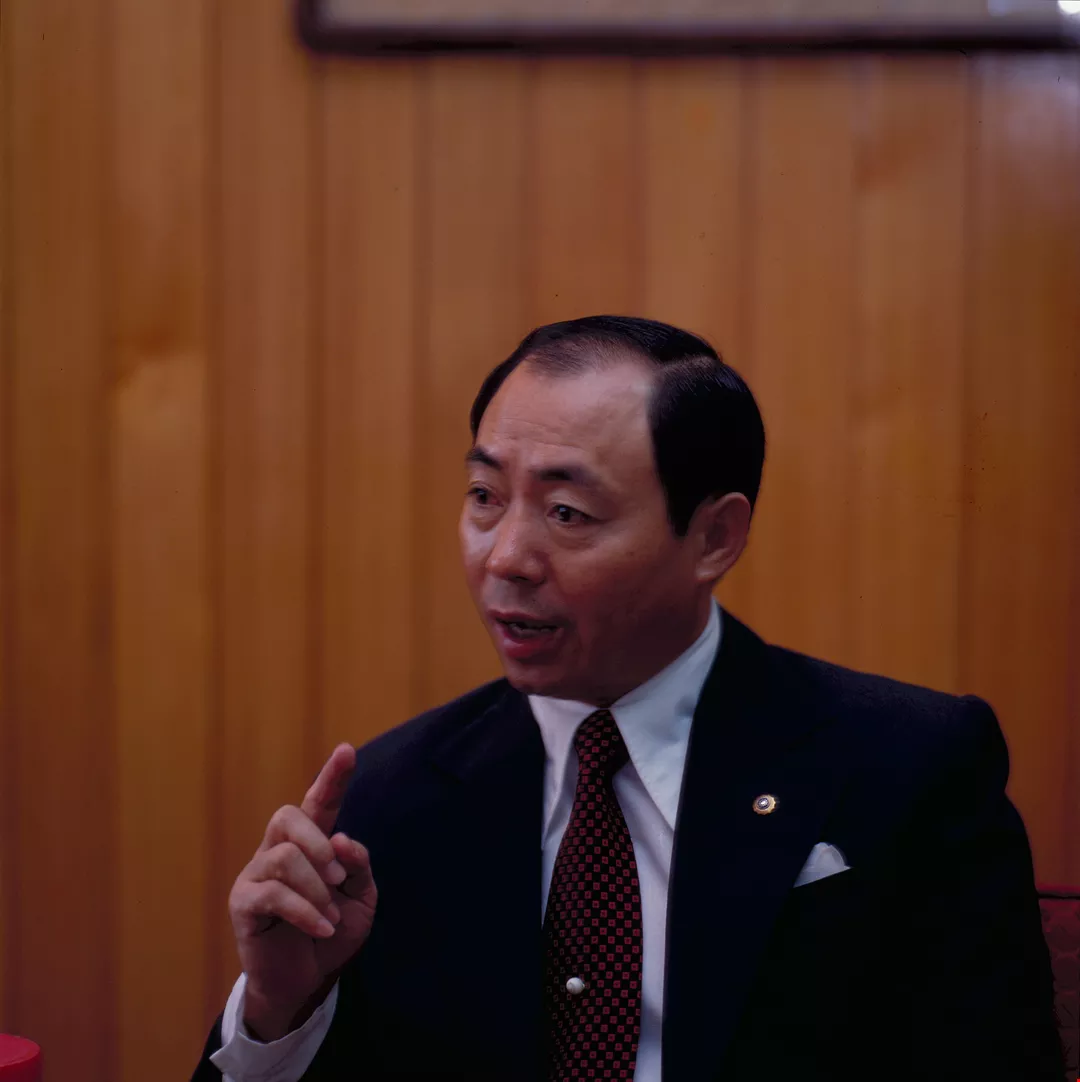
County Chief Hsieh You-wen is beloved by the residents of the Pescadores.
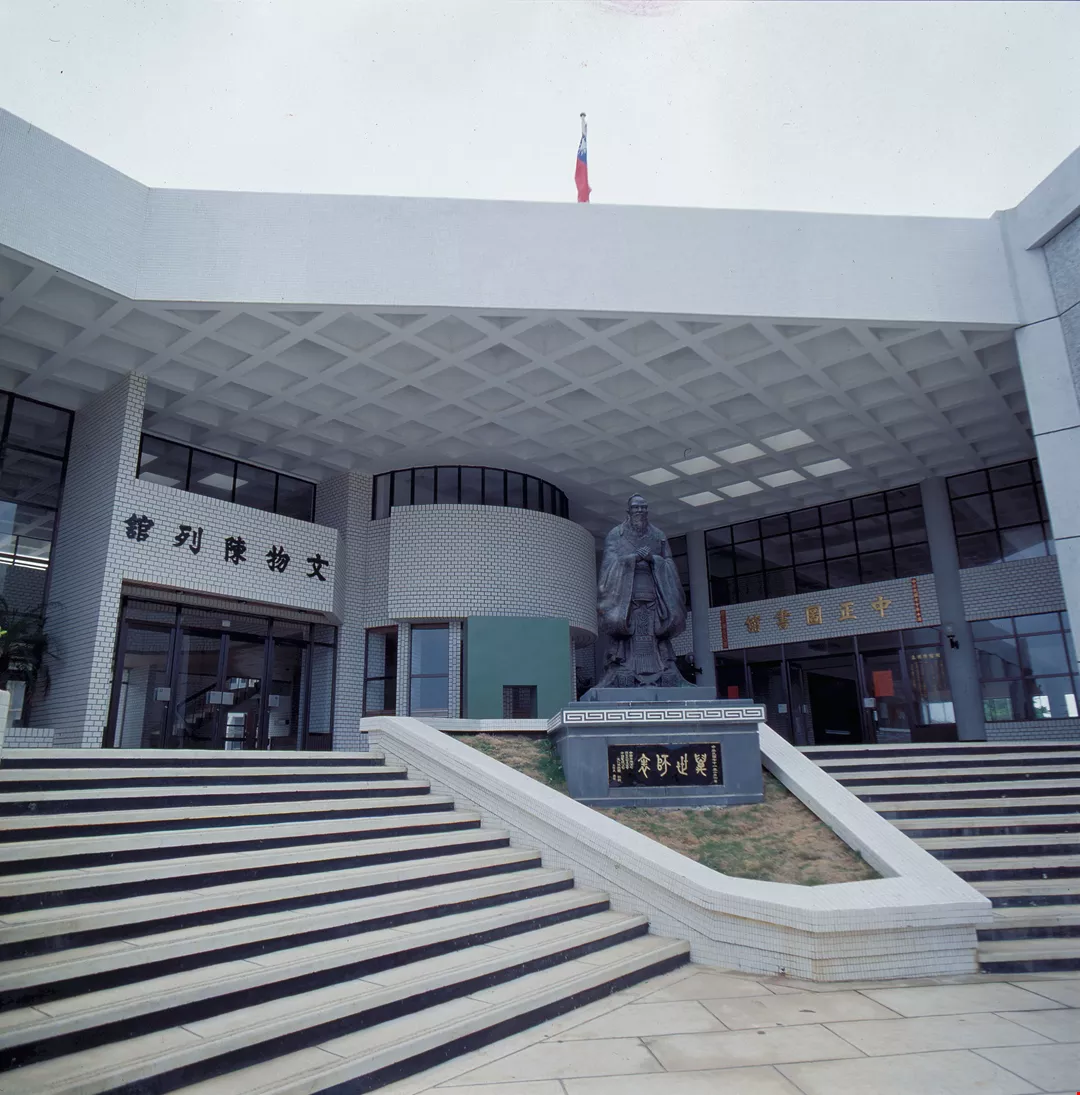
The Makung Cultural Center.
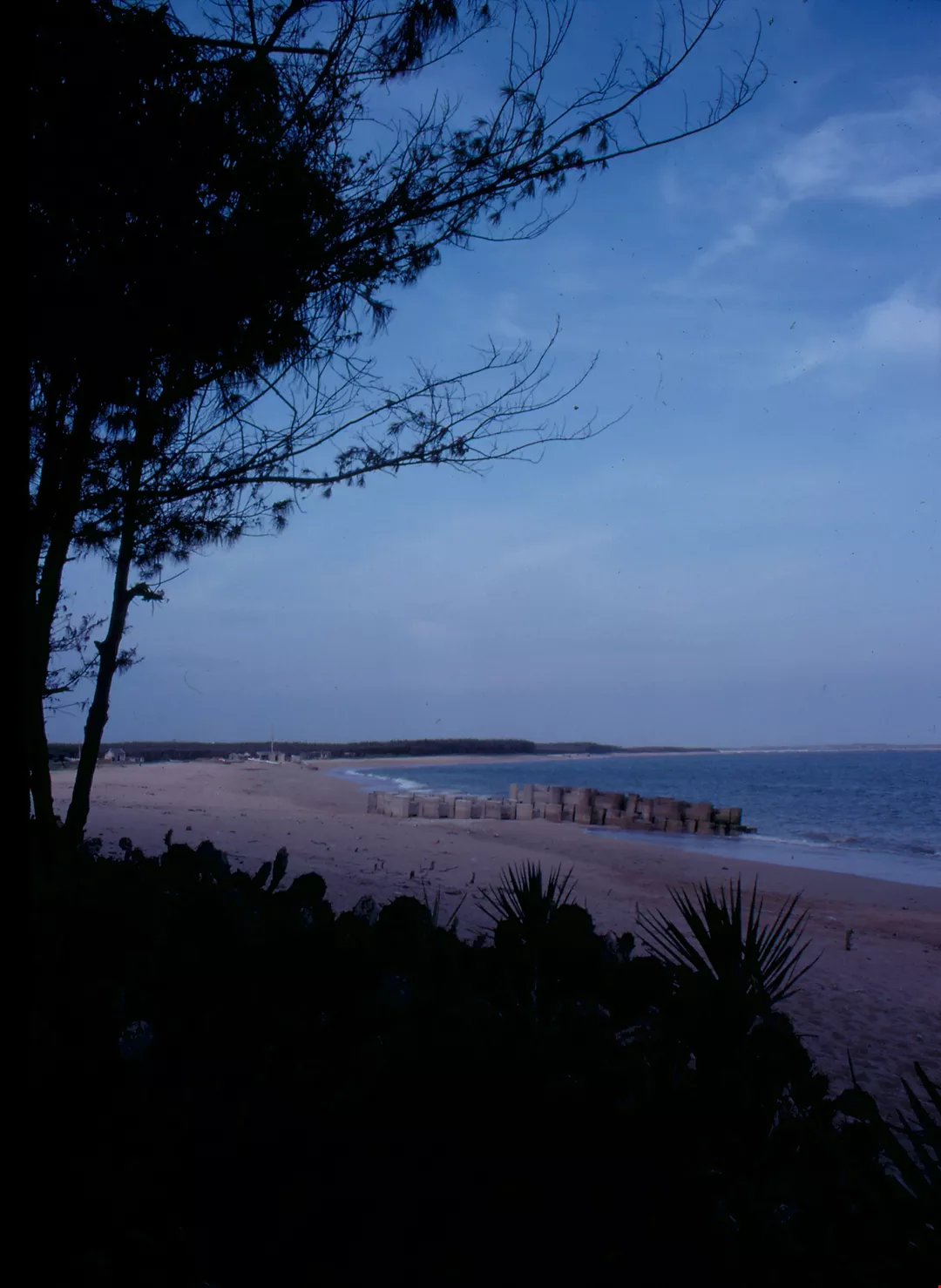
One of the golden beaches to be found in the Pescadores.
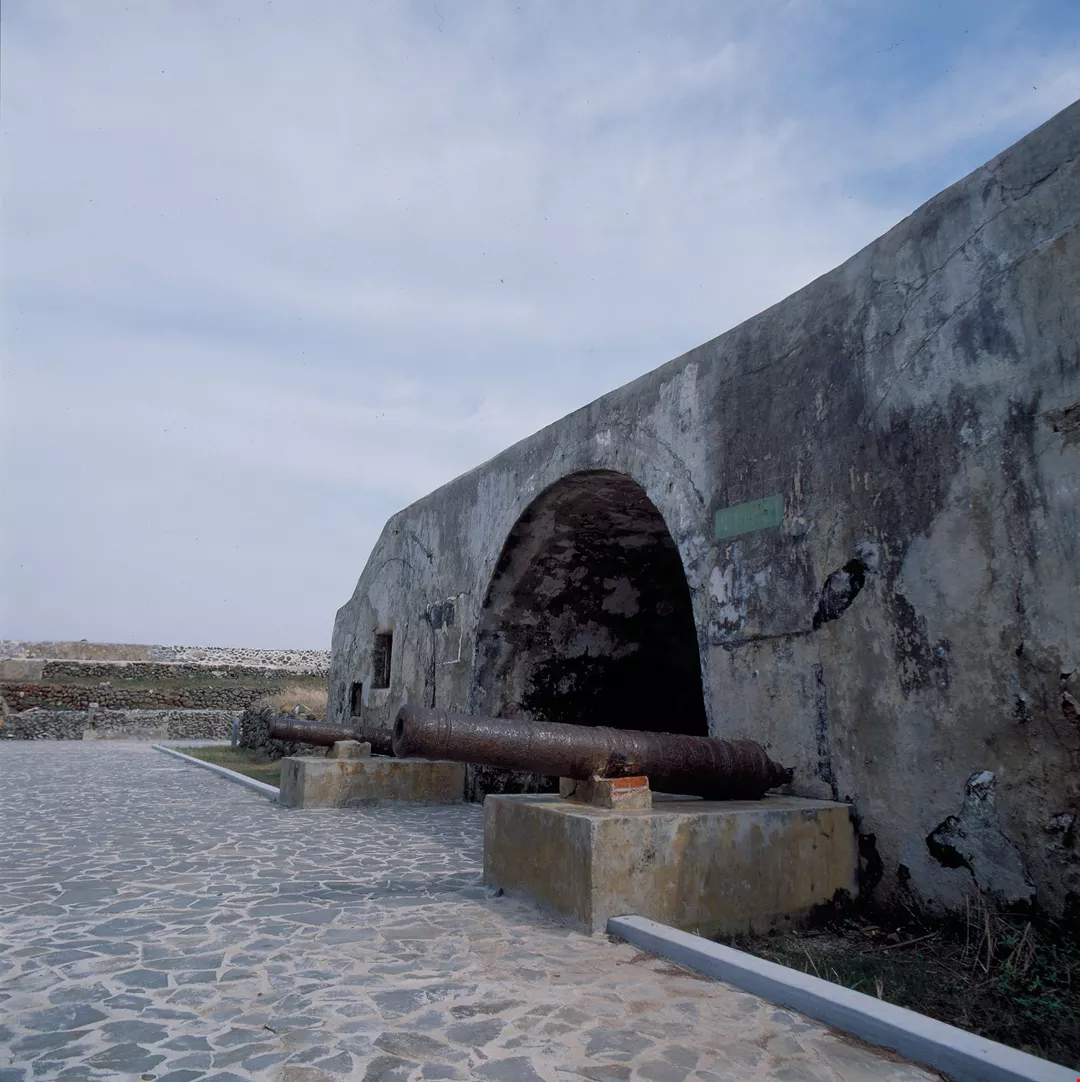
A fortress on Hsiu Yu Island.
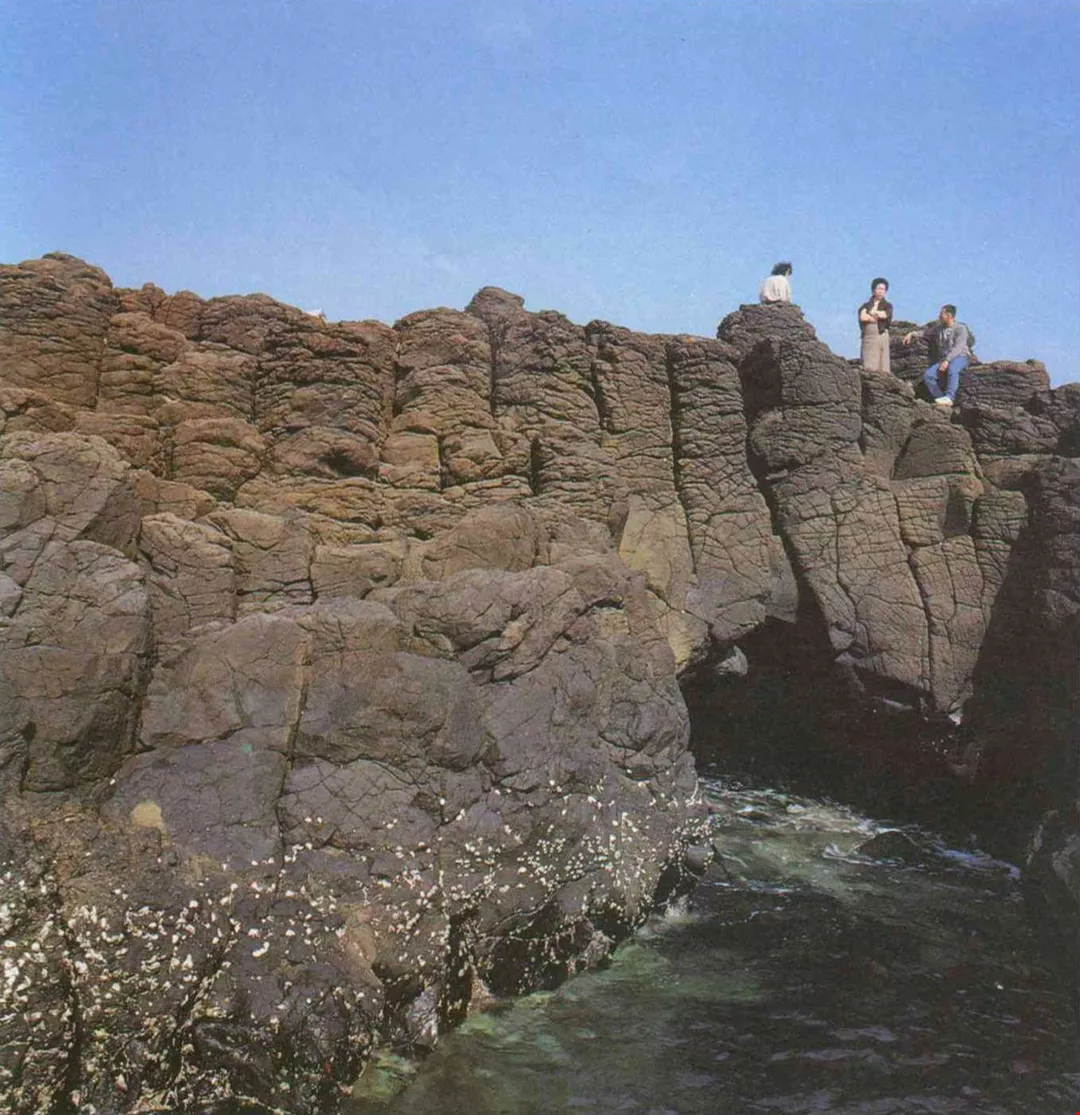
Strange rocks on the beach.
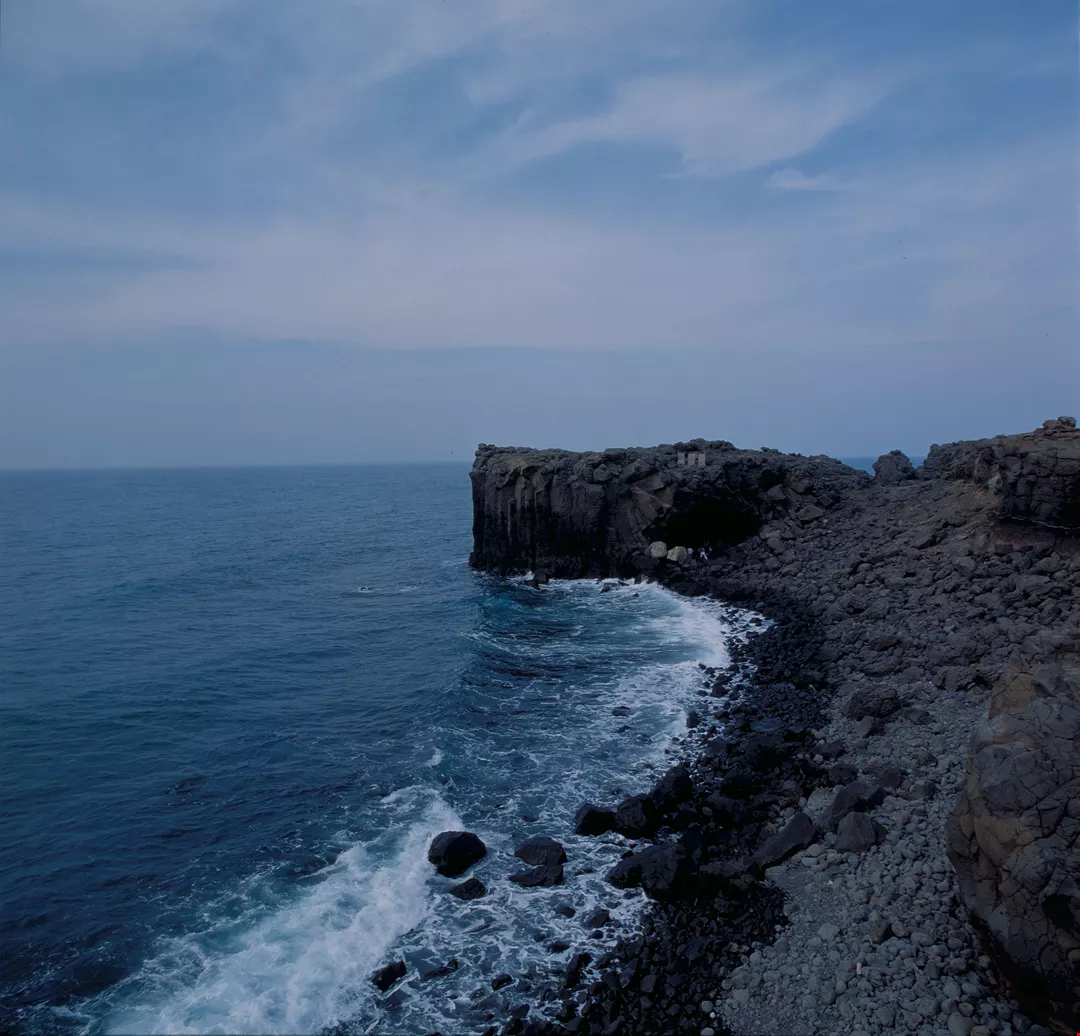
Waves hitting the shore.
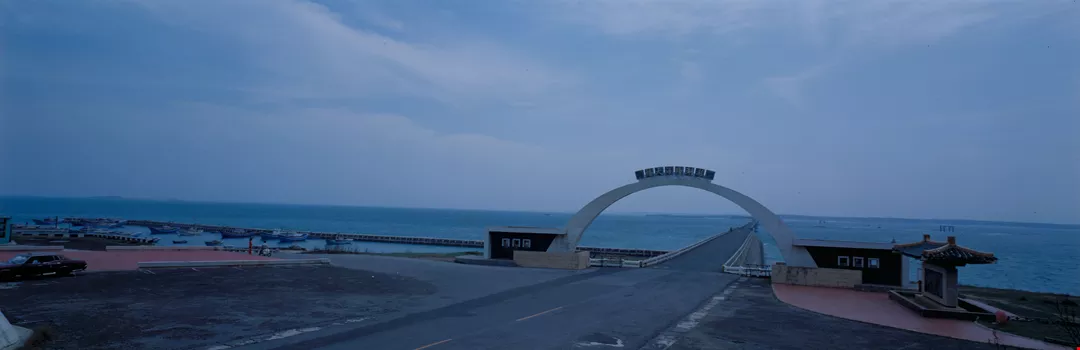
The Pescadore's Kua Hai Bridge.
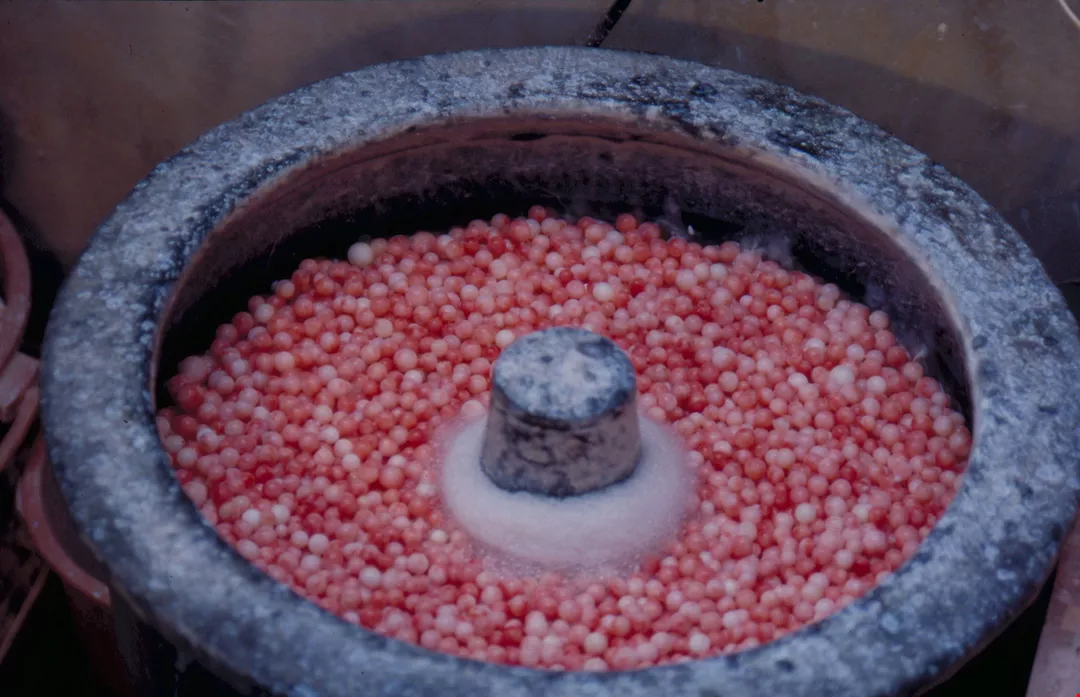
Processing coral.
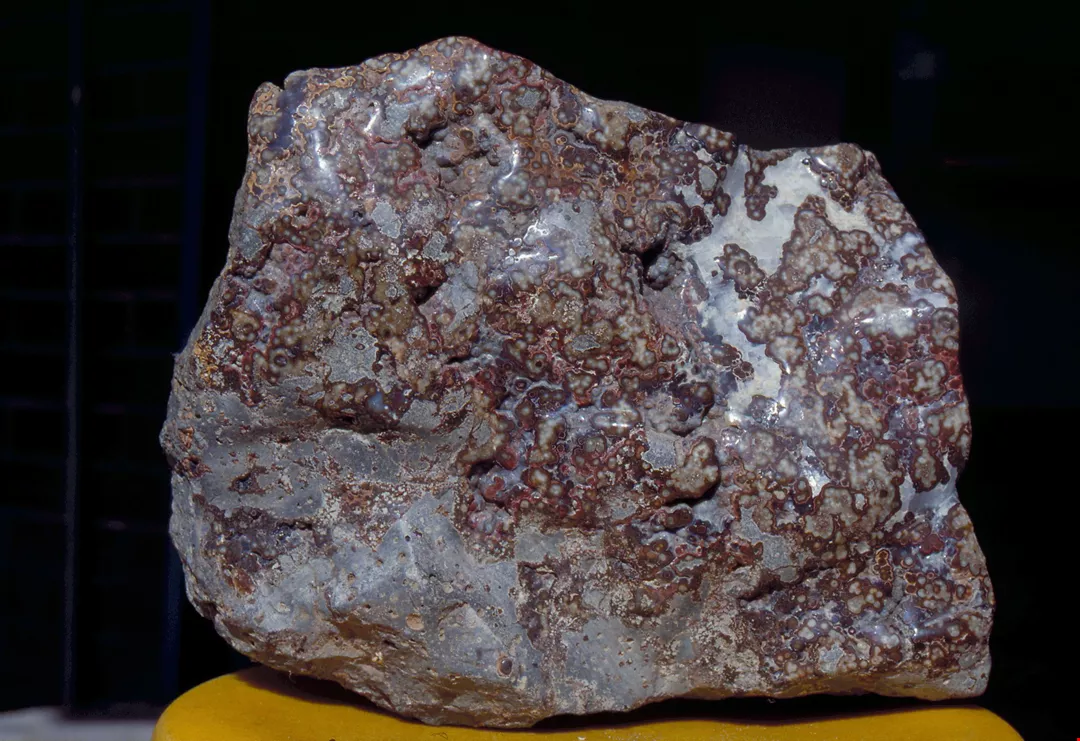
Unprocessed fancy stone.
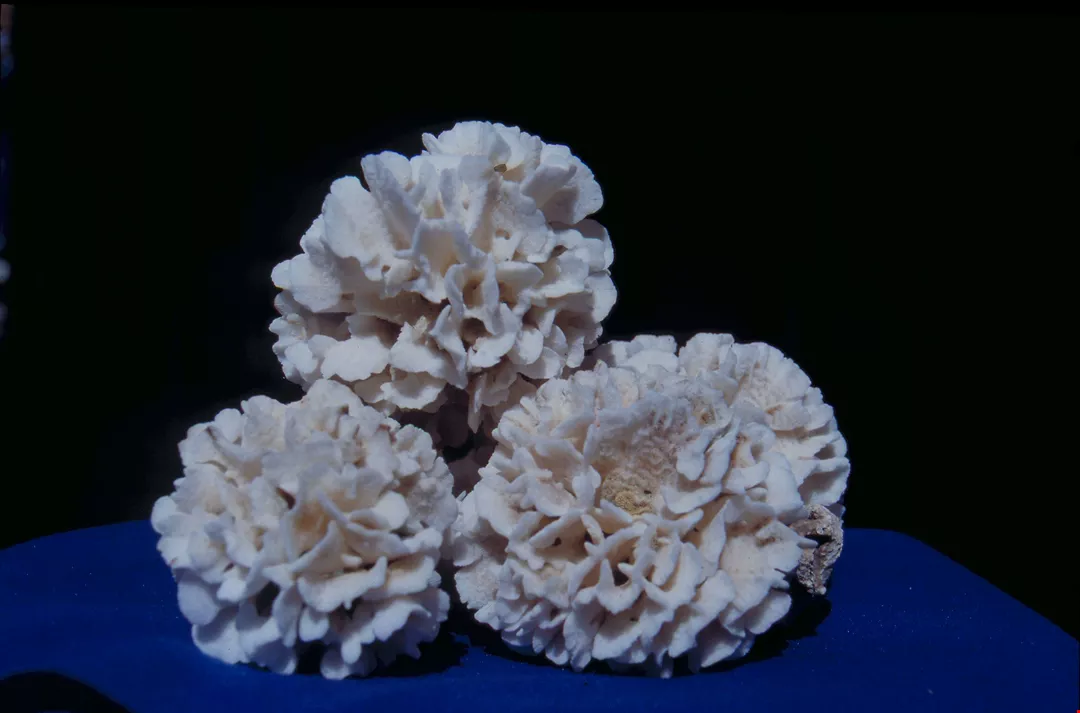
Beautiful coral.
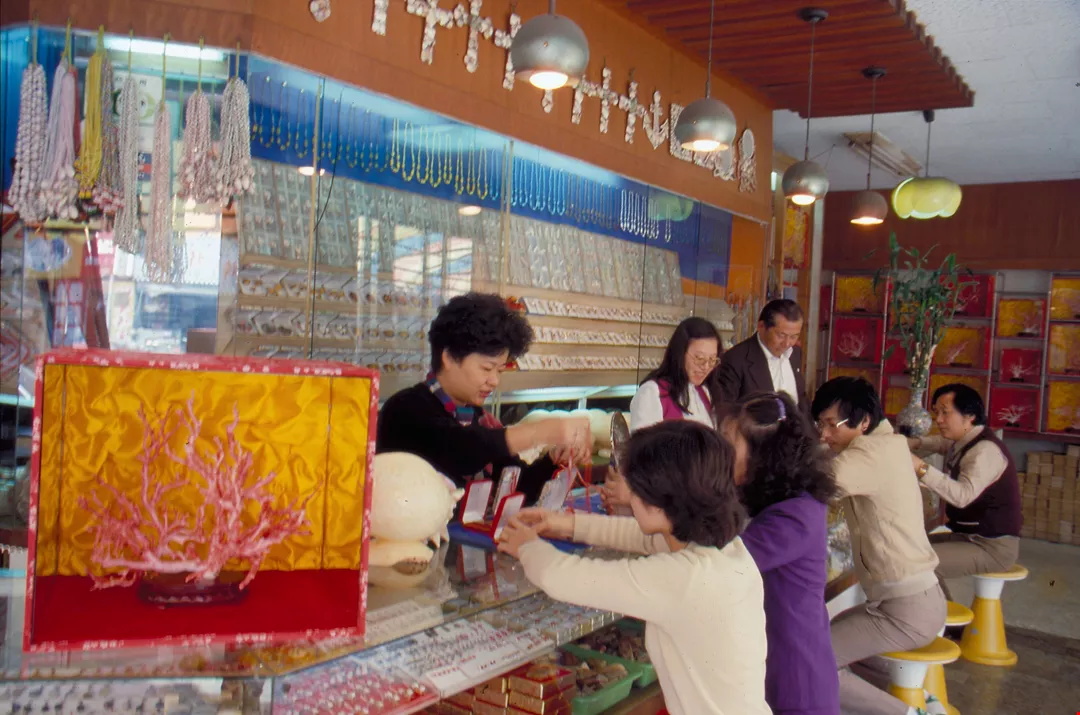
The Gold Mountain Shop is one of Makung's most famous souvenir shops.
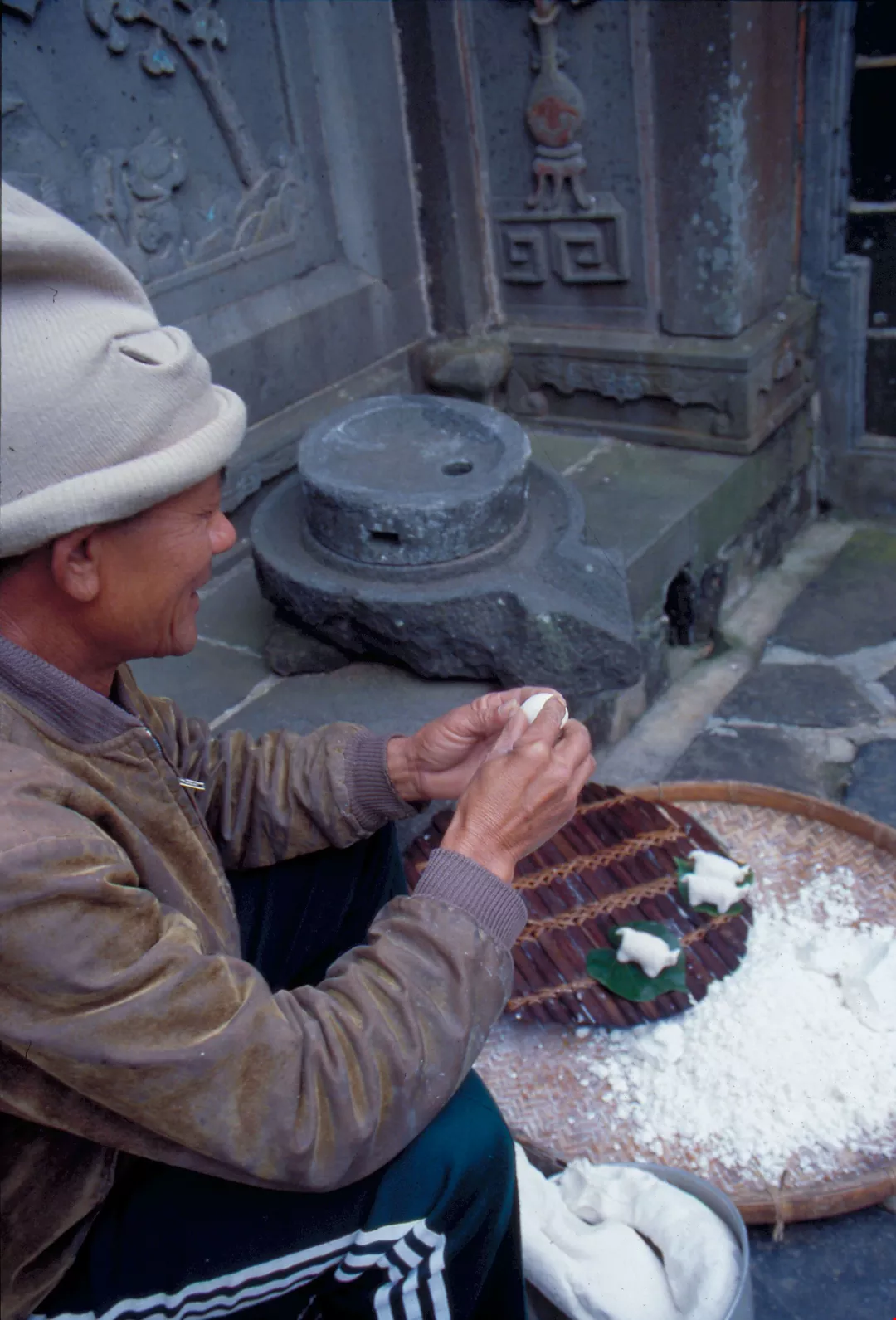
At the winter solstice residents of the Pescadores eat these animal shaped "tang yuan".
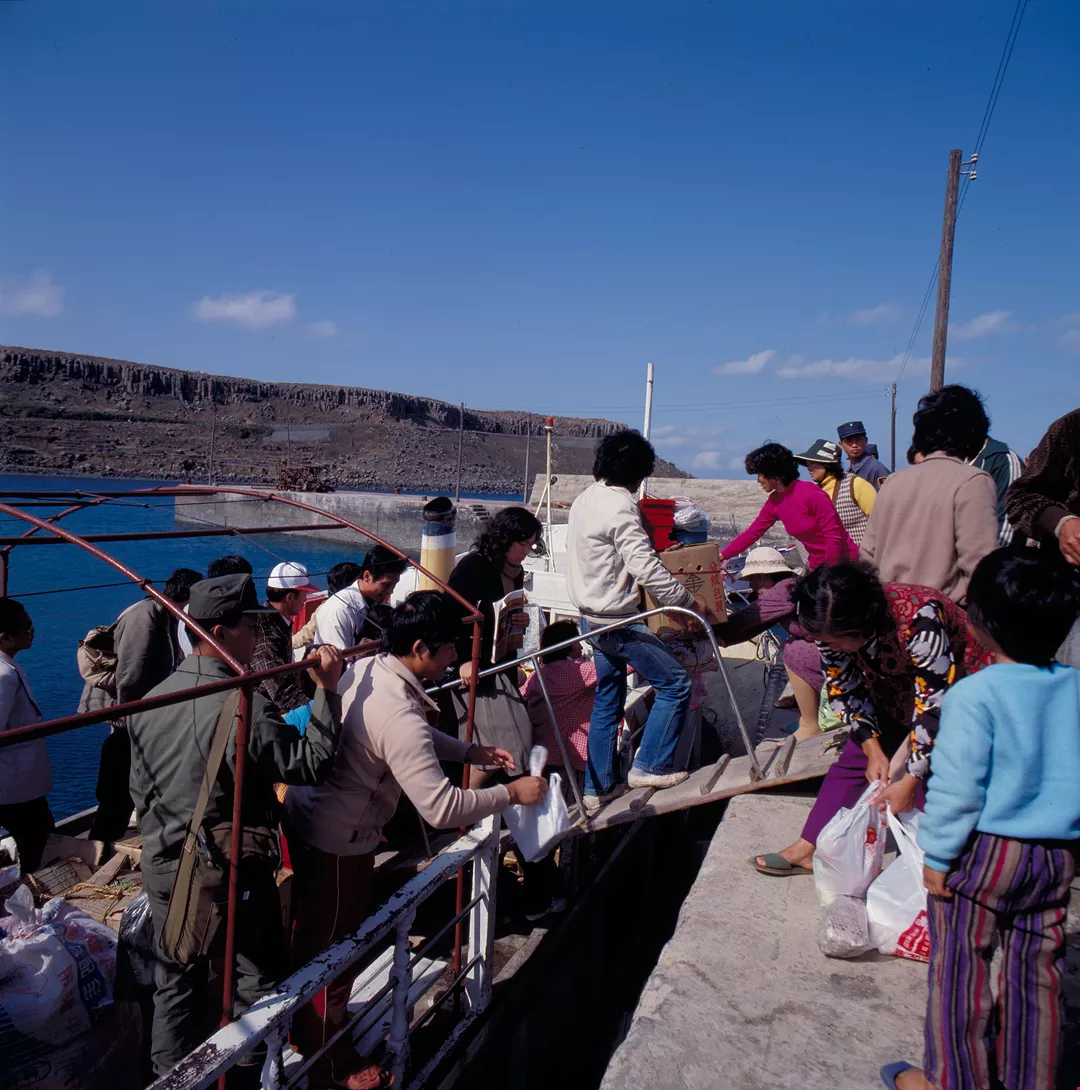
Tourists boarding a ferry.
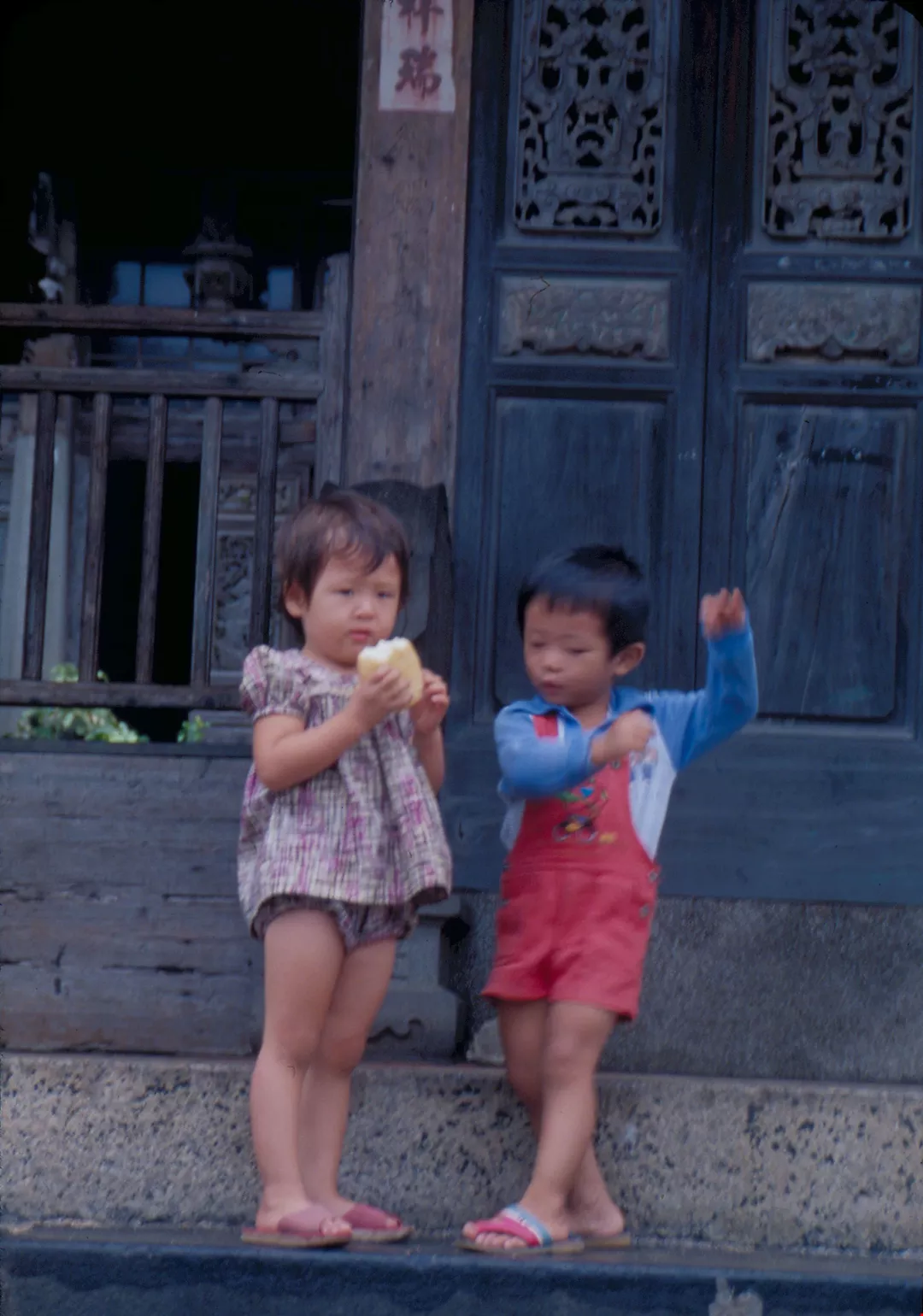
Cute children.
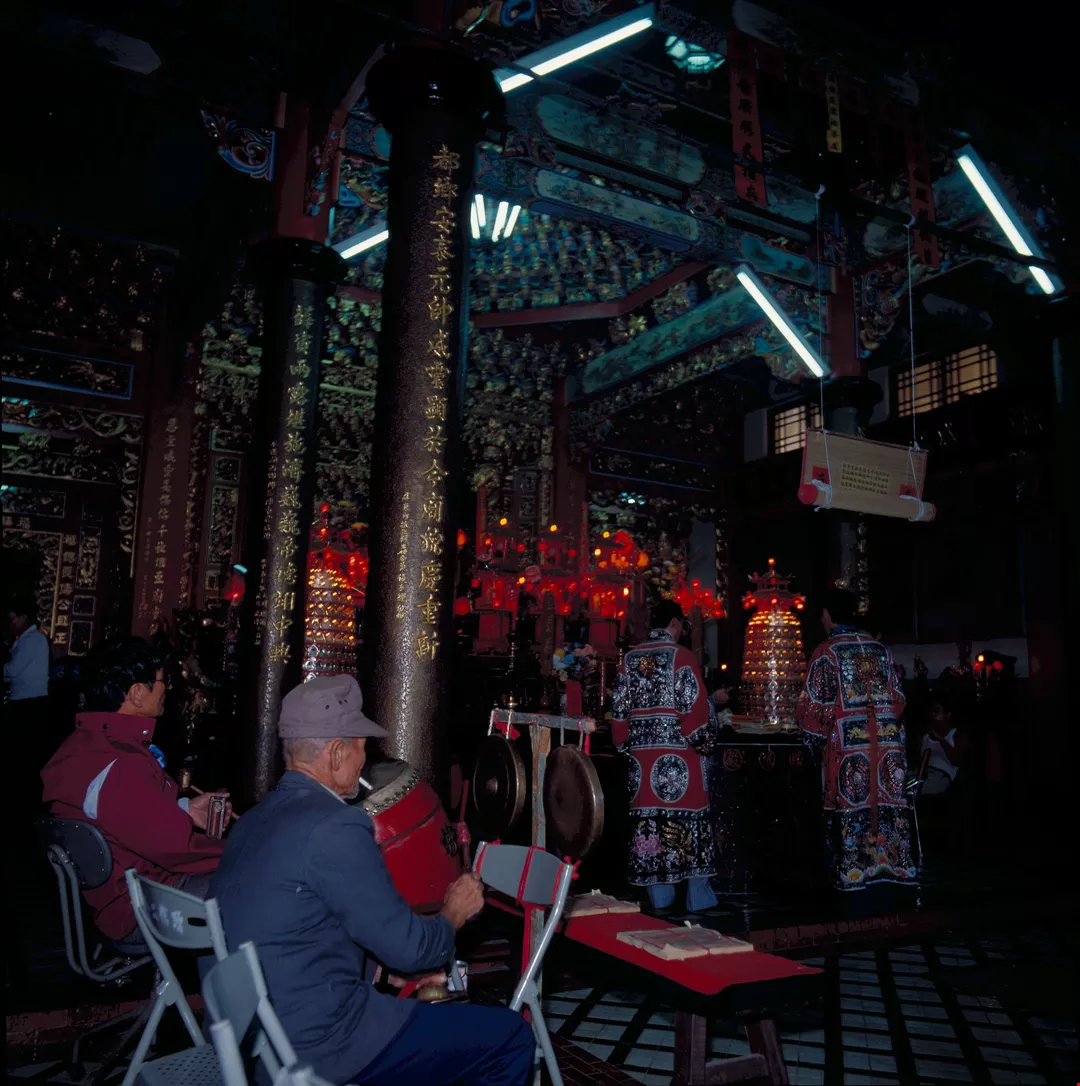
Temple celebrations during a festival.
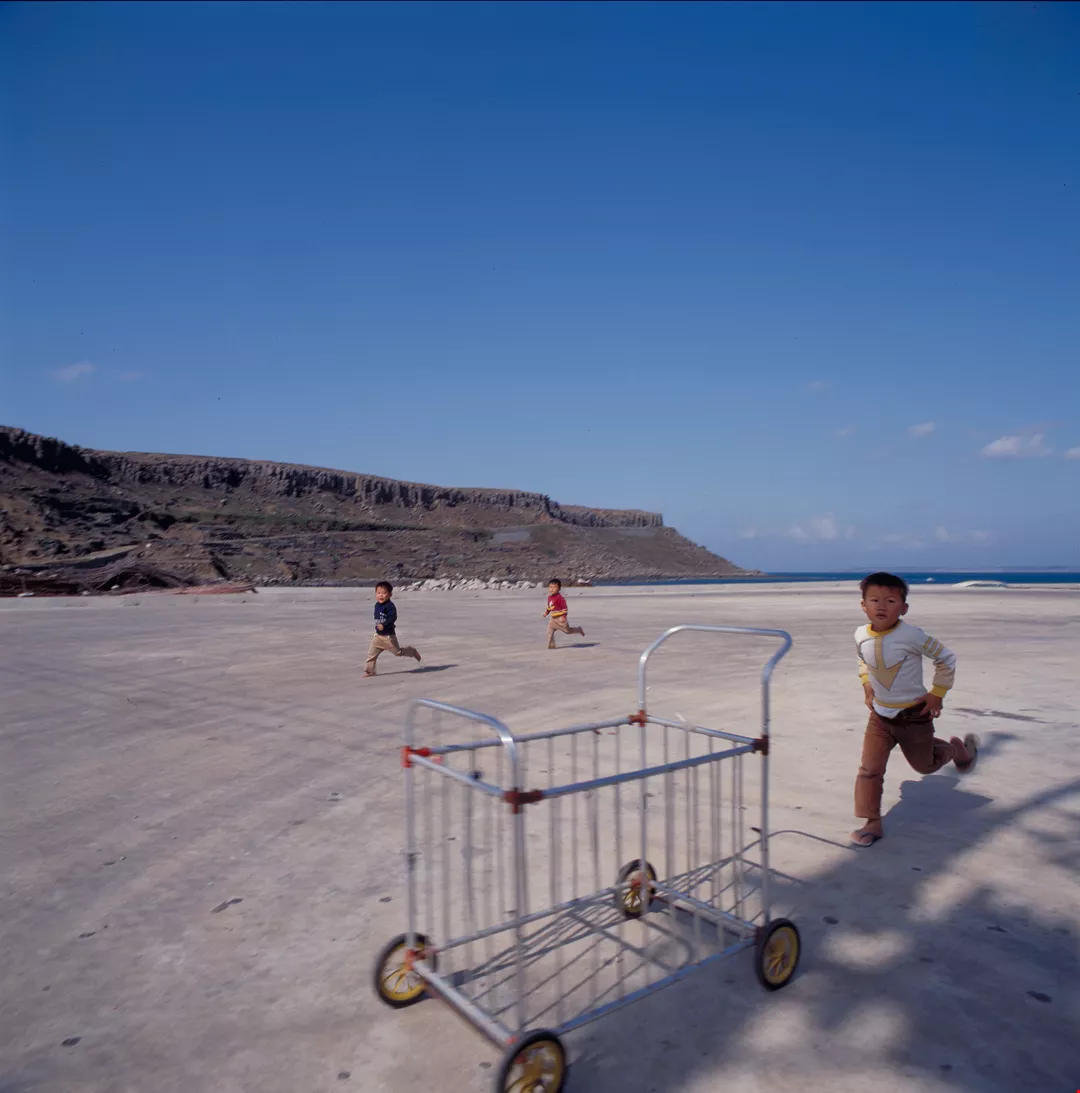
Children of the archipelago.
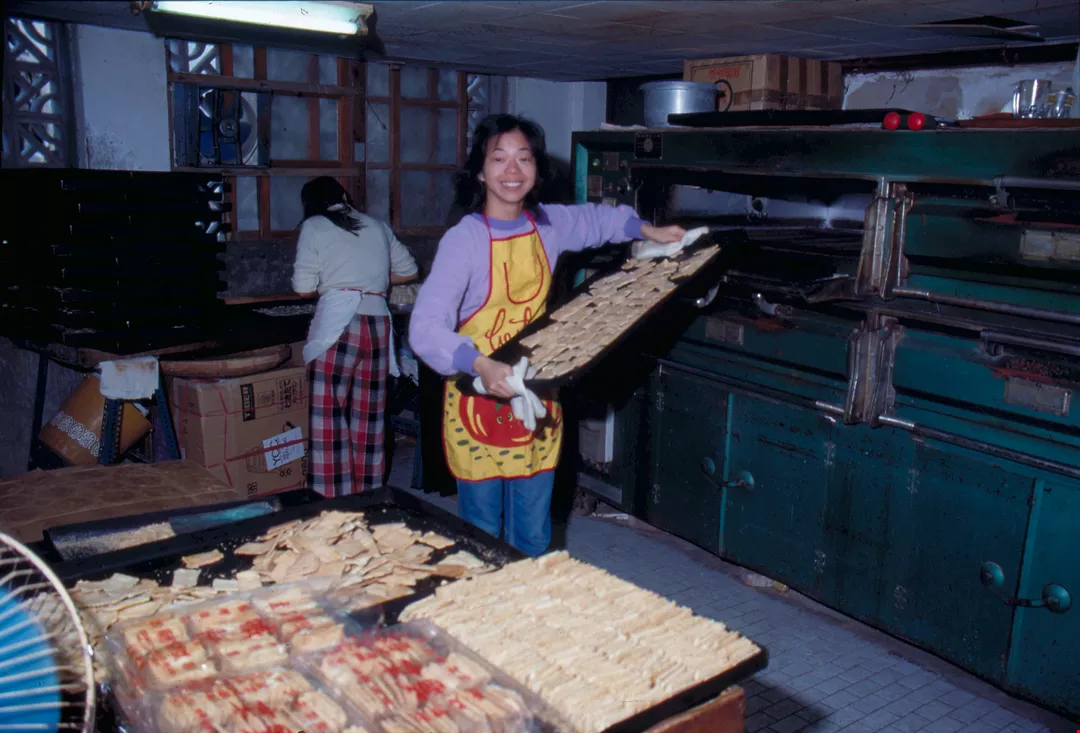
Sheng Hsing Hang is famous for its "hsien ping".
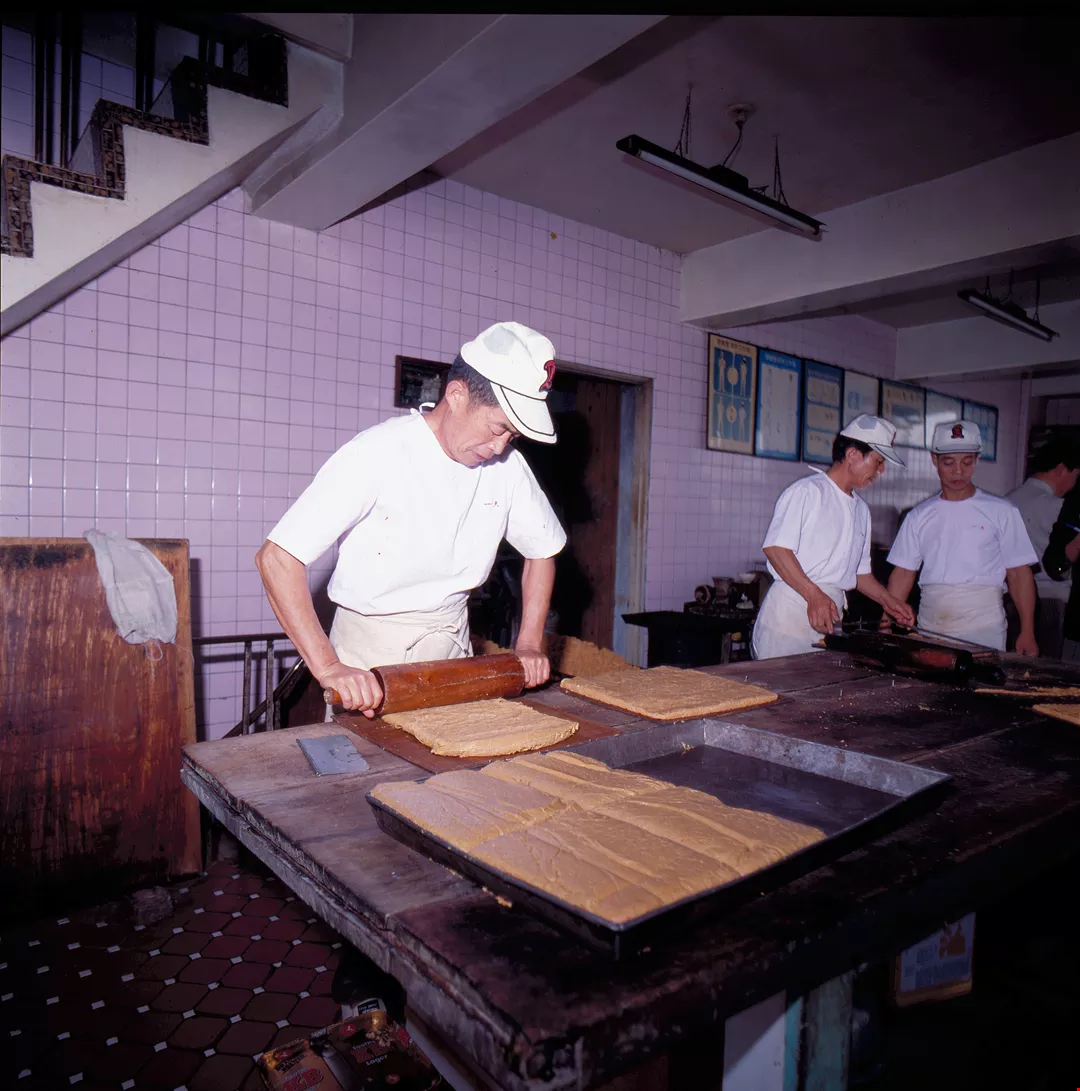
Processing peanut treats.
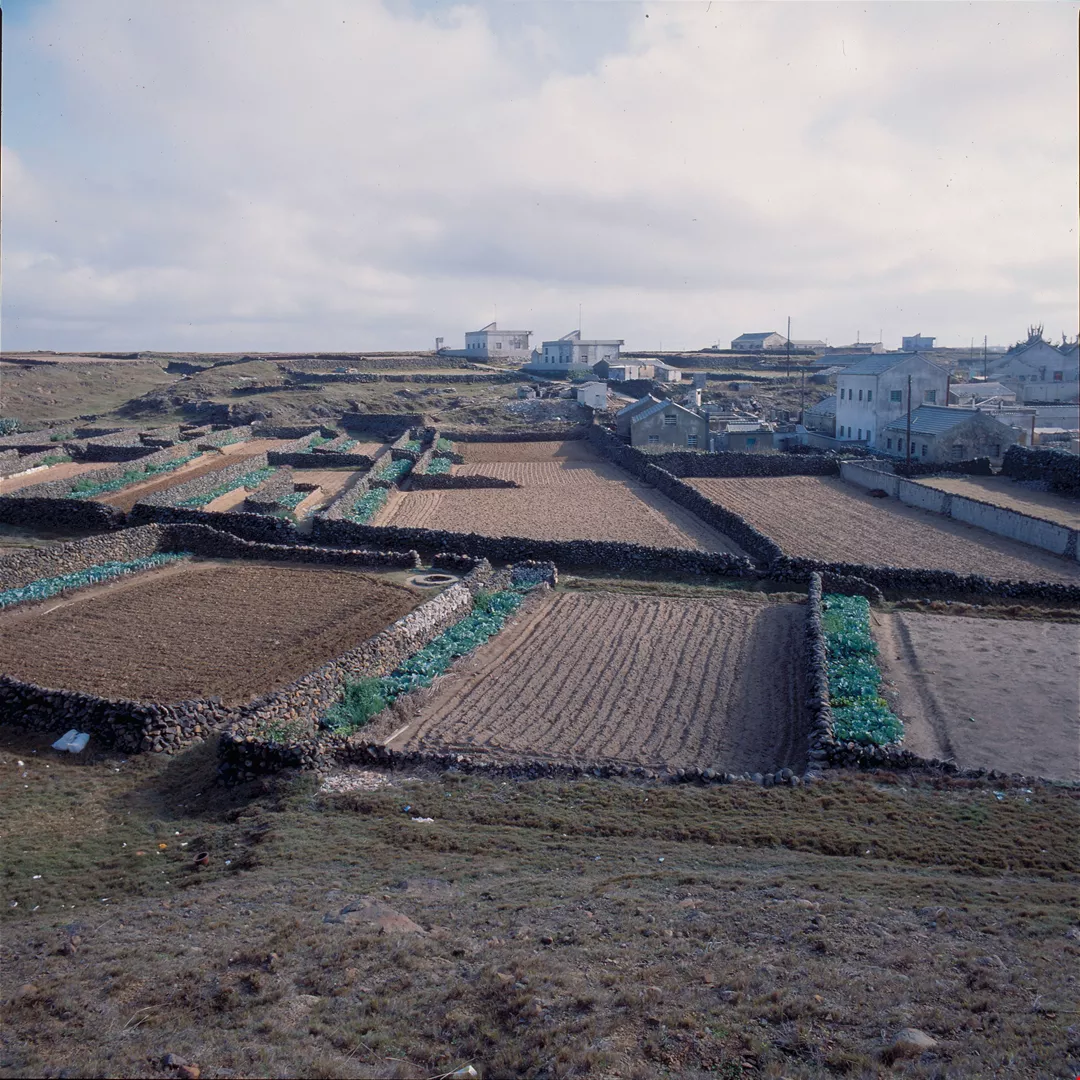
Walls to protect fields from the archipelago's strong winds.
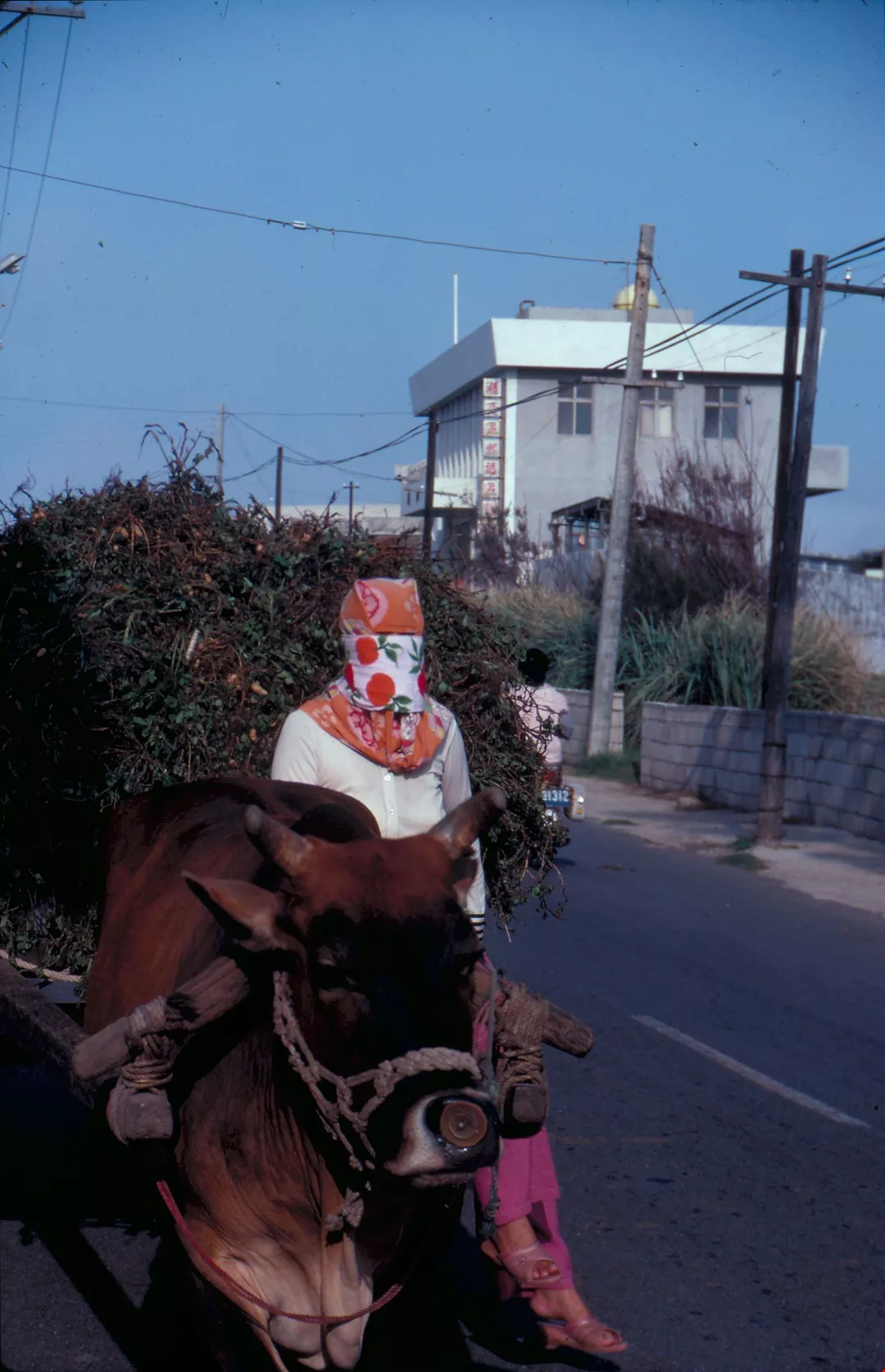
A veiled woman on an ox cart.
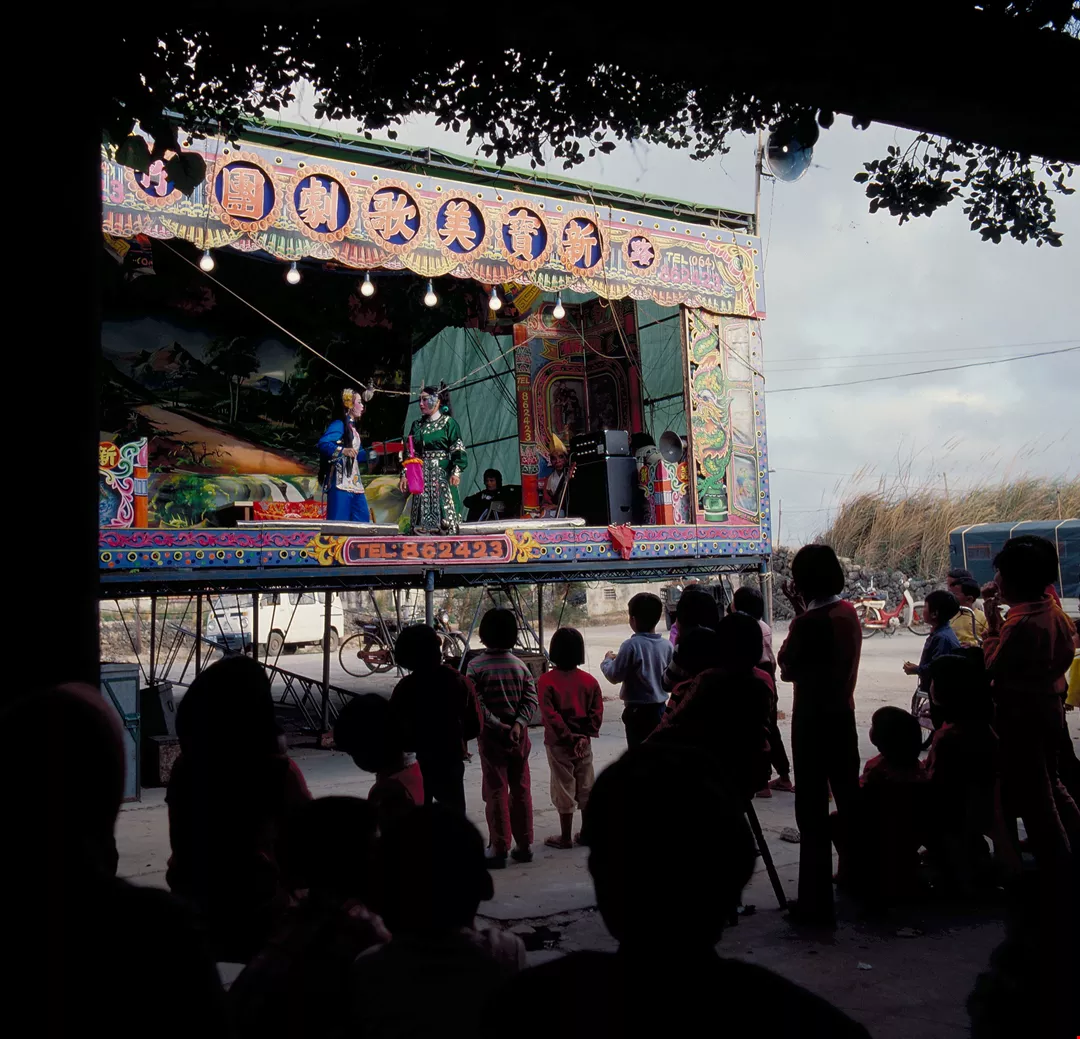
Everyone loves an opera performance.
At the winter solstice residents of the Pescadores eat these animal shaped "tang yuan".
Tourists boarding a ferry.
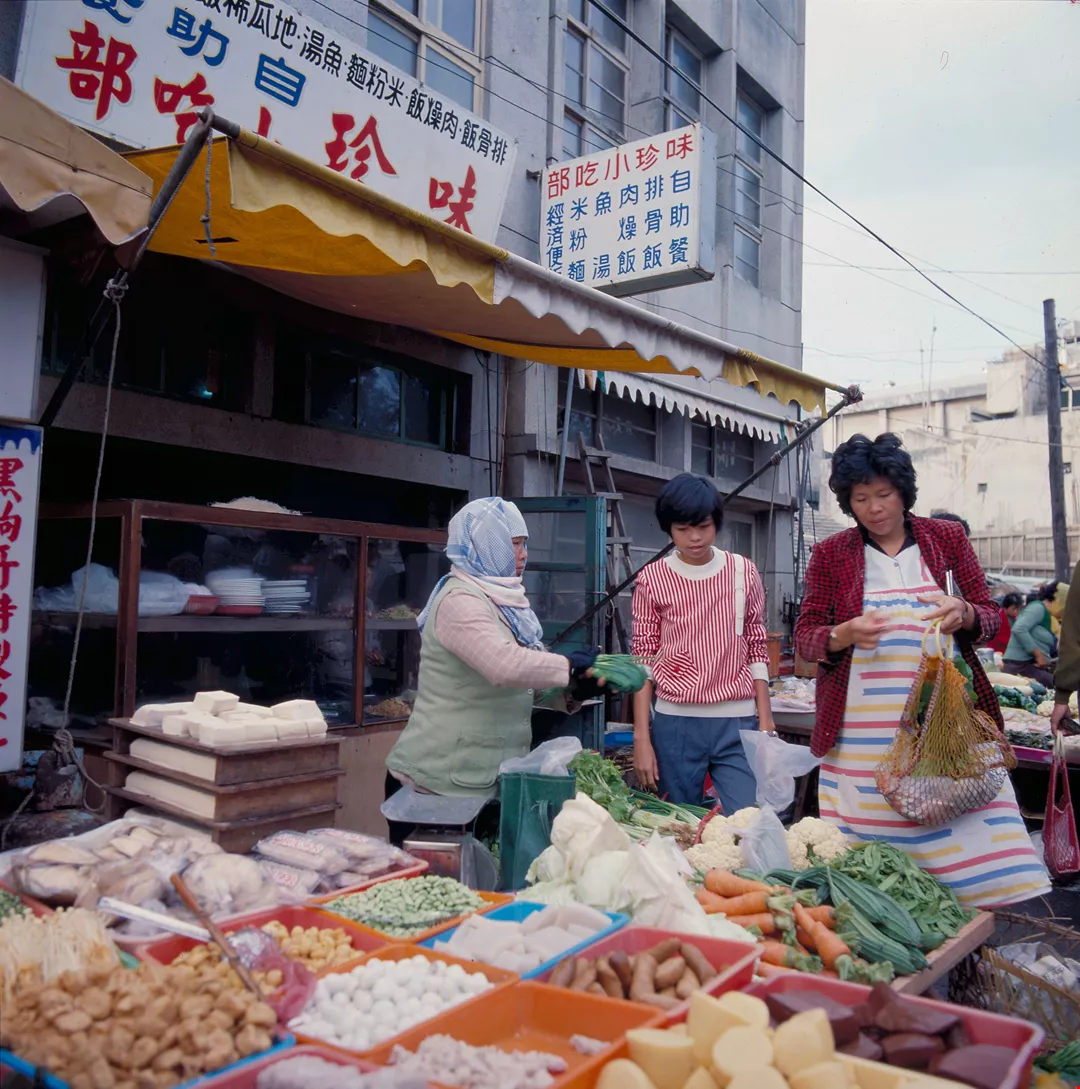
Cute children.
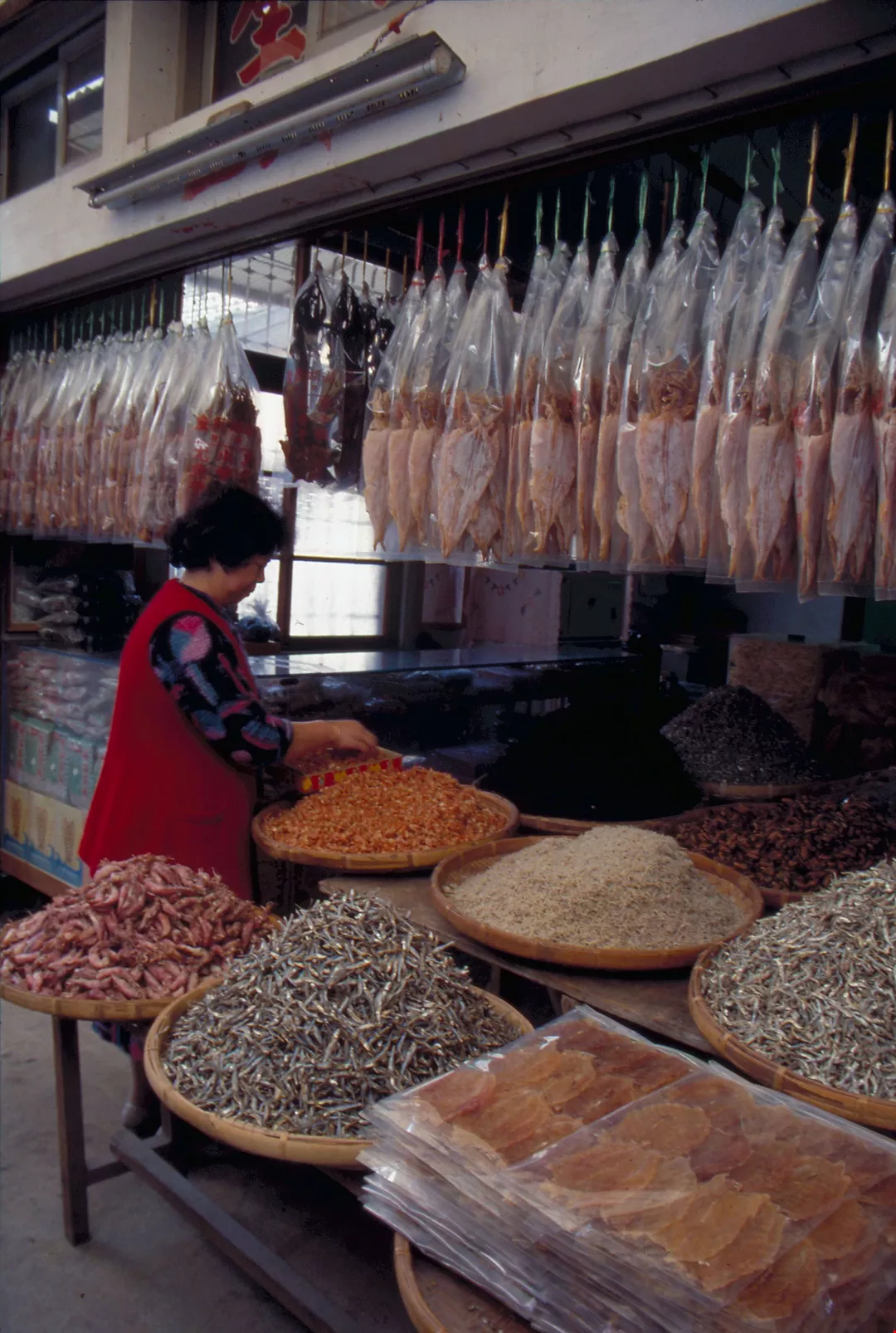
Seafood is cheap and plentiful.
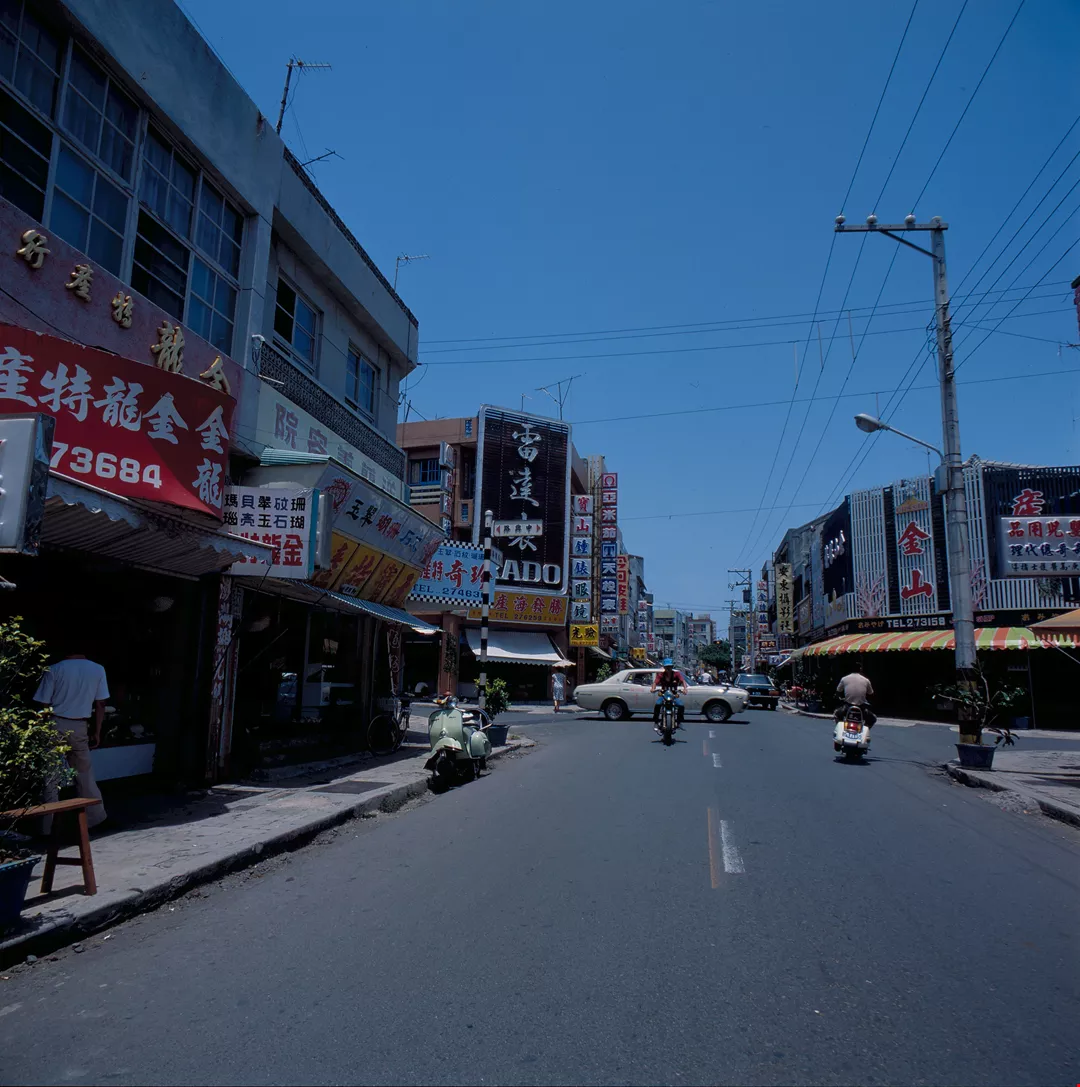
Magung's streets are narrow but clean.
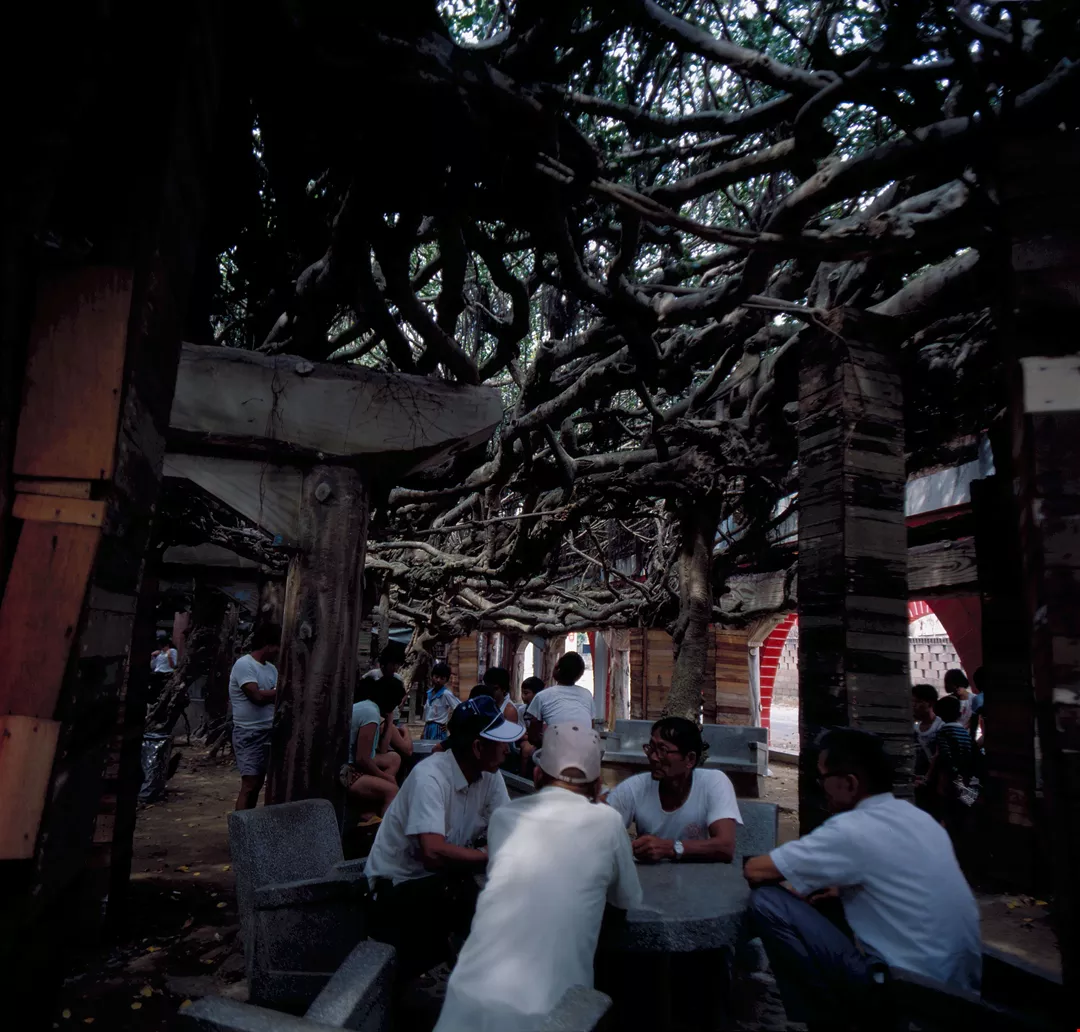
Residents like to gather under this old banyan to chat.
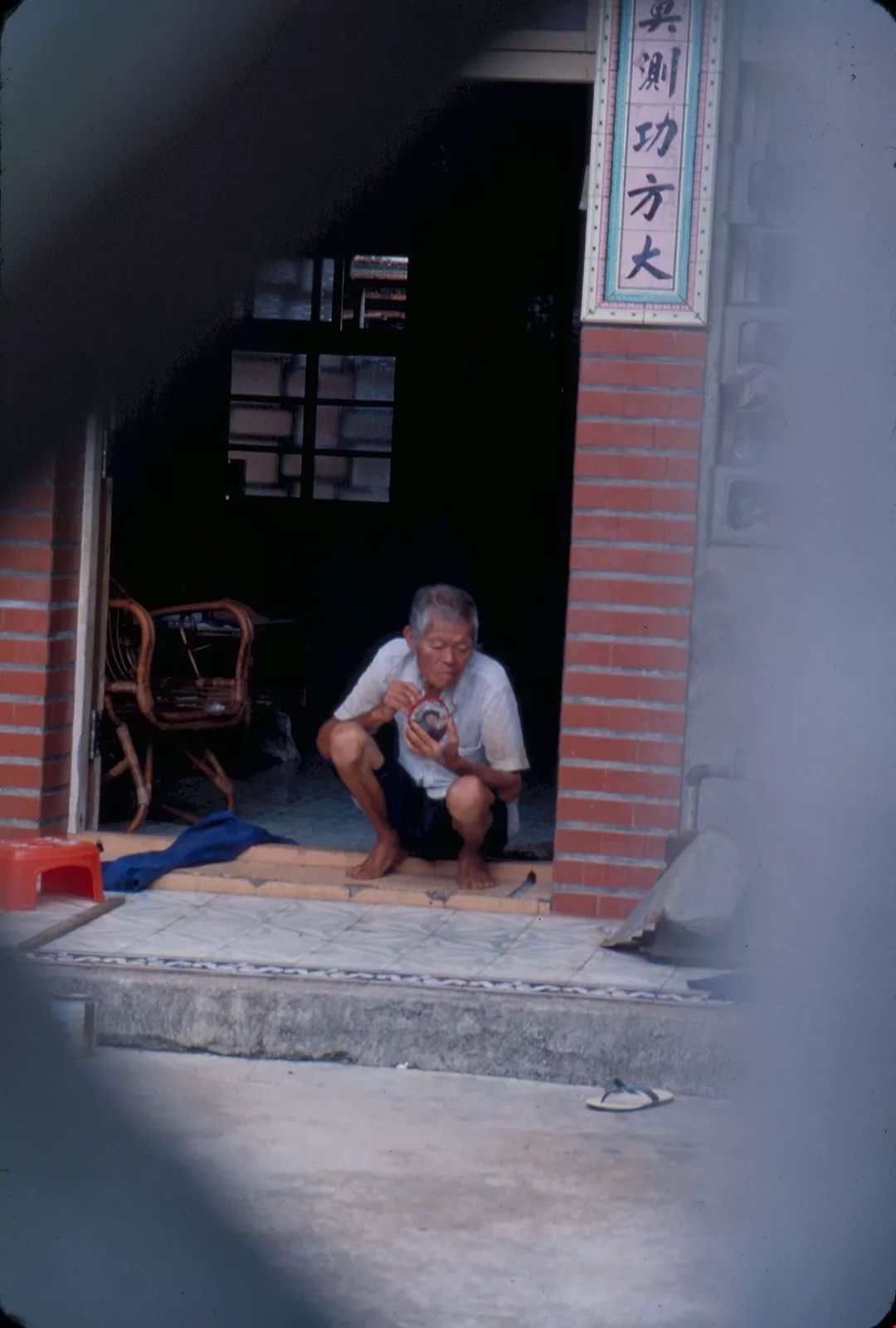
An older resident.
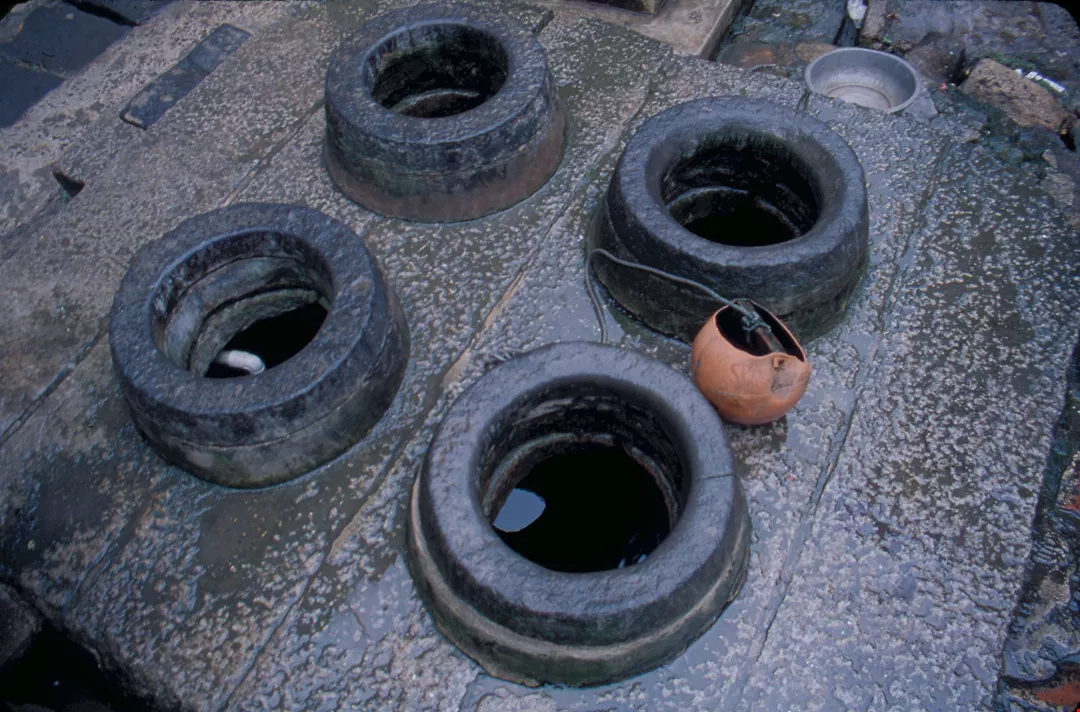
Four Eyes Well is one of the Pescadores most famous historical sites.
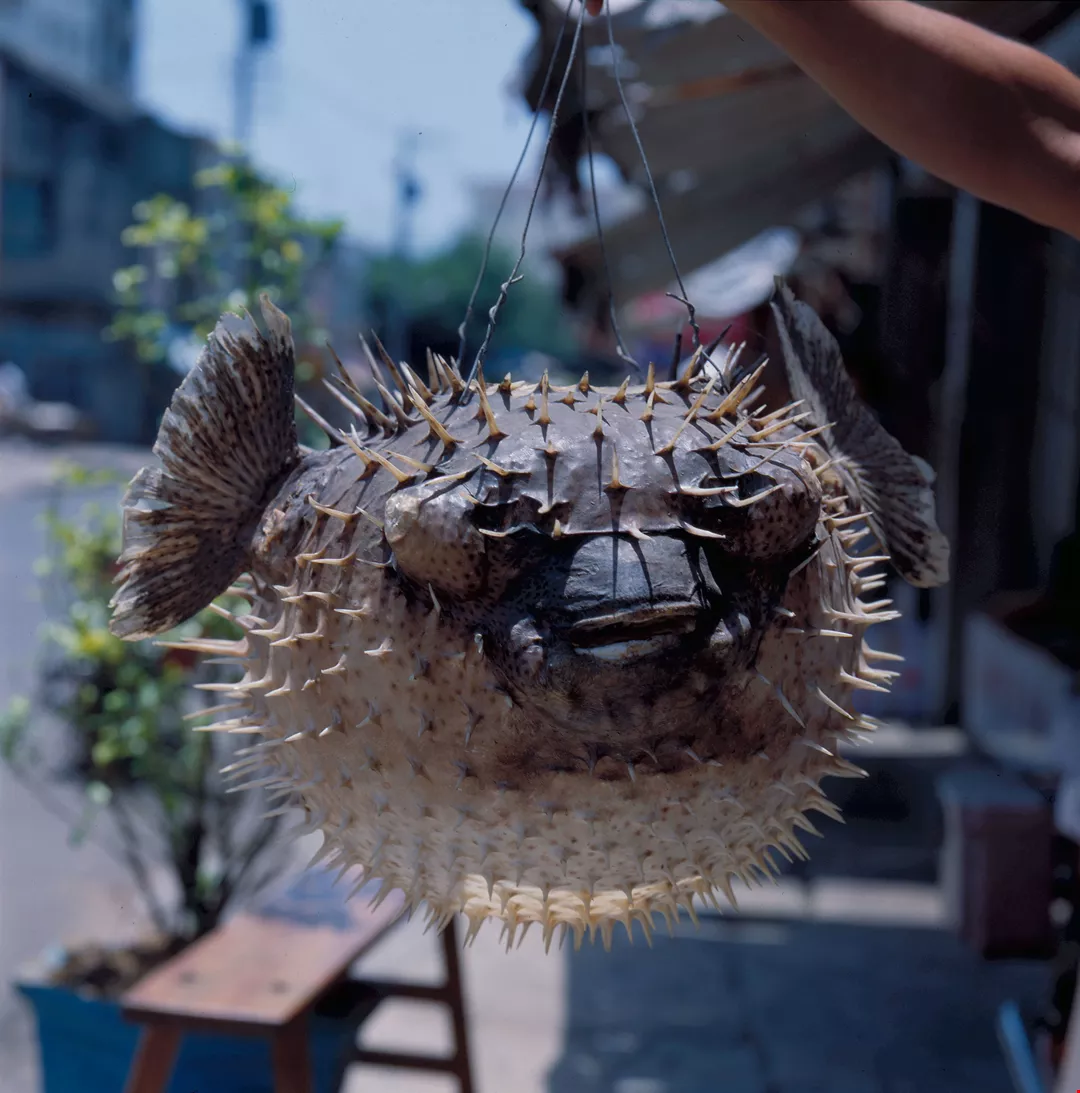
The procupine fish can be used as a decoration.


@List.jpg?w=522&h=410&mode=crop&format=webp&quality=80)


