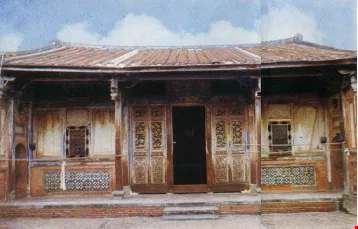
Old buildings are a rarity in Taiwan, and like all rare things, they have a special value. One of the most beautiful examples is known as Tunbentang, a 100-year-old building dating from the late Ching Dynasty and occupying an area of 72,000 square feet. The descendants of Lin Yueh-ting, the builder, still occupy the house located in Nantou County in central Taiwan. Tunbentang's beauty lies in its high roof, wide corridors and intricate carvings on the doors, windows and walls. Artists and architects who have toured the building agree it is one of the finest old-style Chinese houses left on the island, standing in stark contrast to the modern Western style buildings which now surround it.
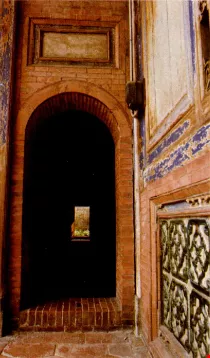
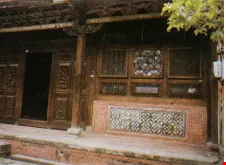
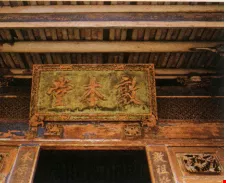
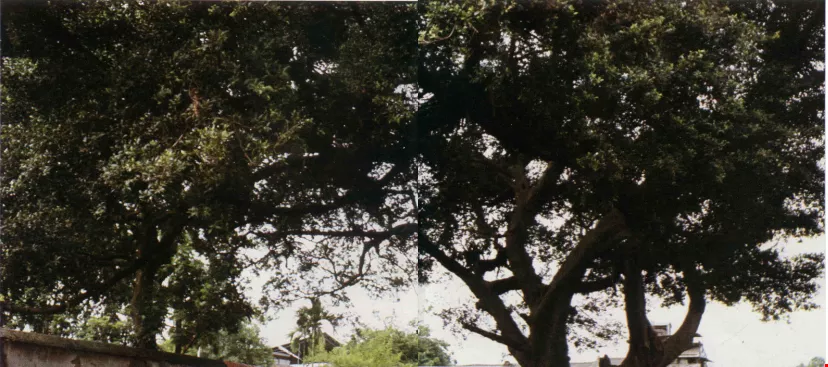
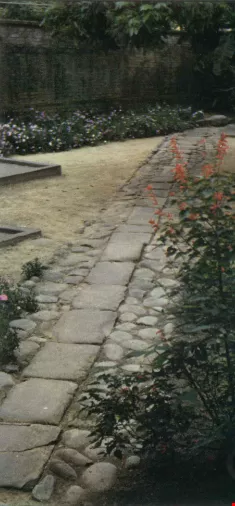
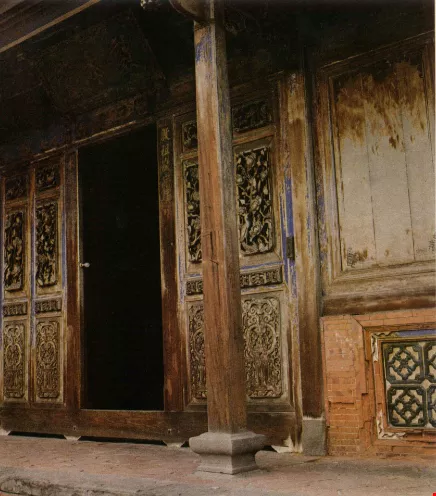
The front door or Tunbentang leads to the hall (pictures left) inside which there is a wooden screen carved with pine trees, deer and bats, which has fascinated many visitors. Another feature is the broad, unpainted beams. Outside, a large tree (center) provides shade for passers-by, while the courtyard inside is paved with stones and lined with plots of flowers.
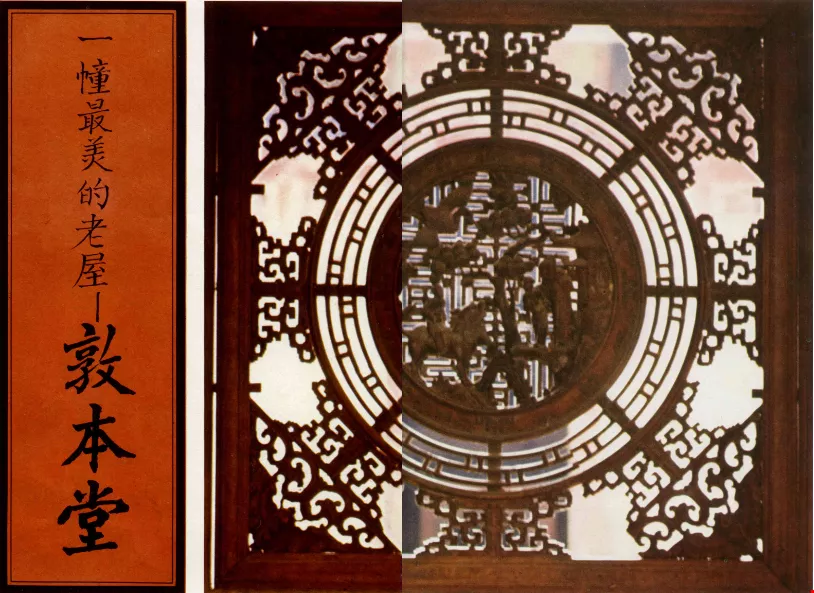
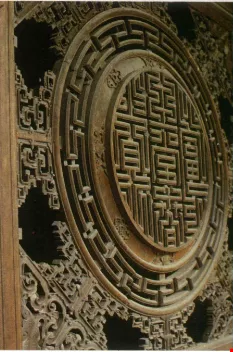
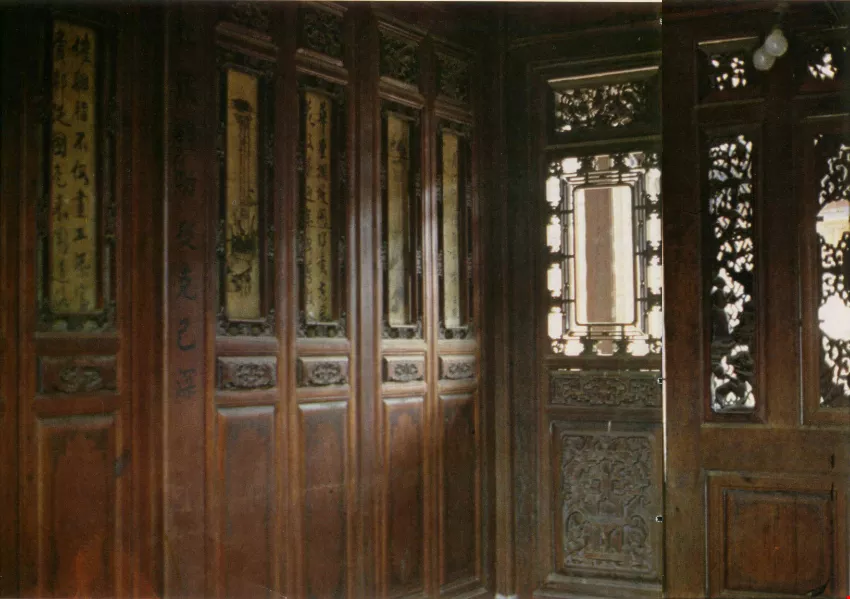
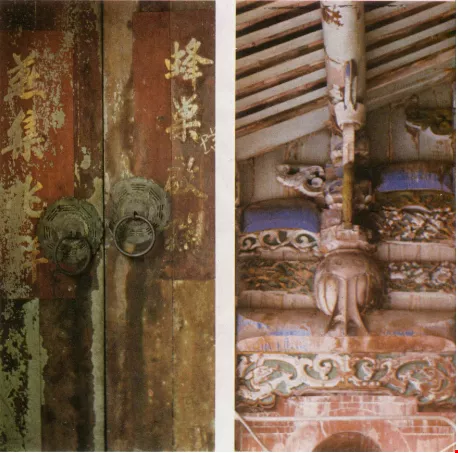
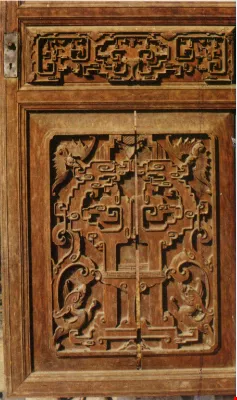
Wooden carvings are a special feature of Tunbentang, found on windows, doors and ceilings. While the Chinese characters inscribed on doors have become illegible with the passage of time, clearly visible are the diagrams of the Book of Changes inlaid around the brass door knockers (center).
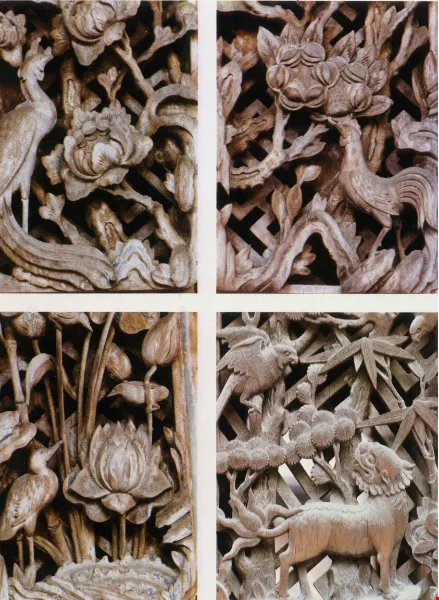
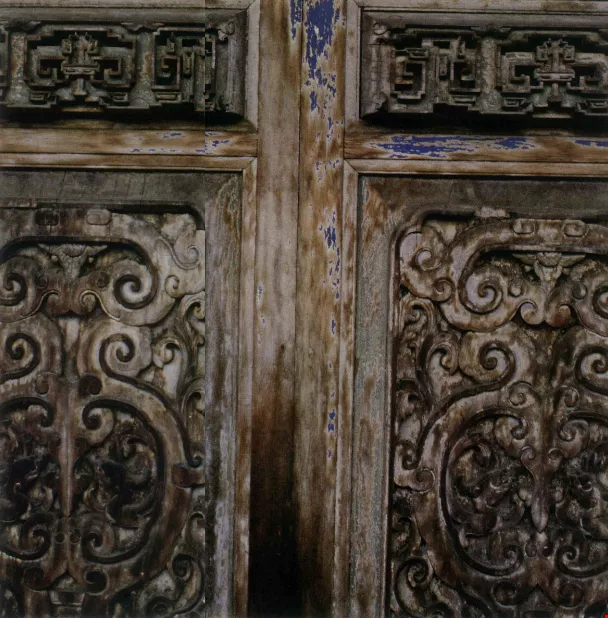
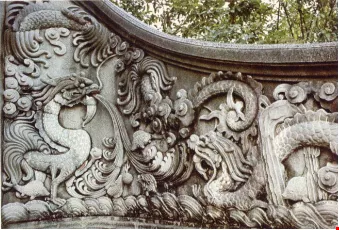
The walls of Tunbentang are constructed of wood, and red bricks made by the Lin family. These bricks are stuck together so firmly, with a cement which includes glutinous rice and molasses, that they still cannot be separated with the bare hands. The intricacy of the house's wooden carvings can be seen from the accompanying pictures.
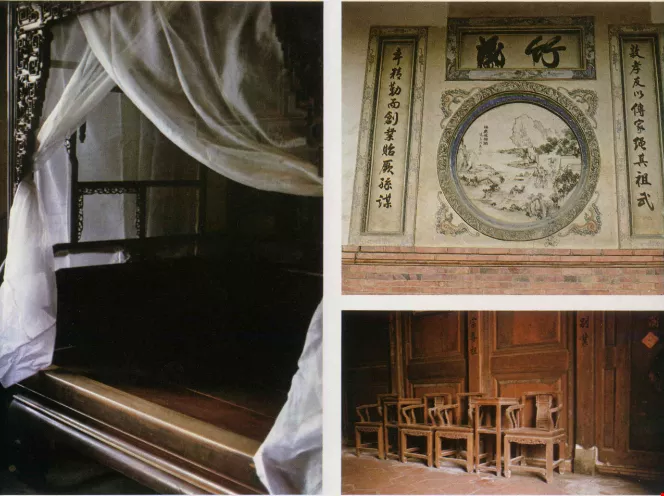
While the paintwork has faded, the beauty of the carvings remains (picture left). Pictures right show a wooden bed, a wall painting with Chinese characters, and Chinese chairs in the hall next to the ancestral tablet surrounded by fruit, cakes and incense.
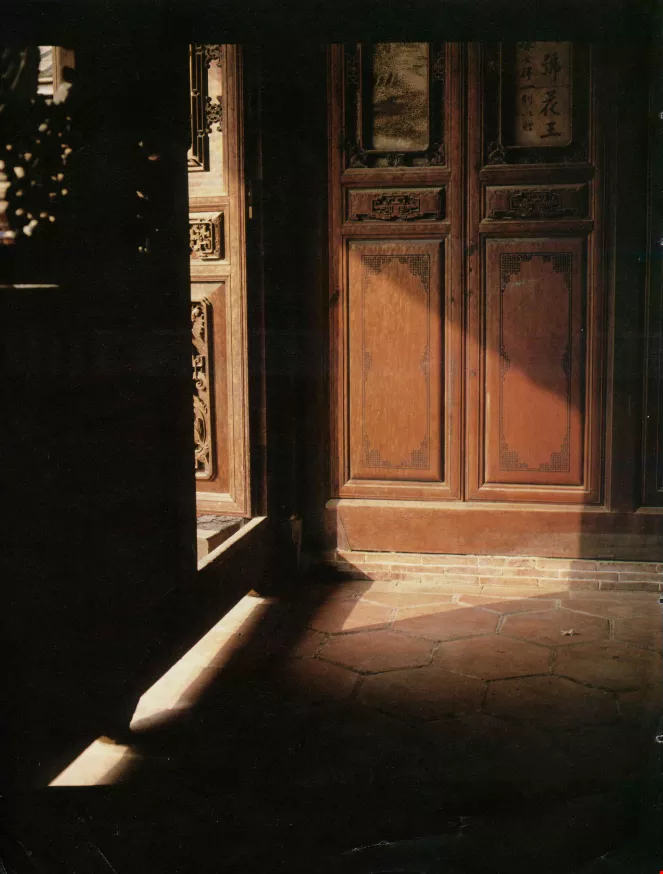
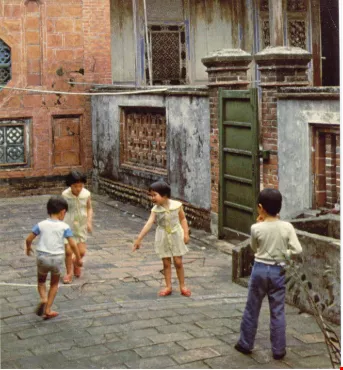
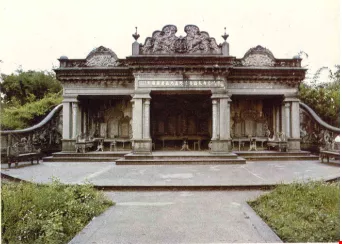
Pictures left and above right show the wooden paneling in the house and children playing in the courtyard. Below right is the Lin family graveyard with tables and chairs in place. The sumptuous quarters for the family ancestors are an indication of the traditional belief that honoring the dead will benefit the living.




@List.jpg?w=522&h=410&mode=crop&format=webp&quality=80)


