Yang Shun-Fa’s Dreamy Allegories
The Submerged Beauty of Formosa and Taiwan To Go
Shen Bo-yi / photos Yang Shun-fa / tr. by Brandon Yen
June 2020
Yang Shun-fa’s bond with photography was forged many years ago. He has not received any professional art training, but is a working-class amateur photographer who earns his keep at China Steel Corporation. Unlike many formally educated artists, he does not situate his work within abstract metaphysical contexts (such as time, space and existence). Instead he concentrates on local underpinnings, exploring from a grassroots perspective those little-noticed environmental issues with which Taiwan is confronted. We may indeed describe Yang’s creative engagement with the connections between land and human beings as “down to earth,” but I would prefer to consider his longstanding interest in Taiwan’s west coast (Changhua, Yunlin, Chiayi and Tainan) from a “down to water” viewpoint.

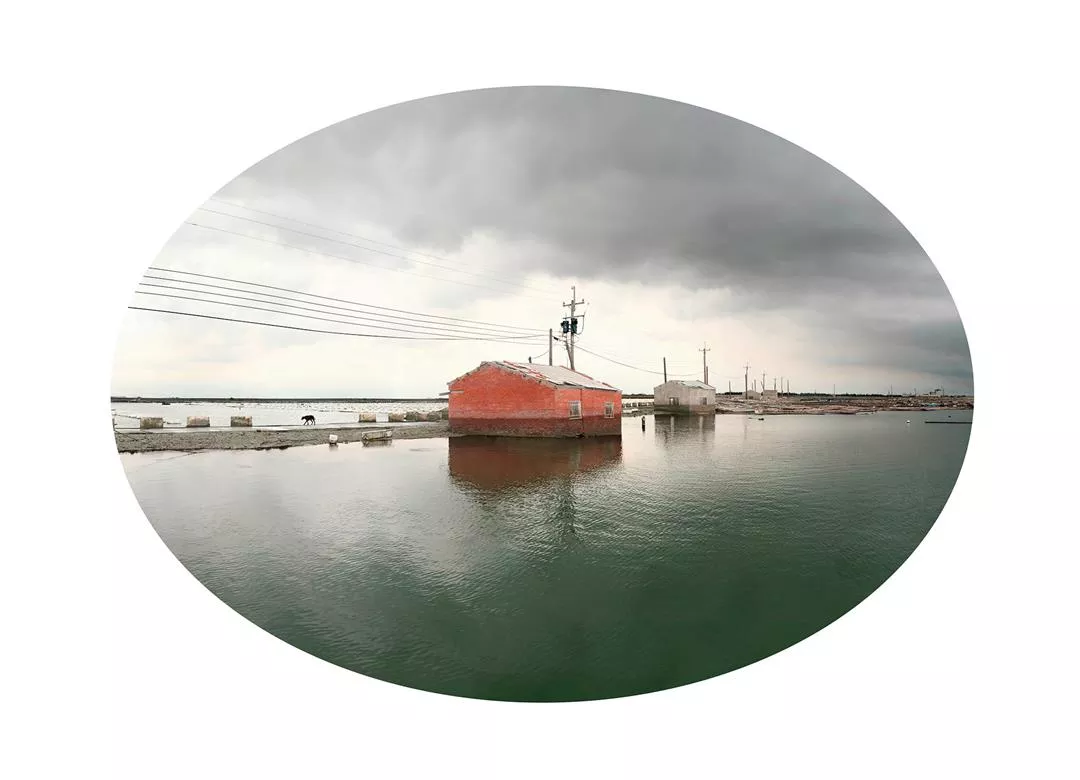
Kouhu Township, Yunlin County
The Submerged Beauty of Formosa:

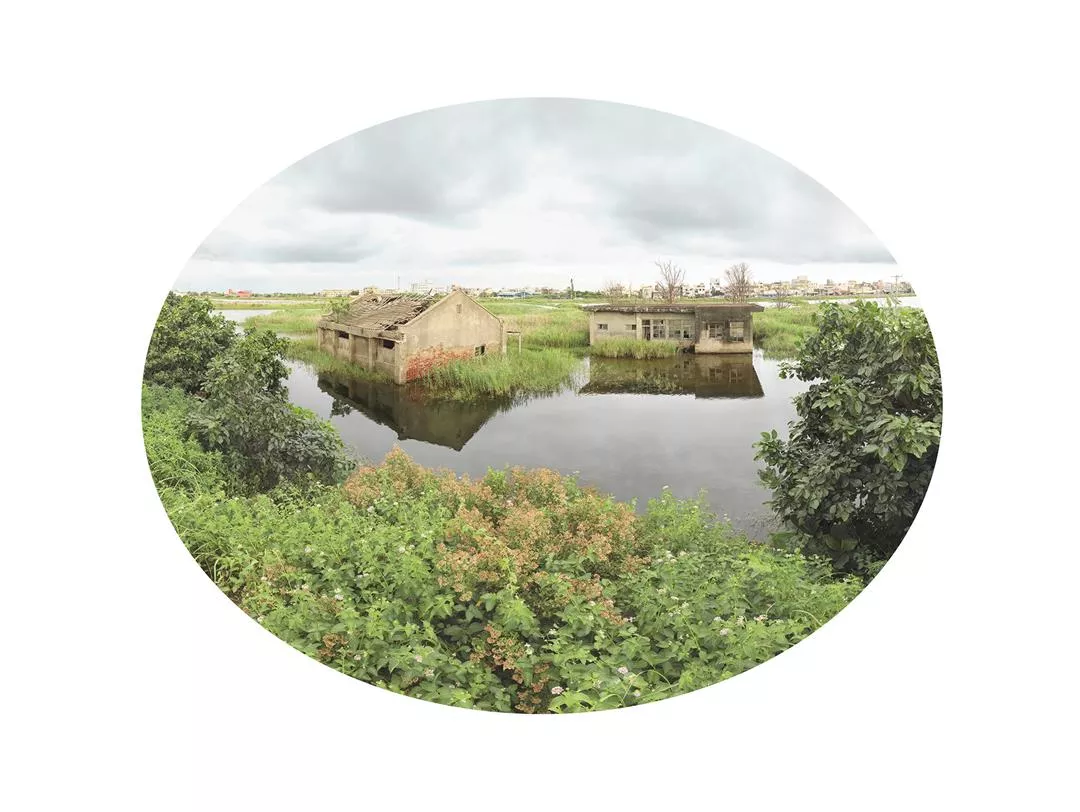
Xinjiezhuang, Dongshih Township, Chiayi County
A dialectic between reality and idealization
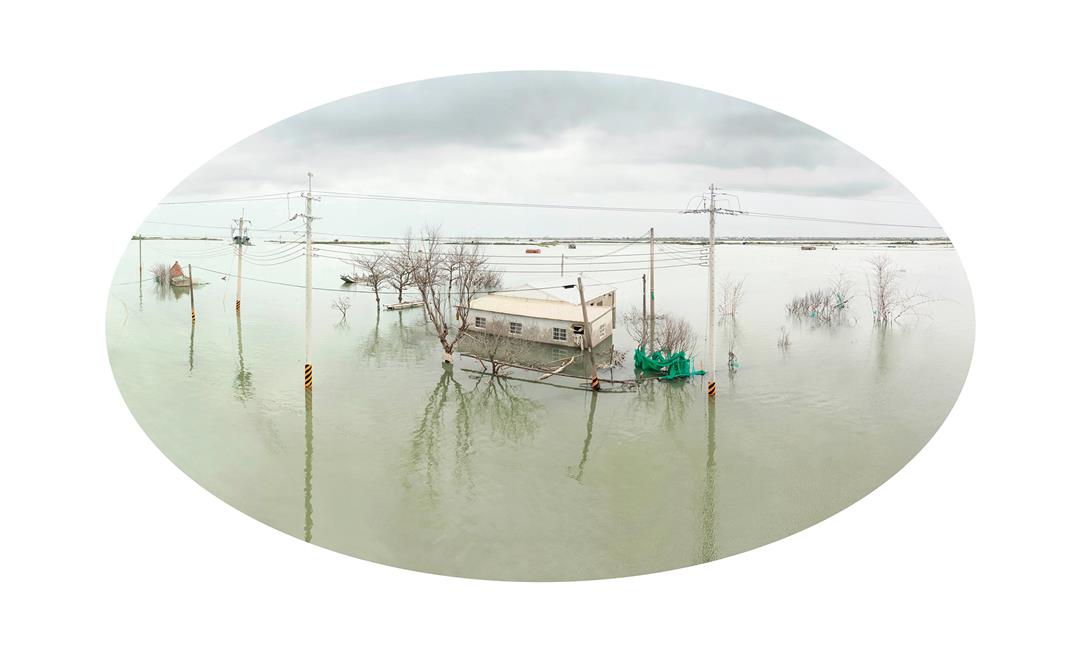
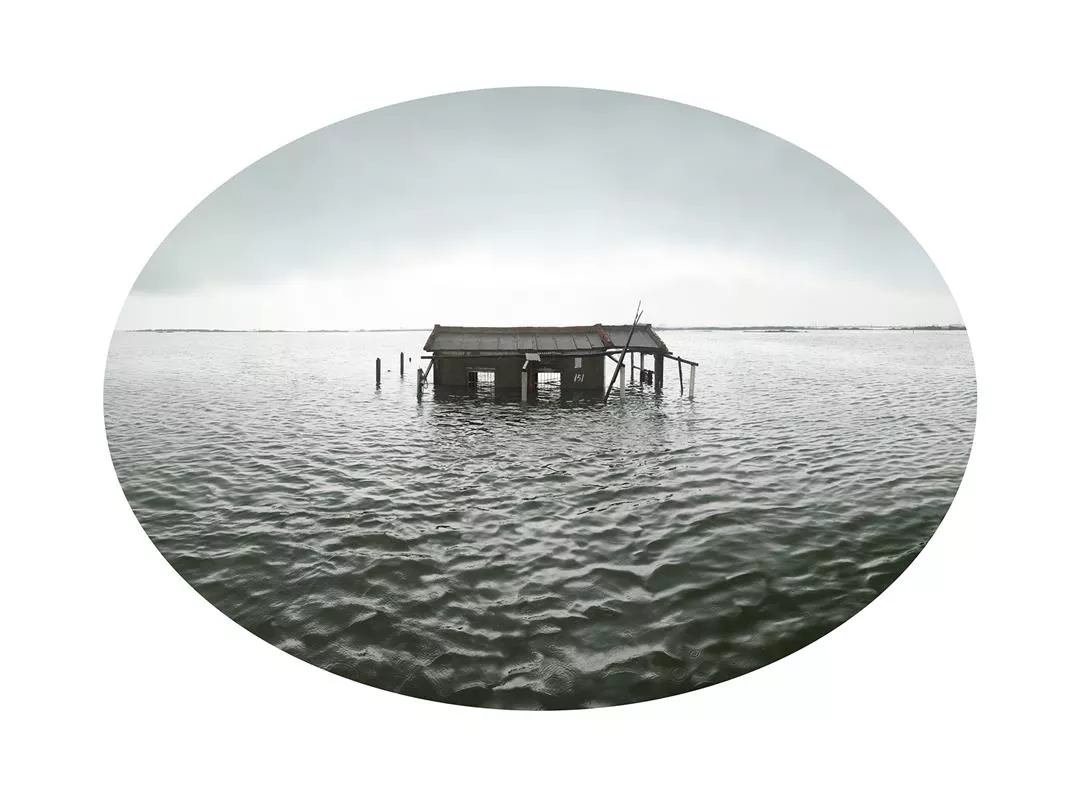
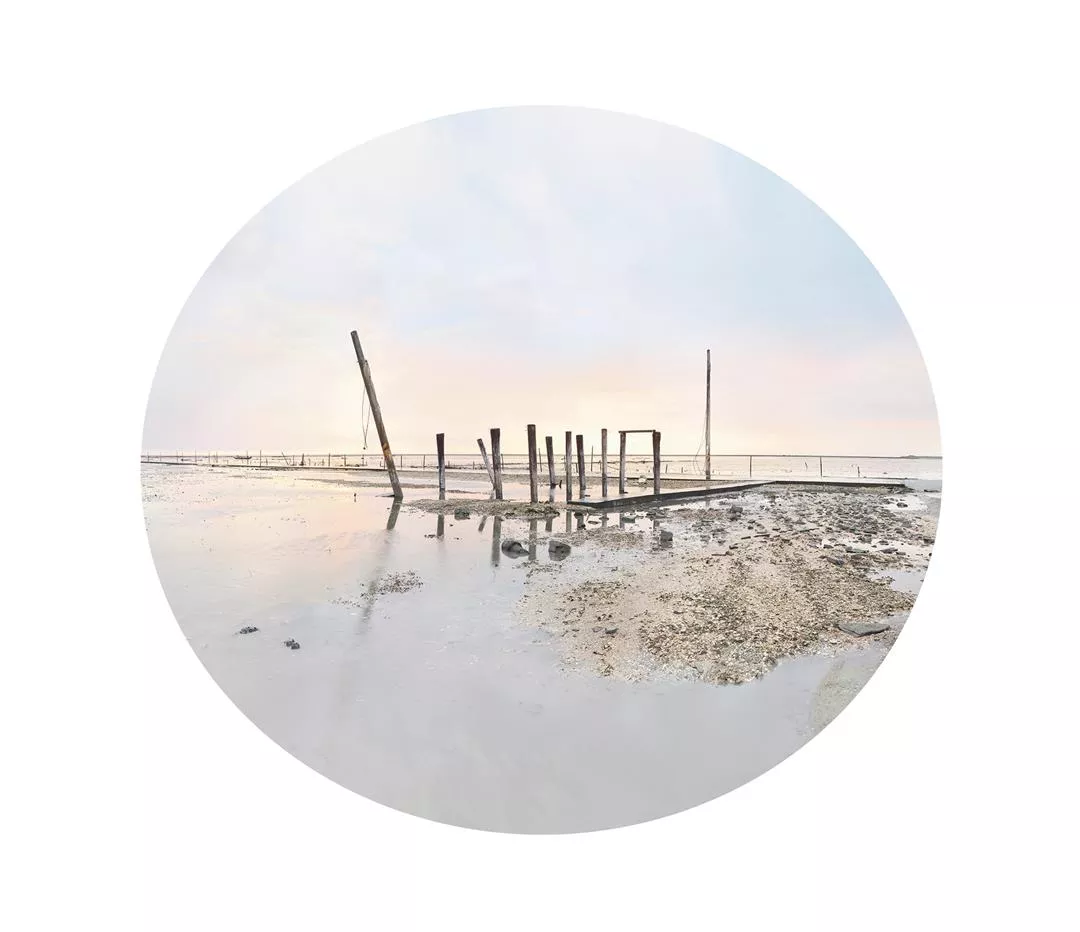
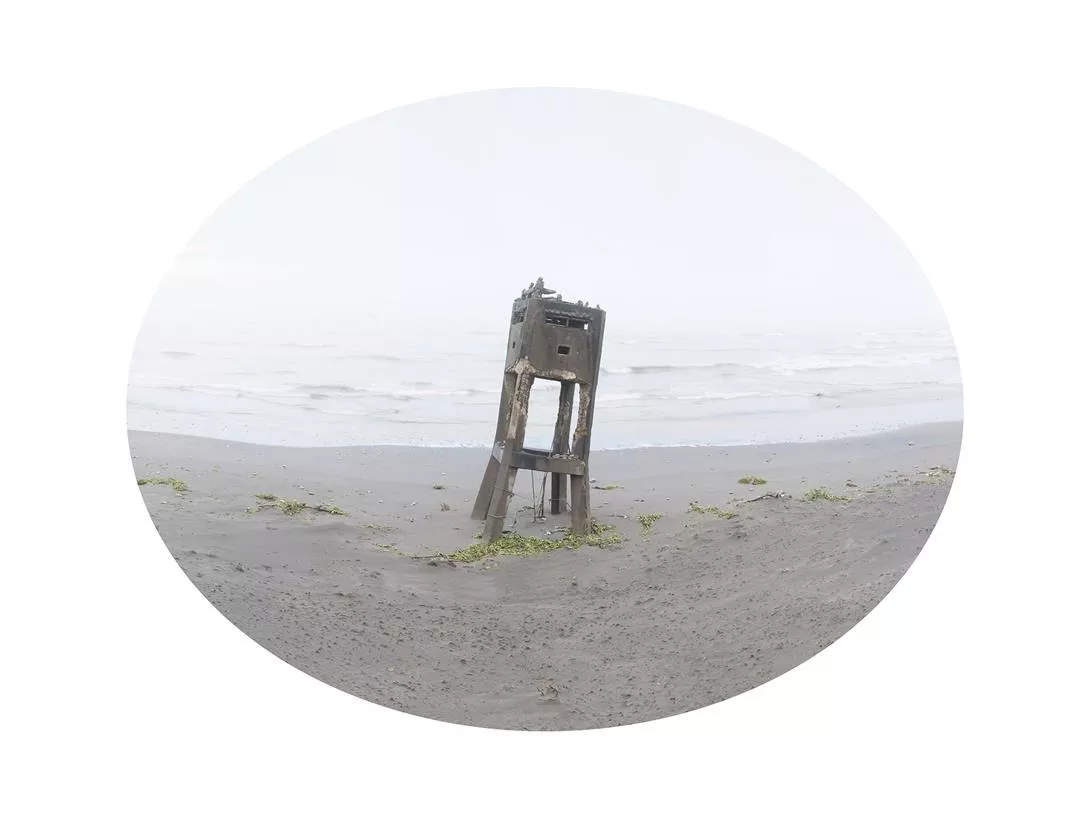
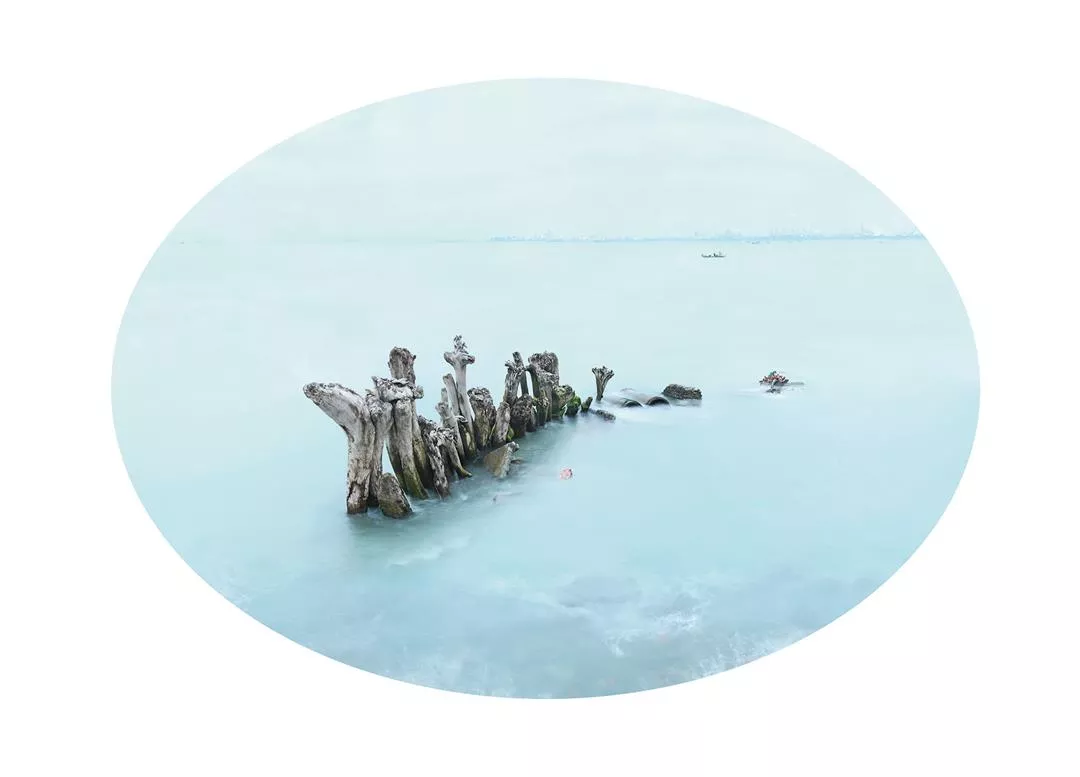
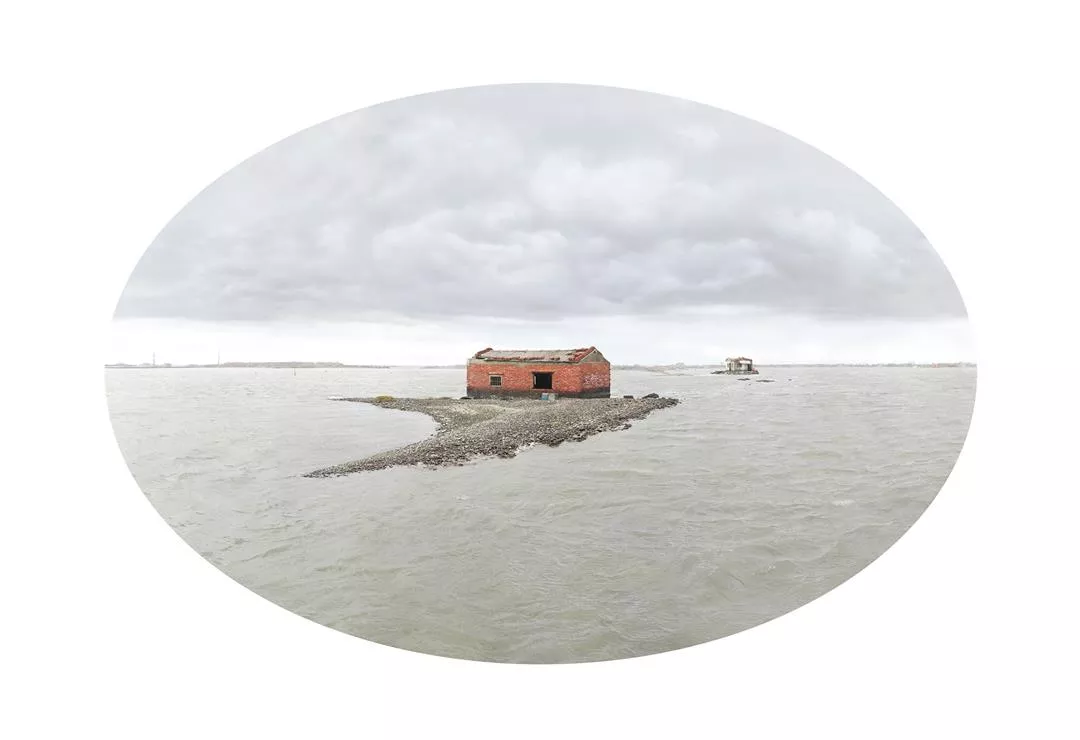
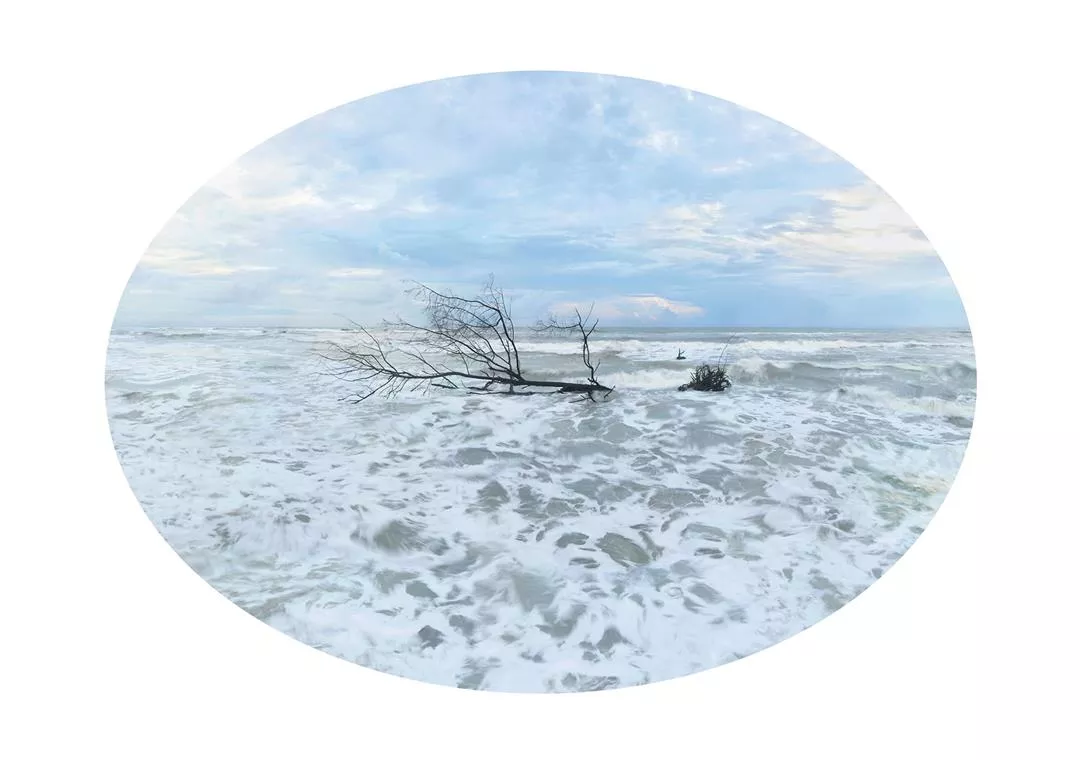
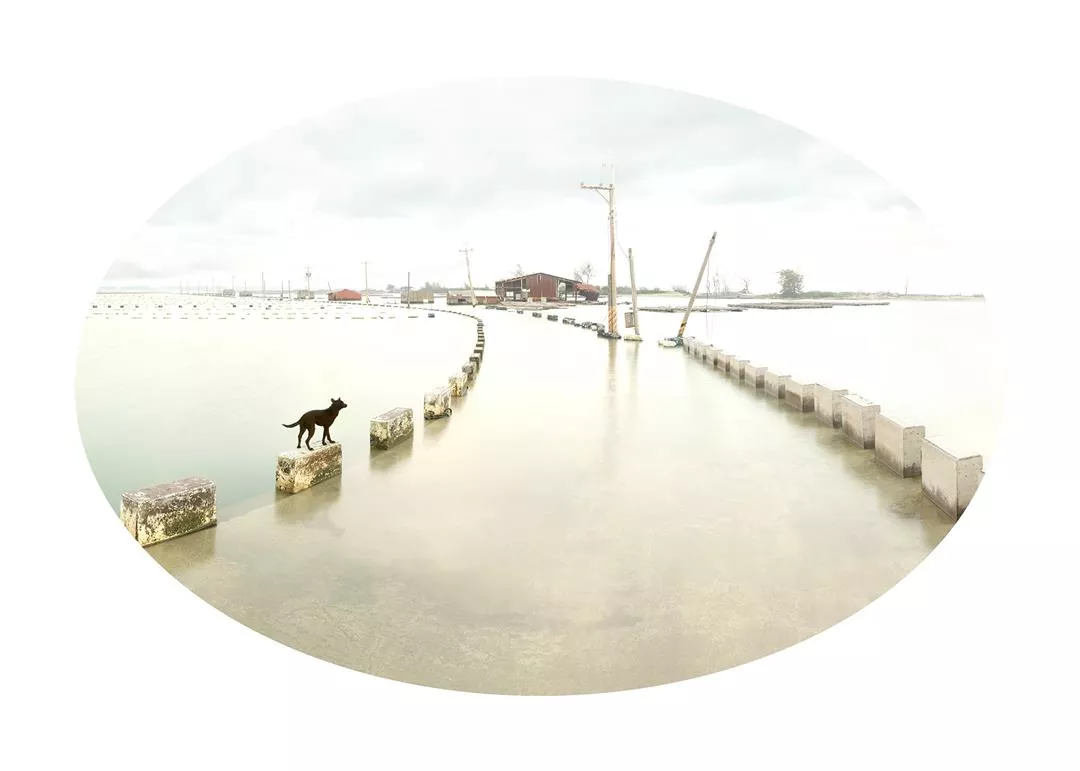
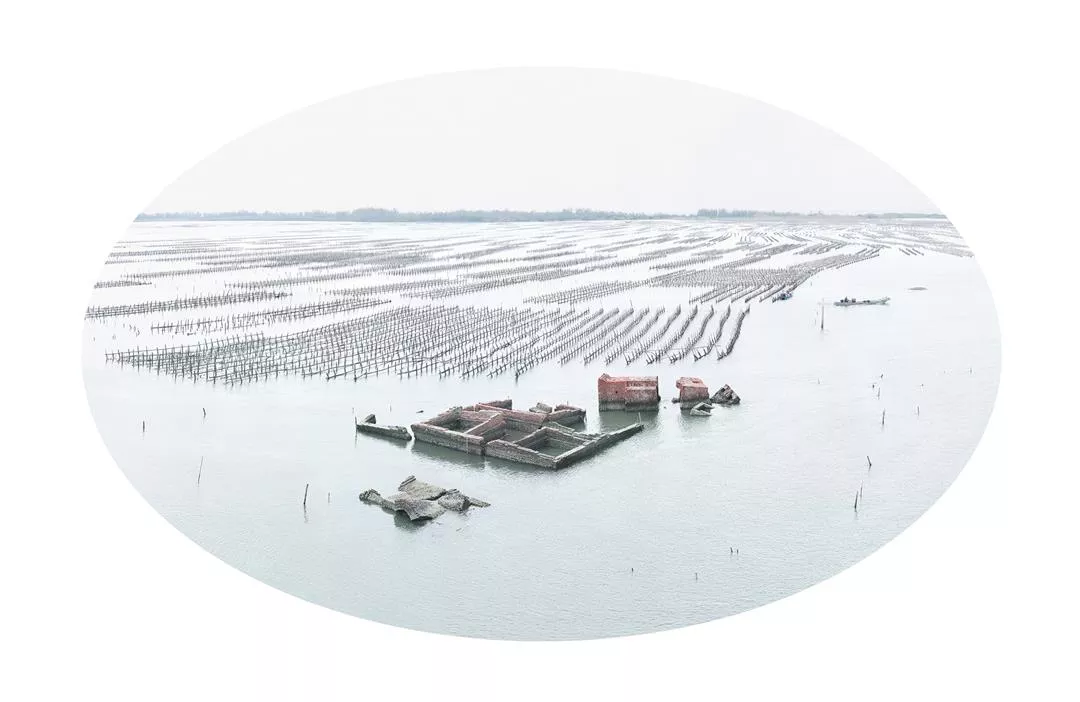
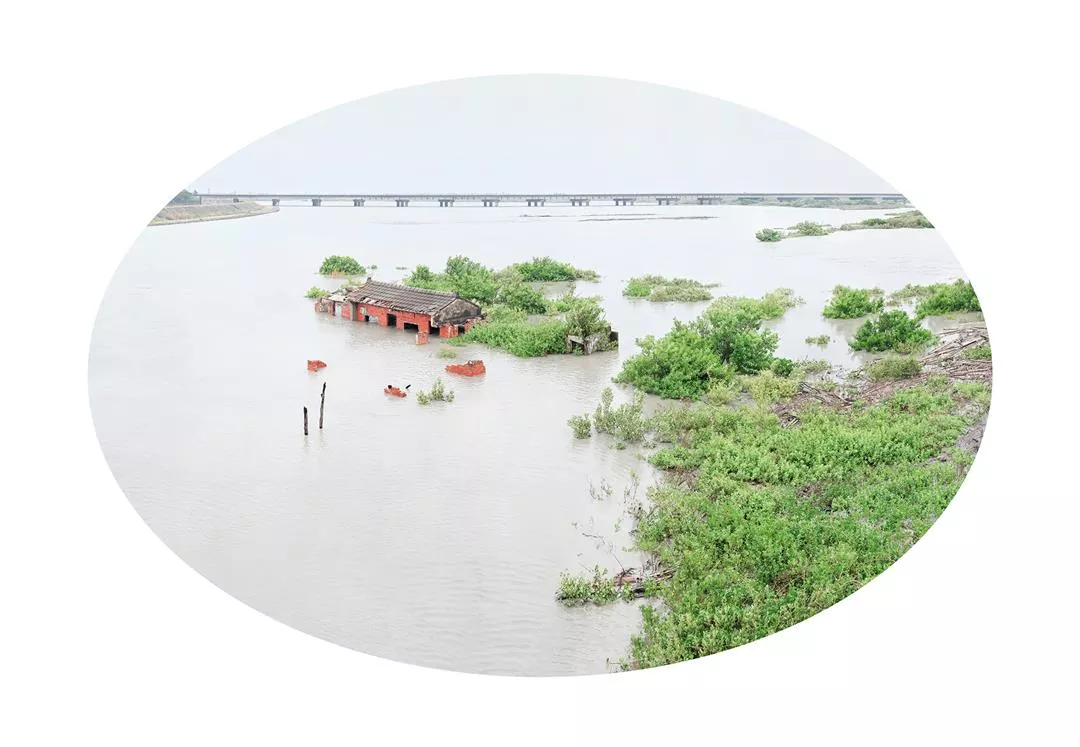
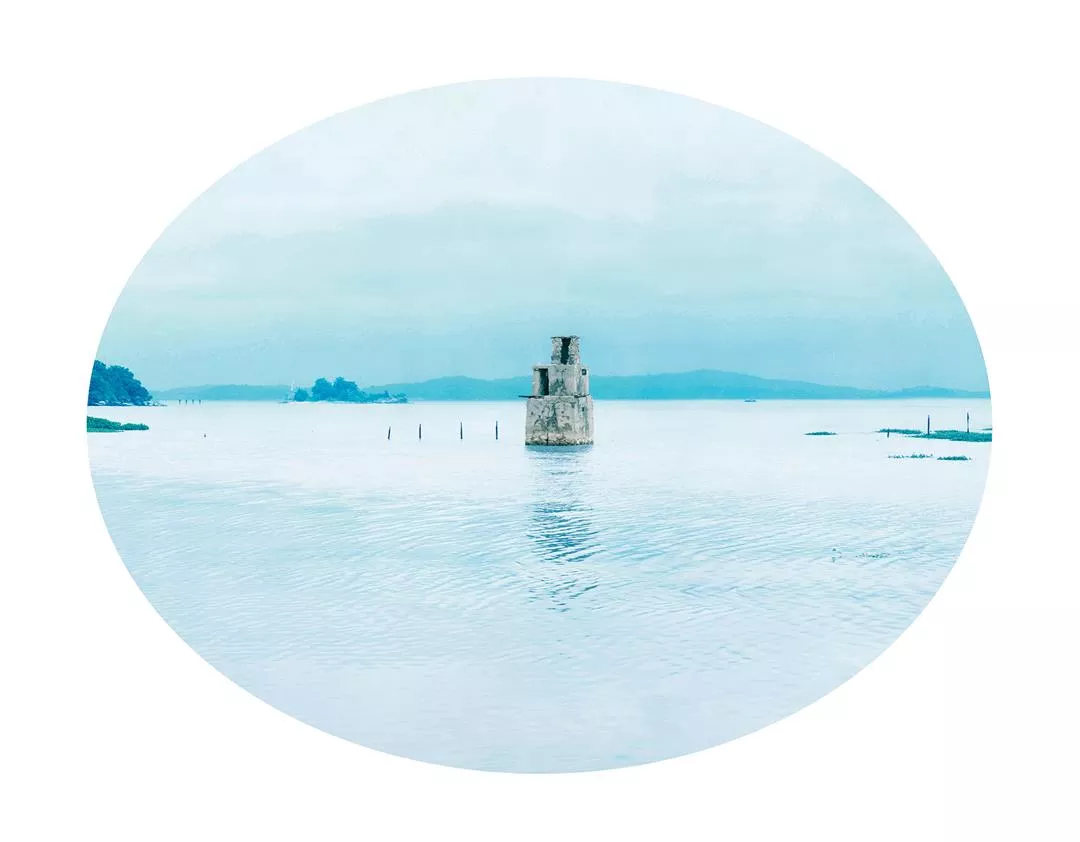
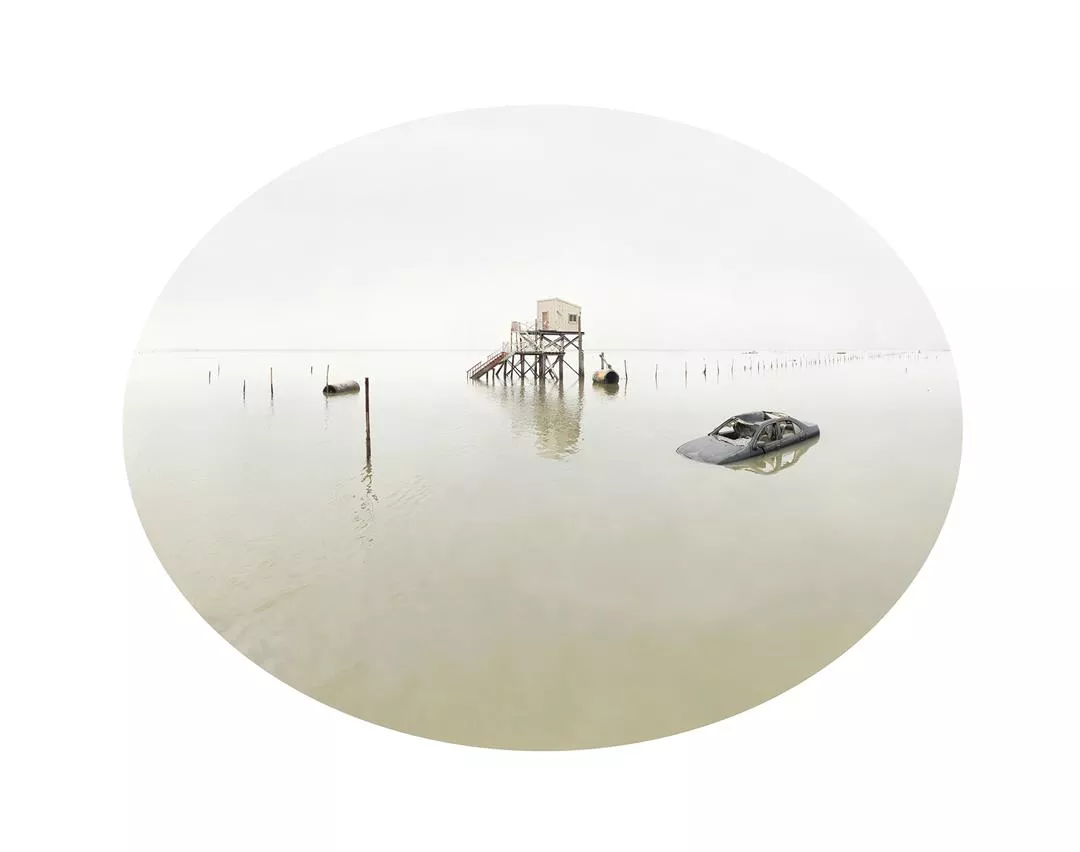
The Submerged Beauty of Formosa draws on an unobtrusive and graceful style. The viewer immediately perceives a mood of elegance and delicacy. However, the atmosphere evoked by this series of photographs is only a means to attract visual attention. More important are the environmental issues lurking behind those dreamy contours: tidal flooding, land subsidence and overexploitation.
Reportage photographers who focus on land subsidence are likely to seek to represent catastrophes through such approaches as a documentary style, realism and pathos. On the other hand, salon photographers would tend to utilize a more aestheticized style to soften the rough edges of reality, decontextualizing the postcard landscapes they want to capture. Interestingly, Yang has created a dialectic between these two contrasting styles—“realism” and “idealization”—which are brought together in The Submerged Beauty of Formosa. Viewers are immediately charmed by the overarching aesthetic form, but at the same time they are baffled by the details of those real buildings that stand in the midst of water (such as an earth god temple, pillboxes and other military structures, salt company residences, huts by a fishpond, and ordinary houses). This in turn invites them to contemplate the urgent issues of land subsidence and tidal flooding.
The Submerged Beauty of Formosa presents its images by means of a quiet aesthetic evocative of ink-wash painting, using vast landscapes to set off the small buildings in the foregrounds, and cropping the photographs into an oval format. Furthermore, Yang is not like Shen Chao-liang, Wu Cheng-chang and other photographers who seek to record Taiwan’s magnificent landscapes. Rather, he creates digitally composited landscapes that are based on reality but not themselves real. That is to say, The Submerged Beauty of Formosa is more like a fusion of painting and photography. Rather than being direct representations of existing landscapes, Yang’s photographs reconstruct real scenes through fictionalization, restructuring and synthesis. In so doing, they encourage viewers to engage with them imaginatively.


Taiwan To Go:

Persevering against the odds
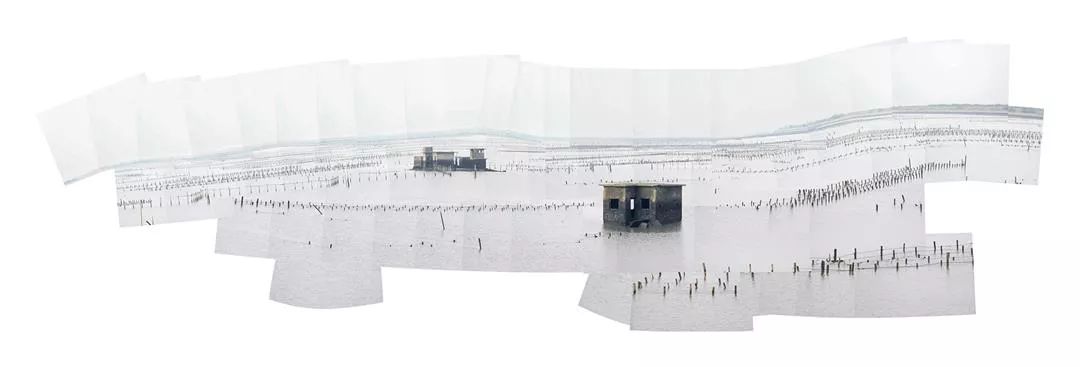
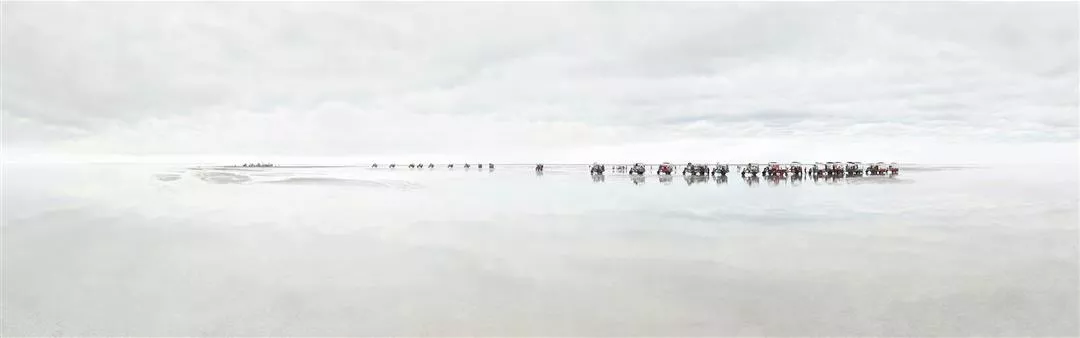
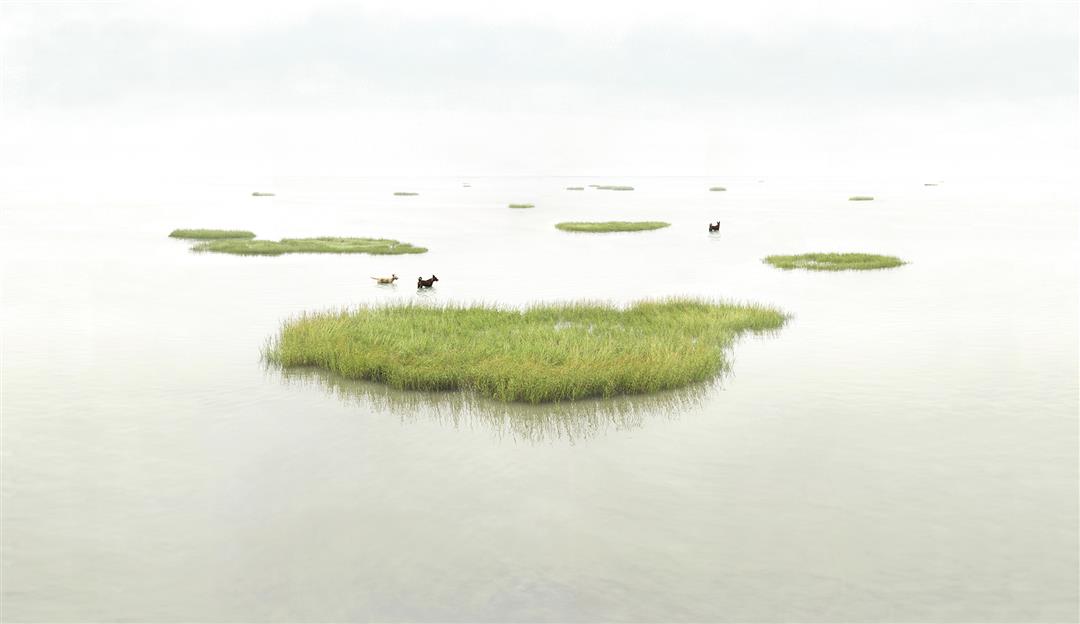
Yang’s method of reconstructing reality is further developed in his new project, Taiwan To Go. On entering the venue, those who visited the exhibition saw an enormous picture composed of hundreds of small photographs, as if Yang were here laying bare his creative process of digital composition. The image shows a procession of several mongrel dogs in the middle of a boundless sea. The vast expanse of the sea and the tiny dogs walking on its surface seem to be a metaphor for Taiwan’s fate: despite being isolated in the global context, we are still persevering and advancing cautiously towards an unpredictable future.
From this allegorical viewpoint, if The Submerged Beauty of Formosa portrays Taiwan’s forced isolation from the global community, then the group of dogs in Taiwan To Go represents the spirit of cohesive reciprocity among the Taiwanese people in the face of an uncertain and forbidding future.
From The Submerged Beauty of Formosa to Taiwan To Go, we may observe Yang continuing to develop an unobtrusively pleasant style that resembles ink-wash painting. But his earlier oval works have been replaced with an enormous photographic collage that throws into relief the fictionality of fragmentary images, as opposed to the more habitual holism of photographic representations. In my view, Yang has departed from conventional photography: by drawing inspiration from painting, sculpture and installation art, he is rethinking the nature of photography and breathing new life into the medium.

An island people
Yang has been deftly exploring the potential of photography, but even more than this he continues to pay attention to Taiwan’s environmental issues and our country’s place in the world. We are used to thinking about Taiwan from a land-based perspective, at the risk of ignoring that we are actually an island country in the middle of a sea. In fact, many conflicts and contradictions exist between human beings (or their civilizations), the land, and the sea. Humans often attempt to reclaim land from the sea for their own use, but these appropriated territories will eventually be claimed back by nature (the sea).
Returning to the “down to water” motif, all of Yang Shun-fa’s images contain boundless expanses of water in their backgrounds, and his photographic subjects, which are often besieged by the water, convey a sense of isolation. The buildings in The Submerged Beauty of Formosa remind us of the limitations of human civilization, while the dogs in Taiwan To Go express more optimistically the persevering spirit of the island’s people in the face of future uncertainties. These are allegorical images that whisper admonishments in an elegant manner. Threatened with impending environmental disasters, we are invited to reconsider our relationship with nature from a more respectful and sustainable (as opposed to exploitative) point of view.


Taiwan To Go Series 1

Taiwan To Go Series 3