Toy Doctors-A New Lease on Life
Wang Wan-chia / photos Jimmy Lin / tr. by Scott Gregory
February 2011
When a toy breaks, what can you do? This is a question many parents and kids alike have faced. In most cases, there's no choice but to simply throw it out and buy a new one. But that's not good for the environment or the pocketbook. In recent years, under the direction of the Ministry of Education, elementary schools throughout Taiwan have been opening "Toy Workshops." Just bring in your "injured" toys, and the "toy doctors" will do their best to bring them back to health!
The head of the Toy Workshop initiative, National Taiwan Normal University professor of industrial education Hong Jon-chao, says the idea came during a visit by a friend, a professor from Japan who studies the development of creativity. The friend mentioned he was working with a Japanese toy manufacturer on a project to have children bring their toys along with them on visits to retirement homes. The toys serve as a way for young and old to come together and interact with one another.
When Hong heard this, he thought it was an excellent idea and that it should be extended to Taiwan as well, as Taiwan too has an aging society. But when he considered the relative rarity of retirement homes in Taiwan and the amount of empty space in Taiwan's elementary schools due to the low birth rate, he thought it would be better to turn the program around and bring it to the schools. He then proposed the Toy Workshop idea to the Ministry of Education's Department of Social Education, and in 2006 it was officially begun. As of now, six elementary schools around Taiwan (Wu-gong Elementary in Tai-pei City, Xin-tai Elementary in New Tai-pei City, Chungli Elementary in Tao-yuan County, Yue-ming Elementary in Yi-lan County, Mei-zhen Elementary in Chiayi County, and Jinxue Elementary in Tai-nan City) have applied on their own initiative to take part and set up experimental community toy workshops.
And the "toy doctors" accepting "patients" are for the most part retiree volunteers from the local communities. After taking classes in woodworking, sewing, creative thinking, and traditional toys for children, a trainee can receive a certificate and officially become a toy doctor. Not only do the elderly of the community get a chance to show off their own skills, they get to learn some new ones as well.

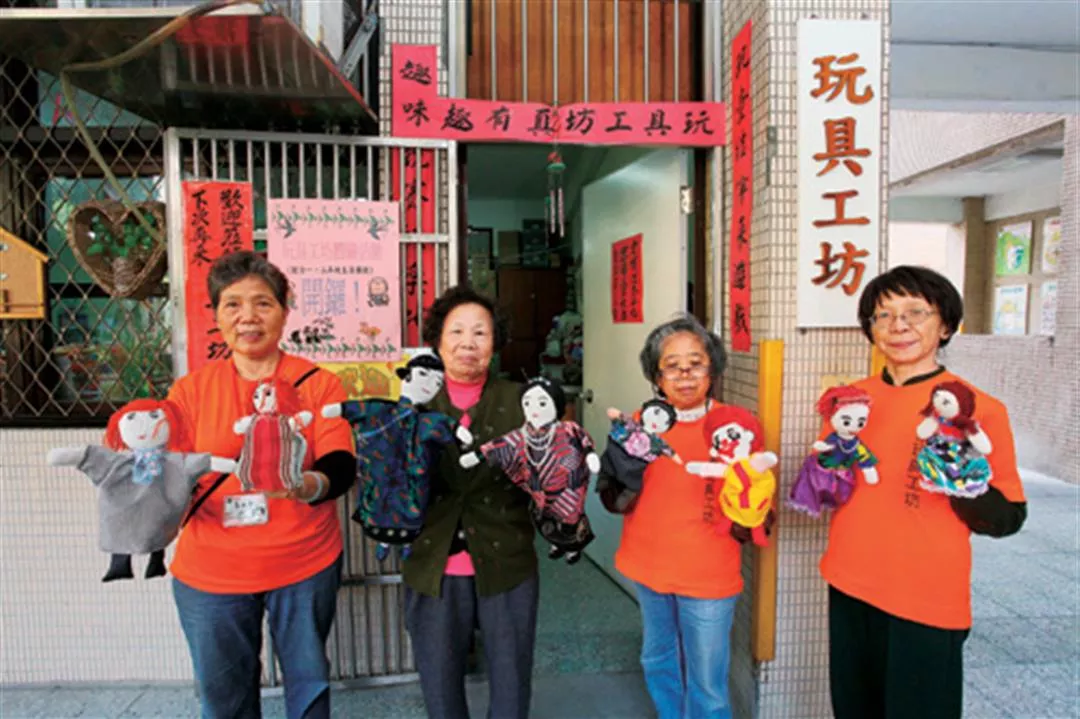
Computer games are popular, but physical toys that train kids in movement skills and hand-eye coordination remain important. Pictured are volunteers at Xintai Elementary's Toy Workshop and their homemade puppets.
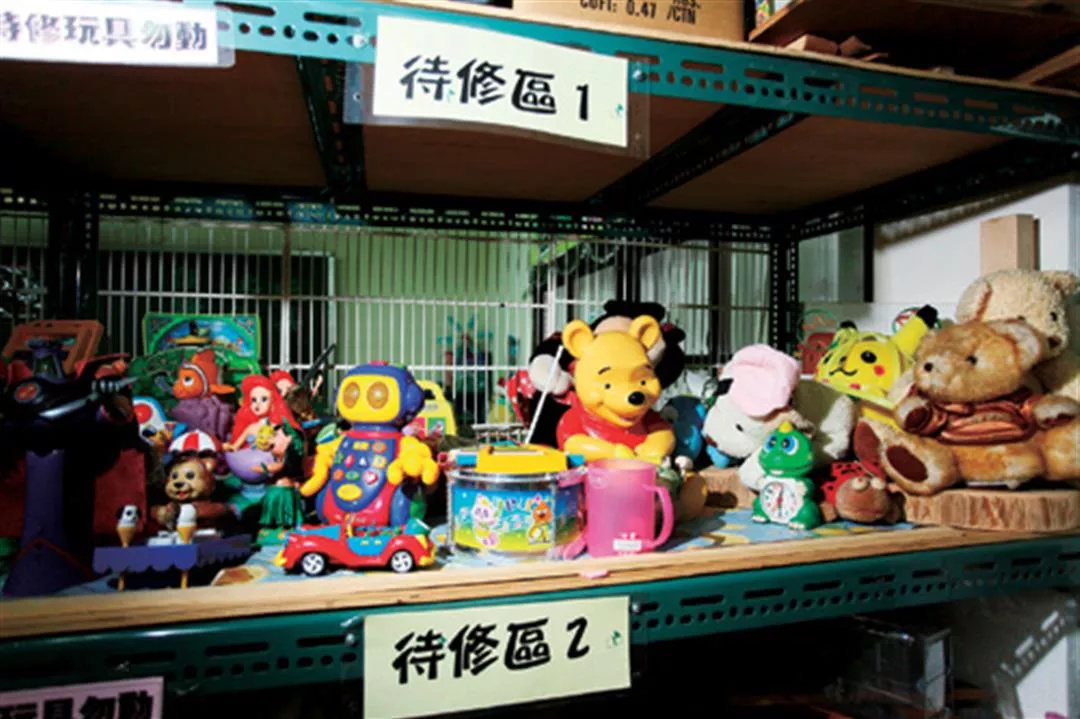
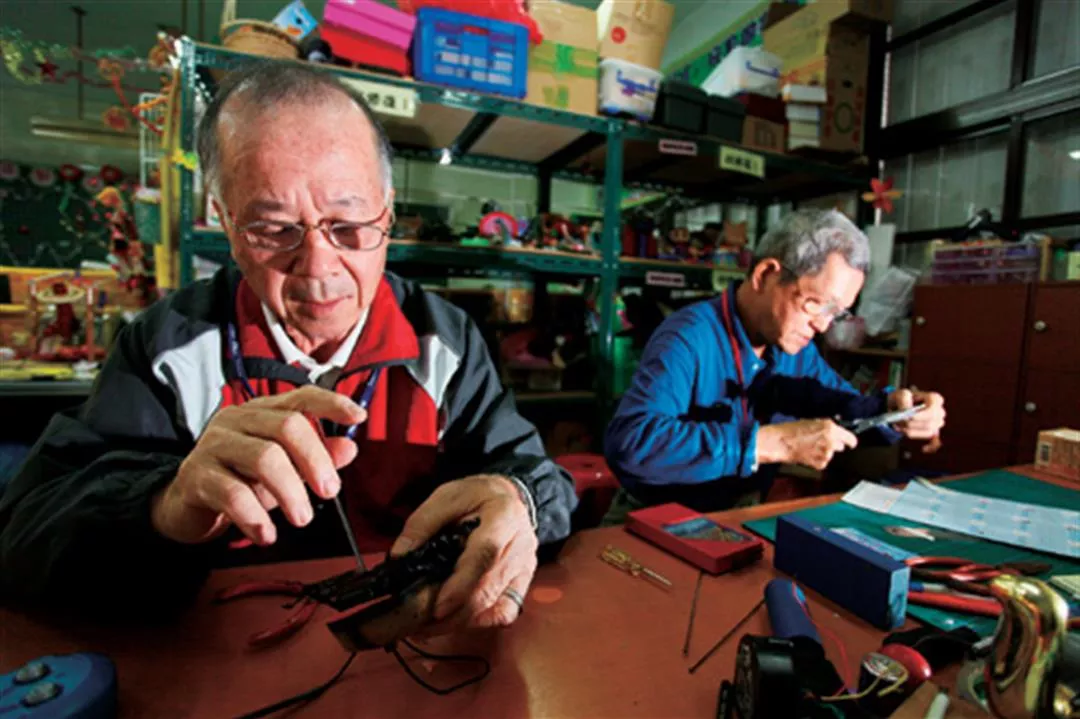
Take as an example the first Toy Workshop to open-the one in Xin-tai Elementary, in New Taipei City's Xin-zhuang District. As soon as you enter the "clinic," you can see departments such as internal medicine, surgery, and plastic surgery. The "chief doctor" is 66-year-old Tang Qiu-xian, who retired from the financial industry 10 years ago. Tang says that simple cosmetic repairs are plastic surgery, repairs to toys' circuitry are internal medicine, and cases of pieces breaking or coming off are surgical cases. Sometimes overly anxious kids who can't wait for their toys to be fixed will even ask for an "emergency room."
Xin-tai Elementary currently has a team of around 50 toy doctors, who put on their whites and see toy patients in set weekly shifts just like at a real clinic. Also, in order to create an atmosphere for the kids, it is set up so a visit follows the same process as for a real clinic. There are treatment lists and patient charts to fill out when a patient checks in. Records of the treatments are made and returned to the toys' owners after the work is finished. This also makes children aware that toys don't have to be discarded so easily-this fosters in them a sense of appreciation and a habit of taking care of things.
The operations of the "Toy Hospital" are categorized by the toys' materials and structure, roughly falling into three types: stuffed animals, plastic mechanical toys, and electronic toys.
Tang says that of these, electronic toys are the toughest. When faced with a problem of broken delicate circuitry, the doctors usually can only pronounce the toy "untreatable."
But he also says with pride that outside of such cases of "incurable diseases," they can fix more than nine toys out of 10. Currently, most toys brought in are stuffed animals with "flesh wounds" such as missing eyes or torn limbs that can be fixed by simple sewing or mending.
If a toy is missing an original part, they have to consult with its owner and, if the owner finds it acceptable, they will use substitutes or scrap parts they have on hand to conduct a "transplant." They also exercise their creativity.
Tang picks up a soldier action figure with a broken arm and says that since they couldn't find a substitute that matched, they wrapped it in gauze and made an "injured soldier." "If you don't have the part, you make something," he says. "It's like giving the toy a new life."

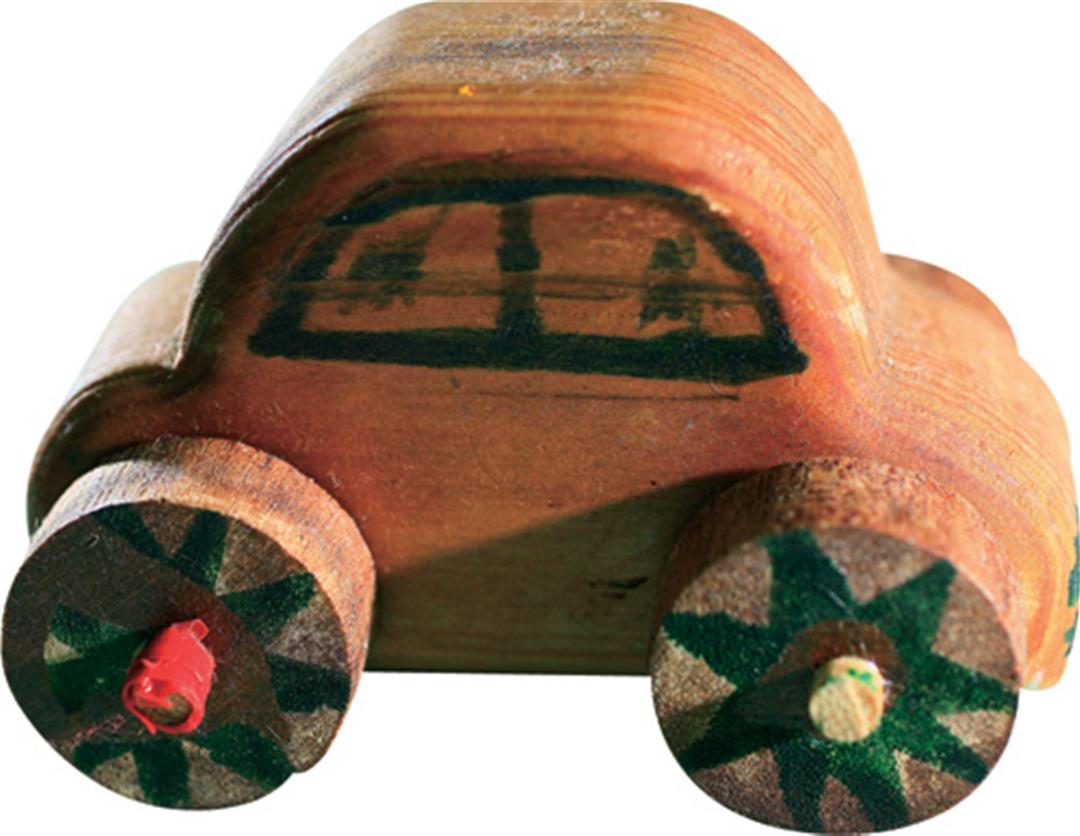
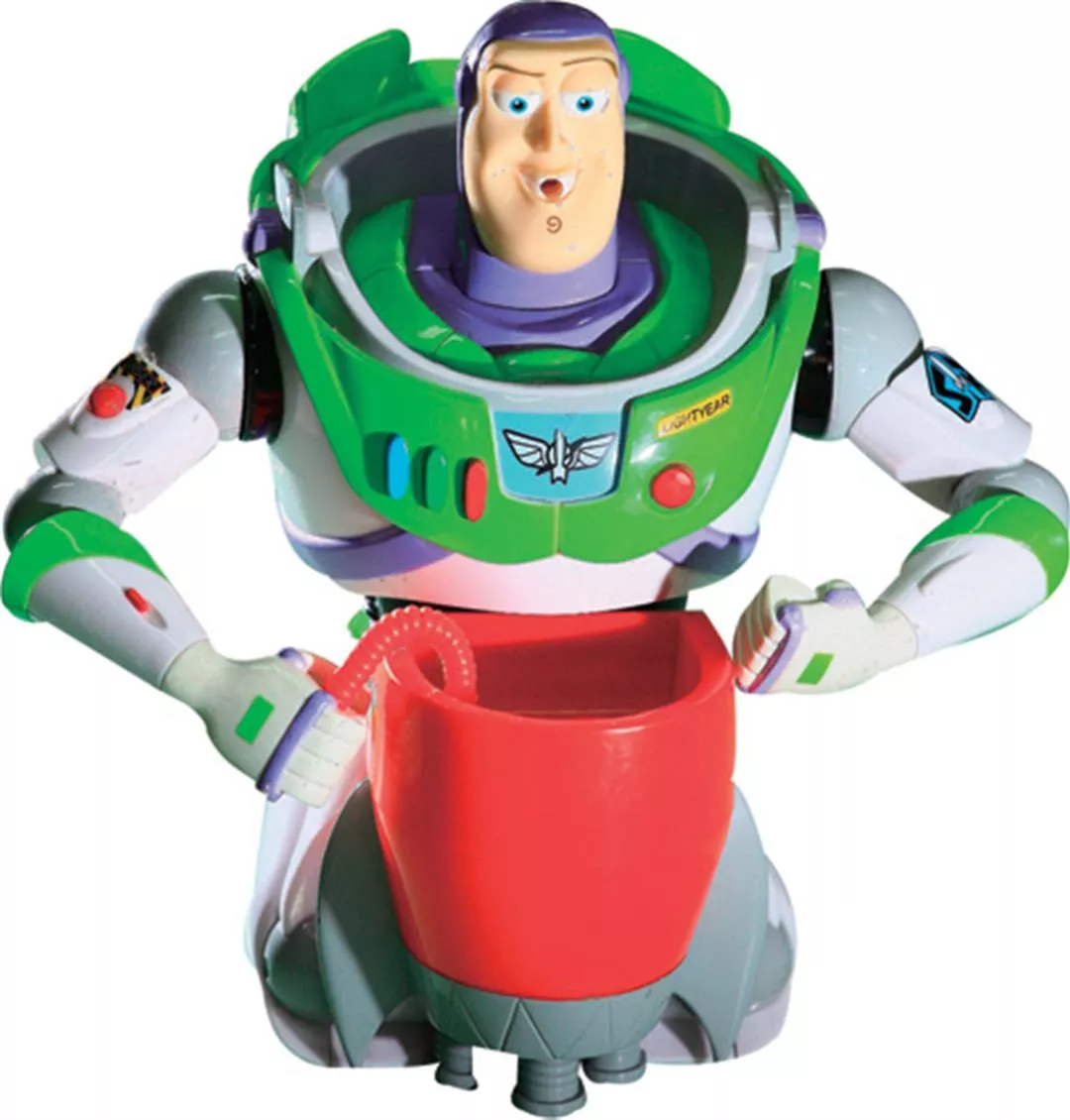
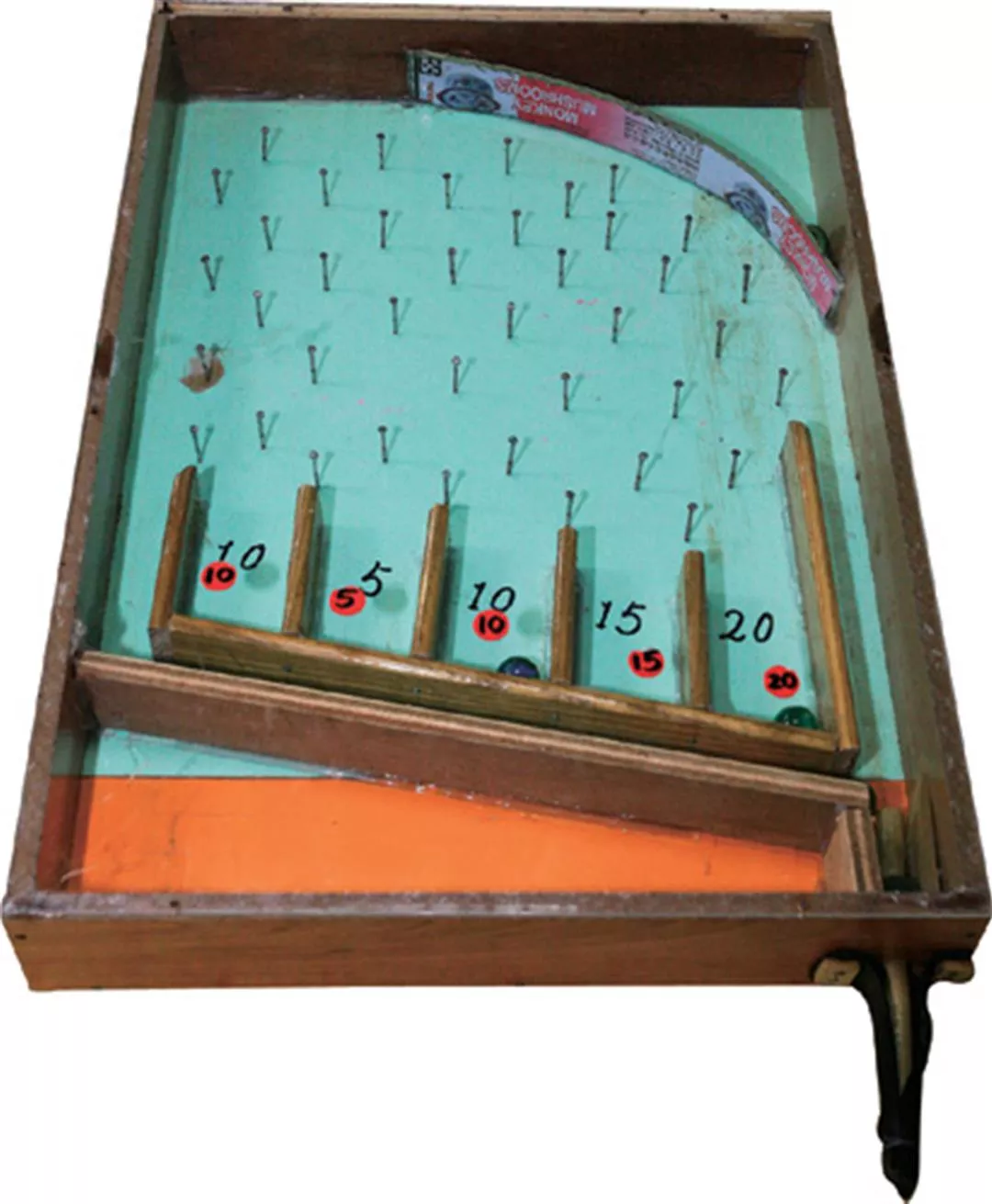
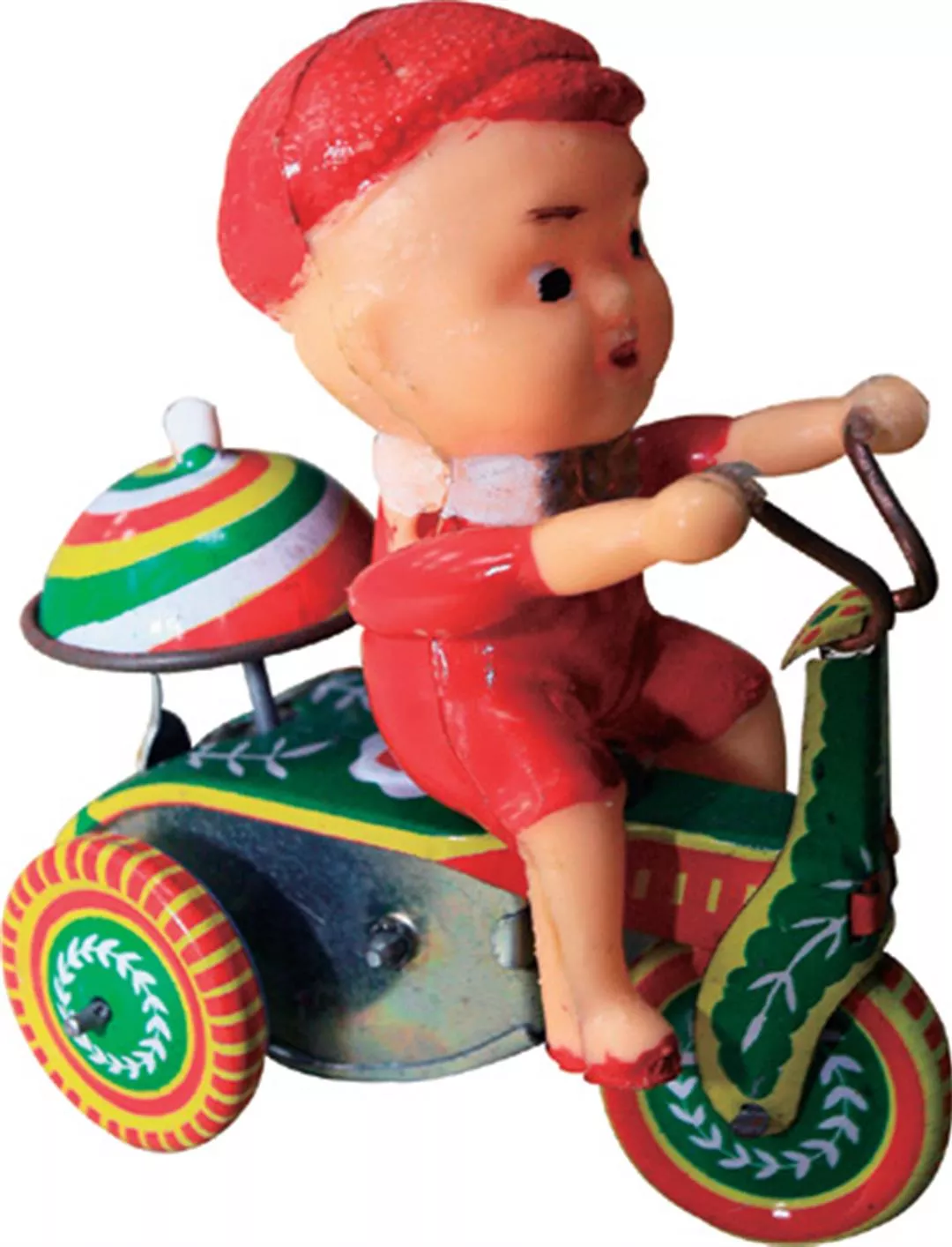
beanbags,wooden cars, and bagatelles. Pictured at left are Tang Qiu-xian (left) and Li Sheng-liang (right) of Xin-tai Elementary's Toy Workshop performing "surgery."
To the toy doctors, mulling over how to fix a toy is an enjoyable challenge. Li Shengliang, a chief doctor who specializes in fixing mechanical toys, was a mechanic before he retired. He's got a background in the field and a strong skill set, and on weekends and holidays he often goes to flea markets to buy mechanical gizmos to take apart and study.
When he read about the Toy Workshop online, he made the initiative to sign up. Even though he lives in Banqiao, he goes to Xintai Elementary twice a week to "see patients." In his experience, the most common problems in toys are things like loose springs and broken gears, or poor connections due to leaky batteries corroding terminals, in which case a new battery casing can be made from parts of similar size.
Li says that when he was a kid, Taiwan was less developed and he had hardly any toys at all. Since he became a toy doctor, seeing so many different kinds of wonderful toys has been an eye-opening experience.
Tang then recalls some of the funny cases he's had. Once, a third-grader girl came in in a panic, saying, "Doctor, my chicken can't lay eggs!" He was wondering how this was supposed to be his department when the girl took out a toy and he finally understood: the "chicken" was a plastic mechanical toy, and because the gears had come loose, its eggs were stuck inside.
After he'd figured out the problem, he was preparing to take the toy apart and fix it. But he wondered why the head wouldn't come apart even though he thought he'd taken all the screws out. He studied it for a while and found two more screws hidden behind the chicken's eyes. Then he was able to fix it and put a smile on the little owner's face.
In addition to fixing broken toys, the Toy Workshop doctors and volunteers can also use materials like discarded plastic bottles to create clever, environmentally friendly toys.

beanbags,wooden cars, and bagatelles. Pictured at left are Tang Qiu-xian (left) and Li Sheng-liang (right) of Xin-tai Elementary's Toy Workshop performing "surgery."
Another example of a school with a Toy Workshop is Chungli Elementary. Xie Rongqiu, who is 70 years old and has been a volunteer at the school for 20 years, is known to the students as "Grandpa Toys." As he runs a hardware supply and works as an electrician and plumber, he's got basic abilities in all sorts of construction. In the past, he's come to help whenever the school's had a torn window screen or a broken desk. He's made a pond and done brickwork. There's even a woodworking studio in one corner of the campus, where he can be seen working away every day before dawn. Three years ago, he cut off the tip of his left forefinger while working with a saw. But after going to the hospital and getting bandaged up, he insisted on going back to volunteer.
Since the Toy Workshop opened, he's not only been fixing broken toys but also making new ones. He's used discarded wood to make tangram puzzles and bagatelle games. He's also worked with other volunteers to make toy tops out of plastic bottles by cutting off the top and bottom, gluing them together, and attaching a furniture foot pad to the bottom. He gives these toys to the local kids and shows them how to use them.
Another toy doctor at Chungli Elementary, Chen Shuling, says the sounds of the kids happily playing and their words of thanks are the greatest comforts to the Toy Workshop team. She says with a smile that as they work through a busy morning, any unhappiness they may have had usually disappears.
Chungli Elementary principal Wang Kuo-hsiung believes that the therapeutic function of the technical classes is the biggest draw of the Toy Workshop volunteer program. With Taiwan's aging population, more multifaceted forms of community education are needed in order to give those in their golden years more possibilities for learning. Wang, who has a background in art education, points to the colorful painting on the Toy Workshop wall as an example. He pointed the volunteers to the work of eighteenth-century French painter Rousseau for inspiration and let them come up with their own ideas. The results are striking.
Hong Jon-chao goes a step further in his analysis. To the silver-haired set, he says, the sound of children playing at their feet brings contentment. Also, kids are more direct and quicker to give praise-as soon as they see their toys fixed, they say, "Grandpa, you're fantastic!"
The uplifting happiness that having an outlet for creativity brings, and the sense of accomplishment, give seniors a new lease on life.
From the aspect of children's psychological development, Hong believes that if having toys is a means of psychological support for a child, then not simply throwing them away when they break is a kind of lesson in values. In other words, children who can take care of their things and cherish toys will be much less likely to be disrespectful, uncaring, or controlling to others.
Also, in addition to the Toy Hospital, Xintai Elementary has Taiwan's first Toy Exchange Center. Started in 2007, the center collects second-hand toys donated by manufacturers and owners, cleans and repairs them, and sends them to toy libraries at other schools and homes for children around Taiwan to share resources.
Tang, who's known throughout Taiwan for his work as a toy doctor, says that he hopes to expand the program to more schools in the future and serve toy patients throughout Taiwan.
beanbags,wooden cars, and bagatelles. Pictured at left are Tang Qiu-xian (left) and Li Sheng-liang (right) of Xin-tai Elementary's Toy Workshop performing "surgery."
beanbags,wooden cars, and bagatelles. Pictured at left are Tang Qiu-xian (left) and Li Sheng-liang (right) of Xin-tai Elementary's Toy Workshop performing "surgery."
beanbags,wooden cars, and bagatelles. Pictured at left are Tang Qiu-xian (left) and Li Sheng-liang (right) of Xin-tai Elementary's Toy Workshop performing "surgery."
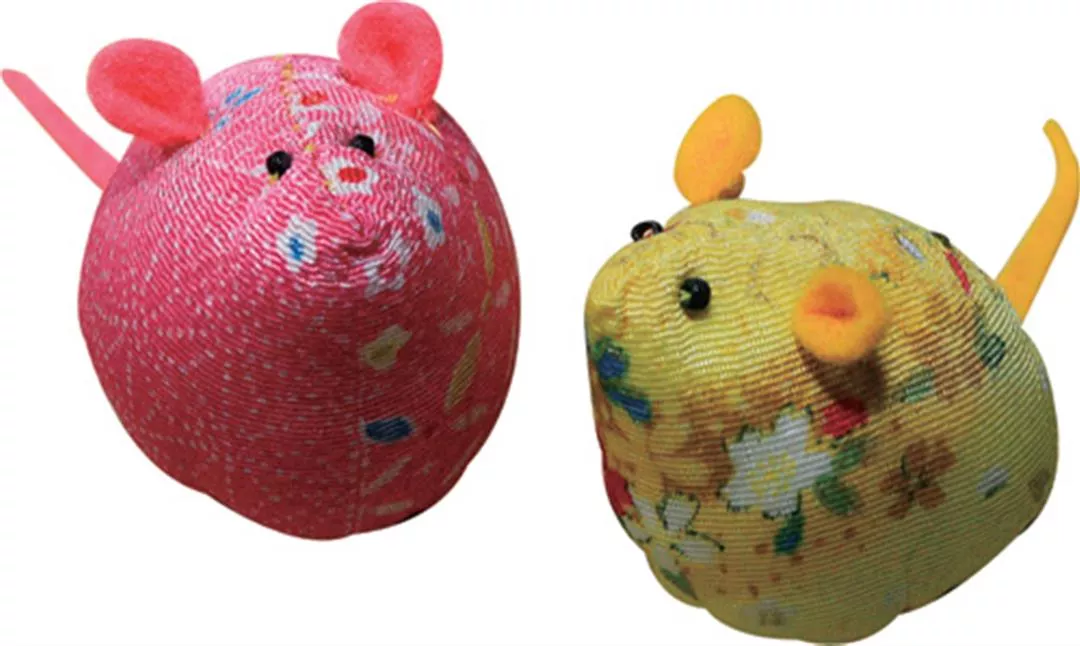
Toys sent to the Toy Workshop come back in great shape. The Workshop not only gives the retiree "doctors" a chance to put to use a lifetime of experience, it also teaches children the environmental message of taking good care of one's things. Pictured is the team at the Toy Workshop at Chungli Elementary.
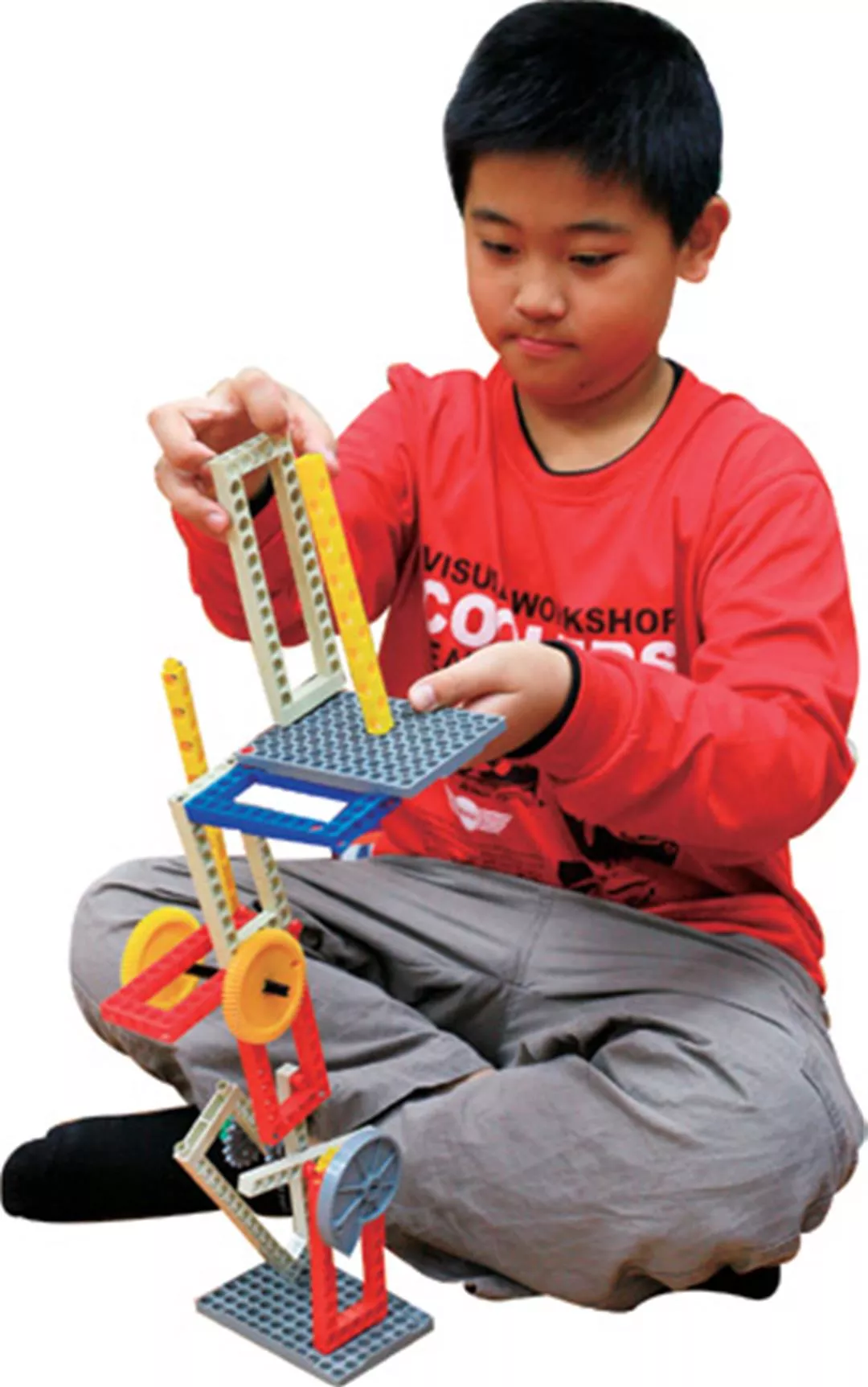
Computer games are popular, but physical toys that train kids in movement skills and hand-eye coordination remain important. Pictured are volunteers at Xintai Elementary's Toy Workshop and their homemade puppets.
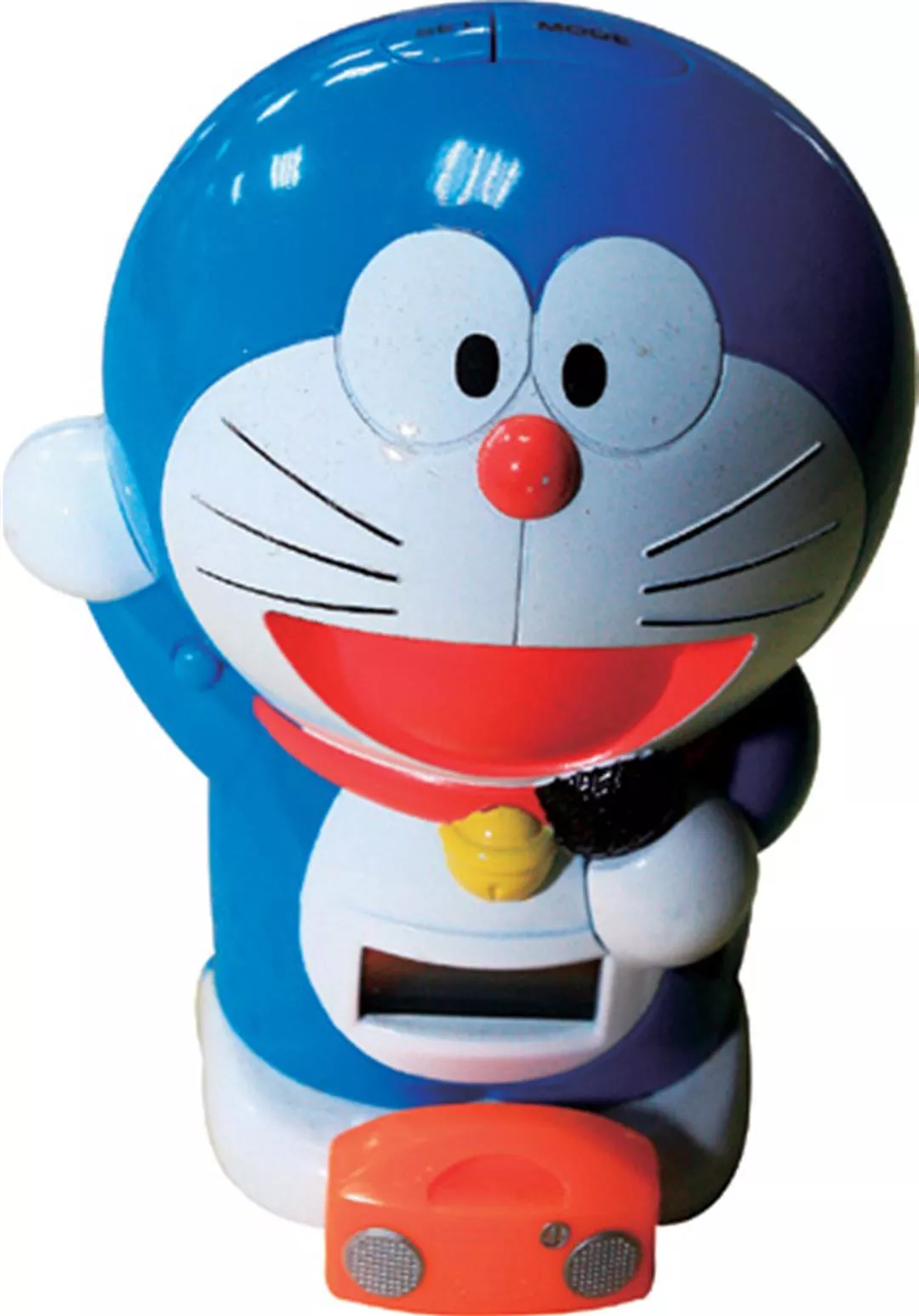
Toys sent to the Toy Workshop come back in great shape. The Workshop not only gives the retiree "doctors" a chance to put to use a lifetime of experience, it also teaches children the environmental message of taking good care of one's things. Pictured is the team at the Toy Workshop at Chungli Elementary.
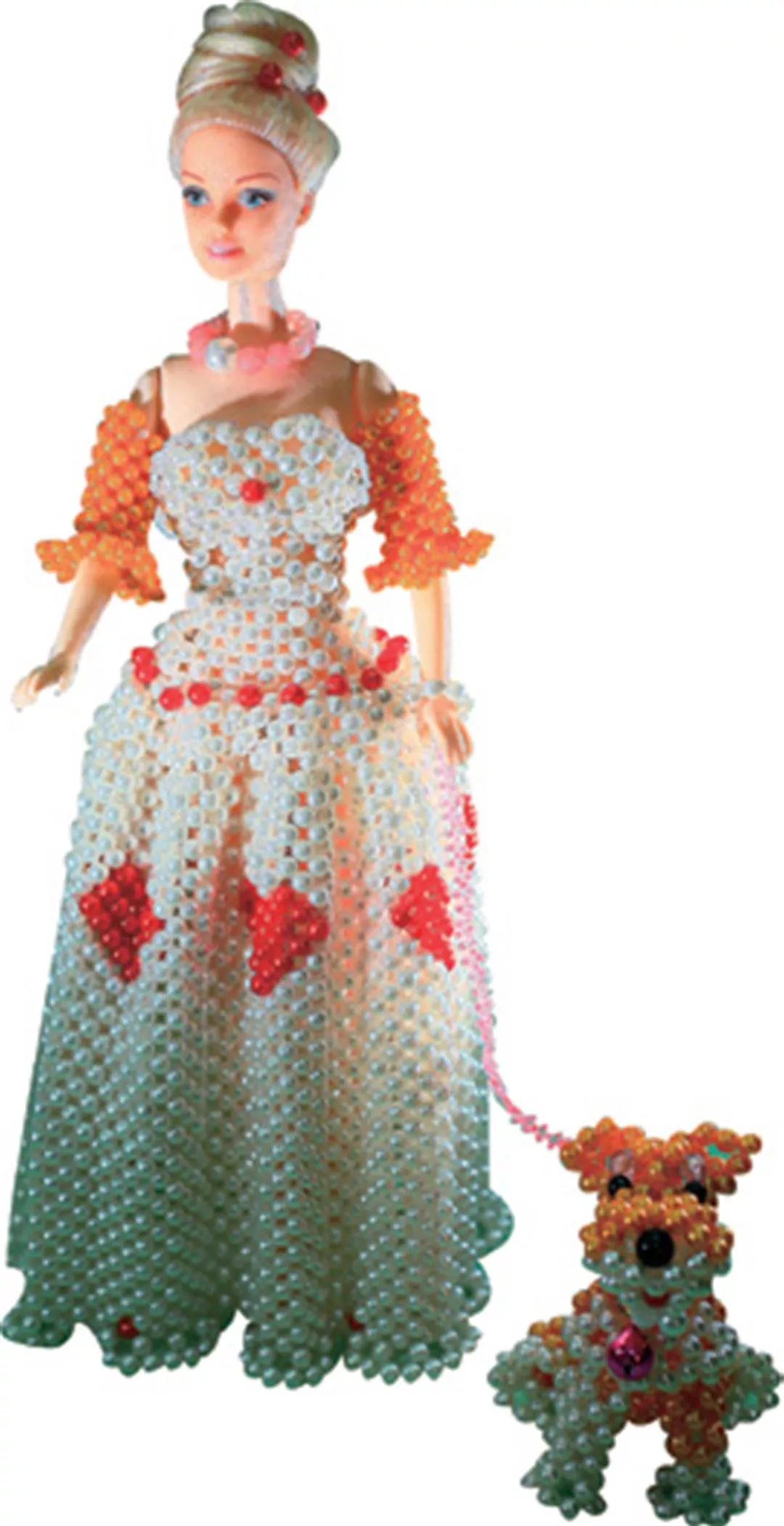
beanbags,wooden cars, and bagatelles. Pictured at left are Tang Qiu-xian (left) and Li Sheng-liang (right) of Xin-tai Elementary's Toy Workshop performing "surgery."
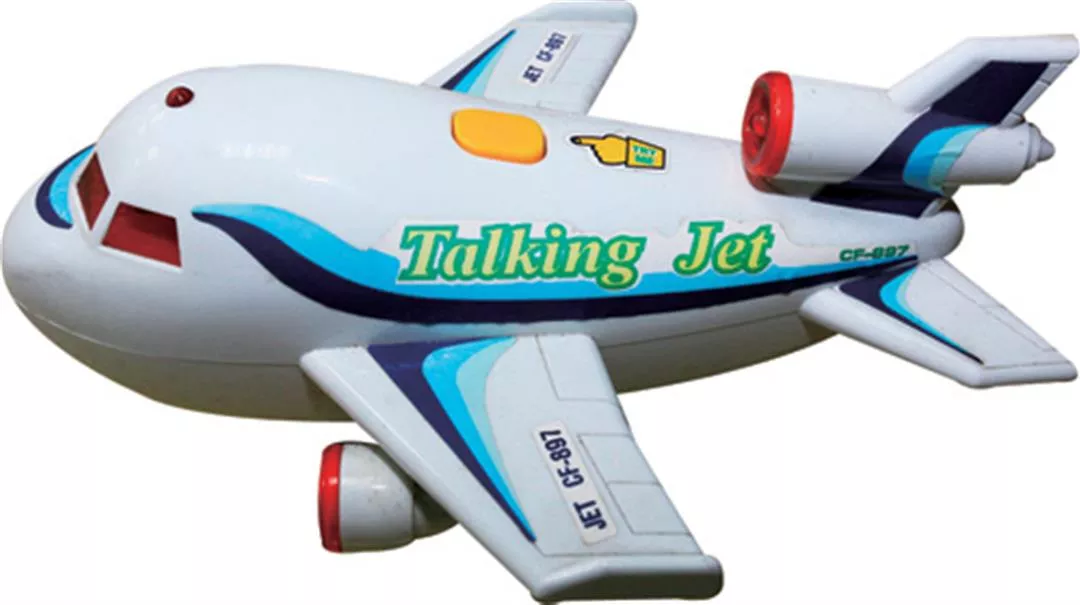
Toys sent to the Toy Workshop come back in great shape. The Workshop not only gives the retiree "doctors" a chance to put to use a lifetime of experience, it also teaches children the environmental message of taking good care of one's things. Pictured is the team at the Toy Workshop at Chungli Elementary.
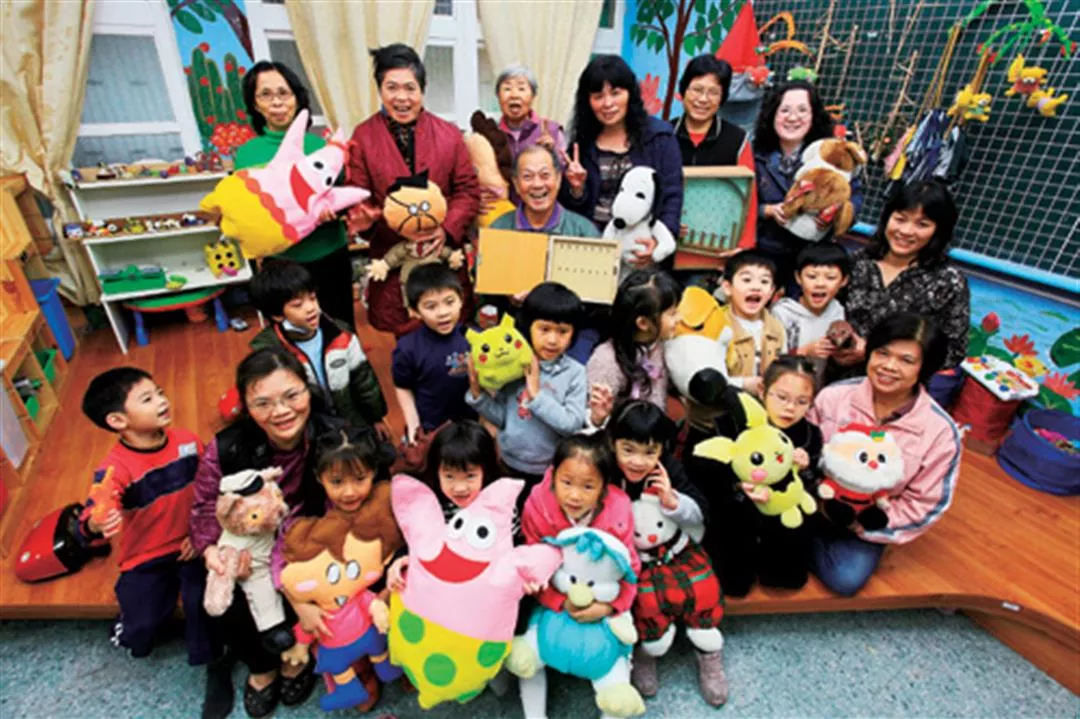
Toys sent to the Toy Workshop come back in great shape. The Workshop not only gives the retiree "doctors" a chance to put to use a lifetime of experience, it also teaches children the environmental message of taking good care of one's things. Pictured is the team at the Toy Workshop at Chungli Elementary.
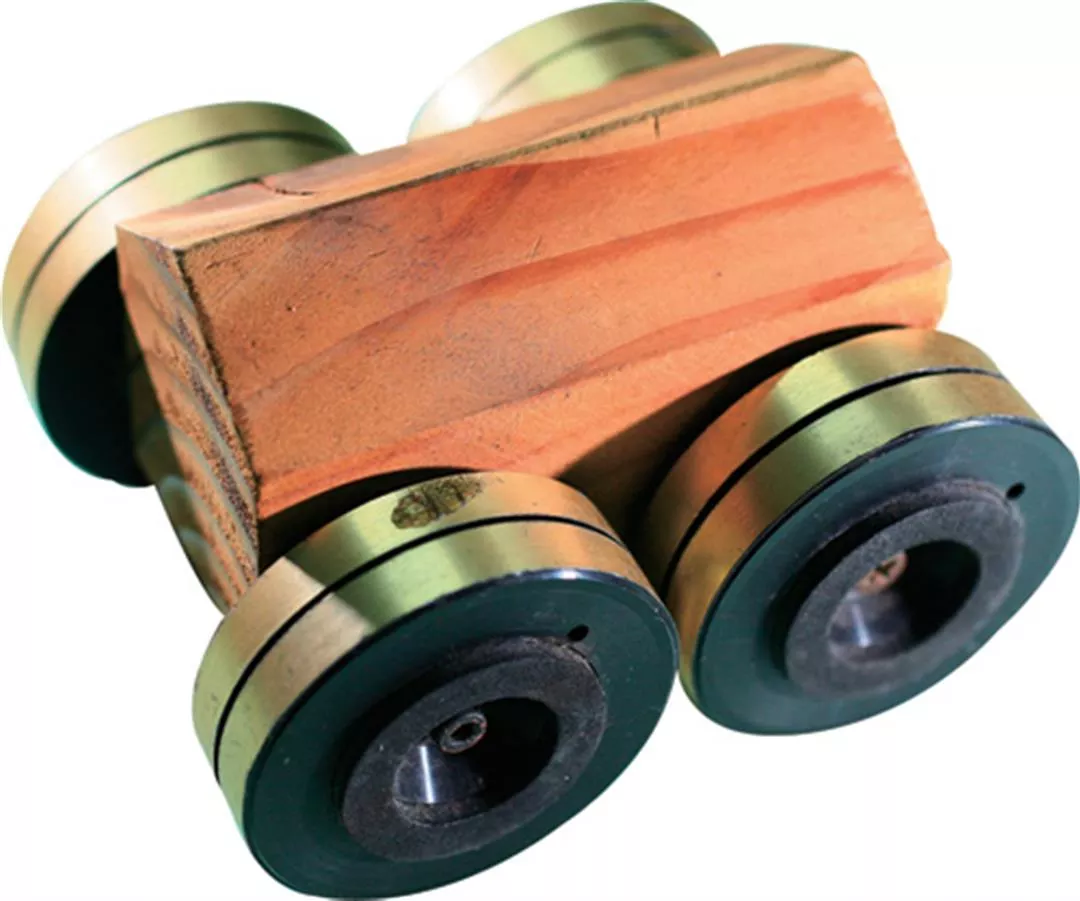
beanbags,wooden cars, and bagatelles. Pictured at left are Tang Qiu-xian (left) and Li Sheng-liang (right) of Xin-tai Elementary's Toy Workshop performing "surgery."
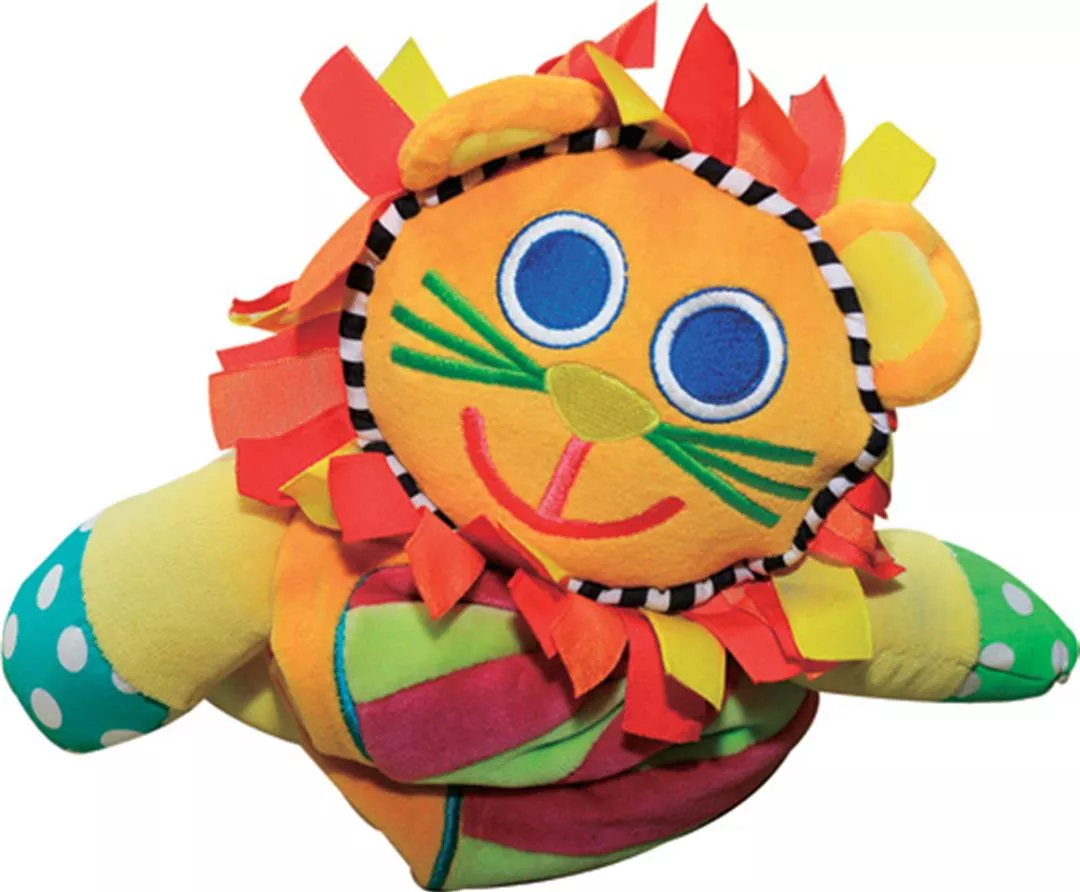
Toys sent to the Toy Workshop come back in great shape. The Workshop not only gives the retiree "doctors" a chance to put to use a lifetime of experience, it also teaches children the environmental message of taking good care of one's things. Pictured is the team at the Toy Workshop at Chungli Elementary.