Namasia: Launching a Dream
Coral Lee / photos Jimmy Lin / tr. by Geoff Hegarty and Sophia Chen
August 2012
The Typhoon Morakot disaster split the Aboriginal community of Kaohsiung’s Namasia District into two parts. Some lost everything they owned and became concerned about the security of life in the mountains, so they moved into permanent housing in Great Love Village down in the lowlands. Others chose to remain. But will they be secure in their mountain home?
In mid-June, Taiwan was again hit by heavy rains and typhoon weather, and the residents of Namasia’s Nangisalu (formerly Minzu) Village had to evacuate to six shelters built by World Vision Taiwan on a plateau 200 meters above the village. Facilities in the shelters were basic—they had to collect rainwater for cooking—but at least they were safe.
To prevent the accumulation of rocks washed downstream in the heavy rain, an excavator had to dredge the bed of the fast-flowing river. The 17 households of about 50 residents who remained in Nangisalu had learned how to survive disaster after enduring a series of typhoons over the years.
Nangisalu was the area hardest hit by Typhoon Morakot, but the other two villages in Namasia, Maya (Minquan) and Takanua (Minsheng), also suffered. The majority of their nearly 1000 residents have remained in the mountains, but outsiders are concerned about their future security: typhoons typically bring heavy rain, often causing traffic disruption and isolating mountain communities.
While isolation during the typhoon season is a real possibility, these residents are more concerned about the impact of road damage on their economy, especially since Provincial Highway 21 to Namasia runs along the side of the mountain. Morakot destroyed the roadbed, and caused numerous landslides. According to an assessment by the Directorate General of Highways, rebuilding the road will require an enormous investment, and there’s always the chance that the new one will be washed away by another typhoon. So the DGH repaired the collapsed sections by taking the road alongside the streambed, erecting temporary steel bridges where necessary.

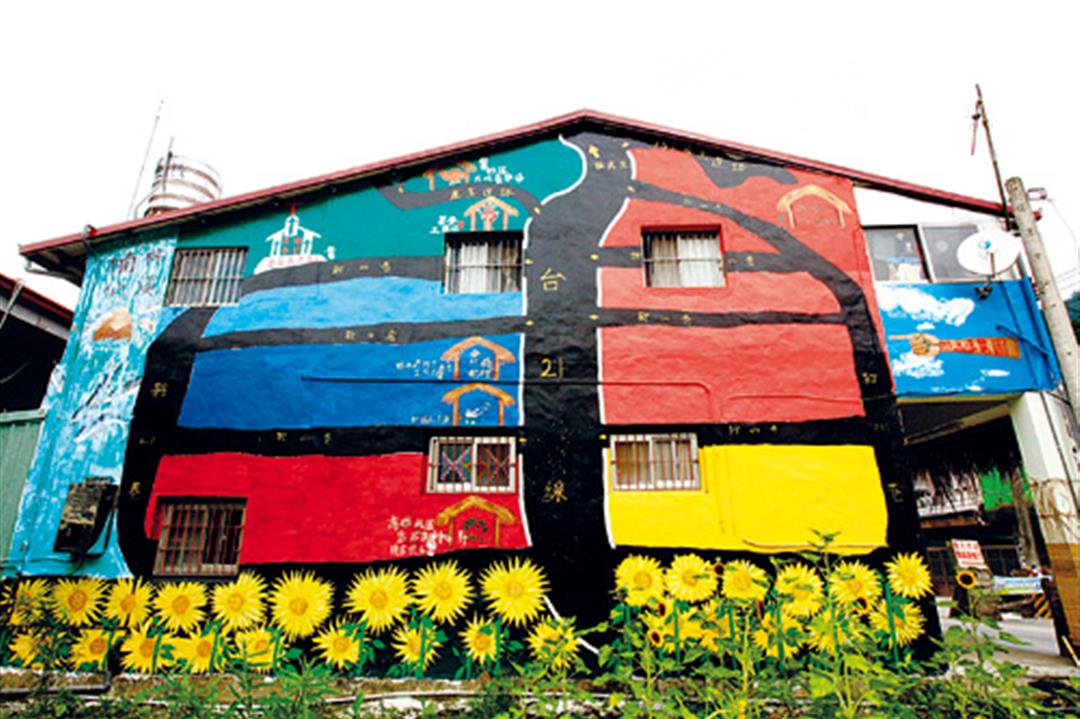
The people of Nangisalu have given their devastated homes a fresh look.
“After Morakot, our income fell dramatically. It’s not safe to work in the fields during the rainy season, and we can’t ship out our produce,” says Zhou Haoxiang, head of the Takanua Village branch of the local farmers’ association’s peach sales team. Because the roads become impassable, produce is often left rotting either picked or unpicked. Some farmers think they might have a better chance of preserving produce in the rainy season if they can process it into products like pickled plums or bitter tea oil.
But the equipment necessary for such processing costs several hundred thousand NT dollars, and the farmers just can’t afford that sort of money. The villagers hope the government may be able to use charitable donations to buy the machinery, and then make it available to the farmers to use.
Fortunately, however, peaches, which are a high-value crop, suffer less from extreme weather. Peaches are harvested in May before the flood season, and tourists can be attracted to the mountains with events arranged by the district administration around peach season or the firefly festival. Peaches can also be sold at the urban outlets operated by the peach sales team, so they are not a great problem.
Zhou notes that in the second year after Morakot, the peach farmers saw the need to enhance their competitiveness, so 13 of them agreed to adopt a system of unified management, coordinating when they spray pesticides, and which pesticides and fertilizers they should apply to comply with safety standards. As a result, the sweetness, taste and color of the peaches have all greatly improved.
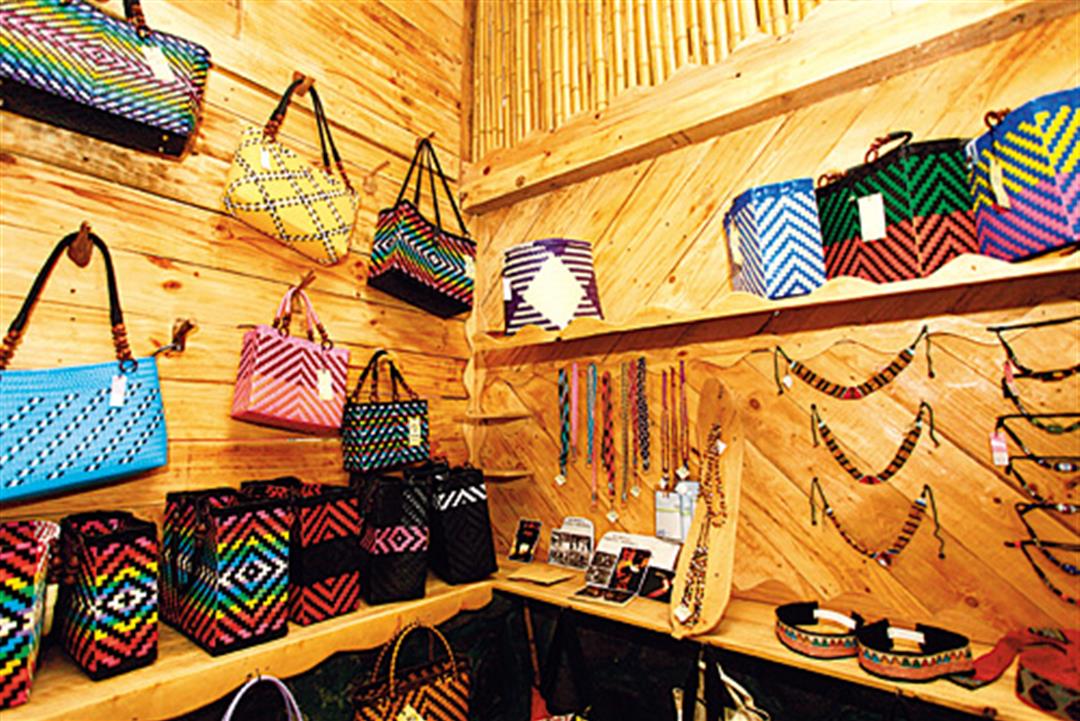
Nangisalu people sell their handicrafts and processed agricultural products at the Dream Takeoff Center, which also provides a venue for the community to gather and talk.

In addition to finding new methods of improving traditional agriculture, a community model that incorporates cultural tourism is also in the pipeline.
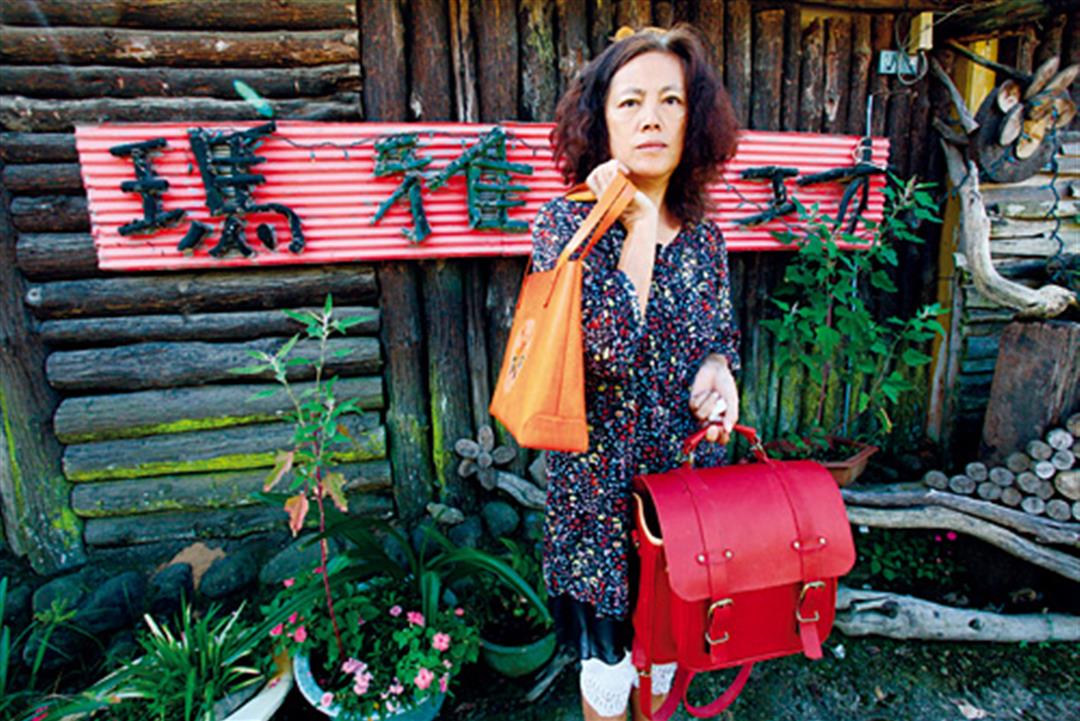
Abu U, deputy executive director of Kaohsiung’s Reconstruction Committee, is a resident of Takanua. Her community has benefited from assistance provided by the Zhi-Shan Foundation in order to help the tribe’s elders who became psychologically distressed after Morakot. Abu U and her older sister have created a small farm to help the older people recover by cultivating millet.
Although the farm, which they have named “Secret Chicken Base,” is only a small area, it has everything they need. Abu U says that because traditional methods of cultivating millet required a great deal of labor, farmers today are unable to cover the costs, so these skills have gradually been lost. They asked the tribal elders to teach them the traditional way of growing millet—how to plant the seed and thin out the seedlings. They learned how to hold a “swing” ceremony after sowing the crop, since the swing resembles ears of millet floating in the air, and so symbolizes an abundant harvest. They also learned how to chase birds away by beating pieces of bamboo together, allowing the millet ears to set. Some of the harvested millet is used in the mikong ceremony to thank the gods.
Leftovers from a vegetable patch beside the millet field provide food for the farm’s 100-plus chickens. Their free-range chickens have become very popular after recent scares over ractopamine, a feed additive used to promote leanness in livestock. Abu U hopes to encourage more people from her tribe to employ natural methods of raising chickens, which is fast becoming a new source of income for the tribe.

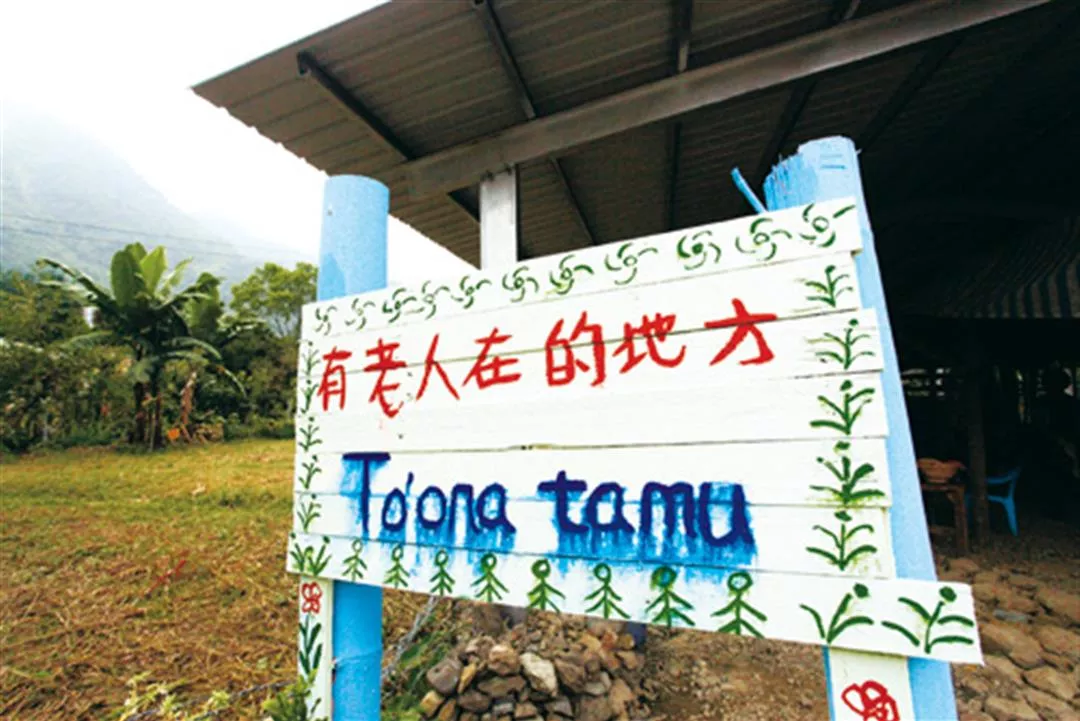
South Tsou tribal elders pass on their knowledge of traditional farming and culture to new generations at the “Secret Chicken Base.”
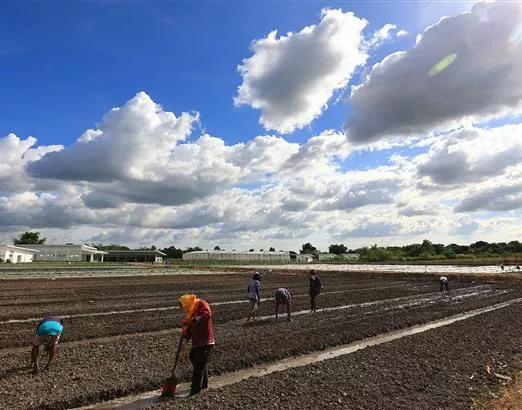
Tribal farms are attempting to introduce cultural tourism into their communities to create small but self-sufficient economies.
Assisted by the Taiwan Fund for Children and Families, Nangisalu has developed its own cooperative vegetable gardens and restaurants. Handicrafts made by the villagers, along with processed agricultural products, are sold at Dream Takeoff Center, and the revenue goes into a public community support fund. Village head Li Huimin says the center has become a gathering place for their people. They don’t expect to make a fortune—as long as they can earn a stable income, they will be satisfied. For the villagers, being able to enjoy a carefree life is more important than getting rich.
Namasia is on the path toward an agricultural transformation. Its residents hope they can continue to live at peace with nature in the mountain environment that they love so dearly.