Yeh I-chun, Snack Toy Collector
Chang Shih-lun / photos Chuang Kung-ju / tr. by Geof Aberhart
December 2006


Most people imagine "collectors" to be the idle rich, spending vast sums on antiques, calligraphy, and paintings. But in recent years, starting from Japan, a trend for collecting small toys and figurines packaged with food products has spread through the region. These toys are usually no bigger than six or seven centimeters in size, and are known in Japanese as shokugan, or "snack toys."
Japan is currently still the world's largest snack toy market, with the industry valued at over ¥60 billion--more than NT$16.8 billion--annually, and the most popular series of these toys can sell upward of an astonishing 10 million units a year.
Each series comprises a range of different toys, and there's no way of telling which one you're going to get when you hand over your cash. This unpredictability has helped further raise both the interest in and the difficulty of collecting full sets. Since the rise of the snack toy craze, the collecting fad has grown beyond just the toys actually bundled with food and drinks to gashapon capsule toys and even boxed sets. Originally aimed at children, the market is now largely comprised of 30-somethings, and this trend is now on the rise in Taiwan, particularly since the publication this year of the book The Wonderful World of Snack Toys by Yeh I-chun, giving the lowdown on everything she's learned about collecting the toys and earning her a reputation as Taiwan's master of snack toys.
By day, the shorthaired, fast-talking Yeh I-chun is a hard-working public servant at the Council for Hakka Affairs. By night, though, she transforms into a dedicated traveler in the world of snack toys. Despite her jokes that her hobby and her profession are like two different worlds, she pursues both with equal passion, and has turned her hobby into virtually a second line of work.
Yeh holds a bachelor's degree in Chinese and a master's degree in journalism, both from National Cheng Chi University, and while writing her thesis on the "white terror" period, she jokes that she somehow managed to get first place in the civil service examination. A winner of the China Times Literature Award and Taipei Literature Award, Yeh spent a while after graduation working for the Public Television Service as an environmental reporter, but her workload as a reporter meant she had no time to write, and she decided to head into public service. This serious, varied personal experience might seem to many at odds with her image as a playful snack toy otaku (fangirl). So how did she end up so involved with snack toy collecting?
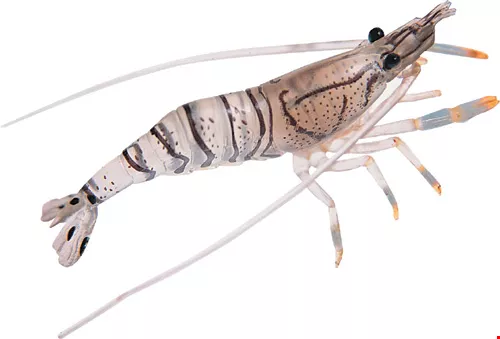
Series depicting the natural world are always big sellers in Japan. This picture shows a finely crafted shrimp toy and deep-sea lantern fish.
It's a small world
As a child, Yeh I-chun never had much love for digging through piles of toys, nor for playing with dolls. On the contrary, she was a bookworm. Her love affair with snack toys began by accident in 2001, when she spotted some toys based on the original illustrations from Alice in Wonderland produced by Japanese company Kaiyodo in the window of a shop for imported toys in Eastern Taipei. Being a bookworm, she fell in love with them almost immediately.
There were 18 toys in the set, and despite being a bit put off by the relatively high price--over NT$2000 for the set--she bought them regardless. Since then she has been like Alice, falling further and further down the rabbit hole of snack toy collecting. At present her collection numbers upward of 1000 pieces; without the means to have so many pieces on display, Yeh keeps most of them in their boxes. Playfully she suggests she's like the emperors of old, surrounded by their concubines but only able to spend a short while with each, just as she pulls out each of her toys in order to spend some time with them.
While the vast majority of snack toys are based on cartoon characters, Yeh's focus is different to that of most otaku collectors. An avid reader, Yeh prefers to see her collection as an outgrowth of her books; "And books, to me, are like an outgrowth of the world, so collecting snack toys is almost like collecting my own little world."
And amongst the denizens of this small world, Yeh has a particular penchant for toys based on ghost stories and legends, nostalgic items from everyday life, and replicas of the natural world, because "these toys all let you see a bit of the culture behind this pocket-sized world."
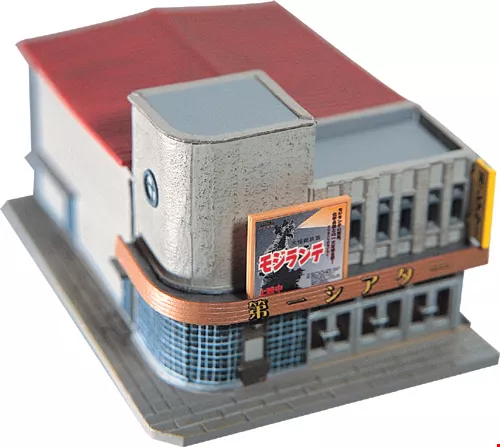
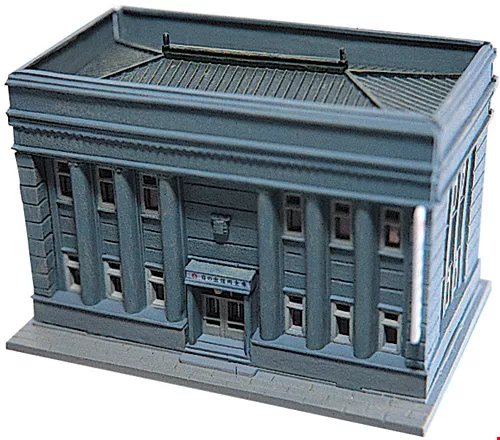
A replica old movie theater.
Pocket-sized fun
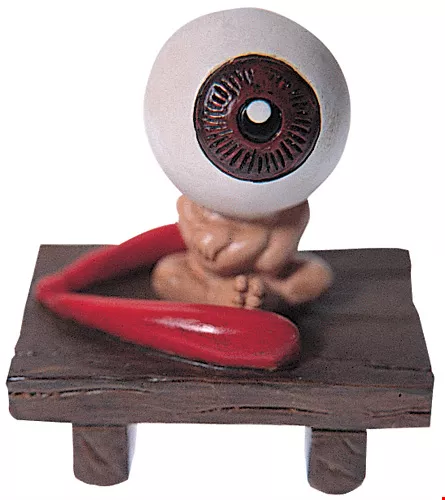
In Japanese literature there is a long tradition of ghost stories in which the ghosts and demons are like a living mirror, reflecting the dark side of ordinary life. In the world of snack toys, these ghost stories come to life in a variety of colors and forms. Manga artist Shigeru Mizuki, born in Tottori Prefecture in the 1960s, brought together folk ghost tales in his famous manga Ge Ge Ge no Kitaro, and toy manufacturers in turn have issued forth a total of 108 different snack toys based on the series, which were a massive hit for a time.
During the 2005 Aichi Expo in Japan, organizers selected 12 of the most popular ghost-themed snack toys for "resurrection," as well as issuing a specially designed wooden "ghost house" for them, sold in a limited edition at the expo. Presented with such a rare opportunity, Yeh I-chun scoured Japan for a full set of these weighty toys. "I was practically the walking dead by the end of it," she jokes, "but it was worth every minute!"
The finely crafted toys, painted in an old-fashioned style, not only depict various characters from Ge Ge Ge no Kitaro doing things like playing baseball and relaxing in hot springs, but also artist Shigeru Mizuki sitting on the ground, racking his brains for ideas for a new issue. The figures may be painted with a strangely sinister appearance, but they're also carved to resemble cute, playful neighborhood children.
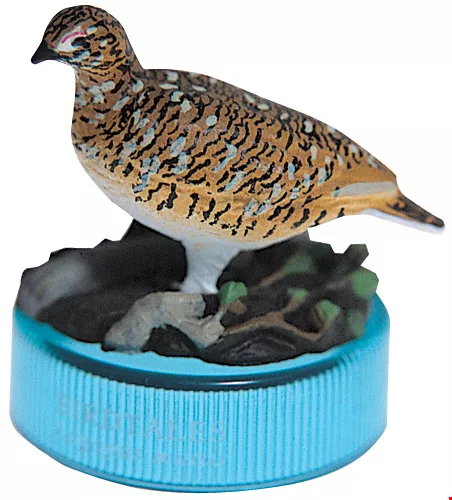
As a former environmental reporter, Yeh also has a soft spot for environment-themed snack toys, such as the "Mountain Birds and Flowers" series issued by Suntory with their natural mineral water. This series depicts the various magnificent flora and fauna of the Swiss Alps, including ermines and goldcrests, crafted into astonishingly lifelike water bottle caps and accompanied by detailed information on the animal in question, such as scientific name, measurements, habitat, and diet, combining education with entertainment.
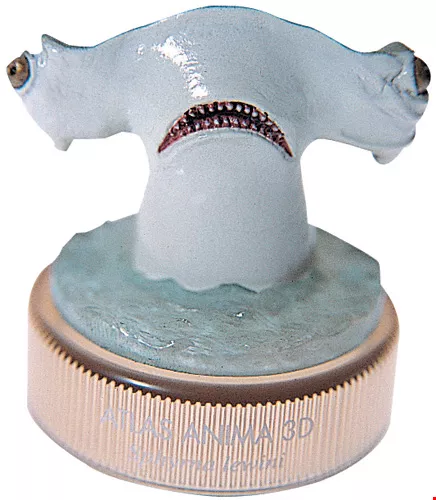
Japanese snack toys display a certain fascination with the natural world, but this fascination is not limited to the cute animals we're all familiar with--they also include sets themed on rare and relatively unknown subjects, such as a series on weird and wonderful creatures of the sea which included the rare lantern fish. There are even series themed around mythical and legendary creatures, or fantastic creatures dreamed up by science fiction writers, with notes by the designers included for reference.
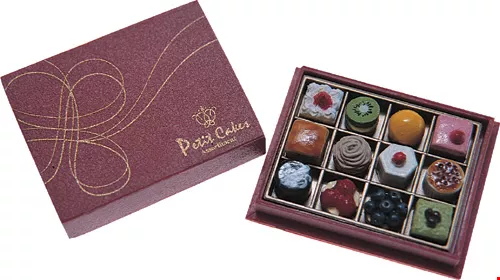
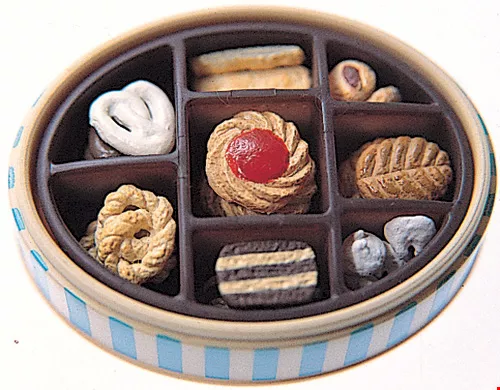
Lifelike toy versions of baked goods can really get the mouth watering.
The good old days
Snack toys are essentially condensed versions of things from the real world, but no matter how detailed and carefully crafted they are, these magnificent little objects still lack any practical use in everyday life--all they're good for is picking up and playing with. But Yeh says that the value of these toys lies in the fact they "can't be used, just contemplated," and thus they can summon up all kinds of cures for the ailments of today's busy society and the stresses of everyday life. Amongst these various "cures," few are more efficacious than nostalgic snack toys.
As an example, Yeh takes out a small, girl's desk--not only does it sport tiny, finely crafted, functioning drawers, but also a whole range of tiny replicas of different things you'd find on a desk: a pencil sharpener, notebooks, a globe, sellotape, an alarm clock, and so on. There's even a desk lamp which can actually light up if a battery is installed, a small red book bag, and something that's sure to stir up the childhood memories of many a lass, a "Kiki and Lala" handbag.
This nostalgic nook is the result of Yeh searching through stationery and study themed toys from a range of sets and companies and using these various pieces to assemble her own unique "mix tape" of snack toys. And with another group of toys, a classroom series based on the anime Chibi Maruko-chan, Yeh has assembled an entire school classroom, even ordering a specially made blackboard and set of windowed walls from a diorama manufacturer. "It's just like when I was a kid at school," she says proudly.
This kind of do-it-yourself scene assembly is a creative outlet for many a collector. For example, one collector has combined toys from the popular anime Keroro Gunso with model train sets and snack toys of street scenes from Japan's Showa period to create an artistic "Keroro Gunso, Showa style" diorama.
Yeh herself has set up a simulated township from a range of nostalgic street-scene, building, and railway snack toy sets, with people waiting to catch buses, lovers taking rides, and even a movie theater, beauty parlor, post office, stationery store, and other such facilities. Despite its size, this small town really does have everything.
Nostalgia, by definition, is something that gets stronger over time. With Japan long having had a comprehensive rail network, stations throughout the nation have developed their own unique stories--and their own unique railway cuisine. Showing a keen eye for an opportunity, one of the drink manufacturers released the "Railway Bento Boxes" series, containing snack toys of bento--lunch boxes--from 24 locations around Japan. Each of the toys had an image of the distinctive scenery of its locale sitting above a replica of the local specialty bento, with a cup of tea beside it, creating an unchanging train-window scene. This set caused a sensation thanks to its stirring of many a hometown memory, and now a full set can sell for as much as NT$2400 online, over three times its original price.
At the turn of the millennium, a Japanese company issued a set called "Remembering the 20th Century," including toys of 20th-century icons--electronics, cartoon characters, vehicles, and so forth. Even the "Tower of the Sun," designed by artist Taro Okamoto for Expo '70 in Osaka, was included in the series. With the excitement over the new millennium, this nostalgic series caused a sensation and sales of these toys skyrocketed, hitting over 10 million units within the year.
Yeh believes that these nostalgic, emotive toys reflect the blurring of age distinctions in modern society, with even adults now feeling free to collect toys they find interesting and reminiscent of their childhoods--a treatment for modern lifestyle ills anyone can concoct.
In these pocket-sized Japanese toys, collector Yeh I-chun has found a whole new world.
Big things come in small packages
Despite the cheap price of these snack toys, Yeh says, in her "peak period" since becoming a public servant, she would spend an easy NT$10-30,000 a month on snack toys. "When it was all done, I was virtually broke, with no money left for other fun." Even now she spends NT$6-7000 a month on toys and barely bats an eyelid.
Her family, seeing her place stuffed to the gills with snack toys, couldn't help but get on her case, nagging her about having no savings and wasting her money on "worthless trinkets." But since she published The Wonderful World of Snack Toys they have changed their minds, giving her a friendly ribbing about collecting all those toys just so she could write a book, and how their "little bookworm still hasn't changed."
To Yeh, though, these toys are more than just "toys," they're an inspiration for her writing career as well. During university Yeh studied Japanese, and to get even more involved in the world of snack toys she's worked hard at improving her Japanese further. And in her new book, Tales from the Toybox Crypt, she writes about all she's learned about Japanese legends and ghost stories with the support of the various ghost-themed snack toys she's collected over the years, as well as a wealth of pictures. Her book has been warmly received since hitting the shelves.
The number of snack toy fans has been steadily rising in Taiwan over recent years, and the age groups involved have also gotten older and older. Now there are even locally produced sets of snack toys, although they're still quite small runs. In Yeh's estimation, the crucial factor determining whether the industry can succeed in Taiwan is whether or not the companies can make the effort required in pursuing constant improvement and attention to detail. Snack toy culture is well established in Japan, and has a particularly close tie to Japanese culture, especially the almost obsessive pursuit of beauty in detail and refinement of art.
Take for example the snack toy replica electronics--not only did the manufacturers strive to make them look realistic, they even included a sticker that says "Display Item Only," giving the feeling of having participated in the auction of an actual display appliance. There's even a replica instruction manual in the box, covering everything from wattage, through correct operation, to safety instructions. The attention to detail is truly breathtaking.
The success of the snack toy industry in Japan is thanks to a number of factors. Not only is there a strict attention to quality and constant innovation in the toys produced, they also keep the prices reasonable and the products scarce, keeping everyone talking and getting everyone excited to get the toys. This is particularly the case for the "secret" toys in the series--toys not shown on the packaging, and kept rare and hard to find. Collectors have somewhat of a love-hate relationship with these particular toys, but if you've had the good fortune to secure one, says Yeh, "It's a heck of a feeling, knowing you've got one while everyone else is still looking!"
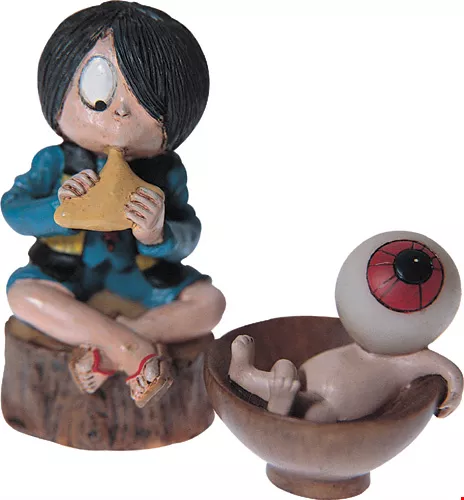
Snack toys, released during the 2005 Aichi Expo, based on the manga series Ge Ge Ge no Kitaro. From left to right: Kitaro playing a flute, Daddy Eyeball bathing at a hot spring, a specially made wooden ghost house, and Ratman with an umbrella demon.
Getting started
Yeh suggests that newcomers to the world of snack toys try and take a look at the piece they want before laying down their money, because frequently the photos used in promotions don't particularly resemble the real thing. Additionally, snack toys can vary in quality--the important thing is to look at the toys carefully and check out how well crafted they are, if the paint is uniform, and if the finish is smooth, with no rough or protruding edges. Another tip is to spend time on manufacturers' websites, in toy stores, and getting involved in online auctions, as well as keeping up to date with collectors' newsletters. By checking and triple checking, newcomers can reduce their chances of being hoodwinked.
The instruction booklets and boxes that come inside the capsules for snack toys are like their birth certificates, with their manufacturer, age, production method, and other such detailed background information on them. These should be stored safely, and never be thrown away. This is particularly true for the more popular toys from recent years; there's no shortage of counterfeits on the market, and a thorough checking of the boxes and manuals is one of the best ways to tell the real thing from a cunning fake.
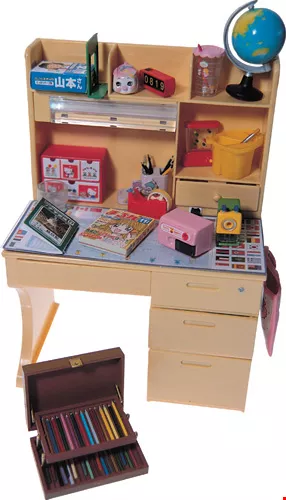
An old-fashioned desk with all kinds of eye-catching, nostalgic stationery and other things. This is a set depicting a young girl's desk specially made by Yeh I-chun by combining pieces from various series of snack toys.
Useful uselessness
As our interview draws to an end, Yeh's cellphone suddenly springs to life as a friend calls, asking Yeh if she wants to buy a "supermarket" and a "hamburger." Such surrealistic conversations are far from uncommon in the world of snack toys, and for just a bit of small change you too could become a real-estate tycoon with your own luxurious suburban resort, or maybe a temple patriarch, overseeing your own traditional temple.
Some overly pragmatic people consider collecting snack toys money wasted on "useless things." But for those passionate collectors, each of their pieces has its own story; each of them is unique, part of its own little universe, with its own indefinable spirit. As Zhuangzi said, "All men know the advantage of being useful, but no one knows the advantage of being useless." To Yeh, these "useless" objects are infinitely "useful," and cannot be underestimated.

In these pocket-sized Japanese toys, collector Yeh I-chun has found a whole new world.
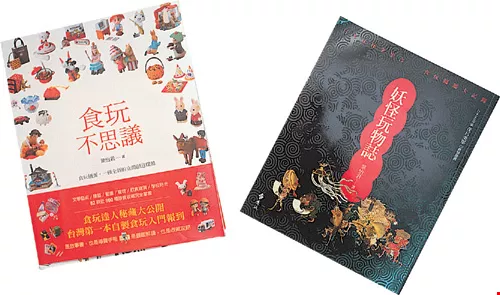
Yeh I-chun's book on snack toy collecting, The Wonderful World of Snack Toys, and her book on ghost stories, Tales from the Toybox Crypt, have helped improve the visibility of snack toy collecting.
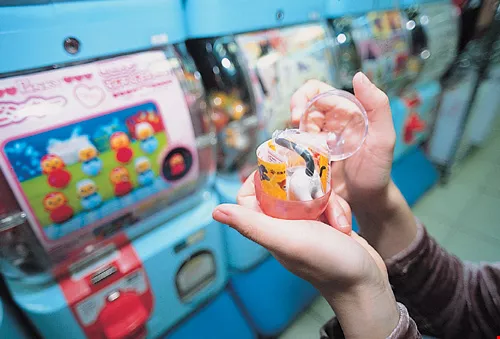
Drop in a coin, spin the handle, and out comes a plastic capsule. Full of anticipation, you crack it open, and only then do you know if you've found the treasure you were looking for. This is the fun of buying capsule toys.
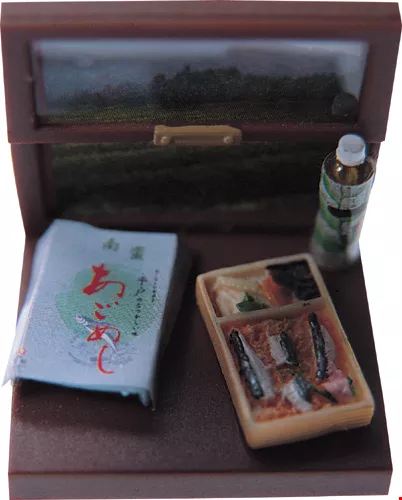
A snack toy boxed lunch that was bundled with drinks.
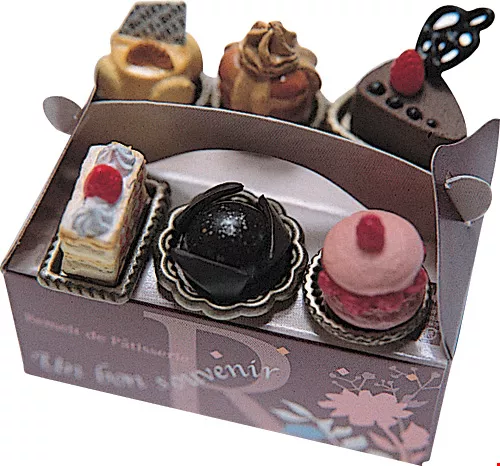
In these pocket-sized Japanese toys, collector Yeh I-chun has found a whole new world.
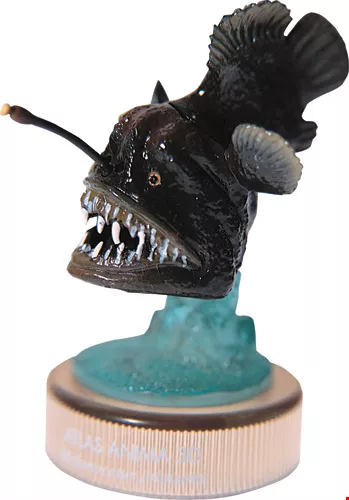
Series depicting the natural world are always big sellers in Japan. This picture shows a finely crafted shrimp toy and deep-sea lantern fish.
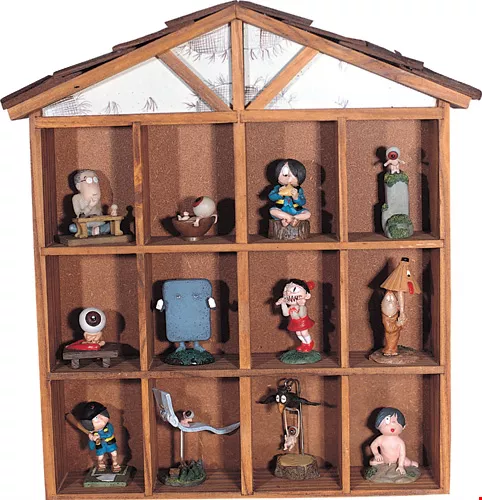
Snack toys, released during the 2005 Aichi Expo, based on the manga series Ge Ge Ge no Kitaro. From left to right: Kitaro playing a flute, Daddy Eyeball bathing at a hot spring, a specially made wooden ghost house, and Ratman with an umbrella demon.
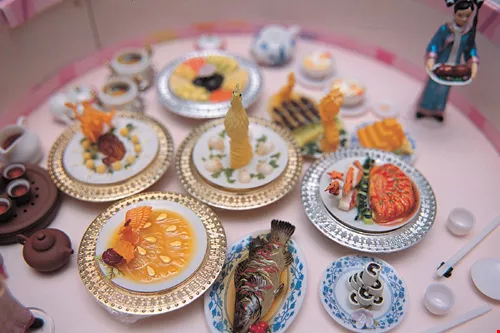
Even massive Chinese banquets have been turned into Japanese snack toys.
In these pocket-sized Japanese toys, collector Yeh I-chun has found a whole new world.
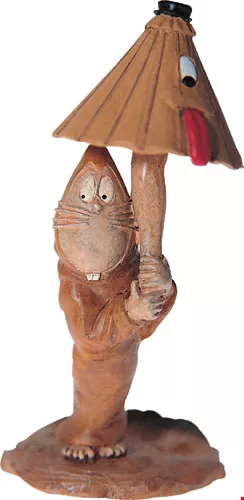
Snack toys, released during the 2005 Aichi Expo, based on the manga series Ge Ge Ge no Kitaro. From left to right: Kitaro playing a flute, Daddy Eyeball bathing at a hot spring, a specially made wooden ghost house, and Ratman with an umbrella demon.
In these pocket-sized Japanese toys, collector Yeh I-chun has found a whole new world.
In these pocket-sized Japanese toys, collector Yeh I-chun has found a whole new world.
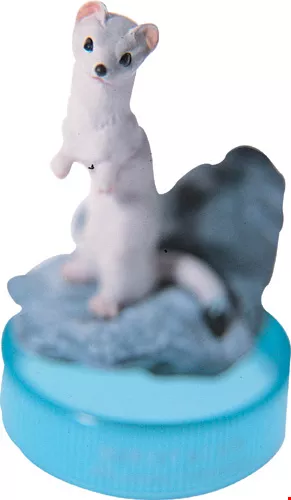
The "Mountain Birds and Flowers" series sold with Suntory mineral water featured replicas of flora and fauna from the Swiss Alps.
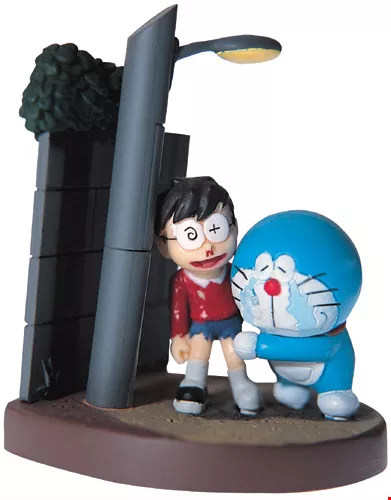
Snack toys based on popular anime Doraemon.
In these pocket-sized Japanese toys, collector Yeh I-chun has found a whole new world.
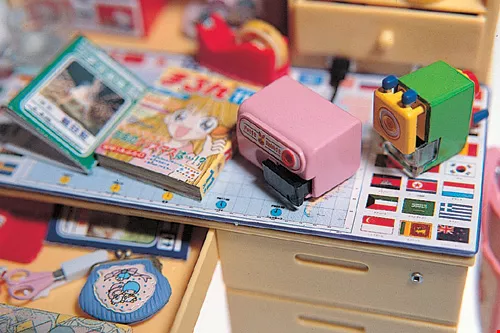
An old-fashioned desk with all kinds of eye-catching, nostalgic stationery and other things. This is a set depicting a young girl's desk specially made by Yeh I-chun by combining pieces from various series of snack toys.
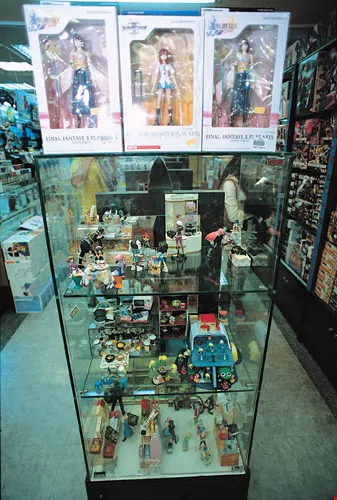
Having spread from Japan, snack toys are now a common sight in Taiwanese toy stores too.
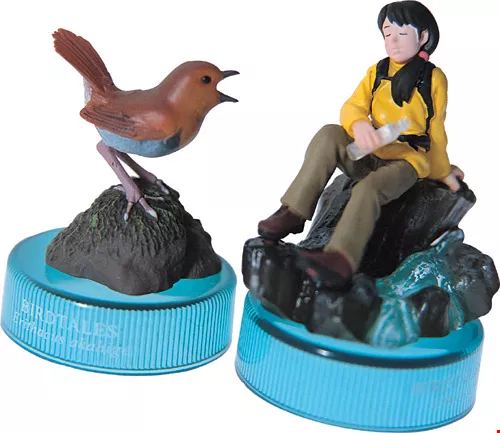
The "Mountain Birds and Flowers" series sold with Suntory mineral water featured replicas of flora and fauna from the Swiss Alps.
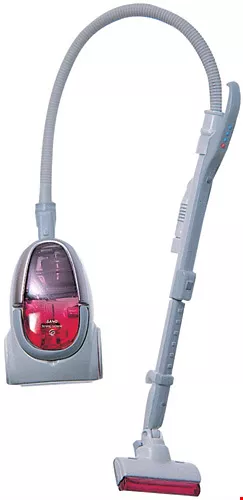
In these pocket-sized Japanese toys, collector Yeh I-chun has found a whole new world.
In these pocket-sized Japanese toys, collector Yeh I-chun has found a whole new world.
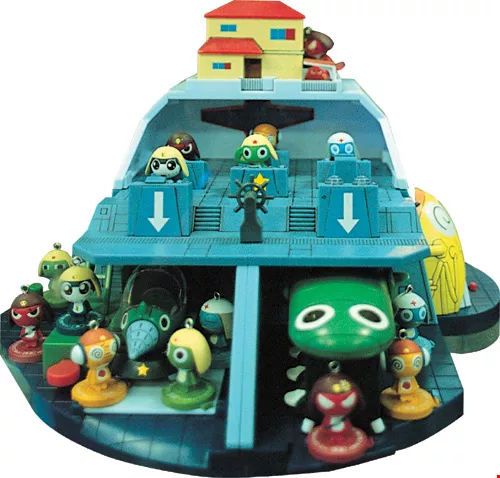
This set of snack toys is based on the manga and anime Keroro Gunso, about a team of aliens who set up a secret base underneath a house, where they plan to take over the world.
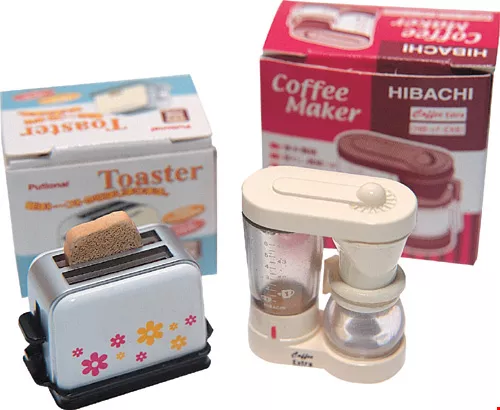
A miniature toaster and coffee machine.
In these pocket-sized Japanese toys, collector Yeh I-chun has found a whole new world.
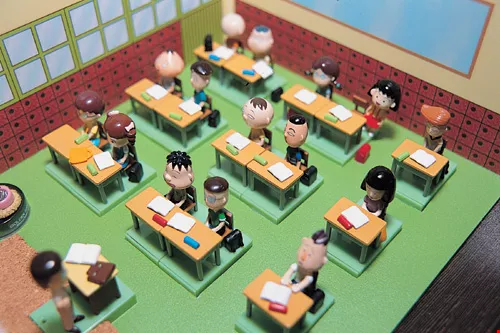
A classroom scene from the anime Chibi Maruko-chan. To complete the diorama, Yeh even specially ordered the walls and windows for the classroom.
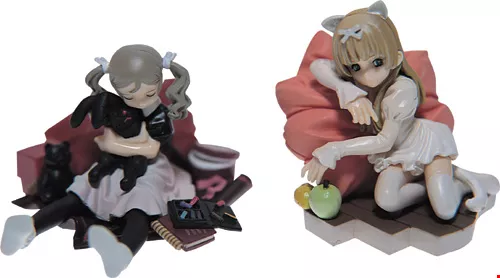
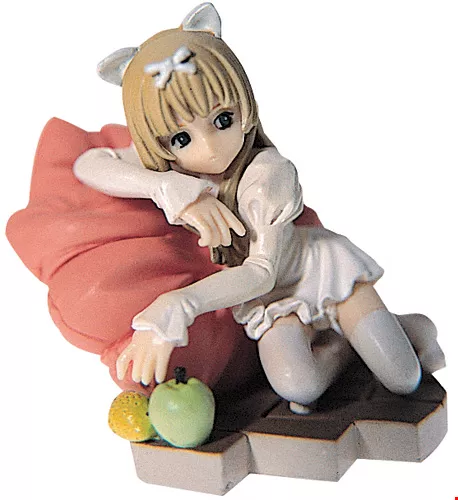
Toys from this series of girl characters from Japanese video game "Episode of the Clovers" currently go for as much as NT$1300 a piece.