The Only Road--Alex Yang on Film
Teng Sue-feng / photos Jimmy Lin / tr. by Christopher J. Findler
January 2005
With Taiwan's movie industry in the doldrums, it's tough going for idealistic new directors. Lacking channels into the international market, and the reputation to attract local producers and investors, they can only fall back on the government's Guidance and Assistance Fund for Motion Pictures. But the adverse environment has not stopped new director Alex Yang. He finished two films in three years, winning Best Picture at the 2004 Asia Pacific Film Festival with his Taipei 21.
Yang puts it this way in the storybook for Taipei 21: "The collapse of the family, a lackluster, turbulent economy, and the complexity of interpersonal relationships are steadily pushing love to extinction." Love may be hard to find, but without the dream of finding it, what else does life have to offer? Movies are Yang's true love. His passion molds his works and tempers his will.
How do you view Taipei?
Once in a while, walking through the mishmash of old and new, prosperity and poverty that make up Taipei, you might chance on a scene like this: at a noodle stand nestled away in an alley, a young, well-dressed couple sweats profusely over a meal. The foodstall's clutter is in sharp contrast to the young people's fresh, white-collar appearance. In their silence, it is apparent that they are trying to resolve some problem in their relationship.
This scene, from Alex Yang's film Taipei 21, depicts love Taipei style. The young lovers walk a tightrope between love and reality, feeling awkward and at a loss as they come to a crossroads common to many: You've been together for seven years, but where do you go from here? Do you buy a small place, marry, and settle down? Or, if your goals don't jive, do you choose the more painful path-breaking up? Do you stay in a mediocre, futureless job? Or do you open new doors by going abroad to study?
The director avoids showing Taipei landmarks, making you feel the story told in Taipei 21 could be unfolding right next to you.

The title of Taipei 21 symbolizes both 21st-century Taipei and the quandaries that life throws our way-we are frequently faced with 2 options, but can only choose 1. In the story, the lead character works in real estate. But on his 27th birthday, when his girlfriend secretly signs an agreement to buy a small flat, he rejects her idea on the grounds that they cannot afford it. This breaks her heart and sends the relationship onto a bumpy road.
With no marketing campaigns, tepid box-office sales, and few critics even noticing it, his film unexpectedly won Best Picture at the 2004 Asia Pacific Film Festival. Lurking in the movie business for over a decade, Yang suddenly found himself very busy, showing his film in schools and attending academic discussions.
Although considered a new director, at 39 Yang is no stranger to the movie business. Speaking enthusiastically into a microphone, he points out, "You need to be wise to the ways of the world. You need to know the risks you're running. You need to plan for the worst." Yang explains that creation requires passion, but passion burns off quickly. You cannot cast aside your family for your ideals, nor should you acquire debts you can never repay. The twists and turns life hands us remind us that the journey, not the balance sheet, matters most.
Perhaps Yang's opinions have something to do with the fact that by the time he came along, Taiwan's movie industry had plummeted from an earlier pinnacle. According to statistics from the Government Information Office's Department of Motion Pictures, the number of locally produced films fell from over 100 per year in the early 1990s to only 16 in 1999, 17 in 2001, and 14 in 2003. Over the last five years, locally made films have only accounted for an average of 2% of box-office sales, while foreign films have taken the lion's share with 96%.
Yang continues to pursue his filmmaking dreams, despite the unfavorable conditions. In spite of a lack of resources, he created The Trigger and Taipei 21 within a period of three years and won Best Picture at the Asia Pacific Film Festival. This not only bore witness to his directing genius, it gave him encouragement and confidence to stay the course.

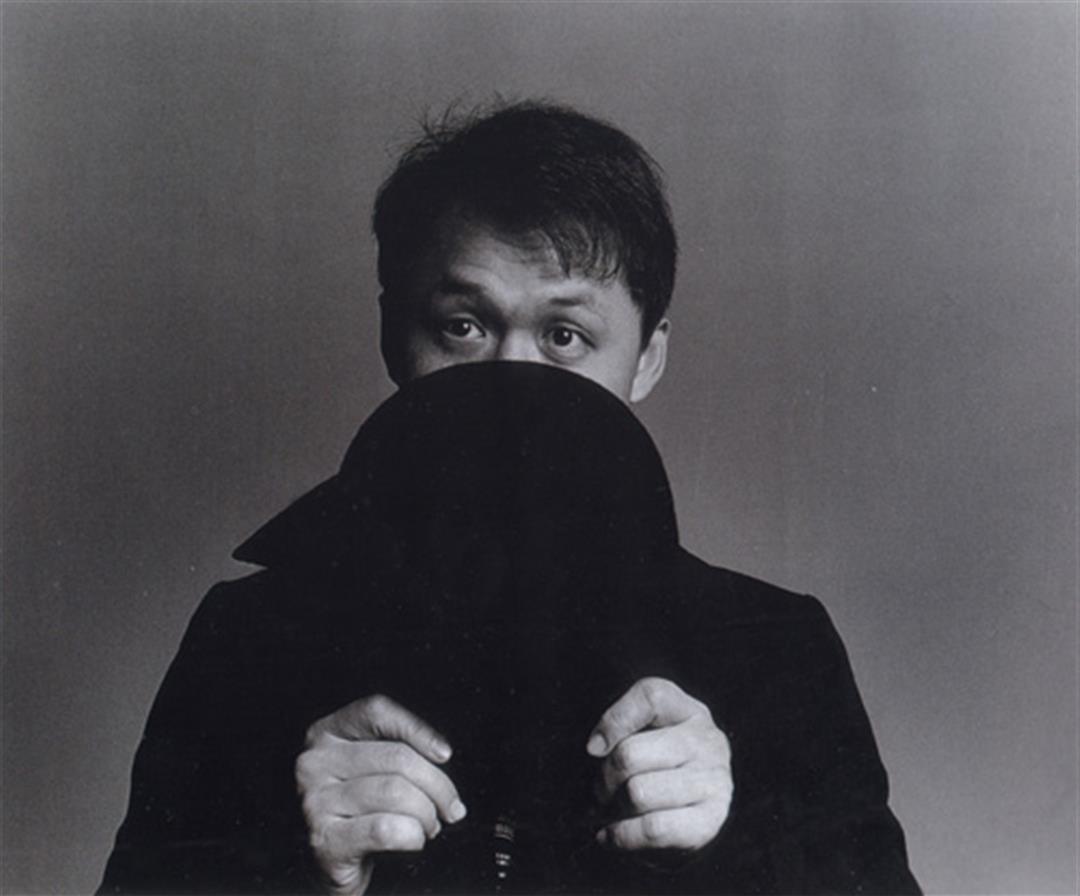
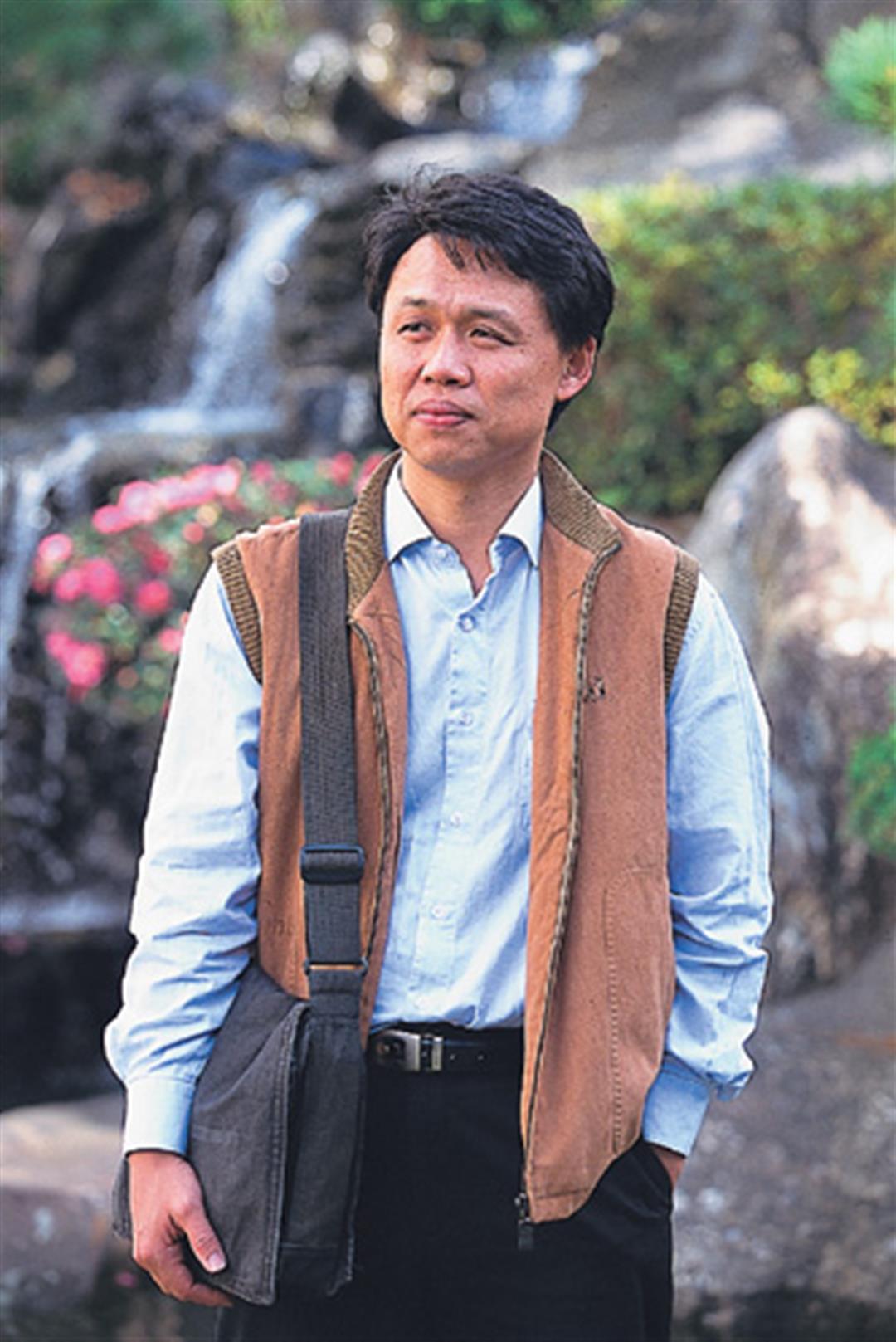
No stranger to directing, Alex Yang is optimistic and loves to joke around.
Alex Yang's interest in movies started in high school. A typical "renaissance youth" at Taipei's Chienkuo High School, he enjoyed photography, helped publish the school magazine, and joined several school clubs. He frequently talked classmates into cutting class to see movies-windows to the world during those stifling, stressful days at school.
Yang explains that his school had a tradition of being liberal and lenient with students. For their part, students did not go overboard and neglect their studies. During his last year in high school, when his classmates had all returned to the classroom to plow away in preparation for the Joint College Entrance Examination, Yang was still searching for his future outside of textbooks.
Fortunately, the entrance test for the newly established Taipei National University of the Arts was scheduled for the same day as the college entrance exam. He opted to take the test for NTUA to "avoid the embarrassment of flunking the college entrance exam." NTUA did not, as yet, have a movie department, but well known directors like Wang Shau-di and Edward Yang taught in the Theater Department.
Edward Yang, in particular, characterized the new generation of directors. His nervous stammering and lack of structure when he lectured left students scratching their heads, but he enjoyed taking students out for coffee, to see movies, and to discuss films. Edward Yang's creative passion and analytical skills filled Alex Yang with dreams for his own future. After graduating, Yang shot the movie A Brighter Summer Day with Edward Yang. He had many important responsibilities: he was appointed assistant director, and was tasked with performance direction and scriptwriting. In 1991, Edward Yang, Yen Hung-ya, and Alex Yang won the Golden Horse Award for Best Script.
Yang explains that although Edward Yang wanted to cultivate the younger generation, in reality his personal style was overpowering. As a student, Yang was relegated to the task of gathering and organizing information. For ten years after he won the award, no other director or distributor asked him to write scripts. He found himself teaching courses on performing at Hwa Kang Arts School and Fuhsing Senior High School. He also shot the occasional commercial.
The commercials were well funded, but Yang had trouble adjusting to their formulaic nature. "All those people working together to sell instant noodles? Packaging a car to impart some warm, fuzzy values? Maybe everything else pales in comparison, because shooting movies is so fascinating." Yang used to struggle with the idea of getting a job and earning a steady salary. Then he got married and had a child. Gazing at his son's innocent face, he decided that he was going to be a father with dreams.
Yang told himself he could not simply sit back and complain about how bad things were. He began planning his creations. He looked around for money, read books, and wrote scripts. He demanded of himself that he write at least three scripts a year.
In 2000, he applied to the Guidance and Assistance Fund for Motion Pictures for a grant to shoot The Trigger. The regulations required applicants to submit shooting plans to be reviewed by a judging panel. Winners would be awarded NT$2 million. If the finished film was deemed good enough, another NT$8 million could be awarded. In the initial application, The Trigger was a runner up, so Yang received no assistance. Later, however, he was awarded the NT$8 million from the Assistance Fund.
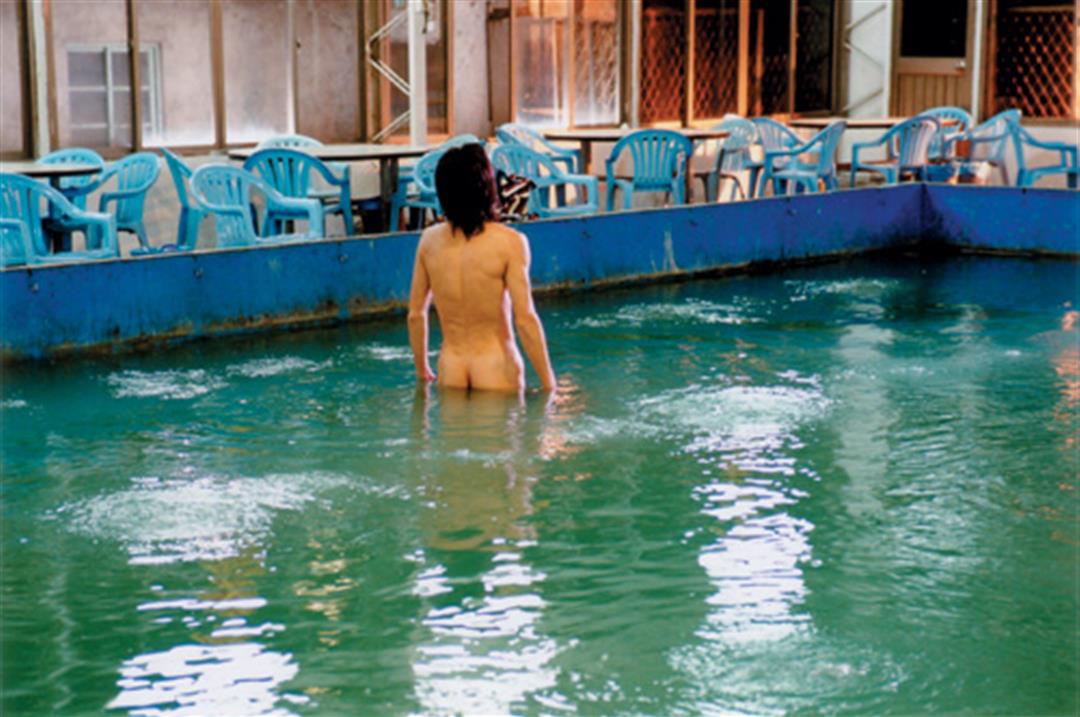
The title of Taipei 21 symbolizes both 21st-century Taipei and the quandaries that life throws our way-we are frequently faced with 2 options, but can only choose 1. In the story, the lead character works in real estate. But on his 27th birthday, when his girlfriend secretly signs an agreement to buy a small flat, he rejects her idea on the grounds that they cannot afford it. This breaks her heart and sends the relationship onto a bumpy road.

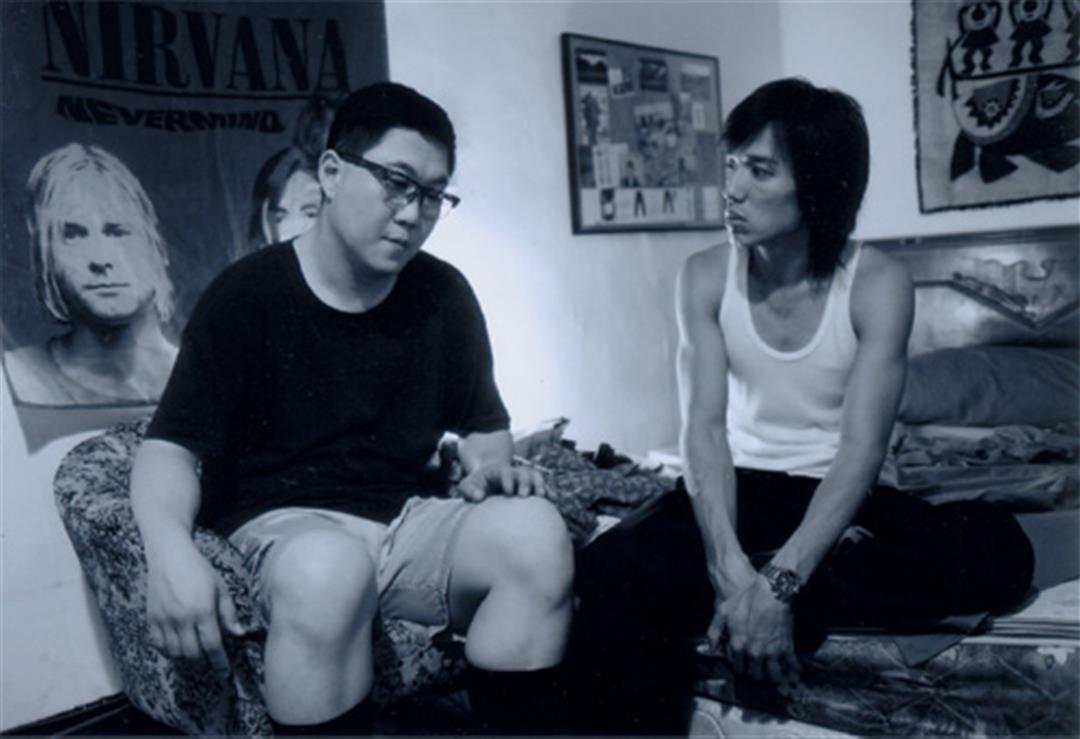
The Trigger depicts a professional hit man hired to take out a target. But his girlfriend's pregnancy gives him second thoughts. He decides that after this job, he will renounce his profession and turn himself in. After his release from prison, he finds his girlfriend married. Bent on revenge, he hooks up with another ex-con he met in prison, a younger man unjustly incarcerated. They plan the job, but his hate disappears when he sees his old girlfriend and his daughter leading happy, normal lives. Unfortunately, determined to dish out justice, his younger partner kills the girl who got him put away.
It was a real-life incident in a school in which Yang taught-the beating to death of a student by a group of youths-that gave him the idea of exploring the world of young people. One of the youths accused in the killing was a friend of the movie's leading male, Tsai Hsin-hung. Yang feels that to probe the inner world of young people, you need to first understand their parents' generation, so he created a middle-aged hit man and told the story from the different viewpoints of the two generations.
The application to the Assistance Fund, the final step in the making of his first film, drove home for Yang what is wrong with Taiwan's movie industry.
Yang explains, "When the 1990s wave of new films ended, Taiwan's movie industry faced a crisis. Filmmakers didn't bother making audience-oriented pictures; rather, films increasingly became personal expressions aimed at niche markets. As the laurels won in international film exhibitions were forgotten and box-office sales declined, the Assistance Fund made filmmakers even less willing to deal with the market. Instead of weeding them out, the system encouraged them to go off on their own private tangents.
Yang suggests that the Assistance Fund should subsidize any film that meets certain criteria, like 90-minute 35 mm pictures shot in Dolby sound. Giving them all NT$3 million or NT$5 million awards would reduce financial risks and encourage new directors to take a chance.
In 2002, he worked with the Central Motion Picture Company on Taipei 21. The company was eager to win awards and had the technical personnel he needed. Yang raced to finish the film in November 2003, but in the end, Hong Kong movies came out on top again that year at the Golden Horse Awards. CMPC was very disappointed when Taipei 21 received no nominations.

The title of Taipei 21 symbolizes both 21st-century Taipei and the quandaries that life throws our way-we are frequently faced with 2 options, but can only choose 1. In the story, the lead character works in real estate. But on his 27th birthday, when his girlfriend secretly signs an agreement to buy a small flat, he rejects her idea on the grounds that they cannot afford it. This breaks her heart and sends the relationship onto a bumpy road.
Life is full of the unexpected. Yang had never thought that Taipei 21 would receive Best Picture at the Asia Pacific Film Festival. Yang explains it away, saying that the judges just wanted to spread out the awards. Taipei 21 only won because Korea, Taiwan's archrival, had already won Best Director and Best Leading Actor.
Frustrated, Yang explains, "Even after winning an award, film distributors were still unwilling to invest in my films. Taiwan has plenty to shoot, lots of stories, and no shortage of movie people, but we have lacked the aesthetic judgment and someone to recognize our abilities." Explaining his vision, he says, "Now, I've proven that I can shoot quality pictures. I hope that my future films make some money."
The leading actor of Taipei 21 is a realtor by day and serves Japanese tourists in a nightclub by night. When they hear him speak Japanese in the movie, many people immediately think of Takeshi Kaneshiro, a superstar of Taiwanese and Japanese blood.
Says Yang: "I, too, wanted to get a big name, but back then, none of the big stars would even give me the time of day." Taipei 21's NT$8 million budget would probably not have even been enough to pay Takeshi Kaneshiro's salary. Waiting for him to have a free slot in his schedule, if he had any, would have added to the movie's already considerable costs.
Compared with the relatively gloomy picture The Trigger, Taipei 21 is carefree and unrestrained. Tsai Ming-liang, another director who shoots Taipei, likes to capture the loneliness and estrangement of the city, which he ties into a neat package with no loose threads. In contrast, the audience finds the people of Taipei depicted in Yang's films approachable and the joy-filled, starry-eyed dreams of its young characters contagious.
Looking back on his maturation process, Yang explains, "I tried to say too much in my first work. The film came across as a bit heavy-handed as a result. When filming Taipei 21, I had already learned how to transform hazy concepts and emotions into an engaging story."
"Whenever we finish a film, I experience a fleeting moment of indescribable joy. Before long, however, regret engulfs me. I loathe that my compromises, my ignorance, my incompetence have irredeemably scarred the picture. That's why movies are so engrossing: You never reach the pinnacle, but each attempt brings you a little closer." Full of respect for the accomplishments of earlier directors, Yang has high hopes for his own future. Taiwan's movie industry has experienced a desertification of sorts, but the hard work of those that came before has ensured that this desert can bloom again.

The title of Taipei 21 symbolizes both 21st-century Taipei and the quandaries that life throws our way-we are frequently faced with 2 options, but can only choose 1. In the story, the lead character works in real estate. But on his 27th birthday, when his girlfriend secretly signs an agreement to buy a small flat, he rejects her idea on the grounds that they cannot afford it. This breaks her heart and sends the relationship onto a bumpy road.


The title of Taipei 21 symbolizes both 21st-century Taipei and the quandaries that life throws our way-we are frequently faced with 2 options, but can only choose 1. In the story, the lead character works in real estate. But on his 27th birthday, when his girlfriend secretly signs an agreement to buy a small flat, he rejects her idea on the grounds that they cannot afford it. This breaks her heart and sends the relationship onto a bumpy road.
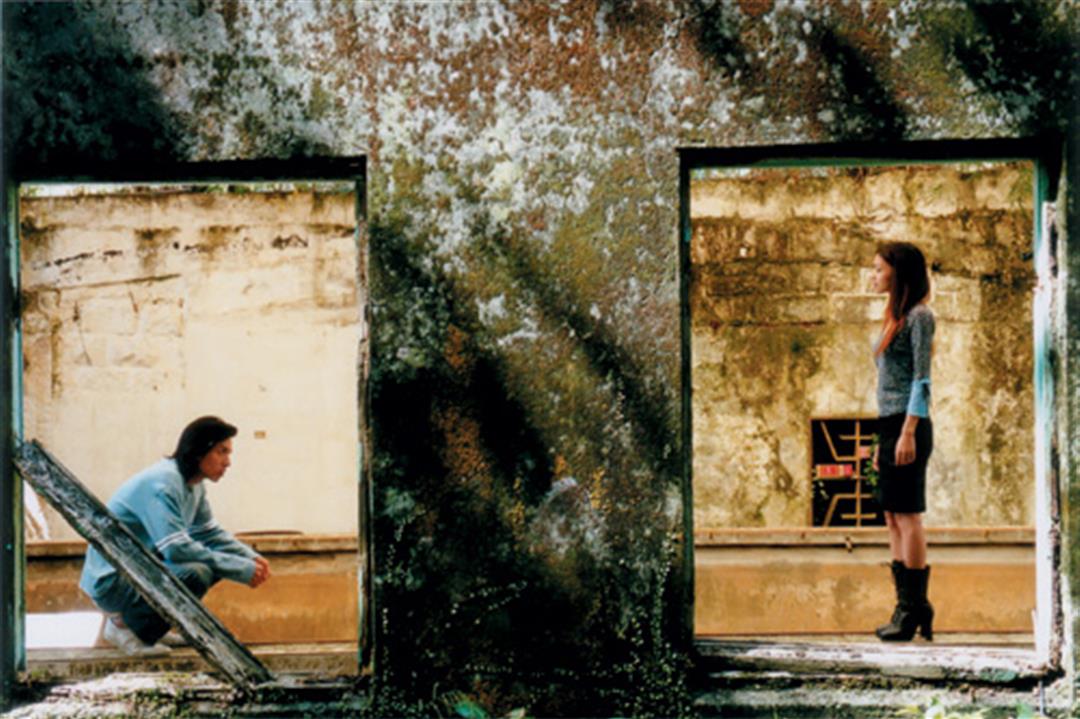
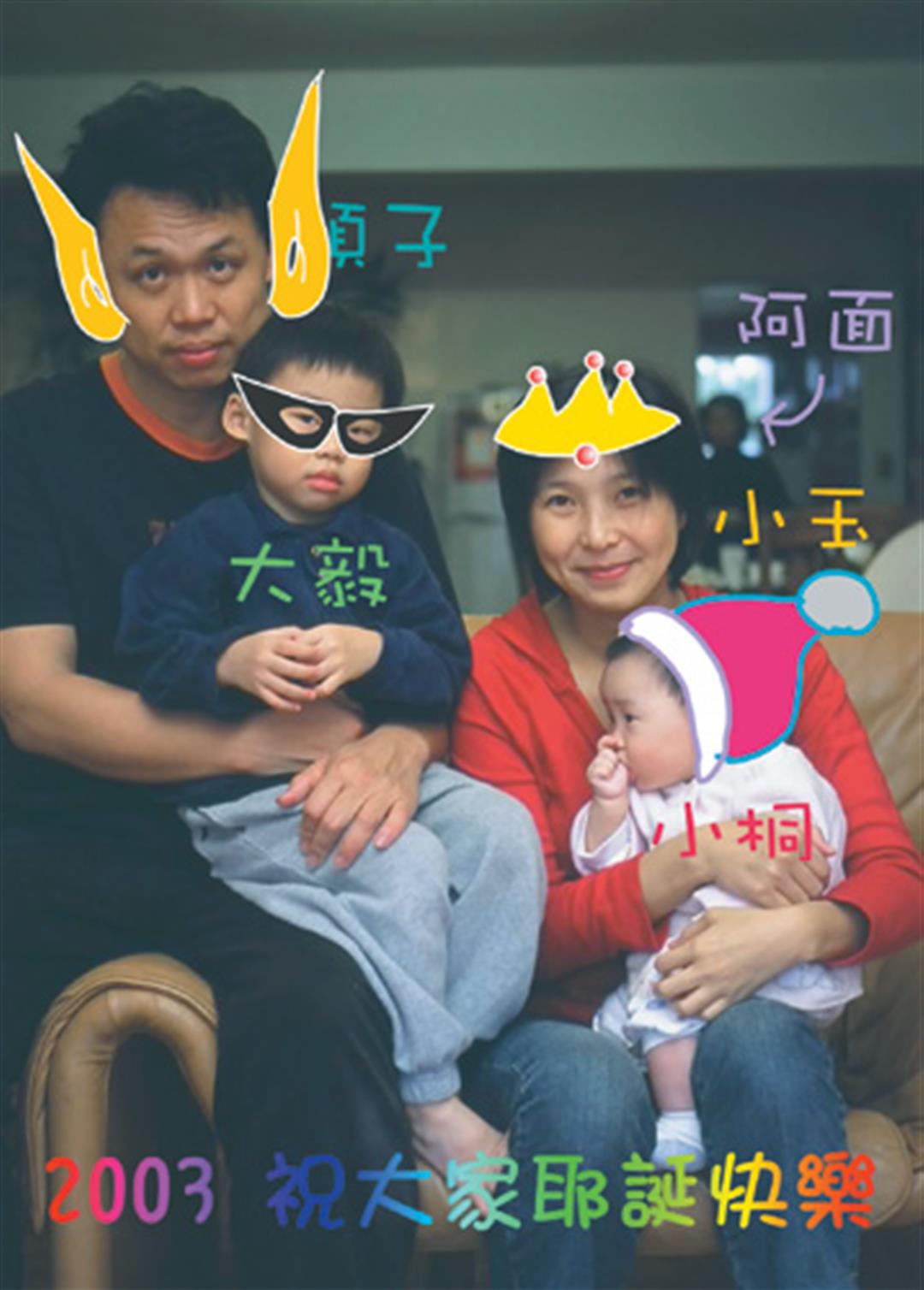
Alex Yang's family continued to support him during his ups and downs in Taiwan's struggling movie industry.

Alex Yang won the Golden Horse Award for Best Script for A Brighter Summer Day at age 26. Afterwards, he waited in the wings for more than a decade before finally realizing his dream of becoming a director.

The title of Taipei 21 symbolizes both 21st-century Taipei and the quandaries that life throws our way-we are frequently faced with 2 options, but can only choose 1. In the story, the lead character works in real estate. But on his 27th birthday, when his girlfriend secretly signs an agreement to buy a small flat, he rejects her idea on the grounds that they cannot afford it. This breaks her heart and sends the relationship onto a bumpy road.
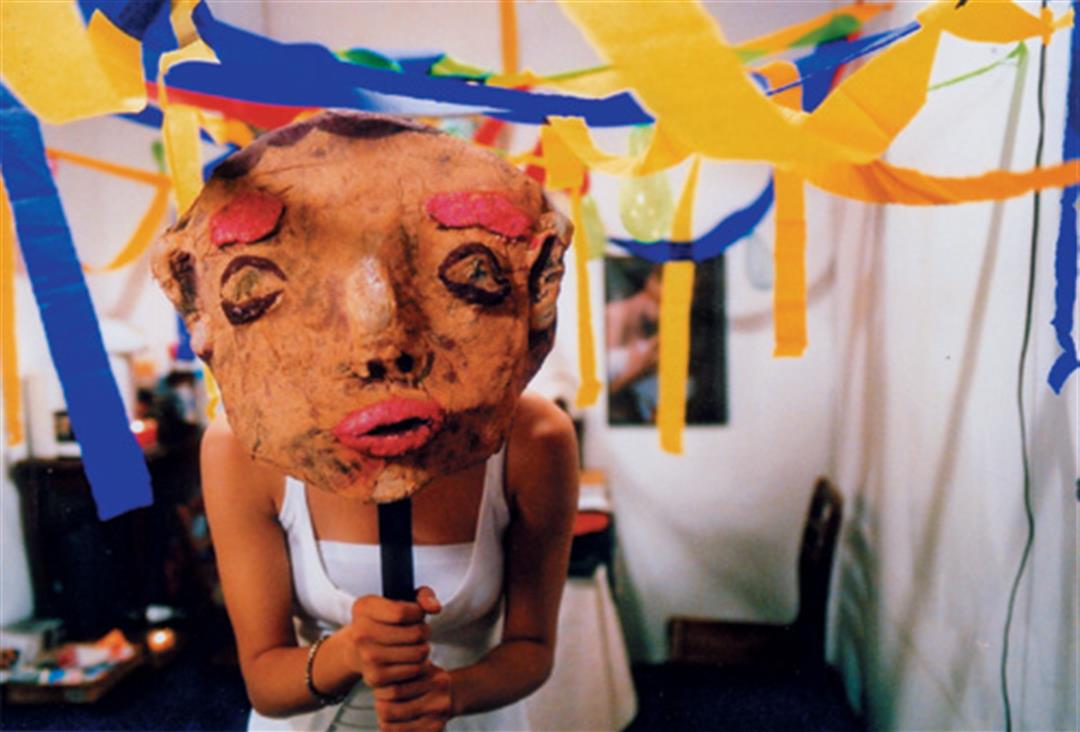
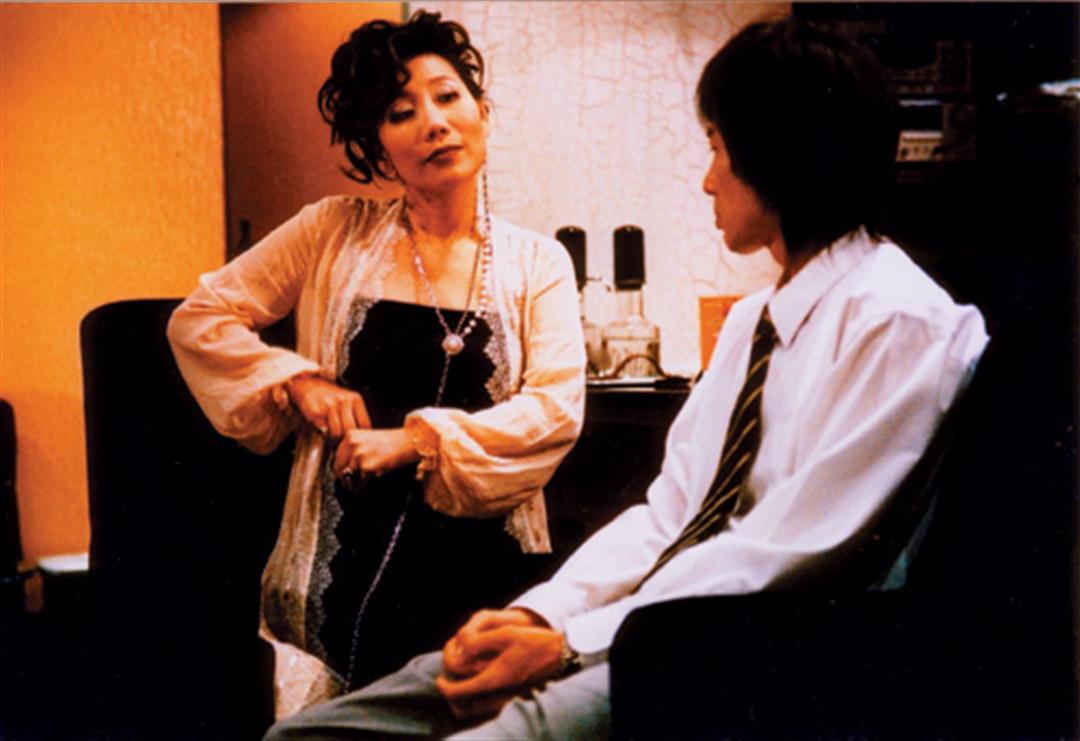
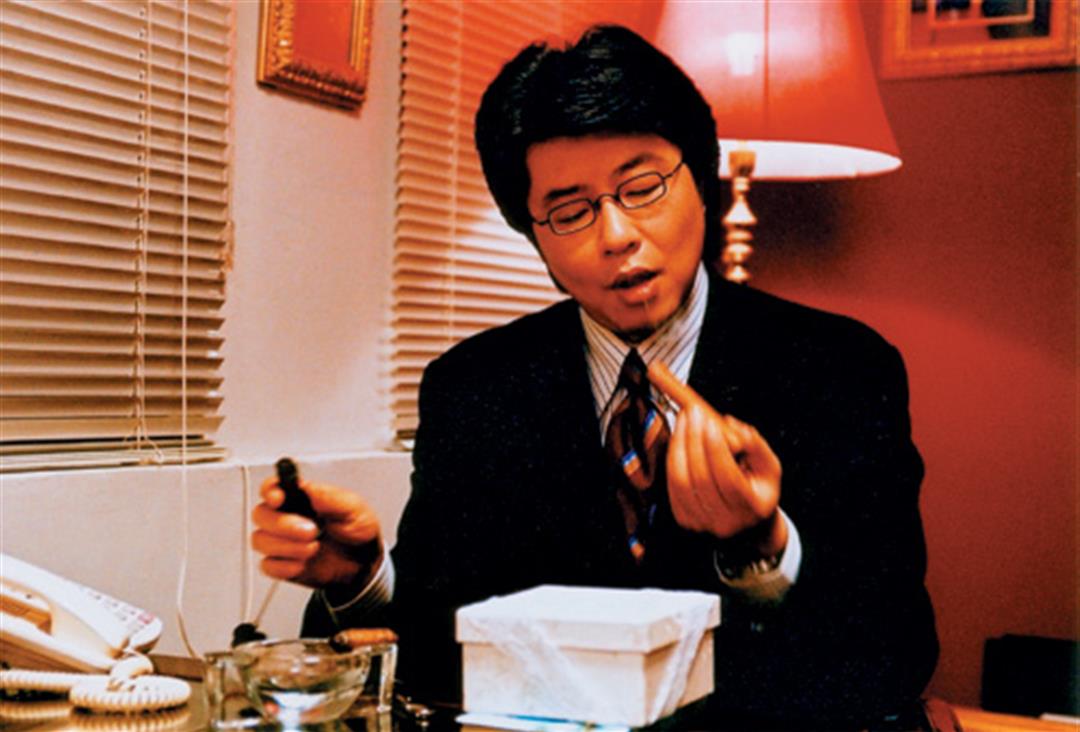
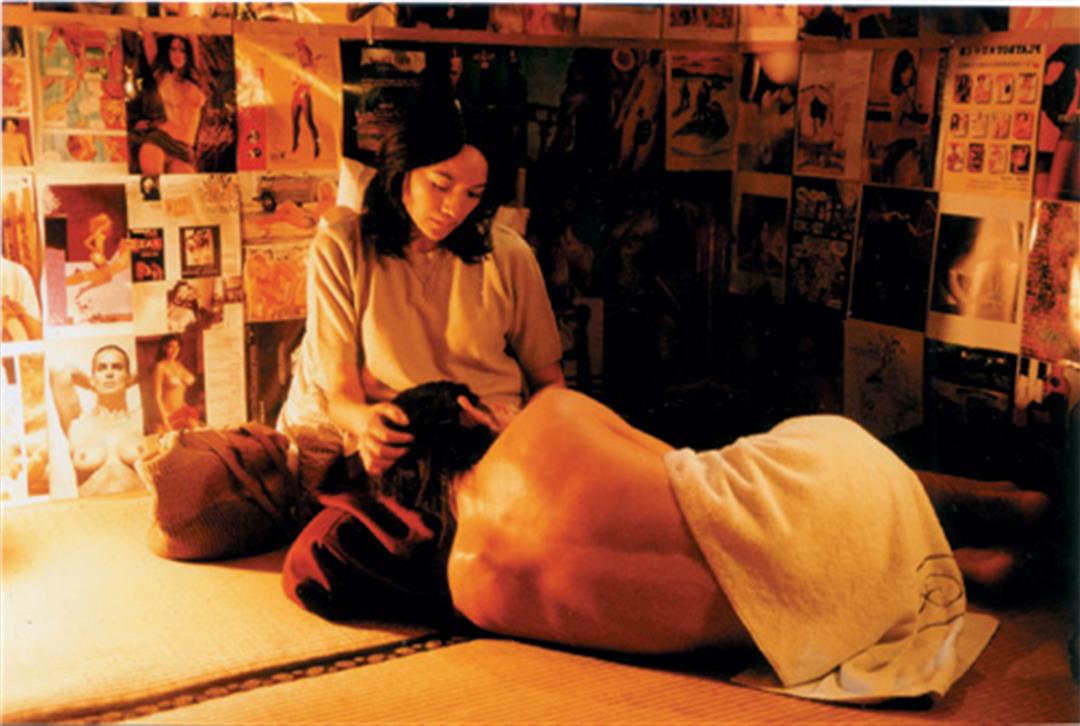
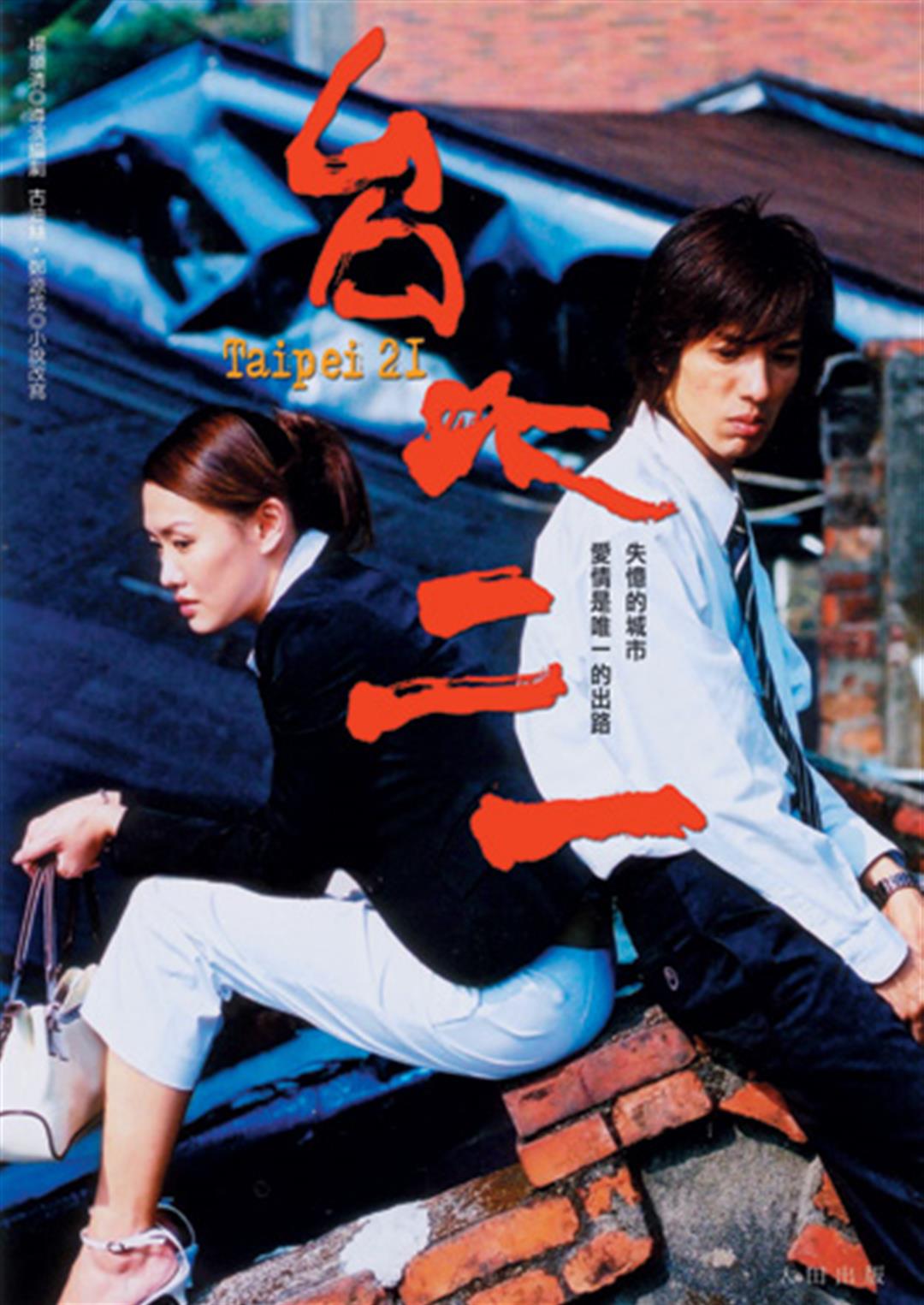
Alex Yang's Taipei 21, which snatched Best Picture at the 2004 Asia Pacific Film Festival, is a romantic film about love and separation. The film's male lead and Yang's student, Tsai Hsin-hong, looks a little like Japanese actor Kimura Takuya.

The title of Taipei 21 symbolizes both 21st-century Taipei and the quandaries that life throws our way-we are frequently faced with 2 options, but can only choose 1. In the story, the lead character works in real estate. But on his 27th birthday, when his girlfriend secretly signs an agreement to buy a small flat, he rejects her idea on the grounds that they cannot afford it. This breaks her heart and sends the relationship onto a bumpy road.