Enterprising Women on the March
Teng Sue-feng / photos Jimmy Lin / tr. by Scott Williams
November 2006
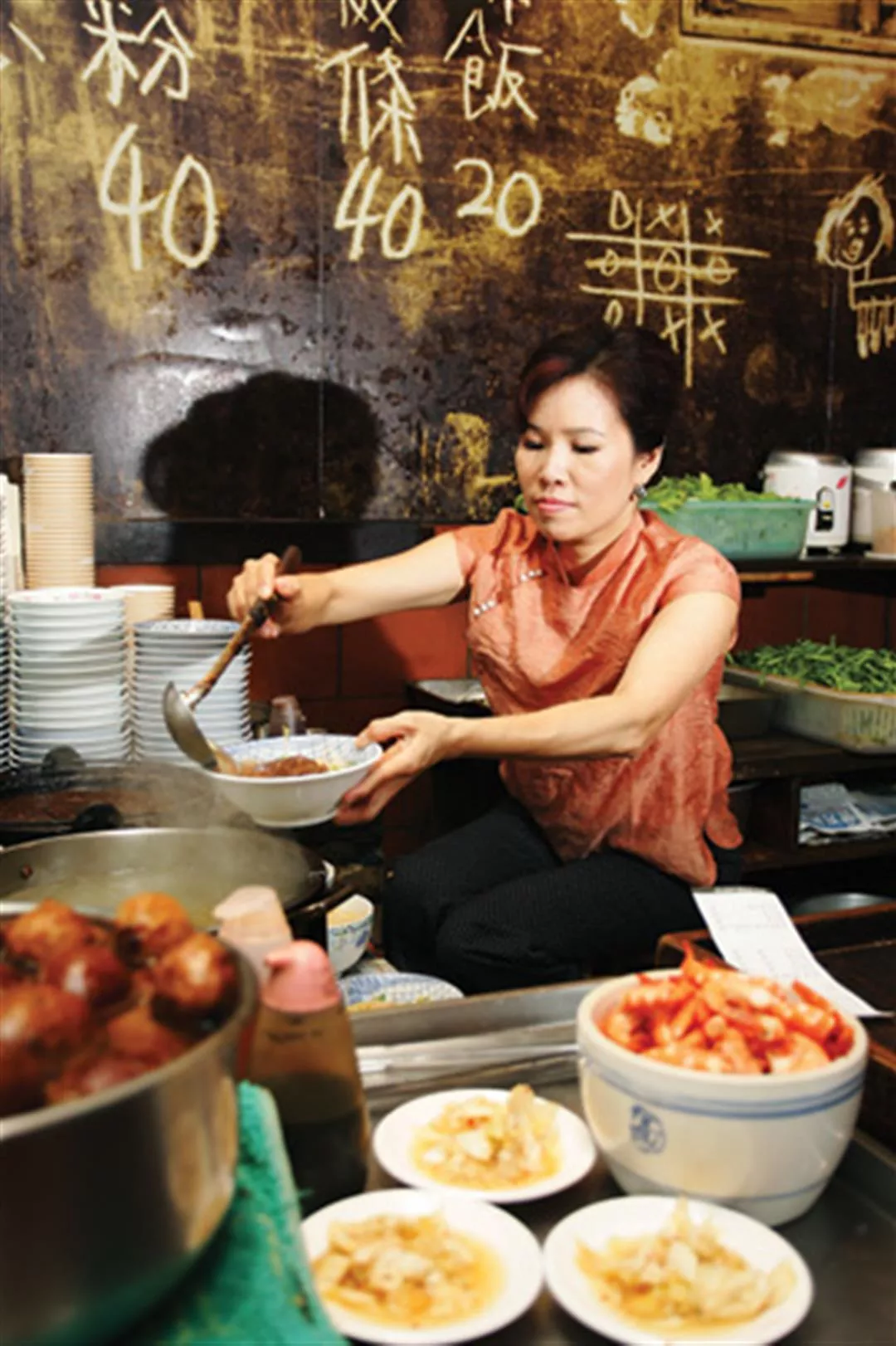
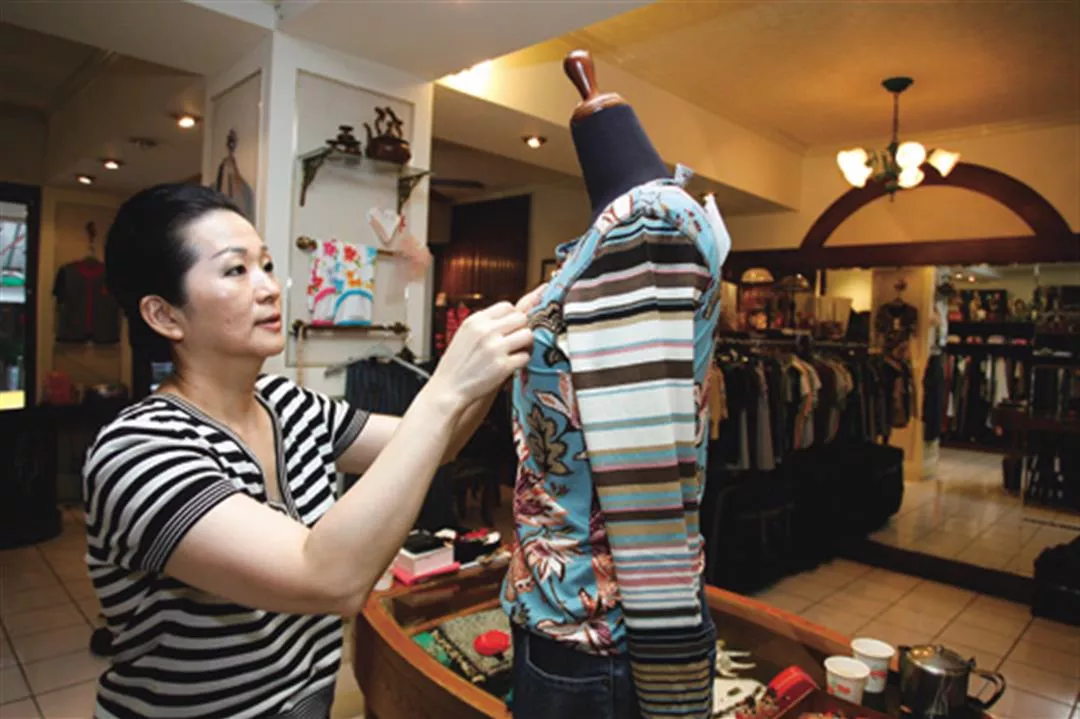
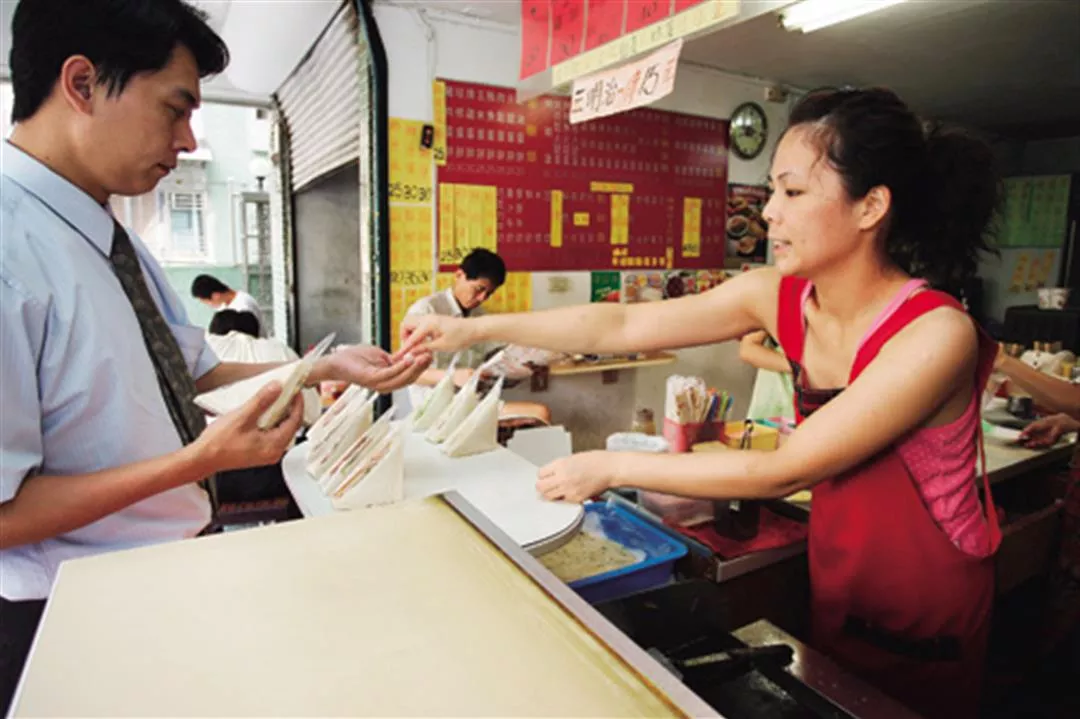
Perhaps you've noticed that nearly all the small businesses in your neighborhood--the breakfast stand that smells so wonderfully of rice rolls and soy milk at the end of your street, the florists with its long Valentine's Day lines, your cozy neighborhood coffee shop, the spa, and the cute little accessories and knick-knacks stores--are run by women.
You probably knew that women have long been running businesses in a variety of fields, but did you know that their numbers are on the increase? In 2004, the number of female business owners in Taiwan rose by 5,600 to a new high of more than 87,000. If you include the self-employed, female entrepreneurs run more than 420,000 (about 36%) of Taiwan's small and medium businesses, and that figure is growing.
You could count on one hand the number of women among Taiwan's first generation of entrepreneurs. Yulon Group chairwoman Wu Shun-wen, who inherited the company from her husband, was among those early pioneers. In marked contrast to days gone by, entrepreneurial women are now reaping rich rewards in all sectors of the economy, from the technology and services industries to retail chains.
While newspaper headlines have long tended to focus on Taiwan's large-cap, labor-intensive companies, it is actually micro-enterprises and the self-employed who drive the island's economy. In fact, 80% of Taiwan's 1.2 million small and medium-sized enterprises (SMEs) employ five or fewer persons. Many of these ventures are now being led by women who have chosen to step out of men's shadows and strike out on their own.
They have moved onto center stage to take on the challenges and win the applause that comes of earning their own livings and pursuing their own dreams.
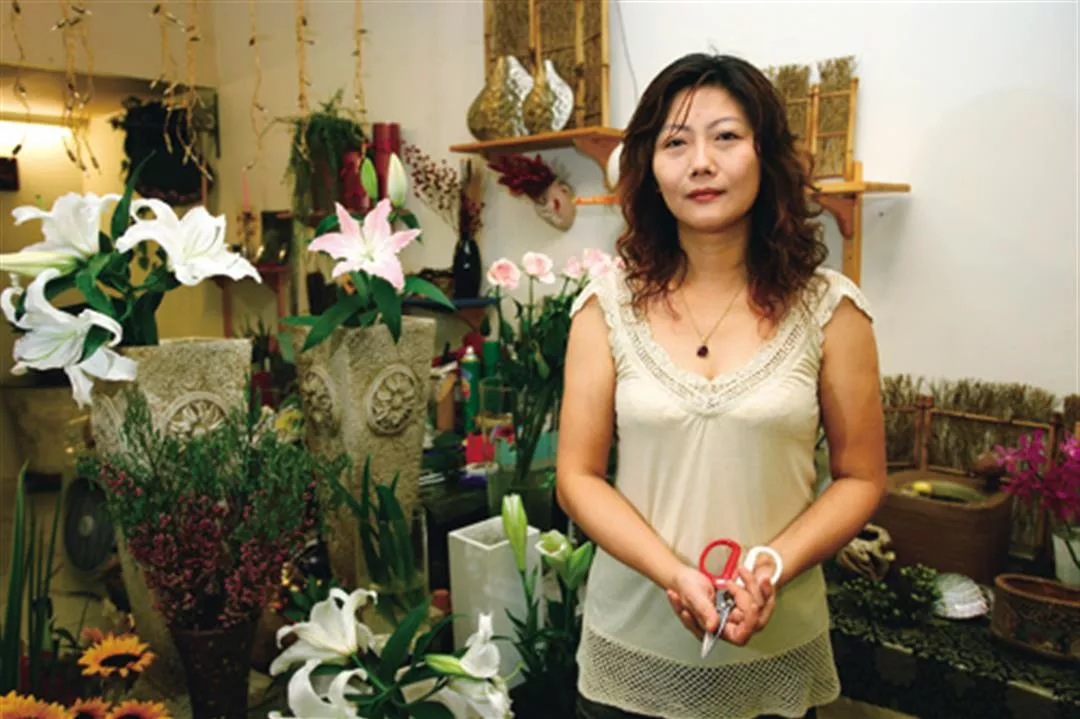
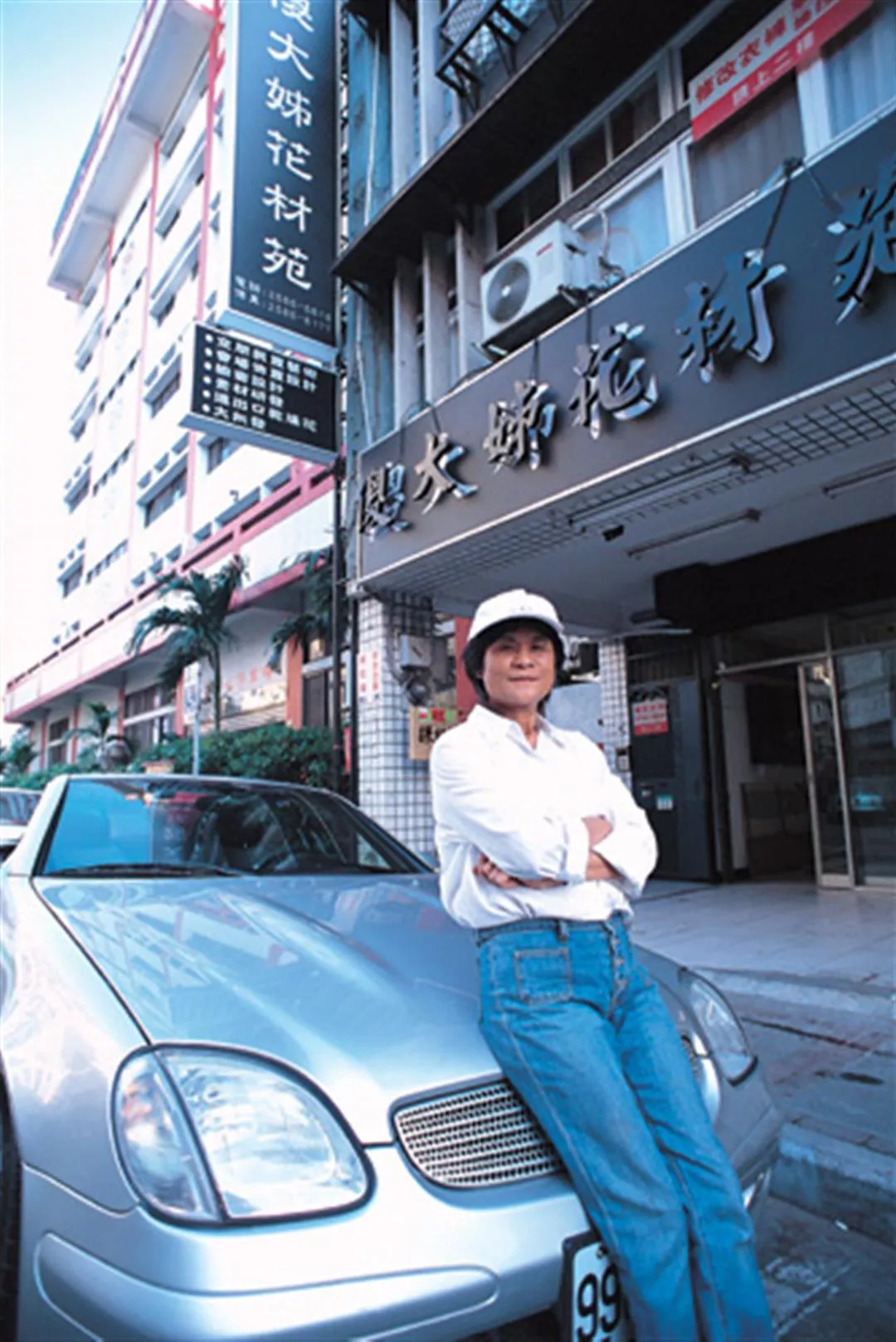
Dressed in black slacks and a white blouse, a nicely made up Chen Yi-yu explains how she reached her current position to a National Youth Commission press conference on single-mother entrepreneurs. Seeing some journalist friends in attendance, Chen generously offers to take everyone out for a spin in her Mercedes roadster. She isn't showing off; she is just proud of what she has achieved on her own.
Chen runs Nature Flower Materials Co., a company that produces decorative arrangements made from dried flowers. Tired of spending her company's hard-earned dollars on rent, Chen recently relocated her studio to new digs on Nung-an Street. Her new studio is slightly smaller than the 4300-square-foot space she used to have on Chungshan North Road, but, by cutting her rent to less than NT$40,000 a month, she saves her company over NT$120,000 per month and gives herself more freedom to work and create as she pleases.
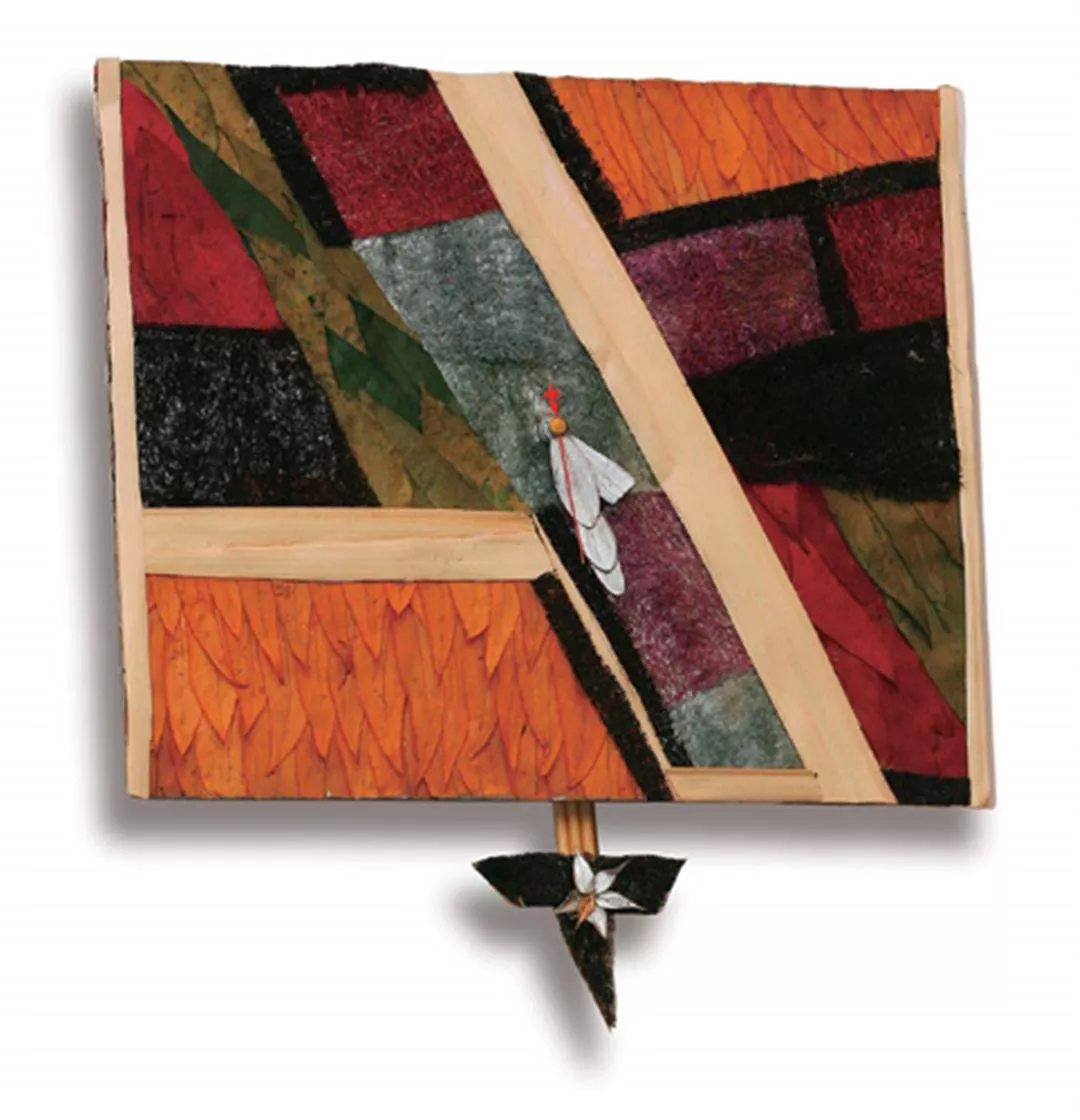
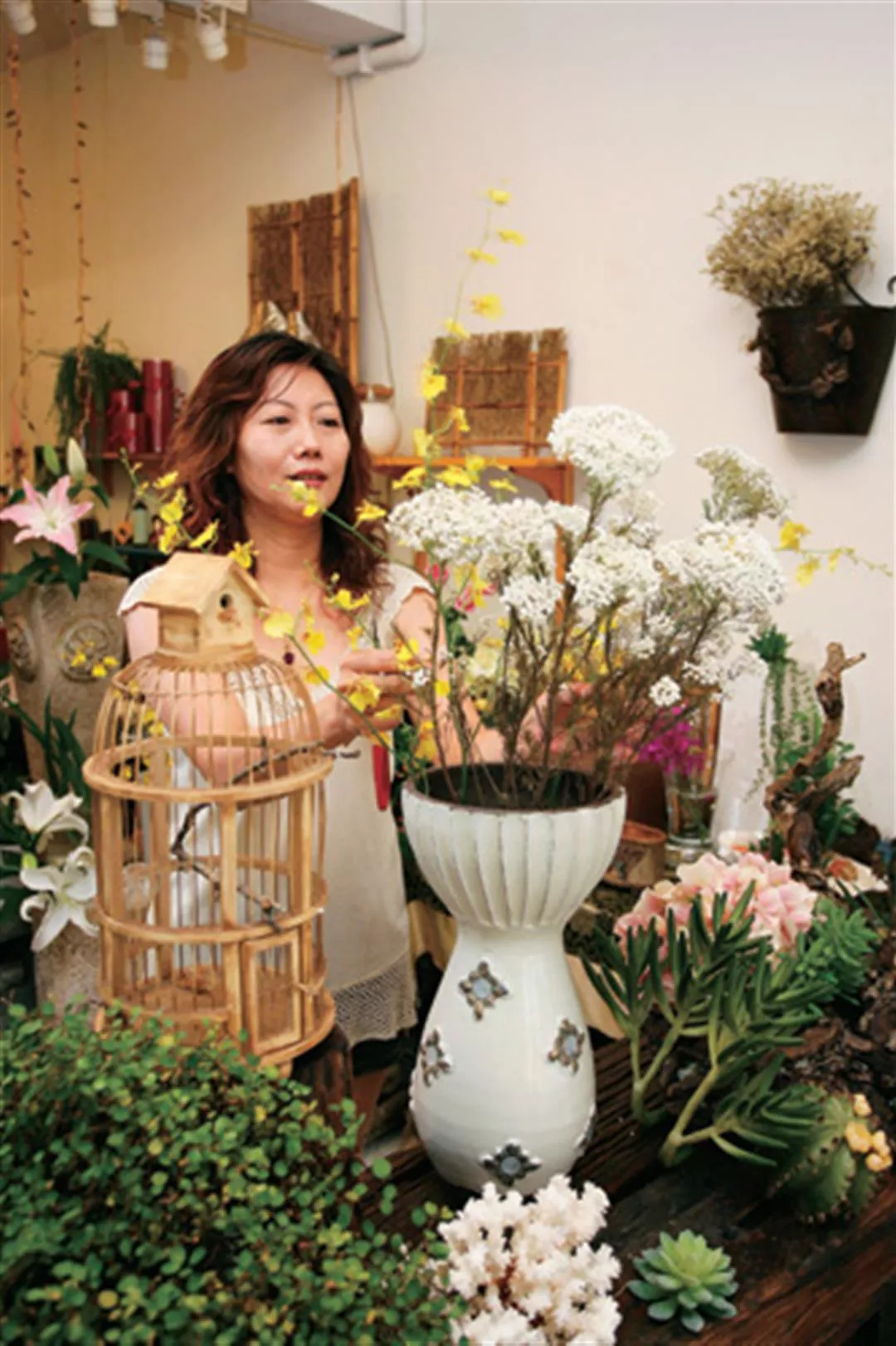
An image of a mountain hangs at the entrance to the studio, which is still a little discombobulated from the move. The piece, an arrangement of dried flowers within a frame, is one she's happy with. The other walls are hung with lanterns, clocks and framed images made from flowers, leaves and branches. These constitute only a small part of her work; far more of it decorates the spas, department stores and hot-springs hotels in the greater Taipei area.

Britain's Body Shop is a model of female entrepreneurship. But more talked about than its ownership is that the 30-year-old company has opened more than 2000 outlets worldwide while sticking to its "green" principles of using only all-natural ingredients and fostering environmental conservation. Shown here is the branch on Taipei's Tingchou Road.
Walking her own path
In business for 16 years now, people are constantly asking her how she did it. Glancing at her roughened hands, she tells them that she asked questions, just as they are asking her.
Chen felt fettered by her 13 years of married life. Perhaps the simple, cloistered life of a housewife simply didn't suit the free-spirited artist in her.
Perhaps there was some naive obstinacy involved, as well. During her divorce, her husband offered her a large sum of money if she would leave their child with him. But she couldn't bear to, and instead took their child with her when she left.
Without a penny to her name, she taught dance and worked in the public sector for a time. But raising her child was taking more and more money. She had promised to provide her child with a pretty home he could be proud of, but how was she to afford it? Chen began helping out at the flower shop of a relative, which happened to be a little shorthanded. Seeing all the withered flowers that they threw away, she was struck by the inspiration that was to change her life--"preserve the beauty of the moment."
But Chen was a complete novice at using flowers as raw materials. She began reading difficult English-language books on chemical engineering. Plowing through them word by word and sentence by sentence with the help of a dictionary, she learned about things like pH and the properties of sodium hydroxide. She spent late nights staring at chemical formulas and mixing her own compounds. She figured out how to dry flowers--how to dye them, make their colors fade, soften them, keep them moist, prevent them from rotting, and keep them from being affected by damp.... She worked through it all, one experiment at a time, occasionally getting the pH wrong and starting a quickly extinguished fire.
It's tough starting a business from scratch, but Chen was resolved to go it alone. She rented a small apartment in Taipei County's Sanchung, where she used her living room as her "factory" and the dining-room table as her desk. Those around her insisted that there was no market for dried flowers, but she had faith in herself, in her innate artistic sense, and in her ability to create a new market. She plunged her hands in the tubs of chemicals she used to render ordinary flowers, leaves and seeds into dried flowers of different shades and hues, and leaves with clearly delineated veins. Cut up, reassembled, and glued together, they became the screens, lanterns, and arrangements that she sold to flower shops, flower-arranging studios, and interior and window-display designers. Perhaps no market simply meant no competition for her? In any case, Chen was beginning to make a name for herself.
"Starting a business was hard," says Chen, now nearly 50. "But it wasn't as difficult as I had imagined. You just have to not be afraid of hardship." For a while, she considered hiring staff so she could manufacture her work in volume, but no one stuck with the work. Producing dried flowers truly is simply too awful a job--you have to deal with pungent toxic chemicals, and just a moment's carelessness can lead to injury.

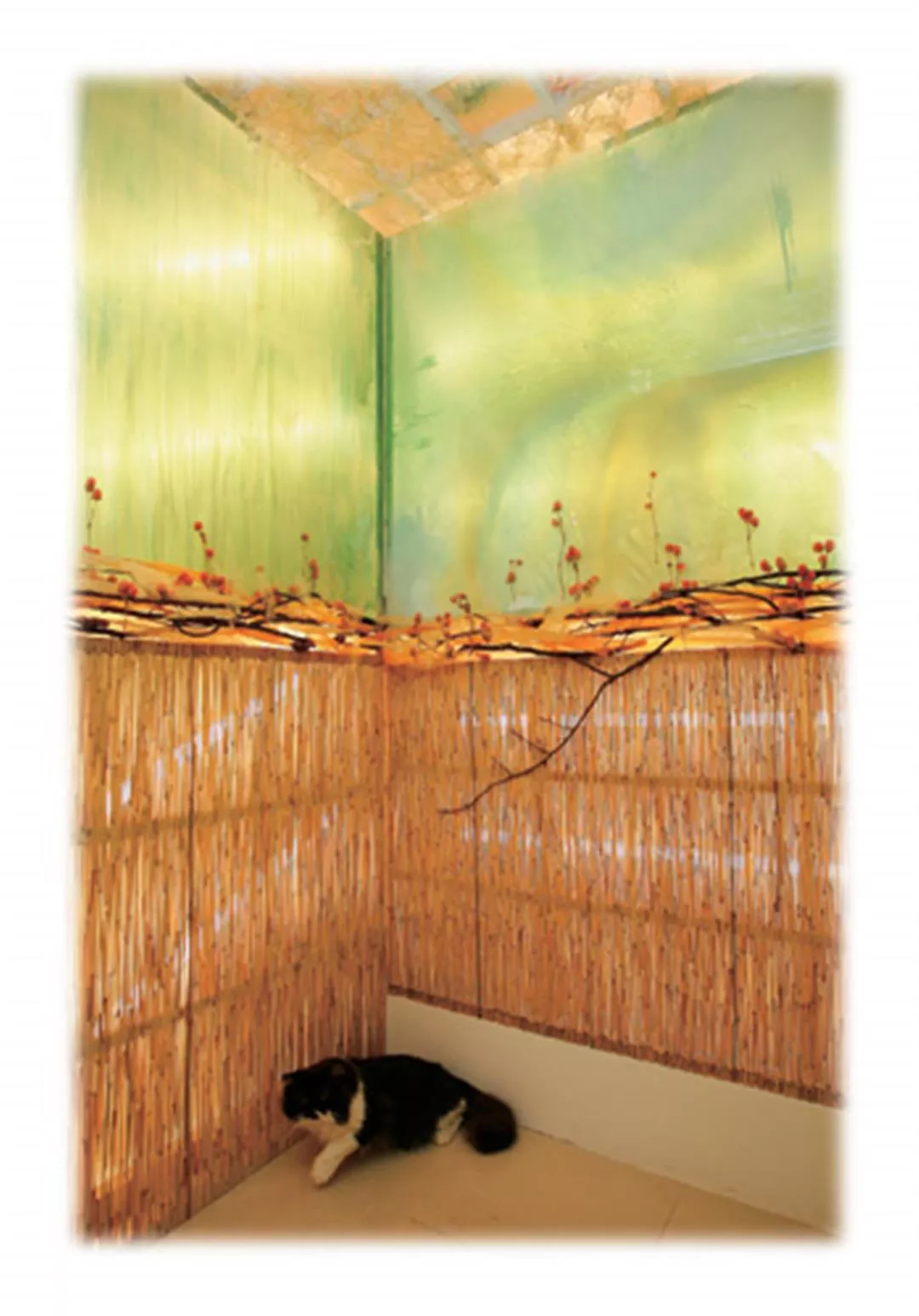
A few of Chen's representative works: decorative pieces at the entrance to her studio, a floral hanging clock, and decorations on the wall of a cosmetics boutique.
From boss's wife to boss
Viewed from an economic standpoint, Chen is one of Taiwan's more than 300,000 self-employed women who have made the transition from a traditional role to modern economic independence.
According to the Directorate-General of Budget, Accounting and Statistics, there has been a demonstrable uptrend in the percentage of Taiwanese businesses that are either owned by women or consist of self-employed women. In 1990, such ventures accounted for 16.7% of all Taiwanese businesses. By 2002, their share had risen to 20.9%. By 2005 it had surged to 36%. Though more women are self-employed than employ others, the latter group has also grown rapidly. In 1982, women owned no more than 30,000 of Taiwan's businesses, but as of 2004, they controlled some 87,000.
Why do more and more women want to found their own companies? What advantages do female entrepreneurs have? What difficulties do they face?
Taiwan has always been an entrepreneurial nation, and SMEs, of which there were more than one million by 2001, are its lifeblood. But over the last half century of Taiwan's economic development, the business world has been a man's world. Yet, have female entrepreneurs really been absent from the stage?
In 1999, Kao Cheng-shu, a professor with Tunghai University's department of sociology, visited more than 100 of Taiwan's SMEs. "Each of these businesses," he says, "whether obviously or not, is guided by the warm-but-firm hand of a woman."
These "bosses' wives" are active participants in the economic activities of family businesses, from their finances to their hiring decisions. "Bosses' wives aren't simply the bosses' other halves," explains Kao. "Without them, the so-called 'Taiwan experience' wouldn't have been nearly so rich."
These bosses' wives are much more than their husbands' shadows; they are, whether up front or behind the scenes, their right-hand (wo)men. Taiwan's business community has never actually lacked for women running businesses; it's just that they never took credit for their achievements. The truth is that women are no less motivated to start businesses than men; they've just had fewer opportunities and resources.

Gender mainstreaming
When the Democratic Progressive Party became the ruling party in 2000, it named Lin Fang-mei, then a feminist scholar, head of the National Youth Commission (NYC). While there, Lin began promoting "gender mainstreaming," a concept advocated by the United Nations Development Fund for Women (UNIFEM).
"Gender mainstreaming" refers to the effort to include gender perspectives in aspects of the public sector. "It allows attention to women and gender issues to extend beyond traditional areas--such as benefits, relief and personal security--to the public arena as a whole, and makes it a ubiquitous value," explains Lin. She says that the numerous inequities between men and women in terms of salaries and promotions in government, in management and in the workplace result from the fact that women lack access to resources and do not participate in decision-making. Gender mainstreaming therefore argues that when programs are set into motion, attention must be paid to the underlying logic of policies and to structural issues in the distribution of public resources to ensure that they equally address the needs of both genders.
The NYC's Free and Young Program (FYP), which promotes entrepreneurship among women, grew out of these ideas. The NYC has a 40-year history of guiding entrepreneurs, a mission that is at least nominally gender neutral--it only mentions "youth" (i.e. those between the ages of 20 and 45). But Lin says that, in stark contrast to the global trend towards female entrepreneurship, when she took over at the NYC far fewer women than men were participating in its seminars, and obtaining loans to start their own businesses. She believed that women were not participating or were unable to participate in the programs that existed to incubate new businesses because these programs simply didn't meet their needs.
The FYP came into being in 2000, when Lin directed the NYC to begin organizing seminars and classes specifically aimed at promoting entrepreneurship among women. To date, more than 7000 women have participated in the program, which in 2003 also began providing hands-on workshops. The FYP has, in addition, created an incubation network for female entrepreneurs that features a website where women can learn how to find money-making opportunities, apply for loans, and register their own businesses, as well as read about the experiences of other businesswomen.

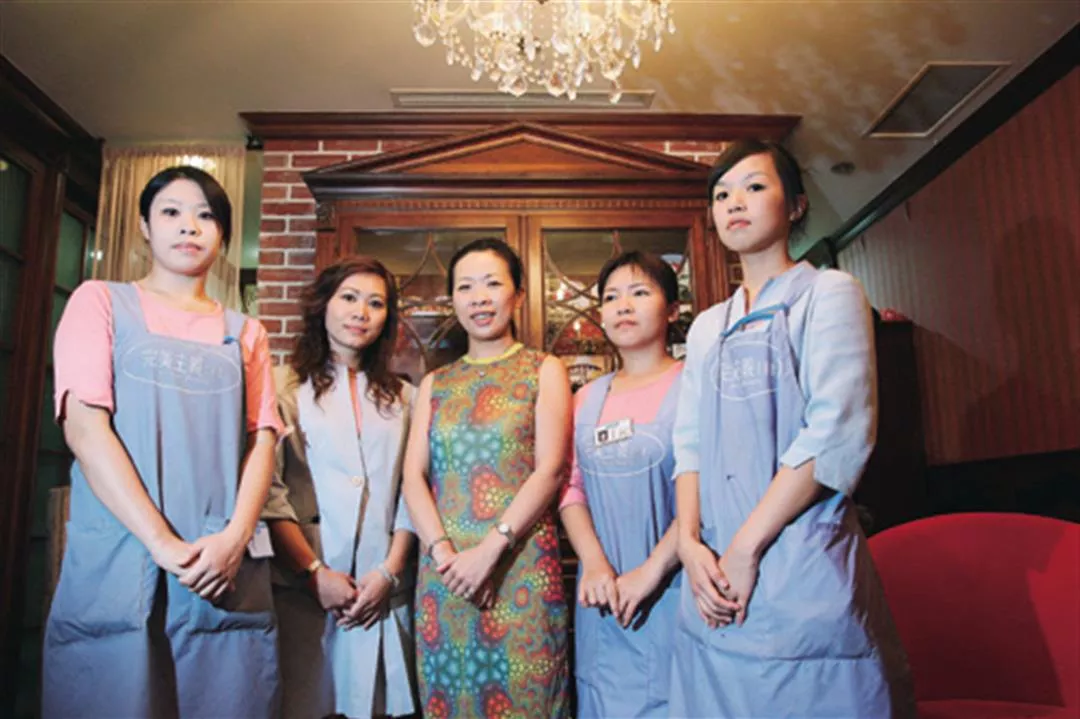
The Perfect Beauty spa chain, another female-owned business, employs 99% women. Three years ago, the company began training its senior staff in entrepreneurship to help them create better futures for themselves. The photo shows Perfect Beauty's Tachih location. Franchisee Huang Min (center) left her job in the media six years ago to open her own business.
Women on the move
Sandy Teng, a lecturer in the program who also owns Orchid International Consulting and Management, says that many of the businesswomen she used to meet had been compelled by circumstances to go into business for themselves. They were out there running businesses because the economy was in a slump, their husbands had been laid off, or their families had been hit by some calamity. Most opened a salon, breakfast shop, or small restaurant near their home, or sold meals from a truck or van. As the availability of franchising opportunities grew, it also became possible to start up an "off-the-shelf" business for as little as NT$300,000.
Teng noticed a sea change in 2003 as young and highly educated women began to go into business for themselves as well. But this new army of single women was driven to incorporate by more personal needs and the desire to express themselves.
"In some cases," says Teng, "the women who wanted to go into business were clearer about what they needed to do than the lecturers were. We only needed to give them a little direction. They weren't here to test the waters, but were instead treating entrepreneurship as a serious career option."
Teng cites a case she dealt with last year: a 30-something working woman whose mother was an excellent cook started an online catering business offering homestyle cooking and, occasionally, New Year's dishes. But she was initially reluctant to give up her day job because her principal customers were her coworkers.
A second type of entrepreneur wants to turn an interest into a career, as in the case of someone who starts out making jewelry as a hobby, then goes into it full time after getting a positive response from a niche market. Because production of such handcrafted designs doesn't scale well, these businesses rely on creative variety to succeed. Teng says that other examples of this second type of entrepreneur can be found running the numerous quilting, ballroom-dancing and yoga studios that have popped up in recent years.

Skills and a network
Four years ago, Lin Yi-chun found herself more than NT$10 million in debt after her husband's financial consulting firm went bankrupt. Lin, who was then working for a company that supplied materials to ophthalmologists and opticians, became very depressed. Overwhelmed by the twin burdens of debt and a newborn second child, she came very close to throwing herself from her balcony. Fortunately, a timely phone call from her mother and the crying of her child snapped her out of her suicidal mood.
Then, a doctor friend of Lin's was diagnosed with cancer, and Lin began looking for natural organic products that would relieve the physical and mental anguish of her friend's chemotherapy. She spent evenings after work doing online research, seeking information on natural herbal supplements. Drawing on the knowledge and network she had acquired through more than a decade of work in the medical equipment field, she finally discovered Juice Beauty, a line of organic products from the US that includes ginkgo tea, chamomile shower gel, and rose-essence shampoo.
Two years ago, after a year of negotiation, Lin acquired distribution rights. With NT$200,000 borrowed from friends and family, she established her company, made her younger sister president, and took charge of training the sales staff. Lin targeted spas and salons, and watched as sales exploded from just over NT$300,000 per month to NT$1 million per month in just one year. The company now has seven employees and paid-in capital of NT$5 million.
But it is a rare thing indeed for a micro-enterprise such as Lin's to become profitable in just two years.
Stella Chiang, who left a position as a designer at a local tech company two years ago, nearly lost the use of a hand producing designs on deadline on her computer. "If I put pressure on my hand by lying on it in my sleep, it felt both numb and hot, like it had been stuck in a 200°C oven," she says. "I woke up in pain every day and developed a serious sleep phobia. Even physical therapy didn't help." In fact, it didn't begin to improve until a friend got her started doing qigong.
Having suffered through this bout of carpal tunnel syndrome, Chiang decided she no longer wanted her life to be like the designs she produced--constantly being "fixed"--and left her job with no regrets. She began taking business administration classes at night and thinking about what to do next. She considered a number of possible ventures, including a steamed dumpling stand, a juice bar, a combination coffee and book-rental shop, and an Italian restaurant, but rejected each because the initial investment was too high, the risk was too great, recouping the initial investment would take took long, or because she lacked the necessary skills.
Chiang finally found inspiration in a Korean soap opera. A lover of kimchi, she learned that the spicy side dish had become popular at the tables of ordinary families, and that it had health benefits as well. Chiang, who knew how to make pickled radishes and Japanese-style pickled cabbage, found a friend who could make kimchi and began selling jars of her own healthy kimchi produced without food dyes, sweeteners or preservatives.
But the greatest challenge entrepreneurs typically face isn't making a product, it's finding a market.
Though Chiang's 200-some night-school classmates were loyal customers, kimchi priced at NT$150 per jar is not something Taiwanese eat every day and Chang's classmates consumed theirs slowly. Forced to seek out new customers, she swallowed her pride and began calling companies who advertised in the Yellow Pages, sending them free samples with an order form. Happily for her, half of them ended up placing orders.
But even with her go-getter attitude, her sales so far amount to only NT$50,000 per month, leaving her with monthly profits of just over NT$10,000. Though she is single and has few expenses, Chiang is under a great deal of pressure. A supermarket has expressed interest in buying her product, but the capital-starved Chiang is unsure how to manage the slotting fees, deposits, and the need to handle inventory and returns that would accompany such a big step.
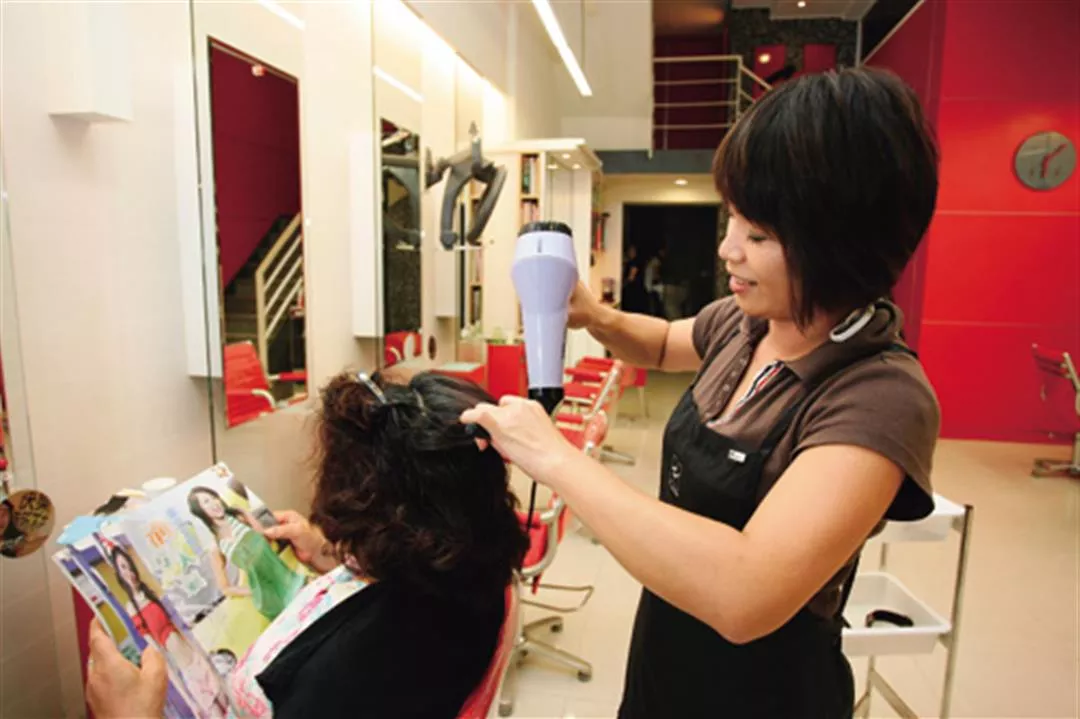
In recent years, Taiwan's women have been starting businesses in record numbers. Breakfast stands, salons, knick-knack stores and flower shops... seemingly everywhere we turn these days, we see women succeeding in business.

Fantasy versus reality
"Ups and downs are unavoidable in the entrepreneurial process," says Lillian Chang, who runs the Taiwan SOHO Association. "Tenacity is the key," continues Chang, who has entrepreneurial experience of her own. "Even when things go well, everybody spends the first year feeling their way and making adjustments, and the second year developing the business, before finally seeing stable growth in the third year."
Before going abroad to study, Chang worked for the China Productivity Center handling public relations, planning, and the production of the center's magazine. But she always wondered why she worked so hard and did so much at the center for so much less money than the consultants who came in only two days a week. When she returned to Taiwan with her MBA, she decided to establish her own consultancy, and also began publishing a magazine for entrepreneurs. Little did she imagine that she would lose more than NT$10 million in four years. After making the painful decision to shutter the magazine, she turned her business into a management consultancy providing guidance to startups. She now has some 80 clients, each of whom pays a retainer of about NT$100,000.
In 2005, the NYC asked Business Next magazine to survey young women's feelings about entrepreneurship. The results showed that a startling 86% of Taiwanese women between the ages of 20 and 50 had entrepreneurial inclinations. According to the survey, their principal motivations were a desire to realize their dreams and break out of their salary ruts. This begs the question: Do women have too idealized a view of what it means to go into business?
Chang says many professional women feel strongly that their prospects for advancement are poor. Fed up with repetitive work, many are opting to leave the corporate world. But once they've quit, they discover that they aren't satisfied as homemakers and begin looking for something that better balances their work and home lives. On the other hand, many young women are simply hoping to turn their interests into wealth. But an "interest" is merely the match that starts the entrepreneurial fire; if they are to keep that fire alight, they need something more substantial to feed the flames.
Chang stresses that there are three key elements to starting a successful business: First, can you develop your core competency, whether it be gardening or baking cakes, to a level that others can't compete with? Second, how are your management skills? Can you manage costs? Evaluate a location? Keep books? Finally, what about your secondary skills? Can you use a computer to make yourself more productive? Do you know a foreign language? Do you have excellent interpersonal communication skills?
She illustrates her point by mentioning the many coffee-loving women who would like to open a pretty little coffeeshop of their own. If these women lack the ability to manage practical issues such as choosing an appropriate location, importing product, managing an inventory, hiring staff, and deciding whether to serve food, their fantasy can quickly become a nightmare.

Moving from being the boss's wife to being the boss, these women continue to pursue lofty ambitions while crafting wonderful livelihoods for themselves.
Creating job opportunities
According to the Council of Labor Affairs (CLA), Taiwan's SMEs have an average life expectancy of 13.9 years. Unfortunately, the CLA data doesn't include the gender of the owners, making it impossible to compare male-owned to female-owned businesses.
Nonetheless, argues Wang Su-wan, deputy director of the Taiwan Economy Division at the Chung Hua Institution for Economic Research, "As a group, women have real potential in the entrepreneurial market. Last year, there was slight growth in the number of self-employed women in spite of a decline of 25,000 in the number of men." The problem is that the 420,000 businesses owned by women generated only NT$3.2866 trillion in revenues in 2003 (about 13% of the total revenues of all Taiwanese businesses), meaning that they account for less than 20% of the total economy. The reason for this is that 73% of the businesses owned by women are in the service sector and have paid-in capital of less than NT$1 million. They also have average revenues of only NT$8.4 million per year, or just under 30% of the average NT$28.4 million of businesses owned by men.
Wang believes that many married women want to start their own businesses, but their husbands don't approve, resulting in struggles at home and at work that make it difficult for them to succeed. Women also have a more difficult time raising capital--few family members are willing to lend women the capital they need to start a business, forcing most to rely on their own modest savings.
Businesses owned by women admittedly are not responsible for as much economic output as those owned by men, but some scholars argue that their service-sector ventures offer a means to rapidly expand job opportunities in periods of pervasive unemployment.
Chu Yun-peng, a professor of economics at National Central University, has written that the manufacturing departments of Taiwan's flagship electronics, electrical engineering, and manufacturing industries must invest an average of NT$3 billion to create 1000 jobs, and semiconductor makers using the particularly capital-intensive 300-mm wafer technology must invest as much as NT$70-100 billion. In contrast, wholesalers, retailers and food and beverage businesses need invest only NT$600 million to create the same number of jobs. Therefore, if Taiwan is to foster across-the-board growth in its economy, it must cultivate the service sector as well as large-scale high-tech industry, not one at the expense of the other.

In recent years, Taiwan's women have been starting businesses in record numbers. Breakfast stands, salons, knick-knack stores and flower shops... seemingly everywhere we turn these days, we see women succeeding in business.
Soaring dreams
"Most women aren't seeking to create a huge business," says Sandy Teng. "Usually, they're moving into careers where they have more control. Women have a very different definition of success than men, and aren't as ambitious, daring or flexible as men. But the upside is that if they fail, they don't lose that much money." Teng says that there's a lot of common ground in men's definitions of success--money, power, a sense of accomplishment.... They see going into business as daring; they're wagering their futures. Women are much more cautious and give much more thought to their decisions.
Perhaps the lines separating the genders are becoming blurred now that people are seeking to establish gender equality. This army of female entrepreneurs chasing their dreams won't necessarily cure all the nation's economic ills, but they may well turn out to be like candles that, in setting themselves aflame, light once-dark corners.

The Perfect Beauty spa chain, another female-owned business, employs 99% women. Three years ago, the company began training its senior staff in entrepreneurship to help them create better futures for themselves. The photo shows Perfect Beauty's Tachih location. Franchisee Huang Min (center) left her job in the media six years ago to open her own business.

In recent years, Taiwan's women have been starting businesses in record numbers. Breakfast stands, salons, knick-knack stores and flower shops... seemingly everywhere we turn these days, we see women succeeding in business.


A few of Chen's representative works: decorative pieces at the entrance to her studio, a floral hanging clock, and decorations on the wall of a cosmetics boutique.

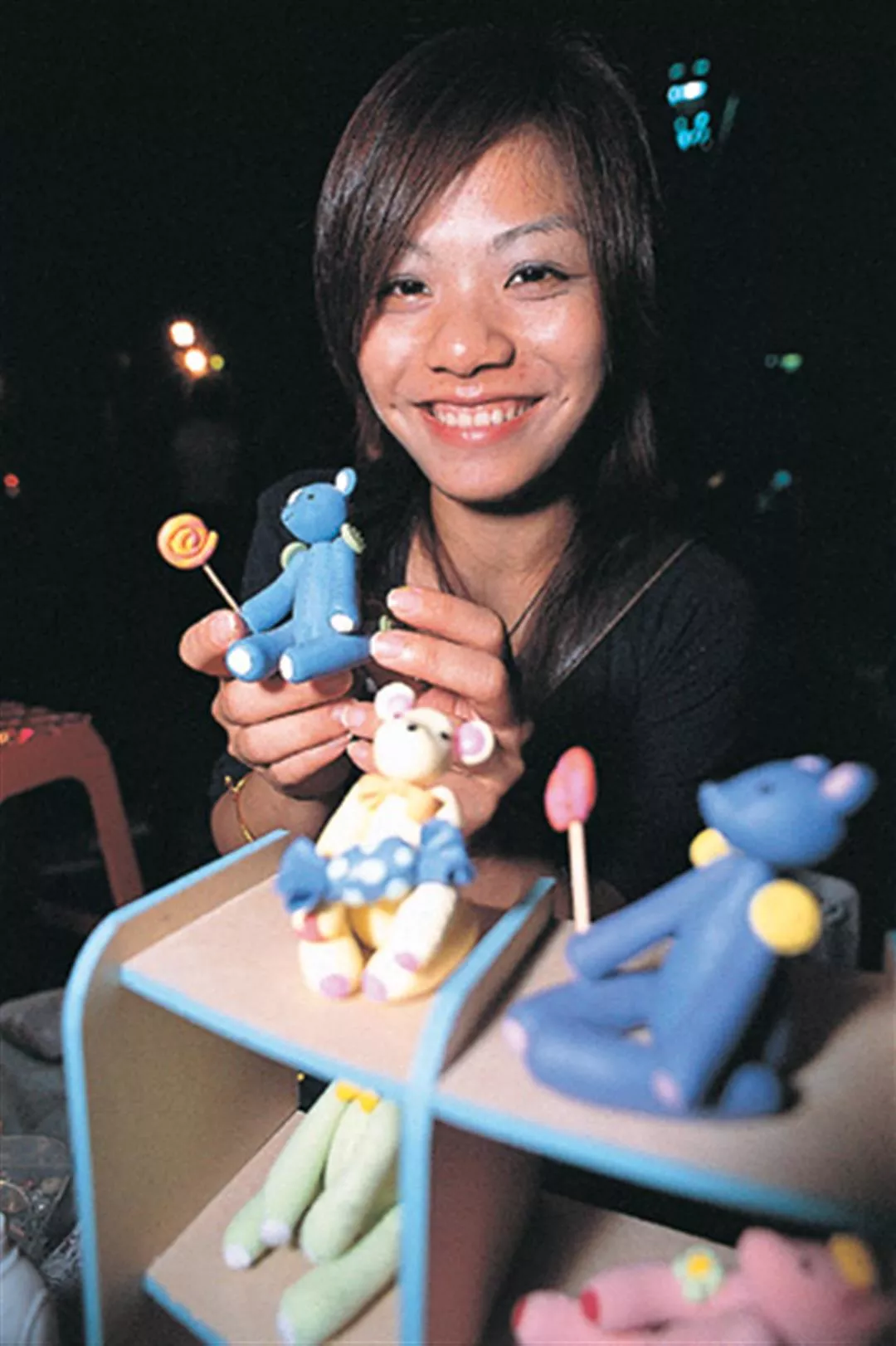
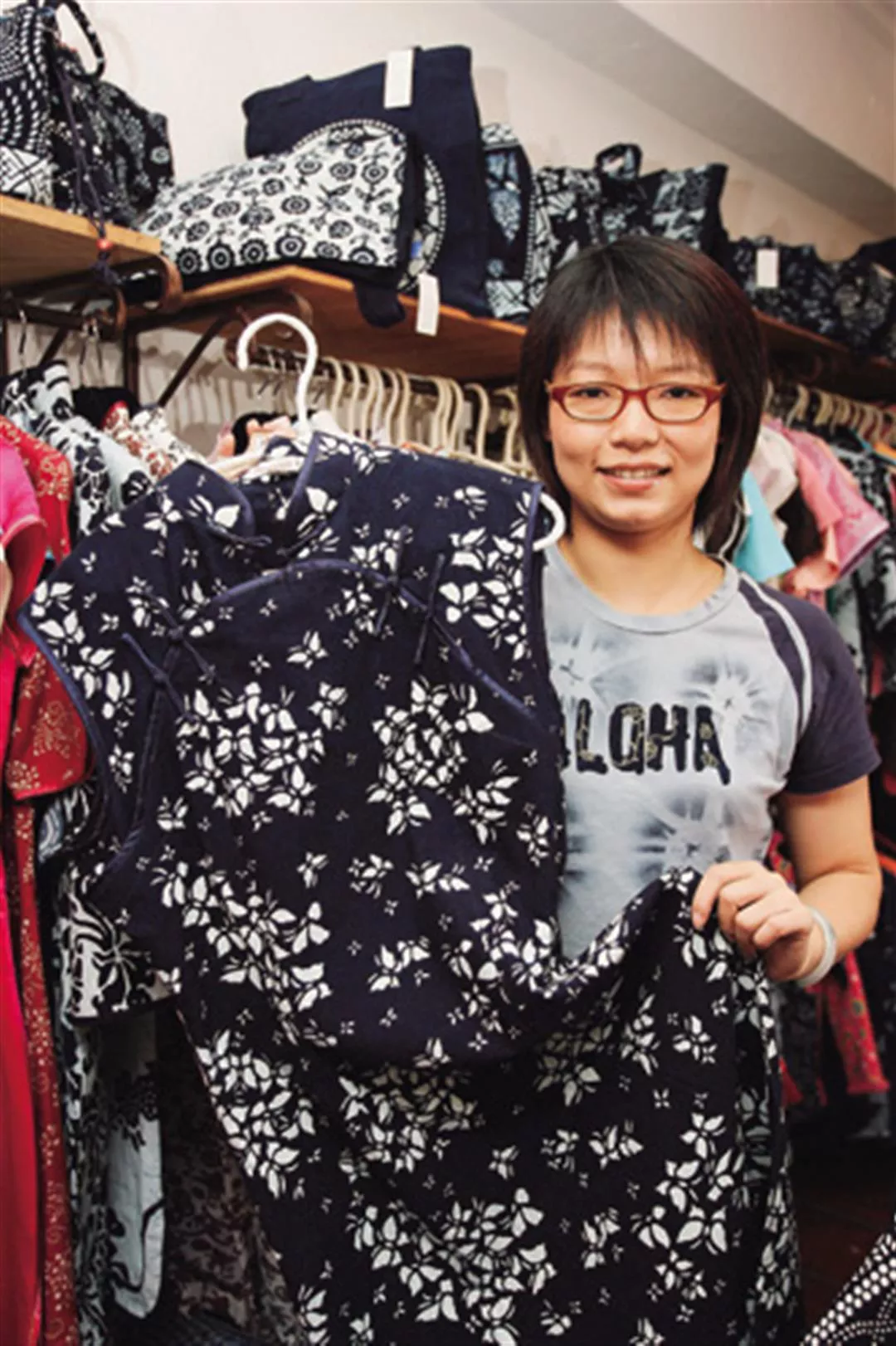
Creative young women are now spending their hours away from the office evaluating the feasibility of going into business for themselves. Many have chosen to sell their own hand-made items in handicrafts markets.

Chen Yi-yu has been running her own company for 16 years, dyeing and making decorative items from dried flowers while also single-handedly raising her child to adulthood. Chen is proud of what she has achieved and has amply demonstrated the potential that women harbor.

Female entrepreneurs have no less ambition and no less ability to make a business soar than their male counterparts. In 2003, Alexander Group CEO Candy Tang became the first woman to chair the China Youth Career Development Association in its 34-year history. She made history again in 2005 when she began a second term as the association's chair.

Moving from being the boss's wife to being the boss, these women continue to pursue lofty ambitions while crafting wonderful livelihoods for themselves.

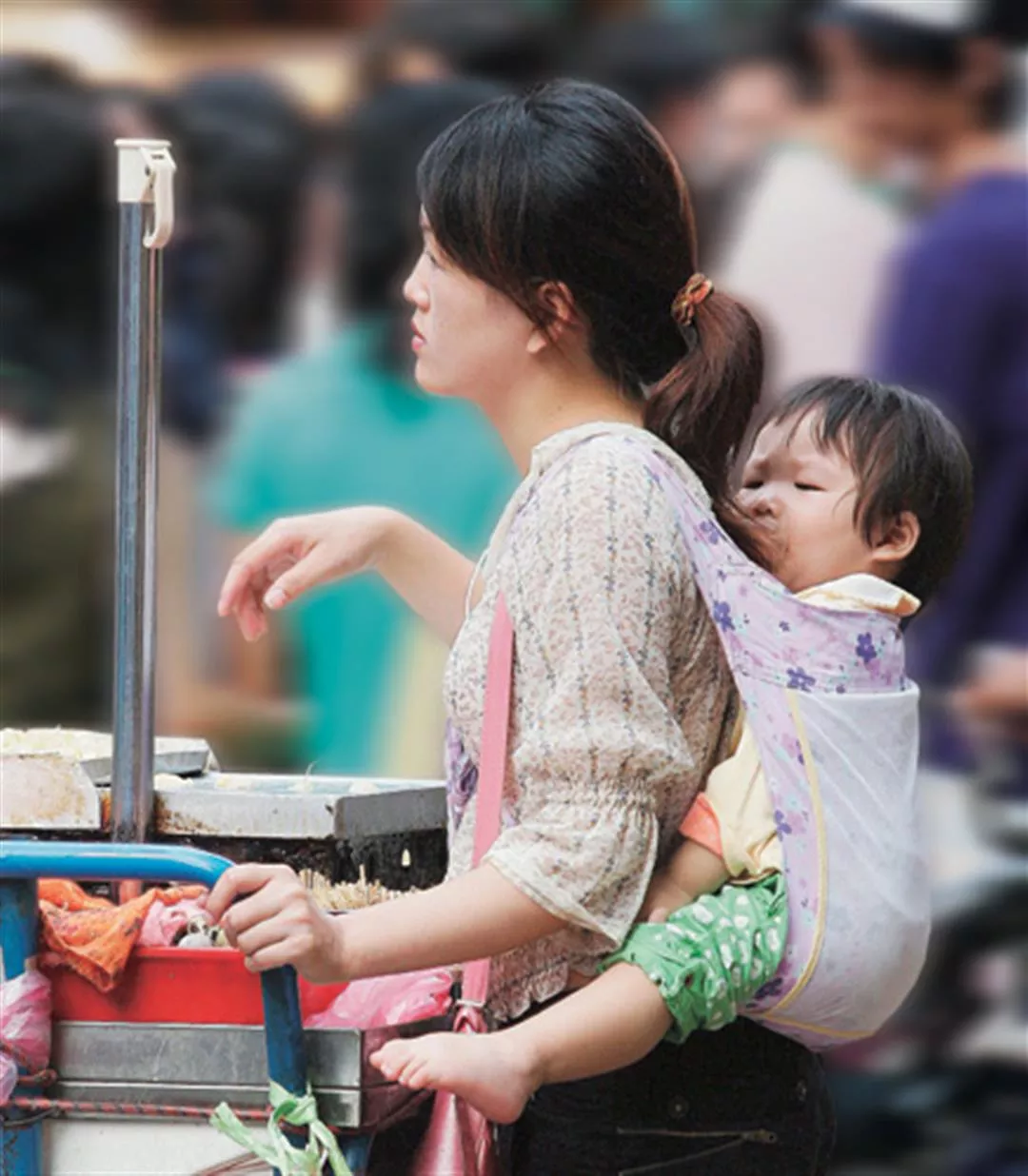
The "kangaroo mothers" carrying their children while they sell meals from a cart aren't out there for fun; they're earning the money their families need to get by.

A few of Chen's representative works: decorative pieces at the entrance to her studio, a floral hanging clock, and decorations on the wall of a cosmetics boutique.

In recent years, Taiwan's women have been starting businesses in record numbers. Breakfast stands, salons, knick-knack stores and flower shops... seemingly everywhere we turn these days, we see women succeeding in business.
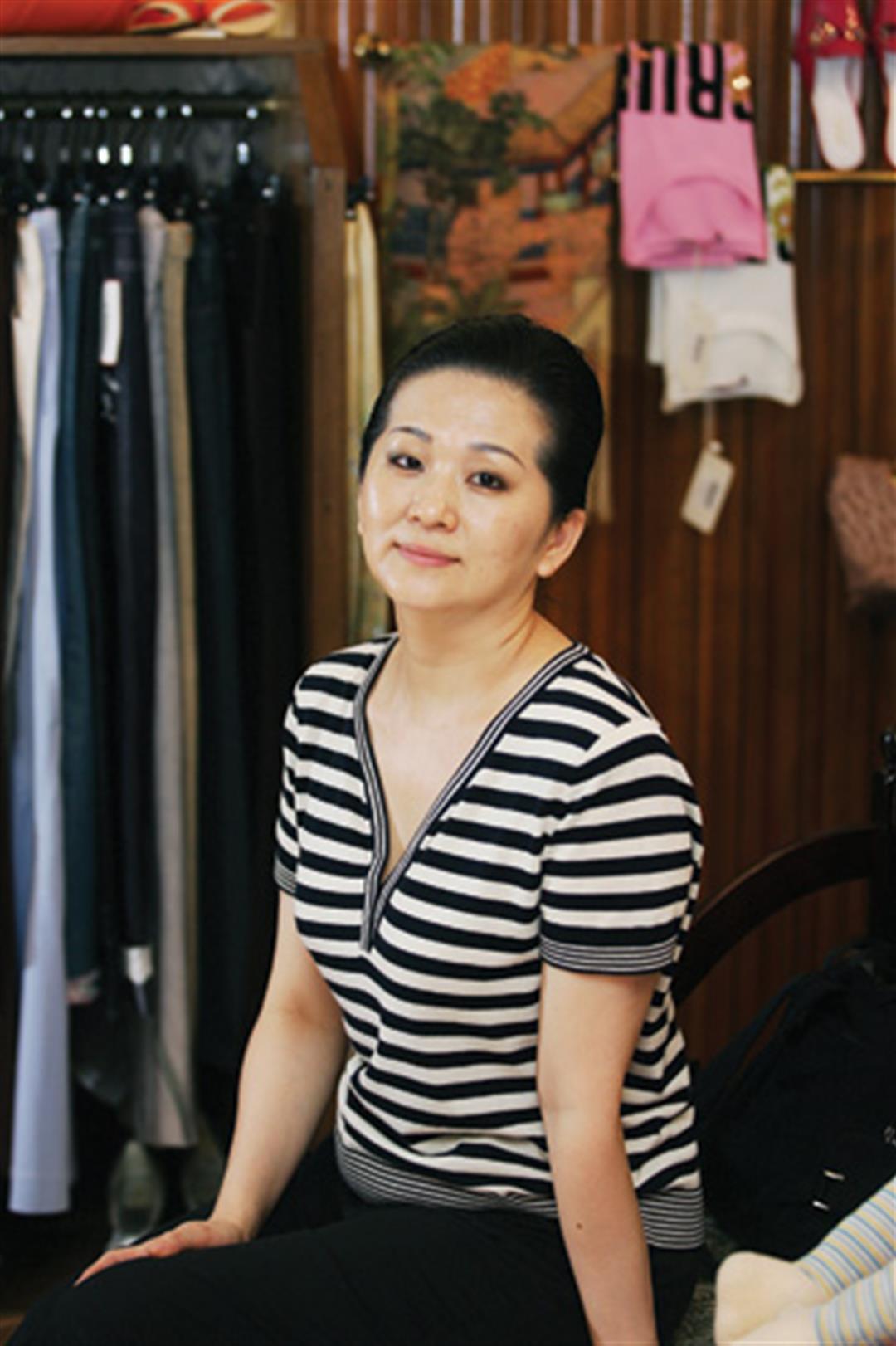
Moving from being the boss's wife to being the boss, these women continue to pursue lofty ambitions while crafting wonderful livelihoods for themselves.

Female entrepreneurs have no less ambition and no less ability to make a business soar than their male counterparts. In 2003, Alexander Group CEO Candy Tang became the first woman to chair the China Youth Career Development Association in its 34-year history. She made history again in 2005 when she began a second term as the association's chair.