

If ice cream isn't enough to cool you down in the dog days of summer, how about some ice? From Alaska to the equator, everyone loves it. But on Taiwan especially, with its subtropical climate, shaved ice is considered a godsend by those who want to beat the heat and quench their thirst. Who cares if the sun bears down overhead if you've got a mouthful of shaved ice chilling your insides?
Most Chinese get their first experience with flavored ice as children eating "stick-ice," a kind of popsicle. Kids are its greatest supporters. Once toddlers get that first taste, they will pester their parents for a second and a third. As soon as they start school, children crowd the cafeteria during breaks to buy them.
As its name implies, stick-ice is very easy to make. All you need is water, salt, sweetening, a mold and a refrigerator. Put in the stick before it freezes and you've got one. The first sizable stick-ice factory in the Republic of China was set up by Shao Mei after the recovery of Taiwan in 1945. Discussing those days, Shao Mei Deputy Manager Ch'en Chin-hsien recalls how a saying of the time had it that "there's money in water," meaning that in Taiwan's summer heat anything made from water would never lack customers. The product they chose was stick-ice, something everyone could afford.
Shao Mei's "water" business was unrivalled until the arrival in the late 50's of companies like Foremost and Bresler's. The resulting competition led to some innovations. The traditional bean, pea and peanut flavors were joined by chocolate and fruit. Packaging also saw some changes. Deputy Manager Ch'en explains, "The biggest buyers of popsicles are children. Sometimes the wrapper will influence them more than the flavor. Almost every wrapper has got a picture on it now of a currently popular cartoon character."
Another type of ice that has been around for a long time is chitan ping, or "chicken-egg ice," sold mostly by street vendors. Its peculiarity lies in its semi-oval shape, which gave rise to its name. The vendor puts a stick in one end of the "shell" and it's ready to go. But chicken-egg ice is on the decline.
Seven years ago, stick-ice faced a giant challenge from an equally cheap and widely marketed newcomer, the Poki pop. Heavily promoted, Poki at its peak sold 400,000 sticks one day in 1979, attracting a number of imitators.
But stick-ice and Poki pops are now passe; the latest rage is shaved ice, which first appeared some 30 years ago. At that time the ice was shaved by hand. Now, with the use of electric motors, shaved ice is quicker and easier to make, while its flavorings include practically anything sweet: jelly, sweet potato, almond paste, taro, peanut, bean, pineapple, honey, strawberries, pudding. . .
Shaved-ice stands can be found today everywhere on the island, nearly all allowing customers to select their own sweetenings. It was in urban entertainment districts, where you've got to be different to survive, that the first "self-serve" and "all-you-can-eat" shops began to appear. For about 25 NT (around U.S. 60 cents) customers can take whatever and as much they want. To discourage those whose eyes are bigger than their stomachs, some shops took to posting notices saying "10 NT fine for leaving leftovers." "That was just for laughs, of course," says Huang Chen-feng, manager of a shop in Taipei. "But some customers actually do leave money behind when they can't finish."
With customers serving themselves, how can the shops make any money? "It's just because they serve themselves that we save a lot of labor. And since the really big eaters don't show up all that often, it's worth it," Huang explains.
Several variations on orthodox shaved ice have their adherents. Yao-yao ping, or "shake-shake ice," is made by a machine with three buckets, each containing a different fruit flavor. The buckets are shaken to mix the ice and flavoring together. The result can be drunk from a cup or eaten with a spoon. Drier is mien-mien ping, or "cotton ice." It is stirred up in a dish, usually using peanut butter, strawberry jam or plum juice. It looks like ice cream but is not as rich.
Perhaps the strangest sounding variation is ch'ao ping, or "fried ice." Yes, that's not a typo. Fried ice really is stir fried, if only for a few seconds in a cooled pan when the flavoring is added. Riding on the crest of a new fad, some stores have installed as many as 10 or 20 machines and some allow customers to "cook" it themselves.
In the opposite direction from the smoother ices mentioned above is tao-hsiao ping, or "knife-sliced ice," which takes its name from a thickly sliced kind of Chinese noodle. The texture is the key to its appeal; it makes a distinctive crunching sound. Knife-sliced ice got started in Taichung based on a kind of Japanese ice.
Ice--whether crisp and crunchy or wet and slurpy, there's no quicker way to beat the heat, and Taiwan's ice shops have got it.
(Peter Eberly)
[Picture Caption]
"Mm-mm good!" Eating popsicles is one of the sweet memories of everyone' s childhood.
Taro-root icecubes are tasty and chewy.
The smorgasbord of ices--mitouping.
Shaved ice, ground as fine and fluffy as snowflakes, is summer's top refresher.
Frying ice--not rice.
Self-serve, all-you-can-eat stands are favorites with teenagers.
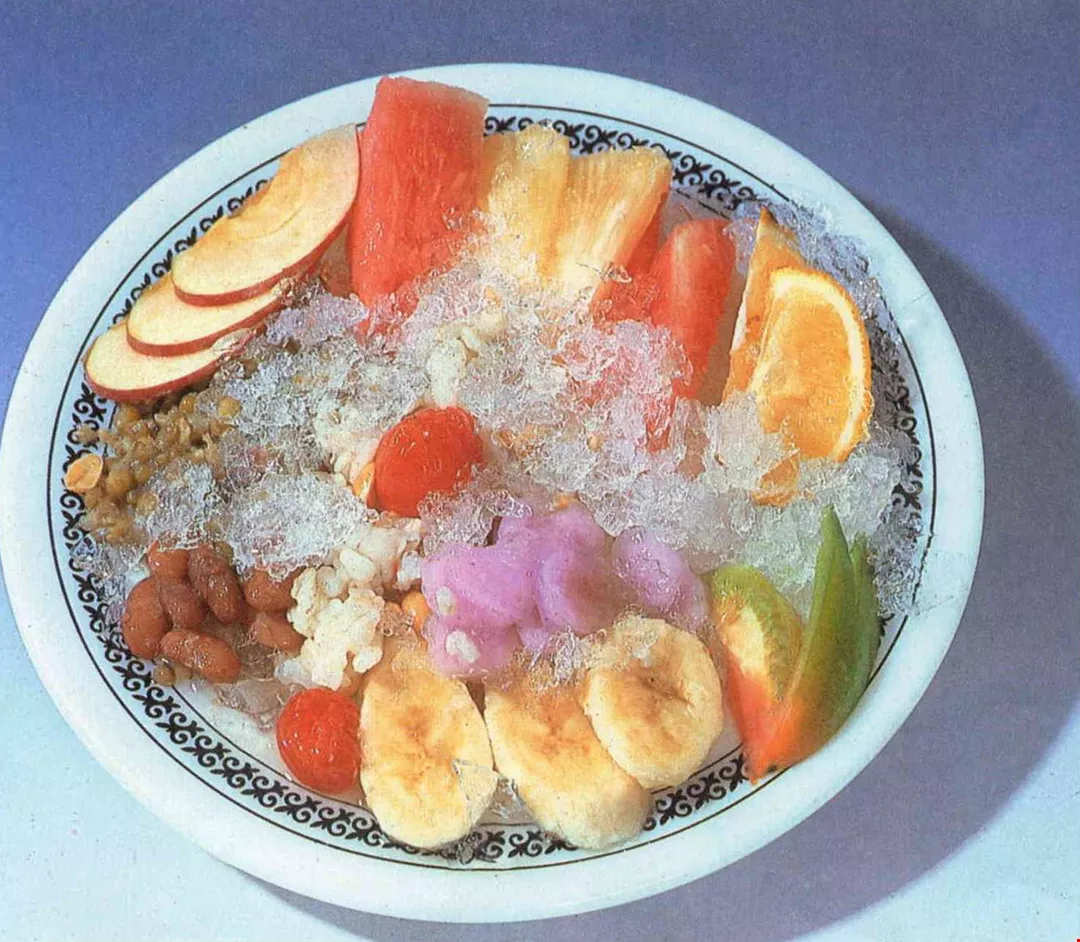
The smorgasbord of ices--mitouping.
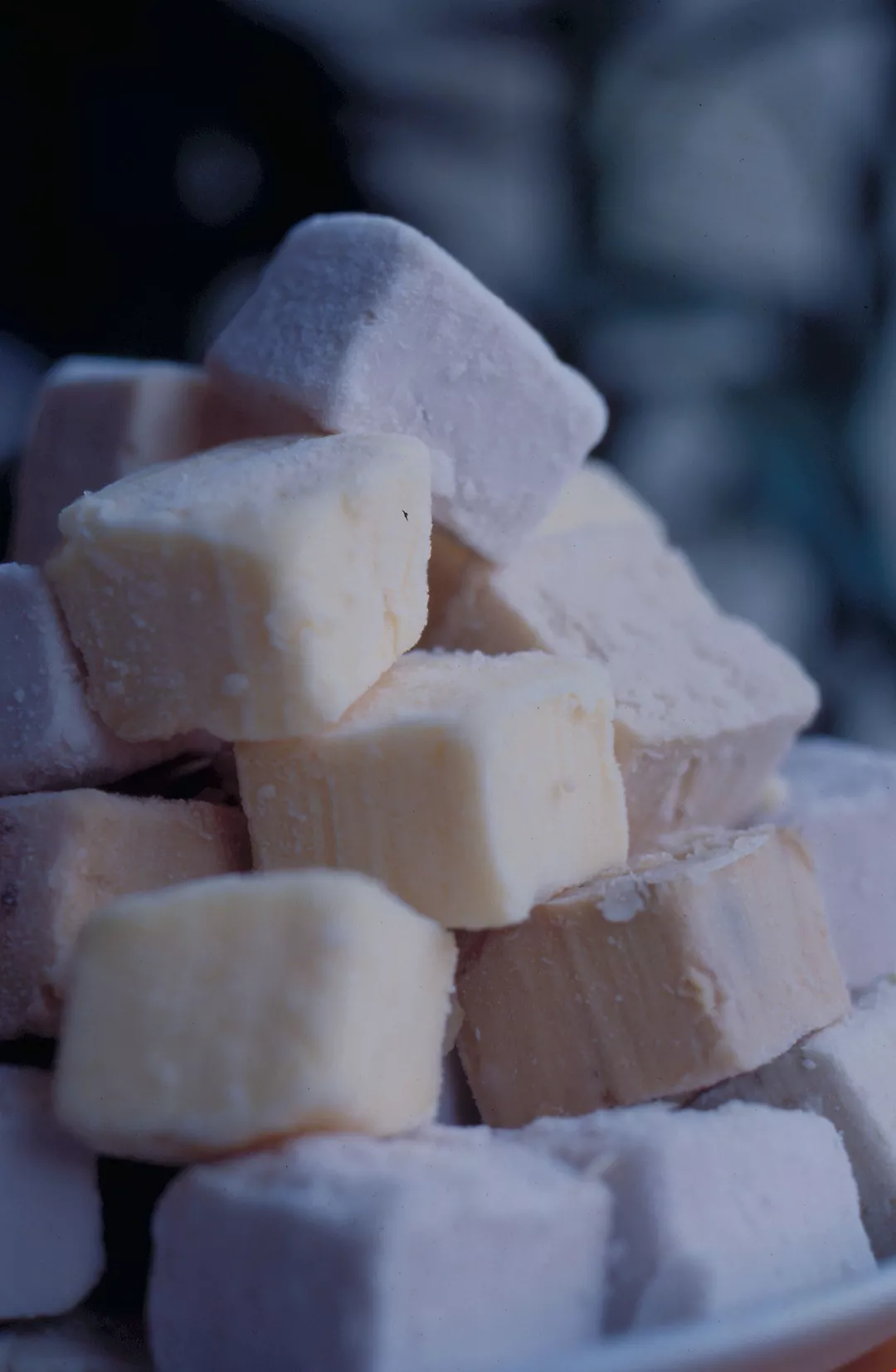
Taro-root icecubes are tasty and chewy.
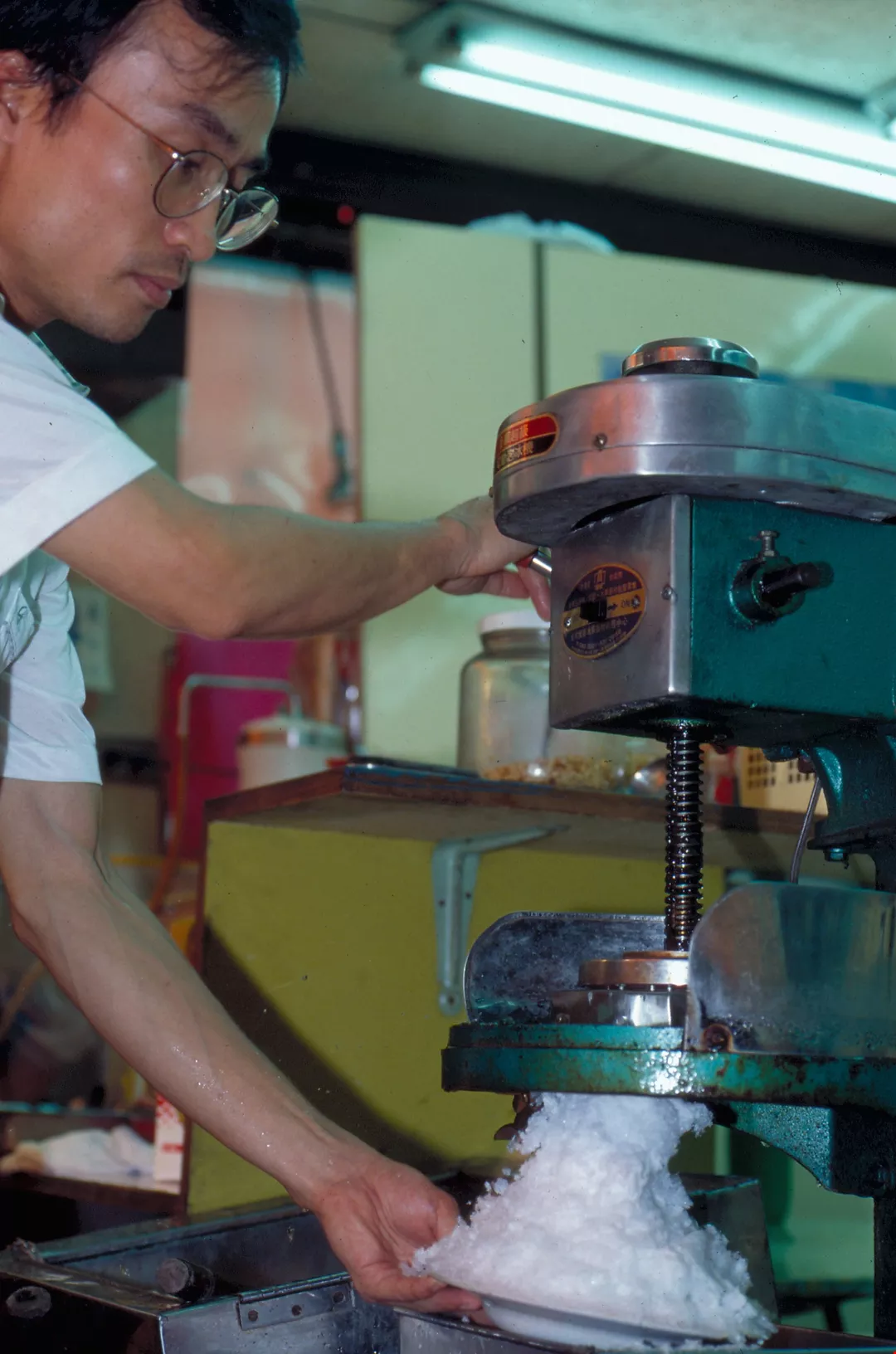
Shaved ice, ground as fine and fluffy as snowflakes, is summer's top refresher.
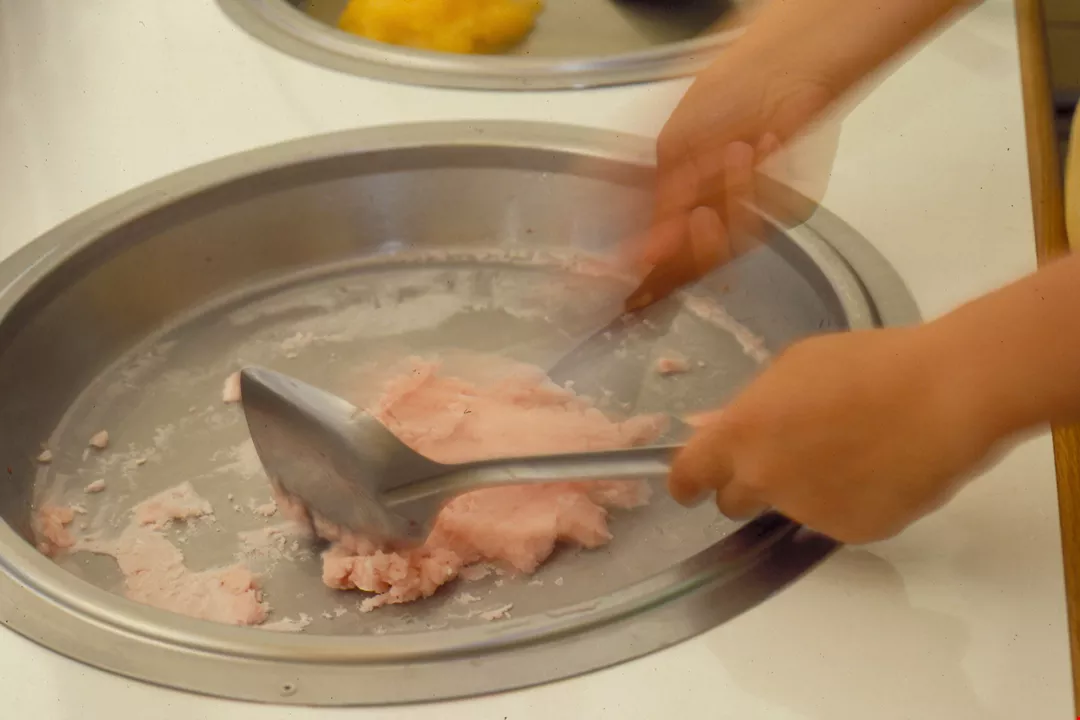
Frying ice--not rice.
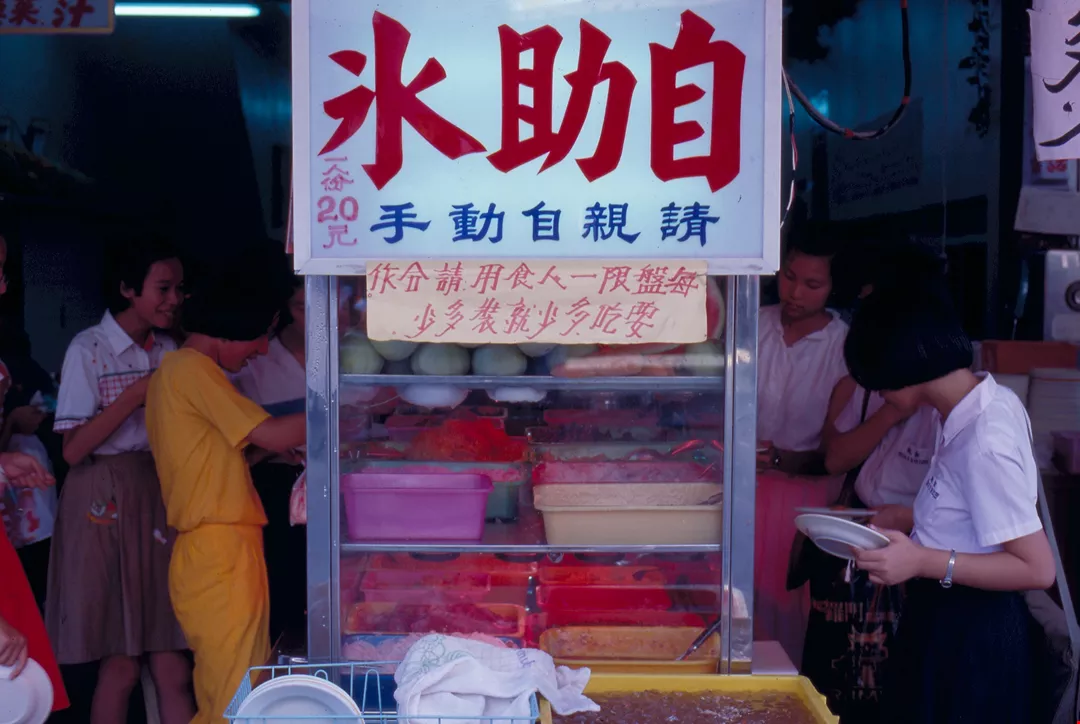
Self-serve, all-you-can-eat stands are favorites with teenagers.


@List.jpg?w=522&h=410&mode=crop&format=webp&quality=80)


