Protecting Local Flavor:The Story of Chishang Rice's Geographical Origin Mark
Wang Wan-chia / photos Lan Chun-hsiao / tr. by Chris Nelson
January 2010
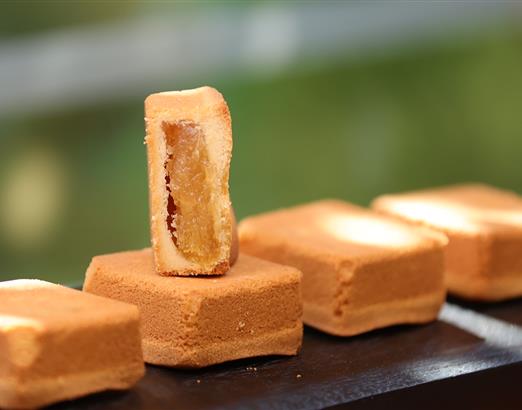
Taiwan boasts a sumptuous vari- ety of local specialty goods, bringing pride to communities and making superb gifts for tourists. Such sundry items are closely linked to local geography and culture, whether Hsinchu rice noodles caressed by autumn winds, Yilan candied fruits prepared from kumquats that thrive amid cool rains, or traditional crafts such as Yingge ceramics, Meinong paper umbrellas or Sanyi woodcarvings.
No matter where you go, local products can be seen everywhere. But amid myriad signs in the streets proclaiming "genuine," "prime" and "original," the question of which ones are real and which are fake is one that nags at people's minds.
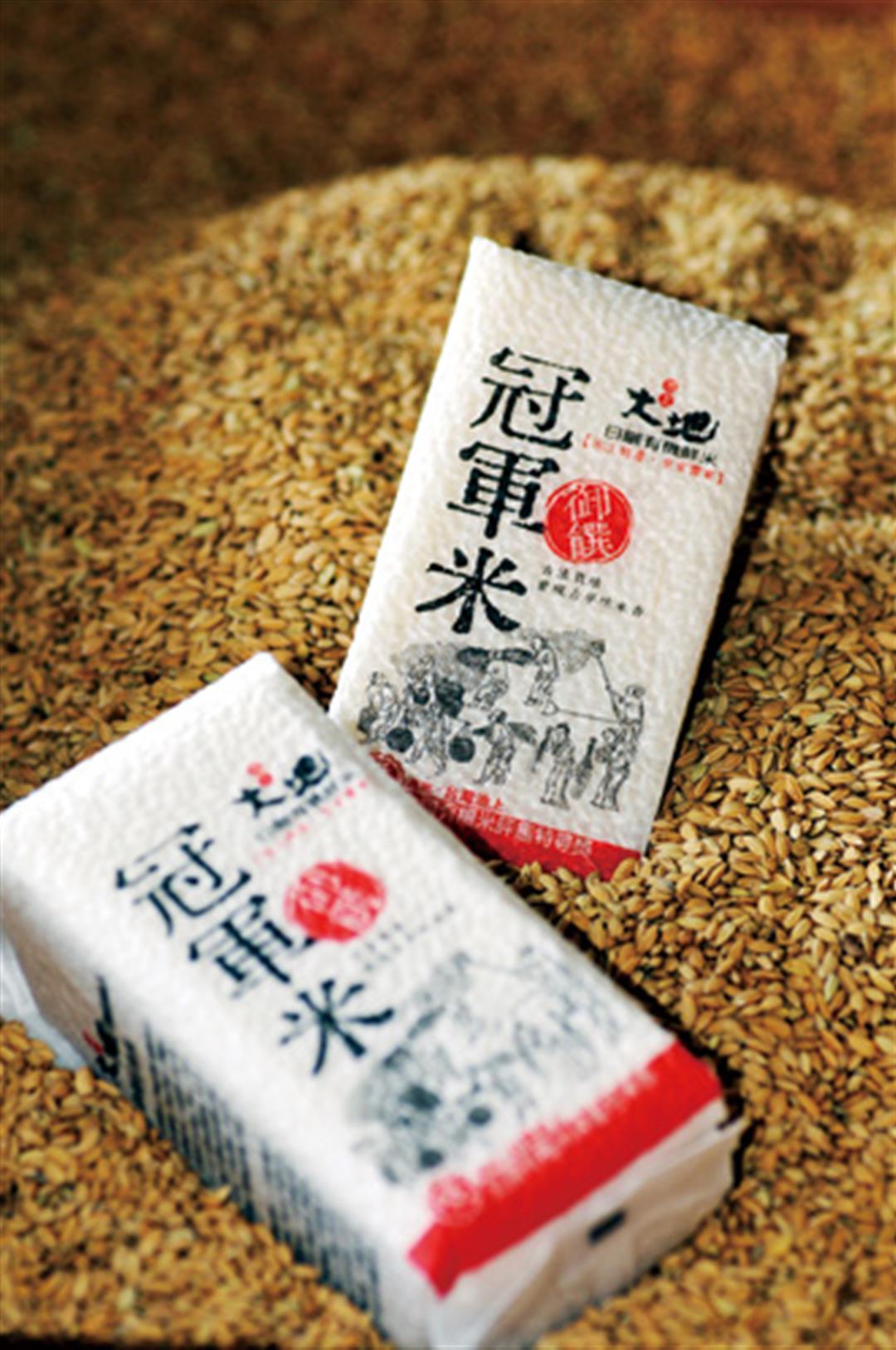
In view of this situation, the Intellectual Property Office and the Council of Agriculture have jointly initiated a system for registering "geographic marks" for local products to combat fraud. Twenty-three applications have been approved since its inception in 2003, the best-known among them Chishang Rice, also the first example in Taiwan of the issuance of a "certification mark."
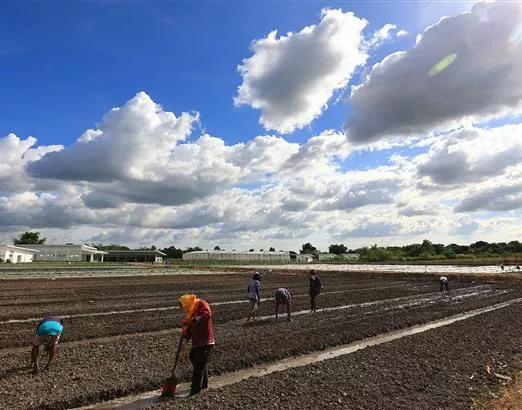
Early winter in Chishang Township, Taitung County, is the time of the year's second rice harvest, when harvesting machines rumble amid the expansive paddies. Seeing plump, golden ears of rice tumbling into grain bins makes this the most gratifying time of year for a farmer.
Jokingly claiming he has been farming since he popped from his mother's womb, Lin Longxing, with 30 years of rice-growing experience, boasts that Chishang Township, located in the East Rift Valley, is free of pollution from big industry and enjoys the advantages of pure water and rich alluvial soils.

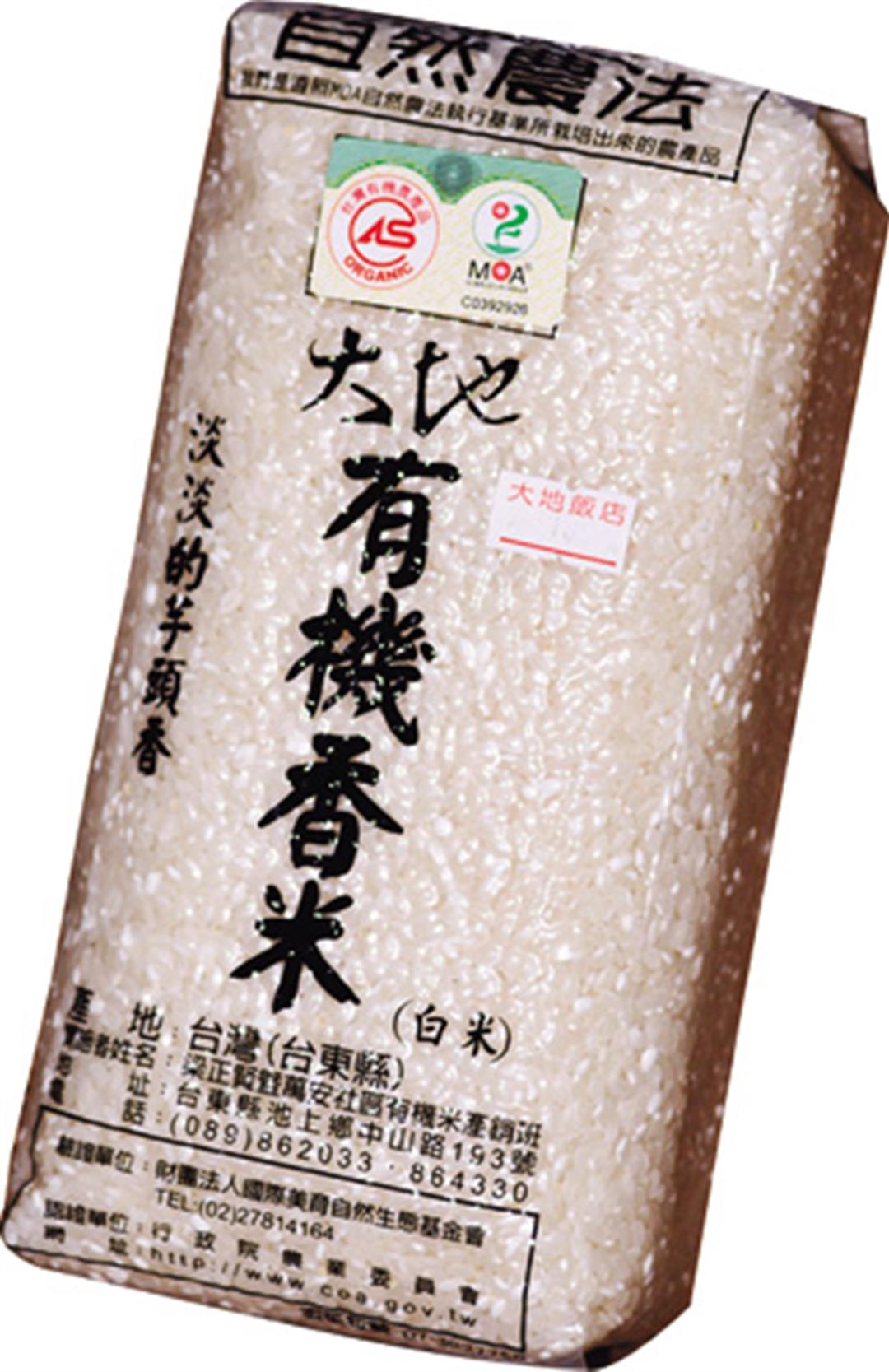
Besides certified authentic Chishang Rice, local farmers also grow other crops such as Koshihikari rice introduced from Japan and organic fragrant rice, bringing healthy competition into the market.
With the high elevation (an average altitude of 260 meters), large day/night temperature differences, and naturally low nighttime temperatures, rice matures later here, and enjoys an extended growth period. This lengthens the time available for photosynthesis, boosting starch content. As such the rice has a luscious mouthfeel, bringing out its full character.
"In this paddy we're growing the Taikeng 2 cultivar, which has a firm texture, suitable for younger people. In that one we have Kaohsiung 139, with a softer, chewier mouthfeel, better for older people. Rice grown in the western side of Chishang Township, adjacent to the Central Mountain Range with its shallow, limy soil, allows for faster maturing. On the other hand, in the thicker, loamier soil layers of the east side, fertilizer can be stored up in the soil. This is released over longer periods, allowing for slower maturing. Therefore the growing periods are different in the two sides," Lin explains, clearly familiar with the subject.
With his passion for rice farming and his enterprising spirit, he represented Chishang Township in the National Rice Competition four years ago and won first prize, earning him the title of Rice King.
Asked about tricks of the trade, Lin replies candidly that the greatest secret is, "You have to know the weather." For example, if weather reports say there's a depression forming over the Philippines, usually the depression will arrive in Taiwan three days later in the form of torrential rains or a typhoon. At such a time, you should never apply fertilizer. Rainwater contains high levels of nitrogen, and applying nitrogenous fertilizer leads to excessive nitrogen in the rice, rendering the plants unable to stand erect. This, combined with low levels of sunlight, creates too much protein, adversely affecting quality. "The rice plants droop, looking like they're drunk!"

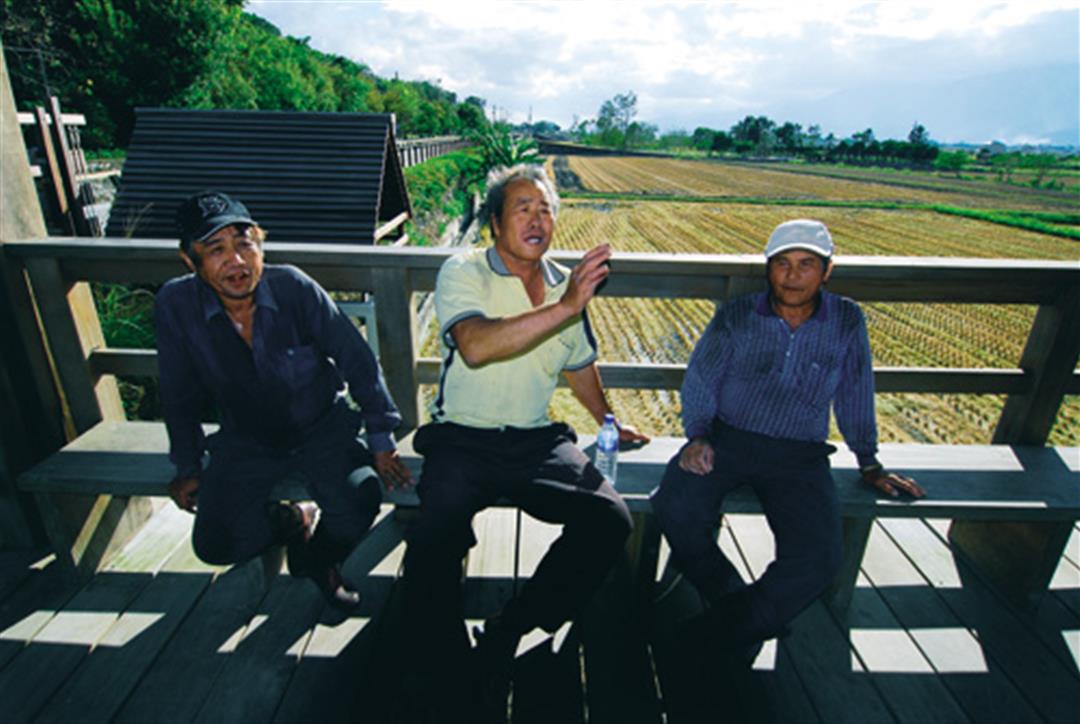
After Lin Longxing (center) persuaded local farmers to implement Chishang Rice certification, rice farming profits doubled, bringing in an extra NT$3,000 per hectare.
In contrast to Lin Longxing with his farming experience, when you first meet Lin Cuilan with her gentle voice and slender, fair-skinned appearance, it's difficult to imagine that she was Chishang Township's Rice Queen of 2008. After taking the crown, her rice was chosen by the Council of Agriculture as one of Taiwan's top 10 classic rices. At 39, she was the youngest contestant that year, and the only woman.
Lin Cuilan used to be a healthcare worker in Taipei, a typical city girl. She started farming only after marrying and moving to Chishang at age 25. At first she didn't even know how to hold a hoe and couldn't tell the difference between rice and weeds. Despite repeatedly being teased for pulling up the wrong plants, she clung to her never-say-die attitude and has now been growing rice for 14 years.
Though Lin's husband Gao Shengxiong was raised in a farming family, perhaps due to youthful arrogance he wouldn't heed his elders' advice, instead carrying on with his own hasty farming style. When working the paddies, he'd turn on the water source and leave, unaware that there was insufficient water pressure. Then, in one go, he would add too much fertilizer, causing fertilizer burn. Such rushed actions yielded less-than-stellar results.
"Unlike the golden ears of rice you're looking at right now, back then the rice we planted didn't stand erect because of too much fertilizer and nitrogen. And with blight problems, the entire field turned black. They laughed at us, saying that whatever we touched turned black," sighs Lin as she thinks back to those days.
Gao relates that they were so poor back then that they often had to borrow money to survive. "I wanted to give up; I felt I had wasted over a decade with nothing to show for it. But my wife encouraged me to try one more time." At Lin Cuilan's suggestion, Gao took part in a local Chishang Rice certification course, and the two of them reviewed where they had gone wrong in the past to iron out their problems.
The course was offered by the locally organized Chitan Headwaters Association. Back before Chishang Rice was officially recognized, the organization started offering classes in rice agriculture and economics in 2002. Rice expert Chiang Jui-kung, dubbed "the father of Taitung rice," and Hong Mei-chu, who holds a doctorate in agriculture from a Japanese university, gave lectures in how to cultivate rice and manage rice farms, training many Chishang Township Rice Kings and Queens, and paving the way for the application for protection of the Chishang Rice appellation.

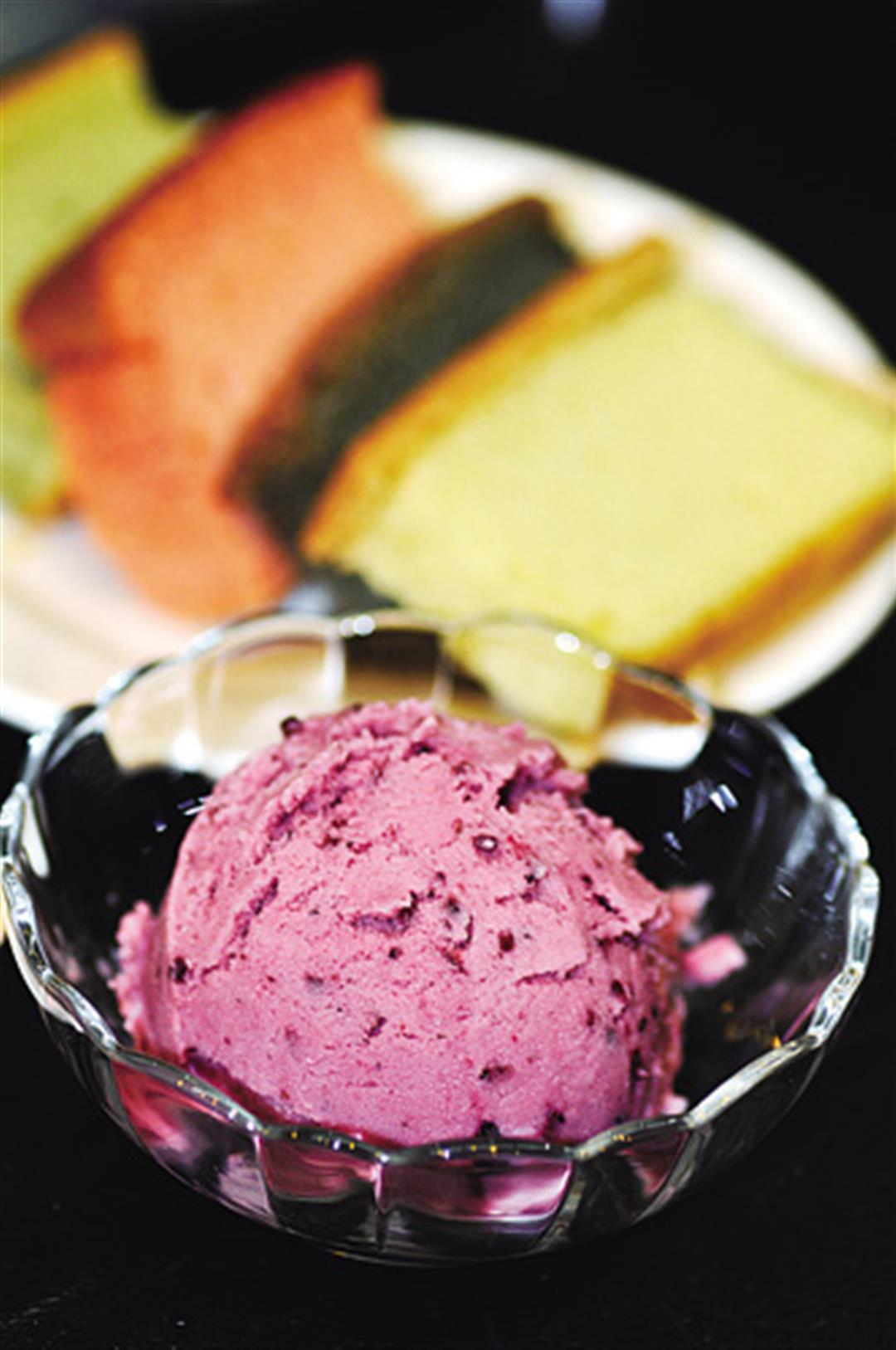
Chishang Township's Great Land Hotel sells novelty spinoffs of Chishang Rice such as rice-flavored ice cream and cakes.
Zhang Yaocheng, drafter of the Chishang Rice appellation regulations and member of the Chishang Township Rice Quality Competition and Advancement Committee, recalls the reasoning for submitting the application. Given the far-reaching renown of Chishang Rice and the number of imitators around, there was confusion in the market, harming Chishang farmers and the interests of consumers. The township administration had conceived of the concept of a certification mark, but with no precedents to follow and the necessity of coordinating between the township administration, farmers and rice companies, it took three years to complete.
"Early on, because place names were public property, we couldn't register the name Chishang in principle. After submitting our application, special deliberation was necessary, and this was delayed a long time," says Chang, describing the tortuous process. They had no idea that the problem would soon be solved by what was perceived by the farmers as an enemy: the World Trade Organization.
Taiwan entered the WTO on New Year's Day of 2002. Among the WTO protocols is an item concerning "geographical indications," stressing that if a product's quality, reputation or other pertinent characteristic comes from a specific geographical source, then its place name is protected intellectual property.
Therefore, although wines and spirits produced in the Champagne and Cognac regions of France are not registered with Taiwan's government, Taiwan, as a WTO member state, must abide by the regulations on geographical indications, not allowing anyone to create imitations.
The French appellation d'origine controlee (AOC) has a storied history. Its origins can be traced back to the 15th century, when Charles VI granted special certification to the cheese producers of the Roquefort region. The modern law was officially enacted in 1919, and a special authority was created to oversee and enforce it.
Gourmet author Hsieh Chung-tao mentions in his book Bon Appetit that renowned clothing brand Yves Saint Laurent unveiled a perfume named Champagne some years ago, provoking growers from the Champagne region to go to court. YSL lost the case, and was ordered to change the name and pay damages, drawing worldwide attention.
According to Taiwan's Intellectual Property Office, to date more than 20 countries have adopted a similar standard, protecting the rights of specific industries linked to place names. To abide by international regulations, Taiwan in 2003 officially incorporated the "geographic mark" into its trademark laws.

The Chishang Rice certification mark was implemented in 2005, and now around 80% (475 farms totaling 1,200 hectares) of Chishang Township's 1,500 hectares of rice paddies qualify for Chishang Rice certification, having passed pesticide and quality tests. But some farmers among them have not joined, instead selling under their own brand names or via other sales channels; thus only about 50% actually hold the Chishang Rice mark.
Furthermore, 10-20% of farming households farm on river beds or leased land, and as such are unable to acquire land titles; these are deprived of the right to join.
Says Chang, regarding the farmers, "The greatest benefit of securing Chishang Rice certification is that it doubles their profits!"
Before 2002, there was a flood of imitation Chishang Rice. The price was only NT$10 per catty (600 grams). Once the certification mark was granted, the township administration carried out a massive crackdown. Four years ago there were over 100 imitators, but now they have pretty much vanished from the scene. With no traces of fake goods, the brand image of Chishang Rice has become firmly established.
Now the average price of certified Chishang Rice is NT$16.5 per catty, nearly NT$2 more than in other townships. After deducting expenses, the farmers' profits are twice what they had been. Rice grown by the Rice Kings and Queens like Lin Longxing and Lin Cuilan fetches prices upwards of NT$17, and when awards are conferred, purchase prices can be as high as NT$40 per catty!

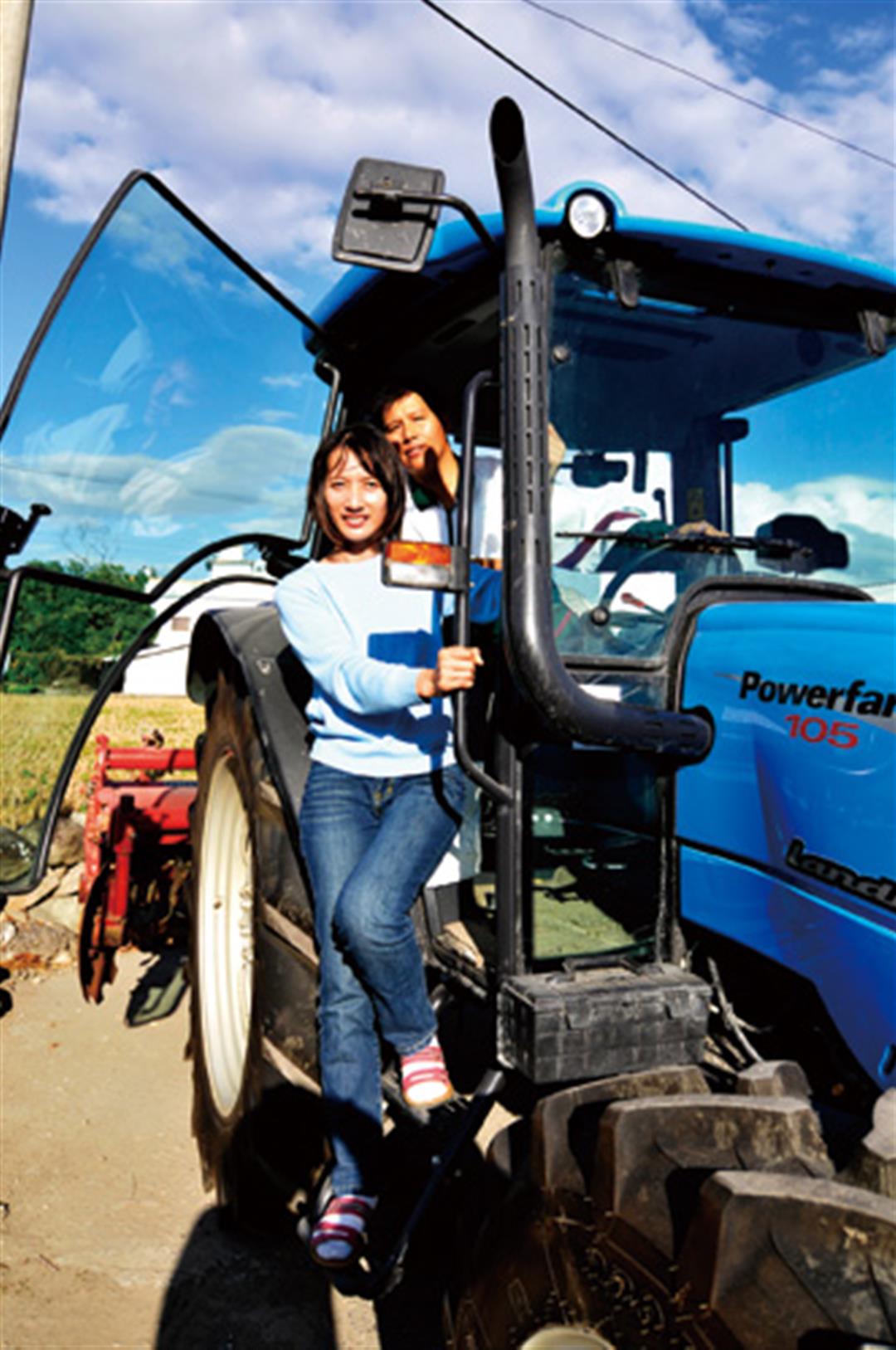
Rice Queen Lin Cuilan and husband Gao Shengxiong have stuck with each other through thick and thin, at length achieving success after suffering many failures.
What standards must be met to pass the Chishang Rice certification? Liang Zhengxian, an important promoter of Chishang Rice certification and head of the venerable Chishang firm Jian Hsing Rice Factory, explains that besides having to be grown in Chishang Township, Chishang Rice has to meet strict standards, undergoing a series of tests at harvest time.
Since there are two harvests a year in Chishang, around each May and October, the farmers come into town to register, declaring that their crops are ripe and ready for the harvest. Next, the rice factory or the township administration sends inspectors to take samples from the fields to determine whether pesticide residues are below the minimum level. If so, the harvest may commence. The harvested rice is checked for test weight, the unpolished grains are inspected for wholeness, and the rice is tasted. Any substandard scores in these areas, and the rice is rejected.
The term "test weight" refers to density and specific gravity of the rice. For one unit volume of rice (a liter in this case), the greater the weight, the plumper the rice and the better the quality. To pass the Chishang Rice certification standard, one liter must weigh at least 530 grams. If it weighs more than 560 grams, it is listed as top-grade rice. The average test weight of certified Chishang Rice is 588 grams, some 40 grams more than average rice on the market.
Measuring the wholeness of the unpolished grains involves placing 1,000 grains into a grain differentiator, in which images of the grains are optically compared to a standard size. A computer then classifies the grains into six categories, including whole grains, insect-damaged grains and grain fragments. The rice passes if more than 60% of the grains are counted as whole; if over 80%, then it is top-grade rice.
The taste test was developed in Japan to determine the ratio of protein to starch. Usually, the lower the protein and amylose content, the better the mouthfeel. The minimum standard for Chishang Rice is 60 points, and 75 or above counts it as top-grade rice. The average value during recent spring harvests has been 74, and for fall harvests it has fallen between 70 and 72 due to less sunlight.
"We are currently the only township in Taiwan that sells rice according to grade, and which requires farmers to record plantings and harvests in a ledger," Liang explains. From his prior training by the Mokichi Okada Association in Japan long ago, he is well aware of the importance of keeping a rice production log, and as such he became a major advocate. "At first it met with some resistance. Old farmers said that that they had been growing rice all their lives, so now why must they waste time doing 'homework'?"
So then he used the most practical means of persuading the farmers. He enticed them by saying, "As long as you meet the standards for certification and keep the records, you'll be able to sell your rice to Jian Hsing Rice Factory for above the government-set price of NT$13.8 per catty," and he also organized with the township administration a rice quality competition to encourage farmers to boost the quality of their rice.
The rice company was especially generous when it came to ledgers for superior cultivars, providing comparative data from farmers all over Taiwan, including planting and harvesting dates, pesticides used and fertilizer types and quantities, which can be taken in at a glance. "We know where a farmer's problems are just by looking at the records," adds Liang.
The renown of this method was such that even Huang Kun-bin, subject of the documentary Let It Be, traveled all the way from Houbi in Tainan County to learn more about it. And with the help of digital technology, more and more young farmers can be seen growing rice in Chishang Township. This is not just a manifestation of the power of teamwork, it is also a sign of admirable professionalism. And the sense of honor driving them to work hard comes from the name "Chishang Rice" emblazoned on each sack!
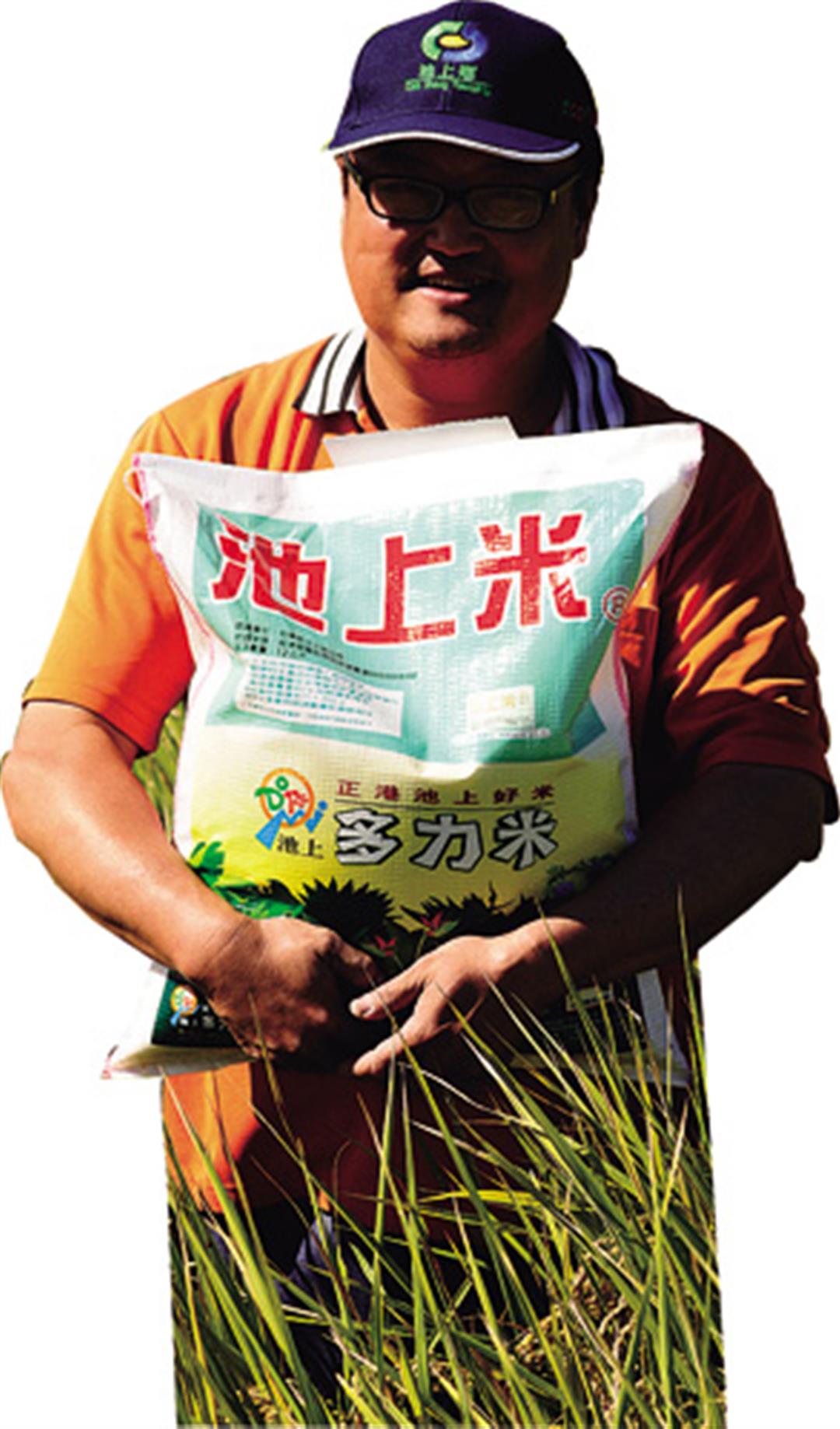
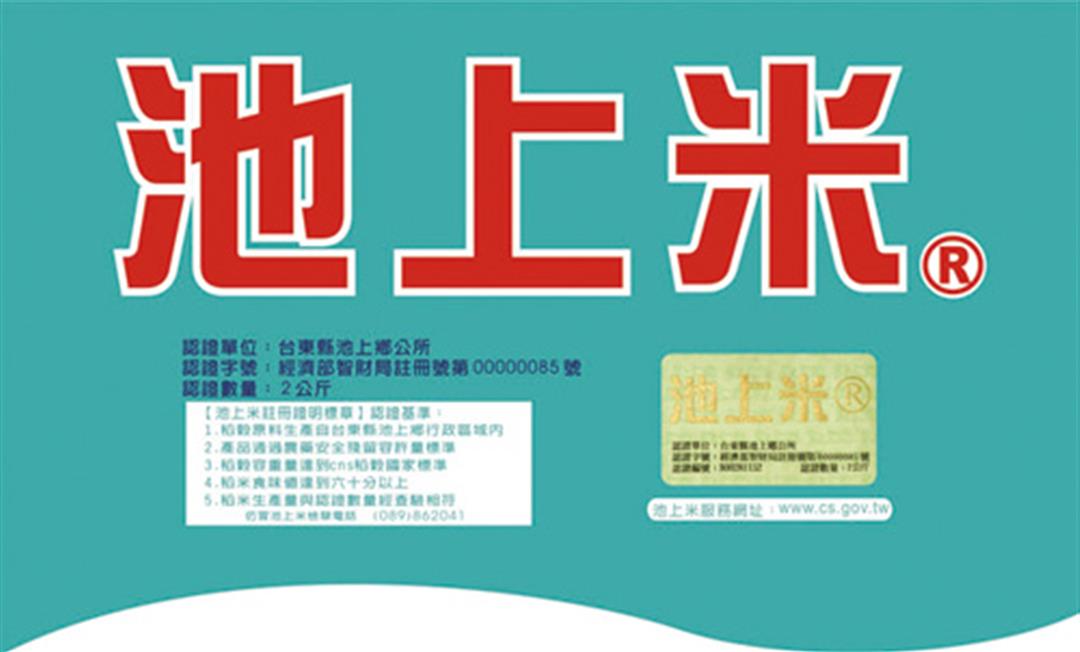
Jian Hsing Rice Factory head Liang Zhengxian holds a rice sack bearing the name Chishang Rice. The red characters on a light green background take up two fifths of the space, and a certification mark sticker issued by the township administration is attached.
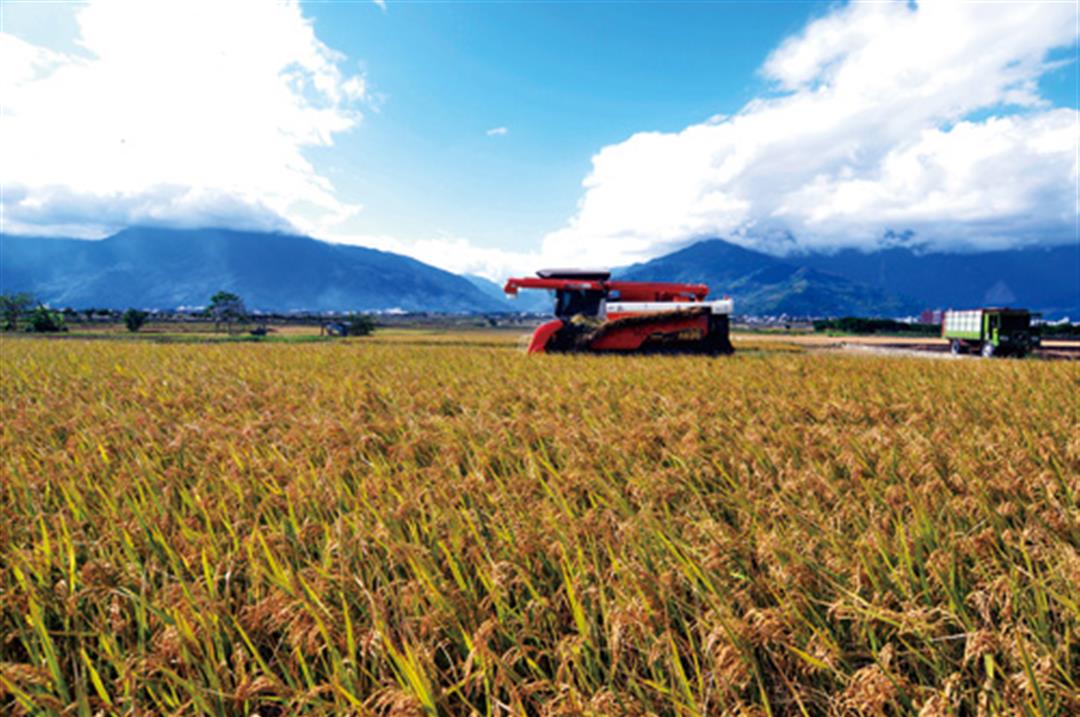
Chishang Township in Taitung County boasts high elevations, fine water quality, and little pollution. During harvest season, onlookers are greeted with expansive vistas of grain swaying in the breeze.
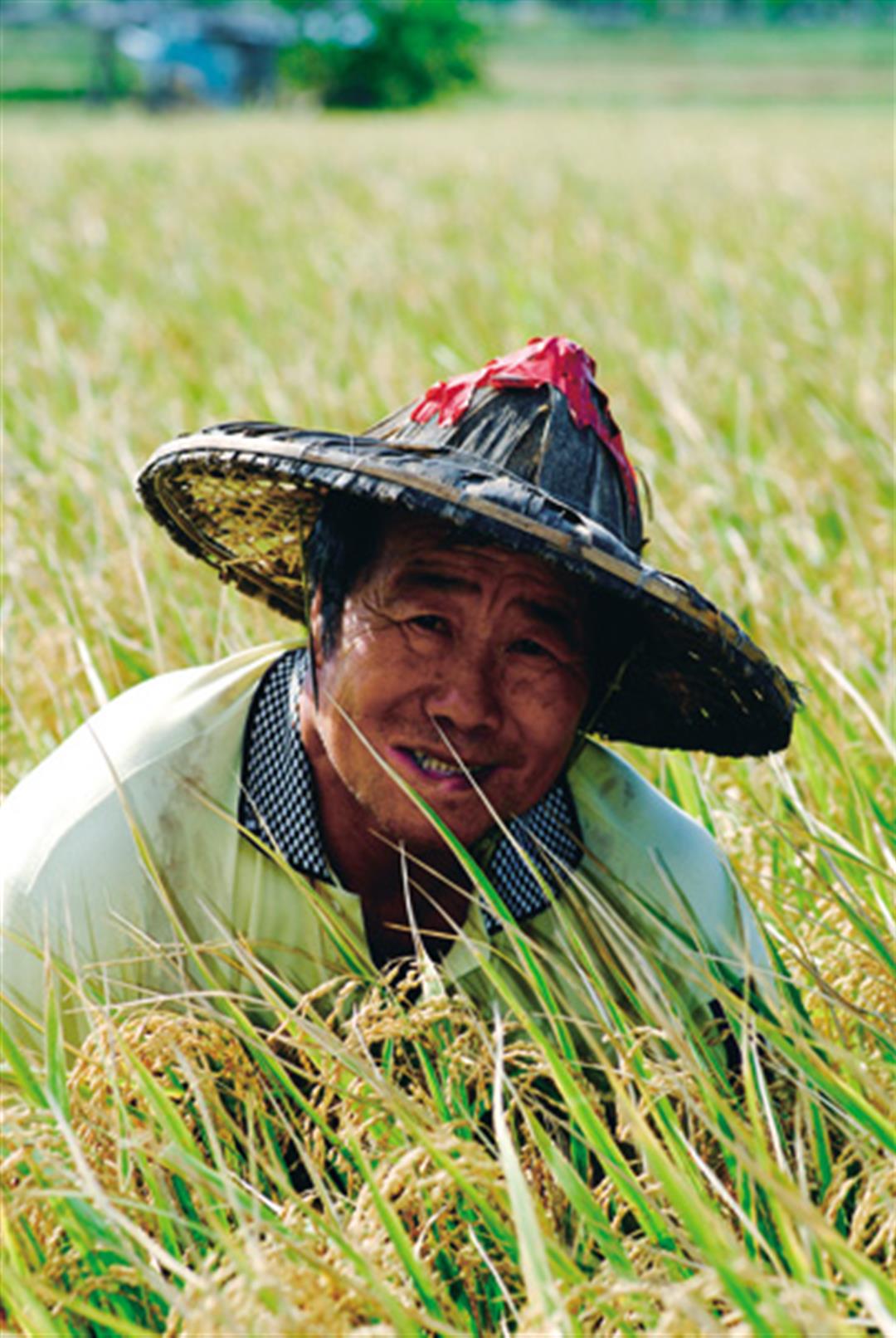
Rice King Lin Longxing is well versed in rice farming. He also hopes that publicizing the local brand will attract more young folk to move back to the township and carry on the farming tradition.
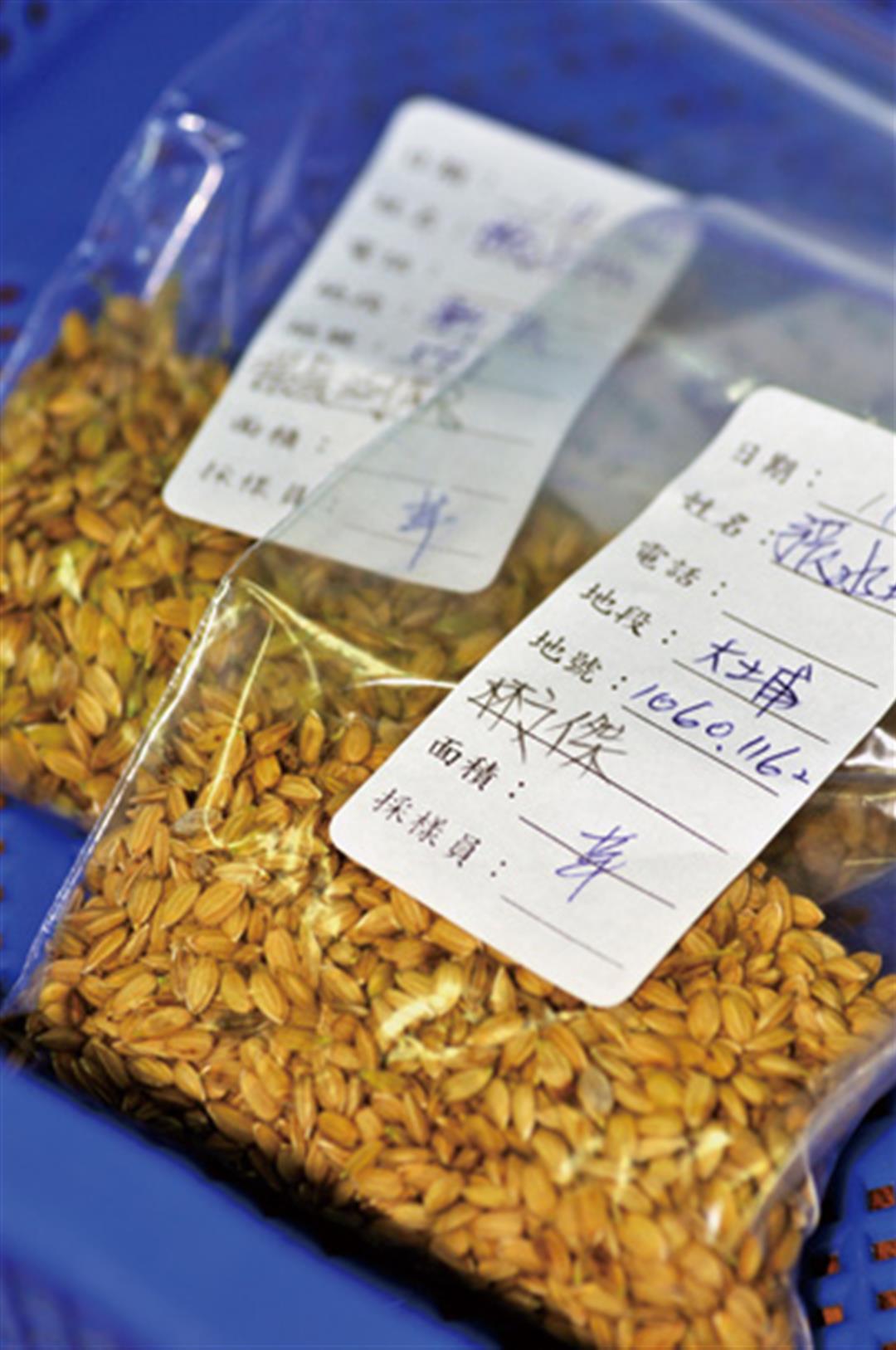


The bag containing each of the rice samples collected from the fields bears the farmer's name, plot number, inspector's name and other details.
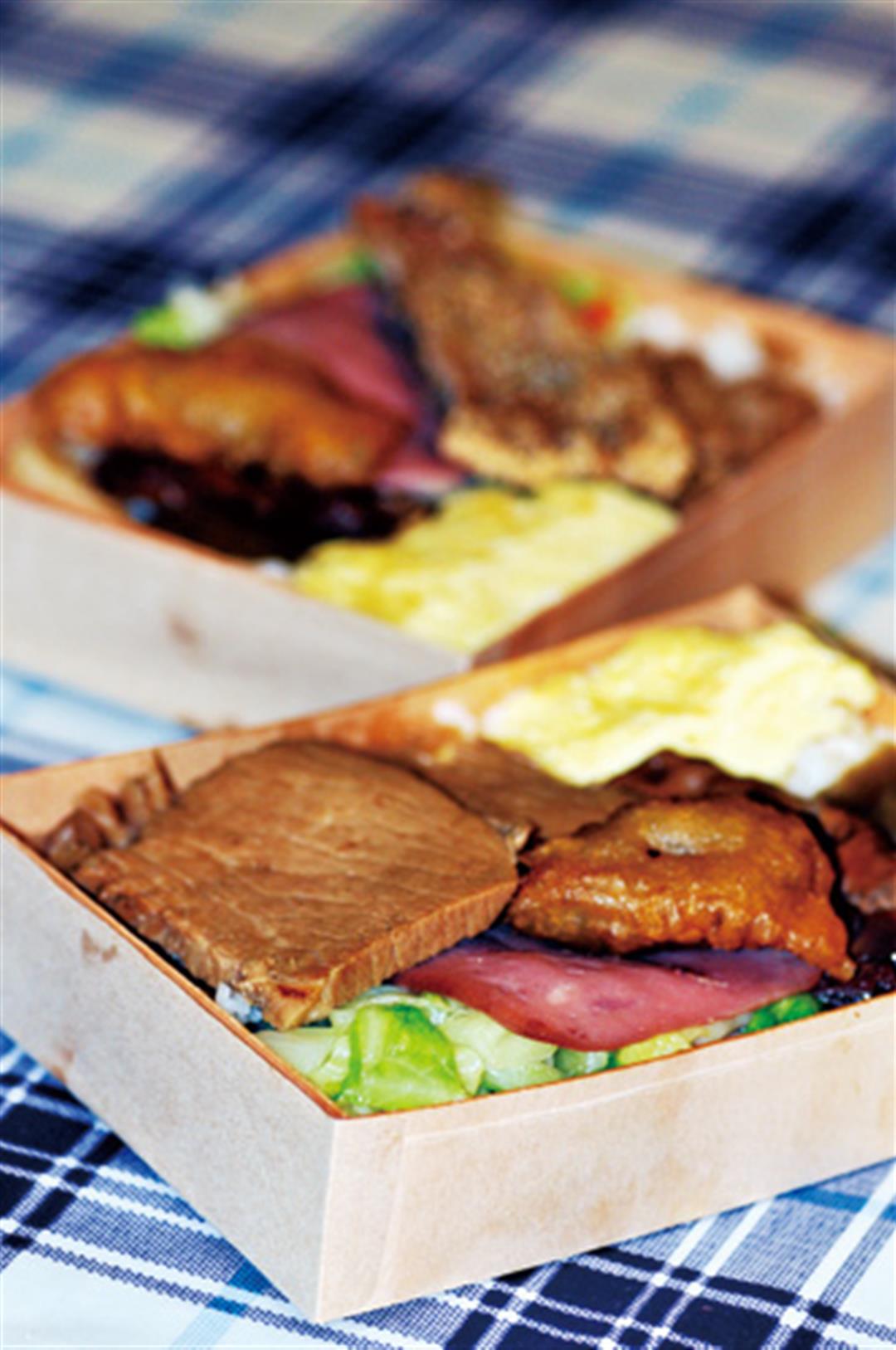
In 2008, the Chishang Township Administration started issuing certification marks for Chishang box lunches to shops using Chishang Rice. So far, over 20 individual and chain stores around Taiwan have been authorized to sell Chishang Rice box lunches, boosting the repute of the Chishang family of products.
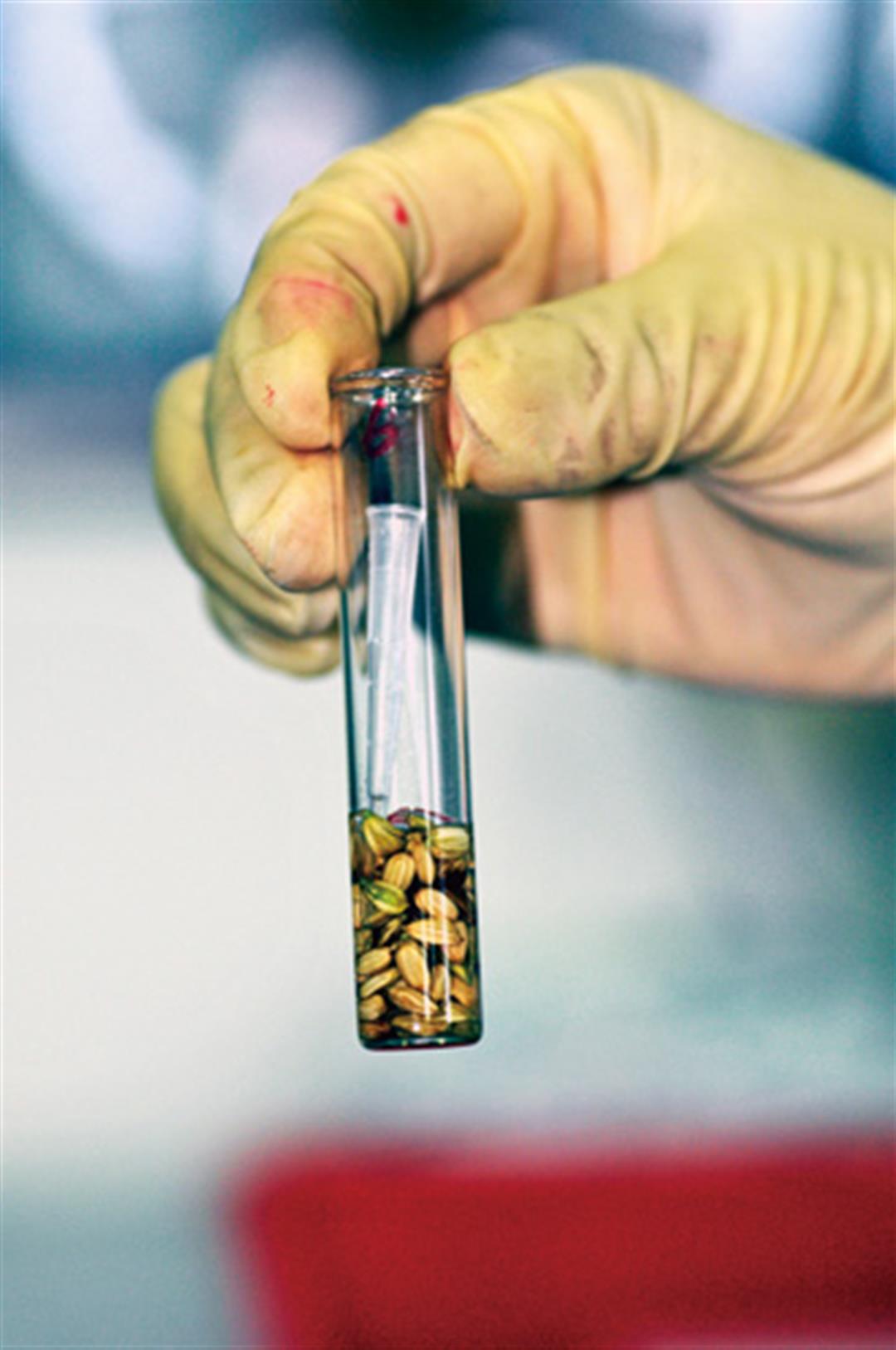

Special equipment tests to see if pesticide standards are met. Inspectors reveal that over 90% of the rice passes on the first try.
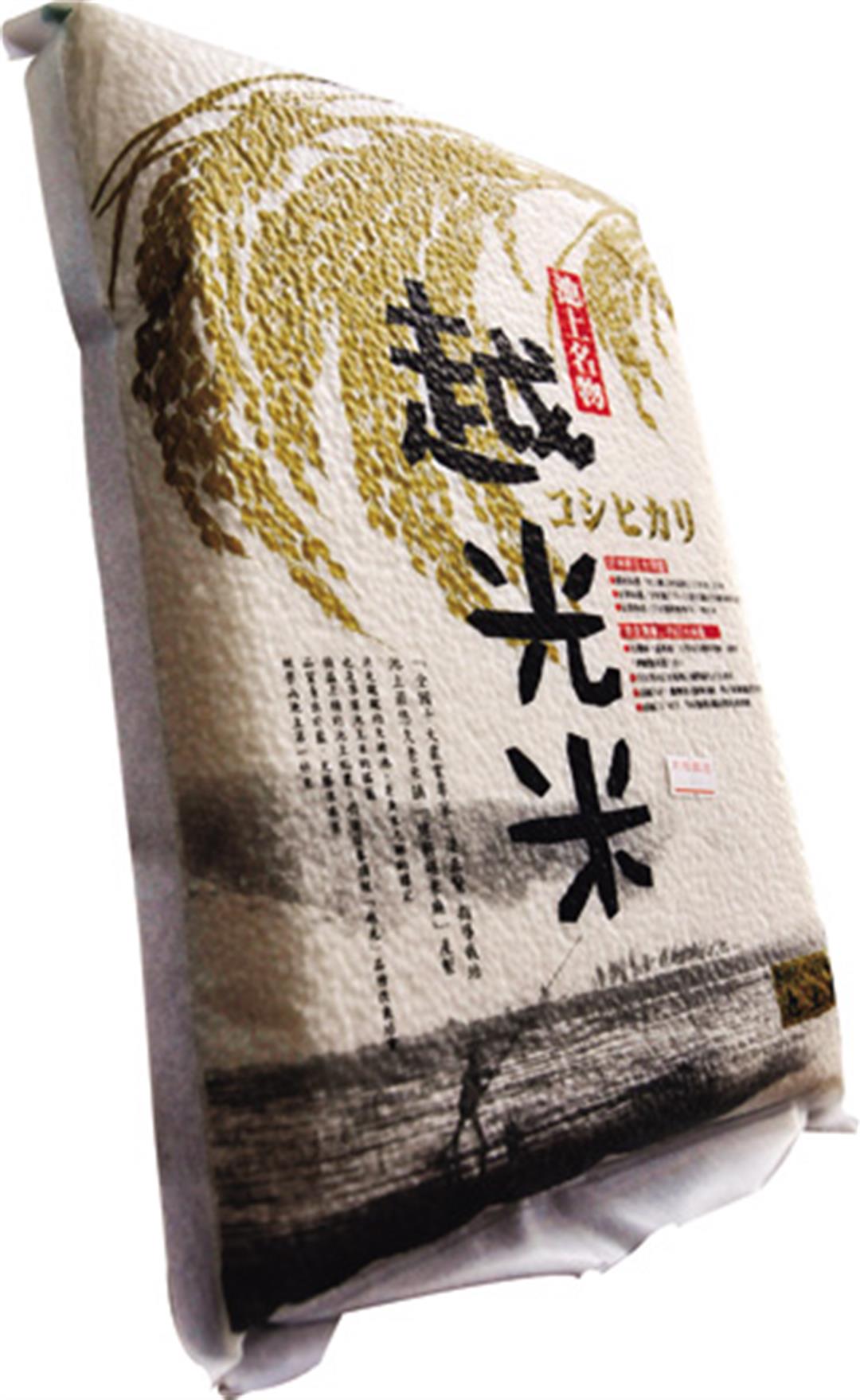
Besides certified authentic Chishang Rice, local farmers also grow other crops such as Koshihikari rice introduced from Japan and organic fragrant rice, bringing healthy competition into the market.