Nobody's asking
We can see some hints of the reason for this discrepancy between ideal and reality by looking at Taiwan's first geographic designation case: the Lugu Tea Region.
Lugu began spearheading its local authentication drive in 2006. But willingness to comply was not very high among tea farmers, and now, three years later, less than 170,000 marks have been issued, as many as two thirds of them to products of farmers who were already working with the Lugu Township Farmers' Association.
Xie Jiajuan of the Lugu Township Office's Agriculture and Economic Development Section notes that most tea farmers are used to doing business with wholesalers they know, having built relationships based in long-term cooperation and trust. Given that sales are not affected by the absence or presence of such a mark, farmers see authentication as an unnecessary complication. In addition, tea farmers applying for authentication need to pay a pesticide assessment fee (NT$5,000) for each inspection and a tagging fee (NT$3) for each batch. And if they don't pass the inspection, the entire batch of tealeaves will be destroyed. In other words, if they aren't tested, no harm is done; if they are tested, they risk losing out big time.
But Xie has observed that since the signing of the Economic Cooperation Framework Agreement with mainland China, inquiries by tea farmers into geographic designations have increased as they anticipate expanding into the mainland Chinese quality goods market.
Taiwan tea wholesaler Liu Baoming is a big name among applicants for Lugu Don--ding Oolong Tea authentication. He explains that it's necessary for exporting: "Authenticated tea can fetch some NT$300-500 more per catty [600 grams]." This is enough to motivate tea farmers to cooperate.
Shengjia Teahouse is one of Lugu's few tea farms to apply for authentication.
Owner Liu Rui-zhen's husband's family has grown tea in Lugu for nigh unto 30 years, their two hectares yielding about 3,000 catties of tea per annum. She learned about the authentication program last year, and when she applied for it, the young lady at the township office asked, "With half of the applicants rejected for failing the pesticide test, why do you want to apply?" Liu, who regularly sells her products through public cooperatives, has faith in their homegrown tealeaves, and won't back down.
She explains that securing an authentication mark is the best proof of real, honest-to-goodness Taiwan tea, not only winning customers' confidence, but also forcing their farm to improve the quality of their tealeaves and urging them not to slack off!
Sensory assessment
Despite efforts to promote Rueisuei Tian He Tea's geographic designation last year, nary a soul inquired about it, and so far not one mark has been issued.
Ruisui Township Farmers' Association promoter Gan Xianzhang notes with a sense of helplessness that Ruisui Township encountered two major obstacles in its promotional work. One was a low level of willingness among farmers: with relatively low tea yields in Ruisui, the leaves sell quickly once they hit the market, all without the need for farmers to pay the application fees.
The other was hindrances in the "sensory assessment" phase of the tests.
Says Gan, when farmers apply for an authentication mark, the product's general appearance, shape, leaf color, brewing color, bouquet, and flavor need to undergo a full sensory assessment for approval. But there are only a dozen or so assessors legally qualified to carry out the task, so to avoid paying a pricy assessment fee for each time the assessor visits, the farmers would amass as large amounts of tea as they could, sealing the tea for a month or two as they awaited assessment. As such, it's common for operations to get backlogged, causing farmers to lose their patience.
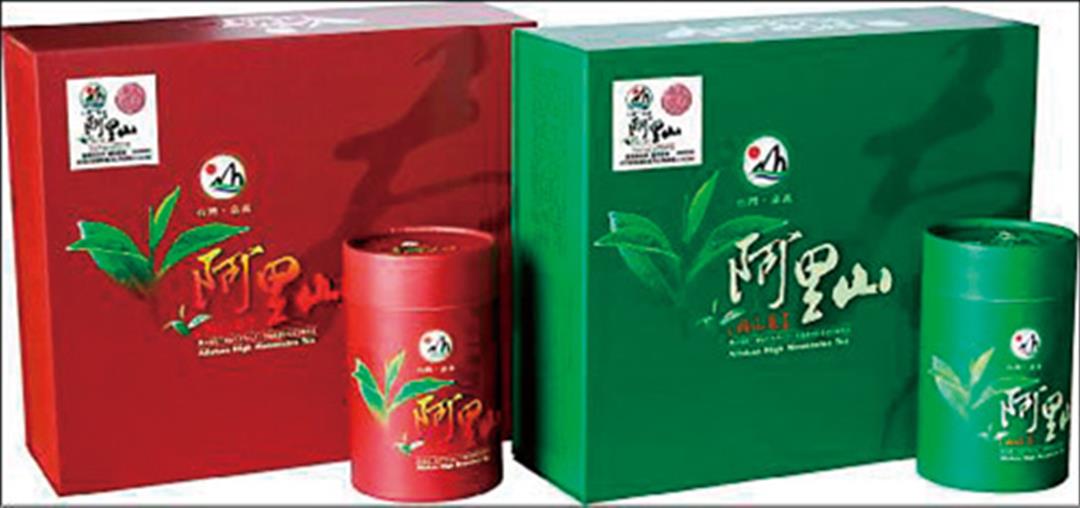
With the imbalance between supply and demand, plus the waste of money and effort when applying for authentication marks, and tea farmers' tendency to avoid trouble when possible, the tea market remains as chaotic as usual. It looks like consumers need to step in for the geographic designation system to reach its potential.


@List.jpg?w=522&h=410&mode=crop&format=webp&quality=80)