

Li Chi-mao, with steely eyes and slightly trembling lips, gives a first impression of coldness, quickly overcome in conversation by his warm voice and animated expressions. His home is warmed by the many conversation pieces, scattered throughout: Chinese and Western paintings, antique enameled tiles, Buddhist icons, seals.
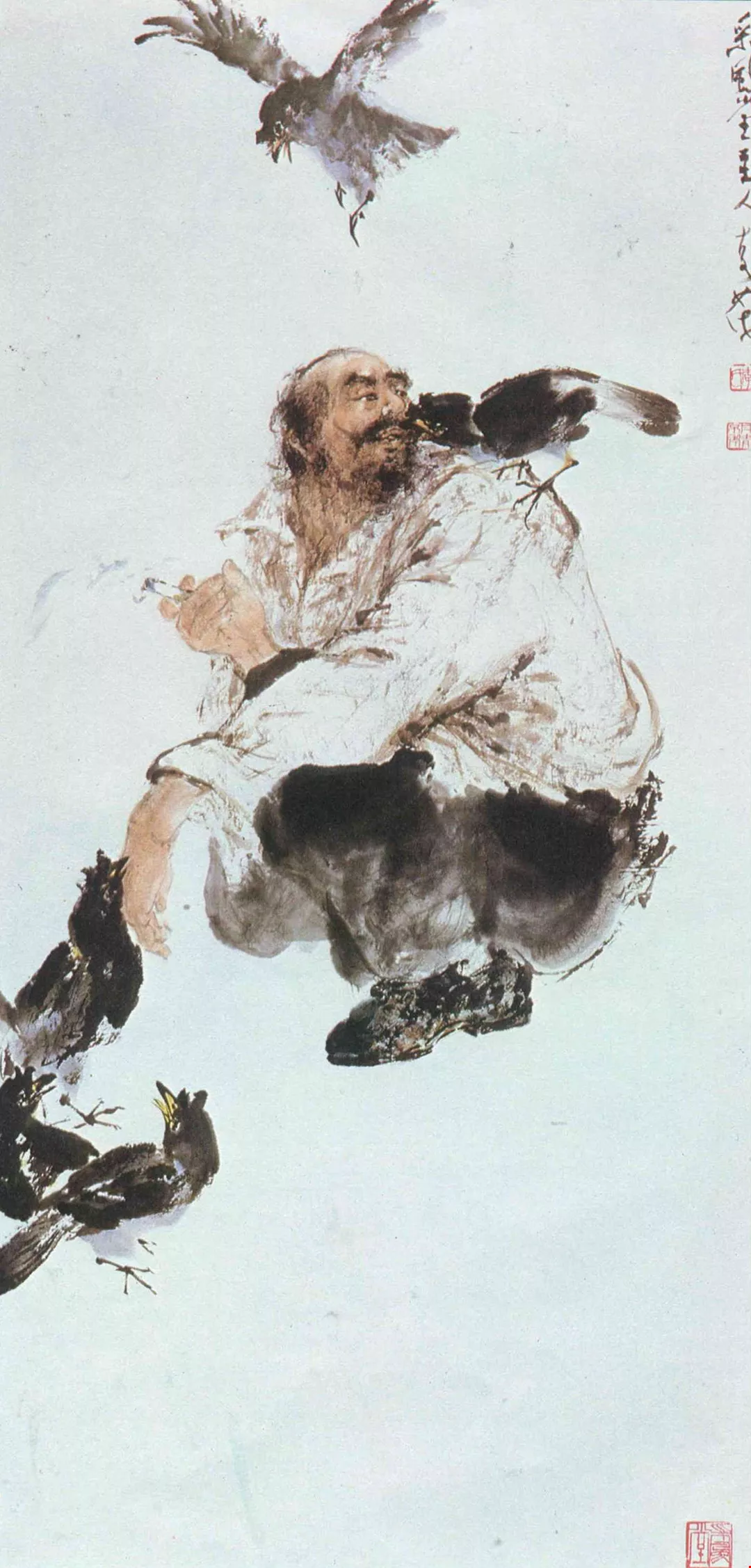
Li Chi-mao's own watercolors, whether figure paintings, animals, or birds and flowers, all generate warmth and charm. Excepting his noble stallions and lofty eagles, his subjects never appear alone. A drunken immortal leans on an empty jar; a little cowherd, riding on the beast's back, is followed by a calf; beside a little girl feeding chickens is a fluffy chick; and his swallows never fly alone.
Although Li Chi-mao employs Chinese watercolor techniques, the content of his art is not traditional, rather elements of the world around us. But even though he paints "modern life", his paintings, ignore the machines--cars, airplanes, cannons, or any of the many other things we are likely to associate with our own era. Li Chi-mao explained, "The modernity in my paintings is centered on expressions of humanity and nature. The items which clutter the background of human life do not interest me."
The works of Li Chi-mao include landscapes, birds and flowers, figures, even modern city street scenes, but his favorite subjects are people, cattle, and horses. On his choices, Li remarked, "Though ink painting is traditional, Chinese society continuously moves forward and changes. If painting were to be held at the stage of copying the old works--landscapes, birds and flowers, figures--not only would the resulting work be lacking in imagination, but such paintings would be lifeless."
Li Chi-mao was born in a remote area of Anhwei province in 1931, so remote that the residents had never seen a car, or even an electric light. The water buffalo was the most important animal. The peasants lived the traditional, age-old life style--getting up with the sun and, at sun set, retiring to their homes to talk, think, or sleep. Li Chi-mao, out of sentiment, still identifies the buffalo as man's best friend.
Li's love of horses also stems from childhood. His family was than one of the richest and most powerful in the area. During Chiang Kai-shek's Northern Expedition against the warlords and then again during the Anti-Japanese War, military procurement officials often came to his grandfather for financial assistance. "At that time, the Revolutionary Army counted nine generals, each dependent on about 3,000 horses. Most of those mounts were bought by my grandfather," he reminisced. His grandfather traveled the countryside looking for horses, taking Li Chi-mao along with him; he taught Li what to look for in a good horse, and how to buy and sell the animals.
In his travels with his grandfather, Li learned the value of friendship. His grandfather had a great many friends; all over and wherever they went they were treated royally by such people. Li remarked, "Whether I have money or not does not matter to me at all, but I would find it very difficult without friends."
Li's interest in art was encouraged by his tutor, Lu Hwa-shih, who taught him to paint in addition to his regular school lessons. The student witnessed as his tutor was showered with gifts, money, and praise in exchange for his paintings; lessons not lost on the youth.
After coming to Taiwan, Li continued his studies at the art department of a government school. His teachers there, the brothers Liang Ting-ming, Chung-ming, and You-ming, even today influence his work. Ting-ming says jocularly, "Li Chi-mao is a great robber, not a petty thief. He understood enough to capture the spirit and meaning of my painting, not just to copy the way I painted gourds."
In due course, Li Chi-mao came to the realization that what he was seeking was a combination of the idealism found in Chinese painting with the realism of certain Western painting. And he determined to employ traditional Chinese brush techniques as he worked to depict scenes from everyday life.
Li Chi-mao has, over the years, participated in many shows, and his reputation has spread internationally. He has now visited almost one hundred nations, both to exhibit his works and to study other cultures and their art. To add to his memory store of artistic ideas and styles he observes in his travels, Li acquires art, folk artifacts, and similar items in the many places he visits. His collection now numbers over 3,000 pieces.
Even when he first came to Taiwan and barely had a cent, he said, he would buy such things first and think about it later. His wife recalls one New Year's Eve when they were down to only NT$26. But Li Chi-mao was content just in having his collection to admire, she said.
Besides his painting and collecting, Li Chi-mao is a devoted teacher, but one who believes in being very strict with his students. He explained, "A successful artist must first of all, have a firm foundation in the techniques of expression. Only when technical competence is achieved should the young artist seek changes, breakthroughs, and the development of personal style. Therefore, I am not at all a lenient teacher."
At 52, Li Chi-mao is a hard working, life-loving artist, whose success draws not only from his natural genius and high mindedness, but from his continuous hard work.
[Picture Caption]
Left: Li Chi-mao's "Cowherd", 1980. Right: Li works very hard at his sketches. Here he is seen doing a figure drawing.
1. Li teaching his students. 2. "Drunk", 1982. 3. "Flying Snow in Germany", 1970. 4. "Roman Travels", 1972. 5. "Returning", 1968.
1. Some of the many seals collected by Li Chi-mao. 2. "Riding a Donkey Backwards", 1978. 3. "The Chin's Melody Is the Heart 's Sound", 1976. 4. "Living and Playing Together in Childhood Innocence", 1976. 5. "Horse Herding", 1979.
Left: Li Chi-mao and his family. Right: "Spring Has Come", 1980.
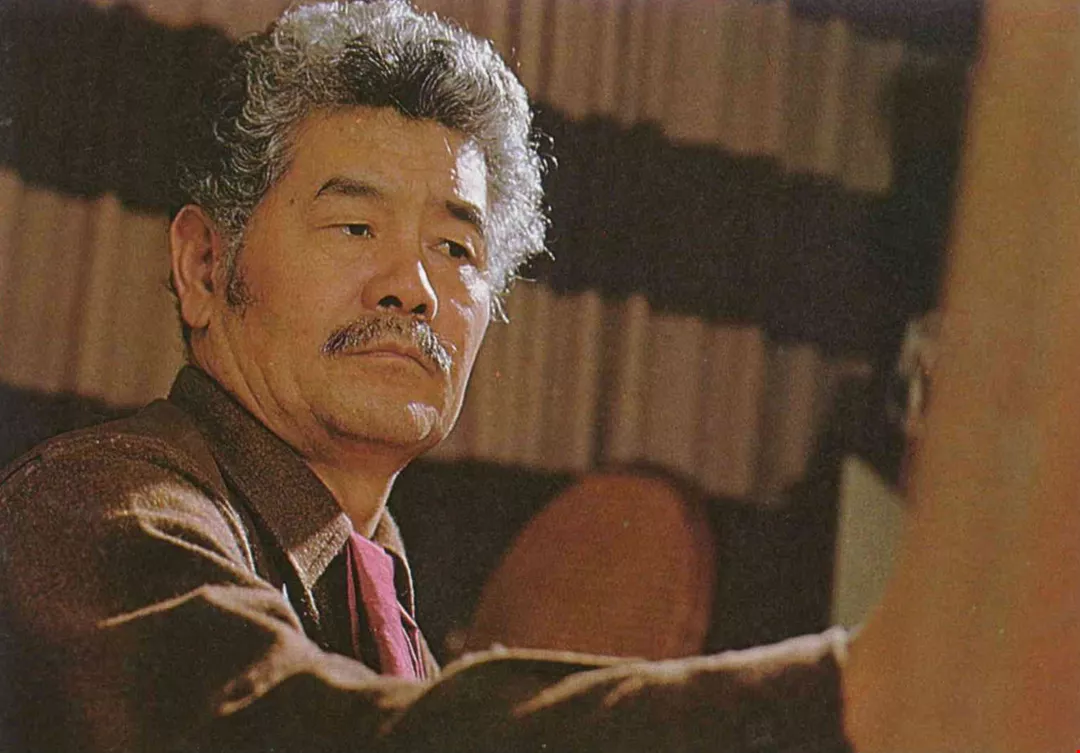
Right: Li works very hard at his sketches. Here he is seen doing a figure drawing.
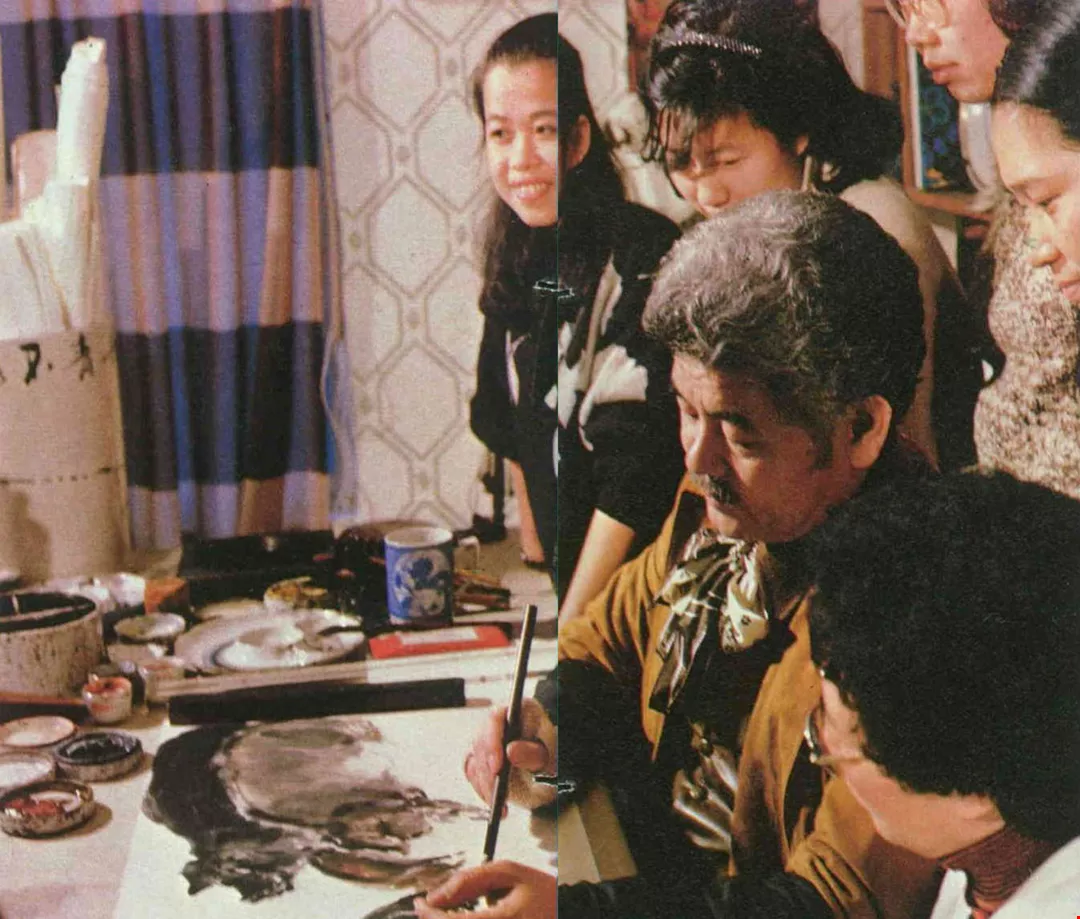
1. Li teaching his students.
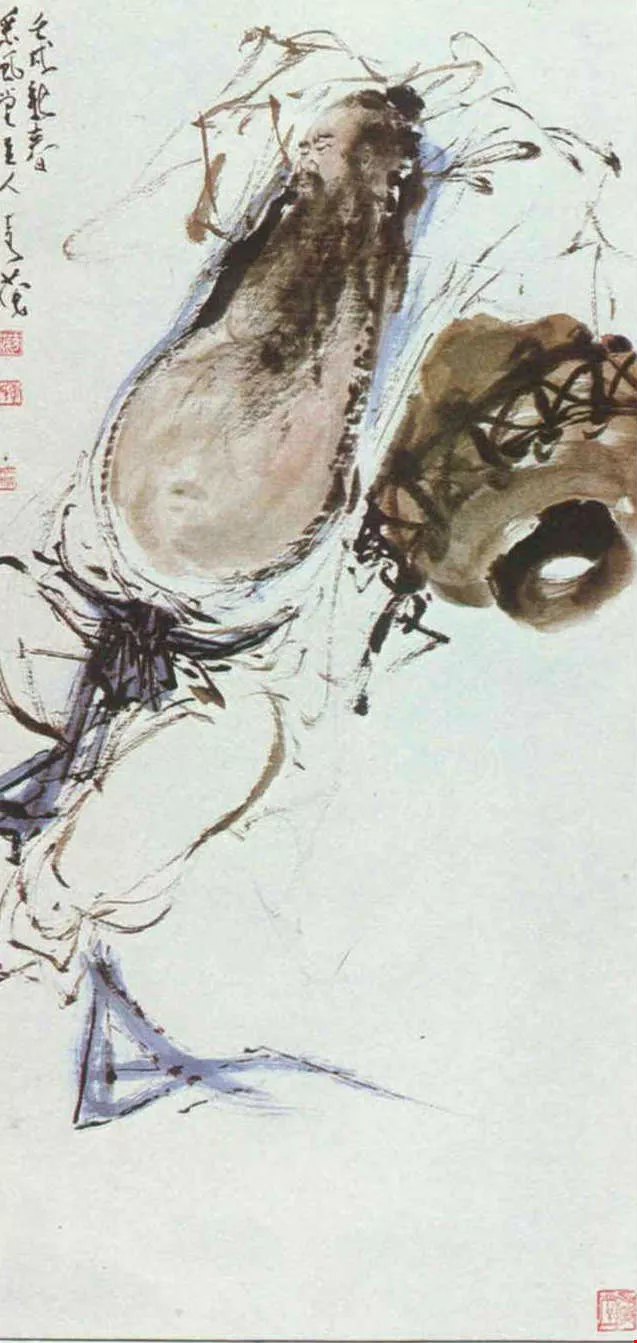
2. "Drunk", 1982.
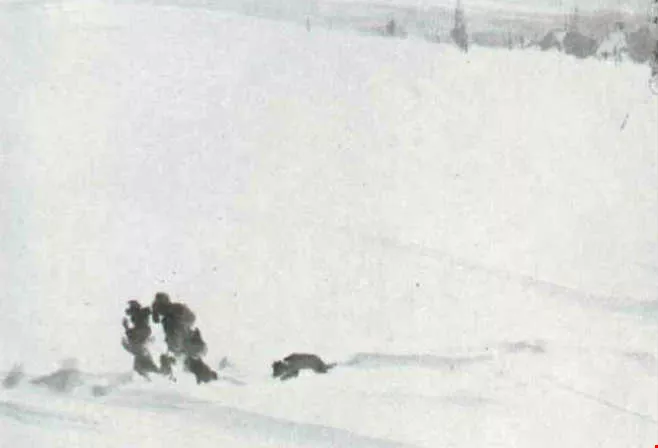
3. "Flying Snow in Germany", 1970.
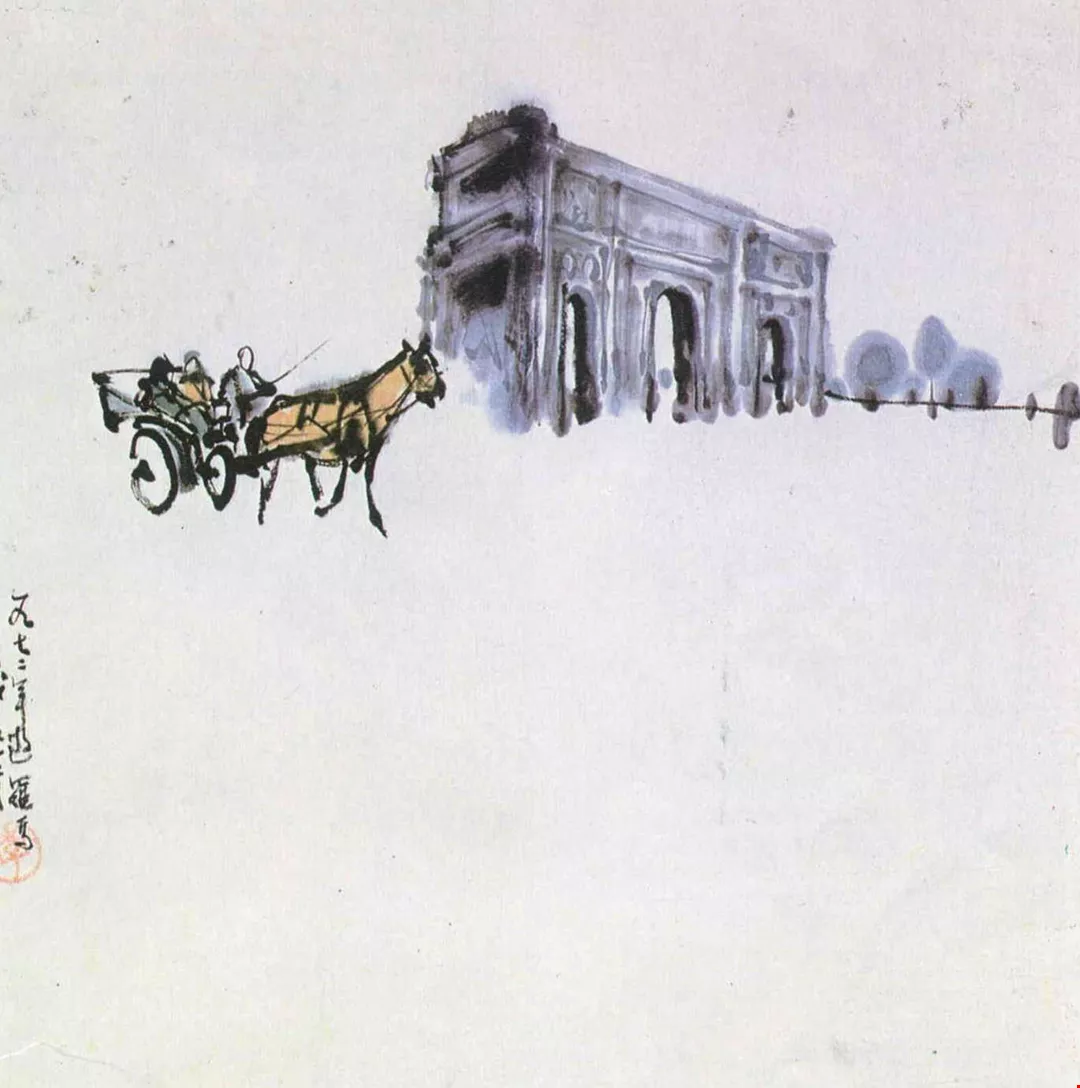
4. "Roman Travels", 1972.
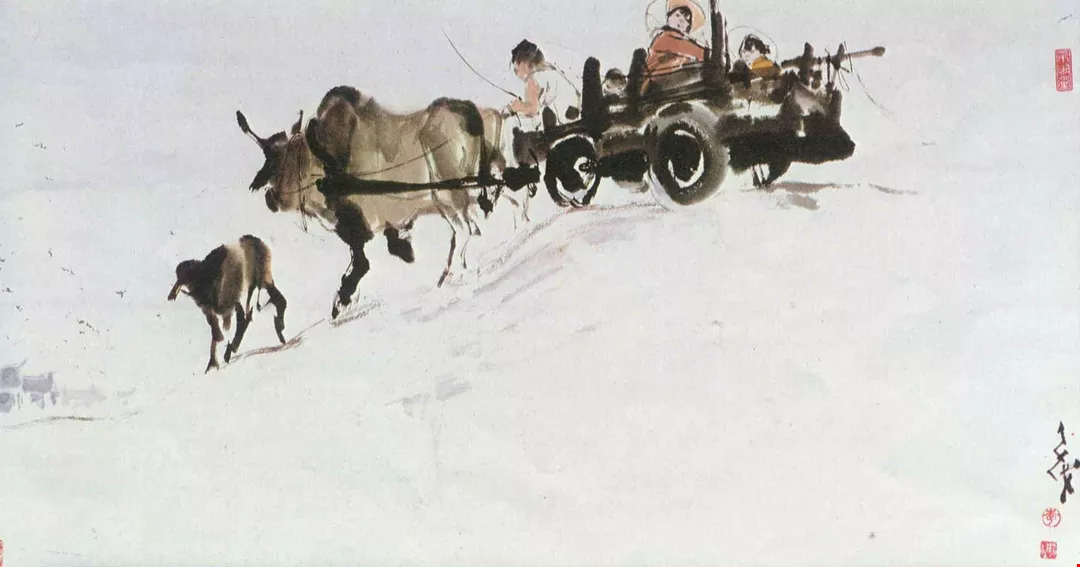
5. "Returning", 1968.
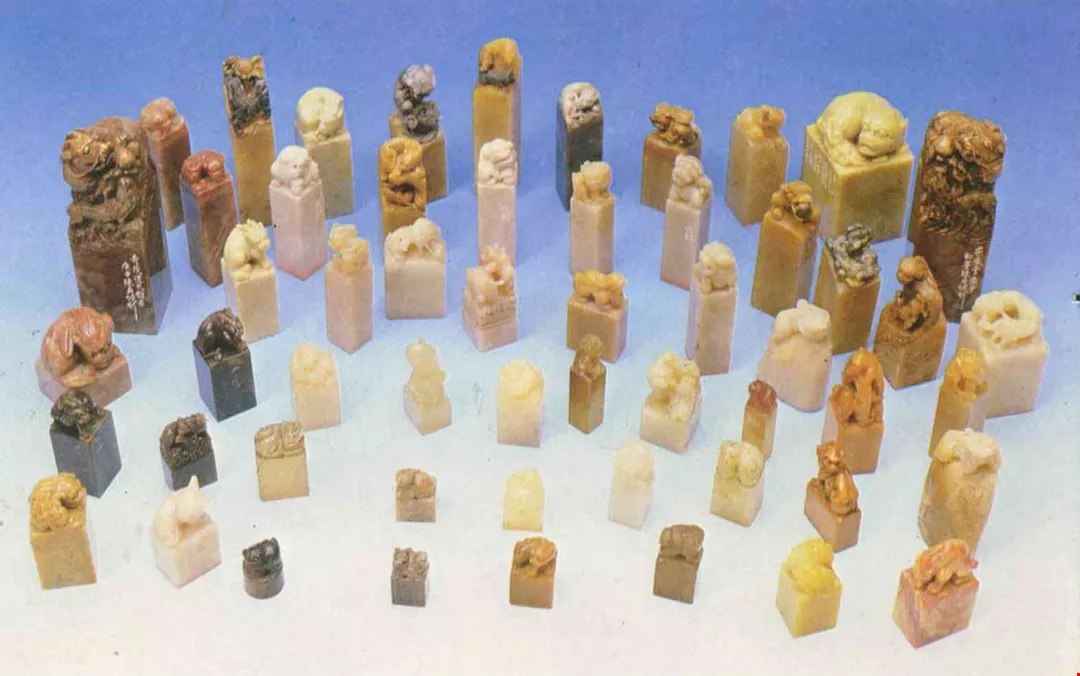
1. Some of the many seals collected by Li Chi-mao.
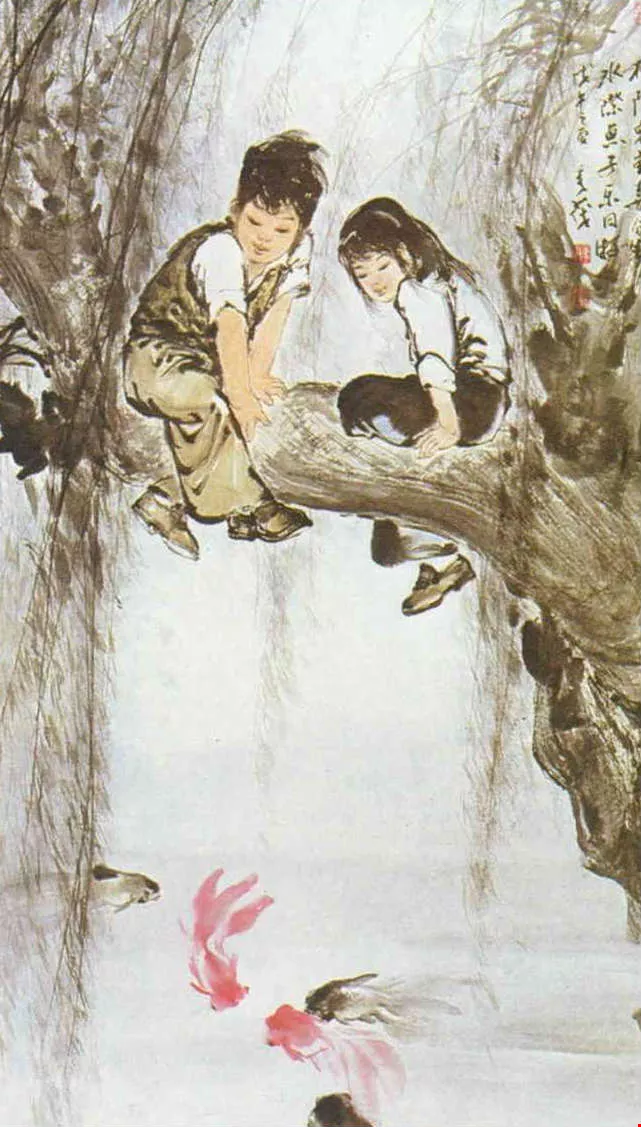
4. "Living and Playing Together in Childhood Innocence", 1976.
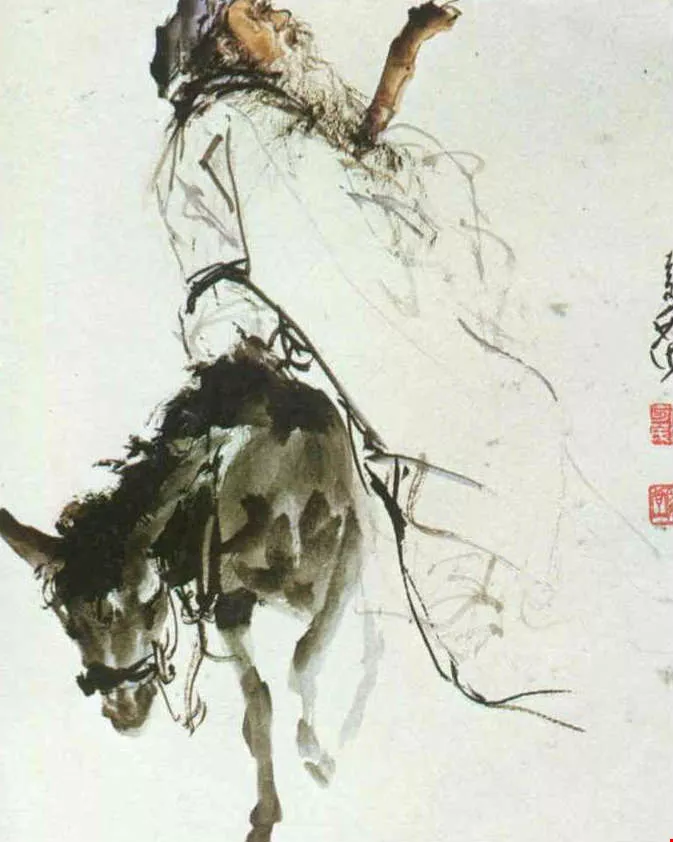
2. "Riding a Donkey Backwards", 1978.
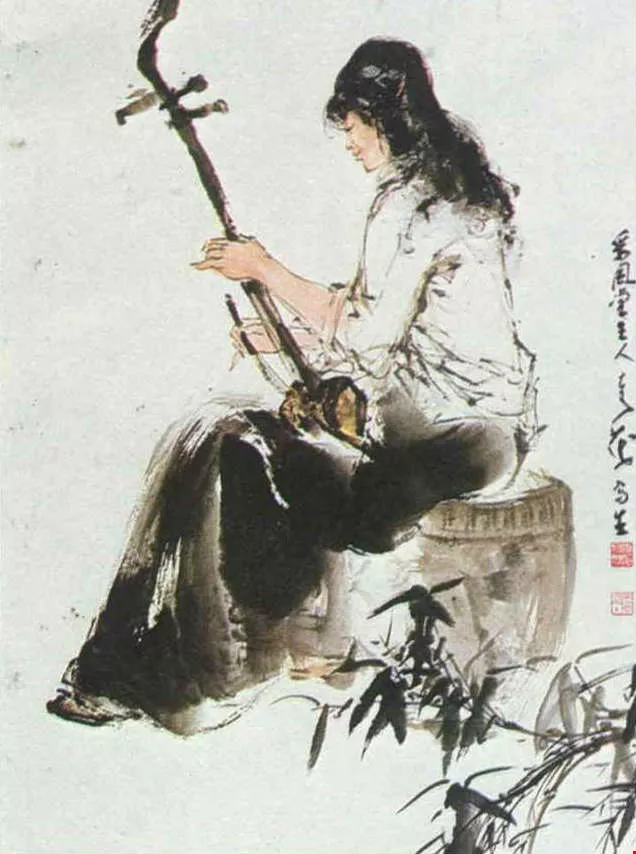
3. "The Chin's Melody Is the Heart 's Sound", 1976.
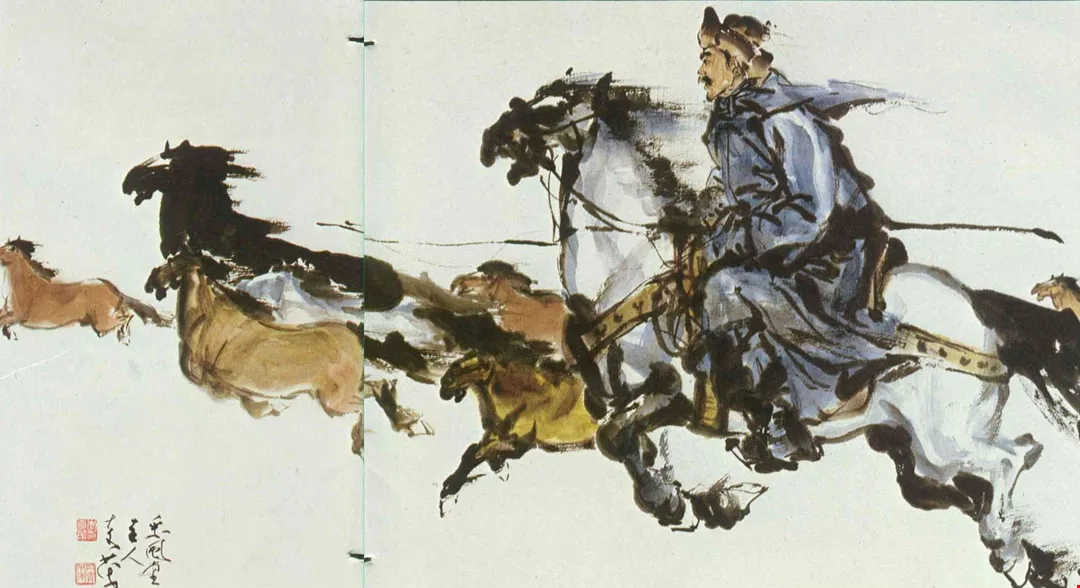
5. "Horse Herding", 1979.
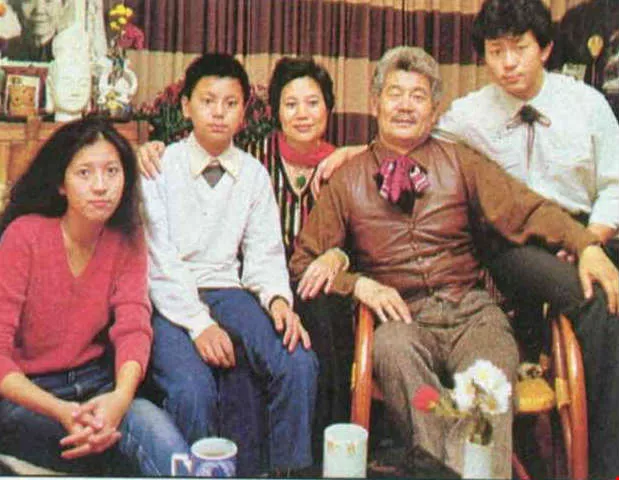
Left: Li Chi-mao and his family.
Right: "Spring Has Come", 1980.

@List.jpg?w=522&h=410&mode=crop&format=webp&quality=80)


