Who'll Do Best at the Olympics?
Sophia Lin / photos Chien Yung-pin / tr. by Gerald Hatherly
December 1986


This past October the attention of Asia's media was focused on the Asian Games, the Olympic-style athletic festival held once every four years. The 1986 edition of the Games, held in Seoul, South Korea, were seen as an important warm-up for the 1988 Olympic Games also to be held in Seoul. In addition to the host city and its facilities, international interest was focused on the athletic performances. As the world grows smaller, athletic meets like the Asian Games and the Olympics are important venues for promoting national achievements. Throughout the nearly 20 days of competition outstanding performances and new records were set in many events, especially in sports like archery and swimming. Asian archers, long among the best in the world, performed exceptionally well, establishing three meet marks in the newly introduced double target events. At the pool, Asia's aquatic athletes rewrote every record in the book except in the women's 200 meter breast-stroke. As encouraging as these performances are, they take on a different light when compared to international standards.
Archery results are an apt reflection of the depth of Asian strength in this event. In seven of the events, results exceeded existing Olympic records. Swimming, however, in spite of the great strides made in Seoul this year, pales in comparison to international rankings. The performances from this year's Games would not rank among the top 10 international results in most events. In fact, except for Japan's Nagasuki Koko (who is world ranked in the women's 200-meter breaststroke), no Asian country has produced a swimmer of international caliber in the past ten years.
The large discrepancy between Asian and international athletic performances has led many people to ask: "If the competitors are all subjected to rigorous training programs, why is there still a gap in the performance results?"
"Body build," says Chien Yao-hui, Director of the Physical Education Research Department at the National Taiwan Normal University, "is one of the greatest factors influencing this." Political systems (witness the athletic successes of the East Bloc and the USSR), living standards, training environments, financial rewards (as with track and field in Europe and the United States), and a nation's view of the value of athletics can also influence results. But the most important factor is still the body you are born with.
According to statistical information concerning body build among the three major racial groupings (the Mongoloid or yellow; the Caucasian or white; and the Negroid or black) Caucasian males are, on average, 1 meter 77 centimeters tall (5 feet 10 inches) at maturity while Caucasian females have an average height of 1 meter 65 centimeters (5 feet 5 inches) at maturity. Negroids average two to three centimeters shorter, and Mongoloid people up to 10 centimeters shorter. Negroid and Mongoloid groups tend to be between five and ten kilograms (11 to 22 pounds) lighter than Caucasians at 18 years of age.
This height and weight difference, therefore, can be advantageous in athletic events. In swimming a height advantage off the blocks gives the taller competitor a distance advantage before hitting the water. During the 1984 Olympic Games in Los Angeles, all 27 gold medals contested were captured by Caucasian swimmers. Field events (track and field) like the shot putt, discus, and the javelin have been the exclusive property of athletes from the USSR, the East Bloc, and the United States. And while basketball is popular throughout the world, teams from Asia have little chance against their taller counterparts from Europe and North America.
The height and weight differences of Negroid competitors have proven to be an advantage, especially in the sprints and jumping events. Proof of this can be found in reviewing the 100 and 200 meter finals of past Olympic Games. At least half of the field has been black, and in the finals of the men's 100 meters at the 1984 Los Angeles Games all eight runners were black. Carl Lewis, a black American, emerged as the star of the track portion of the '84 Games capturing four gold medals: in the 100 meters, 200 meters, the long jump, and the 4×100 meters relay. Lewis' physical make-up-he stands 1.88 meters (6 feet 2 inches) and weighs 77 kilograms (170 pounds)--has been cited by many track experts as being the ideal athletic physique.
With black and white athletes posses sing such physical attributes, what can athletes of Mongoloid stock do?
"While Mongoloid athletes are generally smaller," says Professor Huang Hsien-chien of the National Taiwan Normal University, "disadvantages also stem from the fact that most of the rules and regulations concerning international sporting events originate in Europe and North America. For example, in volleyball the net is set above the height of the players so naturally taller players have an advantage. In soccer the taller player can head the ball before it hits the ground, putting shorter players at a disadvantage."
In 1984 Professor Fang Jui-min, also of the National Taiwan Normal University, addressed the question of the Mongoloid athlete in a report entitled, "A Comparison of Body Build and Ability Among Different Countries". While athletes of Mongoloid extraction may have less speed, explosive power, and elasticity than either black or white competitors, Professor Fang pointed out that their endurance levels are similar and that a lower center of body weight gives them an advantage in forward/ backward movement. Therefore, competitors from the Orient excel in events like table tennis, badminton, volleyball (net sports), as well as individual sports like archery, shooting, gymnastics, baseball, golf, bowling, and endurance events like the marathon or long distance cycling.
With this information in mind and the upcoming 1988 Olympic Games just under two years away, the Republic of China's Selection Training Committee has emphasized intensive training programs and support in 12 sports considered to be those athletic events with the most potential for international and Olympic success. The sports are: table tennis, weight lifting, taekwondo, judo, baseball (a demonstration sport for the 1988 Games but slated to become a formal event in 1992), archery, shooting, gymnastics, cycling, track and field, swimming, and women's basketball.
Weight lifting, baseball (the Republic of China's most successful sport in international competition), archery, cycling, and shooting-all these sports offer potential success in the future. With the 1988 Olympic Games in Seoul as their goal, hard work may pay off in new athletic success for athletes from the Republic of China.
[Picture Caption]
Taekwondo and baseball, two sports that offer the greatest chance for an Olympic medal, will be demonstration sports at the 1988 Summer Olympics held in Seoul, South Ko rea. (left: photo by Chung Yung-ho; right: photo courtesy of Sports World Magazine).
Left: Results from the lighter weight divisions in weight lifting place competitors from Taiwan close to top international totals. Pictured is rising star, Lin Tze-yao in action at the 1986 Taiwan Area Games.
Right: Decathlete Ku Chin-shui's pole vault best of 5.13 meters is a national record but still well short of the 5.55 meters Asian record, and the world mark of 6.01 meters held by Sergei Bubka of the Soviet Union.
Table tennis champions, Wu Wen-chia and Huang Hui-chieh, run stairs to develop their strength. There is great hope that the two will turn in good performances at the 1988 Summer Olympics in Seoul, South Korea.
(photo by Chung Yung-ho).
The height and build advantage of this West German female athlete is clearly evident as she leads all the way in her track event at this year's Republic of China Invitational Track and Field Meet.
While cyclists from the Republic of China show great promise when compared to their Asian counterparts, they must still train a lot harder to match top international standards.
Archery is one sport in which many feel competitors from the Republic of China can shoot their way into the Olympic top ten.
When the cagers from Free China tangle with their taller rivals from Europe and North America, what are the chances for victory? (photo courtesy of Sports World Magazine).
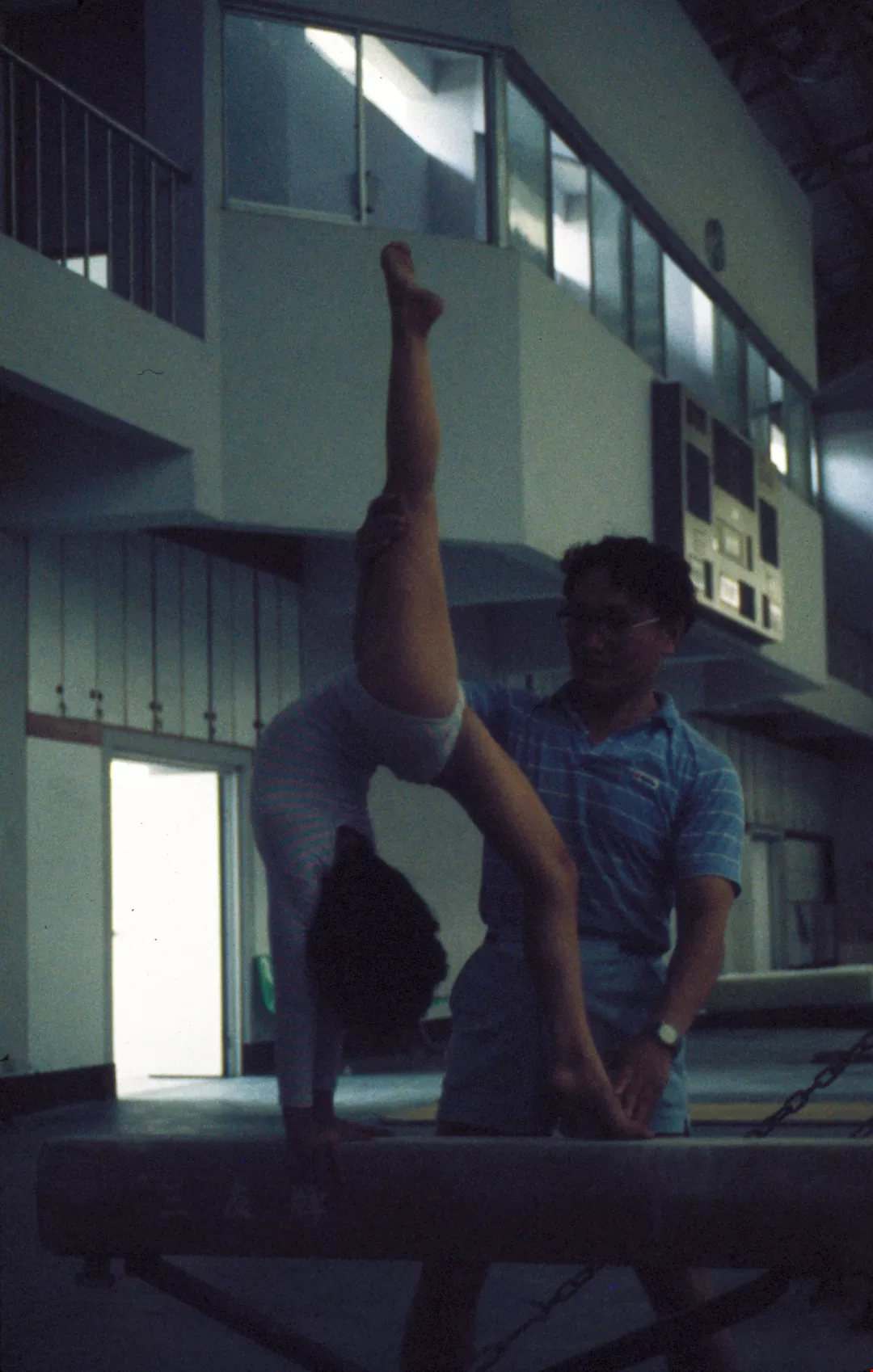
As the Tso Ying Athletic Training Center gymnastics coach, Wang Pinyi diligently oversees the training of promising young gymnasts under the age of ten. The target is to develop talent for the 1992 and 1996 Summer Olympic Games. (photo by Chung Yung-ho).
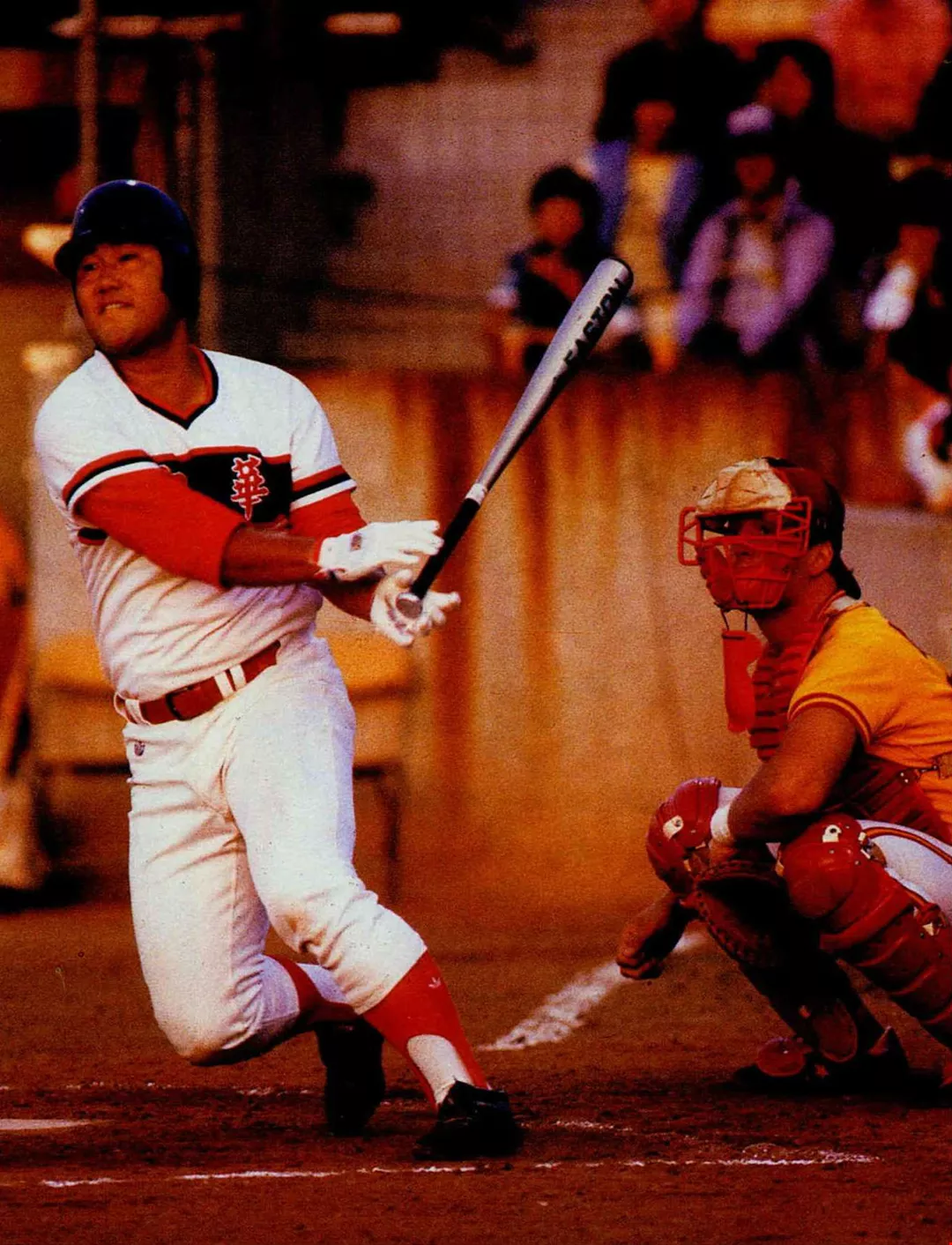
Taekwondo and baseball, two sports that offer the greatest chance for an Olympic medal, will be demonstration sports at the 1988 Summer Olympics held in Seoul, South Ko rea. (left: photo by Chung Yung-ho; right: photo courtesy of Sports World Magazine).
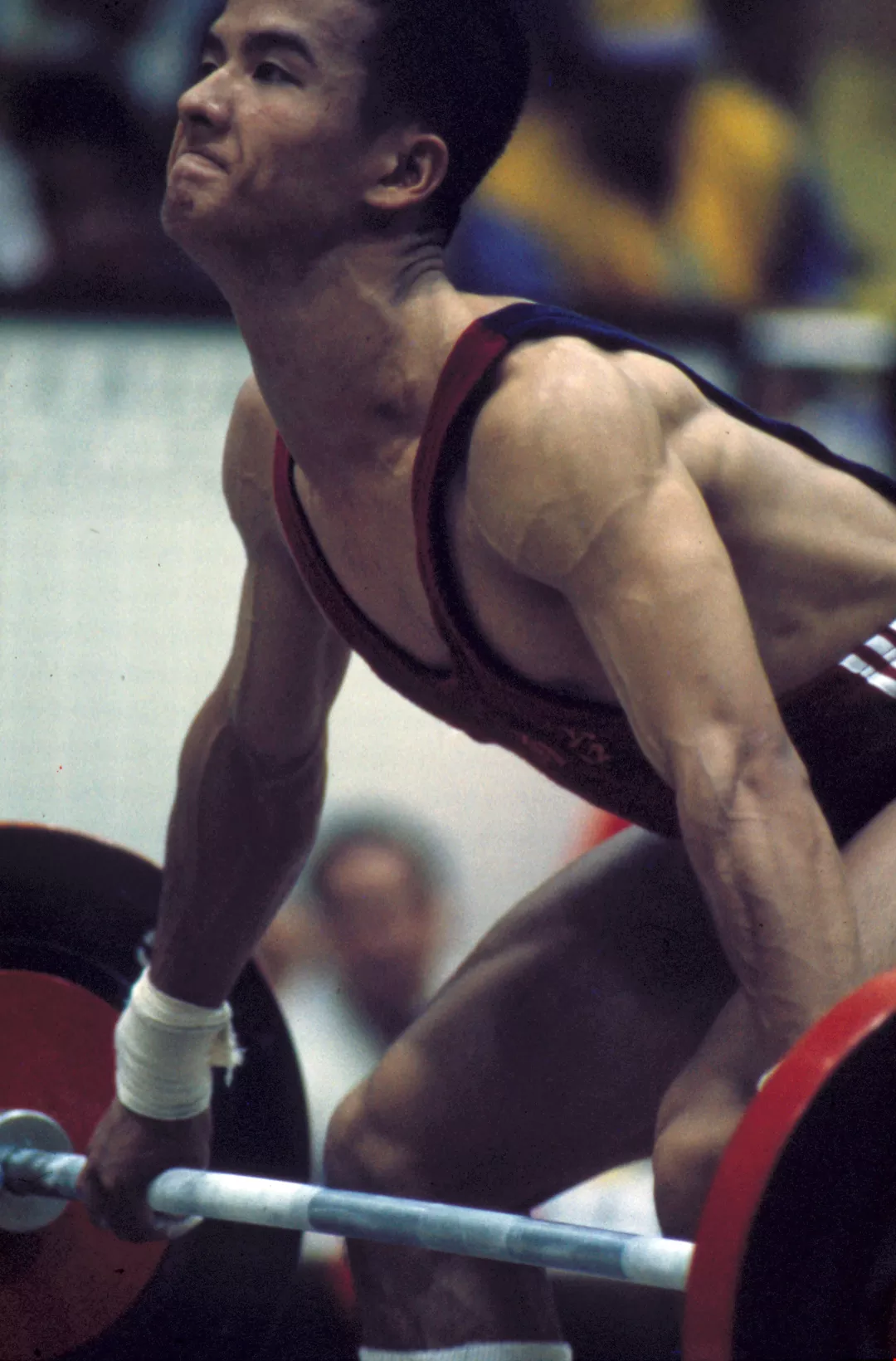
Left: Results from the lighter weight divisions in weight lifting place competitors from Taiwan close to top international totals. Pictured is rising star, Lin Tze-yao in action at the 1986 Taiwan Area Games.
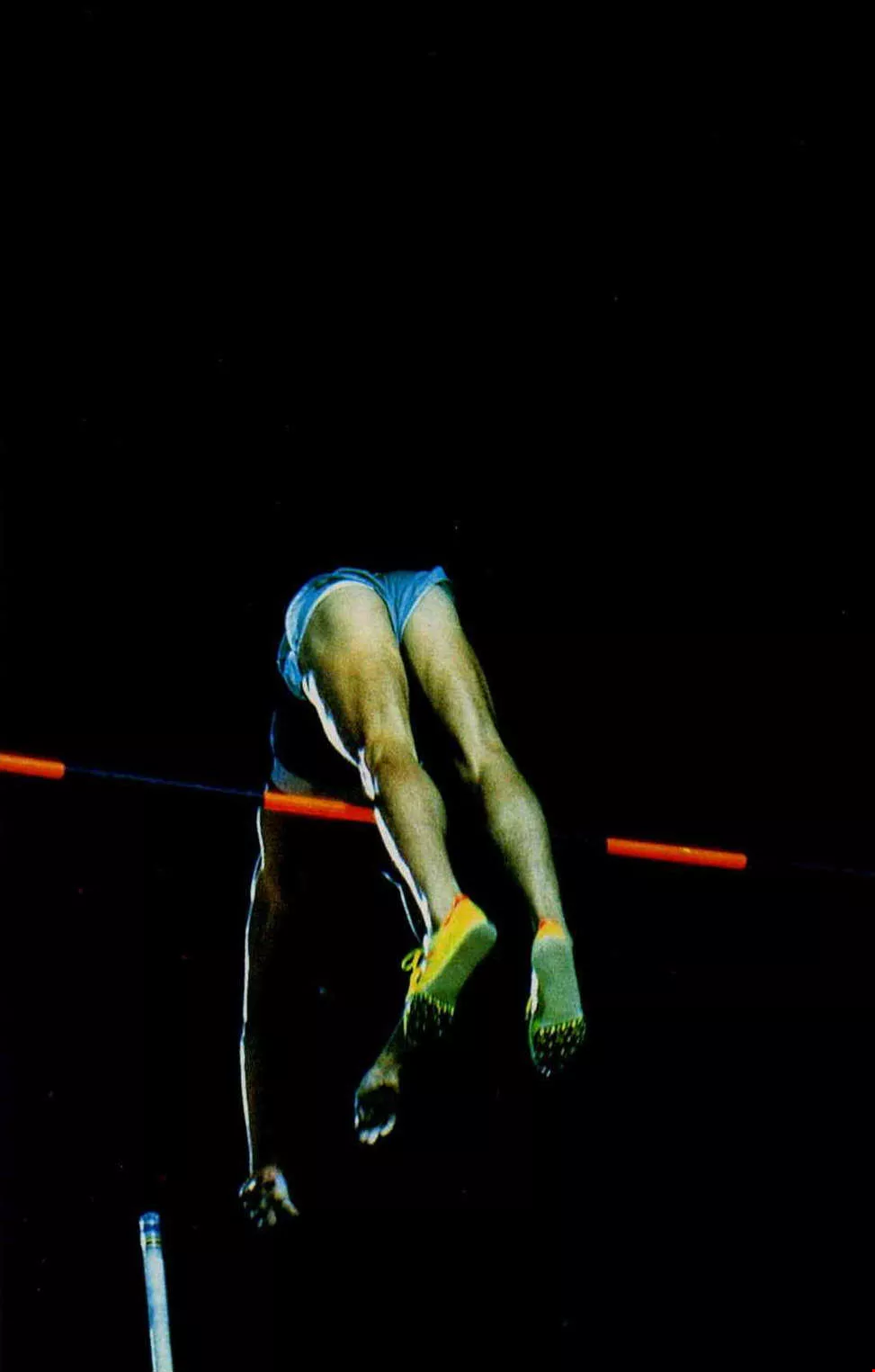
Left: Results from the lighter weight divisions in weight lifting place competitors from Taiwan close to top international totals. Pictured is rising star, Lin Tze-yao in action at the 1986 Taiwan Area Games.
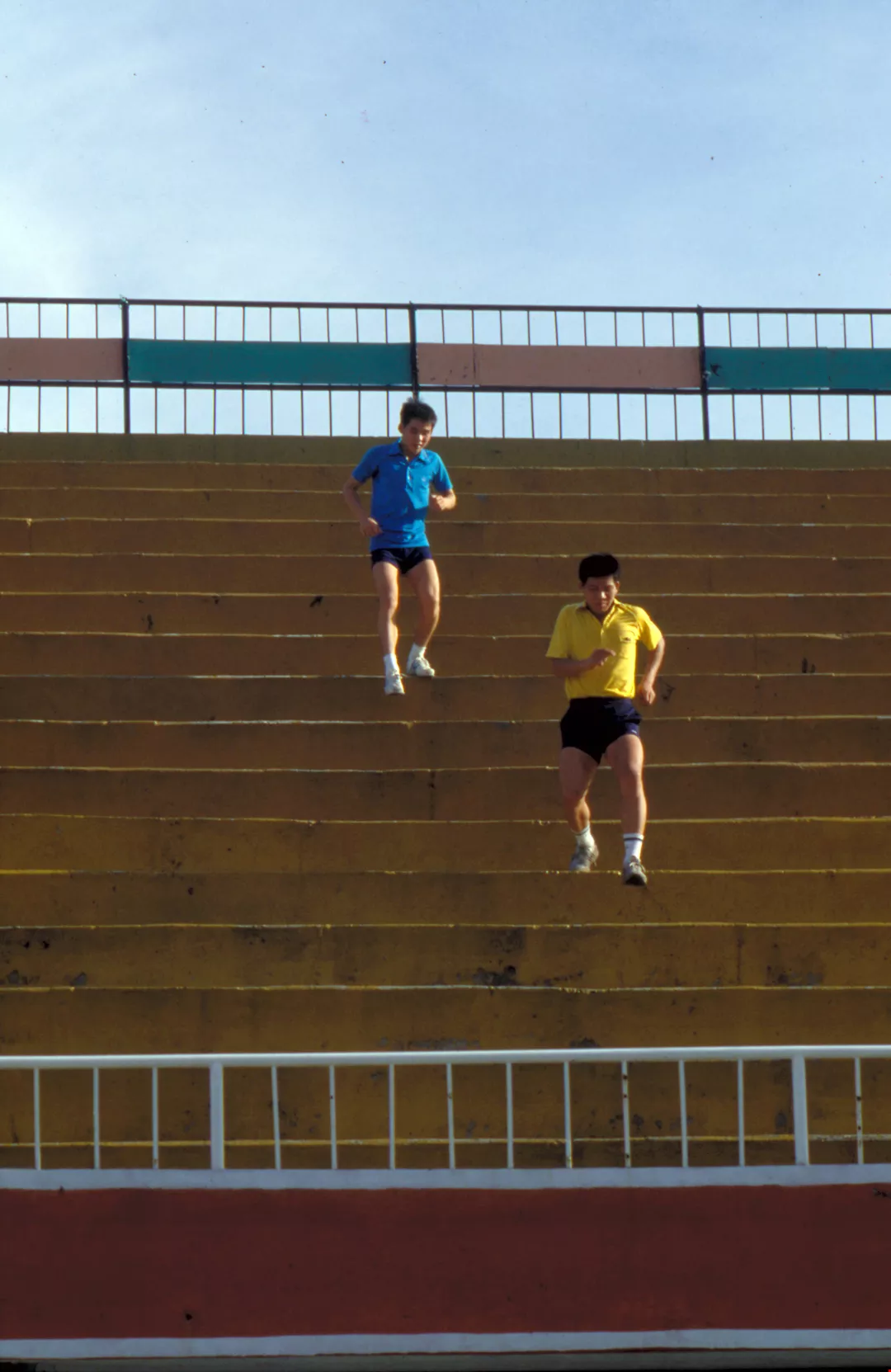
Table tennis champions, Wu Wen-chia and Huang Hui-chieh, run stairs to develop their strength. There is great hope that the two will turn in good performances at the 1988 Summer Olympics in Seoul, South Korea.
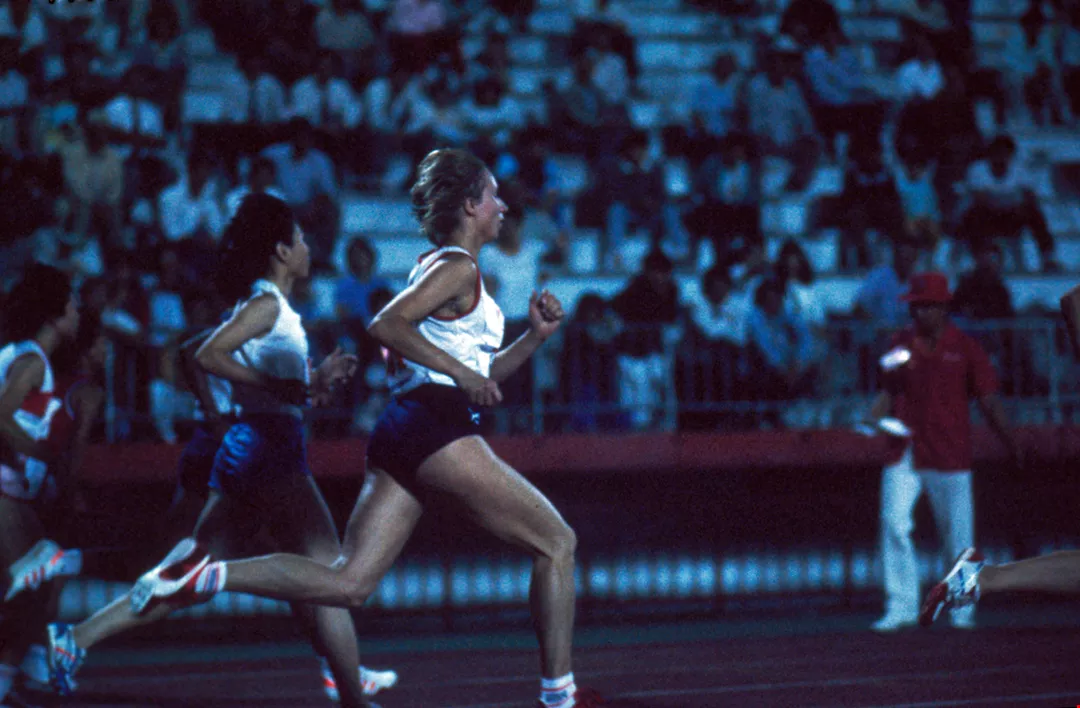
The height and build advantage of this West German female athlete is clearly evident as she leads all the way in her track event at this year's Republic of China Invitational Track and Field Meet.
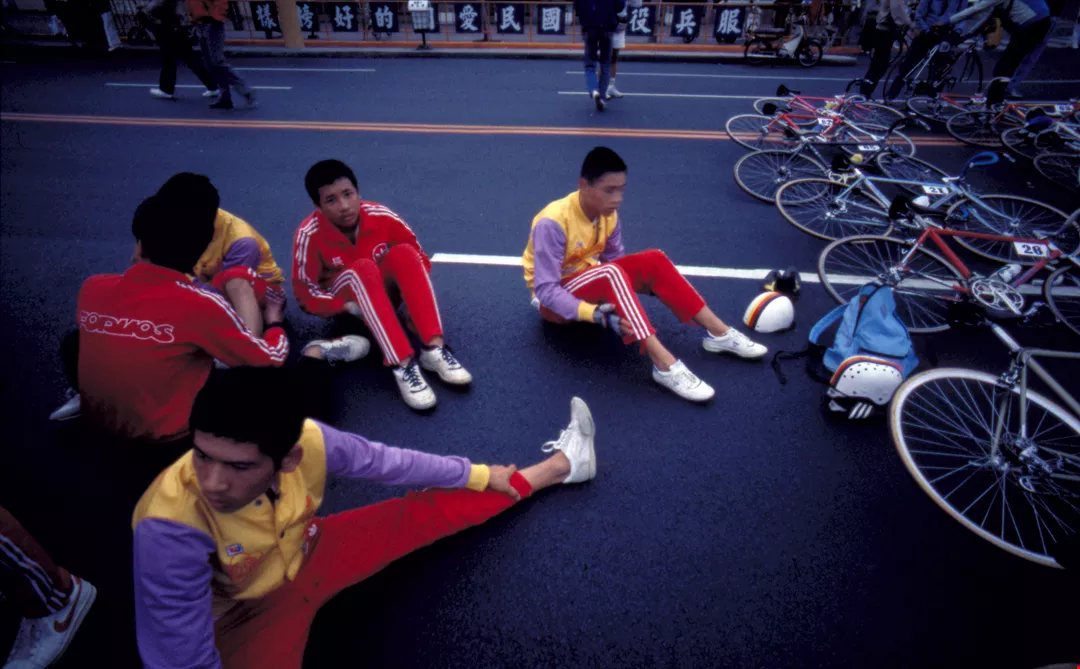
While cyclists from the Republic of China show great promise when compared to their Asian counterparts, they must still train a lot harder to match top international standards.
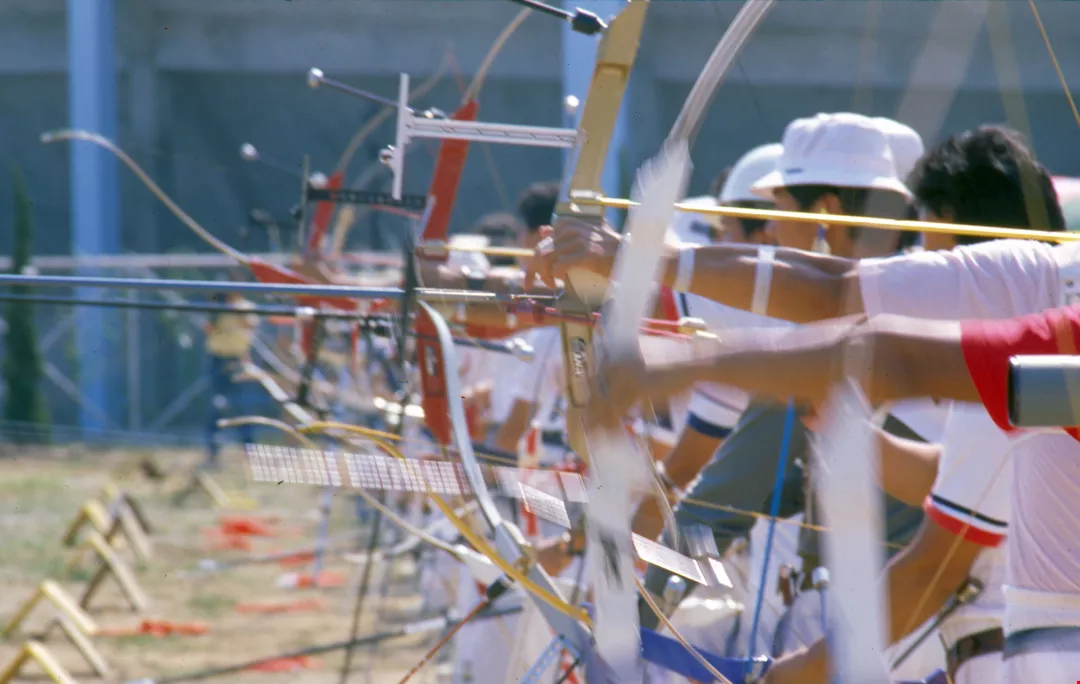
Archery is one sport in which many feel competitors from the Republic of China can shoot their way into the Olympic top ten.
When the cagers from Free China tangle with their taller rivals from Europe and North America, what are the chances for victory? (photo courtesy of Sports World Magazine).

As the Tso Ying Athletic Training Center gymnastics coach, Wang Pinyi diligently oversees the training of promising young gymnasts under the age of ten. The target is to develop talent for the 1992 and 1996 Summer Olympic Games. (photo by Chung Yung-ho).

@List.jpg?w=522&h=410&mode=crop&format=webp&quality=80)

@List.jpg?w=522&h=410&mode=crop&format=webp&quality=80)


