The Taiwan Games, Front Stage and Back
Jackie Chen / photos Vincent Chang / tr. by Gerald Hatherly
December 1986


For anyone with relatives or friends in the Kaohsiung area, chances are they recently received mail from that southern Taiwan city. According to statistics released by Kaohsiung's main post office the amount of outgoing letters suddenly grew by staggering proportions, especially during the period from October 15 to 23. During that week the number of letters handled by the office increased by 15,000 per day.
While this growth was not attributable to a sudden interest in letter writing, there was a reason for this flurry of activity. These letters generally carried the same message--inviting friends and relatives to visit Kaohsiung. Why Kaohsiung? The answer, surprisingly, was to come down and be a spectator as Kaohsiung hosted this year's edition of the Taiwan Area Athletic Games.
An annual event now in its 13th year, the Games are held throughout the island province on a rotating basis. This year marked the second time Kaohsiung, Taiwan's chief southern city, played host. This time around, however, the visiting guest may have been somewhat over whelmed by the enthusiastic response of Kaohsiung's citizens. Getting into a taxi, passengers were greeted by drivers inquiring, "Going to the stadium? Welcome to Kaohsiung, today you ride free in my cab." In restaurants surprised patrons would be asked by staff members if they were athletes and if so they were entitled to a 20 percent discount.
Colorful signs decorating the cityscape welcomed visitors and exhorted athletes to return home in triumph. Visitors were surprised to see that the usual profusion of roadside hawkers was nowhere to be found and that the city was immaculately clean. Watching the crowds of visitors and city residents throng to the brightly lit stadium at night prompted one man to state, "During the Taiwan Area Games the whole city of Kaohsiung should go on holiday."
As the opening ceremonies for the '86 Games approached (held from October 25 to 30, 1986), one of the island's leading magazines conducted a comprehensive survey. In September they asked Kao-hsiung residents who they felt made the single largest contribution to the staging of the games. The largest response, some 30 percent of readers, singled out the citizens themselves. Nine days before the actual opening the same question was posed again. Once again the largest response group totalled 30 percent but the answer given was the city's flamboyant mayor, Su Nan-ch'eng. And as someone wryly noted, the mayor's tireless contribution began with two words, "not acceptable."
The decision to have Kaohsiung play host to the '86 Games was made two years ago during the closing ceremonies of the 1984 Area Games held in another southern Taiwan city, Fengshan. In May 1985 when Mr. Su left the city of Tainan (where he also served as mayor) to assume his post in Kaohsiung, most of the final planning decisions concerning the Games had been made. The city's planning committee for the Games had opted to locate the athletic stadium and the martial arts auditorium (it is the world's largest) in the same area around Chung Cheng Number One Road and the island-wide superhighway. In addition the other venues, including the cycling velodrome, archery, and shooting ranges were to be located in the Nantze area of the city. Basketball was to be staged in the Kaohsiung Senior High School, and volleyball in the Ch'ien Chen Middle School. The plans also included the refurbishing of seven existing athletic facilities. But once Mayor Su took office the planning schedule took some decidedly new turns.
When he went to the Department of Education to hear the planning presentation and view the blueprints he wrinkled his brow, took a marker in hand and wrote the infamous two words, "not acceptable." As he wisely pointed out, locating the two largest venues in close proximity (the stadium and the martial arts auditorium) would reduce the excitement associated with the event as well as create problems with traffic control and the city's plan to add greenery to the area. At one point he personally went out to the proposed work site and pointed to a piece of land in the opposite direction asking, "How big is that piece of land?" His secretary responded, "Four point nine hectares." The land had been allotted for the Chung Cheng Middle School but Mayor Su quickly instructed the board to build the stadium there. His decisions threw the well-ordered plans into disarray. While land-use plans could be altered and venues approved, the problem lay in the time factor. With just 16 months before the opening ceremonies new headaches were created for the planning committee.
In spite of the additional burden Mayor Su was saddled with, everything got done in time for the October opening. "The heavens," Mayor Su jokingly pointed out, "were with us." Kaohsiung received little rain during that time and despite the threat of three serious typhoons, was spared from any major damage.
The mayor, noted for being a perfectionist, wanted only the biggest and the best for the Kaohsiung Games. For example, the stadium's track was designed to match the same standards used for the 1984 Olympic track in Los Angeles while the most sophisticated air-conditioning and heating systems were installed in the other facilities. After assessing all expenses the final costs to stage the 1986 Games amounted to US$55 million. But Mayor Su, as his colleagues point out, also has another strong point-he knows how to allocate funds.
While a great deal of the cost was picked up by the city government, the citizens of Kaohsiung made substantial contributions both in terms of financial donations and moral support. The mayor encouraged public participation through such novel ideas as the "one person one letter" campaign in which citizens wrote letters inviting friends and relatives to come south to Kaohsiung to watch the Games. The city government stepped up its campaign to promote sanitation and cleanliness while parades and a giant "Dance for the Games" dancing party were also held in conjunction with the opening.
The success of the Games themselves could be seen in the daily attendance figures. The 30,000 seat stadium was packed for each night's finals, and spectators filled the aisles in the martial arts auditorium, even during the daytime.
Such enthusiasm prompted Chi Cheng, the Republic of China's premier track and field figure, to exclaim, "The spectators deserve a gold medal."
While a record 25 sporting events were on the 1986 Games slate and some 45 athletes broke national records and 120 broke meet records, the overall athletic performances were not a solid success to some experts. When the results of the events were compared to the results from the recently staged Asian Games held in Seoul, South Korea, the Republic of China would have only earned a bronze medal in the women's high jump.
But the popularity of the Kaohsiung Games (seen across the country on television) served to inspire the country like no other athletic event since the island's Hong Yeh and Chin Lung Little League Baseball teams captured world championship titles. Like those celebrated victories, 1996's Taiwan Area Games promise high athletic hopes for the future.
[Picture Caption]
The stadium track, built to conform to the standards of the '84 Los Angeles Summer Olympics track, is the most advanced track facility on Taiwan.
Nighttime competition was held for the first time during the 1986 Taiwan Area Games. Each evening a capacity crowd of 27,000 enthusiastic fans crowded into Kaohsiung's Ch ung Cheng Athletic Stadium to catch the action. (photo by Chien Yung-pin).
Swimming was one of the Games' premier events. This year 17 competitors broke national records in a total of six events. (courtesy of the United Daily News Information Center).
One of the special features at this year's Games was a wishing pond situated in front of the stadium.
The elasticity of the Games' track proved to be too good as some competitors could not get used to it and fell. (photo by Chien Yung-pin).
The computerized electronic screen followed the progress of the competition as well as recording the competitors' final times.
The noise and action may be below him, but sitting up in a high-rise this young boy can read in peace and quiet.
Excited students enjoy a chance meeting with competing cyclists.
In order to emphasize cleanliness, Kaohsiung's Department of Environment held a special promotion at the athletic stadium. For every bag of garbage turned in the recipient was awarded a toy. (photo by Chien Yung-pin).
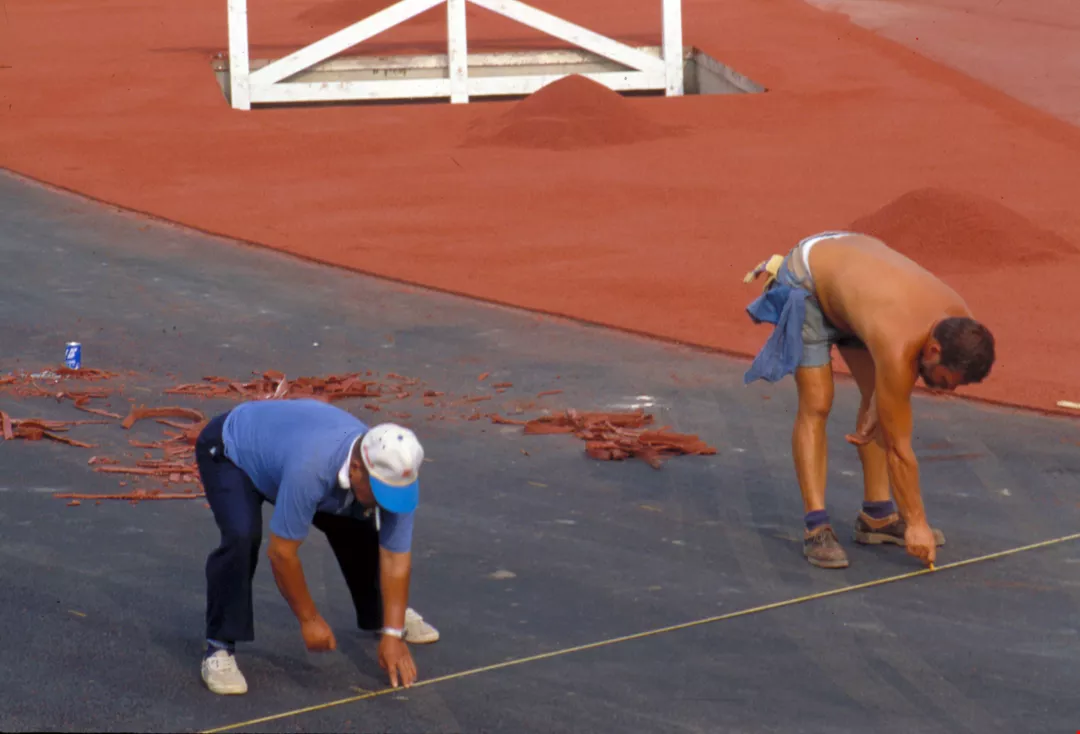
The stadium track, built to conform to the standards of the '84 Los Angeles Summer Olympics track, is the most advanced track facility on Taiwan.
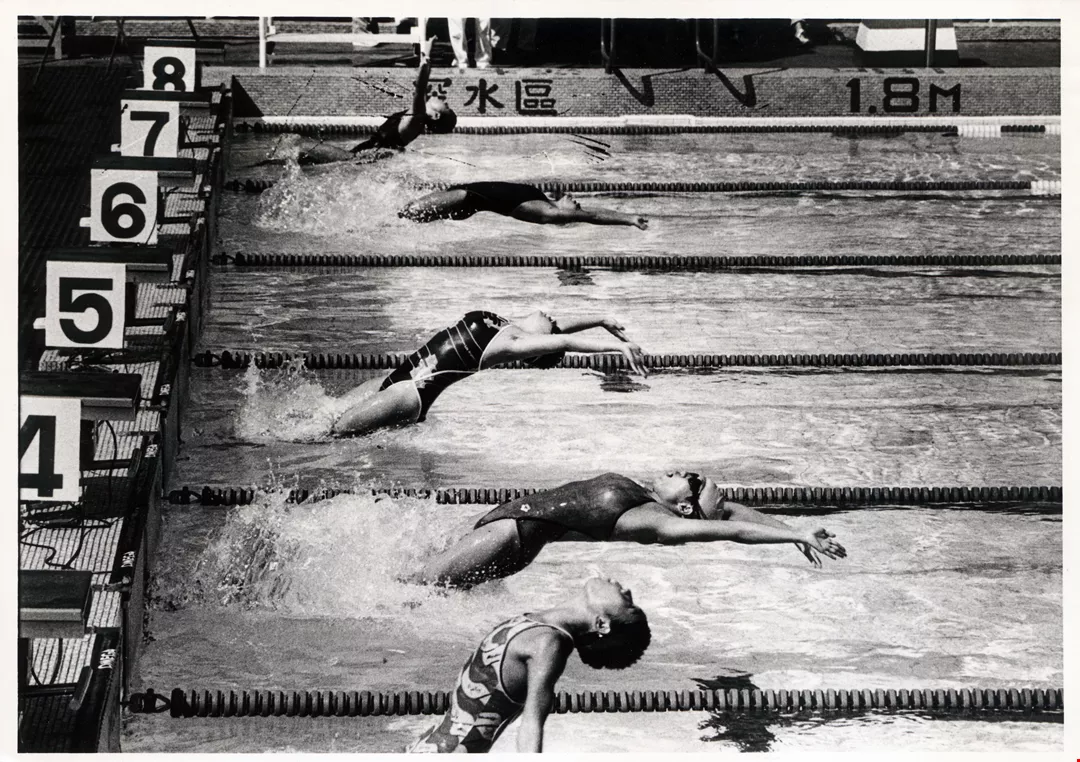
Swimming was one of the Games' premier events. This year 17 competitors broke national records in a total of six events. (courtesy of the United Daily News Information Center).
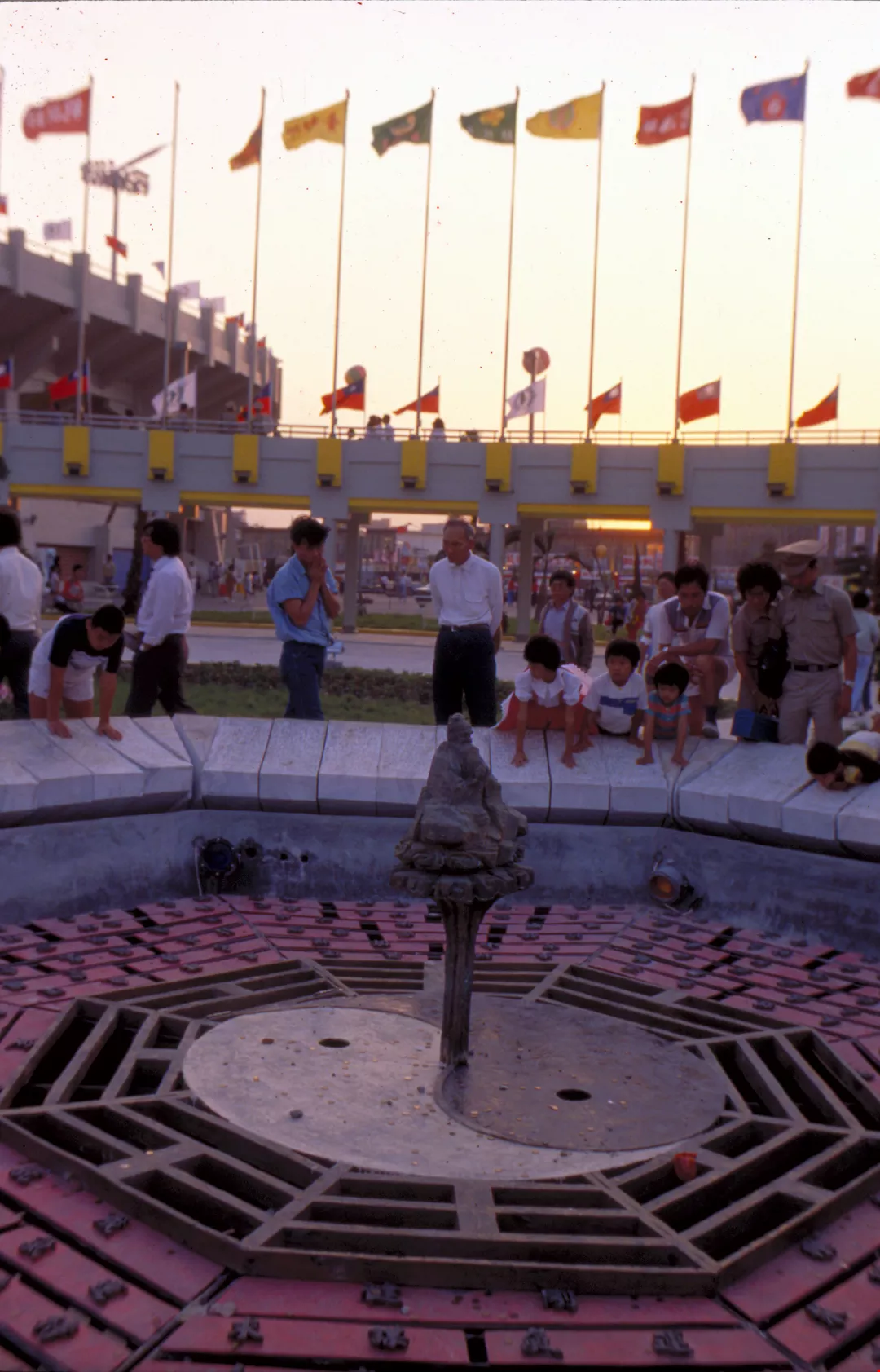
One of the special features at this year's Games was a wishing pond situated in front of the stadium.
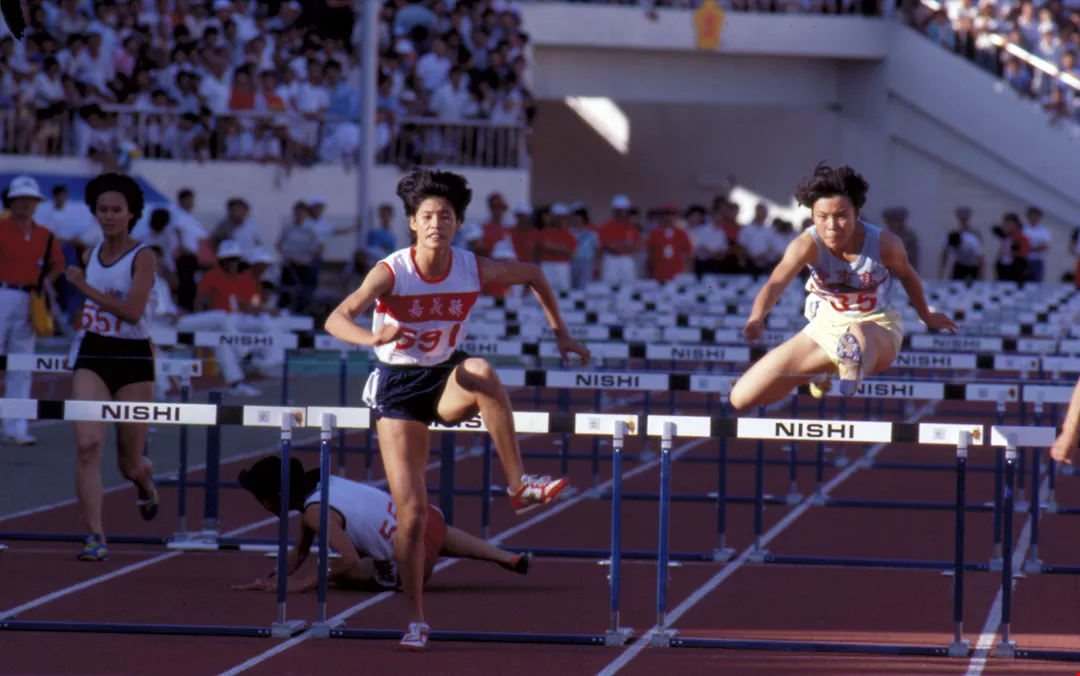
The elasticity of the Games' track proved to be too good as some competitors could not get used to it and fell. (photo by Chien Yung-pin).
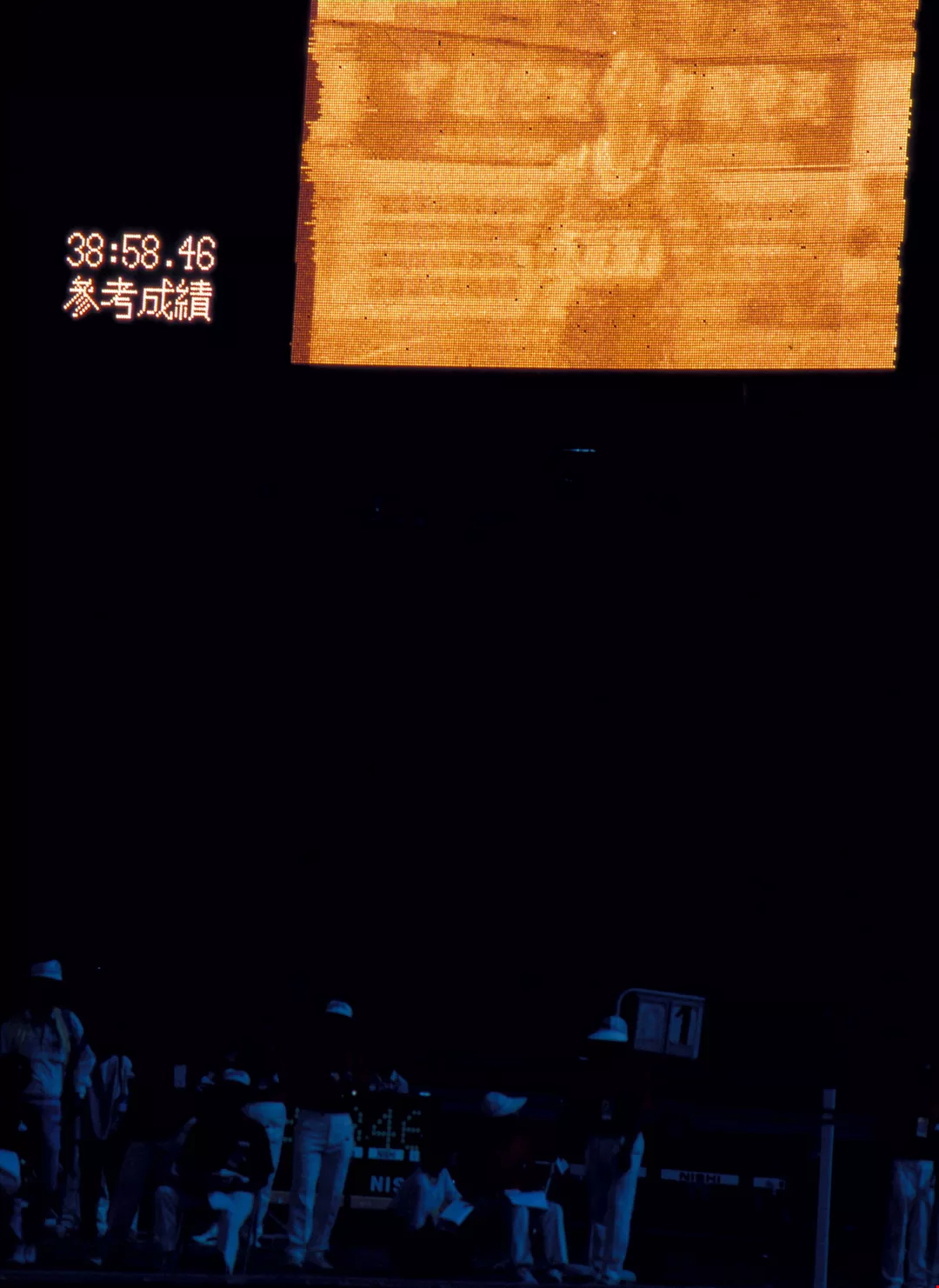
The computerized electronic screen followed the progress of the competition as well as recording the competitors' final times.
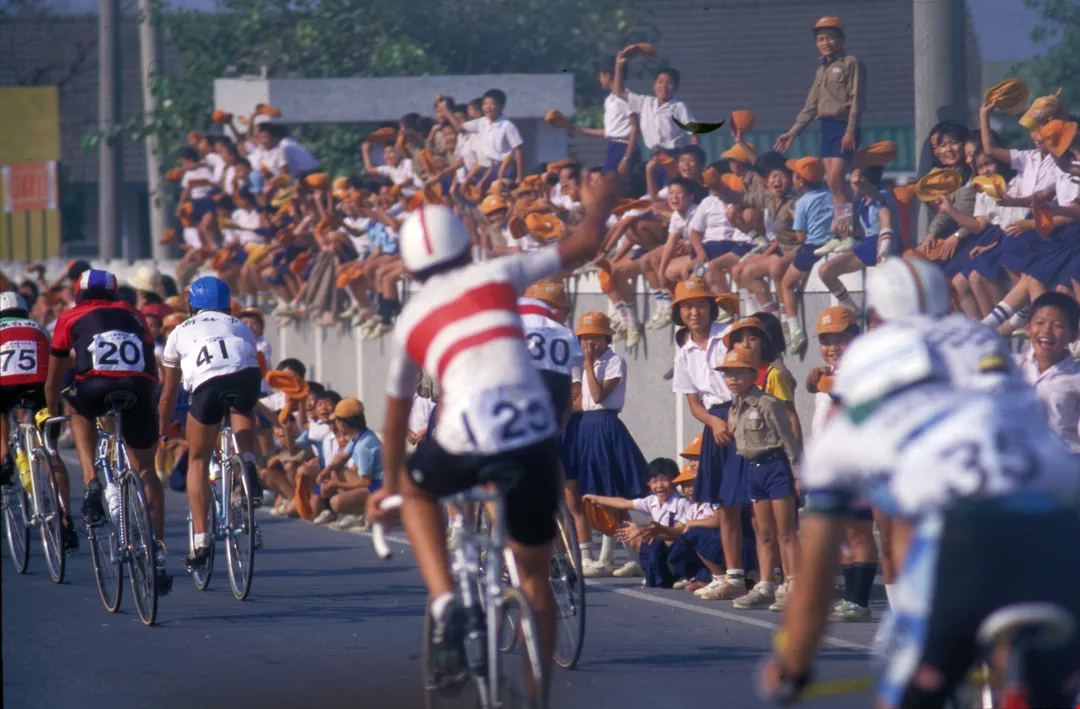
Excited students enjoy a chance meeting with competing cyclists.
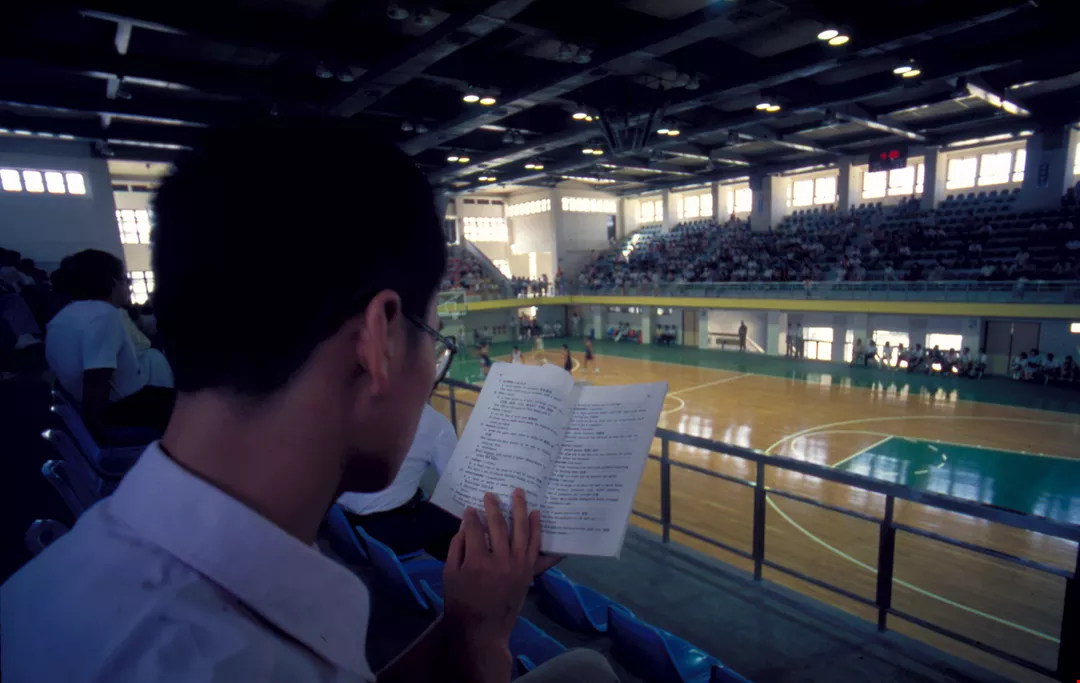
The noise and action may be below him, but sitting up in a high-rise this young boy can read in peace and quiet.
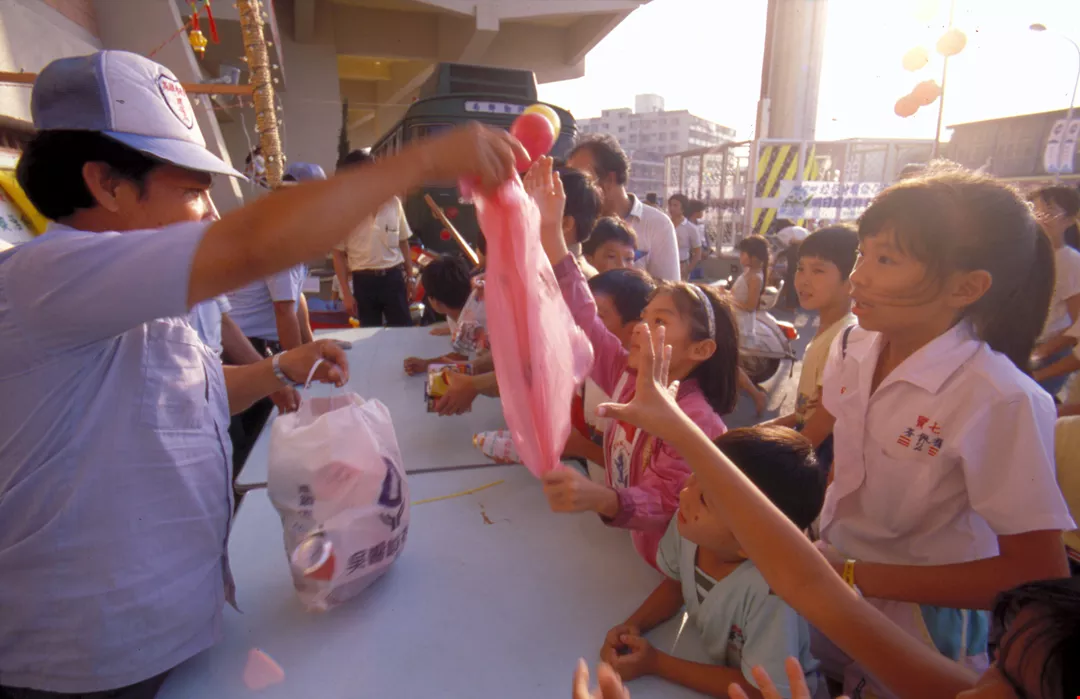
In order to emphasize cleanliness, Kaohsiung's Department of Environment held a special promotion at the athletic stadium. For every bag of garbage turned in the recipient was awarded a toy. (photo by Chien Yung-pin).

@List.jpg?w=522&h=410&mode=crop&format=webp&quality=80)

@List.jpg?w=522&h=410&mode=crop&format=webp&quality=80)


