Emotional reaction:
The awakening of feminist consciousness in modern women also has its "historical" factors. Chiu Chang is a famous attorney who has taken doctorates in both biology and law and who has in recent years not only been going everywhere to lecture but has also produced many books. She says that the reason she devoted herself so intensely to study, and even gave up her two children and a "pretty good" marriage, was that she was unwilling to follow the same old tragic tale so common among her family and neighbors: women who are left by their husbands, mistreated by their mothers-in-law, or whose husbands die and who are left with no way to make a living for themselves. She also strongly resisted the traditional "happy homemaker" model of a passive woman content with her lot in life, living for others. Thus she strongly rejected the classic fate of women, and decided to become self-reliant and not have to be led around by the nose by a man.
"Our generation is going through a reaction against the past and heading in the opposite direction," is how she analyzes herself.
Is it still necessary to react this way today?
"Our society has by no means changed!" says Yang Hsiao-jung, a professor in the Department of Sociology at Soochow University. He points out that women today go out to work and bring home part of the bacon, but anytime something goes wrong in the home--from forgetting to pay the electricity bill to a missing child--everyone blames the woman.
In fact, the situation is similar around the world. In her book Le Feminism. the French writer A. Michel raised the example of the then-USSR: The reason why the Soviet divorce rate was so high--one of every two marriages in large cities ended in divorce, one in three nationwide--was because women resorted to divorce to escape the pressures of home.
Looking for balance:
Still, the result of this reaction and the pursuit of self is that women pay a high price.
Li Hui-hui, a reporter at Taiwan Television, tells that she has a friend who laid out a strict life plan for herself, and she went abroad alone to study when her child was one. She originally thought that, with the support of her husband, everything would be OK. But when she returned home she found that her daughter seemed very depressed and insecure. "My friend often blames herself these days," says Li softly.
Others are more fortunate, and after gaining more experience, discover the value of family and begin the search for a new equilibrium point.
Chen Yueh-lin, originally a secretary at IBM, was wondering whether or not to just resign and stay home to take care of her child full time when her one year child-care leave was up. It was a difficult choice, but after her husband suffered a heart attack, after his recovery, she decided to give up her high pressure job for her family instead.
Chen Ya-lan, who is a medical technician at the Hsinchu Provincial Hospital, began to reassess whether or not to give up her well-ordered single life, in her case after the death of her mother. After her mother passed away, her married sisters came home for the funeral. Although all three sisters were deeply saddened, with the support of their husbands and children, the two younger siblings recovered more steadily. "There was only me, just like an orphan," she says. "I finally understood why the eternal wish of parents is to see their children married, so that they can pass on without worry."
Career vs. home:
Luo Yen-ning, a public relations officer at Hewlett-Packard, decided to change her life plan after the maternity leave for her second child was expiring. She admits that with her first child she hadn't yet fully realized the responsibility and significance of being a mother, and often left her child with others while she put in overtime. But during the eight-week maternity leave this time, spending day and night with both children, "it was only then that I realized what I was missing." She states that she always thought that the years from 30-40 would be ones of a hardcharging career. "Now I feel that these are the years for helping a husband and raising children." Consequently, she decided to turn down a better job opportunity--with better salary, a higher position, but also with more demands--and stay in her thoroughly familiar job in order to save more time to give to her family.
Li Hui-hui, who originally was director of the news reporting department at Taiwan Television, after having been married for five years without having produced any children, asked to be transferred to be morning news anchor. "I've always felt my family is very important to me, and that my life would be even more complete if I had a child," she says with a giggle. There was too much pressure in her previous post, and the hours were too long, so she couldn't find the time to see an obstetrician and to make a serious effort to get pregnant. Now that she is an anchor, she can put more into her home life: "At least now in the evenings I can make dinner and chat or go to a film with my husband."
Holding down the home front:
In fact, though there are more and more women for whom family is no longer made the top priority in life, most women still want to be able to consolidate their positions at home even while advancing in their careers. Wu Kuo-lin, an office chief in the personnel department of the Government Information Office, reveals that the reason there are ten men sent abroad for every woman is that many of her female colleagues can't arrange their home lives to accommodate such an assignment, and they have to give up the chance.
In order to look after both career and family when posted abroad, overseas women officers invest a lot of effort: Take for example Wang Li-chu, formerly assigned to the U.S. and now secretary in the international Office of the GIO, who convinced her entrepreneur hubbie to move part of his business overseas. Chou Po-lan, a first information secretary in Hamburg, Germany, encouraged her husband, an educator, to "pick up a PhD along the way." Chiang Su-hui, director of the Hongkong Office as well as Chang Lan-hsin, a first information secretary assigned to Washington D.C., brought their mothers and mothers-in-law overseas with them to help in looking after the home and kids.
"It is absolutely not true that modern women do not love their families. We just hope that this society will steadily change so that one day it won't be so difficult for us to hold our families close to us," says one career woman, herself wavering between job and family, speaking for many women today.
[Picture Caption]
p.14
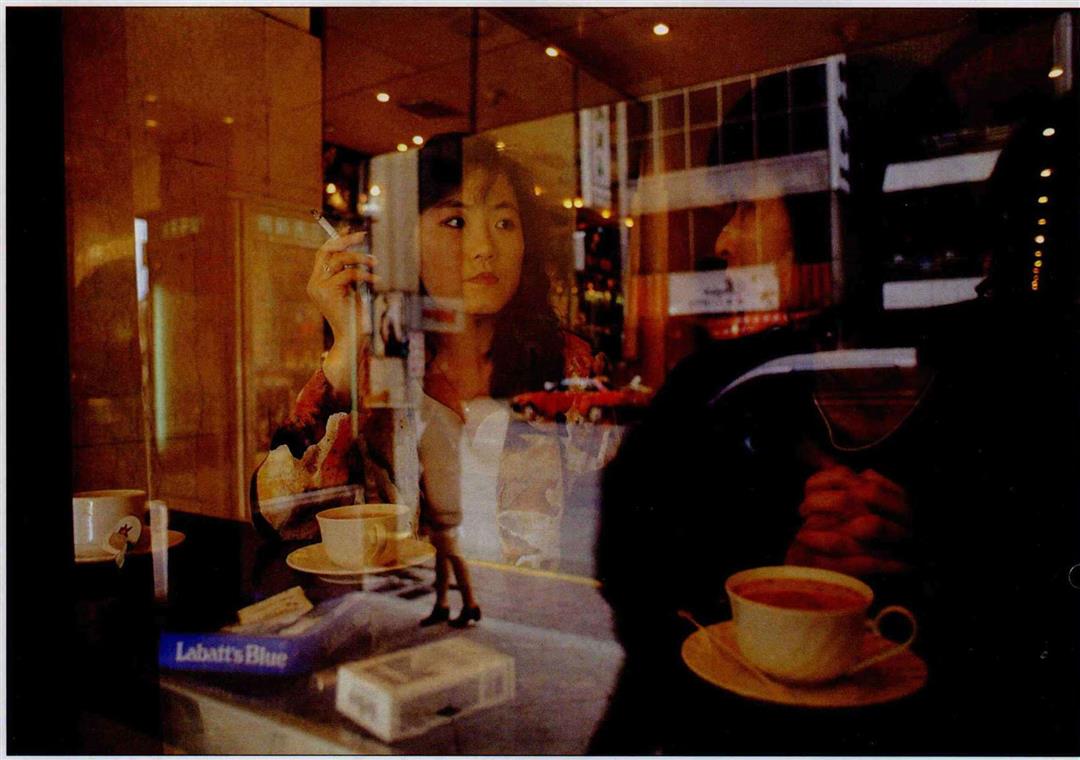
Many women put off marriage and make the most out of their freedom as singles.
p.15
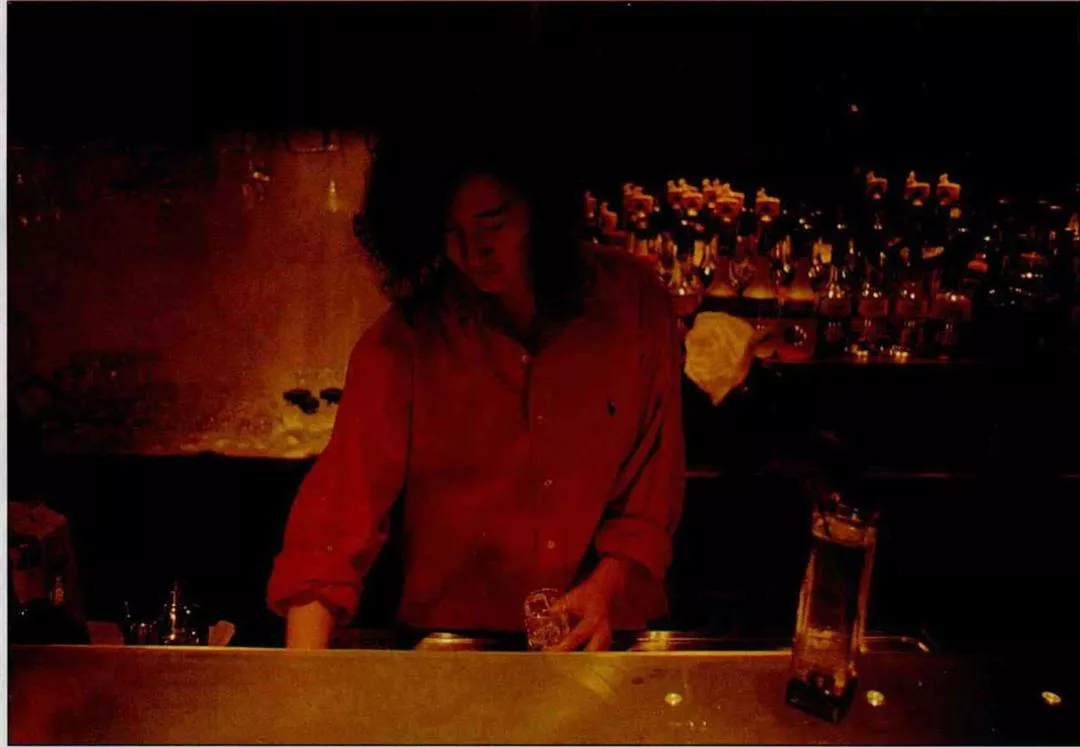
The night is alluring--who really doesn't want to go home?
p.16
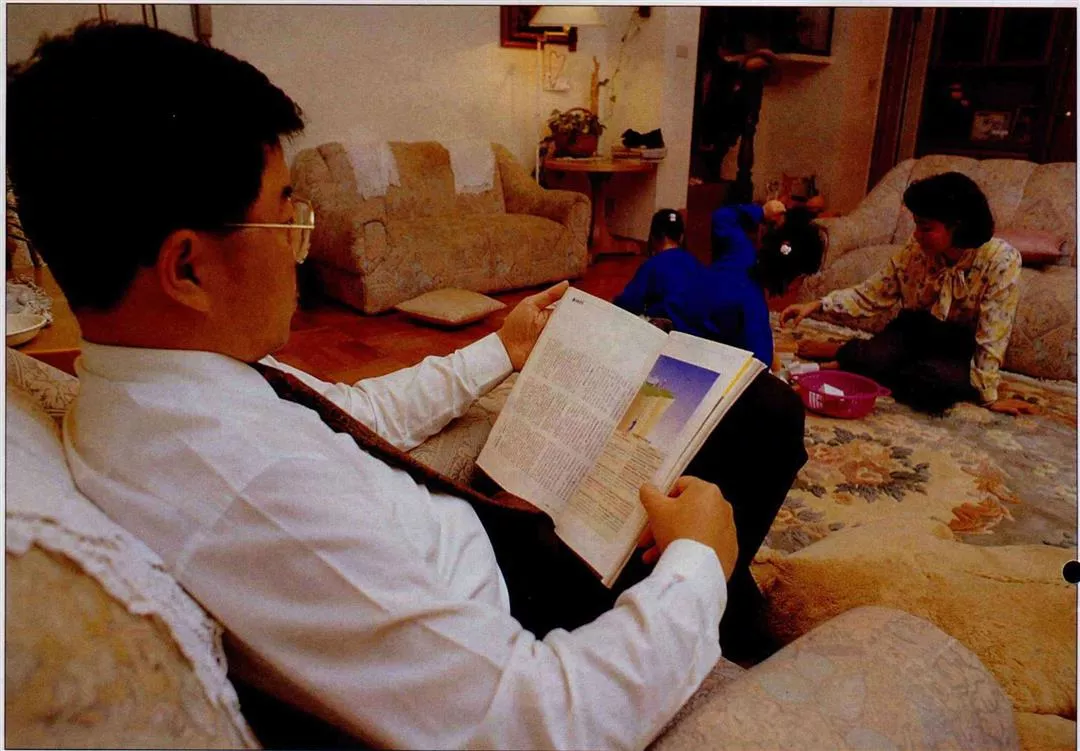
Modern women need even more support to hold close their families.
p.18
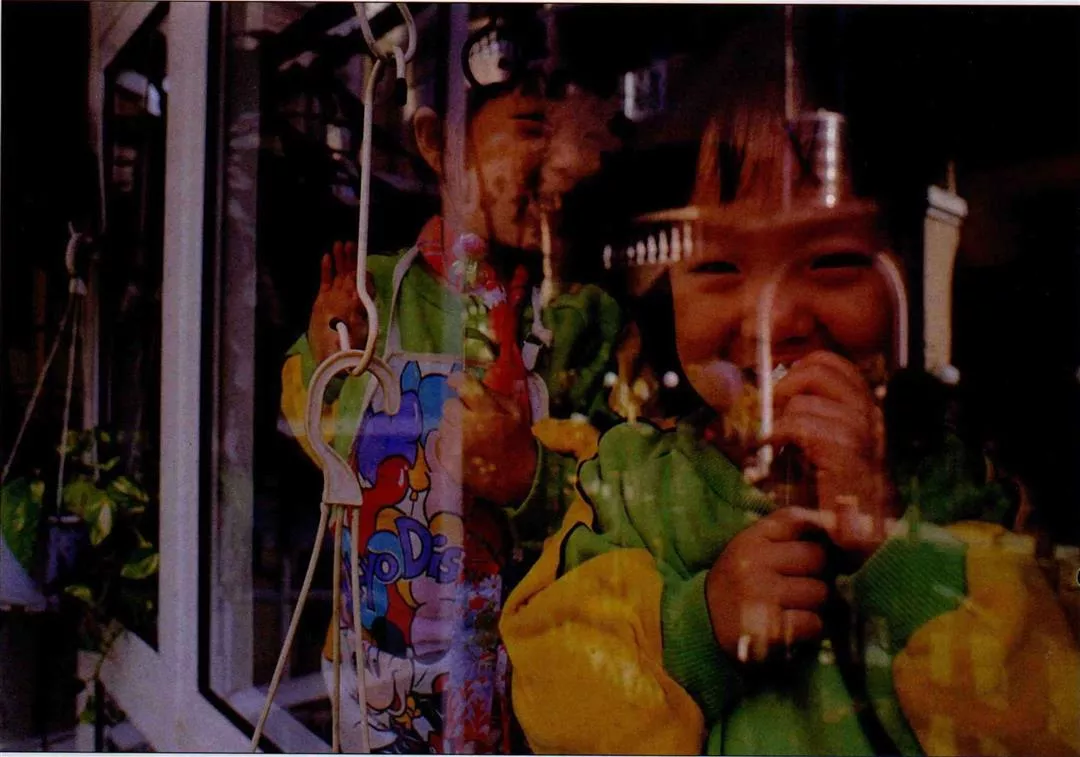
When seeing a child's happy face, any job or career goes on hold.



@List.jpg?w=522&h=410&mode=crop&format=webp&quality=80)
@List.jpg?w=522&h=410&mode=crop&format=webp&quality=80)



@List.jpg?w=522&h=410&mode=crop&format=webp&quality=80)