

The Chang Gung Memorial Hospital, the largest private hospital in the Republic of China, has two facilities in separate locations. The branch in Taipei City specializes in outpatient and emergency medicine, while the bulk of the hospital's medical services are provided at Linkou in Taipei County.
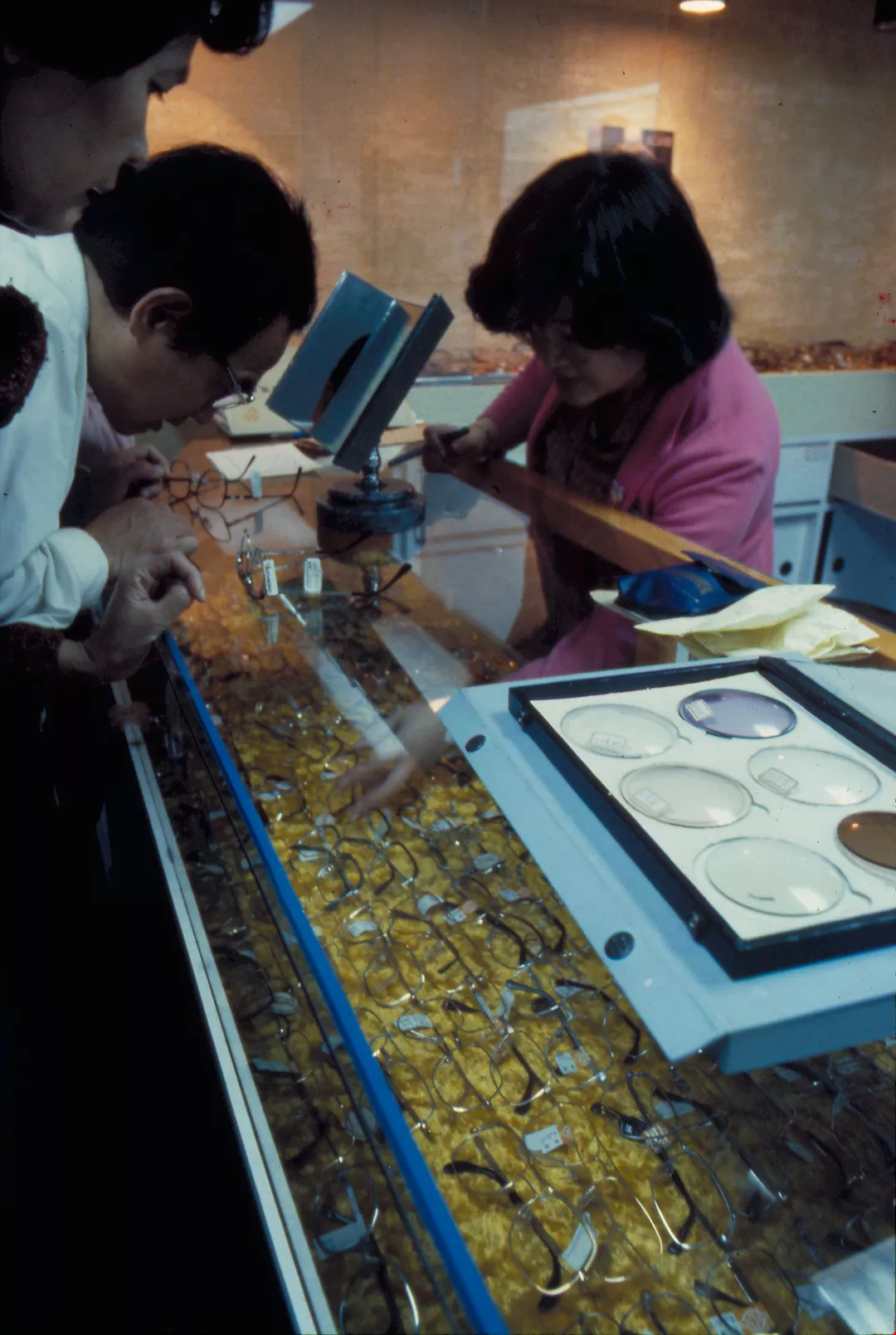
The outpatient center established on Dec. 1, 1976, occupies an area of 4,000 square meters on Taipei's fashionable Tunhua North Road. With almost 300 beds, the hospital also provides other services apart from outpatient and emergency treatment, including optometry, dermatology, gynecology, and pediatrics.
In 1978 the larger facility at Linkou was opened, occupying some 250,000 square meters, and having 20 operating theaters and 1,500 beds as well as 38 departments and research facilities. The 138 senior surgeons have an average age of 35, and the average age of the 1,000 nurses is only 26. The youthful staff are enthusiastic and full of energy. The Linkou branch is situated close to the North-South Freeway's Linkou flyover. Victims of accidents on the freeway, and emergency patients from central and southern Taiwan, are often taken there.
The Chang Gung Memorial Hospital is noted for its fast service and efficiency. Patients who go for routine check-ups can expect to know the results the next day, so that doctors can have all the relevant details on hand to treat them immediately.
The personalized attention given to in-patients reduces the average stay to ten days, half as long as in most other hospitals in Taiwan. With nurses always on hand and each patient assigned a doctor, cases can be attended to immediately. Hospital director Dr. Chang Chao-hsiung, a famous heart surgeon, said that the low average length of stay can be attributed to the efficiency of the hospital's staff. There is no question of patients being released before they should be; "We use all our resources efficiently," said Dr. Chang. The benefits are many. For one thing, shorter stays mean less expense for patients. But more important, the rapid turnover ensures that more medical services can be provided to the public. And with expensive medical equipment in constant use, the financial burden is less.
The hospital's nerve-center is the Director's Office. Office Chief Huang Chien-hsing explained, "Without an overall management program that ensures cost effective use of resources, the hospital could not continue to operate for long."
The office's cost analysis department looks closely at the cost of medical services provided by each department. The results are published annually and distributed internally for reference. This keeps all departments on their toes and ensures that wasteful practices are stopped.
Some people doubt the advisability of having managers without medical backgrounds working at a hospital (most of the office staff gained managerial expertise at the Nan Ya Plastics Corp.), but the Chang Gung Memorial Hospital proves that every field requires its own specialists. It is clear that rationalization has not only brought benefits to the hospital, but also to the patients as well.
A committee in the office uses scientific management techniques to reduce costs. After discovering that half of medical expenses were accounted for by wages, the committee decided to computerize many of the hospital's operations. Computer terminals can be seen throughout the hospital, especially in administrative departments. Many departments use the computer as a kind of library.
According to Hung Hsien-chang of the computer department, when the hospital first opened, a staff of eighty was needed to attend to paperwork generated by 200 outpatients. Now, with the computerization of such routine matters as registration, allocation of rooms, filing of medical histories, calculation of fees, and even arranging diets, only 25 staff are required to attend to 300 outpatients. Currently the computer is mainly used for administrative purposes, but plans are being worked out to computerize medical services.
The Chang Gung Memorial Hospital has a reputation for first rate equipment and highly skilled doctors. The emphasis on research attracts skilled practitioners from within Taiwan and overseas.
The hospital is a leader in the field of pathology including both clinical pathology and autopsies. Apart from such routine tasks as blood tests, the pathology department also performs tests to ensure that diagnoses are correct and that no unnecessary operations are performed.
The chief of the pathology department, Dr. Kuo Chen-tung, who returned to Taiwan just over a year ago, said that when the hospital was established, there was only one pathologist and important equipment was still needed. "When I was asked to head the department, I made it clear that pathology requires complete equipment. The hospital has spent NT$100 million (US$2.5 million) on new facilities and increased staff in the department to eight," said Dr. Kuo.
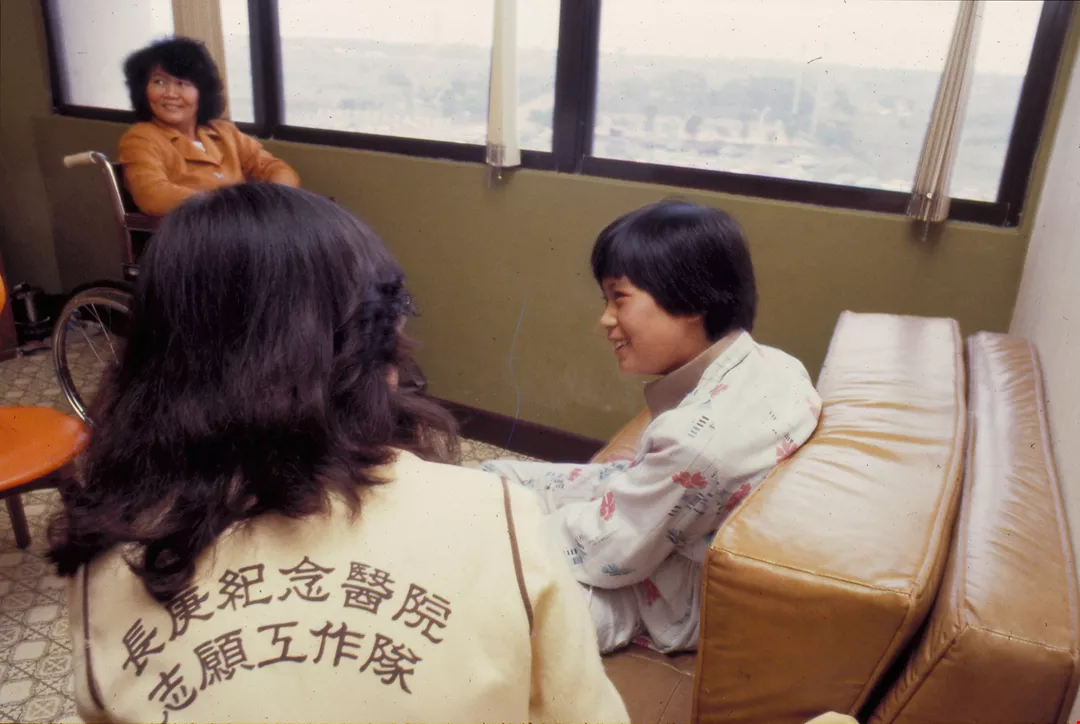
Although it is a private institution, the hospital has a social service center for low-income patients funded by an allocation of 2 percent of income from fees. As of October 1982, the center had assisted more than 11,000 patients and subsidized medical bills to the tune of NT$88 million (US$2.2 million). The center also looks after overseas Chinese returning to the ROC, many of whom are from Malaysia.
Many college students work as volunteers in the center in administrative roles, and in manning the library trolleys which provide reading material for patients. They also console lonely patients and entertain young patients with stories.
Although the Chang Gung Memorial Hospital is a private facility, service to the public is its main mission. With a large investment, fine equipment, and a highly skilled staff, the hospital not only fulfills this role, but also works actively to bring medical knowledge to the layperson through its free seminars and publications.
[Picture Caption]
The children's clinic is gaily decorated to disperse young patient's fear of going to see the doctor.
1. The Linkou branch of Chang Gung is in pleasant surrounds. 2. In Taipei, the Chang Gung Memorial Hospital occupies a twelve-story building. 3. The comfortable meeting room at the health check-up center. 4. The cancer center has the latest medical equipment. 5. To maintain a completely sterile environment in the burn treatment center, only hospital staff may enter. Patient's friends and relatives can communicate by intercom. 6. This fully-automatic analyzer produces results within one minute. 7. The well-equipped cardiovascular center at Chang Gung is the largest in Taiwan. 8. An occupational therapist helps an elderly patient.
1. The book carts, manned by volunteer workers, visit the wards twice weekly. 2. The social service center volunteer workers, who are mostly college students, visit patients regularly. 3. Patients choosing spectacle frames at the optical clinic. 4. Dr. M. Samuel Noordhoff, former director of the Mackay Memorial Hospital, is now chief plastic surgeon at Chang Gung. 5. Chang Gung director Dr. Chang Chao-hsiung, a leading heart surgeon in Taiwan, has worked hard to raise the quality of service provided at Chang Gung. 6. Wang Chien-hsin, chief of the Director's Office, handles all the hospitals administrative affairs. 7. The video programs shown in the hospital's waiting rooms are usually on subjects relating to health and hygiene.
1. Laser technology is employed in numerous medical applications. 2. Dr. Li Yin-hsiung, director of the cardiovascular department, places great emphasis on basic scientific research. 3. The cancer center has many uses for the hospital's computer.
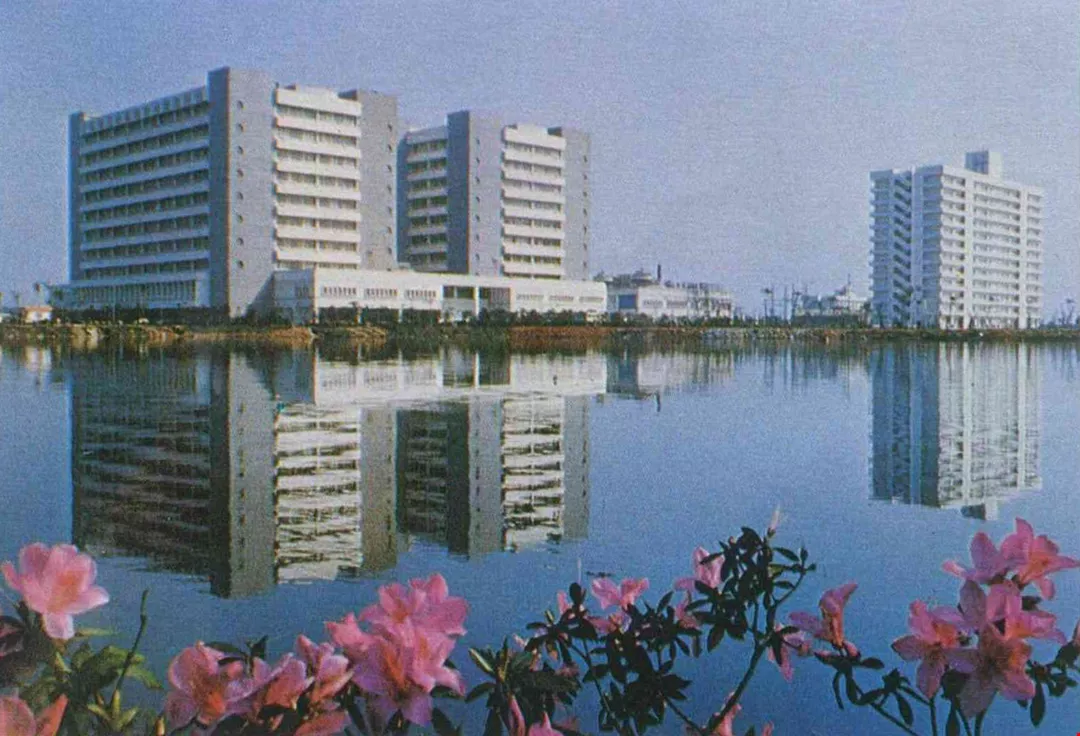
The Linkou branch of Chang Gung is in pleasant surrounds.
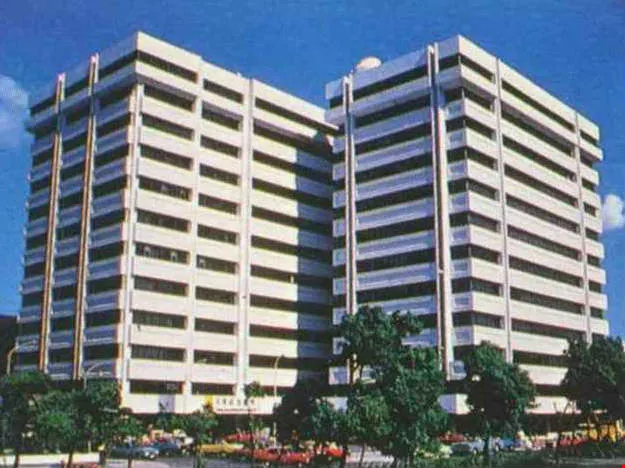
In Taipei, the Chang Gung Memorial Hospital occupies a twelve-story building.
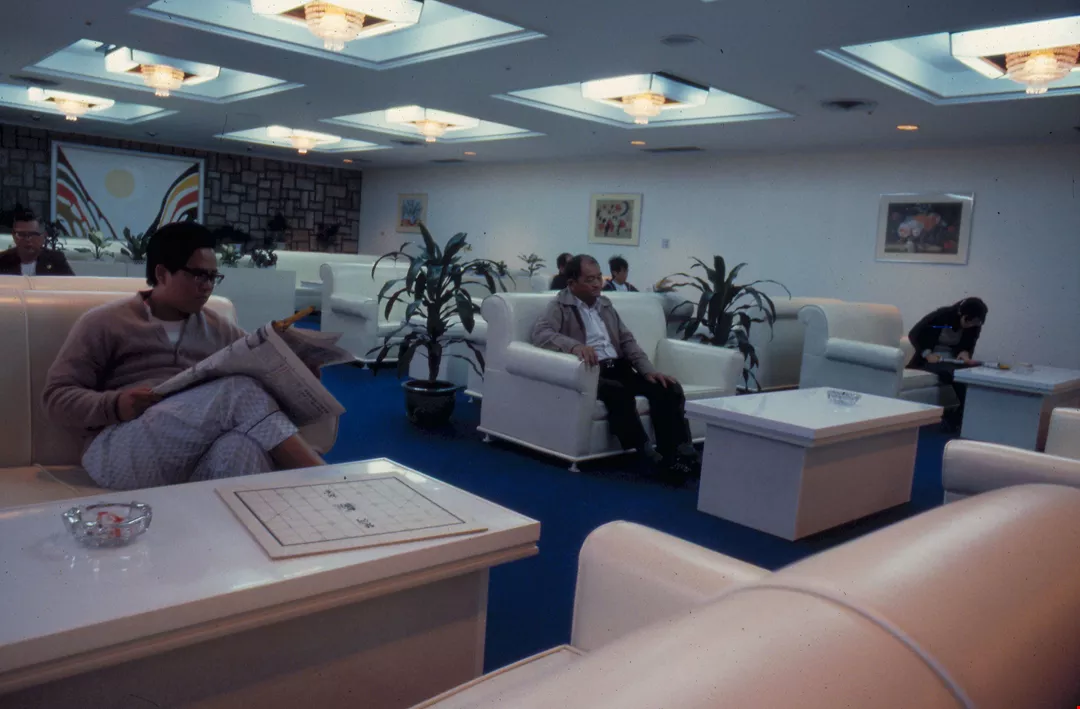
The comfortable meeting room at the health check-up center.
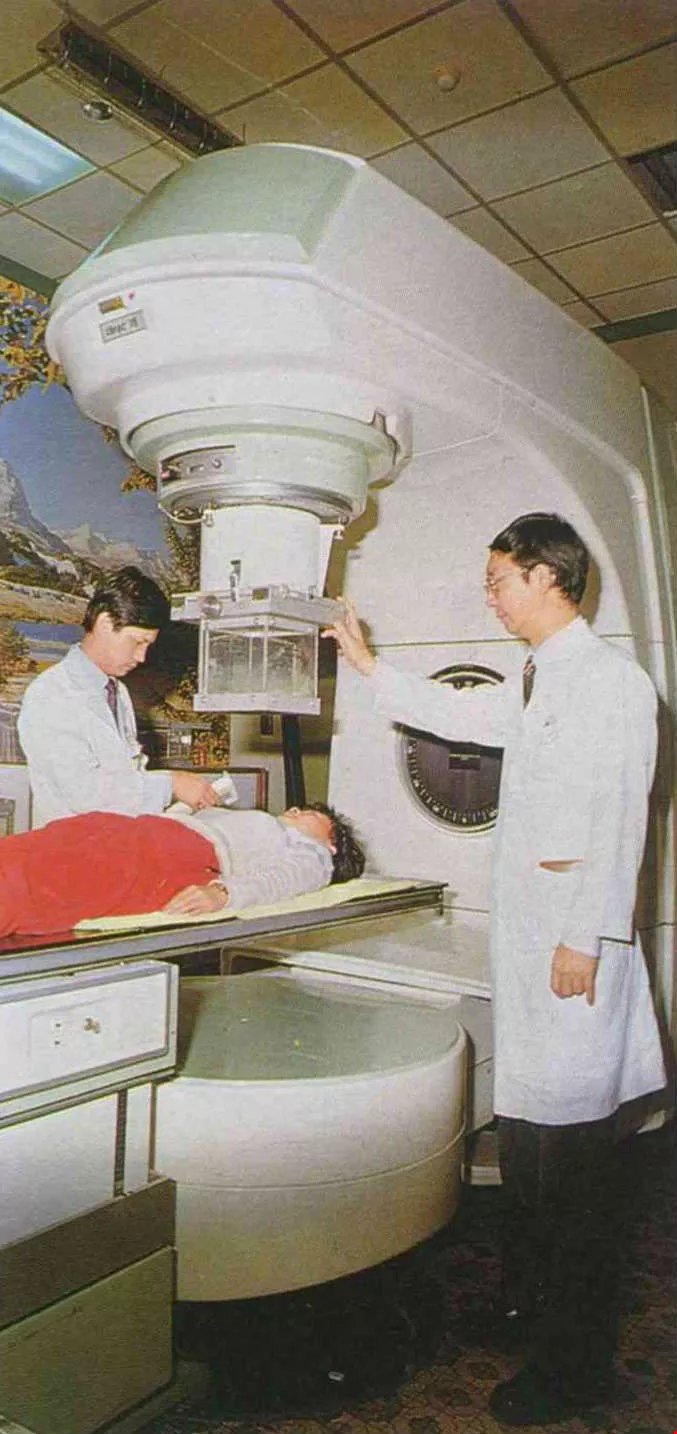
The cancer center has the latest medical equipment.
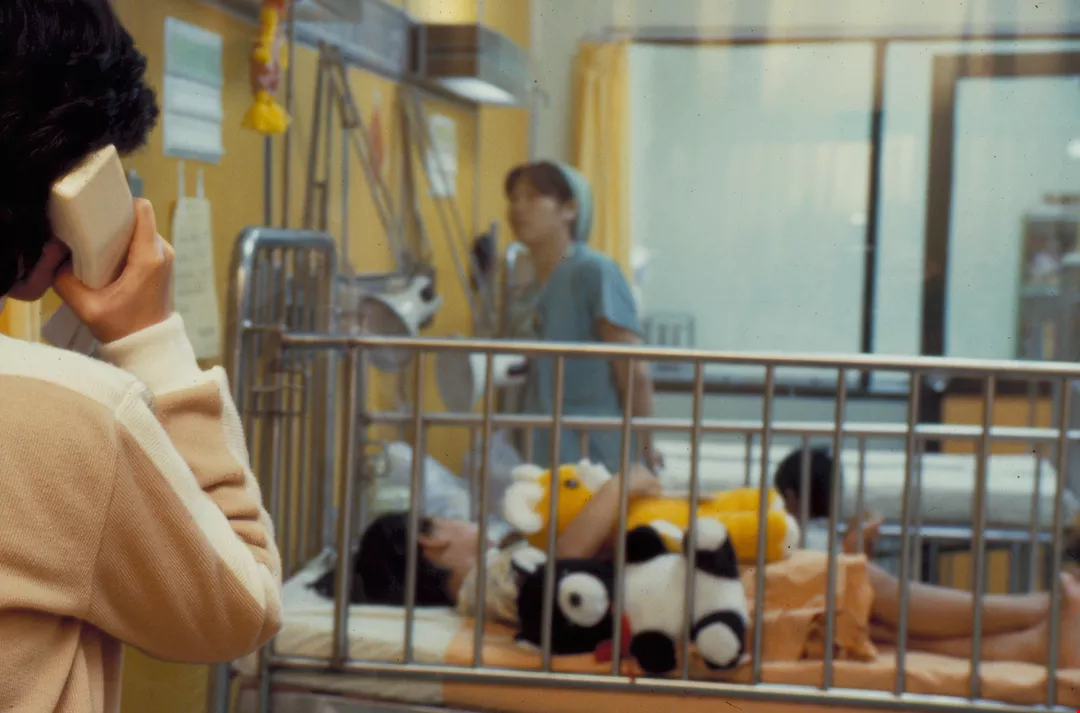
To maintain a completely sterile environment in the burn treatment center, only hospital staff may enter. Patient's friends and relatives can communicate by intercom.
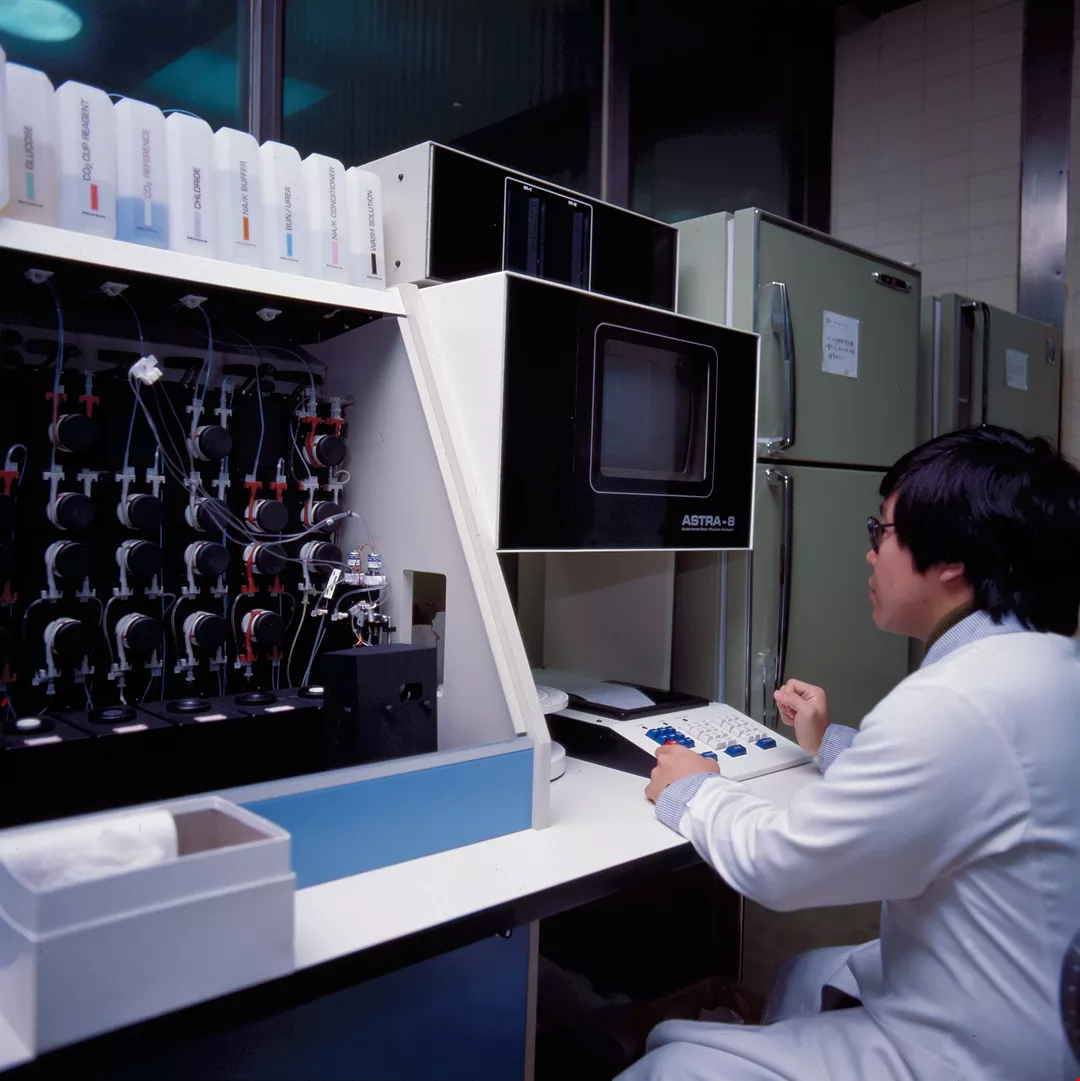
This fully-automatic analyzer produces results within one minute.
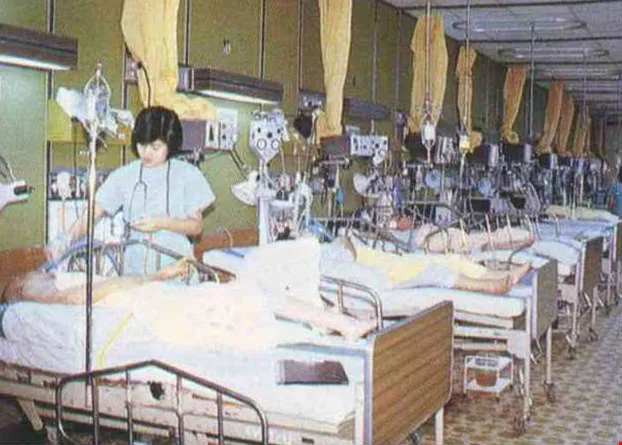
The well-equipped cardiovascular center at Chang Gung is the largest in Taiwan.
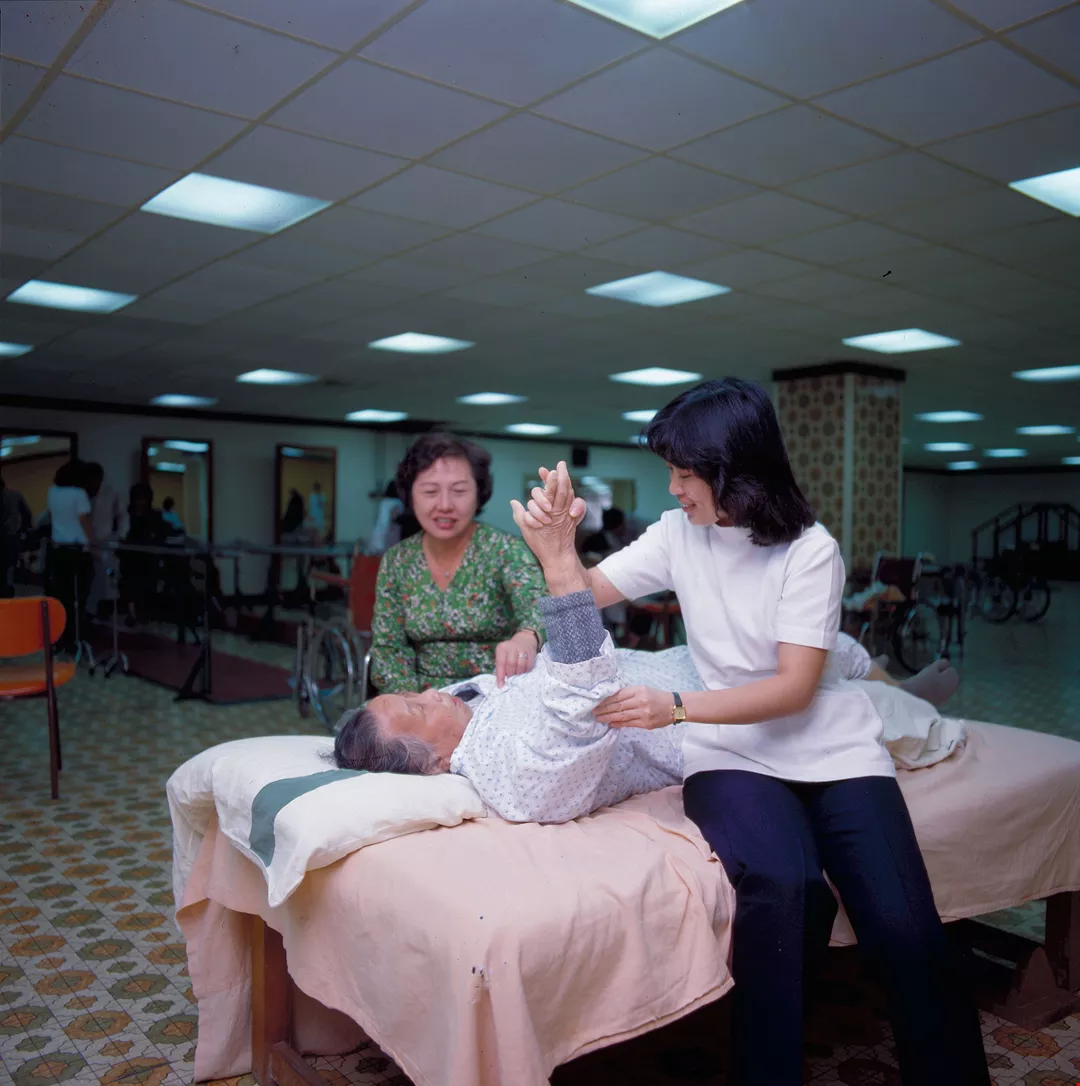
An occupational therapist helps an elderly patient.
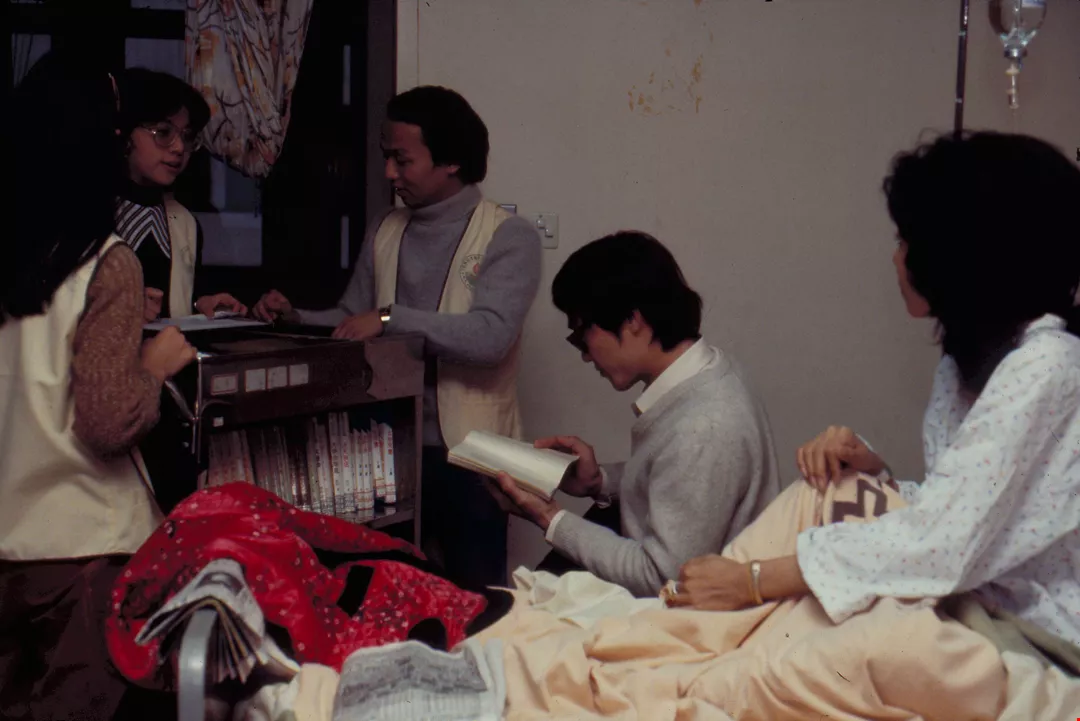
The book carts, manned by volunteer workers, visit the wards twice weekly.
The social service center volunteer workers, who are mostly college students, visit patients regularly.
Patients choosing spectacle frames at the optical clinic.
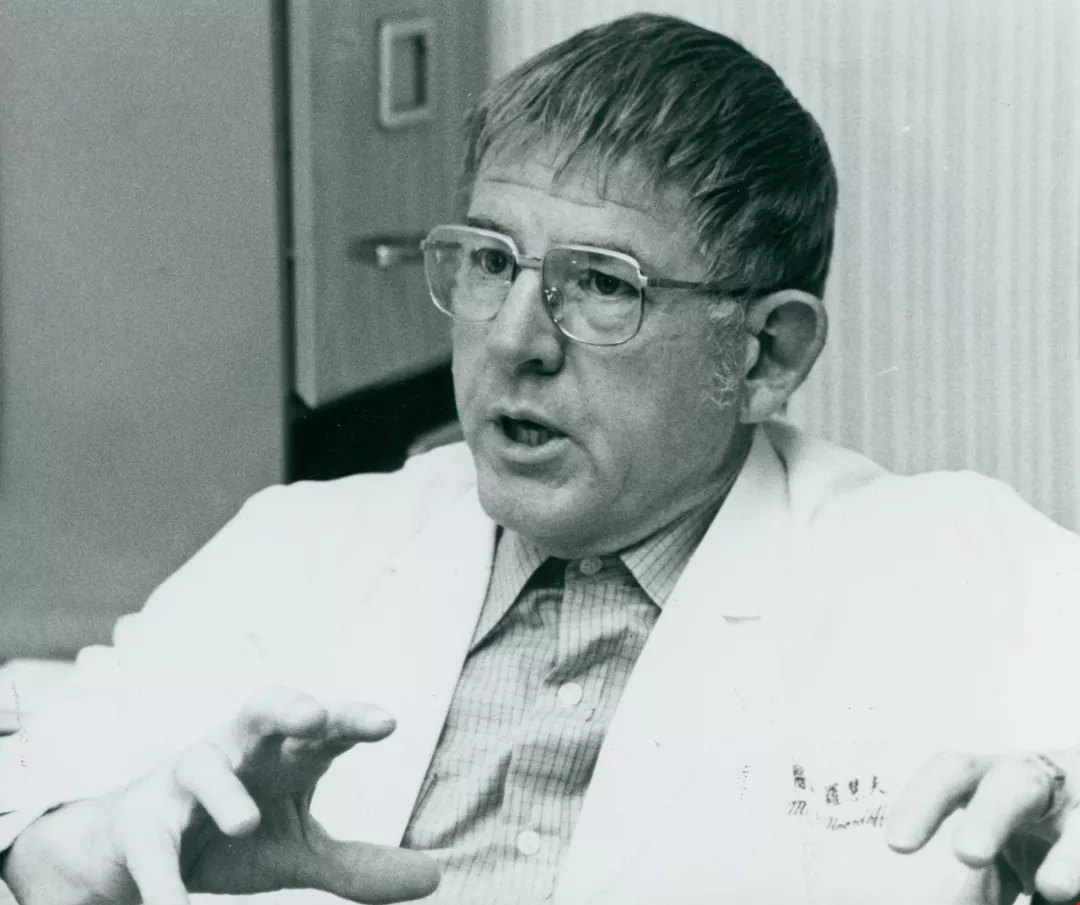
Dr. M. Samuel Noordhoff, former director of the Mackay Memorial Hospital, is now chief plastic surgeon at Chang Gung.
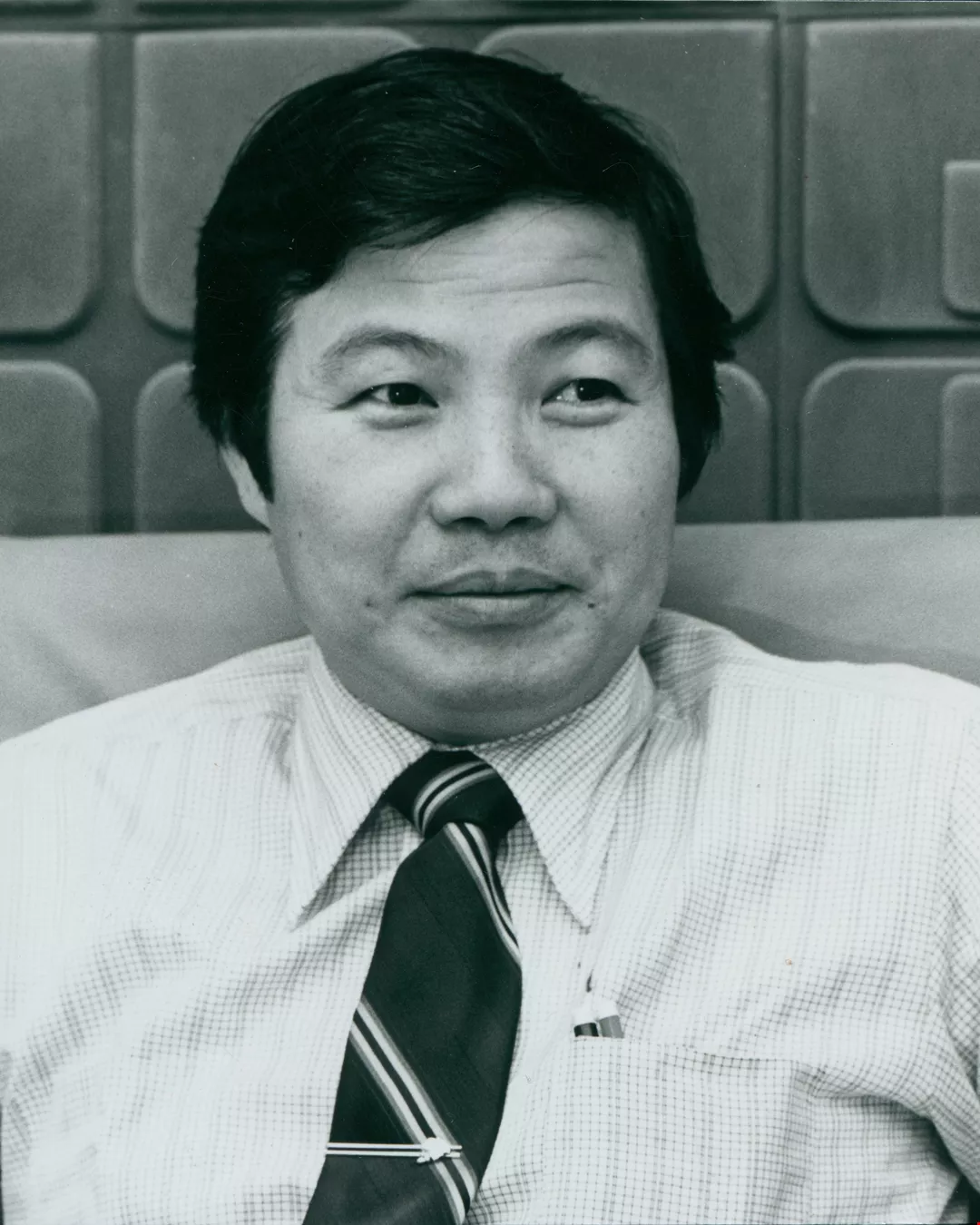
Chang Gung director Dr. Chang Chao-hsiung, a leading heart surgeon in Taiwan, has worked hard to raise the quality of service provided at Chang Gung.
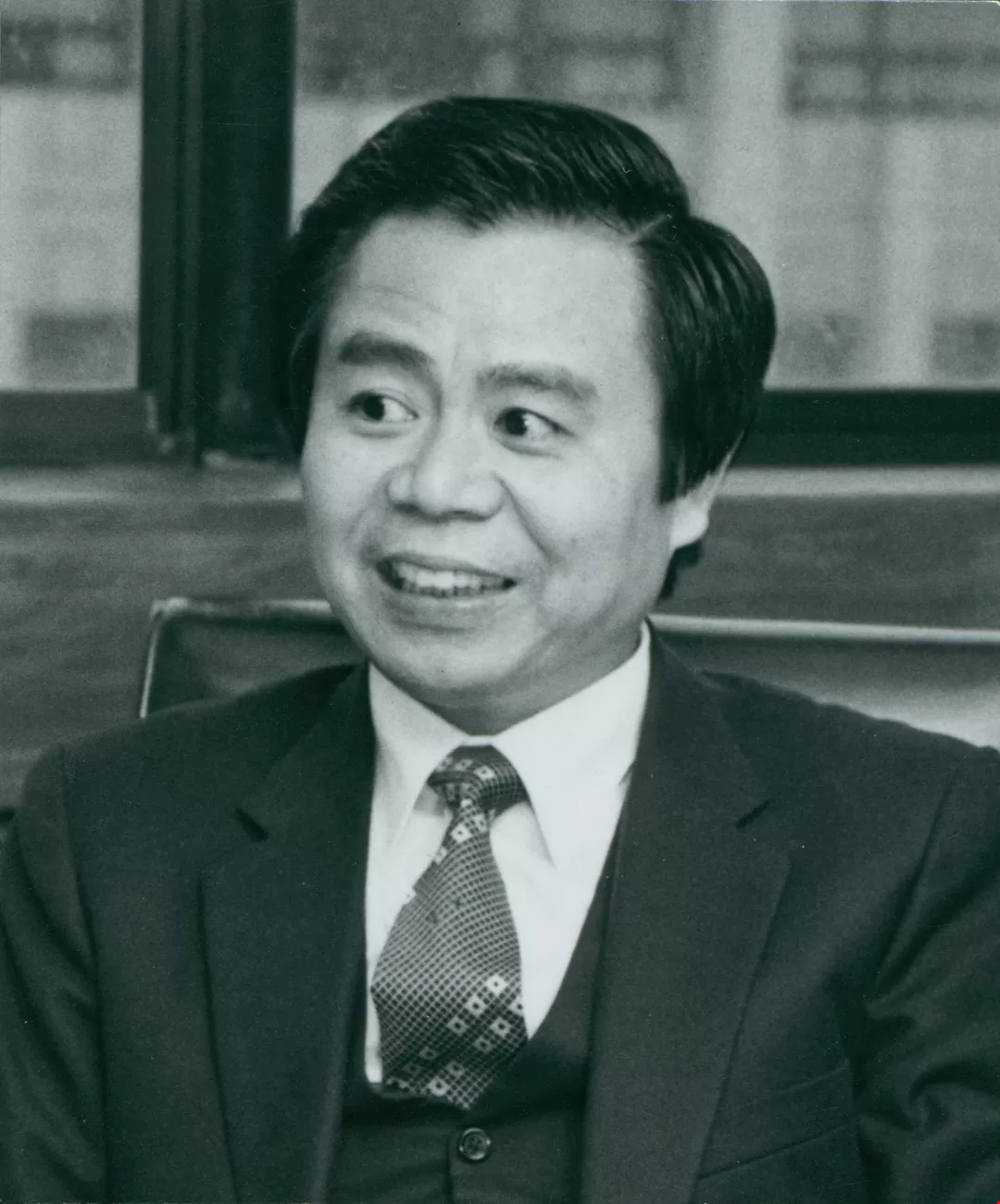
Wang Chien-hsin, chief of the Director's Office, handles all the hospitals administrative affairs.
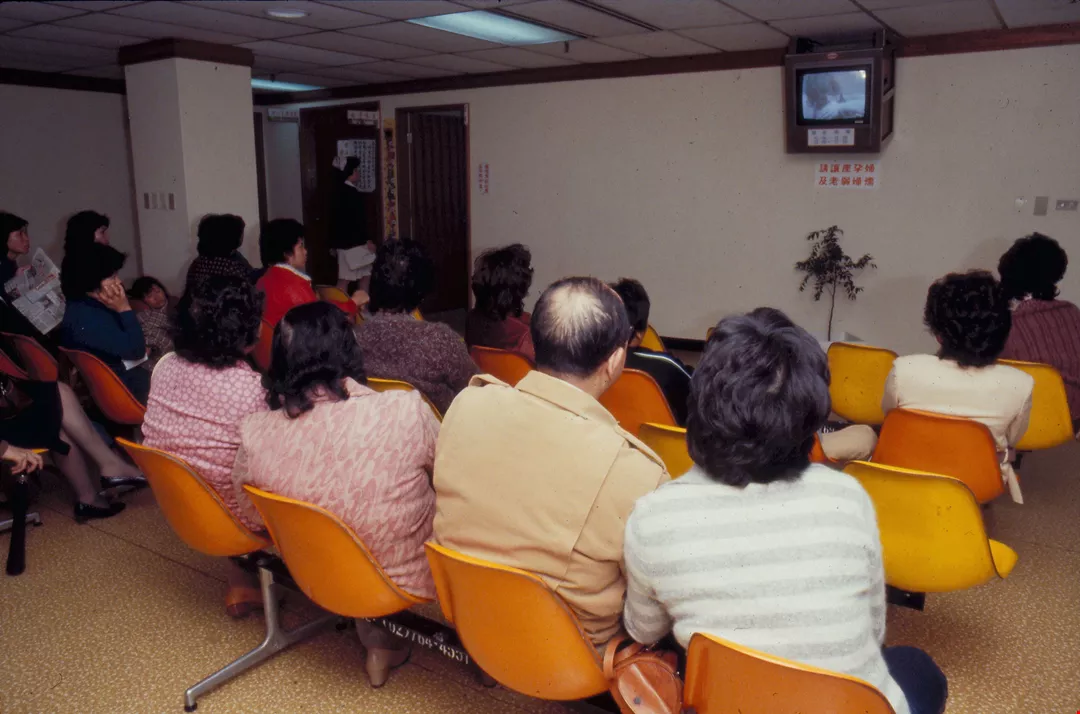
The video programs shown in the hospital's waiting rooms are usually on subjects relating to health and hygiene.


