Coming of Age: Traditional Chinese Medicine Prepares for the 21st Century
Daisy Hsieh / photos Hsueh Chih-kuang / tr. by Scott Williams
November 1998


(left) In recent years, Taiwan's Chinese medical community has begun using technology to aid diagnosis, as well as improving the treatment environment and the process of administering medication, in an attempt to turn Chinese medicine into a modern medical system. The photo shows a "Tongue Screening Device," which combines a high-resolution imaging system with a computer.
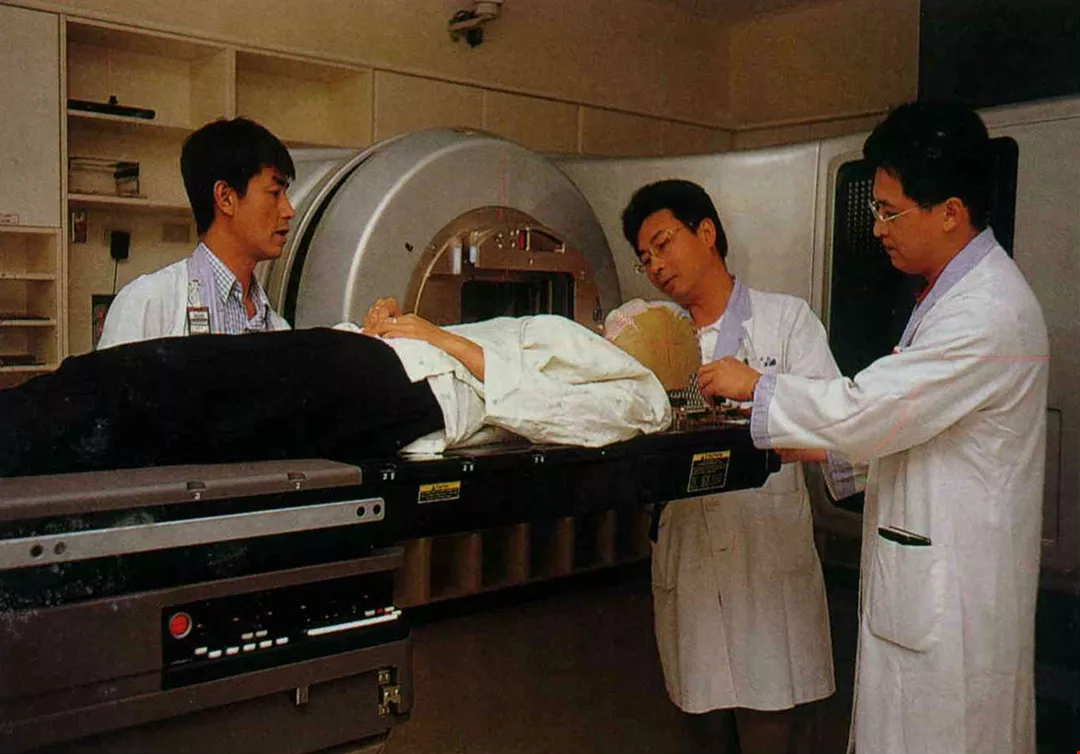
With the help of technology, Western medicine has become a valuable to ol in the fight against disease. But its enormous costs and limitations have caused many to turn against it.
These days, when seeking medical help from a clinic specializing in Traditional Chinese Medicine (TCM), don't be surprised to see that the doctors not only employ the traditional techniques of "looking, listening, asking and taking the pulse," but also computerized devices such as the Electrodermal Screening Device (EDSD) and the Pulse Screening Device, just as Western medicine utilizes electrocardiographs and tomographic scanners.
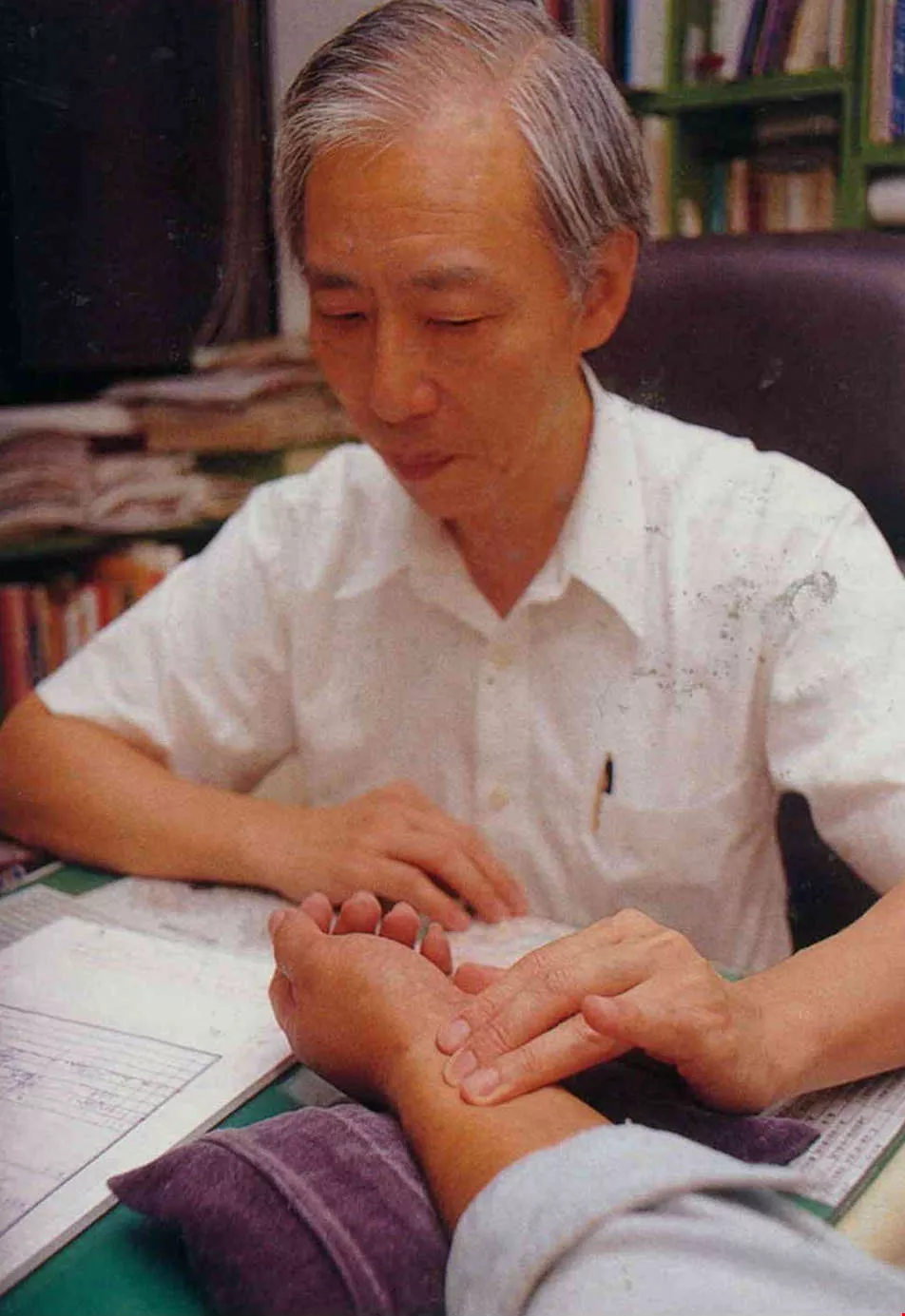
The pulse-based diagnostic method of traditional Chinese medicine is a high art. Nonetheless, modern science takes a skeptical view.
If you seek diagnosis and treatment at a general hospital which has a TCM ward, you may receive a double diagnosis, one from the perspective of Western medicine and one from the perspective of TCM. After you begin your Western treatment, a doctor of TCM may prescribe a regimen of Chinese medicine for you to ameliorate the side-effects of your treatment.
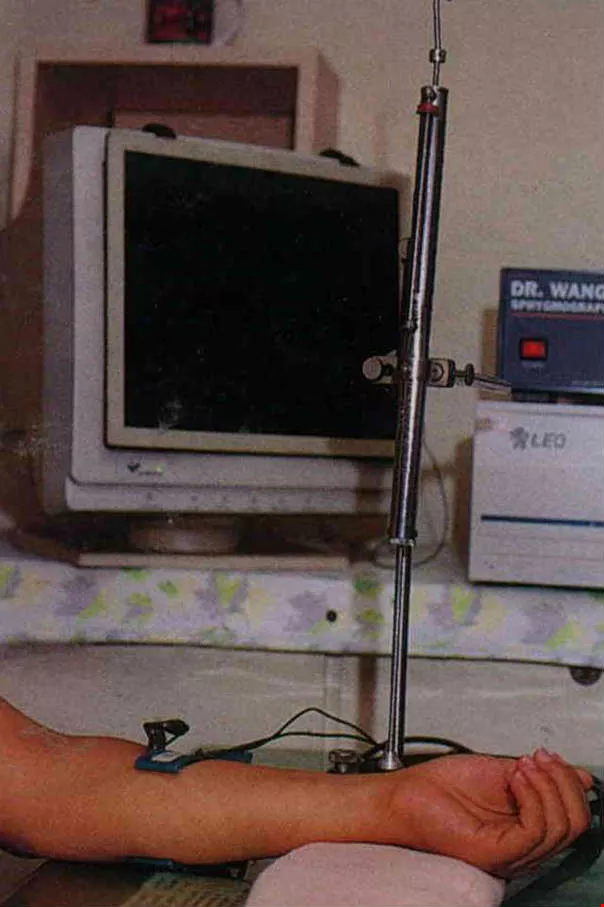
The Pulse Screening Device (above), the design of which is based on the principles of blood circulation, and the Electrodermal Screening Device.
Not only in the realm of medical care, but also in the laboratory and in clinical research, researchers are investigating traditional medicines in the hope of striking gold. Their ambition is to find more effective ways to deal with the many hard-to-treat illnesses which currently afflict human beings. The more optimistic among them predict that integration of TCM and Western medicine will become part of the mainstream of medical care in the 21st century.
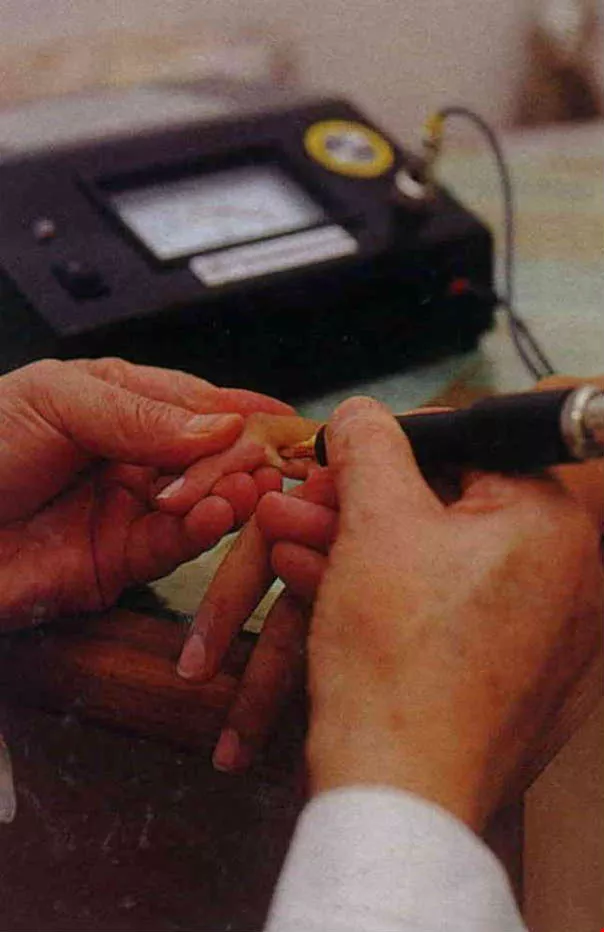
which was designed with the meridians and acupuncture points in mind, assist doctors in making diagnoses by providing them with more objective data.
Will things really work out that way? If so, can Taiwan be a part of this new mainstream?
Mr. Chia suffers from spondylitis, a condition which often causes pain in his lower back and stiffness in his spine, making movement difficult. Treatment requires a long-term course of medication. When Mr. Chia recently visited the doctors at the Linkou Chang Gung Memorial Hospital, his primary doctor recommended that he also see a doctor of Chinese medicine and undergo the hospital's new "In-Patient Treatment of Spondylitis Using TCM."
During the five days of in-patient care, he did not need to discontinue his original Western medical treatment. Instead, to it was added a regimen of Chinese medicine prescribed by his doctor, one of the most interesting aspects of which was a daily soak in a bath of Chinese medicinal herbs. While bathing, he also listened to music composed specifically to bring the Yin and Yang and the Five Elements (metal, wood, water, fire and earth) into balance.
A Miss Lee, who lives in Taichung, suffers from hepatitis. She has been taking treatment from China Medical College Hospital (CMCH) over a long period of time. On each visit, after the doctor finishes asking about her condition and symptoms, he calls up the records of her "tongue exams" on a computer. This computer stores a high-resolution color image of her tongue on every visit. By examining the color and wrinkles of her tongue over time, the doctor can judge the progress of her illness. Similarly, the doctor also uses a "Pulse Screening Device" to check her pulse (a very important diagnostic measure in TCM) and record her condition.
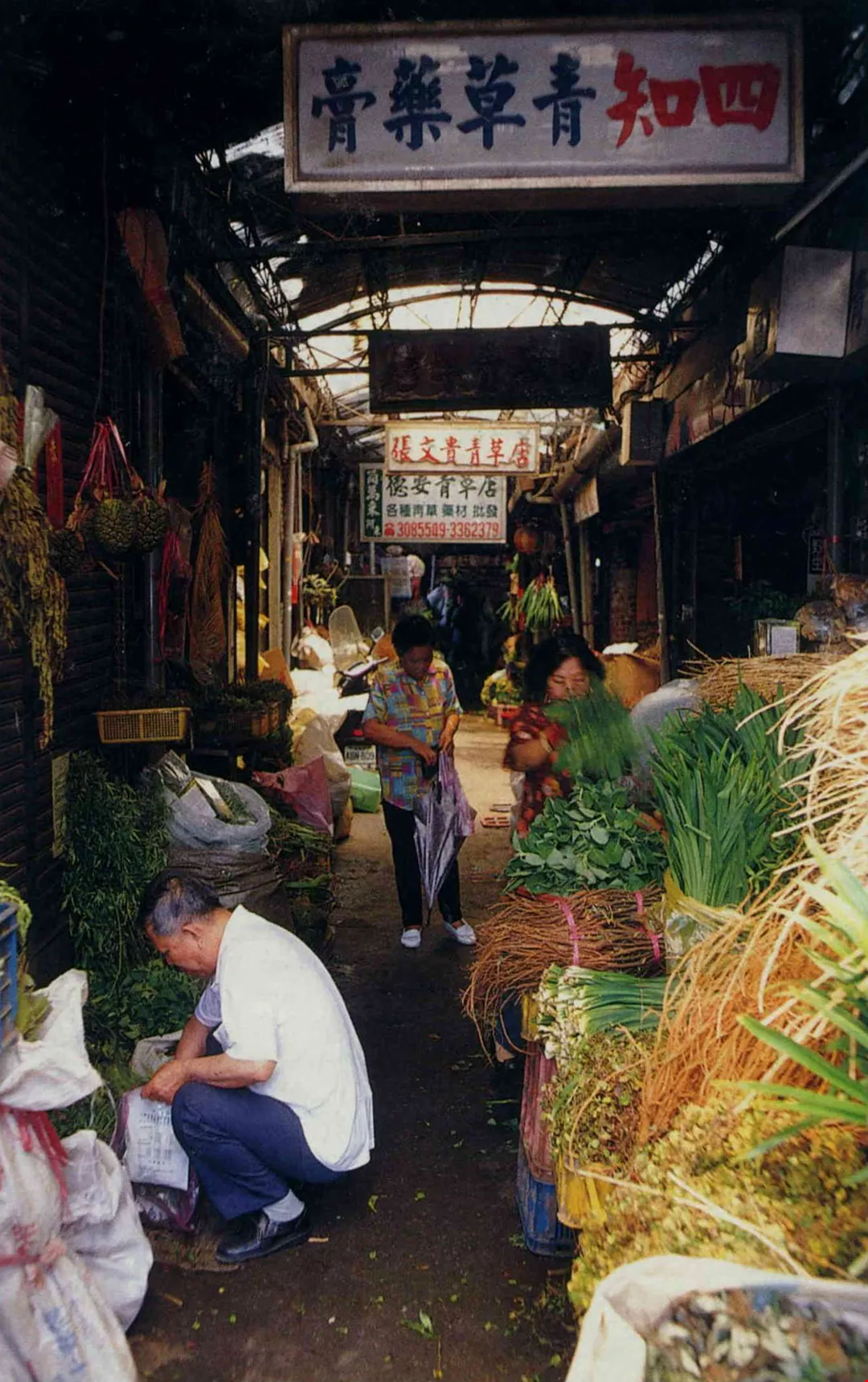
First acupuncture, then moxibustion and finally medication. Herbal medicine is another of the instruments in the Chinese doctor's kit. But food is also medicine, and you can find the doctor's herbal remedies and supplements for everyday health in almost any market.
Nine years ago, a Mrs. Ting of Taipei had a complete physical examination and "tune up" at the privately-run Clinic for East-West Medicine. Since that time, Mrs. Ting has "joined the club," regularly visiting the hospital for evaluation and treatment. She trusts the clinic because it employs a computerized device for the examination of the meridian system and acupuncture points as defined by TCM. The examining doctor need only touch an exploratory needle the size and shape of a pen to some 40 points on her fingers and toes to know the state of her health, from the condition of her internal organs to her endocrine balance. If he encounters something abnormal, he provides her with a detailed explanation of her condition from the perspective of both a doctor of Western medicine and of TCM. The doctor also recommends treatment based on this broad perspective. 1,000 patients a day
"The modernization of TCM, which combines Western medicine and Chinese medicine, is the coming trend in medical services," says Lin I-hsin, director of the department of TCM at Chang Gung Memorial Hospital (CGMH). Market numbers tell the story. The privately-operated CGMH, which is the largest health-care organization in Taiwan, opened its first TCM department, fully staffed by doctors with dual backgrounds in both TCM and Western medicine, at its Linkou medical center two years ago. The number of patients seen by its out-patient clinic has grown explosively to its current level of around 25,000 per month, an average of approximately 1,000 per day.
In addition to its "high-powered" staff of doctors, CGMH offers a broad variety of Chinese medical treatments. Not only is there the traditional internal medicine ward (including gynecological and pediatric wards), there is a trauma ward and an acupuncture ward. In addition, CGMH has also opened a special TCM out-patient clinic for the treatment of asthma, a joint "Chinese-Western" medicine out-patient clinic for the treatment of arthritis, a similar out-patient clinic for diabetics and an in-patient Chinese-medicine treatment regimen for patients with spondylitis. CGMH also provides information about health maintenance, an area where TCM is particularly strong.
The strong response from the market led the Taipei CGMH to also establish a department of TCM last year. The Chang Gung Group has further plans to establish a "Chang Gung College of Traditional Chinese Medicine" which will include an affiliated 1,500-bed medical center, a university-level department of TCM, and graduate institutes of TCM and traditional Chinese pharmacology.
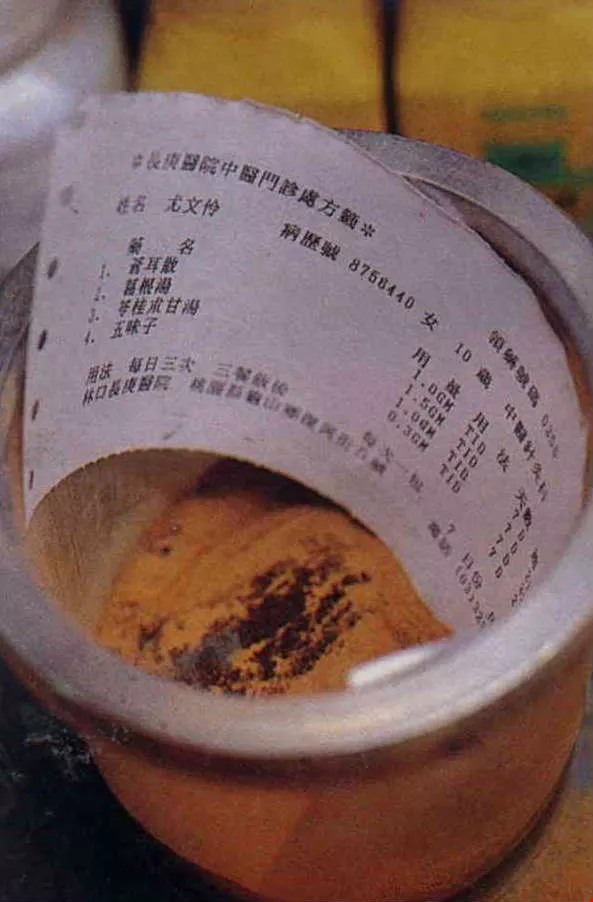
Hospitals and pharmacies of traditional medicine have now largely converted to the use of extracts and concentrates when making up prescriptions. This allows better control over the quantity and concentration of the medication as well as saving the patient the trouble of steeping the ingredients.
The China Medical College established its China Medical College Hospital (CMCH) in Taichung in 1980. With development, the hospital has recently reached the point at which is no longer able to meet the demand for its services. It is therefore now enlarging its building. Ultimately, the expansions will provide a total of 1,700 beds for patients from central Taiwan undergoing TCM treatment. Compensating for inadequacies
The serious attention now being given to traditional medicine is being helped along by global trends. Dr. Julia Tsuei, director of the Clinic for East-West Medicine, says that in the 1970s the World Health Organization (WHO) of the United Nations set a goal of making medical care available to everyone in the world by the year 2000. "However, looking at the number of doctors of Western medicine and their distribution, it is apparent that this goal will not be achieved."
When medical professionals, trained in the methods of Western medicine, went into the less developed regions of the world to carry out their work, they discovered that every culture and every region had its own practitioners of traditional medicine quietly engaged in looking after the local people's health. "If we could develop this tremendous manpower, if we could take the cream of this time-tested traditional medicine and use science to integrate it into the modern medical system, it would be a tremendously powerful force," says Tsuei. Therefore, for the last few years one of the main foci of the WHO's research has been traditional medicine.
"There are three major traditional medical streams: Chinese, Indian and Greek. However, little of the Indian and Greek streams has flowed down into the modern era. This means that the Chinese stream is the most comprehensive, the most systematized of any of the traditional medicines still to be found in the world." Tsuei states that the theoretical underpinnings of TCM can be seen in The Yellow Emperor's Canon of Internal Medicine and Shen Nong's Herbal Classic, which date back more than 2,000 years to the Warring States period of Chinese history. In the centuries that followed, every dynasty had its medical official responsible for government ordinances and laws of a medical nature and for medical research. The populace also accumulated observations on experiments and the records of clinical experience. Together, these developed into today's TCM. Before Western medicine arrived in China, traditional medicine had taken care of the health needs of the Chinese people for thousands of years.
However, because the fundamental principles of TCM derive from the ancients' observations on the phenomena of the universe and the human body and their accumulated clinical experience, they are difficult to fully explicate in the terms of modern science. Moreover, the abilities and experience of individual doctors of Chinese medicine vary widely, while the public has a fondness for slogans such as "family secret" and "secret method" to emphasize the effectiveness of techniques, adding to the air of mystery which surrounds the field. As a result, since the introduction of Western medical techniques to China in the Qing dynasty, TCM has often been ridiculed as being unscientific and superstitious in its practice.
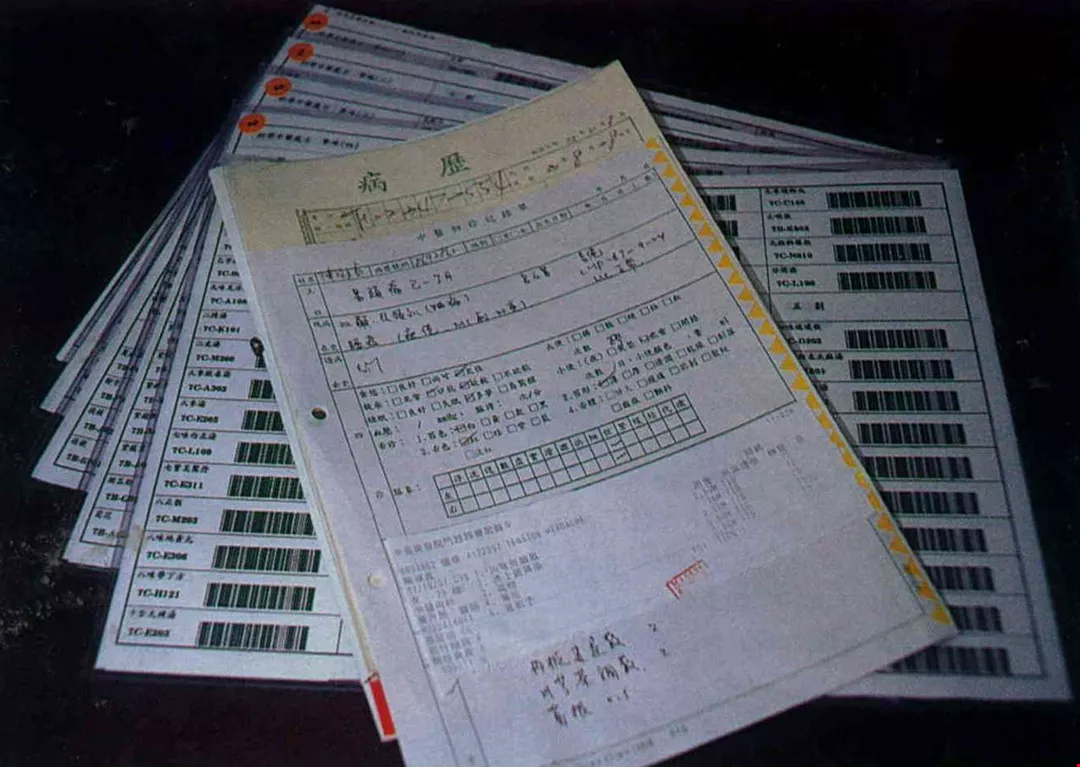
Chang Gung Memorial Hospital's Department of Chinese Medicine is able to handle almost 1,000 patients per day by applying commercial management techniques. For example, when physicians make out a prescription, they don't write out a long list of medications, but rather scan a bar code into the computer which then forwards the prescription t o the pharmacy.
"To make people aware of the value of Chinese medicine and break down their impression of it as mere superstition, we must do our utmost to carry out research and clarify our techniques using the forms and methods of modern science. We hope that the results of this research will provide support for the principles of TCM and demonstrate its effectiveness," says Tsuei.Diagnostic devices go scientific
"If we wish to modernize, we must begin with our diagnostic methods," says Chang Yung-hsien, vice president of CMCH. According to Chang, TCM attempts to be holistic in its approach. Diagnostic and treatment methods rely on evaluations by sight, sound/scent, questioning and taking the pulse.
Sight is simply modern medicine's visual diagnosis. The doctor visually examines the patient's body as a whole as well as its various parts in order to gain an understanding of the patient's condition. Sound/scent refers to using the auditory and olfactory senses to evaluate the patient's condition. Questioning refers to asking questions of the patient to collect information on the patients medical history and current symptoms. Taking the pulse refers to Chinese medicine's unique method of using three fingers to check the pulse's depth, rate and strength at different locations, and from this information, making a diagnosis. A doctor may also use his fingers or the palms of his hands to touch or press the patient's skin and the afflicted portion of the body in order to judge its "heat" or "cold" and its excess or deficiency of chi.
In principle, these four diagnostic methods require no scientific devices. Using only his five senses, the doctor can discover the imbalances within the patient's body and the nature of his illness. This makes the doctor of Chinese medicine much more independent than his modern "Western" counterpart who seemingly requires tools and devices for everything he does.
But in facing the challenge of modernization, it is the doctor of Chinese medicine's lack of reliance on machines which is most likely to inspire doubt. The accuracy of his four diagnostic methods depends upon his own training and clinical experience. The methods themselves are extremely subjective and allow him only to determine the nature of the illness, but not its severity. An observer also has no evidence by which he may compare one doctor's sensitivity and accuracy of diagnosis to another's. Moreover, the same doctor might make a different diagnosis due to differing circumstances related to time, place and even the individual being diagnosed. "In clinical research, if conclusions are based on individual cases, they are open to doubt," says Chang.
There have been several attempts to get around the problem of insufficient objectivity in the diagnostic methods. Dr. Julia Tsuei and Chung Chieh, the former head of the traditional medical center at Veteran's Memorial Hospital, developed the "Qin Value Detector" based on the principles of acupuncture and the meridian system. Chen Kuo-gen, a professor of physics at Soochow University, designed the Electrodermal Screening Device (EDSD) based on the same principles. Wang Wei-kung, a professor in the electrical engineering department at National Taiwan University, invented the "Pulse Screening Device" which applies the principles of blood circulation to measure the pulse. It presents the pulse measurements in diagrammatic form, allowing for more objective analysis and verification, and has largely replaced the traditional pulse-diagnosis method. In addition, Chang Yung-hsien has striven to couple "tongue diagnosis" and the autonomic nervous system with computer technology in the hope of making diagnosis more accurate.
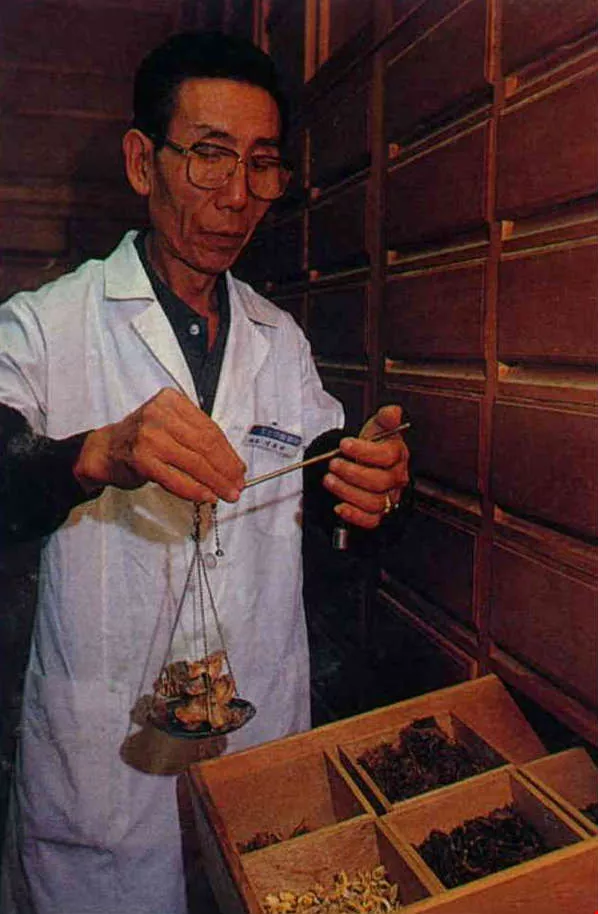
How does one sort the wheat from the chaff when bringing a traditional field of knowledge into the modern world? This is testing the abilities of Taiwan's Chinese medicine community. (photo by Wang Wei-chang)
Julia Tsuei and Chen Kuo-gen have also jointly written four papers discussing acupuncture, the meridian system and the theory behind the use of the Electrodermal Screening Device (EDSD) in treatment. The papers have received a positive response in the international arena and were published last year as a cover story in the authoritative IEEE Engineering in Medicine and Biology Magazine.Healing and strengthening the body
The integration of Western and Chinese medical practices has come about as the Western medical community has begun to recognize the advantages of Chinese medicine. "The fundamental premise behind TCM is 'fuzheng quxie.' What this means is that not only does Chinese medicine cure illness and eliminate toxins from the body (quxie), it also strives to 'tune up' the healthy body to improve its function and strengthen its immune system (fuzheng). This second objective perfectly complements an area in which Western medicine is weak," says Lin I-hsin, who holds a master's degree in TCM from China Medical College and a PhD in Radiation Biology from Tsinghua University, as well as being a doctor of both Chinese and Western medicine.
Take spondylitis, which frequently afflicts people between the ages of 20 and 40, as an example. This ailment is linked to the immune system and in Western medicine is typically treated with a regimen of anti-inflammatories which the patient continues taking for the rest of his life. CGMH's TCM team takes a different approach to the problem, dealing with it by strengthening the immune system. Their method attempts to increase the efficacy of the Western treatment through the administration of Chinese herbal medicines, medicinal baths and the playing of music which has a positive effect on the sympathetic nervous system.
Lin I-hsin explains that this is a newly developed therapy. In the future, it must still undergo rigorous clinical testing and evaluation. However, research carried out by CGMH's TCM department on use of the Chinese herbal prescription Shengmai San ("pulse-activating powder") in the treatment of heart failure patients has already been published in a clinical report and clearly indicates the soundness of the approach.
Lin states that in Western diagnostic practice, heart failure is not viewed as a discrete illness, but is rather the final phase of a number of cardiac disorders. Its causes are many, including hypertension, arteriosclerotic cardiopathy, valvular disease and myocardial disease.
Current pharmacological treatments of heart failure are effective, but limited. For example, digitalis increases vitality and athletic endurance, but the dosage must be very finely calculated or poisoning may result. Moreover, the drug's effect on the mortality rate is still unclear. Diuretics quickly eliminate breathing difficulties and swelling caused by the retention of water, but do not keep the patient in stable condition over long periods.
Lin says that although the ancient Chinese medical texts don't mention heart failure by name, they do include descriptions of similar symptoms, including heart palpitations, edema, shortness of breath and coughing, phlegm retention, edema involving the heart and a deficiency of chi in the heart. They also recommend treatments such as Shengmai San, which is described in The Classification of Internal and External Injuries (Neiwaishang Bianhuo Lun) and is composed of ginseng, ophiopogon root and schisandra fruit.
"According to Chinese medicine, the cause of heart failure is a lack of chi [life energy] in the heart. Shengmai San can correct this kind of problem," says Lin. He states that CGMH's TCM department has worked with other researchers such as Li Ying-hsiung, assistant director of the departments of cardiology and internal medicine at CGMH, to carry out further clinical research, choosing as subjects individuals who had been diagnosed as suffering from heart failure. All the subjects were undergoing the hospital's typical Western pharmacological treatment of the illness, but were divided into two groups using a double-blind testing method. One of these groups was also given Shengmai San, while the other was given a starch placebo. After 28 days of treatment, the results were obvious. The group which had received Sheng-mai San had improved endurance, being able to run on the ECG treadmill for an average of two minutes longer than the placebo group. The Shengmai San group also had a lower heart to thoracic cavity ratio than their placebo group counterparts, indicating that the enlargement of the heart muscle had decreased. In sum, research showed that Shengmai San increased heart failure patients' physical endurance, improving their quality of life.
Looking for better treatments
In addition to the integration of Chinese and Western medicine that one currently sees in clinical treatment, a number of related experiments and a great deal of research are also underway. Researchers hope that Chinese medicine will be able to play a role beyond mere prevention of illness and strengthening of the body. More and more scientists and medical experts are discovering that it has great potential for development in the treatment of a number of diseases. This is especially true in the case of those chronic diseases which comprise the greatest health threats to modern man and are such thorns in the side of the medical community: cancer and AIDS. All hope to find leads to curing these illnesses in traditional medicine. The problem is that a great distance separates research from the practical application of such medicines.
In early September, a medical conference was held at the National Research Institute of Chinese Medicine in Taipei. More than 20 medical experts and scientists attended, presenting reports on the current state of their research into Chinese medicine and the integration of Chinese and Western medicine. The research, into topics including the modernization of Chinese medicine and pharmacology, the use of Chinese medicine in the treatment of cancer and the development of bioenergetic medicine, as well as the introduction of various traditional medicines from around the globe, reveals similar ambitions on the part of the local medical community and delineates the many obstacles and problems they currently face.
Lai Gi-ming, head of the Taiwan Cooperative Oncology Group of the National Health Research Institutes, presented a report on his current research into using urine in treatment, a method of therapy which was inspired by Chinese herbal pharmacology. "Ancient Chinese texts mention the use of urine in medications. There are about 110 such references. The Tang-dynasty concubine Yang Guifei and the Qing dynasty Empress Cixi are reported to have used infant urine cosmetically. And since the Ming dynasty, urine has been a popular 'health drink'."
Lai says that in the past, the basic premise in treating cancer was that you did everything you could to kill the cancerous cells. The current thinking, however, is that you don't necessarily have to kill the cells. Instead, you can use medication to turn malignant cells into benign ones. Benign cells have a built-in life expectancy; in growing, they differentiate, develop and finally die. What makes cancer cells so terrifying is that they do not die. They grow out of control, causing damage to the body until it dies.
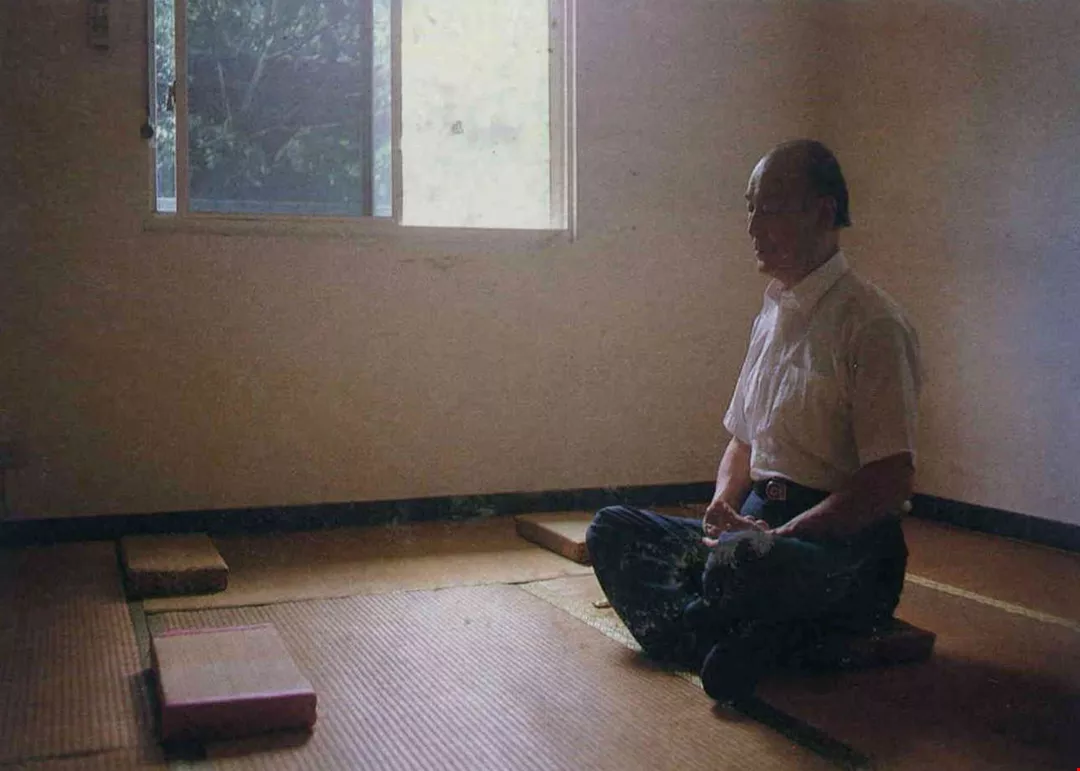
Chinese and Western medicine are both methods for treating people; it's just that their approach to illness is somewhat different. How can they be integrated? Perhaps returning to a holistic view of the person they are aiming to treat might provide a bas is for integration.
Lai Gi-ming, who is also a visiting physician in the cancer wards of both CGMH and National Taiwan University Hospital (NTUH) in addition to working with the National Health Research Institutes, explains that the medical community is aware of some compounds, such as vitamin A, which affect the differentiation and death of cancerous cells. Lai thinks that since the Chinese medical community has been observing the natural elements and human body for thousands of years, there must be similar clues to be found within its records. He has extracted a compound from urine which he calls "cellular differentiator 2," and in early experiments on cultured lines of hematological cancer cells, he has discovered that his compound does affect differentiation in cancer cells.Dentists and the "tongue exam"
At the conference, Sun An-ti, a dentist at NTUH, also reported on the use of Chinese medicine, in his case, in the treatment of oral lichen planus. He says that in examining patients, one often finds inflammation in the mouth. "The teeth do not exist independently. Their condition is closely related to the function of the whole body. You could say that the oral cavity is a window onto changes within the body. The 'tongue exam' of Chinese medicine is similar to the method we dentists employ. There is a lot of traditional Chinese medical knowledge which can be applied to the treatment of oral conditions," says Sun.
Oral lichen planus involves pathological changes to oral mucus and skin. Research shows that it is not only an auto-immune system disorder, but also an early indicator of oral cancer. "A great deal of fundamental immunological research has been done. There is now deep understanding of the mechanisms, and there has been much development. However, clinical usage is extremely limited. Most of this involves steroids or immune inhibitors. Although this is effective, extremely severe side-effects cannot be avoided."
Sun is searching for a supplementary treatment which "will release interfering compounds, prevent the early stages of cancer from turning into full-blown cancer, promote healing and have less severe side effects." Looking at the research into Chinese herbal pharmaceuticals, of those which are relatively cheap and have a high degree of safety, rodi astragale, fructus lycii, and fructus ziziphi jujubae are the most effective. All of these shorten the duration of treatment and reduce the rate of recurrence.
In addition to these reports, Dr. Chung Chieh, who discovered the relationship between the Chinese martial art chikung and bioenergetic medicine and founded the Energy Medicine Association of the ROC, made a presentation outlining his career from his leaving the internal medicine department of Veterans General Hospital (VGH) to research acupuncture, and his inventing of the Qin Value Detector (which employs the TCM concept of meridians), to his establishment of the Probity Clinic which employs his Qin Value Detector in coordination with related traditional European medical treatments.
Dr. Fan Nien-tsung of VGH also presented a report describing his experiences following his training in TCM at the VGH Traditional Medicine Research Center, from his use of traditional Chinese pulse reading to diagnose AIDS cases to his being commissioned by the government of Thailand to establish an AIDS treatment program employing Chinese meditation and breathing techniques and the cultivation of chi.A lack of persuasive research
But some are not so positive. "Although these medical professionals are open-minded and pro-active, and their research both creative and impressive, when you examine it carefully, you find that it lacks sufficient scientific evidence, especially in the clinical trials," says Chou Pi-she, a professor at Yang-Ming Medical College.
Chou, whose primary area of research is clinical statistics, states that most of this research is limited to extractions and animal research in the Chinese medical laboratory, or consists of individual case reports. It focuses on the search for individual problems and is not widely applicable general research.
"Only a very few projects can really be said to have been designed as clinical trials. And even in these cases, the design is still rough. It isn't rigorous enough and so lacks persuasiveness," says Chou, who was the concluding speaker at the conference. According to him, the scientific procedure is: One must first have experimental evidence. Then, in conducting the first stage of clinical observations it is important to have a large, randomly chosen sample group if one wishes the results to be generally accepted.
"Taiwan is obviously very weak in the area of clinical research," agrees Lai Gi-ming. He feels that this can be attributed to too few demands and too little training in the early years of medical education in Taiwan, as well as a lack of support in the larger environment. "On the one hand, in the early days people generally studied medicine to become a doctor and make money. Very few were willing to immerse themselves in conducting basic research. The nation was also in the habit of importing techniques and medications from abroad. We didn't have the ambition or the confidence to carry out our own research and development, meaning we never built up this kind of system."
"In the past, most of Taiwan's medical research was funded by the National Science Council. It supported research at all the medical schools, research centers and medical treatment facilities. But they were limited in terms of equipment and manpower, and thus unable to carry out large-scale clinical research," says Lai. He says that the National Health Research Institutes (NHRI) were established in 1994 to promote clinical research. "Their aim is to draw doctors into clinical research and to push following up experiments with clinical research." Lai says that the money, equipment and manpower required for large-scale clinical trials are all considerable. Support is a necessity. In his own case, it was only after he entered the NHRI that he had the opportunity to carry out his research on urine extracts in depth. He is already planning to work with National Taiwan University to carry out animal experiments to test whether combining his extract with vitamin A increases its effectiveness. He plans the final stage of his research to be clinical trials on humans.
Lai Chi-ming must be considered fortunate. Other researchers don't necessarily have the same kind of opportunities or support. For example, although Sun An-ti works at NTUH, the island's number one medical center, his research often encounters resistance from a system that is focused on Western medicine. His research is not thought to be a part of his duties. And Julia Tsuei, a former professor at the Yang-Ming College of Medicine, often encounters funding difficulties. This is in spite of the fact that her research into diagnostic similarities in Western and Chinese medicine, a large-scale clinical research project of a sort rarely seen in Taiwan, has the support of the private Foundation for East-West Medicine.One-tenth the resources
"In fact, if only policies were a little more liberal and the distribution of resources a little more even, it would greatly improve the environment for research into Chinese medicine," says Sun An-ti. For this reason, in addition to his clinical duties and research pursuits, the vigorous Sun also actively involves himself in government and community work. He hopes to improve the situation by changing government policy. A former member of the Kuomintang (KMT) Central Committee, Sun travels all over the island speaking and strongly pushing for the inclusion of a provision promoting research into Chinese medicine in the KMT's party charter and in the constitution of the ROC. "When mainland China drew up a constitution in the 1970s, it clearly stated that the nation's medical mainstream would be a combination of TCM and Western medicine. For this reason, it has received long-term support and promotion, and has attained its current level of achievement. In contrast, of the 14 medical centers in Taiwan, only the China Medical College and CGMH have established departments of Chinese medicine with a status equal to that of their departments of Western medicine. The unequal distribution of resources is plain to see."
The National Health Insurance (NHI) system's payments schedule is another frequent point of dispute. Most people feel that the scope of NHI's payments for traditional Chinese medical procedures is too limited. For example, payments for traditional medical services currently account for less than 10% of NHI's expenditures for medical services. And last year, while NHI's total expenditures totaled NT$173 billion, expenditures for traditional medical procedures were a mere NT$10.8 billion, or only about 6%.
"Things like the higher payments that are made for hospital stays have not been fully liberalized for hospitals of Chinese medicine. In fact, it is only being tried at a few such as CMCH, Kaohsiung Municipal Hospital for Chinese Medicine and Taipei Municipal Hospital of Chinese Medicine," says CGMH's Lin I-hsin.
Therefore, the hospital stay fees associated with Chang Gung's in-patient Chinese medicine treatment for spondylitis must be covered by patients themselves. "The lack of a system which pays for hospital stays affects the source of our cases for clinical research. We have no way of making long-term observations of the effectiveness of clinical treatment. This is a major obstacle to conducting research on the use of TCM to treat chronic illnesses."
Within the government, the Department of Health's Committee on Chinese Medicine and Pharmacy, established only in 1995, is the highest governing body solely responsible for overseeing Chinese medicine on the island. Chang Chung-Gwo, who just took over the leadership of the committee early this year, says with some exasperation, "That's just the way it is. We got started much too late." Chang says that the medical system also maintains a very conservative attitude towards the development of Chinese medicine. For example, when Vice President Lien Chan, in opening remarks at the recent National Convention of Chinese Medicine, stated that the government would push the opening of departments of TCM at all 14 of the island's medical centers, there was much grumbling. "Many people are afraid that this will create stiff competition [for resources], and access to fewer resources than they currently enjoy."Is integrated treatment illegal?
The law has also failed to keep up. "Based on the law governing doctors, the integration of Chinese and Western medicine is still illegal. Unless they have licenses to practice both forms of medicine, doctors of Western medicine cannot practice Chinese medicine, and doctors of Chinese medicine are not allowed to practice Western. The law governing pharmaceuticals also stipulates that Chinese herbal medicines and Western pharmaceuticals cannot be administered together," says Chinese Medicine Committee chairman Chang, who is also a former head of Kaohsiung Municipal Hospital for Chinese Medicine. He says that in the past, everyone was worried about problems resulting from insufficient medical skills. "But if there were research reports firmly supporting a treatment's efficacy and if a strict assessment of the treatment were carried out, why shouldn't each type of medicine be allowed to complement the other?" Chang, who in his own clinical practice has dedicated himself to the integration of Chinese and Western medicine, overcame the legal problems by becoming a licensed doctor of both forms of medicine. Thus he could have his patients take their Western prescriptions before meals and their Chinese prescriptions after meals. Though this method did not fall within the system's rules, its effectiveness was obvious, and Chang had the full confidence of his patients.
Chang has laid out a series of working points to promote the development of Chinese medicine. It includes everything from reform of the educational system and the examination structure, oversight of the quality of Chinese medications and fostering the development of Chinese medical research to making the Chinese medical classics available online and evaluating the effectiveness of clinical treatments. "We've got too much to do. It's exhausting! Why on earth did I take this job? Why didn't I just continue earning money from my practice?" Although Chang often makes such remarks, he is at work in his office at seven every morning. And when visitors come, he himself pulls out the transparencies and explains the committee's work and future direction. "It used to be that not many people understood TCM, and that was an obstacle its development. If we want to overcome this obstacle, we have to do our utmost to promote TCM."
Chang Yung-hsien, who often receives invitations from medical centers and academic associations abroad to teach acupuncture, is, in class, fond of mentioning an observation made by the scholar of Chinese technology and culture, Joseph Needham. Needham believed that the originally separate streams of Chinese and Western culture would come together and blend into one great stream at the end of the 20th century. "This is the trend of the era. It's just that, early on, most of these trends are led by the West. Now Taiwan must pick up its own pace in order to speed the integration of Chinese and Western medicine."


