Putting AI to Work:
TAIDE Speaks in Tongues
Esther Tseng / photos Jimmy Lin / tr. by David Mayer
January 2026
Industry, government, and academia have adopted TAIDE to create applications in such fields as education, healthcare, and law.
Rende Elementary School is using Taiwanese–English TAIDE to teach Taiwanese Hokkien.

Taiwanese–English TAIDE
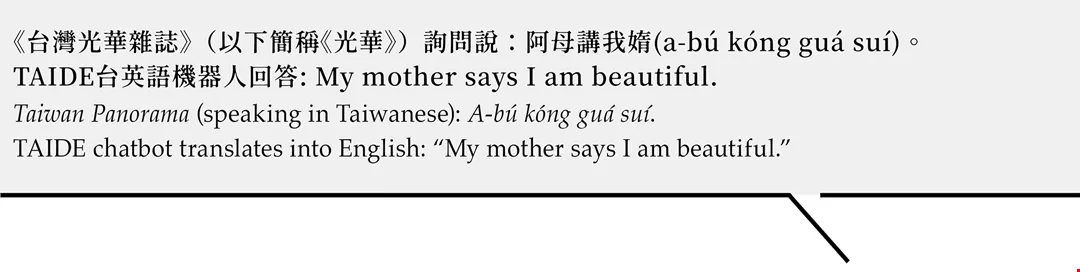
When you speak in Taiwanese (Taiwanese Hokkien) to the Taiwanese–English TAIDE chatbot, which was developed by National University of Tainan (NUTN), the chatbot translates it into spoken English.
According to Professor Lee Chang-shing of the Department of Computer Science and Information Engineering at NUTN, the language model for the Taiwanese–English TAIDE chatbot takes the strengths of the traditional-Chinese language corpus of TAIDE, combines these with spoken-language translation software, and delivers the whole product in a cute robotic package that encourages kids to speak Taiwanese, and to have fun in the process.
Rende Elementary School in Tainan uses Taiwanese–English TAIDE in its Taiwanese language classes. School principal Li Pei-yu says that some students interact with the TAIDE robot, while others prefer to use their tablet computers. In either case, TAIDE motivates kids to study, and the teacher can check the back-end data to give tailored instruction. Examination results will reflect what benefits have resulted from the use of technology.

Chatting with TAIDE in Indigenous tongues
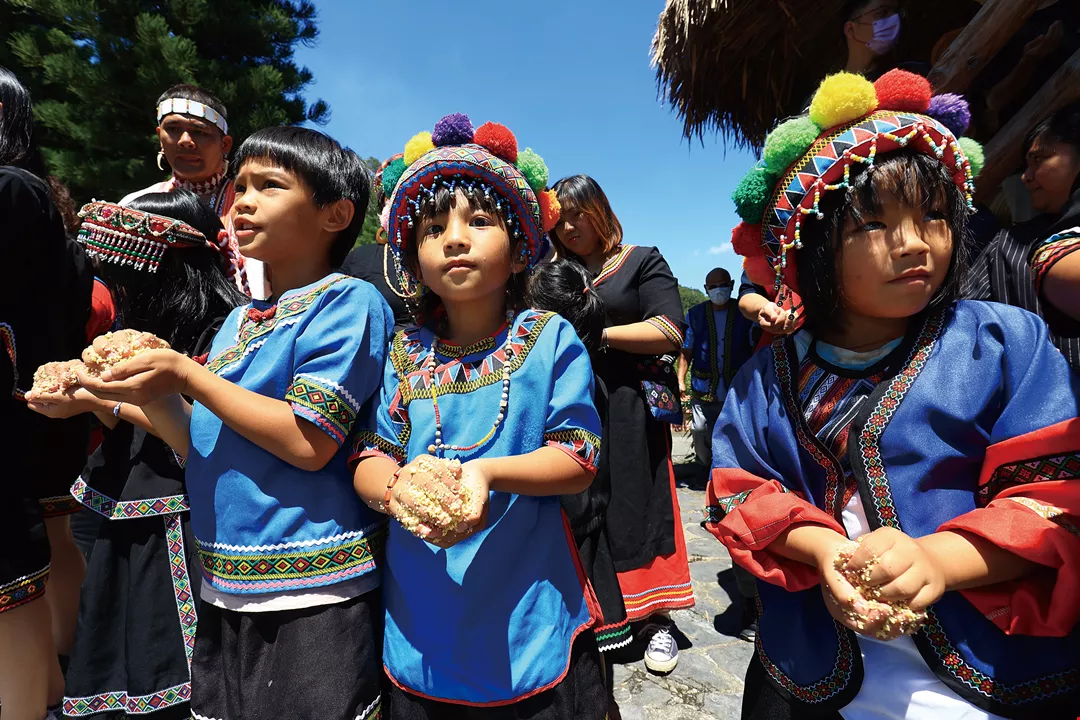
NCHC is also developing an AI corpus for Taiwanese Indigenous languages. Says Chang Chau-lyan: “I can proudly declare that as a humanitarian undertaking, this project is utterly unique in the world of AI development.” When this field of application was mentioned at an international conference, people were very enthusiastic, and praised Taiwan for according fair treatment to ethnic minorities and for contributing to the preservation of cultures.
According to NCHC research fellow Shiau Yi-haur, who heads the center’s Indigenous languages project: Over the past two years, the project has collected more than 61,000 items of Truku-language voice data, which add up to a combined length of roughly 125 hours, or five times the volume of the voice data contained in the Indigenous-languages voice corpus of the Indigenous Languages Research and Development Foundation (ILRDF). The project has also collected more than 71,000 items of Tsou-language voice data, adding up to a combined length of some 240 hours, or 13 times the volume of the ILRDF’s voice data.
Says Shiau Yi-haur: “We’re next going to work on the Puyuma language, including the Puyuma, Katratripulr, Makazaya and Kasavakan dialects. And there is Kavalan, the extremely endangered language of the Kavalan people. There are only a few more than 1,700 Kavalan left in all of Taiwan, and most of them can’t speak the Kavalan language.”


Shennong TAIDE
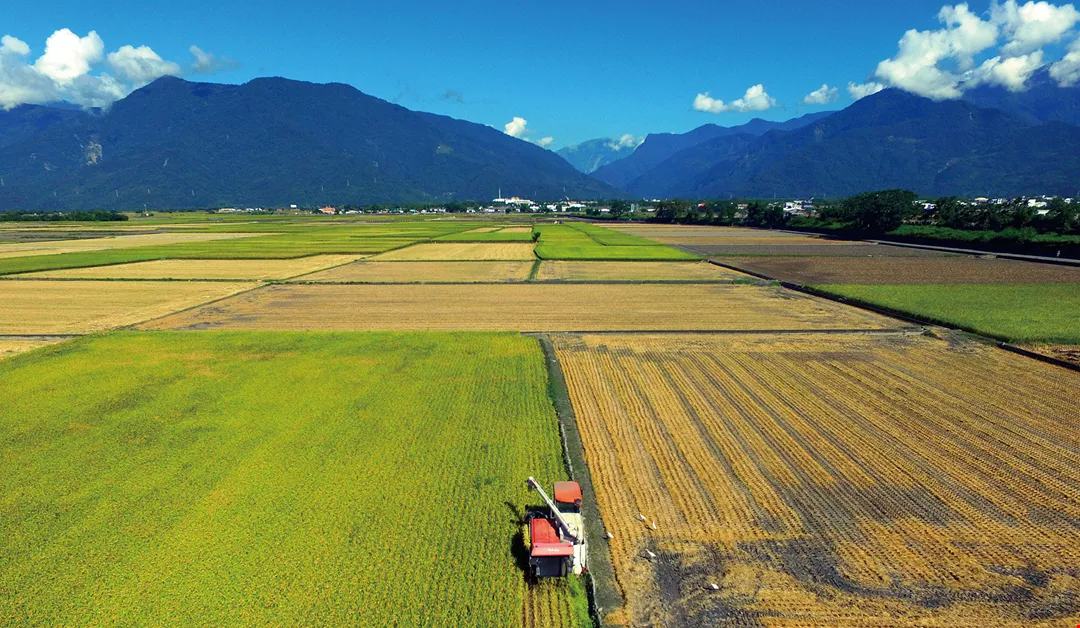
Shennong TAIDE is intended to meet the needs of specialists and tech-savvy young farmers, who can visit the Shennong TAIDE website to ask questions about what sorts of agrochemicals and treatments to use with paddy rice, orchids, etc. A simple search for “Shennong TAIDE” in Chinese will take one straight to the website’s search page.
According to Professor Fan Yao-chung of the Department of Computer Science at National Chung Hsing University, the best thing about Shennong TAIDE is that it isn’t plagued by the “hallucinations” (confabulations) of generative AI.
Fan says he is using a multimodal system to develop a Shennong agent so that members of the public can directly input images, check to see what pests and diseases are affecting their plants, and find out how to deal with them.


TAIDE for Taiwanese & Hakka
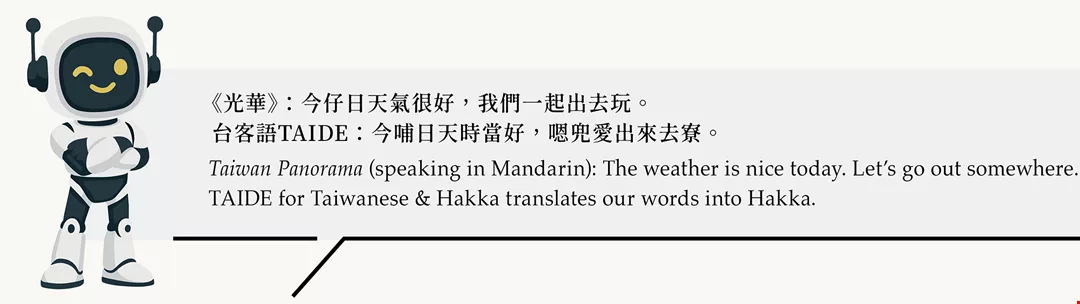
TAIDE for Taiwanese & Hakka, which is being developed by National Yang Ming Chiao Tung University (NYCU), relies on language data drawn from programs broadcast on Public Television Service’s Taiwanese Hokkien and Hakka language channels.
According to Professor Liao Yuan-fu, chair of the Institute of Artificial Intelligence Innovation at NYCU: “TAIDE for Taiwanese & Hakka can listen, speak, read, write, and translate. It handles the Taiwanese Hokkien and Hakka languages better than any another language model in the world.”


TAIDE for health services
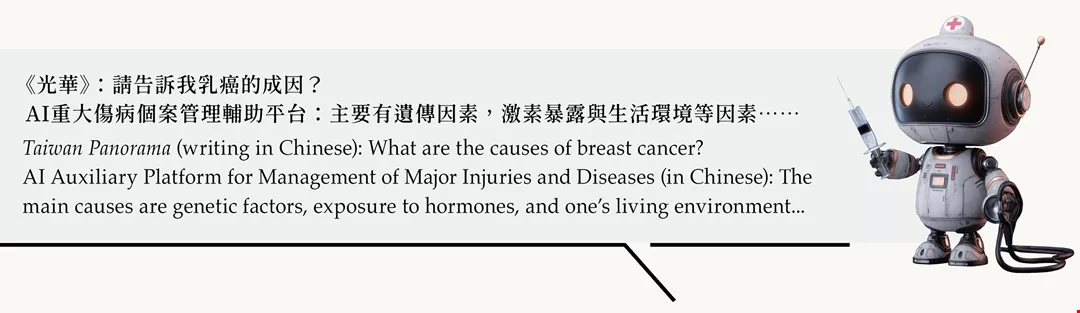
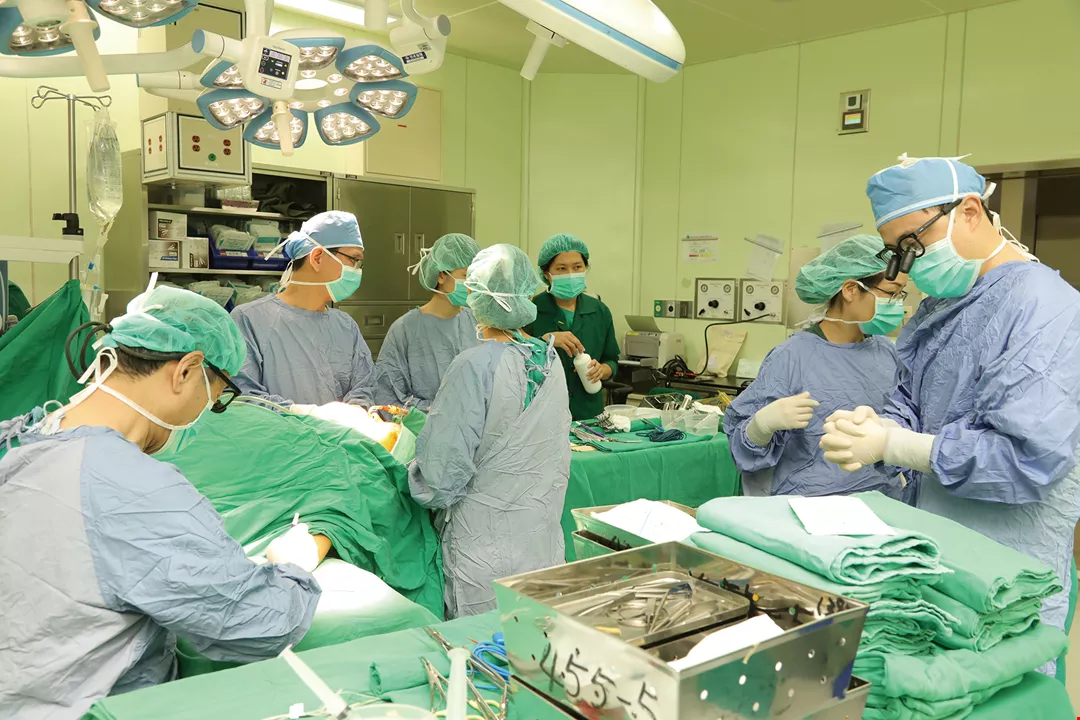
Taichung Veterans General Hospital has used data on lung cancer, breast cancer, and colon cancer to train TAIDE, while taking precautions to protect cybersecurity and the security of personal information. What makes this health services platform unique is that its healthcare information reflects health-related language as used in Taiwan.


TAIDE for fraud and industrial relations
A team led by Professor Liu Chao-Lin of National Chengchi University’s Department of Computer Science took 10,000 court judgments on labor litigation plus 7,000 court judgments on fraud-related litigation and used them to train the TAIDE model to help law firms quickly find case data and identify information therein that is similar to key points that the firms are dealing with in active cases.
Raining Bell app
NCHC has taken the Raining Bell app, which was launched by the National Science and Technology Center for Disaster Reduction in 2020, additionally linked it to data from the Central Weather Administration, and introduced the TAIDE model and a Taiwanese Hokkien language voice model. Wherever in Taiwan a user is located, the app can forecast precipitation amounts, display weather data text, and provide voice responses to spoken queries.
Clinic Locator app
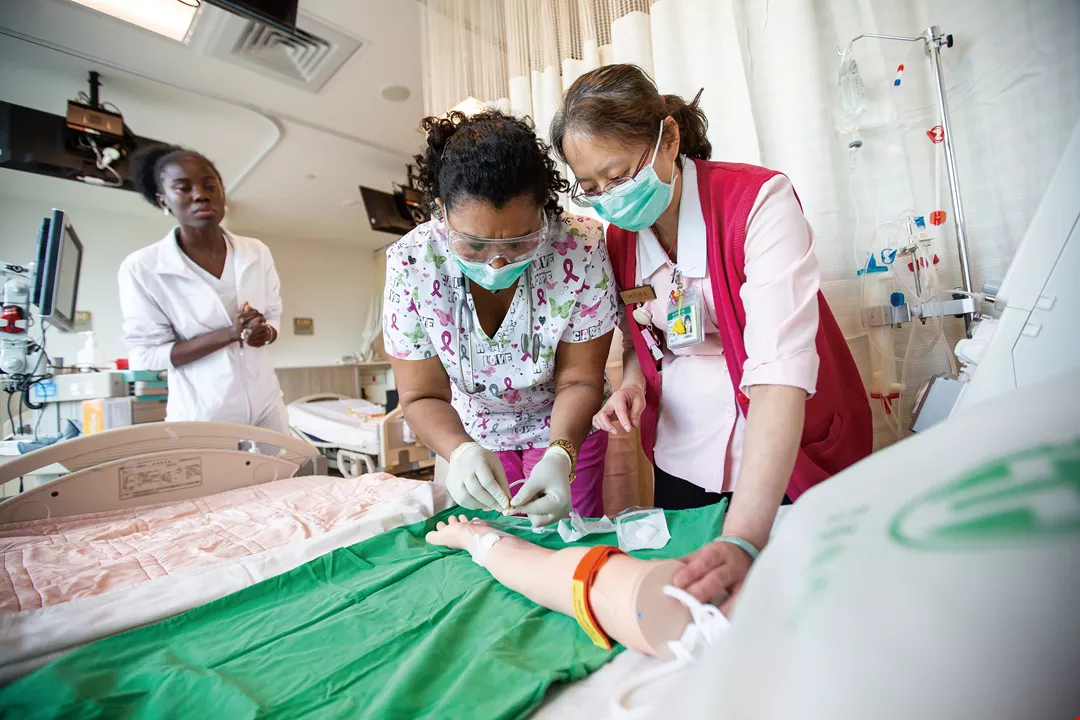
Clinic Locator was for a time the app in the Google Play healthcare category with the second most downloads in Taiwan. People who experience health issues when traveling can input their symptoms into the Clinic Locator app to find appropriate medical clinics and pharmacies nearby. The app makes it easy to register to see a doctor or get a vaccine shot.
Clinic Locator was developed by KVille. CEO Liu Xin-zheng explains that the app uses data released by the Ministry of Health and Welfare and feeds it into TAIDE, which enables persons needing to see a doctor or take medicines to find more correct information.