Wan Feng Soy Sauce: Attention to detail
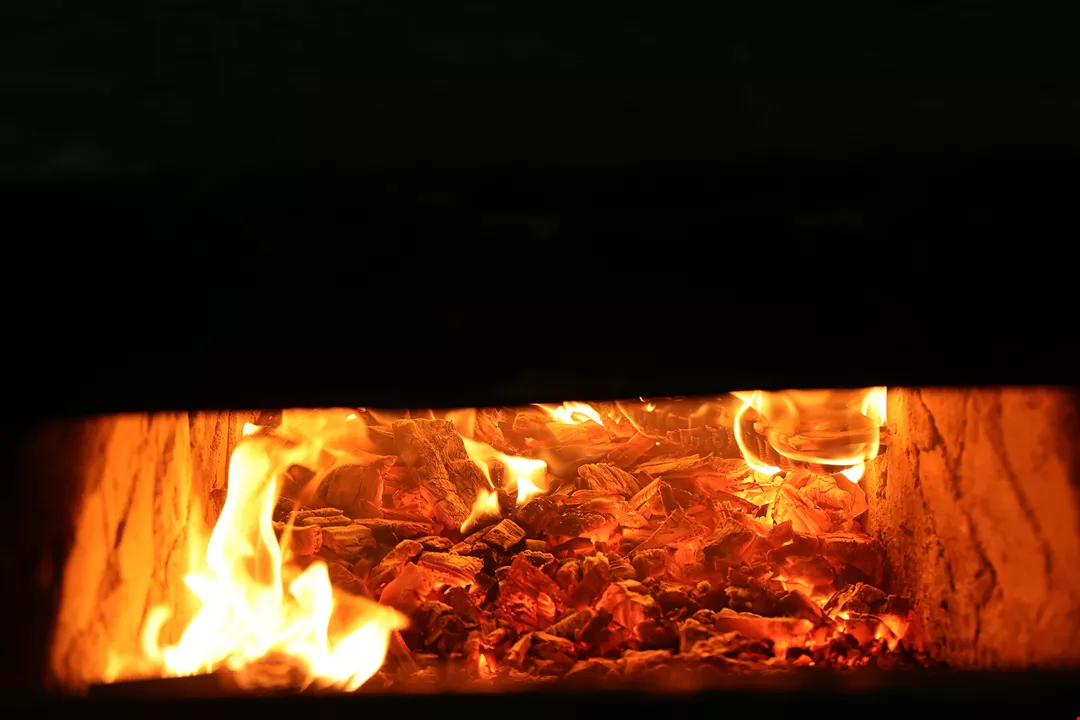
Expressing the making of soy sauce in terms of painting, the raw materials are the pigments, while fermentation with kōji mold is the execution of the painting itself, and cooking is the refinement of the work’s details. A majority of soy sauce makers say that kōji fermentation is the most important step in shaping the flavor of soy sauce.
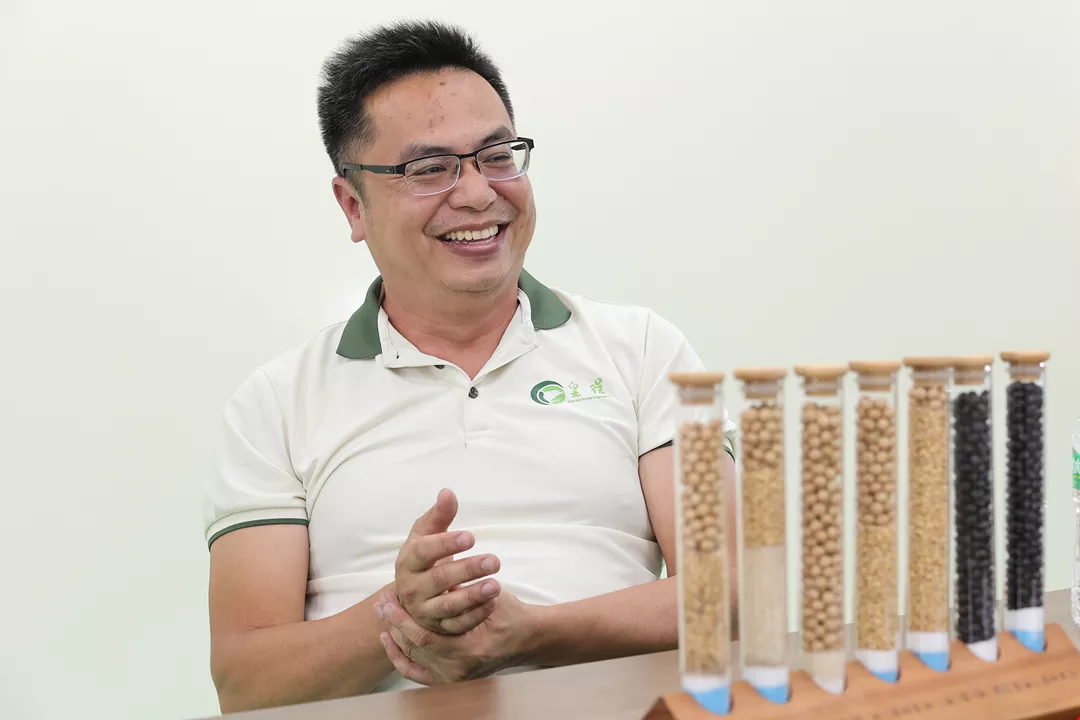
Wu Kuo-pin, the third-generation boss of Wan Feng Soy Sauce in Douliu, Yunlin County, has concluded from his experience that “the flavor of soy sauce is determined primarily by kōji fermentation and secondarily by cooking.”
It is a cool winter’s day, the slow season in soy sauce manufacturing, but Wu is not idle, using this time to do experiments. The factory, located behind a private house, includes his laboratory.
Wu used to work in the high-tech sector, but resigned due to poor health from overwork. He returned home to recuperate, and began to be careful about his diet. After taking a short course in organic farming, he persuaded his family to let him take over their soy sauce business, which at the time was being run by his grandfather and uncle.
With a background in science and engineering, in addition to benefiting from his elders’ advice, he has sought confirmation in science. However, he adds that there are aspects of tradition that he doesn’t want to change.
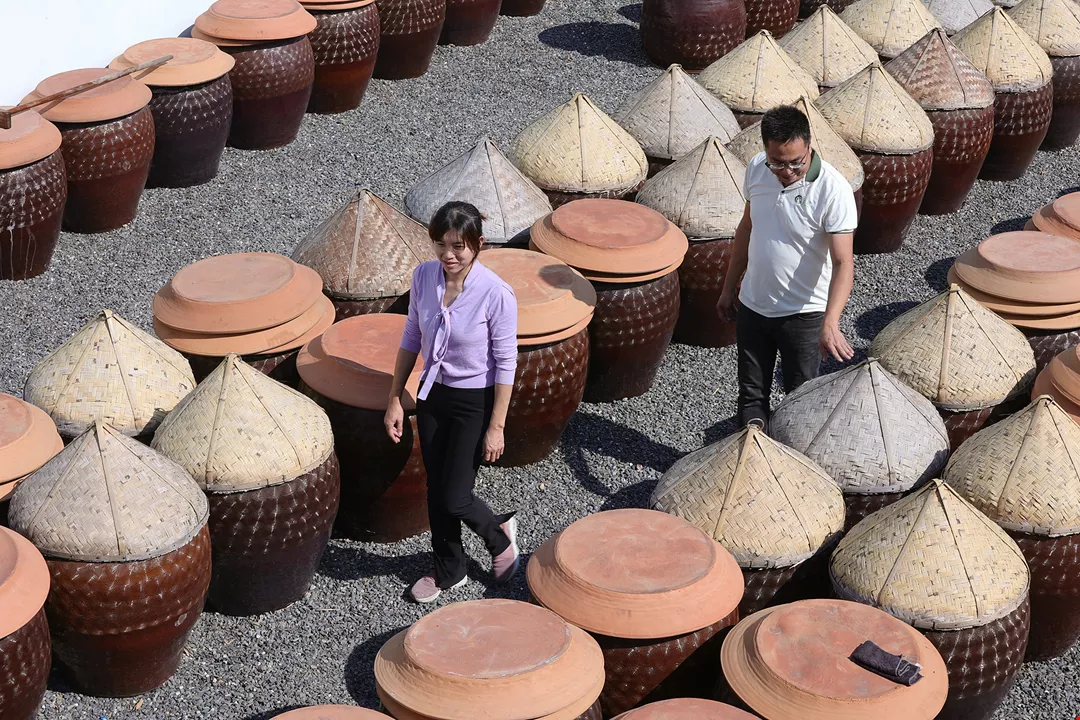
He insists on using traditional steamers rather than pressure cookers to steam his soybeans. He is also meticulous about where his ceramic vats are placed to be exposed to sunshine. He explains that the fermentation activity of kōji mold declines greatly at temperatures above 45℃, and stops altogether at 55℃. Therefore, rather than having his vats stand on concrete, he places them on grass, which takes more effort to maintain but modulates the temperature.
Wan Feng is a venerable old firm that is one of the very few still continuing to use dry brewing. Though this method yields less soy sauce, its product’s flavor is characterized by strong notes of dried mustard greens, alcohol, or chocolate. This is the “old-time flavor” that Wu was finally able to replicate after much painstaking effort.
We listen as Wu enthusiastically explains each step in the soy sauce making process, and describes how the benefits of organic food ingredients that restored him to health have made him believe even more strongly in choosing premium raw materials. He is the embodiment of the old adage that “ingenuity in varying tactics depends on mother wit.” As a master soy sauce maker, his mind is always on the details.
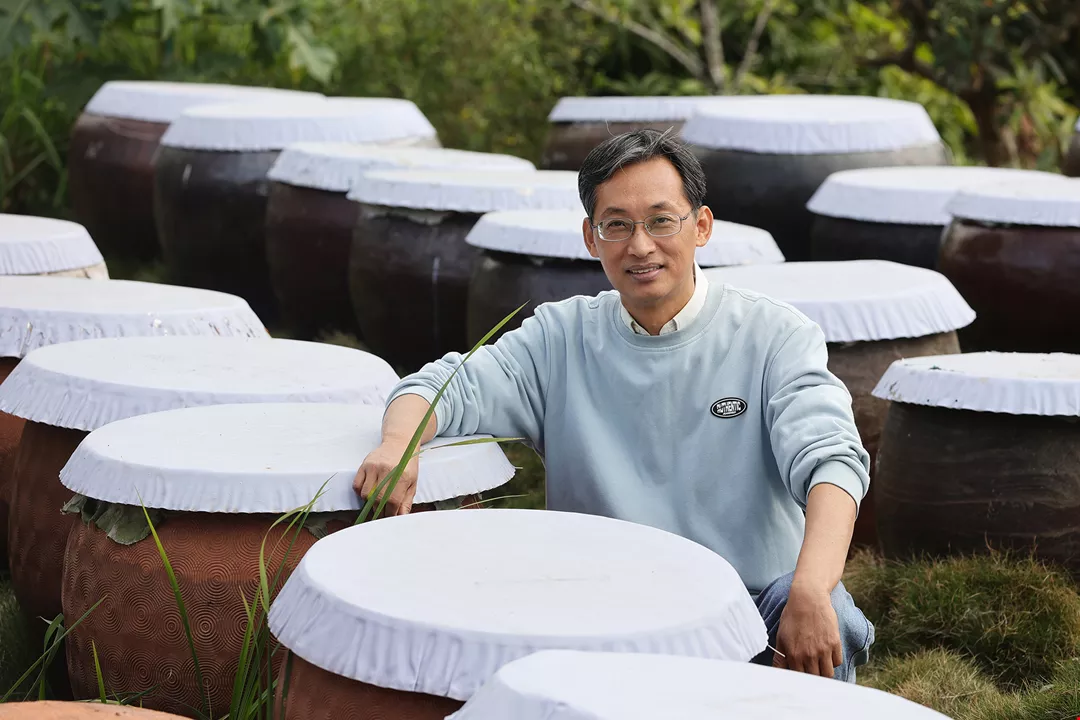
“The flavor of soy sauce is determined primarily by fermentation with koji mold, and secondarily by cooking.” —Wu Kuo-pin
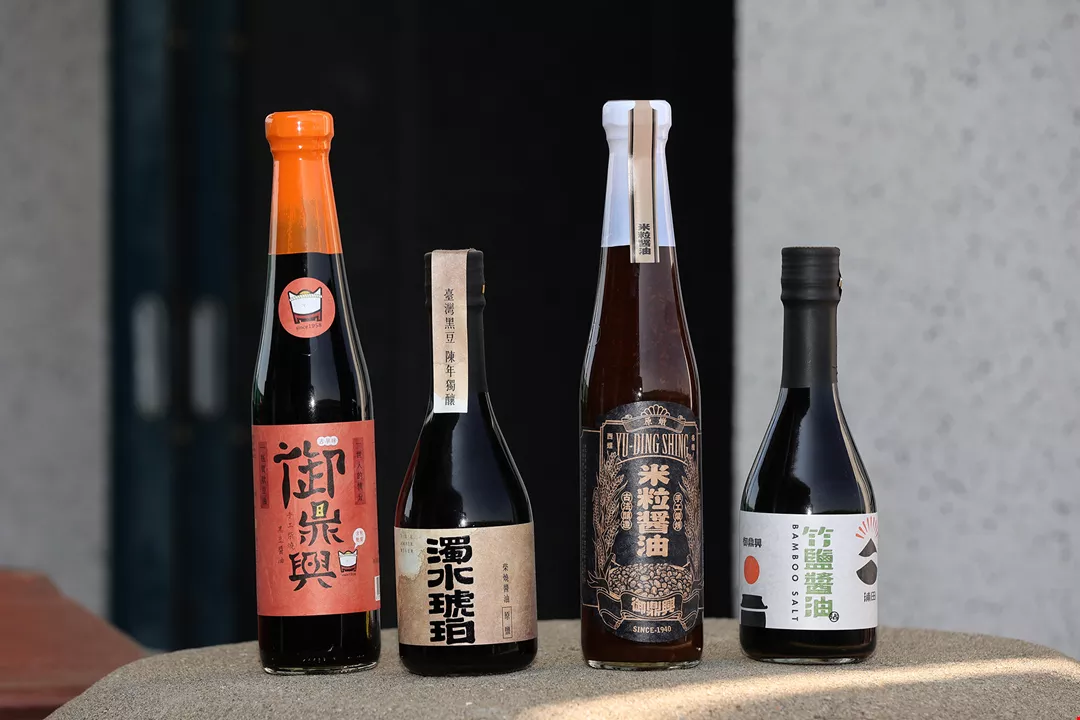
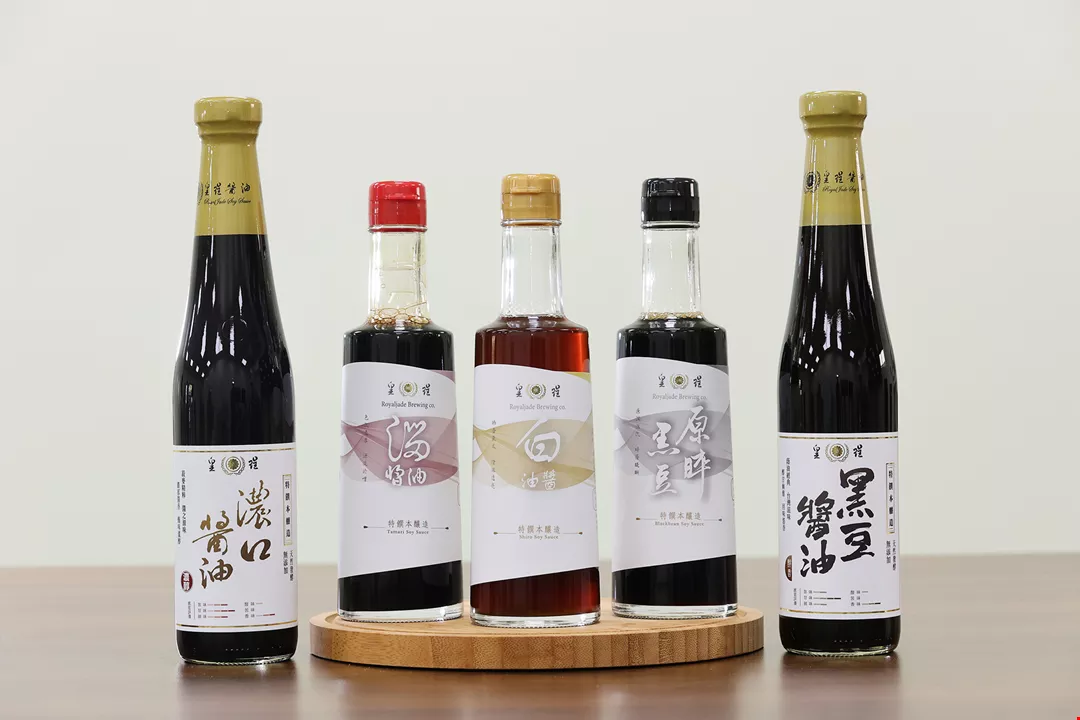
Yu-Ding-Shing has a variety of products that are convenient for use by contemporary consumers.
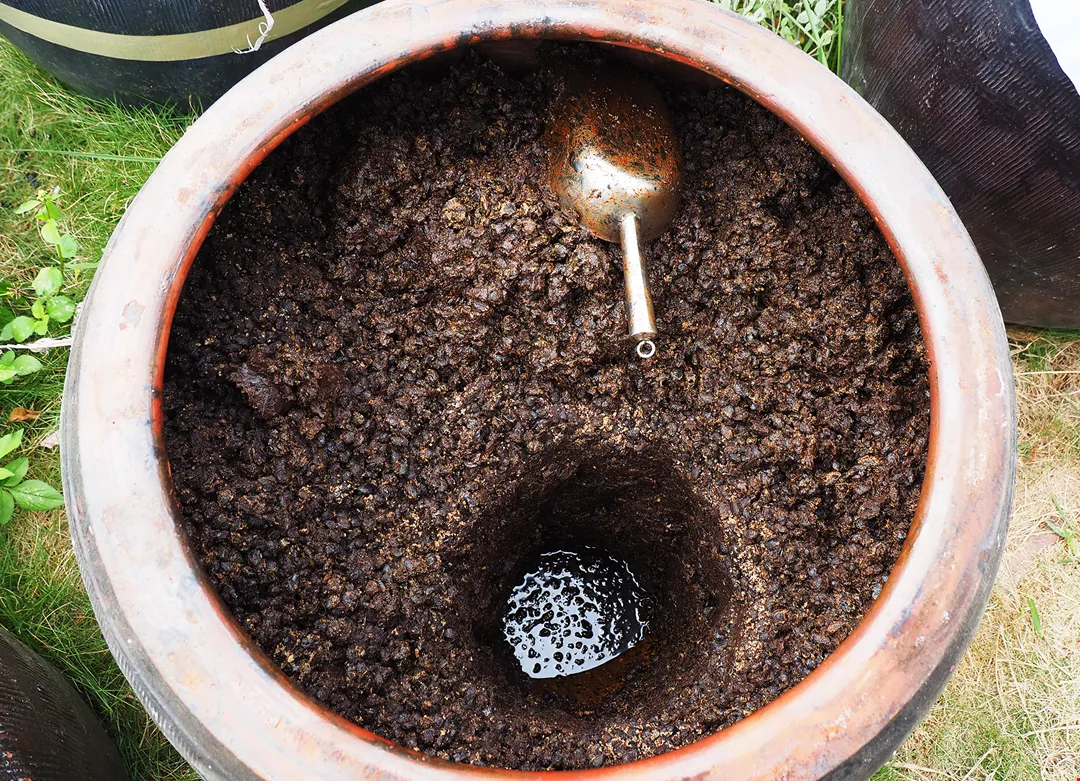
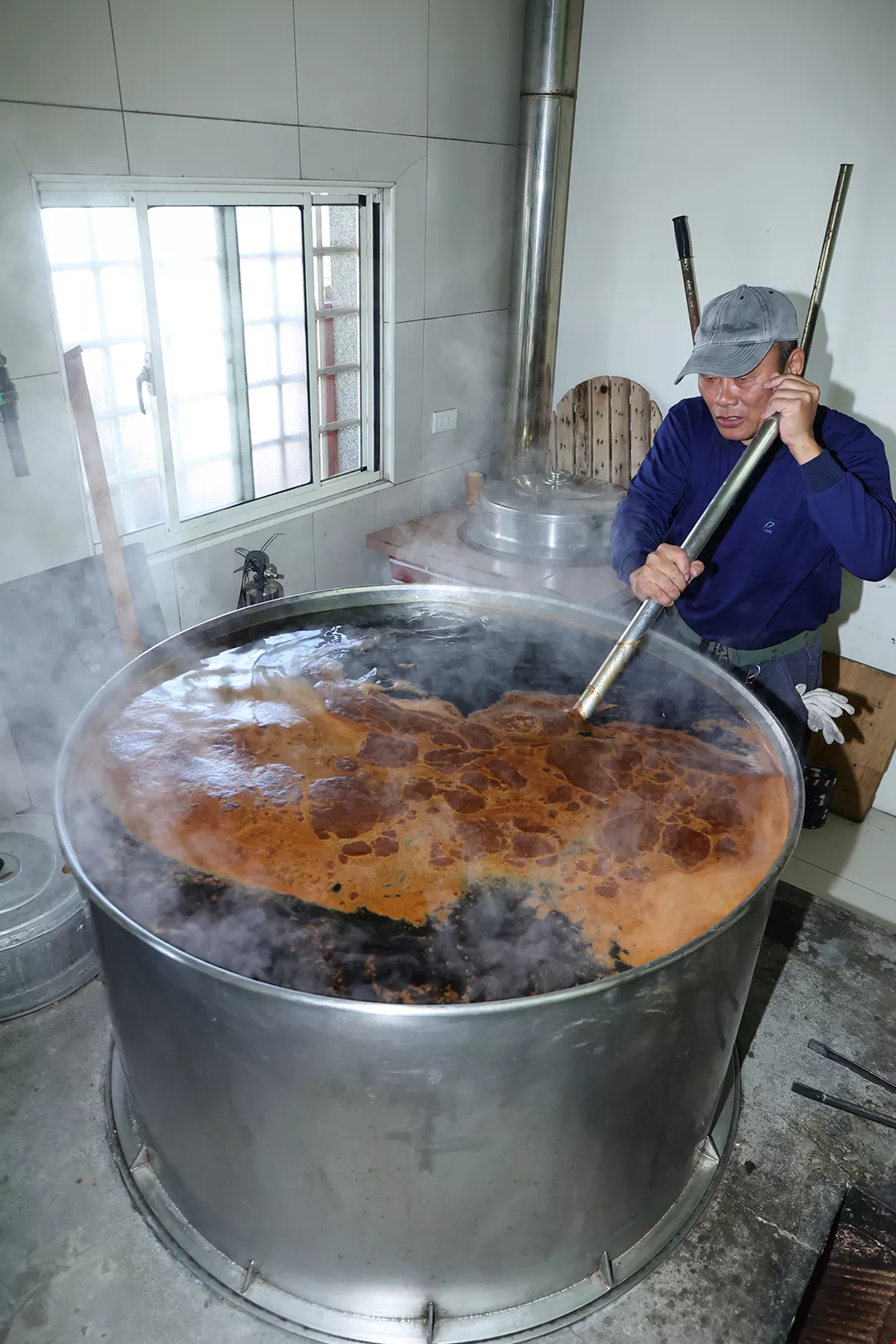
Rich and fragrant “fresh soybean juice” that oozes up when a hole is dug in fermented soybeans is known as “bottom of the pot sauce.”
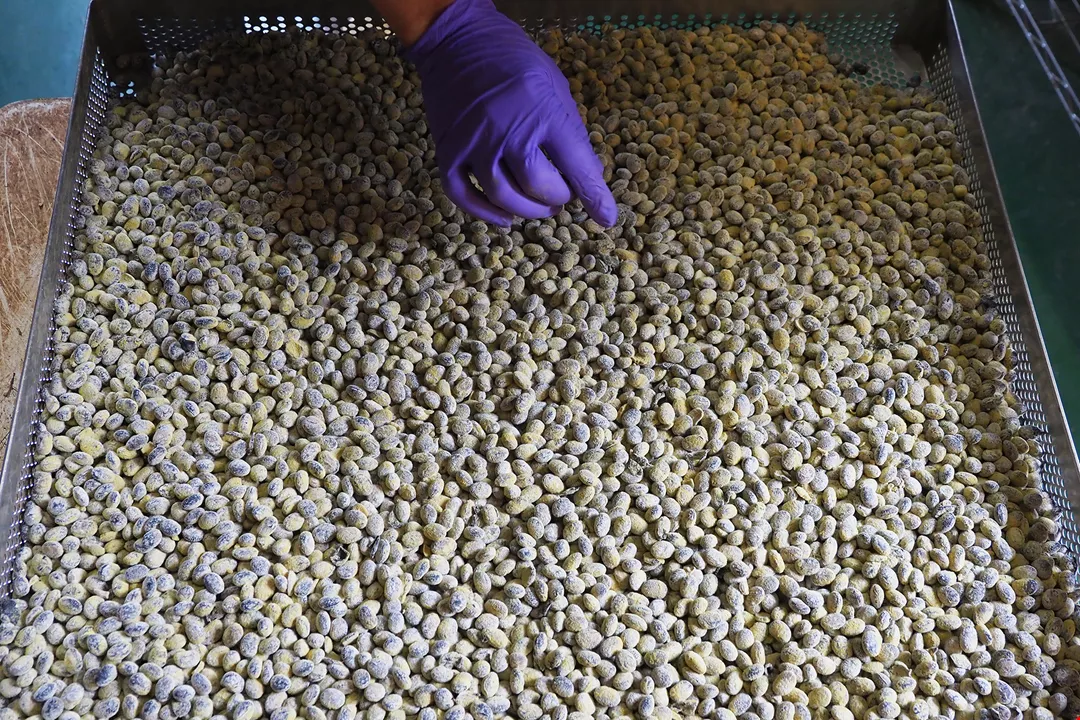
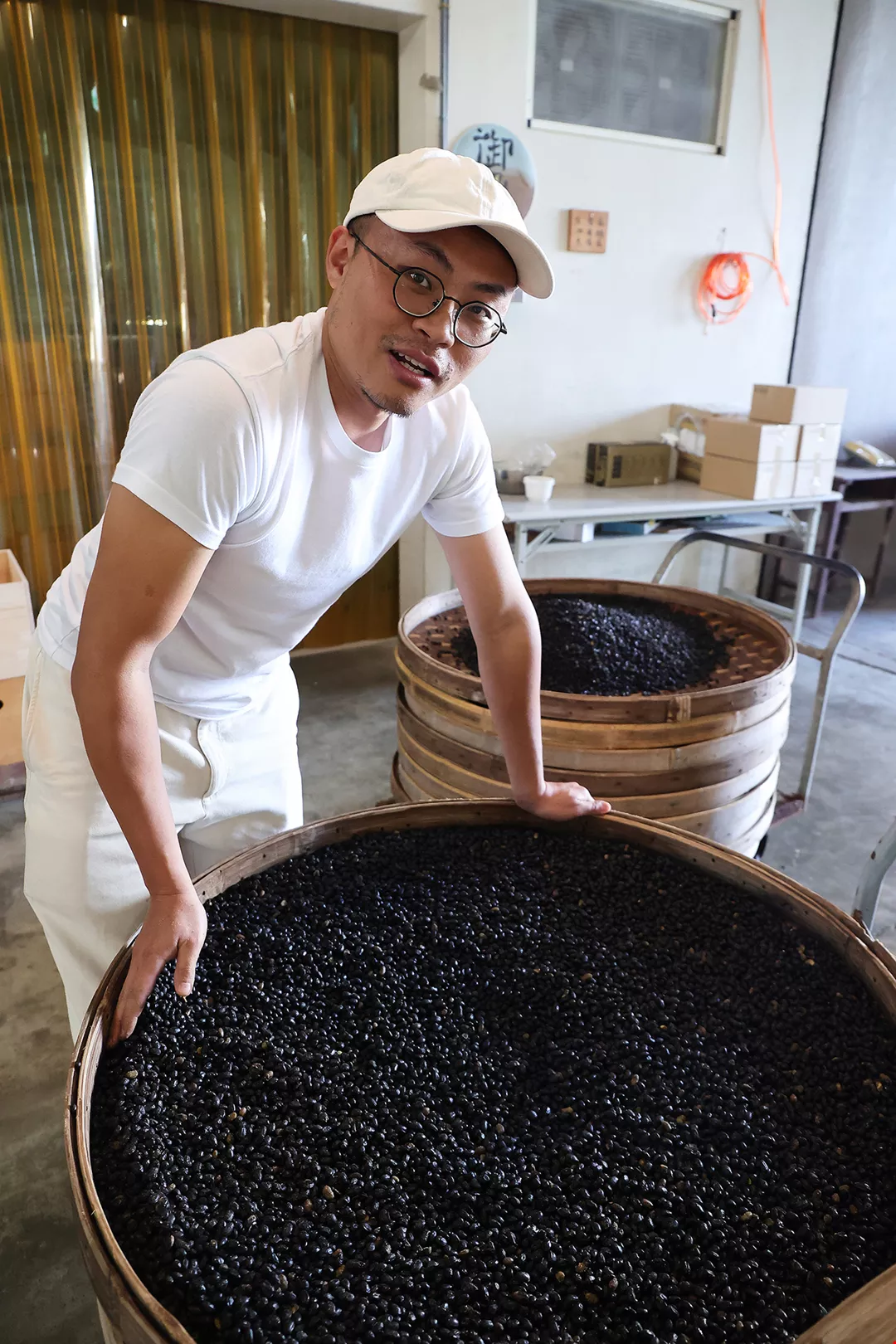
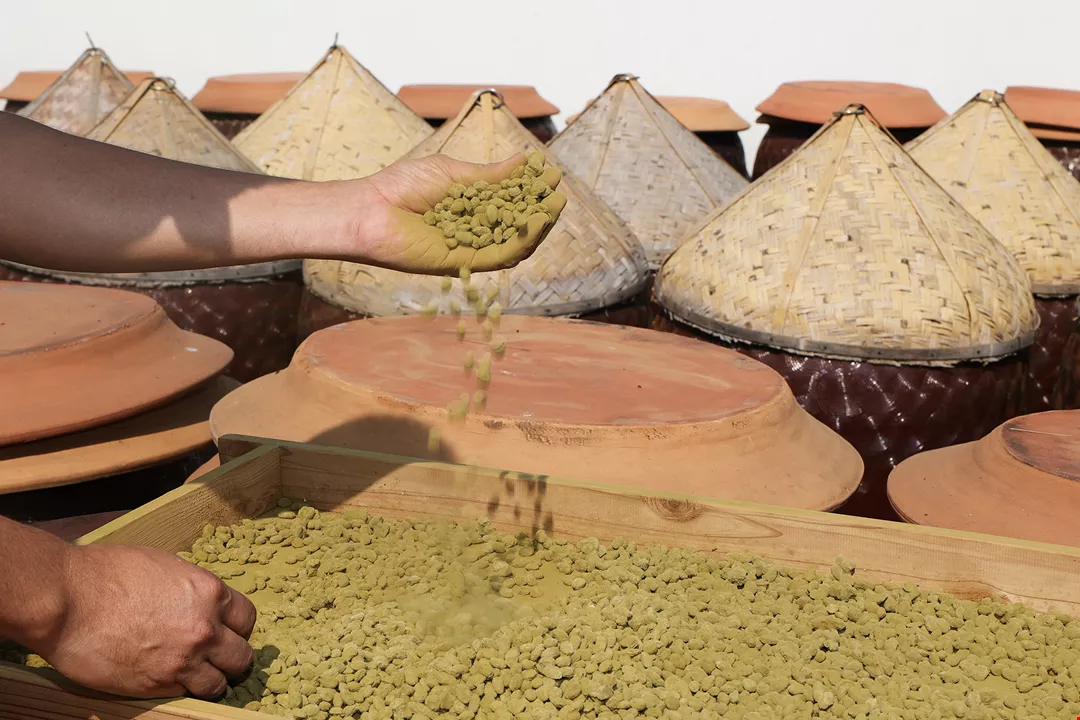
Soybeans fermented with koji mold play an important role in shaping the flavor of soy sauce.
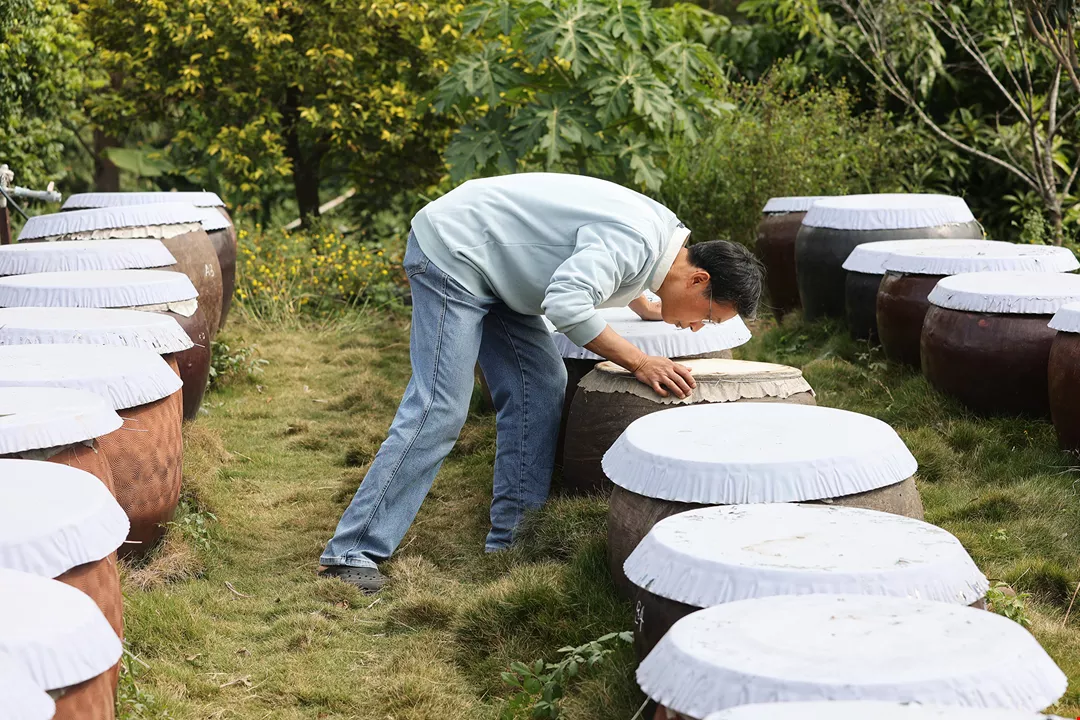
Wan Feng Soy Sauce sets its vats out in a field by a river, where the moisture in the air ensures that the liquid in the vats does not evaporate too rapidly while grass ameliorates the temperature. The entire area forms a microclimate suited to brewing good soy sauce.
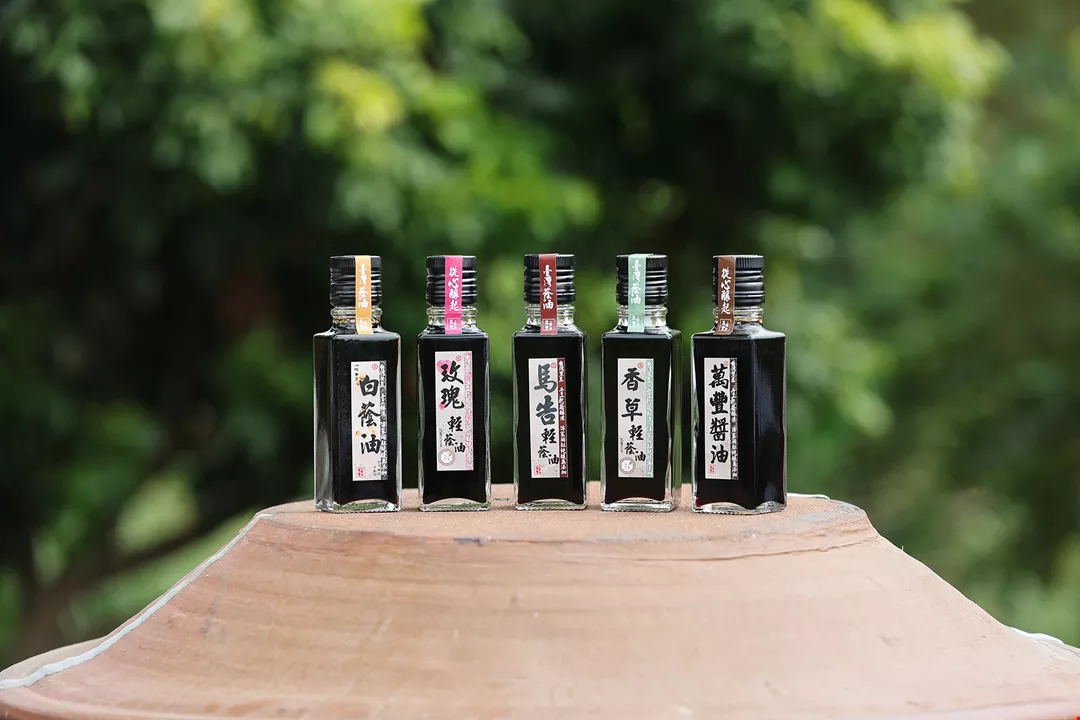
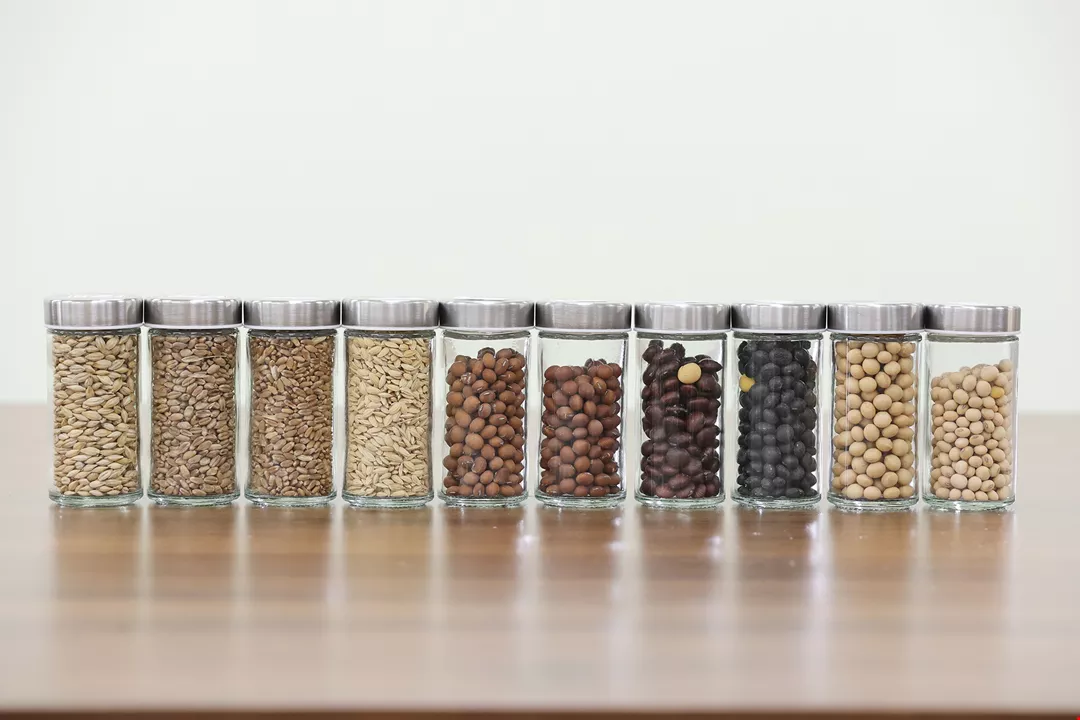
Wu Kuo-pin, who likes experimenting, has made not only the commonly seen black bean soy sauce but also soy sauces with flavorings including roses, mountain litsea, and herbs, which can be used for making sweets.





@List.jpg?w=522&h=410&mode=crop&format=webp&quality=80)


