The complete cycle of a tree
At CHP, a tree is never simply “used up,” but is employed in different ways. Cellulose constitutes 50% of wood and is made into pulp for papermaking. The remaining 50% is lignin, which is concentrated and used for cogeneration (combined heat and power).
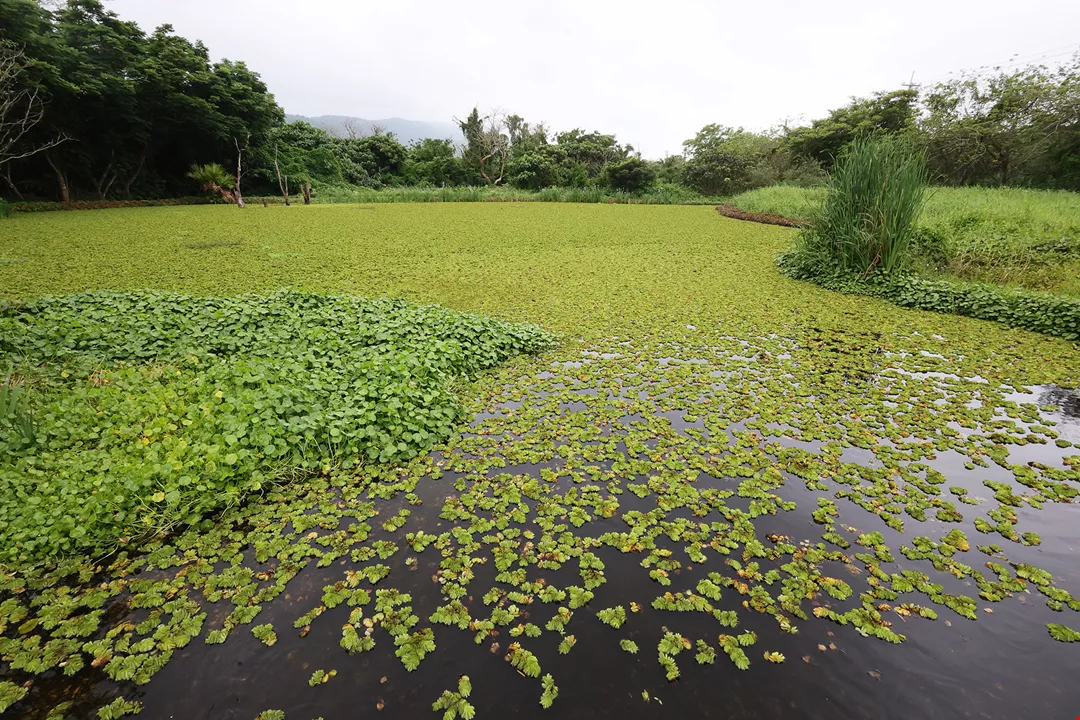
Water resources are likewise carefully managed. Water used in the paper manufacturing process is purified by sedimentation and biological treatment before being discharged. The eco-pond at the rear of the Hualien Mill was created using reclaimed water, and attracts not only protected species like the ring-necked pheasant but even dragonflies, which are very selective about their habitats.
In addition, mineral residues from papermaking are cold pressed to make “eco-bricks,” while residual woodchips are fermented with rice bran to produce organic fertilizer well-suited to improving soil quality and growing tree seedlings. Farms in Hualien’s Guangfu Township that were damaged by a barrier lake collapse in 2025 have used this fertilizer to help the land recover.
In this system, “waste” is no longer waste, but is material for circular reuse.

The eco-pond at CHP’s Hualien Mill draws water from purified factory discharge. The pond nurtures a rich ecosystem and has become an important venue for environmental education.

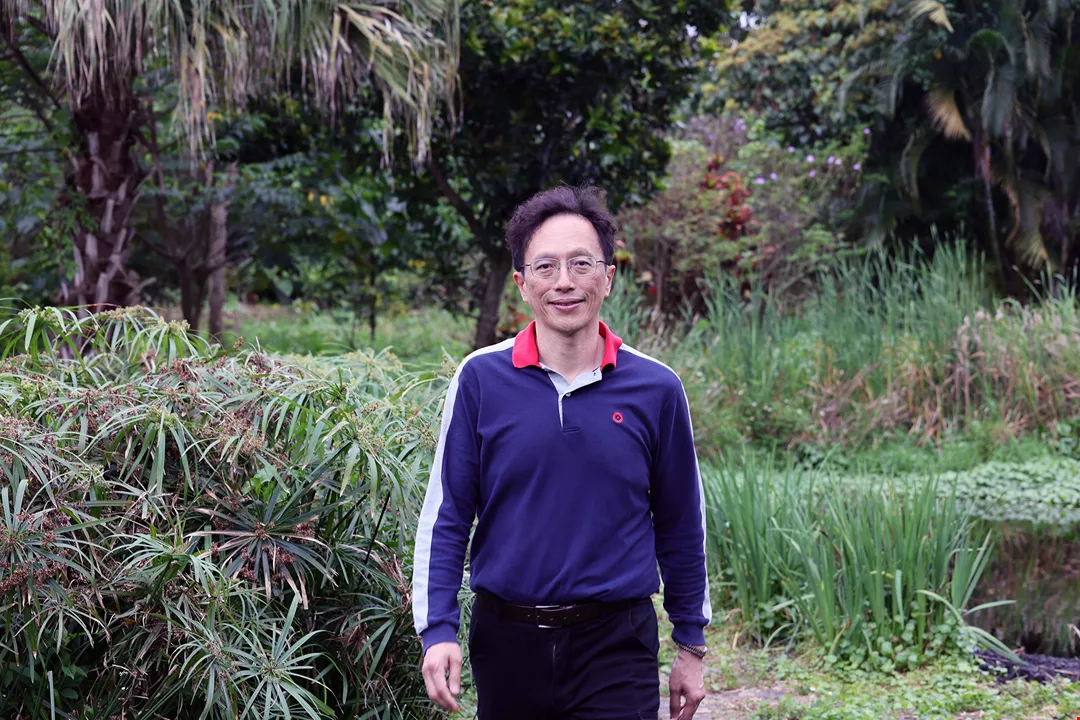
Chiu Yi-sheng, director of CHP’s Hualien Mill, has led the way in getting his site certified as an environmental education facility by the Ministry of Environment.