

The information industry has been enjoying continued growth despite the worldwide recession. Taiwan's industry has continued to grow even when other local industries retrench.
Computers can be analyzed as hardware, software, and peripherals. The hardware and software make the computer proper; the hardware is the machine itself; the software is the machine's instructions, formulas controlling the machine's operations, described as the "brain" of the machine. Peripherals are things like keyboards and printers, the hands and feet for the machine.
Software comes in two main types, operating systems and applications programs. The operating system is the thing that truly tells the computer how to work in general, and its designers must understand the computer's hardware; applications programs must be designed with specific users in mind, for instance accountants and personnel workers require different programs, and programmers must understand something about accounting or personnel (as the case may be) to serve them.
Now software consulting firms are coming to the fore. Such firms design programs for a customer's existing computer network, to meet particular problems.
The director of the Information Industry Educational Center, Chou Ch'eng-k'uan says programs made for a single user "are like tailored clothes, but packaged applications programs are like ready-to-wear garments. If you can sell to a lot of people, over-head and prices go down par unit, which is the trend for the future. But some people will still need 'tailor made' programs."
Because Taiwan is low on natural resources, and densely populated, the software industry is a natural choice for export development. The Minister of Economic Affairs has set the goal of software exports reaching US$5 billion in five years. But according to industry figures (there are no official statistics for the period) last year's software exports were only US$10 million. And that figure counts the value of operating systems built into computers.
Taiwan's software industry can't develop faster partly because of a small domestic market. Furthermore, when government agencies in the Republic of China computerize their operations, they usually set up their own computer section, and do all their start-up programming themselves. As a consequence, independent software consultants lose clients, and the government workers needed to set things up later sit idle after the computerization is completed and their programming skills are not needed for day-by-day operations. Kuo Yun, president of the Institute for Information Industry, recommends that the government take the lead in asking consulting firms to do the programming for new departments, thereby preventing wasted labor, and giving the firms a chance at more business.
Software buyers may be confused by the large number of programming consultants operating in Taiwan. There were about twenty firms two years ago, but now there are more than a hundred. Most are two-or-three-man operations. The buyer of software will find if he shops around that prices for the same job can vary by 300-400 percent. He doesn't know if a high price means the firm is asking too much, or if a low price means the firm is unqualified.
Computer programs are quite complex, and usually contain a number of algorithms that must work together to be of any use. The biggest resource a software consulting firm has is its skilled manpower, and in order to get a big contract a firm will engage in cutthroat price competion with other firms. But another expert comments, "Software is a service industry, quality is more important than quantity, so the firms ought to specialize and have their own strong point to compete with."
Recently many software industry figures have felt the current sort of competition is harmful, and have formed a software association, which officially started on August 26. The association's president, Kao Chao-hsun, says, "Our major current work is to bring division of labor to the industry, and develop toward specialization, and try to set some price ranges, and prepare to have a maximum and a minimum price for each kind of contract, and to divide up the firms according to size--this doesn't mean quality--so that each client can consider the size of his computer system and know what firms to look for. We hope to follow this path, and set standards for the industry, and by helping firms to make reasonable fees, keep them going and increase the level of service and quality."
Because of the small domestic market, the software industry must export to grow. As Taiwan hasn't established its reputation, it can't get much business custom designing programs, so it has to concentrate on ready-to-use interchangeable programs.
Suggestions for entering the foreign market more vigorously include using hardware sales as an inducement to software sales, improving marketing, cooperation with foreign firms, concentrating on Chinese-language computers, or designing new operating systems.
The hardware approach is recommended by Software Association President Kao. "The personal computer market is big, and software for them is fairly easy to make. We can use programs for these machines to pioneer the way."
Marketing expertise is still lacking in the industry. The needs of various applications program users vary like night and day. For instance, American hospitals are managed differently from Taiwan hospitals, so local programs for hospital management don't sell well in the States. Programmers have to look at each country's situation when developing programs.
Some say foreign firms can work with Taiwan programming consultants to expand markets. Wang Chao-ming, vice minister of economic affairs, says, "They have the sales networks, and working with a reputable firm would show that our products have assured quality."
One expert suggests that the way to face the facts is to go all-out in developing a Chinese-language computer. "No one can compete with our country in the field of using our language. We have the strongest competitive position in this field."
Yet another expert believes "we should develop interchangeable operating systems. Computers are becoming more standardized, if we develop a good product, we could sell it all over the world, and the market would be large."
The rising popularity of personal computers brings a lot of benefit to Taiwan's information industry; whether the software industry can, as Economic Affairs Minister Chao Yao-tung plans, by 1985 be, as textiles and electronics, one of the country's three major export industries, depends on whether the industry can seize the current turning point.
[Picture Caption]
Programmers designing a program and making tests on a computer.
Left, Software is the soul of a computer, the disc in the picture is one of the forms of software storage. Middle, Multitech industrial Corporation's General Manager, Stan Shih, urges industry leaders saying, "We should be patient, and develop packaged software, for our software industry to have a future. Right, The chairman of Mitac, Inc., Miao Feng-ch'iang, says, "The domestic software industry's scale of planning is too small; firms must combine to make their organization sound."
Above left, Mitac's President C. S. Ho says, "Now is a good time to develop our software industry." Below left, The president of the Software Association, Kao Chao-hsun, says the association is now coordinating division of labor in the industry, helping the firms to specialize. Above right, Vice Minister of Economic Affairs Wang Chao-ming says industry figures should cooperate, and promote unified exports. Below right, Ill's President Kuo Yun says, "Government and industry ought to have software firms do their start-up programming."
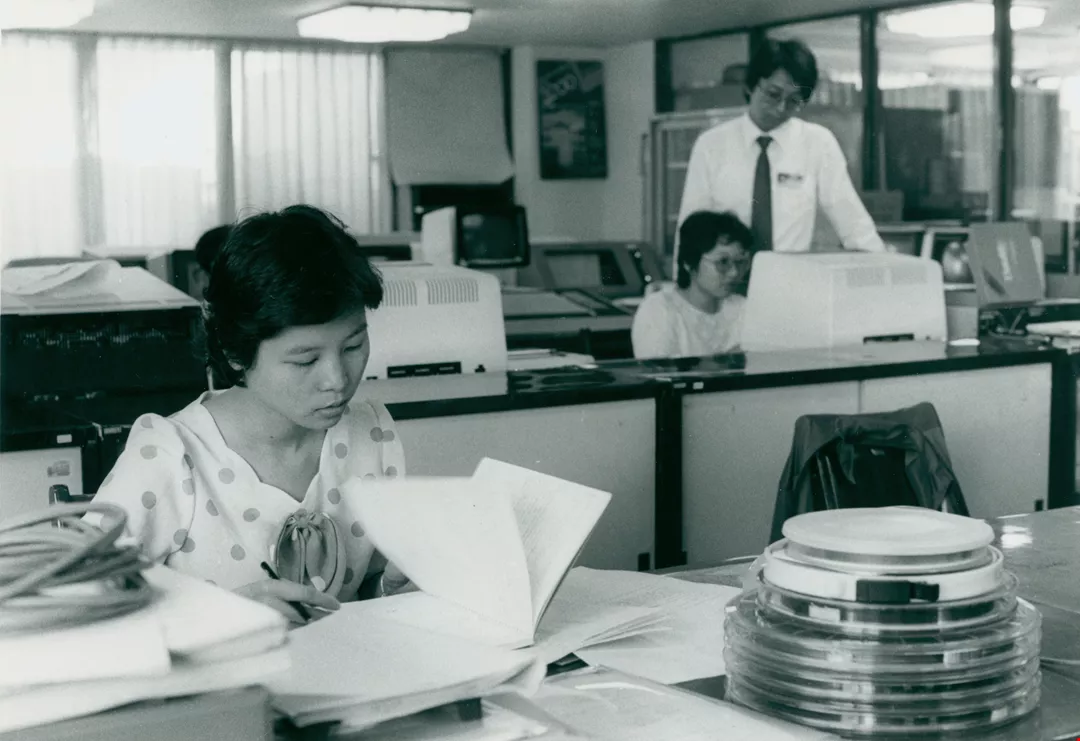
Programmers designing a program and making tests on a computer.
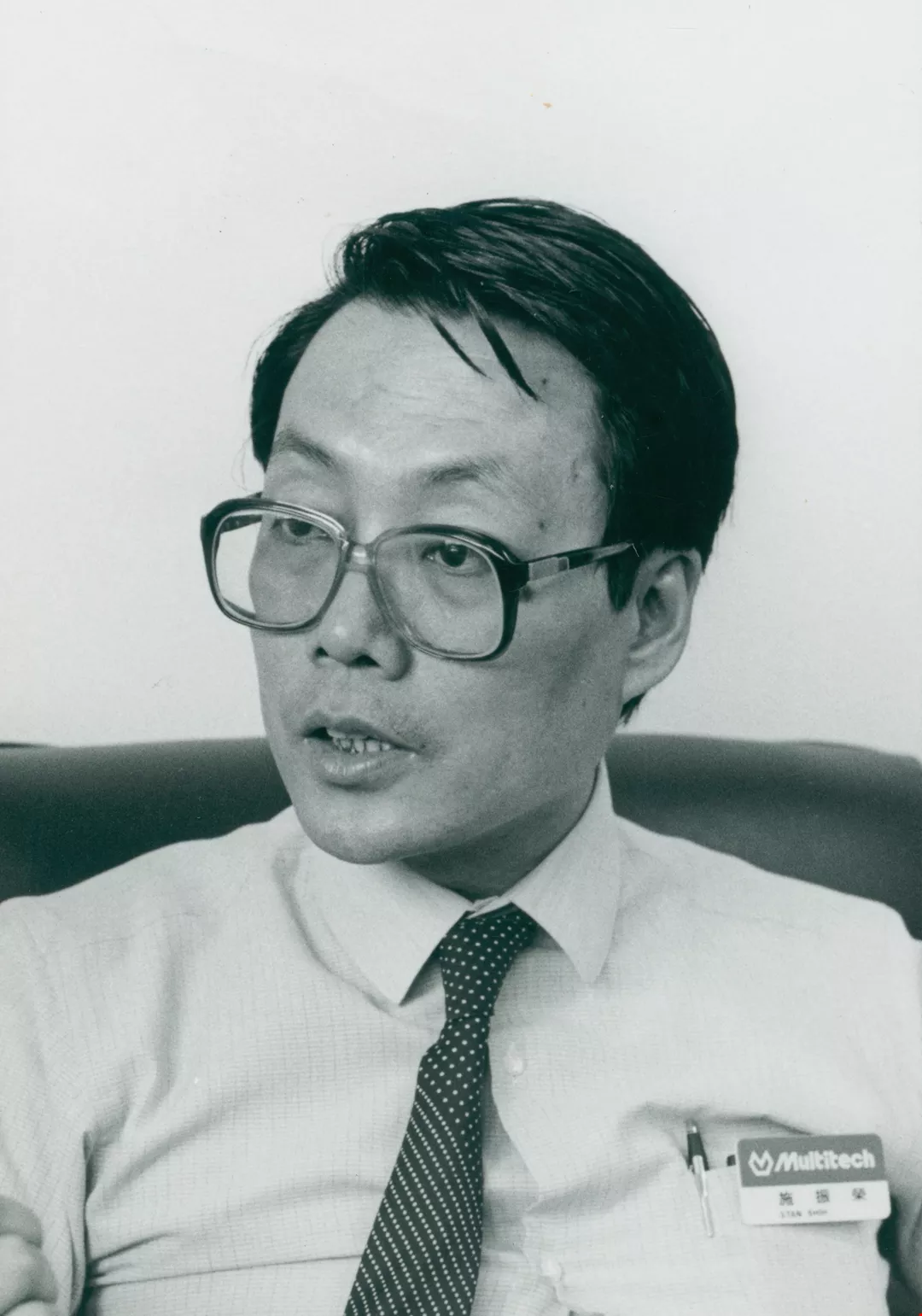
Middle, Multitech industrial Corporation's General Manager, Stan Shih, urges industry leaders saying, "We should be patient, and develop packaged software, for our software industry to have a future.
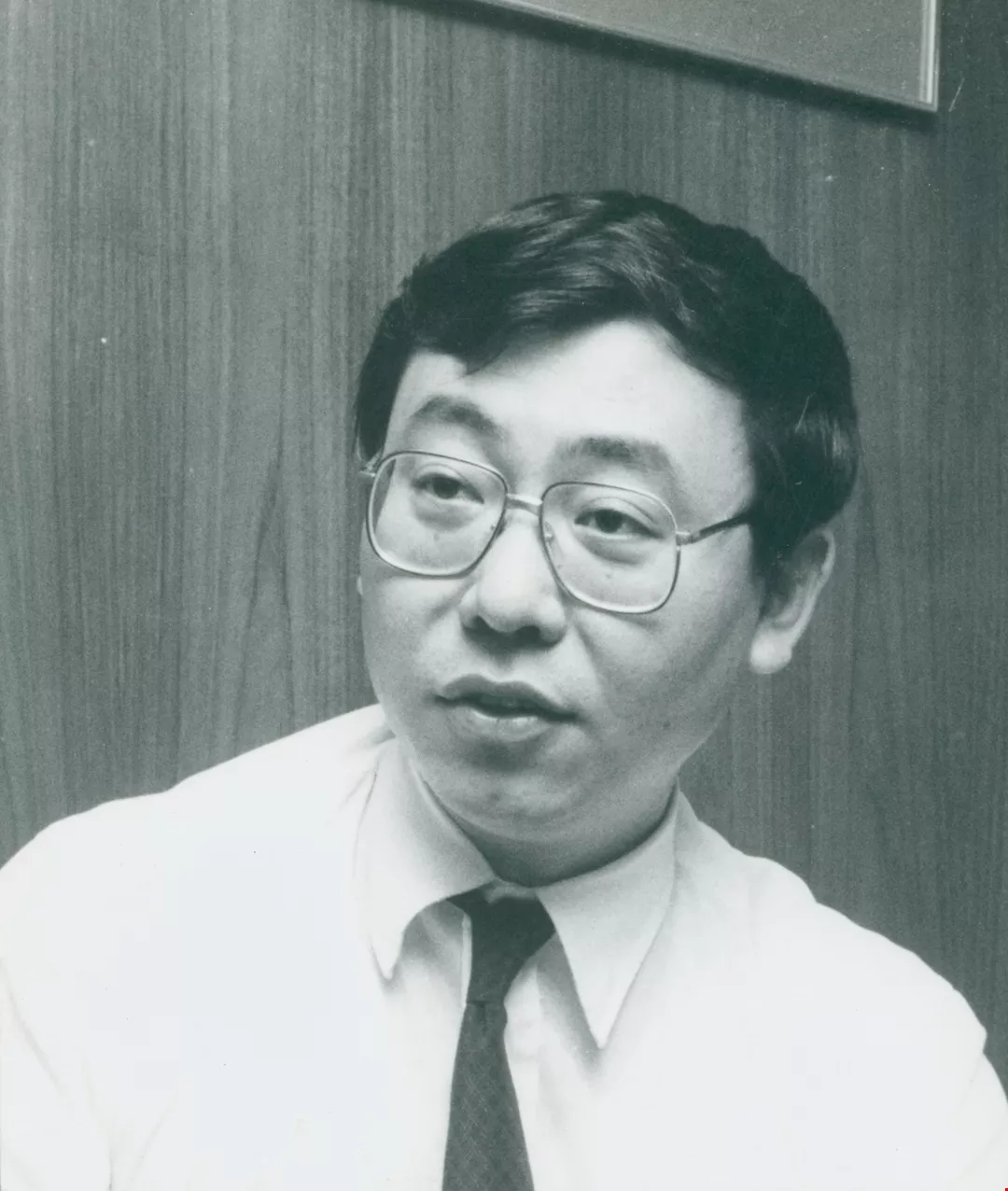
Right, The chairman of Mitac, Inc., Miao Feng-ch'iang, says, "The domestic software industry's scale of planning is too small; firms must combine to make their organization sound.".
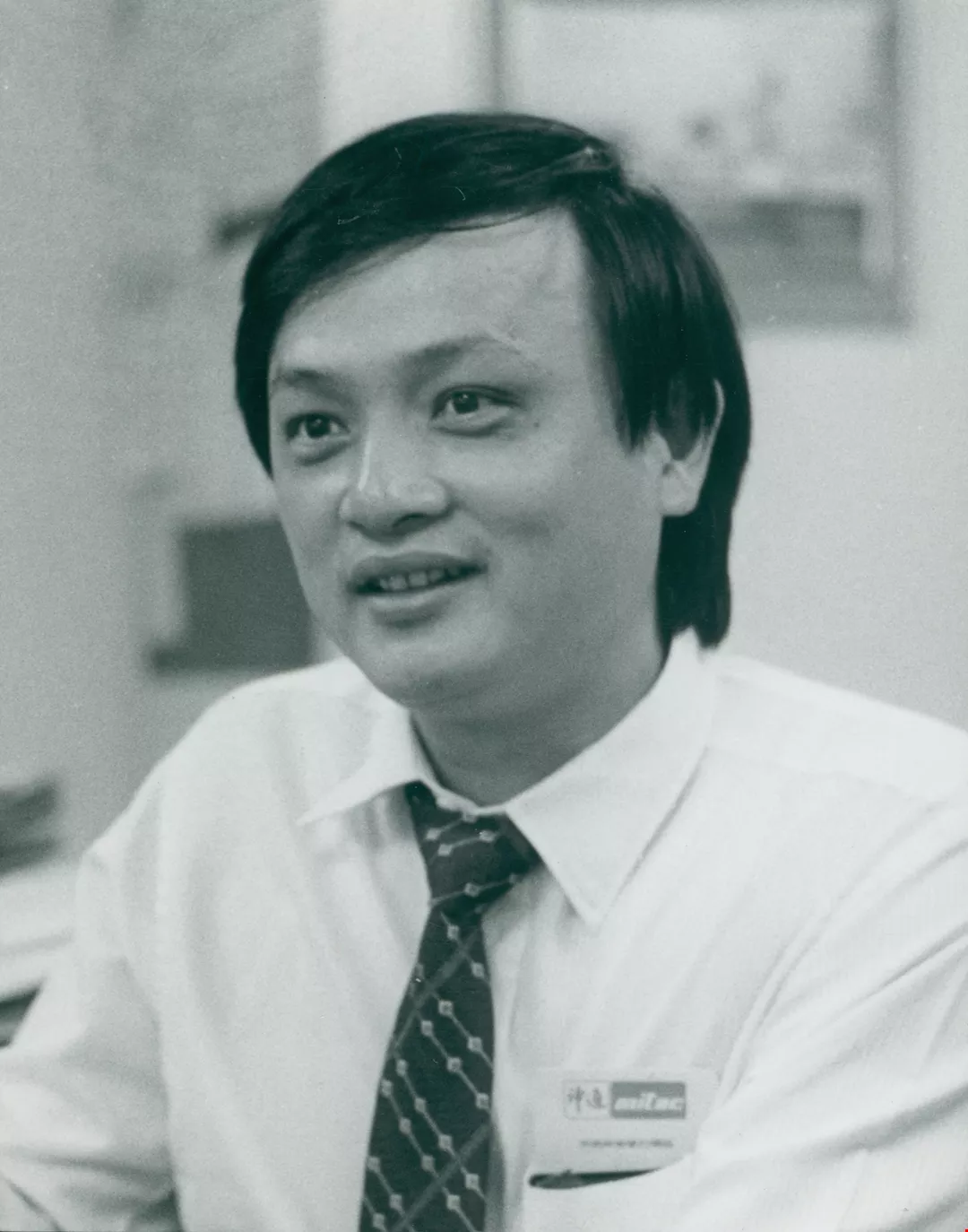
Above left, Mitac's President C. S. Ho says, "Now is a good time to develop our software industry.
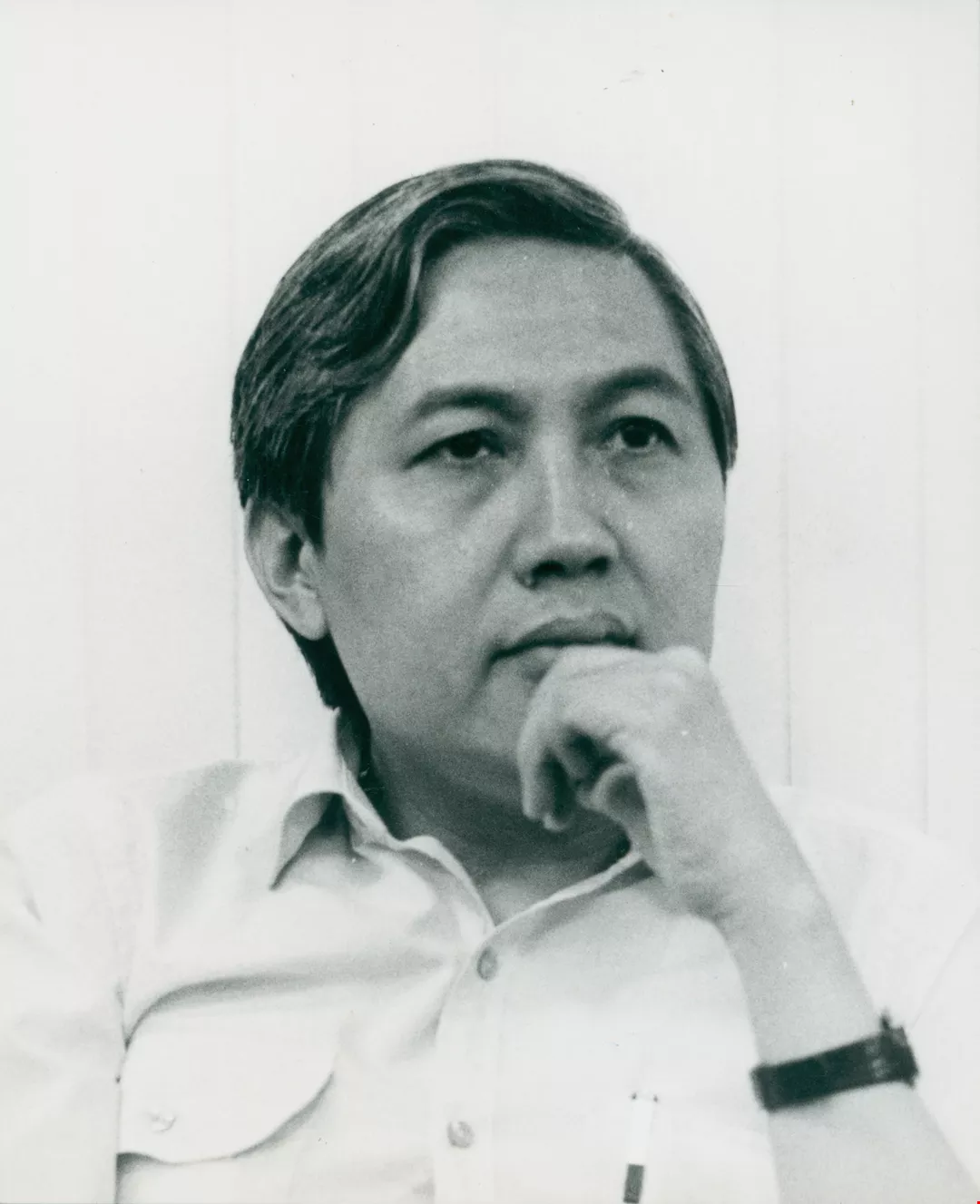
Below left, The president of the Software Association, Kao Chao-hsun, says the association is now coordinating division of labor in the industry, helping the firms to specialize.
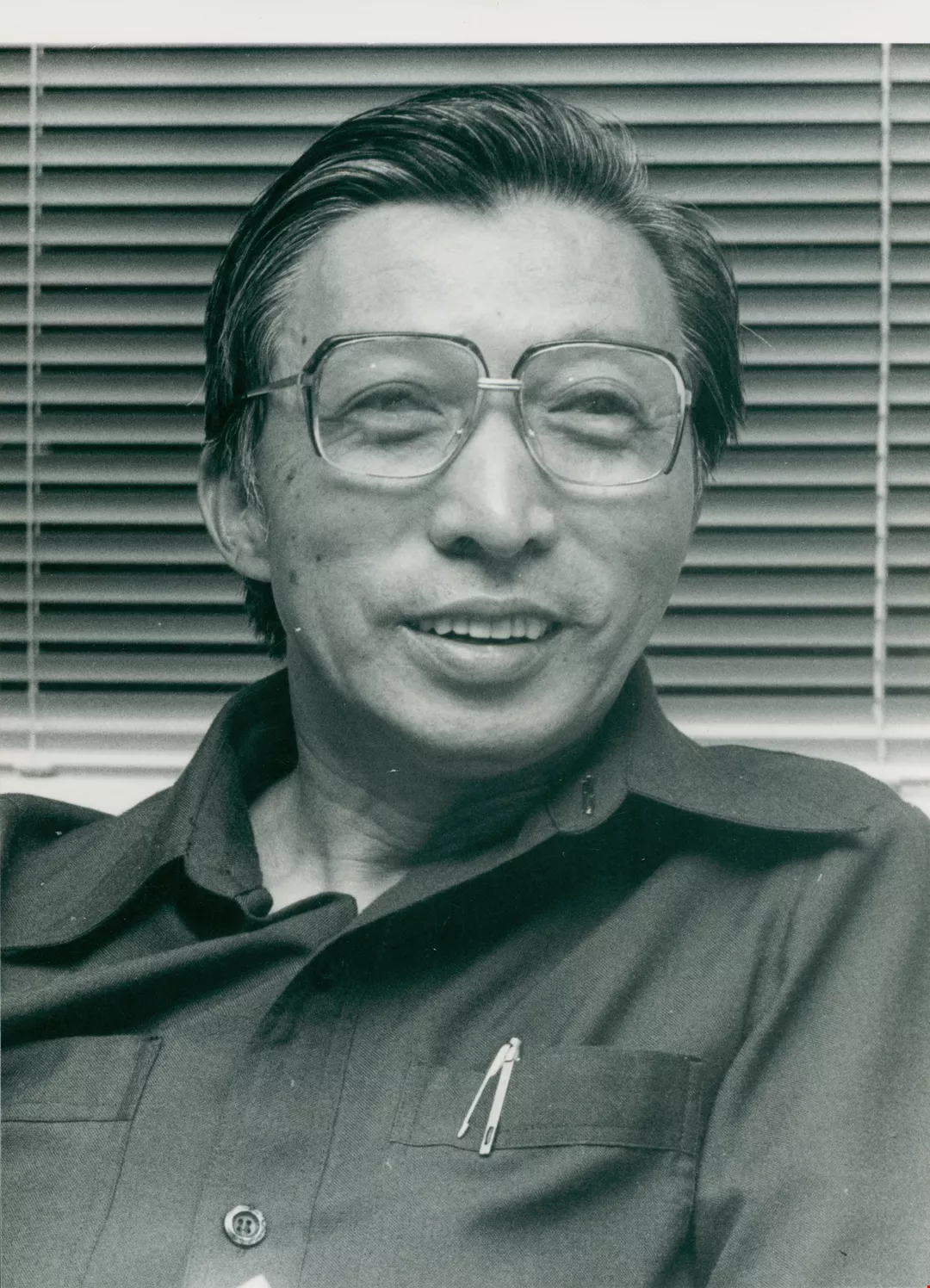
Above right, Vice Minister of Economic Affairs Wang Chao-ming says industry figures should cooperate, and promote unified exports.
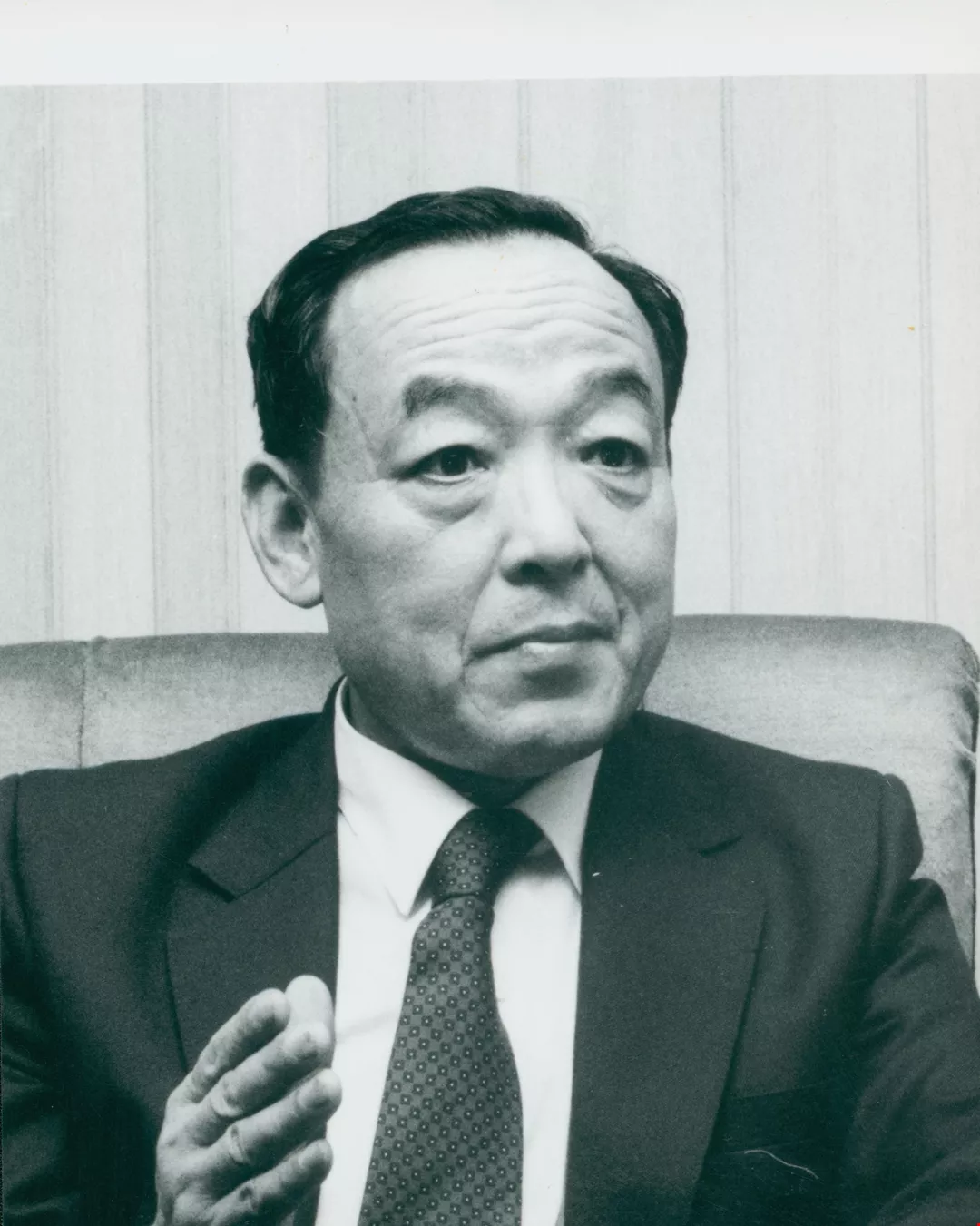
Below right, Ill's President Kuo Yun says, "Government and industry ought to have software firms do their start-up programming.".
@List.jpg?w=522&h=410&mode=crop&format=webp&quality=80)


